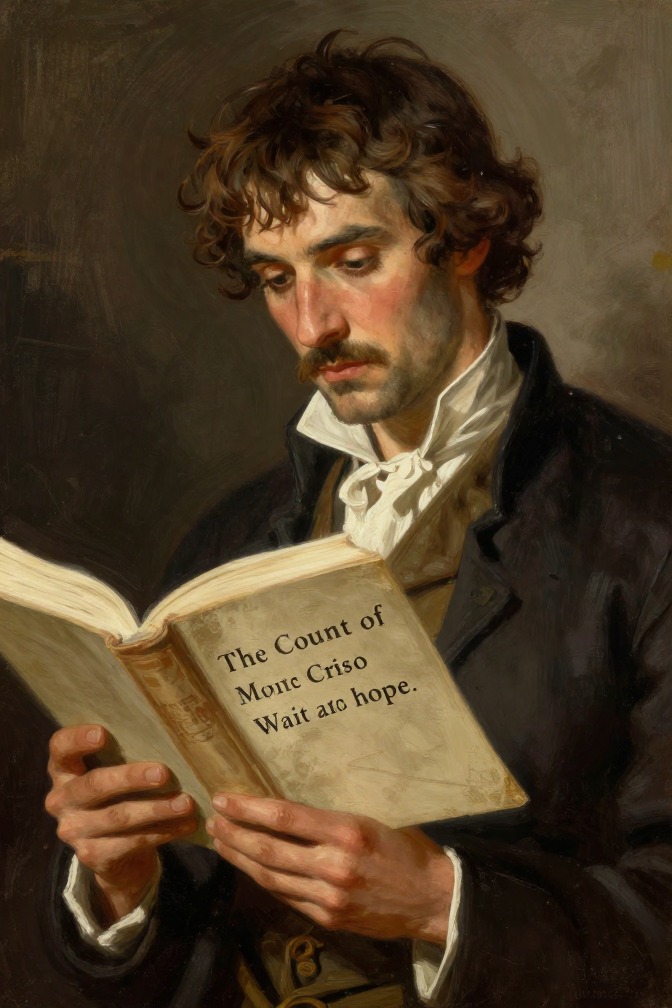
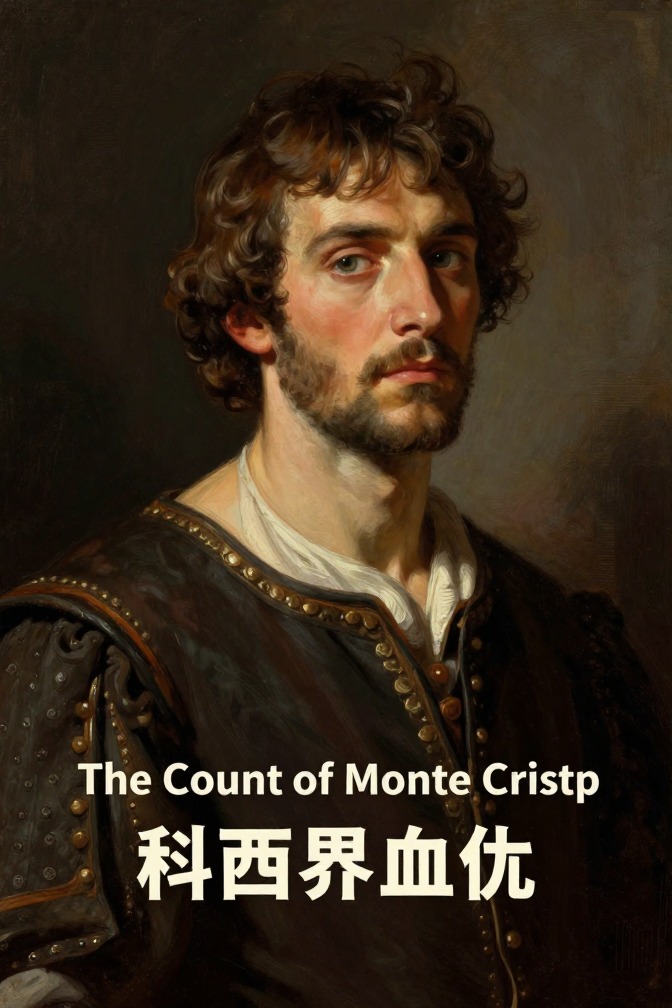
The phrase "Wait and hope" (French: "Attendre et espérer") is the final, climactic maxim of Alexandre Dumas's *The Count of Monte Cristo*, appearing in the letter Edmond Dantes leaves for Maximilian Morrel and Valentine de Villefort at the novel's close. It condenses the entire moral and philosophical trajectory of the work, transforming the narrative from a tale of implacable vengeance into a meditation on the limits of human justice and the necessity of faith in divine providence. The words are not merely a sentimental farewell but a hard-won philosophical conclusion, representing the Count's final renunciation of his role as an agent of retribution and his acceptance of a more humble, Christian understanding of the world.
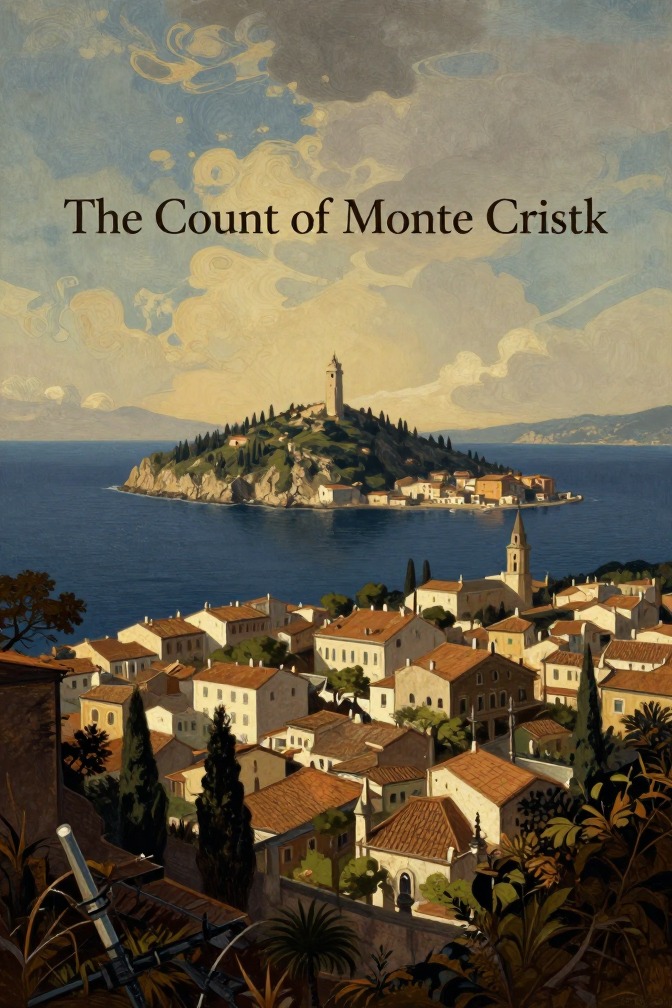
The Island of Elba is the Mediterranean island where Napoleon Bonaparte was exiled after his first abdication in 1814, and it serves in the novel as the crucial geographical pivot where Edmond Dantes, then mate of the Pharaon, stops to deliver a packet from the dying Captain Leclere to the grand marshal, an act that provides the pretext for his arrest and fourteen-year imprisonment.
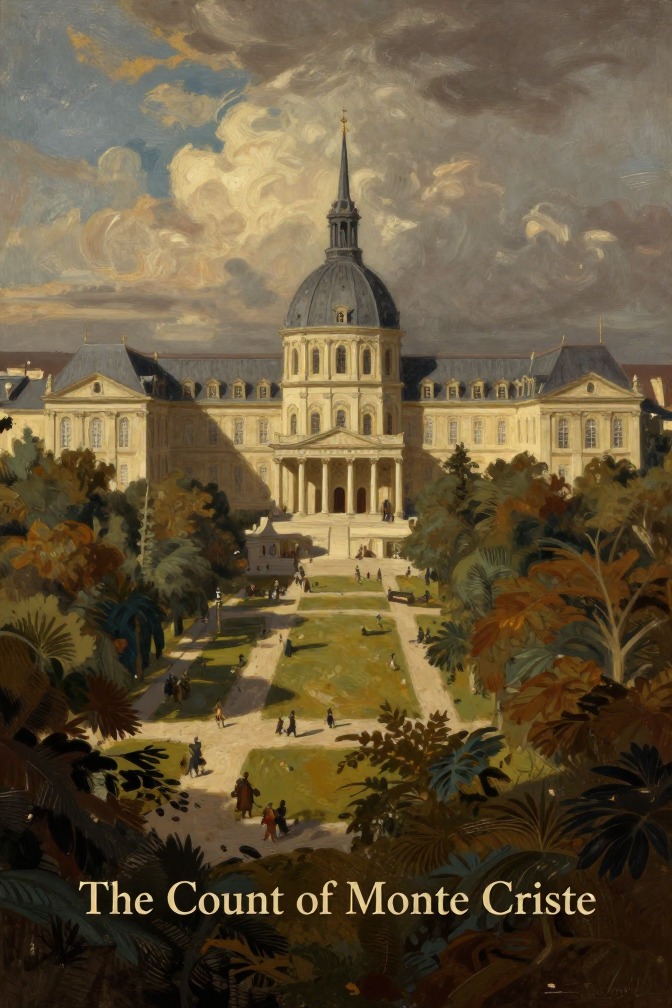
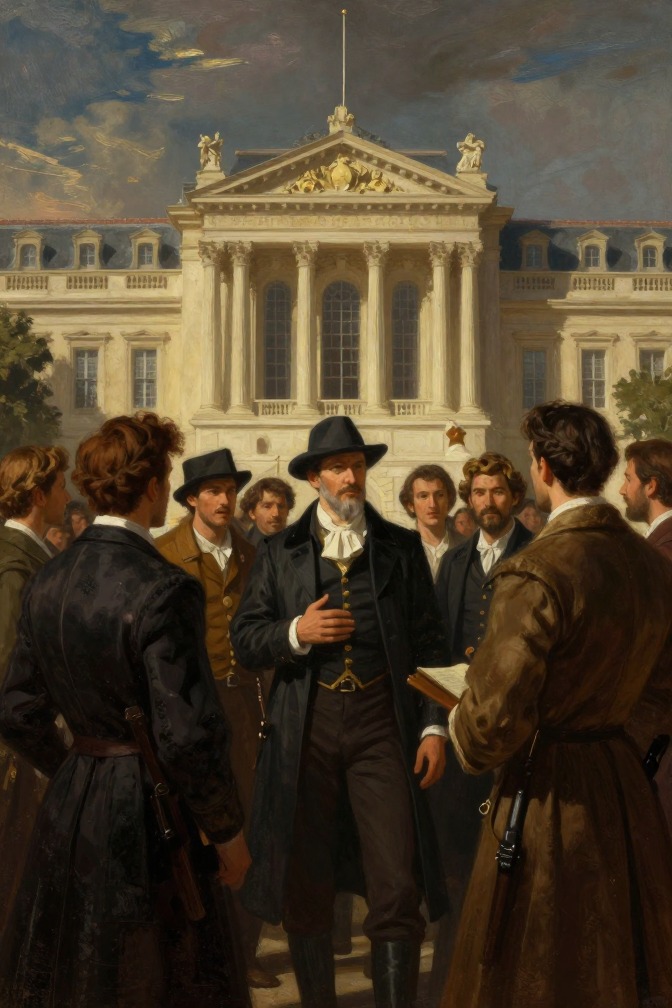
The Luxembourg Palace (Palais du Luxembourg) in Paris serves as the seat of the French Chamber of Peers during the Restoration and July Monarchy, functioning in the novel as the institutional stage where the Count of Morcerf's public disgrace unfolds and where the aristocratic and political elite gather to debate, judge, and enforce the codes of honor and class that drive the plot's climactic confrontations.
The Catacombs of St. Sebastian serve as the underground headquarters of the bandit chief Luigi Vampa and his gang, a labyrinthine network of ancient Roman burial chambers beneath Rome where Albert de Morcerf is held captive after being kidnapped during the Carnival, and where the Count of Monte Cristo demonstrates his extraordinary influence by securing Albert's release.
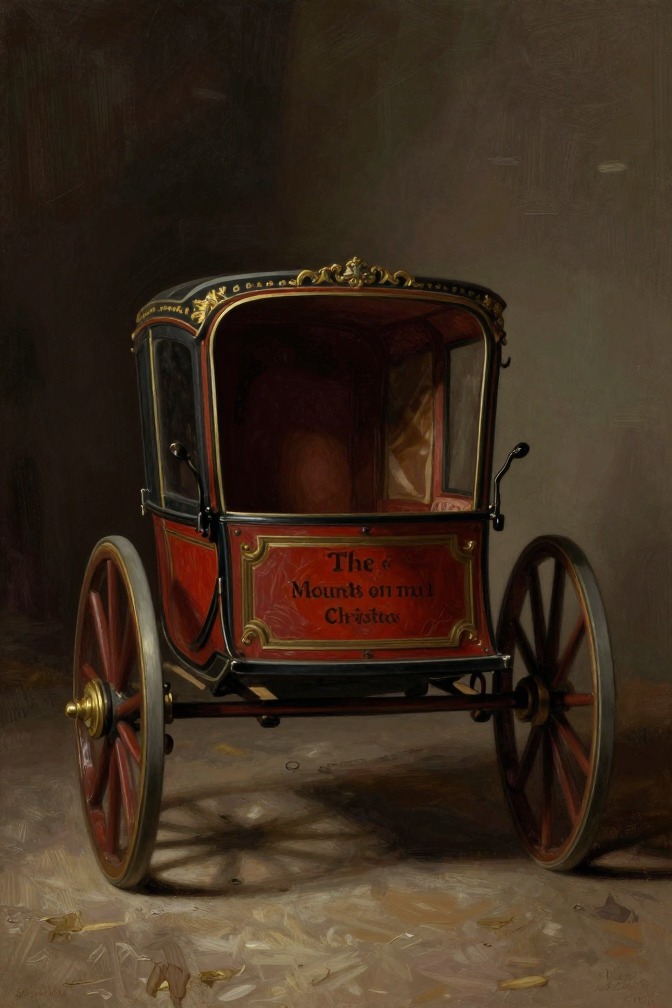
The post-chaise is a recurring vehicle in The Count of Monte Cristo, used for rapid, often clandestine travel across France and Italy. It serves as a key instrument in Danglars' flight from Paris, Monte Cristo's swift journeys, and the bandits' abduction of the banker, symbolizing both the mobility of wealth and the vulnerability of those who rely on it.
The Bank of France (Banque de France) is the central bank of France, established in 1800. In *The Count of Monte Cristo*, it serves as the ultimate repository of financial trust and the stage for the climactic collapse of Baron Danglars' credit. When Danglars issues five sight drafts for a million francs each, drawn on his account at the Bank of France, the Count of Monte Cristo immediately presents them for payment, forcing the banker to honor them on the spot. This transaction, occurring just as the receiver-general of charities arrives to collect a five-million-franc deposit, precipitates Danglars' ruin and flight. The Bank thus functions as the concrete embodiment of the abstract power of money, the institution whose imprimatur alone can convert paper promises into gold, and whose refusal to honor a draft signals absolute financial death.
The Chamber of Deputies is the lower house of the French parliament during the Bourbon Restoration and July Monarchy, serving as a central arena for political conflict, class ambition, and the public exposure of private crimes in *The Count of Monte Cristo*. Danglars, a newly enriched banker and member of the Chamber, uses his position to advance his financial schemes and social standing, while the institution itself becomes the stage where the hidden pasts of the novel's antagonists are publicly dismantled.
The Church in The Count of Monte Cristo functions as a complex institutional presence, alternately embodying divine justice, institutional hypocrisy, and the tension between religious authority and personal vengeance. It appears in scenes of execution, confession, and moral reflection, serving as both a legitimizing force for state power and a silent witness to the novel's most violent moments.
The Conservative party in France during the Bourbon Restoration and July Monarchy is depicted in The Count of Monte Cristo as a political faction that rewards loyalty and punishes dissent, shaping the fortunes of characters like Danglars, who aligns with it for personal gain, and Villefort, who navigates its demands to advance his career.
The Consulate was the French government from 1799 to 1804, established after Napoleon Bonaparte's coup d'état, which replaced the Directory and centralized executive power under three consuls, with Napoleon as First Consul. In The Count of Monte Cristo, the Consulate serves as a historical backdrop that shapes the political allegiances and enmities of key characters, particularly through the figure of Noirtier de Villefort, a former Girondin who later became a senator under Napoleon, and whose revolutionary past creates a lasting conflict with his royalist son, Gérard de Villefort.
The Corsican battalion was a military unit composed of Corsican soldiers that served in the French army during the Napoleonic Wars. In the novel, it is the unit in which Bertuccio's elder brother served as a lieutenant, and its existence and fate are central to Bertuccio's backstory of loss, vendetta, and eventual service to the Count of Monte Cristo.
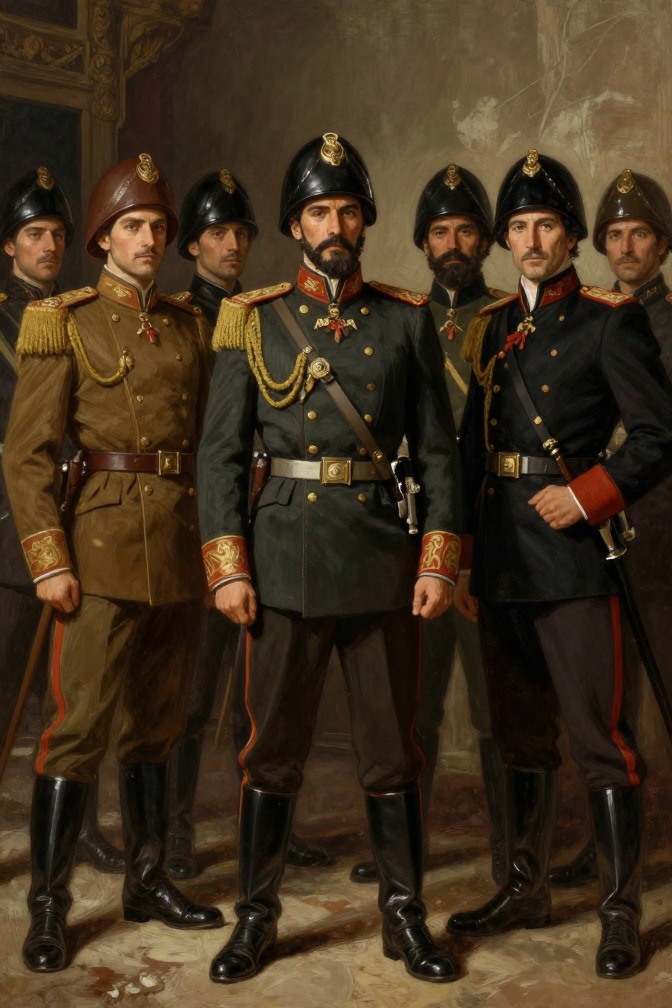
The French government, as depicted in Alexandre Dumas's *The Count of Monte Cristo*, is a complex and often corrupt institution that serves as both a backdrop and an active agent in the novel's central drama of injustice and revenge. Spanning the Bourbon Restoration, the Hundred Days, and the July Monarchy, the government is shown to be a shifting network of power where personal ambition, political allegiance, and legal authority are intertwined. Through the actions of its magistrates, ministers, and police, the state is portrayed not as a neutral arbiter of justice, but as a tool that can be manipulated by the powerful to destroy the innocent and protect the guilty, a system that the Count of Monte Cristo ultimately exploits and subverts in his quest for vengeance.
The Girondins were a moderate republican faction during the French Revolution, and in *The Count of Monte Cristo* their legacy serves as a political marker that defines the ideological divide between Noirtier de Villefort and his son Gérard. Noirtier, a former Girondin who later became a Bonapartist senator, represents the revolutionary past that his royalist son, Villefort, desperately tries to repudiate. This father-son conflict over political identity drives the novel's central conspiracy, as Villefort's fear that his father's Girondin past will ruin his own career leads him to destroy evidence and condemn the innocent Edmond Dantes.
The Greek Navy is a recurring institutional presence in Alexandre Dumas's The Count of Monte Cristo, serving as a backdrop for political intrigue, personal ambition, and the shifting fortunes of key characters. Though never a central actor, the navy's ships, officers, and campaigns punctuate the narrative, connecting the Mediterranean world of the novel to the broader currents of history and individual destiny.
The Invalides, officially the Hôtel des Invalides, is a historic complex of buildings in Paris, France, established by Louis XIV as a hospital and home for aged and disabled soldiers. In *The Count of Monte Cristo*, the Invalides serves as a recurring landmark and temporal marker, its clock and cannon signaling the passage of time and the occurrence of key events, from the escape of Dantes to the final confrontations of the narrative.
The Kingdom of Naples, a major Italian state during the Napoleonic Wars and the Restoration, serves as a crucial geopolitical reference point in *The Count of Monte Cristo*. Its shifting sovereignty—from a Bourbon kingdom to a Napoleonic satellite and back—frames the political instability that enables the novel's central injustices, particularly the Bonapartist conspiracy charges against Edmond Dantes. The kingdom's proximity to the Island of Elba and its role in the complex web of European alliances make it a recurring touchstone for the characters' ambitions, fears, and the overarching theme of fate versus human agency.
The Legion of Honor is the highest French order of merit, established by Napoleon Bonaparte in 1802. In The Count of Monte Cristo, it functions as a central symbol of social recognition, political allegiance, and personal honor, awarded to characters across the social spectrum and serving as a marker of their rise, fall, or moral standing.
Luigi Vampa's band is the most feared and organized band of brigands in the Papal States, operating from the Roman Campagna to the mountains and islands of the Mediterranean. Led by the young and intelligent Luigi Vampa, the band is distinguished by its strict code of conduct, its complex relationship with the local peasantry, and its surprising alliances with smugglers and even the mysterious Count of Monte Cristo. Their activities, from kidnapping for ransom to providing refuge for fugitives, form a crucial counterpoint to the legal justice of Paris, highlighting the novel's themes of power, honor, and the limits of law.
The Neapolitan Army is a military force referenced in The Count of Monte Cristo primarily as a political and historical backdrop against which characters' loyalties, betrayals, and fortunes are measured. Its mention serves to situate the narrative within the turbulent period of the Napoleonic Wars and the Restoration, highlighting the shifting allegiances that define the fates of key figures like Fernand Mondego and the Villefort family.
The Opposition party in The Count of Monte Cristo represents the political faction that opposes the ruling government during the Bourbon Restoration and July Monarchy, serving as a vehicle for characters like Danglars to advance their ambitions and as a backdrop for the novel's critique of political hypocrisy and class mobility.
The Order of Charles III is a Spanish decoration that appears in the novel as a marker of high status and political reward, worn by characters such as Lucien Debray and the Count of Morcerf to signal their connections to the Bourbon monarchy and their roles within the Restoration government.
The Order of Notre-Dame-du-Mont-Carmel is a chivalric order mentioned in The Count of Monte Cristo as one of the decorations worn by King Louis XVIII, and later invoked by the Count of Monte Cristo in his philosophical discourse on justice and vengeance, symbolizing the intersection of royal authority, religious sanction, and the moral codes that govern the novel's themes of reward and punishment.
The Order of the Holy Sepulchre is a chivalric order mentioned in Alexandre Dumas's The Count of Monte Cristo, where it serves as a marker of the Count of Monte Cristo's immense wealth and his ability to command respect and recognition across Europe. Its appearance in the novel is brief but significant, occurring during a conversation between the Count and Albert de Morcerf, where it is used to illustrate the Count's extraordinary social standing and the ease with which he navigates the highest echelons of society.
The Police in *The Count of Monte Cristo* function as an arm of the state, enforcing the law as interpreted by the ruling regime. They are portrayed as an institution that is both powerful and fallible, often serving the interests of the powerful rather than abstract justice. From the arrest of Edmond Dantes to the investigation of Caderousse's murder, the police are shown to be susceptible to political pressure, bureaucratic inertia, and corruption, making them a key instrument in the novel's exploration of justice and its perversion.
The Republic is the political regime of France during the novel's climactic events, serving as the ideological backdrop against which the Bourbon Restoration and the July Monarchy are contrasted, and as the nominal authority whose legal and financial institutions are manipulated by the Count of Monte Cristo in his campaign of vengeance.
The Society of the Rights of Man is a secret political organization in the novel, associated with the Bonapartist underground and the conspiracy to restore Napoleon. It is the group to which the incriminating letter from Elba is addressed, and its existence provides the pretext for Dantes' arrest and imprisonment.
The Spanish government is a recurring political entity in The Count of Monte Cristo, serving as a backdrop for financial speculation, military campaigns, and the rise of characters like Danglars and Fernand Mondego. Its fluctuating bonds and political instability, particularly the Carlist Wars, become instruments of fortune and ruin for the novel's key players, illustrating the theme of chance and the manipulation of state power for personal gain.
The Tribunal of the Rota is the highest appellate court of the Roman Catholic Church, functioning as the ordinary court of the Holy See and the supreme ecclesiastical tribunal for the Latin Church. In The Count of Monte Cristo, it is the judicial body that sentences the condemned criminals Andrea Rondolo and Peppino to execution during the Roman Carnival, a sentence that the Count of Monte Cristo manipulates through his influence to obtain a pardon for Peppino.
The Turkish Army is a recurring military and political force in The Count of Monte Cristo, serving as a backdrop for the betrayal of Ali Pasha, the rise of Fernand Mondego, and the enslavement of Haidee. Its presence frames the novel's critique of imperial ambition, treachery, and the moral compromises of those who serve despotic power.
Vendetta, the Corsican blood feud, is a central cultural and narrative principle in *The Count of Monte Cristo*, functioning as a binding code of honor that demands personal vengeance for wrongs suffered, often passed down through generations. The novel explores the tension between this informal justice system and the formal French legal system, ultimately questioning the moral limits of revenge.