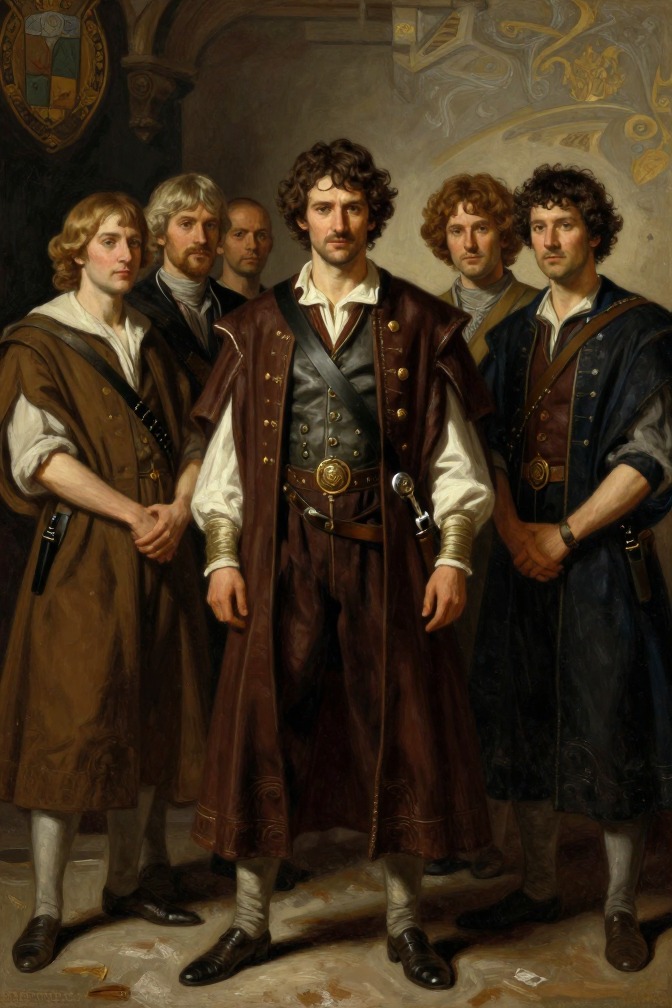
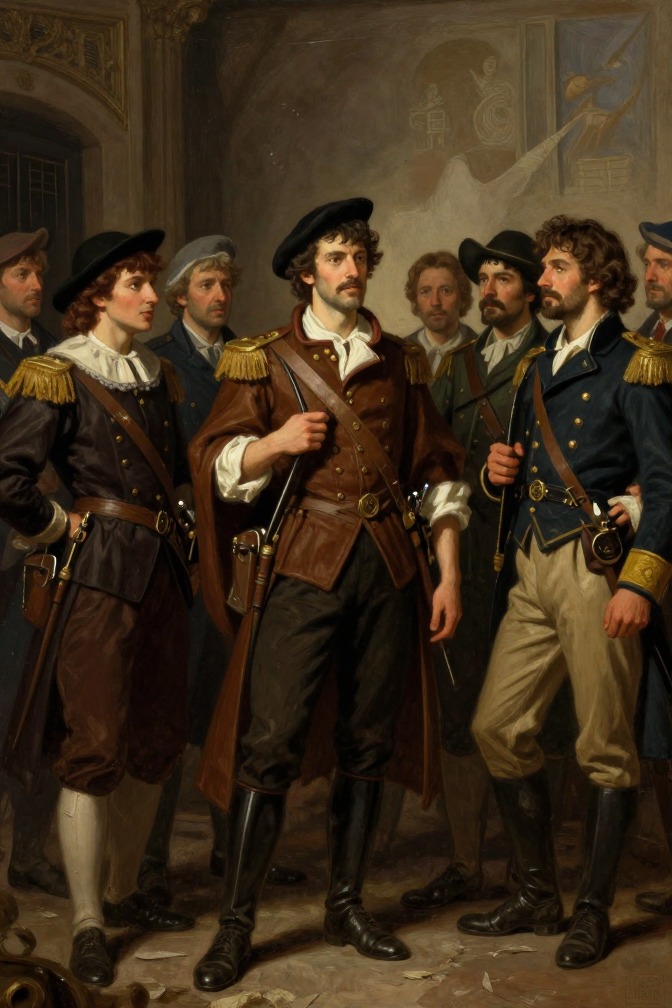
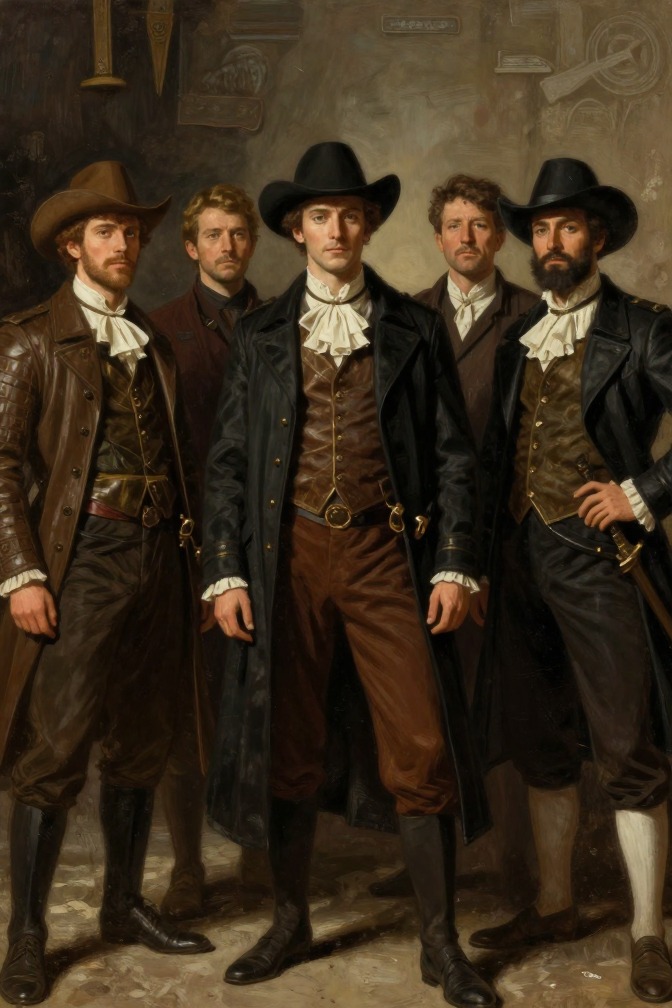
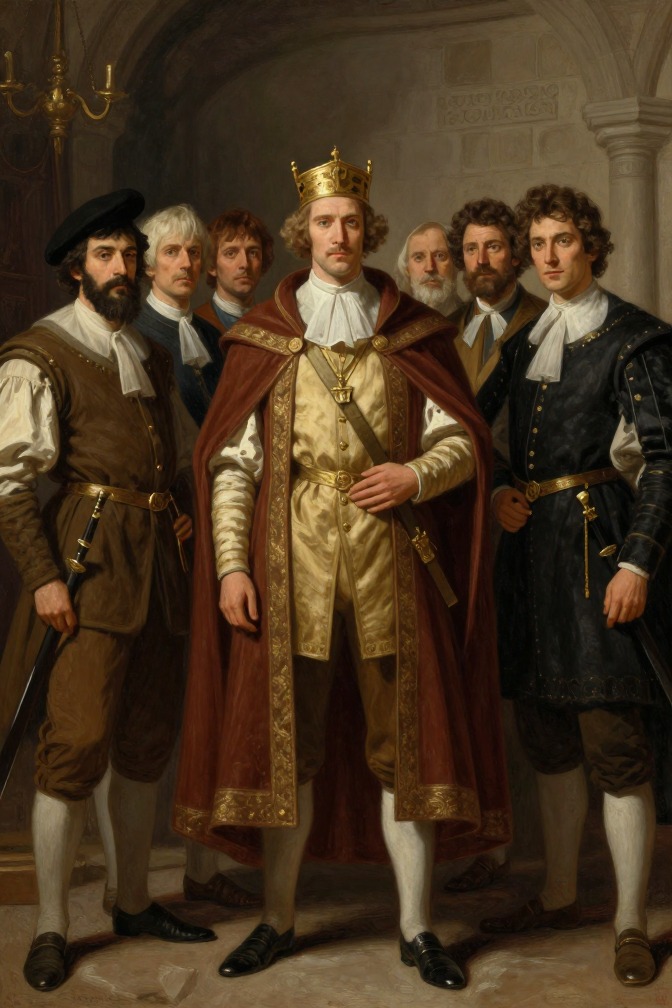
Luigi Vampa's band is the most feared and organized band of brigands in the Papal States, operating from the Roman Campagna to the mountains and islands of the Mediterranean. Led by the young and intelligent Luigi Vampa, the band is distinguished by its strict code of conduct, its complex relationship with the local peasantry, and its surprising alliances with smugglers and even the mysterious Count of Monte Cristo. Their activities, from kidnapping for ransom to providing refuge for fugitives, form a crucial counterpoint to the legal justice of Paris, highlighting the novel's themes of power, honor, and the limits of law.
The Neapolitan Army is a military force referenced in The Count of Monte Cristo primarily as a political and historical backdrop against which characters' loyalties, betrayals, and fortunes are measured. Its mention serves to situate the narrative within the turbulent period of the Napoleonic Wars and the Restoration, highlighting the shifting allegiances that define the fates of key figures like Fernand Mondego and the Villefort family.
The Opposition party in The Count of Monte Cristo represents the political faction that opposes the ruling government during the Bourbon Restoration and July Monarchy, serving as a vehicle for characters like Danglars to advance their ambitions and as a backdrop for the novel's critique of political hypocrisy and class mobility.
The Order of Charles III is a Spanish decoration that appears in the novel as a marker of high status and political reward, worn by characters such as Lucien Debray and the Count of Morcerf to signal their connections to the Bourbon monarchy and their roles within the Restoration government.
The Order of Notre-Dame-du-Mont-Carmel is a chivalric order mentioned in The Count of Monte Cristo as one of the decorations worn by King Louis XVIII, and later invoked by the Count of Monte Cristo in his philosophical discourse on justice and vengeance, symbolizing the intersection of royal authority, religious sanction, and the moral codes that govern the novel's themes of reward and punishment.
The Order of the Holy Sepulchre is a chivalric order mentioned in Alexandre Dumas's The Count of Monte Cristo, where it serves as a marker of the Count of Monte Cristo's immense wealth and his ability to command respect and recognition across Europe. Its appearance in the novel is brief but significant, occurring during a conversation between the Count and Albert de Morcerf, where it is used to illustrate the Count's extraordinary social standing and the ease with which he navigates the highest echelons of society.
The Police in *The Count of Monte Cristo* function as an arm of the state, enforcing the law as interpreted by the ruling regime. They are portrayed as an institution that is both powerful and fallible, often serving the interests of the powerful rather than abstract justice. From the arrest of Edmond Dantes to the investigation of Caderousse's murder, the police are shown to be susceptible to political pressure, bureaucratic inertia, and corruption, making them a key instrument in the novel's exploration of justice and its perversion.
The Republic is the political regime of France during the novel's climactic events, serving as the ideological backdrop against which the Bourbon Restoration and the July Monarchy are contrasted, and as the nominal authority whose legal and financial institutions are manipulated by the Count of Monte Cristo in his campaign of vengeance.
The Society of the Rights of Man is a secret political organization in the novel, associated with the Bonapartist underground and the conspiracy to restore Napoleon. It is the group to which the incriminating letter from Elba is addressed, and its existence provides the pretext for Dantes' arrest and imprisonment.
The Spanish government is a recurring political entity in The Count of Monte Cristo, serving as a backdrop for financial speculation, military campaigns, and the rise of characters like Danglars and Fernand Mondego. Its fluctuating bonds and political instability, particularly the Carlist Wars, become instruments of fortune and ruin for the novel's key players, illustrating the theme of chance and the manipulation of state power for personal gain.
The Tribunal of the Rota is the highest appellate court of the Roman Catholic Church, functioning as the ordinary court of the Holy See and the supreme ecclesiastical tribunal for the Latin Church. In The Count of Monte Cristo, it is the judicial body that sentences the condemned criminals Andrea Rondolo and Peppino to execution during the Roman Carnival, a sentence that the Count of Monte Cristo manipulates through his influence to obtain a pardon for Peppino.
The Turkish Army is a recurring military and political force in The Count of Monte Cristo, serving as a backdrop for the betrayal of Ali Pasha, the rise of Fernand Mondego, and the enslavement of Haidee. Its presence frames the novel's critique of imperial ambition, treachery, and the moral compromises of those who serve despotic power.
Vendetta, the Corsican blood feud, is a central cultural and narrative principle in *The Count of Monte Cristo*, functioning as a binding code of honor that demands personal vengeance for wrongs suffered, often passed down through generations. The novel explores the tension between this informal justice system and the formal French legal system, ultimately questioning the moral limits of revenge.
The love between Valentine de Villefort and Maximilian Morrel is a central romantic thread in the second half of the novel, defined by its clandestine nature, the lovers' mutual devotion, and the formidable obstacles posed by Valentine's family, particularly her father's plans for her marriage to Franz d'Epinay and the murderous schemes of her stepmother. Their relationship, conducted through secret meetings at a garden gate, becomes a crucible of hope and despair, ultimately serving as a key test of Monte Cristo's capacity for mercy and redemption.
Noirtier de Villefort, the father of the king's attorney Gérard de Villefort, suffers a catastrophic stroke that leaves him completely paralyzed, able to communicate only through eye movements. This condition, which transforms a fiery Jacobin and Bonapartist conspirator into a helpless figure dependent on his granddaughter Valentine, becomes a central moral and dramatic force in the novel, as his silent will and hidden knowledge ultimately determine the fates of those around him.
The vengeance of Edmond Dantes, the central driving force of The Count of Monte Cristo, transforms a wrongfully imprisoned sailor into an agent of calculated retribution against those who destroyed his youth, only to confront the moral limits of his own god-like power.
The 28th of February, 1815, is the date of Edmond Dantes' arrest, the pivotal event that sets the entire plot of *The Count of Monte Cristo* in motion. On this day, Dantes is seized at his betrothal feast, transforming him from a triumphant young sailor on the cusp of happiness into a prisoner condemned to fourteen years of unjust imprisonment in the Chateau d'If. This date marks the origin of his suffering and the birth of his consuming desire for vengeance.
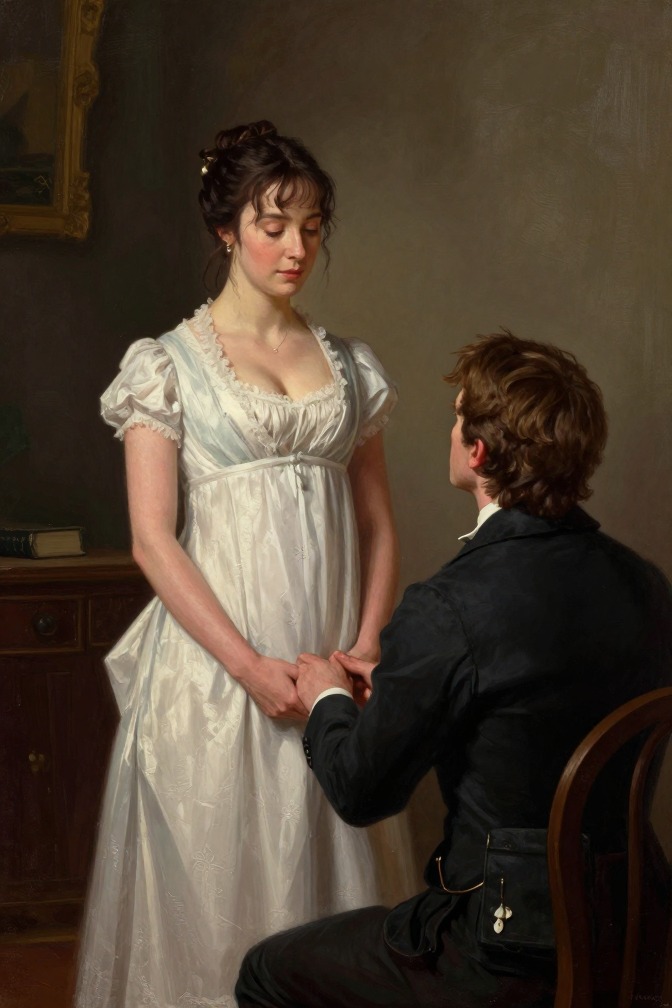
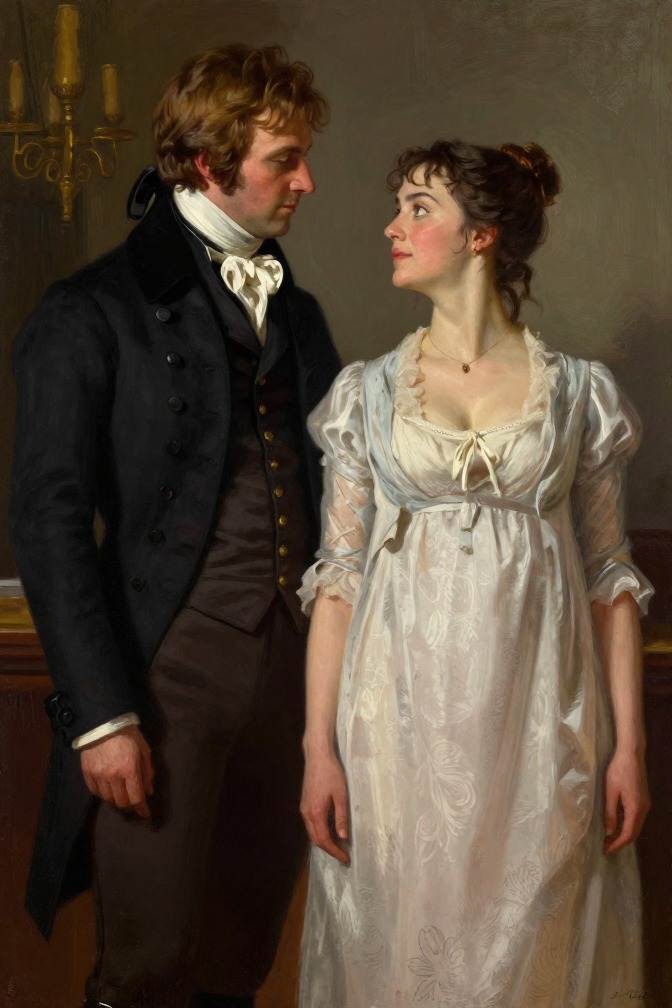
Darcy's first proposal to Elizabeth is the pivotal romantic crisis of Pride and Prejudice, in which Fitzwilliam Darcy, after a long internal struggle, declares his love for Elizabeth Bennet in a manner so marred by pride and condescension that she rejects him with devastating clarity, accusing him of ruining her sister's happiness and mistreating George Wickham.
Mr. Jones is the apothecary of Meryton, a minor but recurring medical figure in Pride and Prejudice. He attends to Jane Bennet during her illness at Netherfield Park, prescribing draughts and advising her to return to bed, and his professional judgment is invoked by both the Bennet family and the Bingley household. Though he appears only briefly, his role underscores the social and medical practices of the time and provides a touchstone for the family's anxieties and schemes.
Mrs. Hill is the housekeeper at Longbourn, the Bennet family home, and a recurring minor character in Jane Austen's Pride and Prejudice. Though she appears only briefly, her role as a trusted servant places her at the center of the household's most intimate moments, from the family's private conversations to the dramatic aftermath of Lydia's elopement. She is the first to relay news of Mr. Bingley's arrival, the recipient of Lydia's boastful wedding announcement, and a witness to the family's fluctuating fortunes, embodying the loyal, observant domestic presence that anchors the Bennet household.
Sir William Lucas is a minor but memorable character in Jane Austen's Pride and Prejudice, a former Meryton tradesman who was knighted after serving as mayor and who now devotes himself to being universally civil. He functions as a comic figure of social pretension and as a narrative instrument who inadvertently reveals key information about the developing relationships between the novel's principal couples.
William Collins is a pompous, obsequious clergyman and the Bennet family's cousin, whose absurd proposal to Elizabeth and subsequent marriage to Charlotte Lucas serve as a comic foil to the novel's central romance and a stark illustration of the mercenary motives behind many marriages in Regency society.
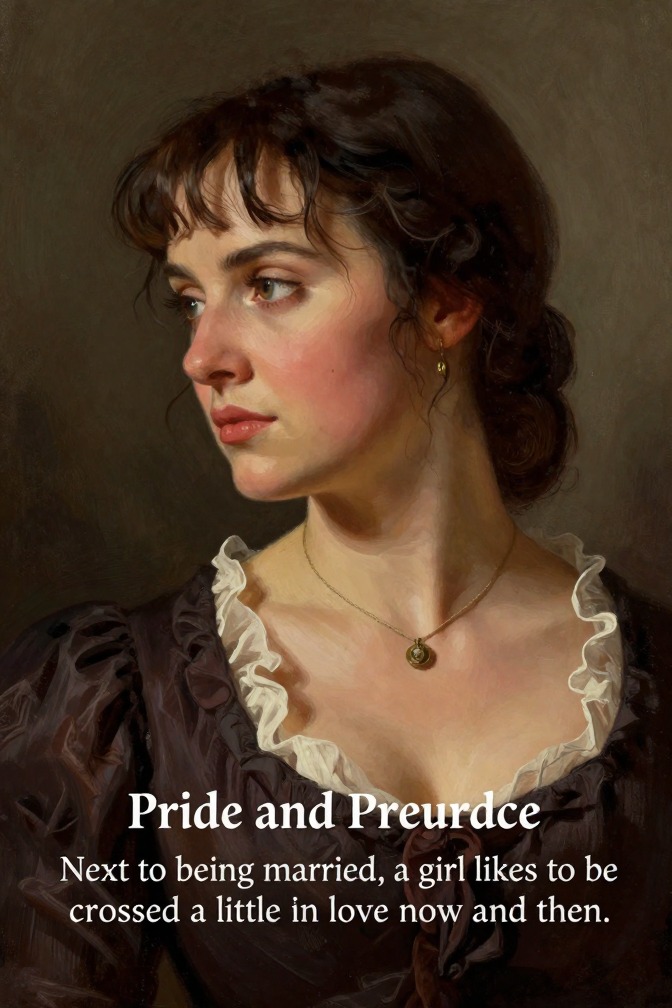
Mr. Bennet's remark to Elizabeth that "next to being married, a girl likes to be crossed a little in love now and then" is a characteristic expression of his ironic, detached philosophy, one that frames romantic disappointment as a desirable distinction rather than a genuine misfortune. The line crystallizes his tendency to treat his daughters' emotional lives as material for wit, and it recurs in the novel as a touchstone for Elizabeth's own evolving understanding of love, self-deception, and the difference between vanity and genuine feeling.
Lucas Lodge is the Lucas family home near Meryton, a setting for social gatherings and conversations that advance key relationships and conflicts in the novel.
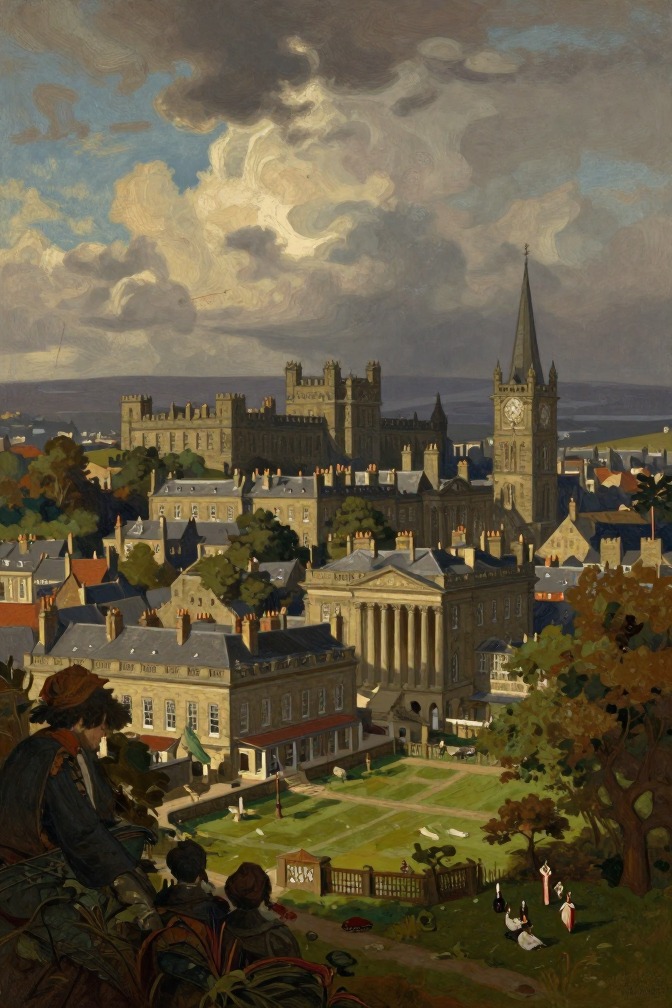
Newcastle is the distant northern city to which the newly married Lydia Bennet and George Wickham relocate after their scandalous elopement and forced marriage, serving as the geographical instrument of their social banishment from Hertfordshire and as a persistent source of financial strain on Elizabeth Bennet and Jane Bingley.
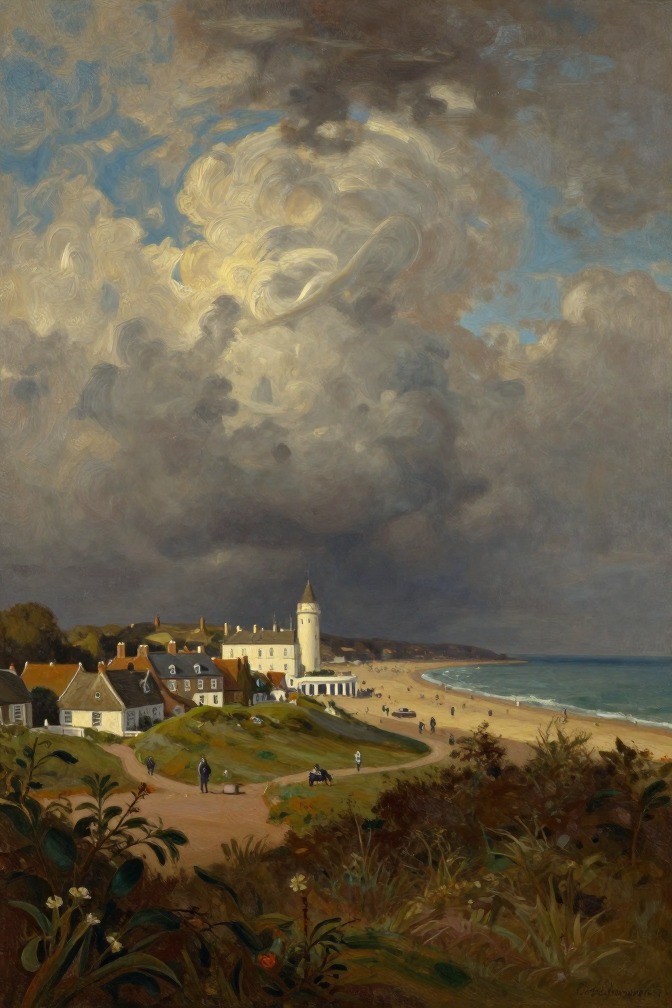
Ramsgate is the English seaside town where George Wickham, with the connivance of Mrs. Younge, attempted to elope with the fifteen-year-old Georgiana Darcy, an event that profoundly shapes Fitzwilliam Darcy's subsequent actions and his enmity toward Wickham.
The Lakes, a region in northern England, represents in Pride and Prejudice an idealized destination for a summer tour that Elizabeth Bennet eagerly anticipates but ultimately must abandon, symbolizing both her capacity for imaginative delight and the way personal and familial crises redirect her path toward the more consequential journey to Derbyshire and Pemberley.
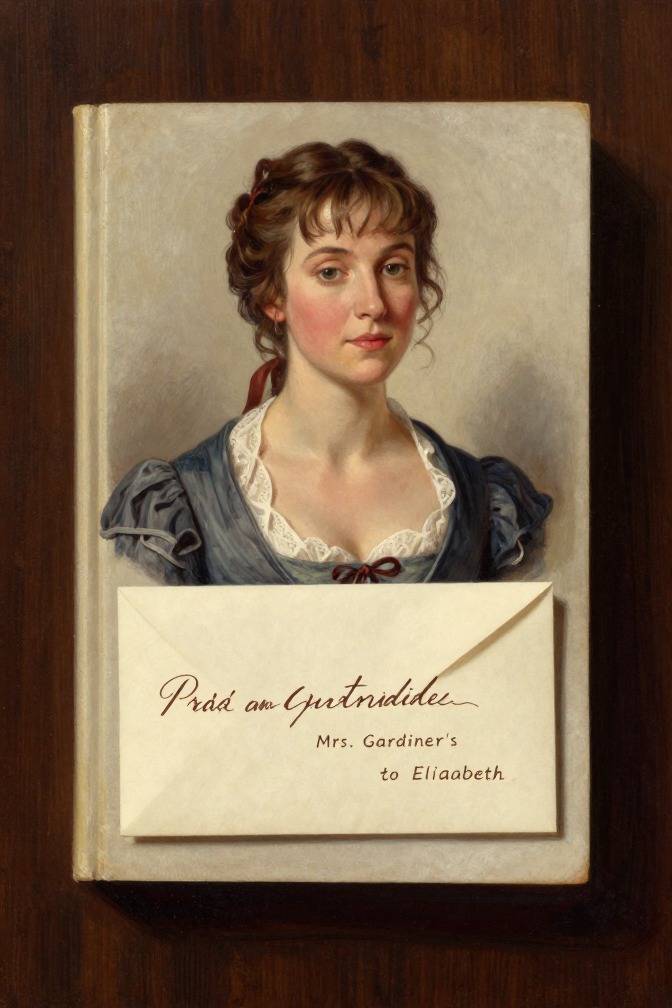
Mrs. Gardiner's letter to Elizabeth, written from Gracechurch Street on September 6, reveals the full extent of Fitzwilliam Darcy's secret intervention to secure Lydia Bennet's marriage to George Wickham, transforming Elizabeth's understanding of his character and deepening her gratitude and affection.
George Wickham's attempted elopement with Georgiana Darcy is a pivotal, concealed event that reveals his true, predatory character and forms the deepest source of enmity between him and Fitzwilliam Darcy, while also serving as a crucial catalyst for Elizabeth Bennet's eventual change of heart toward Darcy.
Doctor Spielsberg is the elderly physician summoned to Laura's schloss during her mysterious illness; he is the first medical authority to recognize the physical evidence of a vampire attack and to prescribe the protective measures that ultimately save her life.