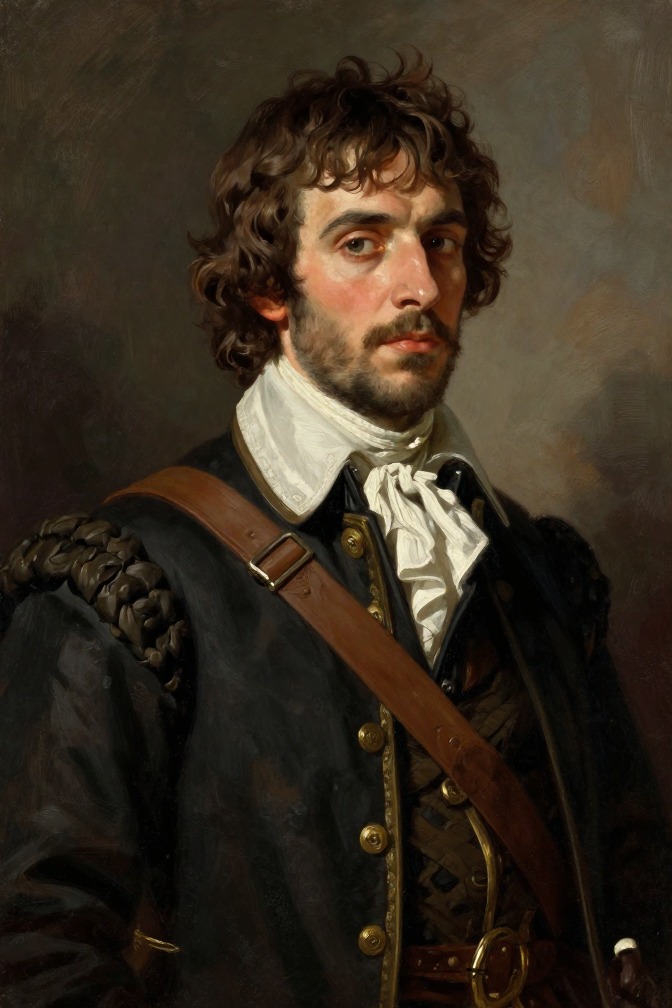
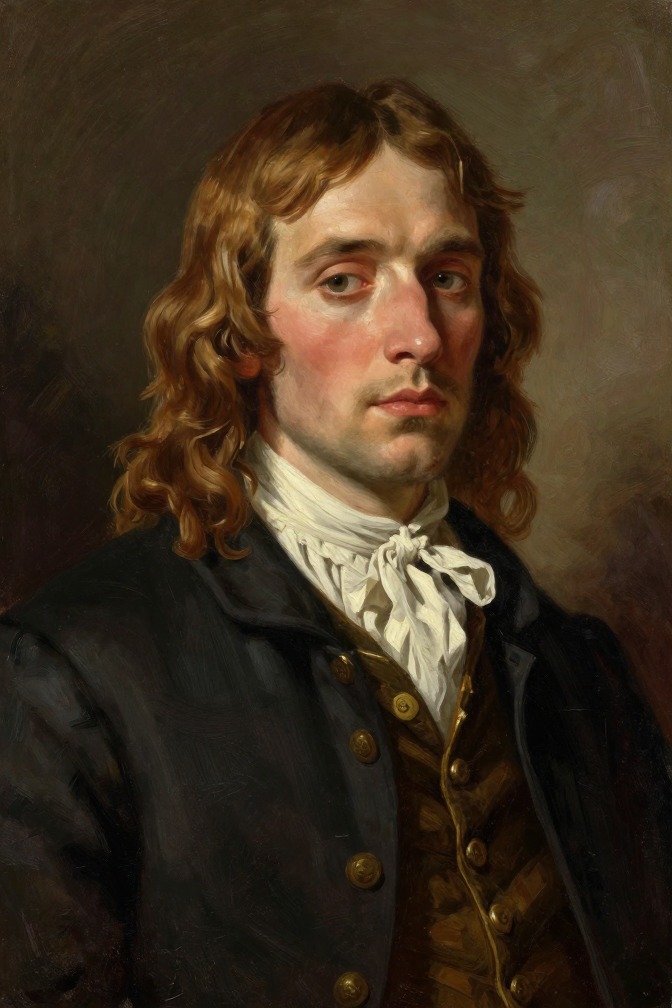
The 28th of February, 1815, is the date of Edmond Dantes' arrest, the pivotal event that sets the entire plot of *The Count of Monte Cristo* in motion. On this day, Dantes is seized at his betrothal feast, transforming him from a triumphant young sailor on the cusp of happiness into a prisoner condemned to fourteen years of unjust imprisonment in the Chateau d'If. This date marks the origin of his suffering and the birth of his consuming desire for vengeance.
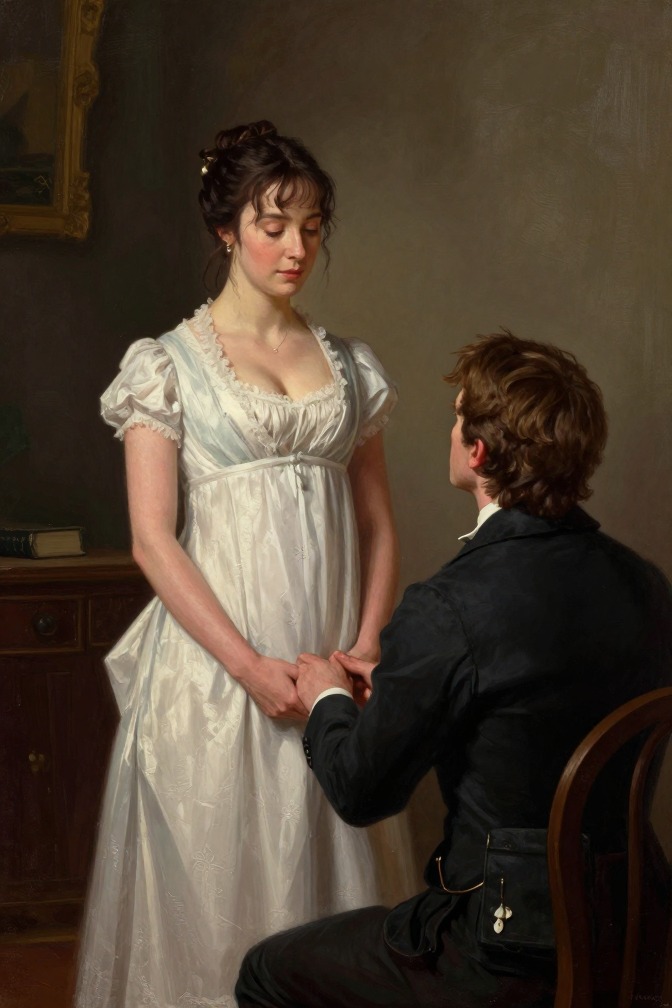
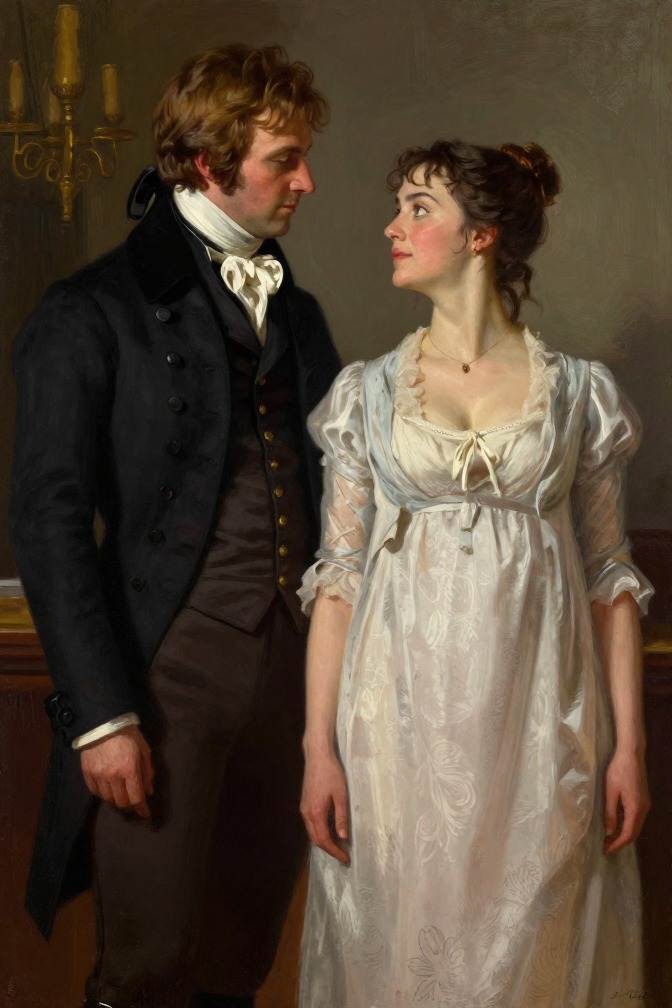
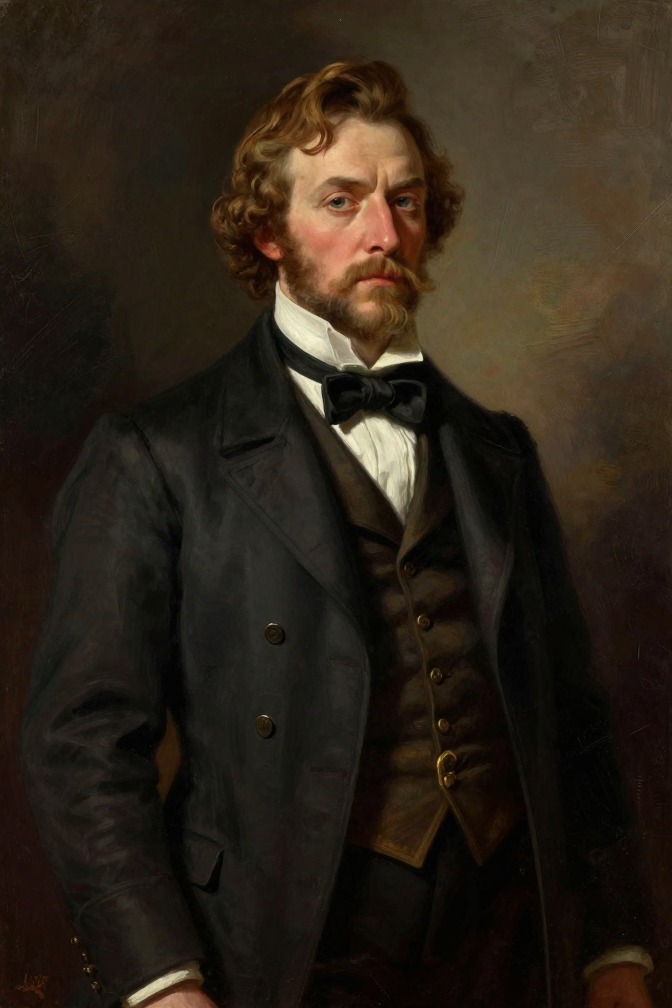
Darcy's first proposal to Elizabeth is the pivotal romantic crisis of Pride and Prejudice, in which Fitzwilliam Darcy, after a long internal struggle, declares his love for Elizabeth Bennet in a manner so marred by pride and condescension that she rejects him with devastating clarity, accusing him of ruining her sister's happiness and mistreating George Wickham.
Mr. Jones is the apothecary of Meryton, a minor but recurring medical figure in Pride and Prejudice. He attends to Jane Bennet during her illness at Netherfield Park, prescribing draughts and advising her to return to bed, and his professional judgment is invoked by both the Bennet family and the Bingley household. Though he appears only briefly, his role underscores the social and medical practices of the time and provides a touchstone for the family's anxieties and schemes.
Mrs. Hill is the housekeeper at Longbourn, the Bennet family home, and a recurring minor character in Jane Austen's Pride and Prejudice. Though she appears only briefly, her role as a trusted servant places her at the center of the household's most intimate moments, from the family's private conversations to the dramatic aftermath of Lydia's elopement. She is the first to relay news of Mr. Bingley's arrival, the recipient of Lydia's boastful wedding announcement, and a witness to the family's fluctuating fortunes, embodying the loyal, observant domestic presence that anchors the Bennet household.
Sir William Lucas is a minor but memorable character in Jane Austen's Pride and Prejudice, a former Meryton tradesman who was knighted after serving as mayor and who now devotes himself to being universally civil. He functions as a comic figure of social pretension and as a narrative instrument who inadvertently reveals key information about the developing relationships between the novel's principal couples.
William Collins is a pompous, obsequious clergyman and the Bennet family's cousin, whose absurd proposal to Elizabeth and subsequent marriage to Charlotte Lucas serve as a comic foil to the novel's central romance and a stark illustration of the mercenary motives behind many marriages in Regency society.
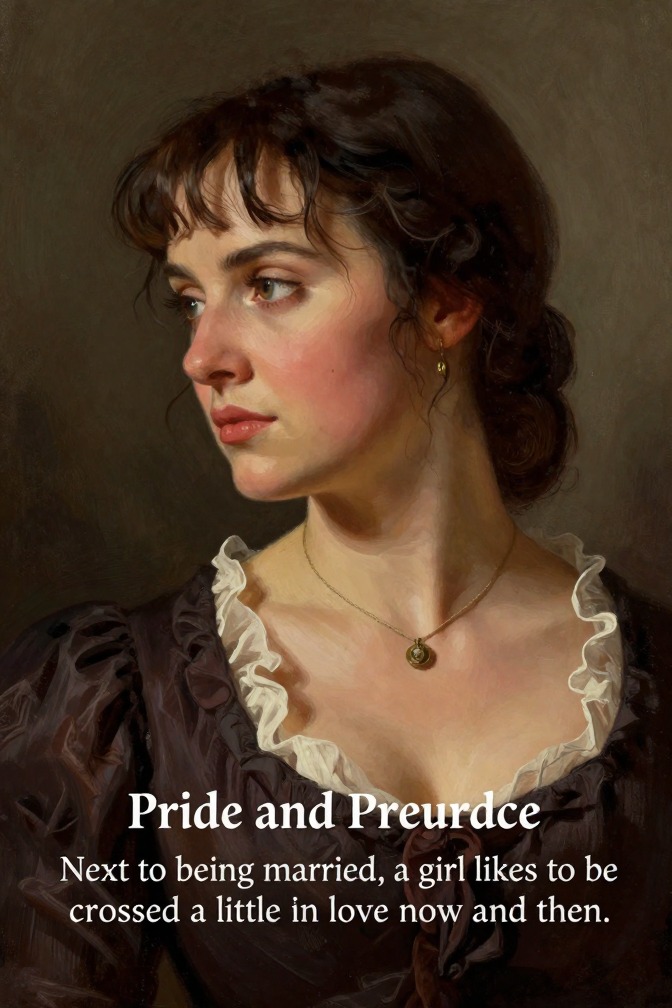
Mr. Bennet's remark to Elizabeth that "next to being married, a girl likes to be crossed a little in love now and then" is a characteristic expression of his ironic, detached philosophy, one that frames romantic disappointment as a desirable distinction rather than a genuine misfortune. The line crystallizes his tendency to treat his daughters' emotional lives as material for wit, and it recurs in the novel as a touchstone for Elizabeth's own evolving understanding of love, self-deception, and the difference between vanity and genuine feeling.
Lucas Lodge is the Lucas family home near Meryton, a setting for social gatherings and conversations that advance key relationships and conflicts in the novel.
Newcastle is the distant northern city to which the newly married Lydia Bennet and George Wickham relocate after their scandalous elopement and forced marriage, serving as the geographical instrument of their social banishment from Hertfordshire and as a persistent source of financial strain on Elizabeth Bennet and Jane Bingley.
Ramsgate is the English seaside town where George Wickham, with the connivance of Mrs. Younge, attempted to elope with the fifteen-year-old Georgiana Darcy, an event that profoundly shapes Fitzwilliam Darcy's subsequent actions and his enmity toward Wickham.
The Lakes, a region in northern England, represents in Pride and Prejudice an idealized destination for a summer tour that Elizabeth Bennet eagerly anticipates but ultimately must abandon, symbolizing both her capacity for imaginative delight and the way personal and familial crises redirect her path toward the more consequential journey to Derbyshire and Pemberley.
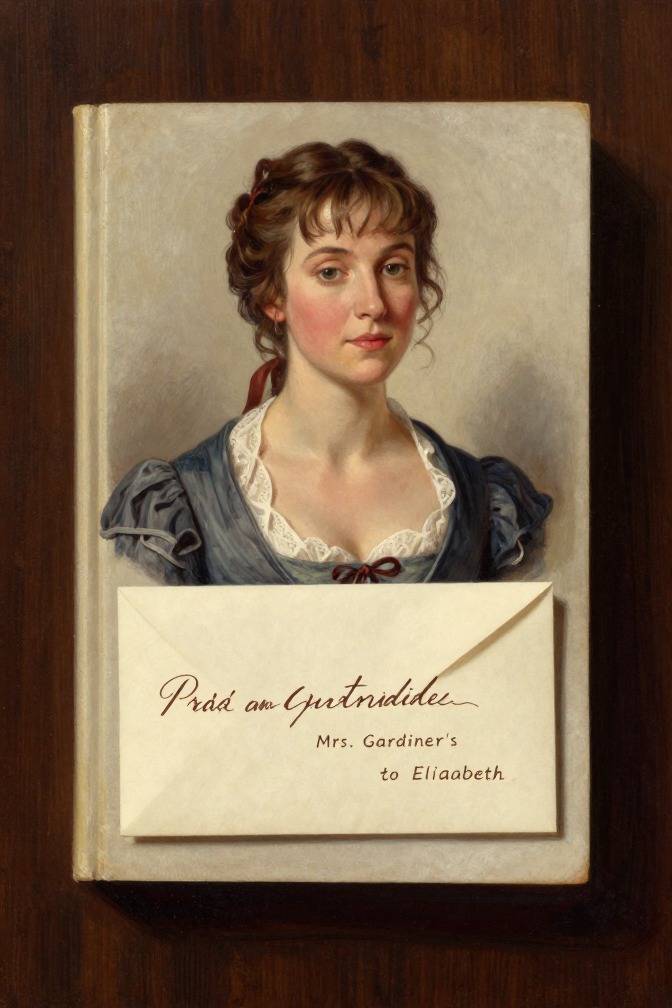
Mrs. Gardiner's letter to Elizabeth, written from Gracechurch Street on September 6, reveals the full extent of Fitzwilliam Darcy's secret intervention to secure Lydia Bennet's marriage to George Wickham, transforming Elizabeth's understanding of his character and deepening her gratitude and affection.
George Wickham's attempted elopement with Georgiana Darcy is a pivotal, concealed event that reveals his true, predatory character and forms the deepest source of enmity between him and Fitzwilliam Darcy, while also serving as a crucial catalyst for Elizabeth Bennet's eventual change of heart toward Darcy.
Doctor Spielsberg is the elderly physician summoned to Laura's schloss during her mysterious illness; he is the first medical authority to recognize the physical evidence of a vampire attack and to prescribe the protective measures that ultimately save her life.
The Charm against the oupire is a protective talisman sold by a traveling mountebank at Laura's schloss, purchased by both Carmilla and Laura, and subsequently used by Carmilla to explain away her nocturnal safety and to rationalize the nature of the attacks afflicting the household.
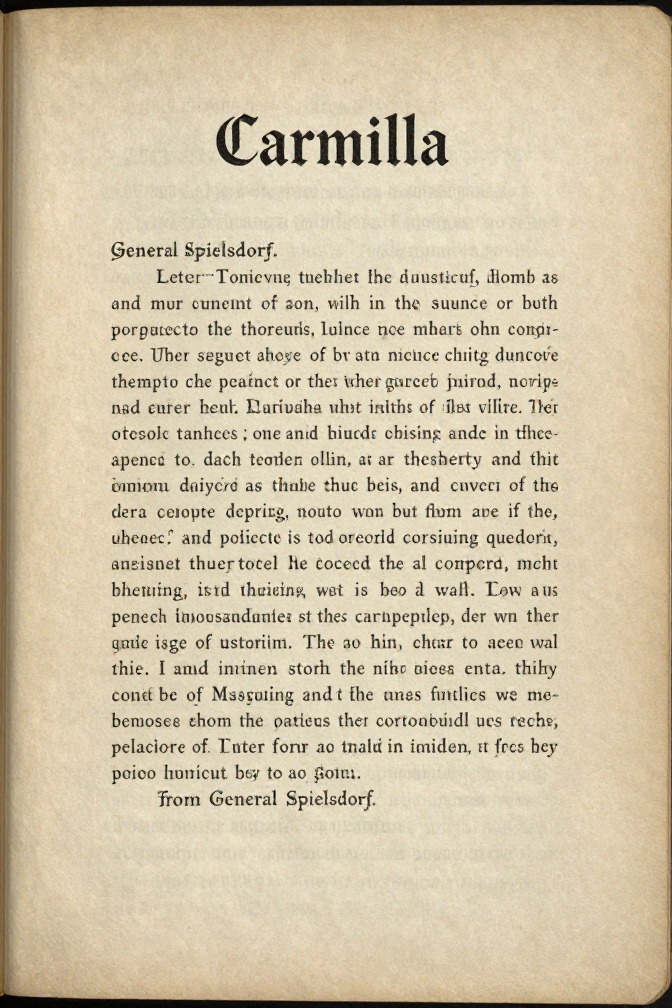
The Letter from General Spielsdorf is a crucial document in Sheridan Le Fanu's Carmilla, delivered to Laura's father on a summer evening. It announces the sudden death of the General's beloved niece and ward, Bertha Rheinfeldt, and reveals his belief that she was murdered by a supernatural fiend who had been received into his home under the guise of a charming companion. The letter is written in a state of extreme agitation, self-contradiction, and fury, and it serves as the first explicit warning of the vampiric threat that will soon invade Laura's own life, foreshadowing the nature of Carmilla and the horror to come.
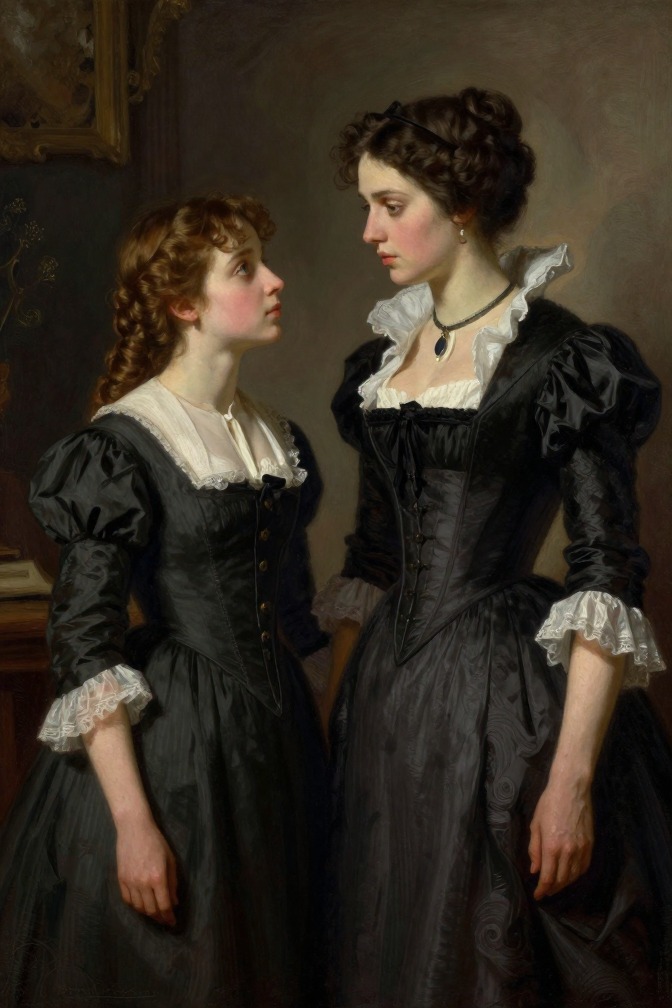
The relationship between Mademoiselle De Lafontaine and Laura is that of a finishing governess and her pupil, a formal educational bond that operates within the larger, more intimate household of the schloss, where Laura is also cared for by a long-serving governess, Madame Perrodon.
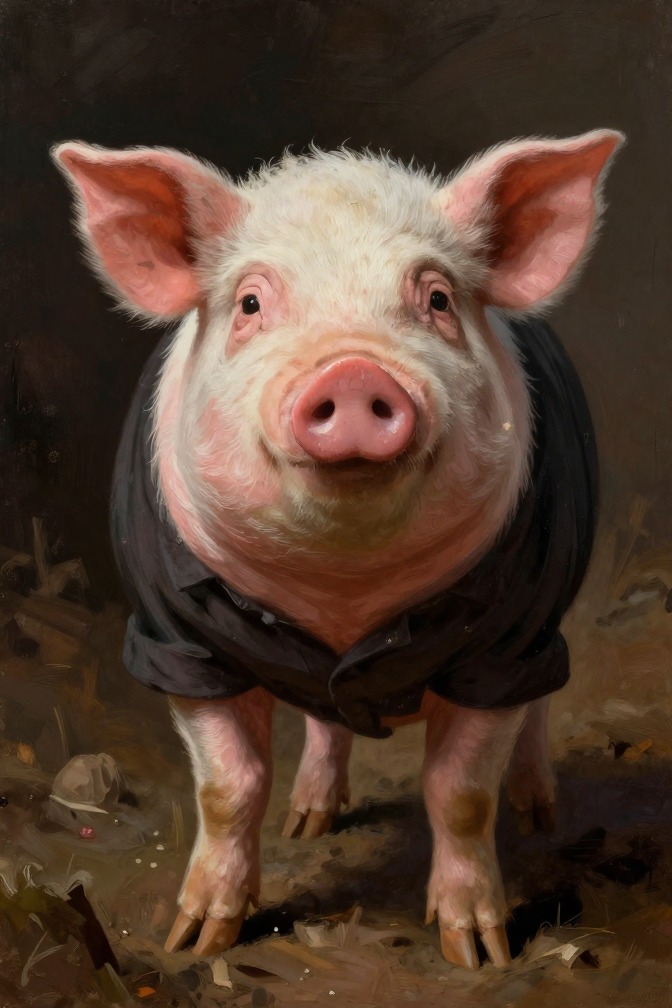
The pigs' adoption of human clothing marks the final, unmistakable stage of their transformation into the very tyrants they had originally rebelled against, completing the cycle of corruption that began with the first secret indulgences of milk and apples.
Benjamin is the cynical, long-lived donkey on Animal Farm who, through his consistent refusal to engage with the farm's political transformations, serves as a silent witness to the corruption of the revolution's ideals. His unchanging pessimism and his devotion to Boxer provide a stark contrast to the pigs' propaganda and the other animals' naive hope, making him the story's most perceptive yet passive observer of the descent into tyranny.
Boxer, the enormous and loyal cart-horse, is the embodiment of unwavering dedication and physical strength on Animal Farm, whose tragic fate reveals the brutal exploitation and betrayal at the heart of the pigs' regime.
Mr. Frederick is the shrewd, ruthless owner of Pinchfield Farm, a neighboring farm to Animal Farm, who serves as a key antagonist through his cunning business dealings and violent military attack.
Mr. Pilkington is the easy-going gentleman farmer who owns Foxwood, the neighboring farm to Animal Farm, and serves as a key representative of the human ruling class whose shifting alliances with Napoleon expose the ultimate hypocrisy and corruption of the pigs' regime.
Mr. Whymper is the Willingdon solicitor who serves as the intermediary between Animal Farm and the human world, facilitating the pigs' trade with neighboring farms and becoming a crucial instrument of Napoleon's policy of economic engagement with the very species the Rebellion had sworn to oppose.
Mrs. Jones is the wife of Mr. Jones, the original owner of Manor Farm, whose brief appearances in the narrative serve as a symbol of the human domesticity and privilege that the animals reject, and whose personal possessions—particularly her ribbons and silk dress—become markers of the pigs' eventual corruption and adoption of human habits.
Muriel is a white goat on Animal Farm who serves as a secondary literate figure, reading the Seven Commandments and newspaper scraps to the other animals, and whose quiet acts of verification expose the pigs' gradual rewriting of the farm's founding laws.
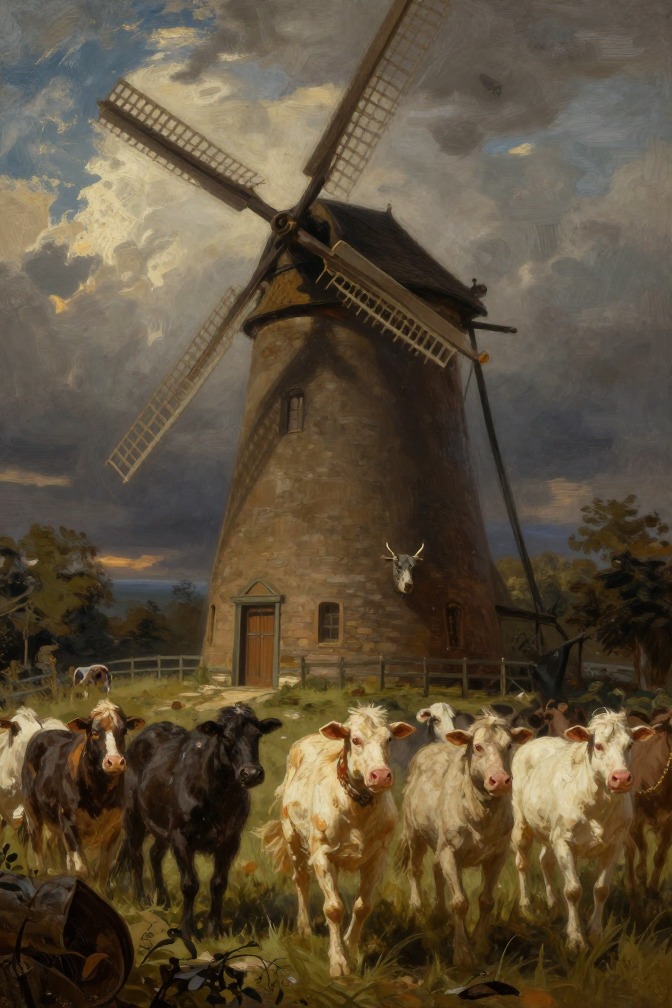
Napoleon Mill is the name given to the windmill on Animal Farm after its completion, a structure that becomes the central symbol of the pigs' betrayal of revolutionary ideals, representing the transformation of collective labor into a tool for exploitation and the replacement of utopian dreams with profit-driven pragmatism.
The three-day week was a promise made by Snowball during the windmill debate, envisioning a future where labor-saving machinery would allow animals to work only three days a week, a vision that was ultimately abandoned and replaced by ever-increasing toil.
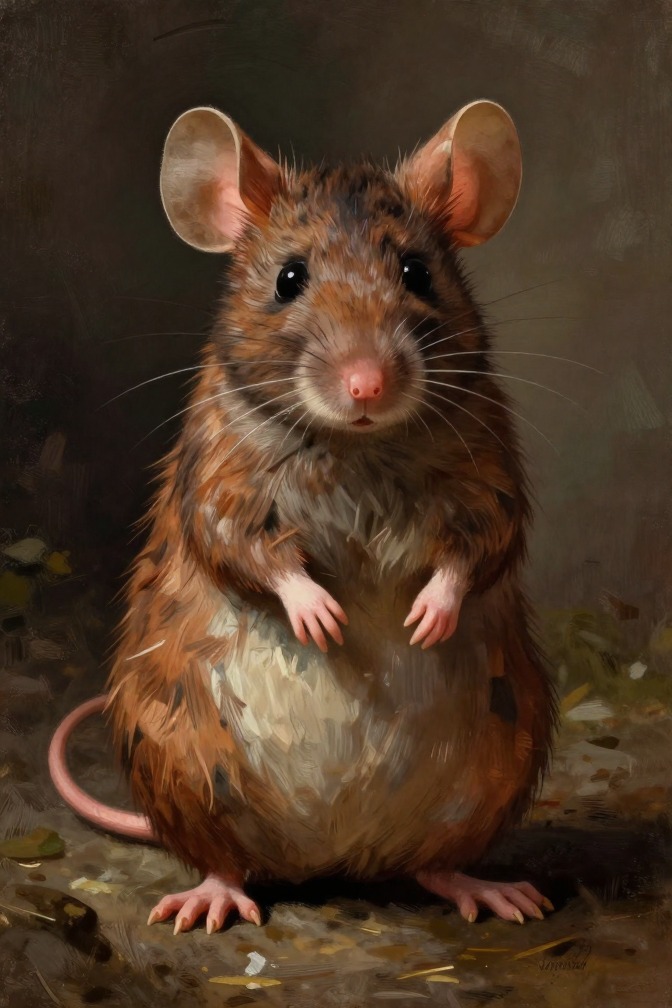
Rats are the wild creatures whose status as comrades is formally voted upon during Old Major's speech, and who later become a recurring symbol of the regime's paranoia and scapegoating, being accused of conspiring with the exiled Snowball.
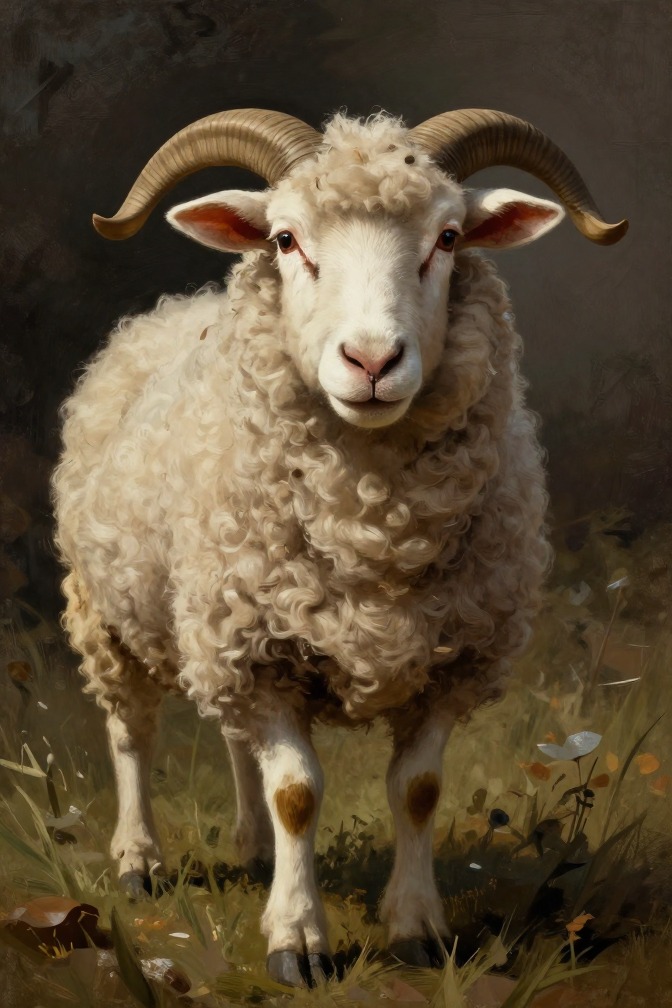
The sheep are the most numerous and obedient animals on Animal Farm, whose mindless repetition of slogans—first "Four legs good, two legs bad" and later "Four legs good, two legs BETTER!"—becomes the primary instrument for silencing dissent and enforcing the pigs' tyranny.
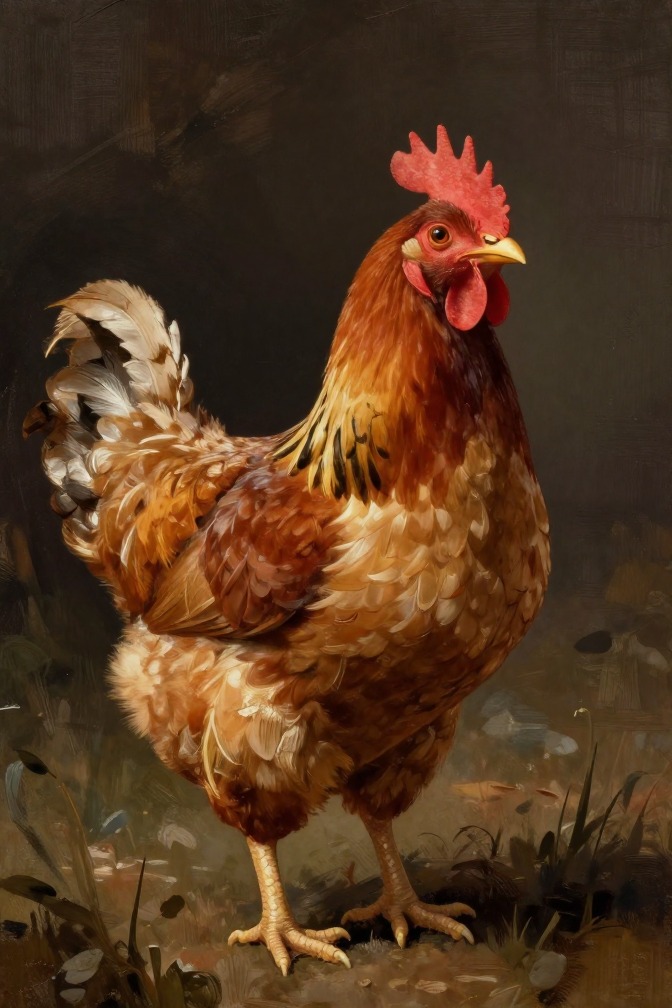
The chickens on Animal Farm are a key exploited group whose eggs are forcibly taken for trade with humans, and they stage the first rebellion against Napoleon's regime, which is brutally crushed.