After Gatsby's death, Nick Carraway decides to return to the Midwest, a decision that crystallizes his disillusionment with the East and its careless, morally bankrupt wealthy class.
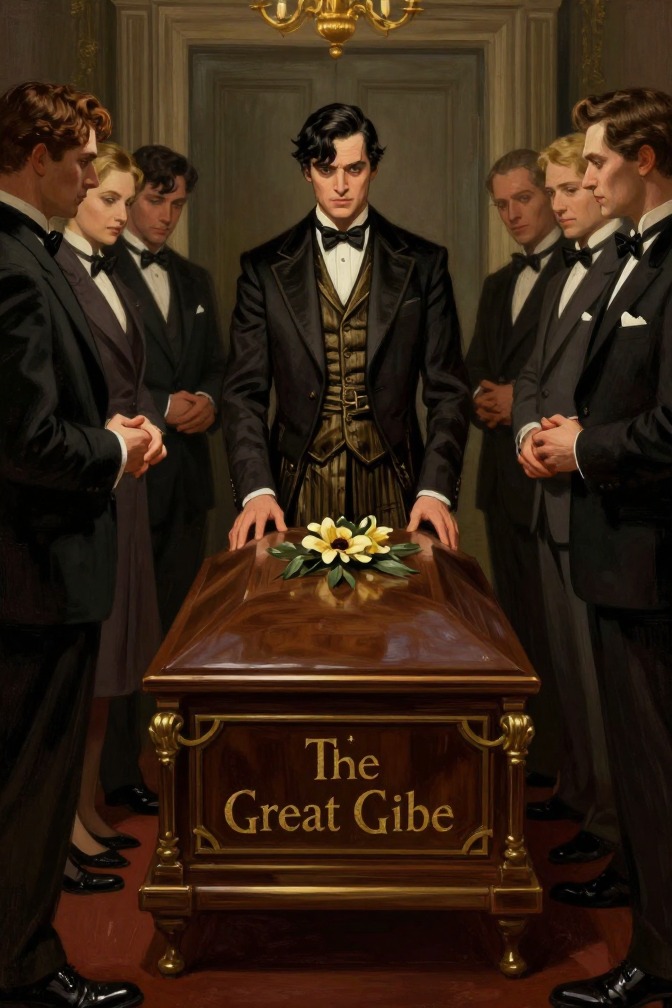
The owl-eyed man, a minor but memorable figure from Gatsby's parties, is the only person besides Nick Carraway and Henry C. Gatz to attend Jay Gatsby's funeral, a final act that underscores the hollow indifference of Gatsby's social world.
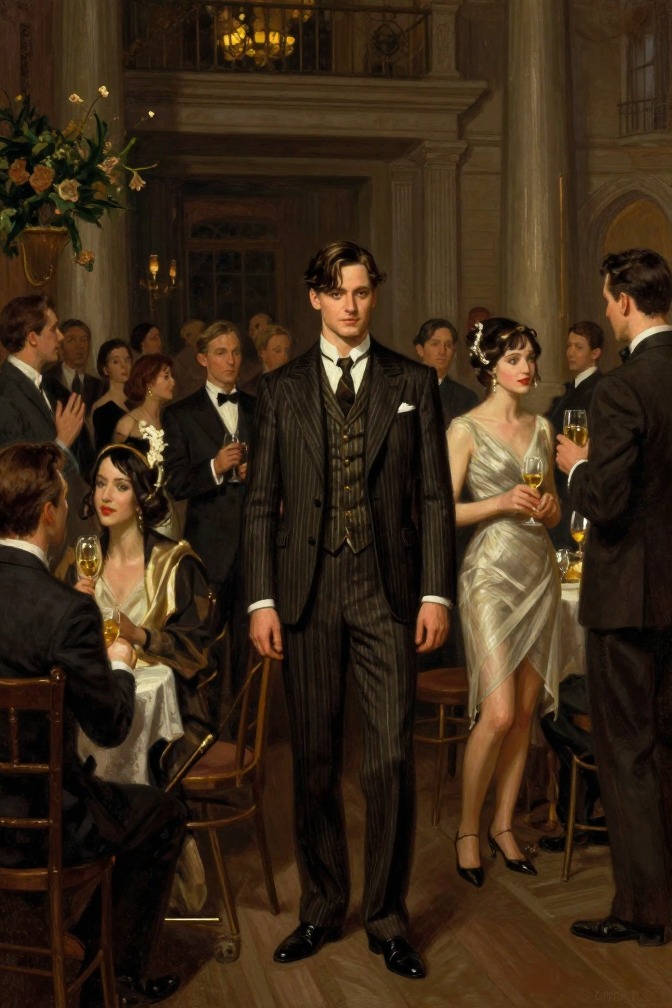
Tom and Daisy Buchanan attend one of Jay Gatsby's lavish parties, an event that exposes the deep social and personal chasms between East Egg and West Egg, and marks a decisive turning point in Gatsby's pursuit of Daisy.
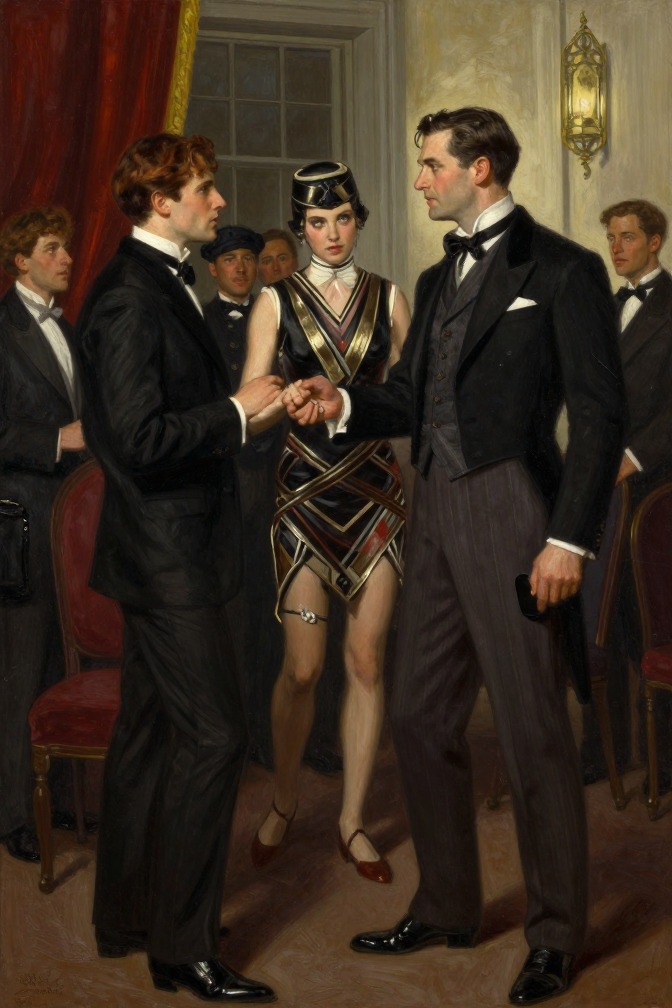
Tom Buchanan introduces his mistress Myrtle Wilson to Nick Carraway, forcing Nick into the sordid reality of Tom's extramarital affair and the violent, desperate world of the Valley of Ashes.
Catherine is Myrtle Wilson's sister, a slender, worldly woman who appears at the party in Tom and Myrtle's New York apartment and later gives testimony at the inquest after Myrtle's death, revealing her role as a witness to the affair and a defender of her sister's reputation.
Michaelis, the young Greek who runs the coffee shop beside the Valley of Ashes, becomes the principal witness to the aftermath of Myrtle Wilson's death and the unraveling of George Wilson's sanity, serving as the novel's most direct observer of the tragedy's human cost among the working class.
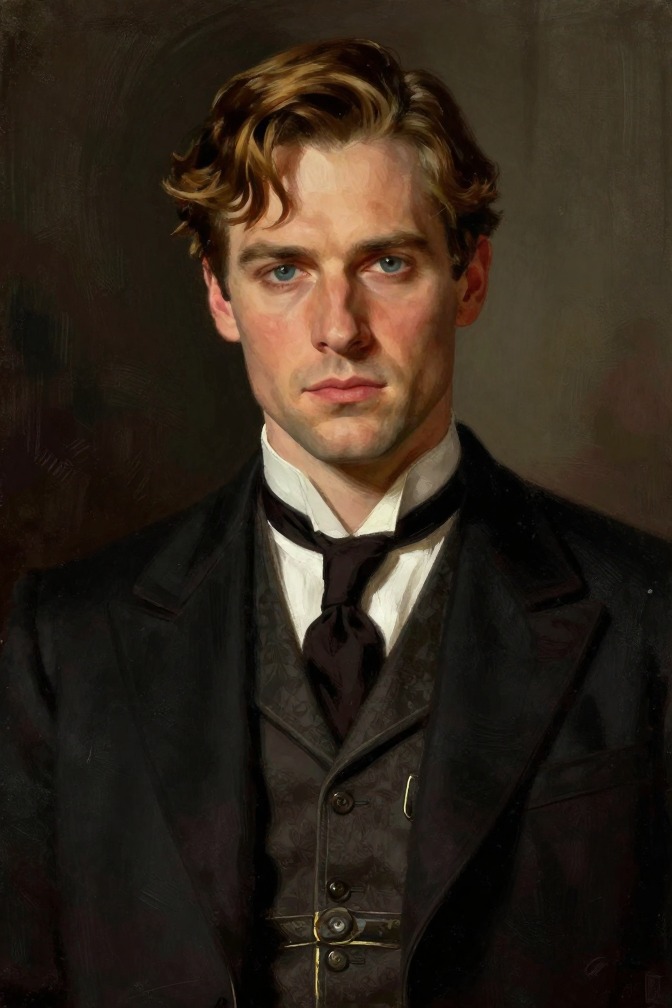
Tom Buchanan is a wealthy, physically imposing, and aggressively arrogant former Yale football star from an enormously rich family, whose brutish sense of entitlement, racist pseudo-intellectualism, and violent infidelity drive the novel's central conflicts and ultimately contribute to the tragic deaths of Myrtle Wilson and Jay Gatsby.
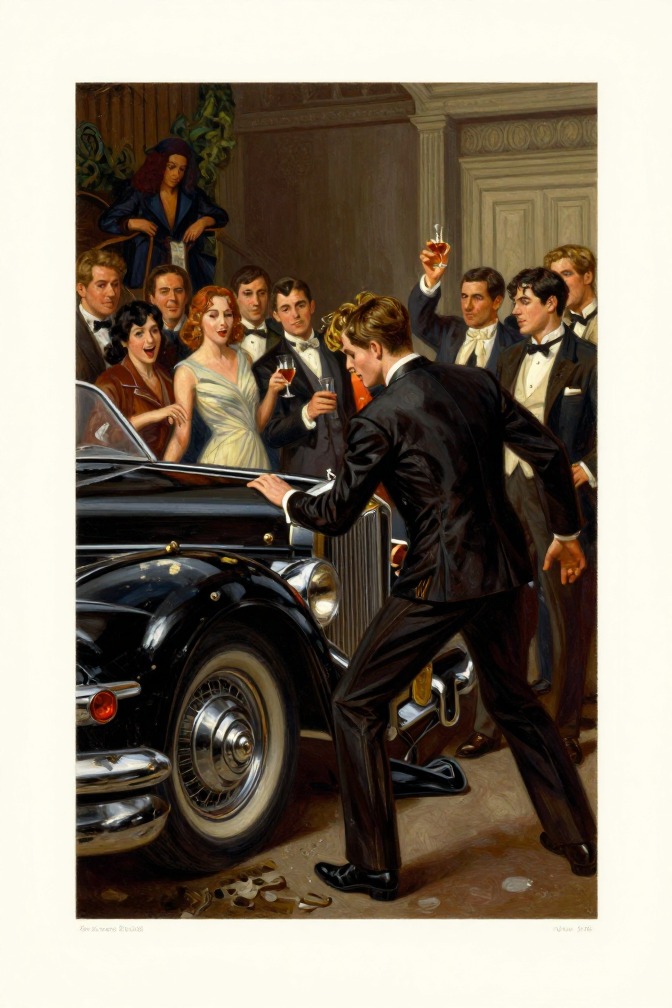
The Car Accident After Gatsby's Party is a bizarre, comic anticlimax that caps the first major party Nick Carraway attends at Jay Gatsby's mansion, revealing the reckless, consequence-free atmosphere of Gatsby's world and introducing the motif of mechanical failure and human carelessness that will culminate in tragedy.
The Confrontation at the Plaza Hotel is the climactic scene of The Great Gatsby, where Tom Buchanan exposes Jay Gatsby's criminal past and forces Daisy to choose between them, shattering Gatsby's dream and setting the stage for the tragic deaths that follow.
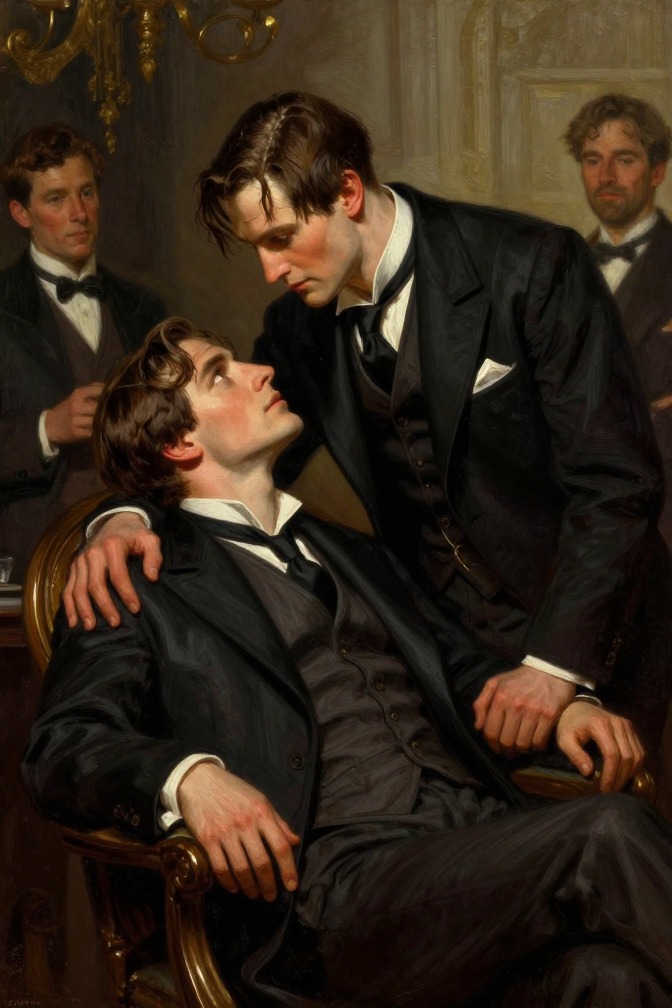
Jay Gatsby is shot and killed by George Wilson in the swimming pool of his West Egg mansion, a murder that follows the mistaken belief that Gatsby was driving the car that killed Myrtle Wilson. The death marks the violent end of Gatsby's dream and the collapse of the elaborate world he built to win Daisy Buchanan.
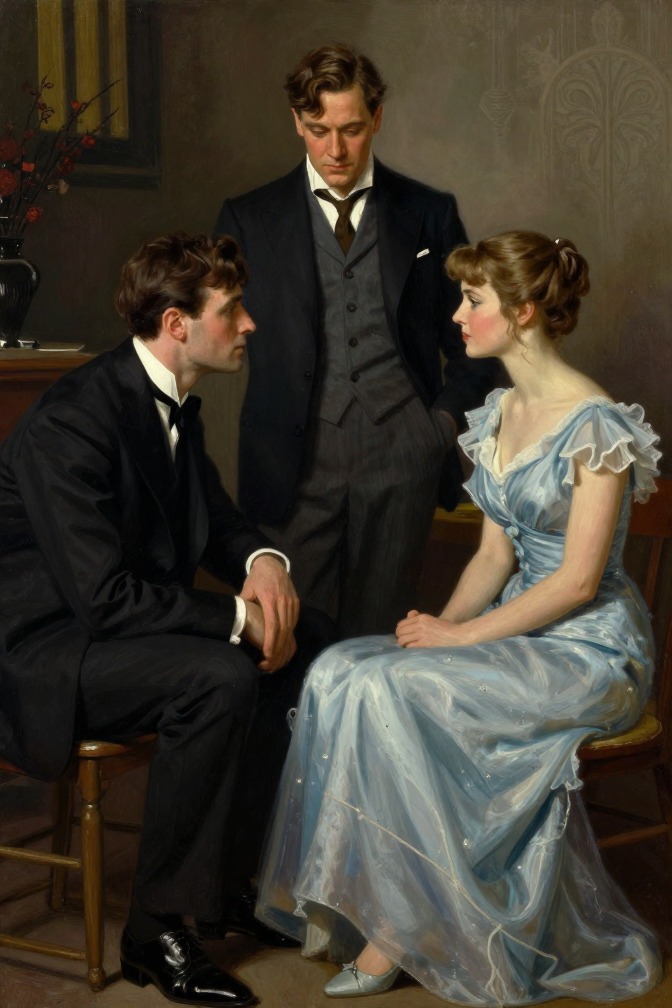
Gatsby and Daisy's Reunion is the pivotal event in which Jay Gatsby, after five years of separation and elaborate preparation, finally meets Daisy Buchanan again at Nick Carraway's house, an encounter that rekindles their romance but also exposes the gap between Gatsby's idealized dream and reality.
Gatsby's First Party is the lavish summer gathering at Jay Gatsby's West Egg mansion where Nick Carraway first meets his mysterious neighbor, marking the beginning of their friendship and the revelation of Gatsby's romantic obsession with Daisy Buchanan.
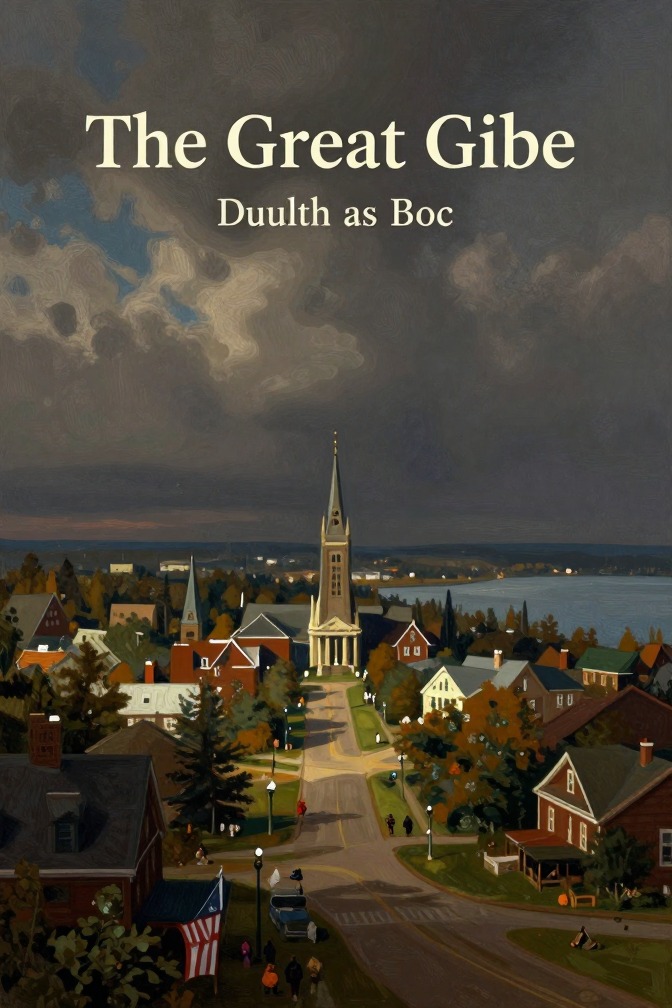
Duluth is the Minnesota port city where Dan Cody bought the young James Gatz his first set of proper clothes and formally launched his transformation into Jay Gatsby, marking the beginning of Gatsby's five-year apprenticeship on Cody's yacht and his entry into the world of wealth and glamour.
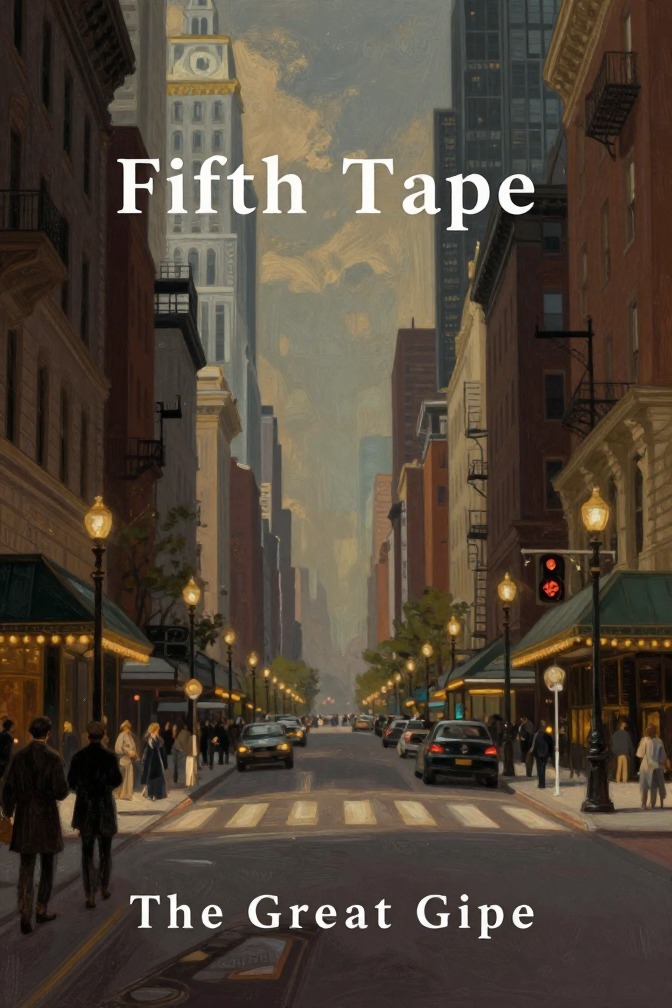
Fifth Avenue in New York City serves as a key setting in The Great Gatsby, where the novel's most significant confrontations and moments of social performance unfold, from the lavish apartment of Tom Buchanan's mistress to the tense Plaza Hotel showdown and Nick Carraway's final encounter with Tom.
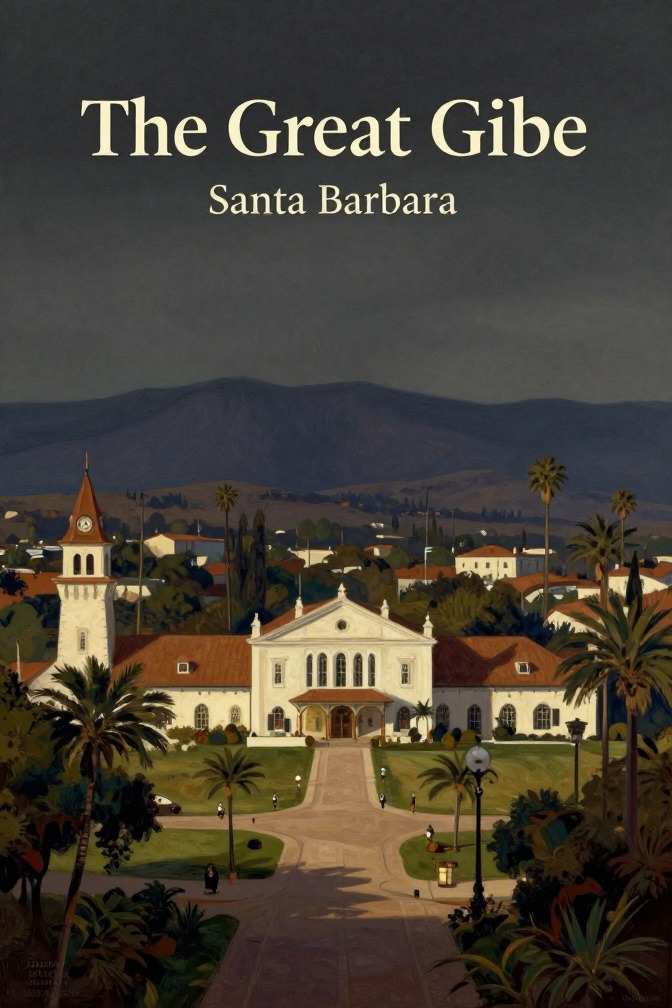
Santa Barbara is a coastal California city that appears in The Great Gatsby as the setting for a crucial episode in Daisy and Tom Buchanan's early marriage, where Tom's infidelity is first exposed and Daisy's devotion is vividly displayed.
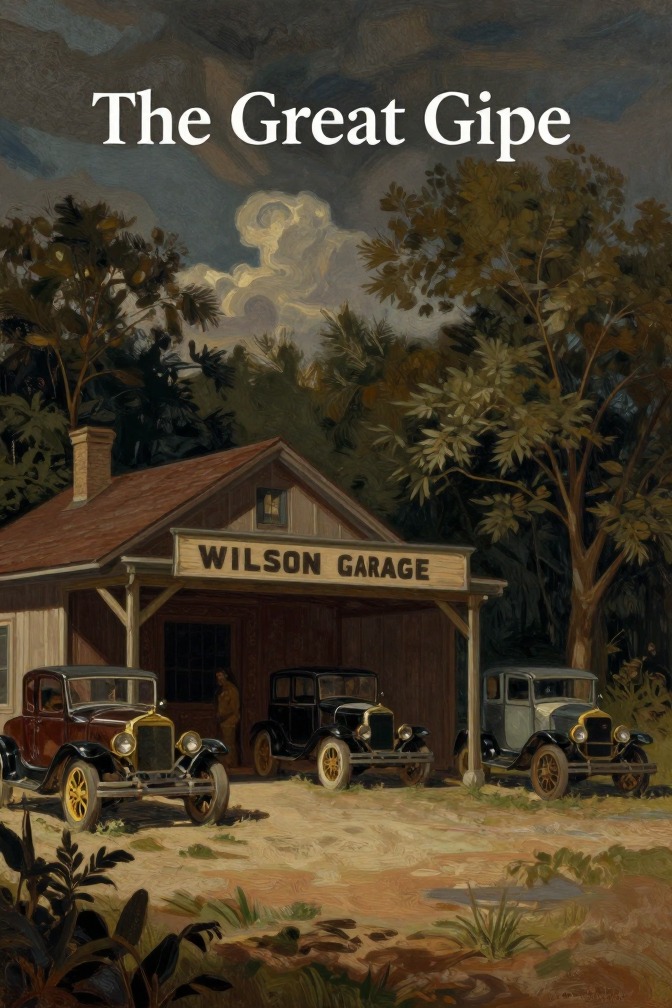
Wilson's Garage, a dilapidated auto repair shop in the Valley of Ashes, is the physical and symbolic center of George Wilson's despair and Myrtle Wilson's secret life, serving as the site of Tom Buchanan's affair, Myrtle's death, and the catalyst for the novel's tragic climax.
Gatsby's Rule of Not Drinking is a personal discipline that sets him apart from the revelry of his own parties and connects directly to his formative years with Dan Cody, whose alcoholic excesses taught Gatsby to abstain. The rule functions as both a mark of self-control and a barrier that isolates him from the very guests he hosts.
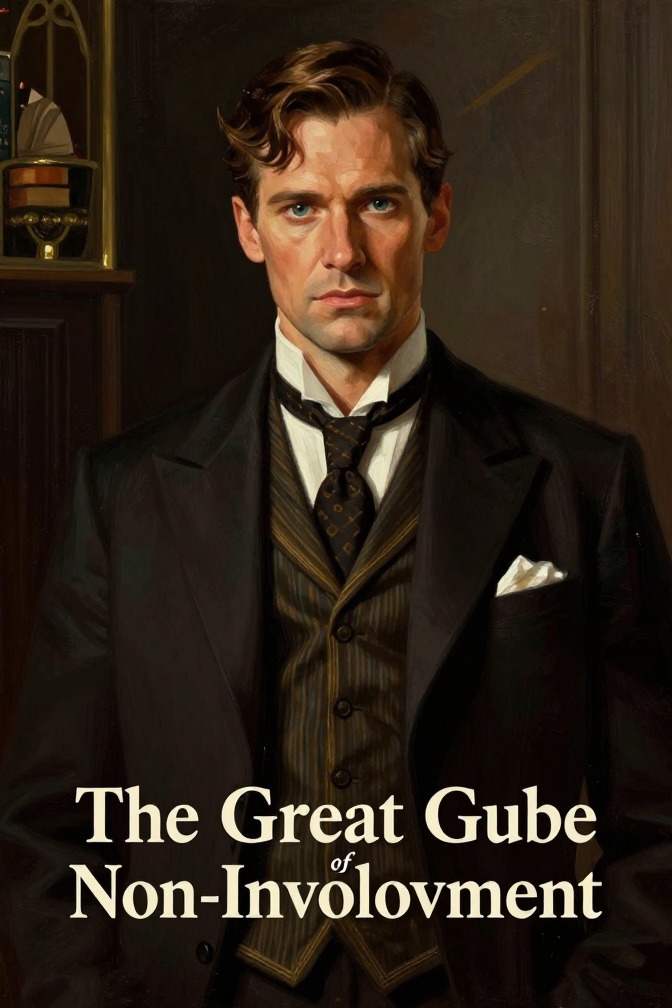
Meyer Wolfsheim's Rule of Non-Involvement is a personal policy of strict disengagement from any situation involving violence, death, or legal trouble, which he invokes to avoid attending Gatsby's funeral and which contrasts with his earlier, more loyal behavior.
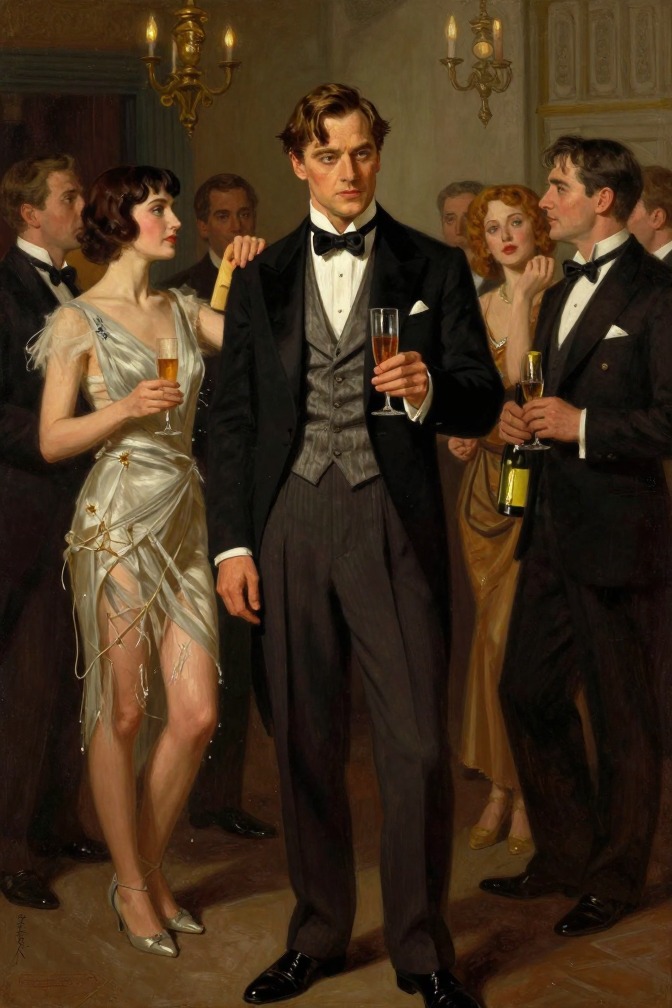
Gatsby's Parties were the spectacular, weekly summer gatherings at Jay Gatsby's West Egg mansion, characterized by extravagant luxury, uninvited crowds, and a pervasive atmosphere of mystery. They served as Gatsby's primary tool for attracting Daisy Buchanan's attention and projecting an image of wealth and status, yet ultimately failed to integrate him into the old-money society of East Egg, highlighting the novel's themes of class, illusion, and the American Dream.
In Panem's dystopian Hunger Games, a Token is a single object a tribute may carry into the arena as a reminder of home, subject to approval by a review board. The Token serves as a symbolic link to a tribute's district and personal history, but its practical value is strictly limited; the Capitol's review board can reject any item deemed to confer an unfair advantage. The most significant Token in the Seventy-fourth Hunger Games is the gold mockingjay pin given to Katniss Everdeen by her friend Madge Undersee, which becomes a powerful emblem of rebellion, memory, and identity.
Cato's death is the climactic final kill of the Seventy-fourth Hunger Games, a prolonged, gruesome spectacle in which the Career tribute from District 2 is torn apart by wolf-like muttations while Katniss and Peeta cling to the Cornucopia, ending only when Katniss shoots him through the skull as an act of mercy.
After the rule change allows two tributes from the same district to win, Katniss Everdeen sets out to find her wounded fellow tribute Peeta Mellark, discovering him camouflaged in a muddy bank, and nurses him back from the brink of death in a cave, where their forced romantic performance deepens into genuine connection.
Foxface's Death is the pivotal event in which the clever tribute from District 5, having survived by stealth and scavenging, is killed after eating nightlock berries that Peeta Mellark had gathered and left unattended, a death that reduces the field to three tributes and sets the stage for the final confrontation.
The Return to District 12 marks the fraught journey home after Katniss and Peeta's victory in the Seventy-fourth Hunger Games, a transition from the Capitol's surveillance to the ambiguous safety of their district that exposes the fractures in their fabricated romance and the political danger they still face.
Rue's death is the emotional and moral turning point of the Seventy-fourth Hunger Games, transforming Katniss from a survival-driven tribute into a rebel who publicly defies the Capitol by honoring her fallen ally with flowers and a lullaby, an act that crystallizes her hatred of the Games and sets the stage for her final confrontation with the system.
The Reaping is the annual event in Panem where one boy and one girl between the ages of twelve and eighteen are selected from each district to serve as tributes in the Hunger Games, a fight to the death broadcast live on television. For Katniss Everdeen, the reaping of the Seventy-fourth Hunger Games becomes a decisive turning point when her twelve-year-old sister Primrose is chosen, and Katniss volunteers to take her place, an act that sets the entire plot of the novel in motion.
Katniss Everdeen's private training session with the Gamemakers is a pivotal moment in the Seventy-fourth Hunger Games, where her exceptional archery skills are initially ignored, prompting her to shoot an arrow at the Gamemakers' table in a defiant act that unexpectedly earns her a score of eleven, the highest from District 12 in decades, and solidifies her public persona as 'the girl who was on fire.'
The Water Discovery is the pivotal moment in the arena when Katniss Everdeen, on the verge of death from severe dehydration, realizes that the mud beneath her fingers and the scent of pond lilies signal the presence of water, leading her to a spring-fed pond that saves her life and restores her strength.
The phrase "May the odds be ever in your favor" is the official greeting of the Hunger Games, a ritualized expression of the Capitol's power that masks the brutal reality of the annual death match with a veneer of sportsmanship and luck.
The phrase "star-crossed lovers" is used by Haymitch Abernathy to describe Katniss Everdeen and Peeta Mellark after Peeta's televised confession of love, transforming their public image into a tragic romance that captivates the Capitol audience and secures crucial sponsor support during the Seventy-fourth Hunger Games.