Readify
  • Blog
  • Books
Start Listening Free
Download App

  • Product

    • iOS App
    • Android App
    • Web App
    • Chrome Extension
    • Download Android APK
  • Company

    • About
    • Contact
    • Blog
    • Resources
    • Pricing
  • Legal

    • Privacy
    • Terms
  • Books

    • East of Eden
    • A Dance with Dragons
    • The Odyssey
    • A Game of Thrones
    • The Count of Monte Cristo

  • Free Ebook Converter

  • Free Doc Converter

  • Free Audio Converter

  • Free Text to Speech

The Reading Brief

A monthly note on reading, voices and the long form.


Readify
© 2026 Readify. All rights reserved.

Hot Entries(19066)

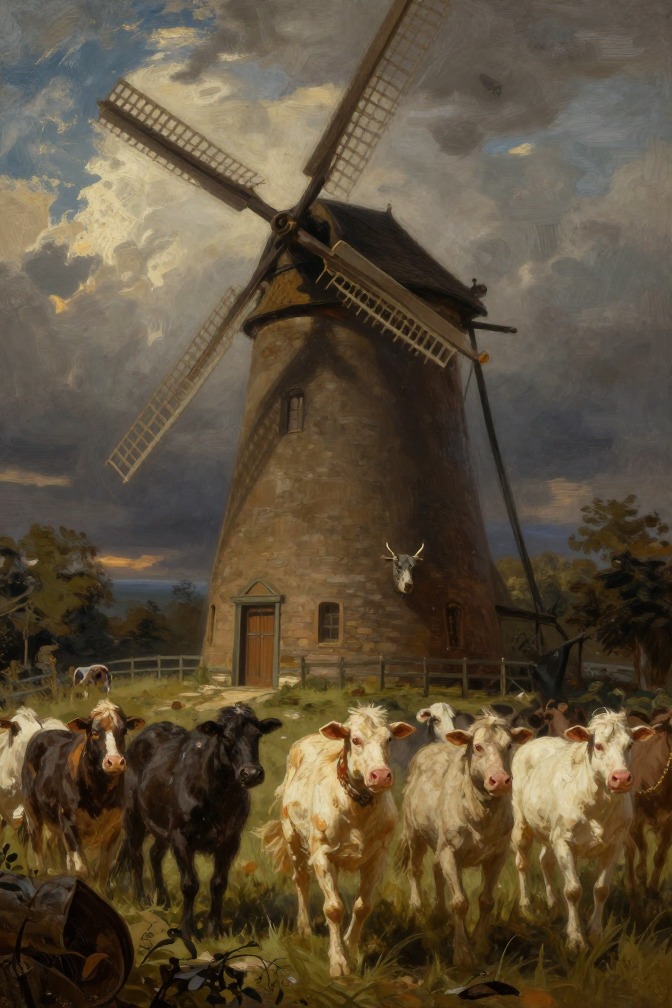
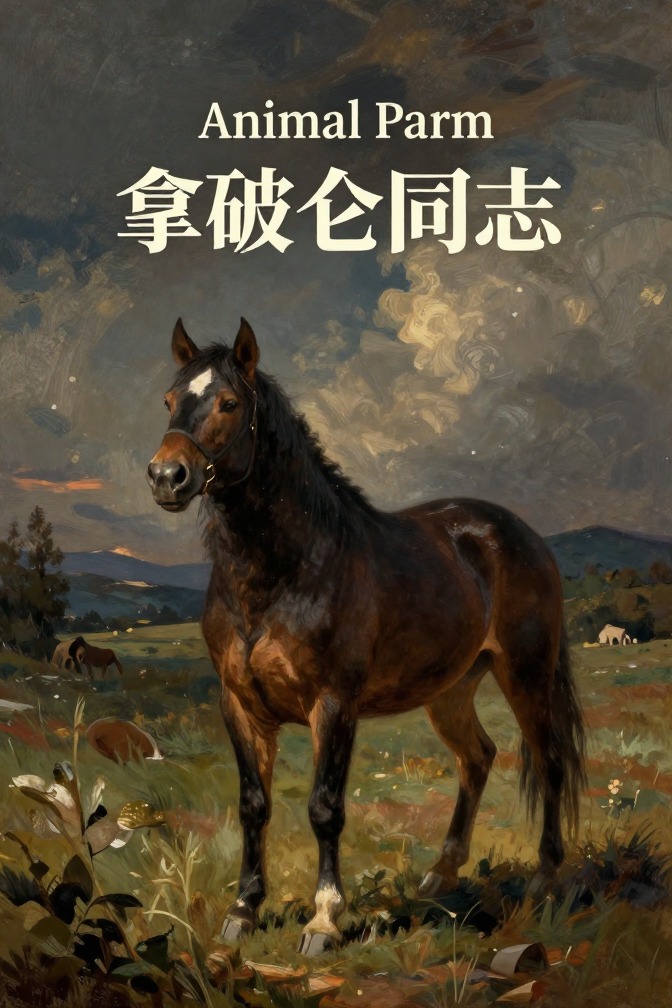
Napoleon Mill, a concept from "Animal Farm". Napoleon Mill is the name given to the windmill on Animal Farm after its completion, a structure that becomes the central symbol of the pigs' betrayal of….
Napoleon MillAnimal Farm · Concept

Napoleon Mill is the name given to the windmill on Animal Farm after its completion, a structure that becomes the central symbol of the pigs' betrayal of revolutionary ideals, representing the transformation of collective labor into a tool for exploitation and the replacement of utopian dreams with profit-driven pragmatism.

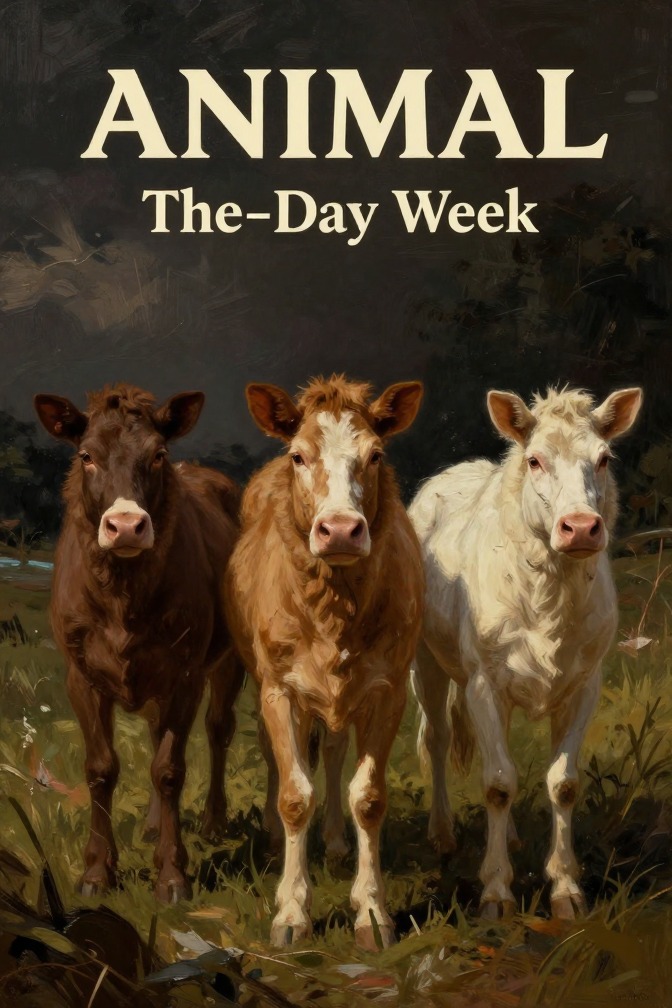
The three-day week, a concept from "Animal Farm". The three-day week was a promise made by Snowball during the windmill debate, envisioning a future where labor-saving machinery would allow animals to work….
The three-day weekAnimal Farm · Concept

The three-day week was a promise made by Snowball during the windmill debate, envisioning a future where labor-saving machinery would allow animals to work only three days a week, a vision that was ultimately abandoned and replaced by ever-increasing toil.

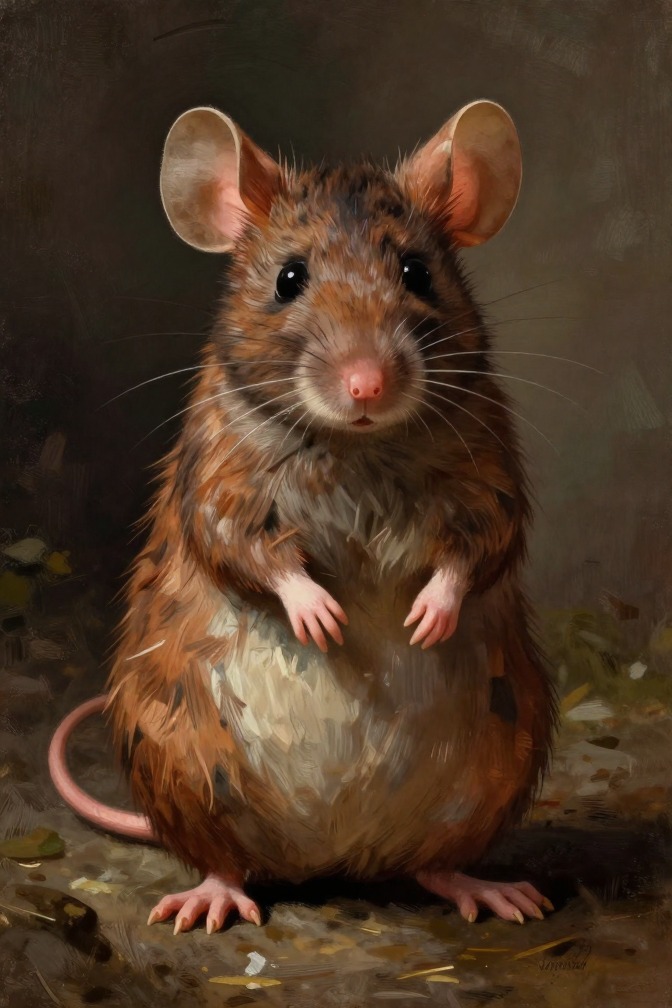
rat, a creature from "Animal Farm". Rats are the wild creatures whose status as comrades is formally voted upon during Old Major's speech, and who later become a recurring symbol of the regime's….
ratAnimal Farm · Creature

Rats are the wild creatures whose status as comrades is formally voted upon during Old Major's speech, and who later become a recurring symbol of the regime's paranoia and scapegoating, being accused of conspiring with the exiled Snowball.

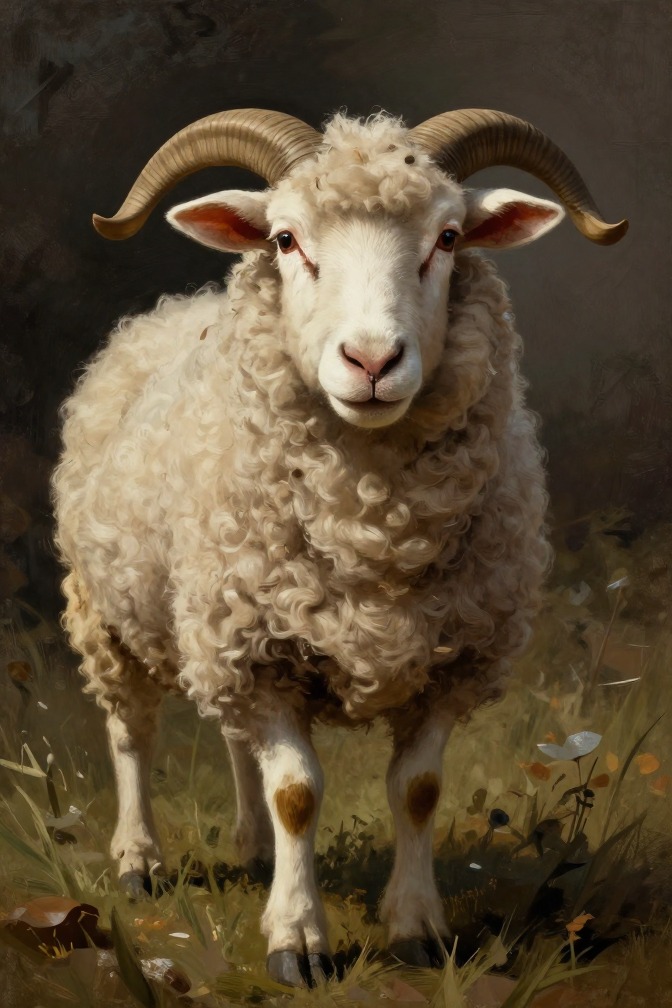
sheep, a creature from "Animal Farm". The sheep are the most numerous and obedient animals on Animal Farm, whose mindless repetition of slogans—first "Four legs good, two legs bad" and later "Four….
sheepAnimal Farm · Creature

The sheep are the most numerous and obedient animals on Animal Farm, whose mindless repetition of slogans—first "Four legs good, two legs bad" and later "Four legs good, two legs BETTER!"—becomes the primary instrument for silencing dissent and enforcing the pigs' tyranny.

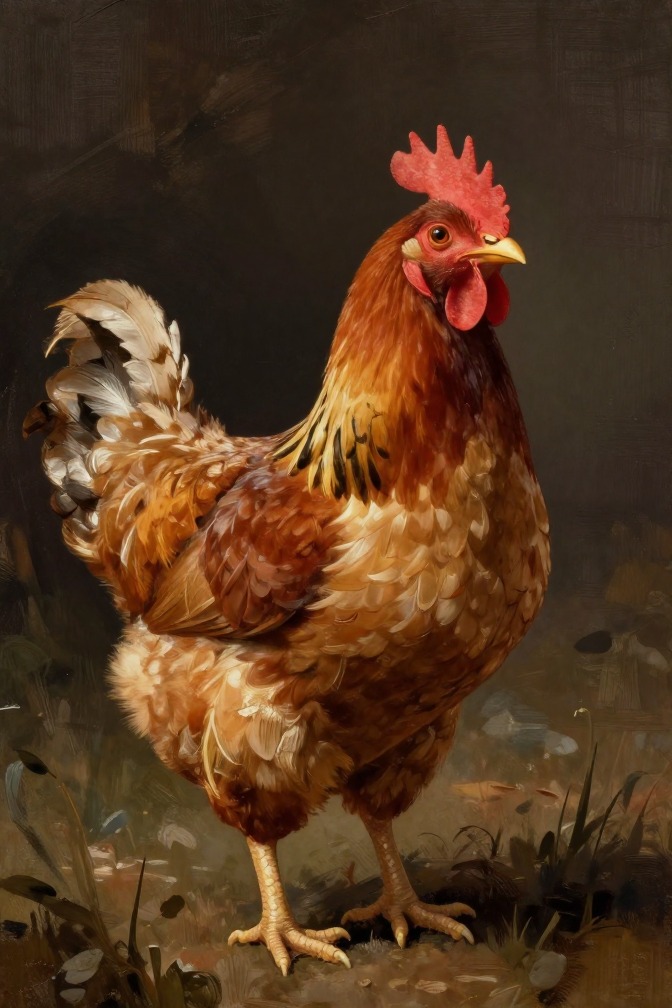
chicken, a creature from "Animal Farm". The chickens on Animal Farm are a key exploited group whose eggs are forcibly taken for trade with humans, and they stage the first rebellion against….
chickenAnimal Farm · Creature

The chickens on Animal Farm are a key exploited group whose eggs are forcibly taken for trade with humans, and they stage the first rebellion against Napoleon's regime, which is brutally crushed.

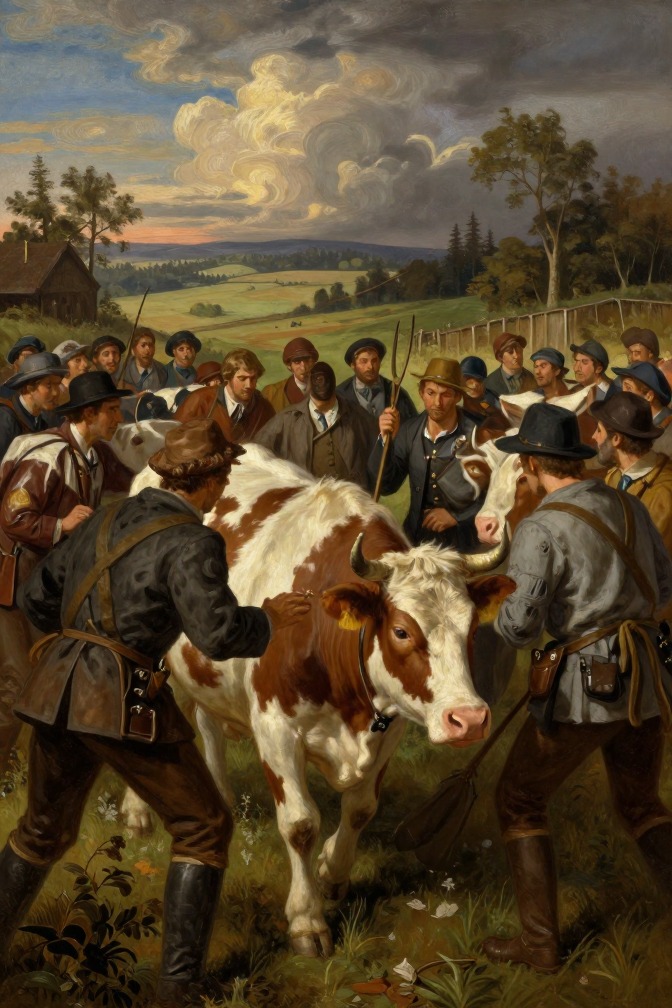
Battle of the Cowshed, a event from "Animal Farm". The Battle of the Cowshed is the first armed conflict on Animal Farm, in which the animals, led by Snowball and Boxer, successfully defend their farm against….
Battle of the CowshedAnimal Farm · Event

The Battle of the Cowshed is the first armed conflict on Animal Farm, in which the animals, led by Snowball and Boxer, successfully defend their farm against an attempt by Mr. Jones and his human allies to recapture it, establishing the animals' military credibility and creating a foundational myth that is later distorted by Napoleon's propaganda.

Comrade Napoleon, a expression from "Animal Farm". Comrade Napoleon is a poem composed by the pig Minimus, which becomes a central tool of propaganda on Animal Farm, replacing the revolutionary anthem 'Beasts….
Comrade NapoleonAnimal Farm · Expression

Comrade Napoleon is a poem composed by the pig Minimus, which becomes a central tool of propaganda on Animal Farm, replacing the revolutionary anthem 'Beasts of England' and serving to glorify Napoleon as a benevolent, all-powerful leader while masking the growing inequality and oppression on the farm.

Flagstaff, a location from "Animal Farm". The Flagstaff is the central ceremonial pole on Animal Farm, used for hoisting the green flag each Sunday and serving as the site of the farm's most important….
FlagstaffAnimal Farm · Location

The Flagstaff is the central ceremonial pole on Animal Farm, used for hoisting the green flag each Sunday and serving as the site of the farm's most important rituals, including the display of Old Major's skull, the mounting of the gun captured in the Battle of the Cowshed, and the annual firing of the gun on anniversaries and Napoleon's birthday.

Harness Room, a location from "Animal Farm". The Harness Room is a pivotal location on Animal Farm, initially serving as the pigs' headquarters and later as the site where Napoleon secretly rears his….
Harness RoomAnimal Farm · Location

The Harness Room is a pivotal location on Animal Farm, initially serving as the pigs' headquarters and later as the site where Napoleon secretly rears his guard dogs, marking the transformation of the farm's leadership from collective debate to authoritarian control.

Quarry, a location from "Animal Farm". The Quarry on Animal Farm is the primary source of stone for the windmill, a site of immense collective labor and physical exhaustion, and the place where….
QuarryAnimal Farm · Location

The Quarry on Animal Farm is the primary source of stone for the windmill, a site of immense collective labor and physical exhaustion, and the place where Boxer's final, fatal overexertion occurs, making it a central symbol of the animals' exploited sacrifice.

Spinney, a location from "Animal Farm". The Spinney is a small wooded area on Animal Farm, first mentioned as part of the animals' tour of inspection after the Rebellion, and later revealed to be the….
SpinneyAnimal Farm · Location

The Spinney is a small wooded area on Animal Farm, first mentioned as part of the animals' tour of inspection after the Rebellion, and later revealed to be the source of a pile of timber that becomes a key object of negotiation between Napoleon and the neighboring farmers. Its significance lies in its dual role as a symbol of the farm's natural beauty and as a commodity that entangles the farm in human trade, ultimately contributing to the pigs' betrayal of Animalism.

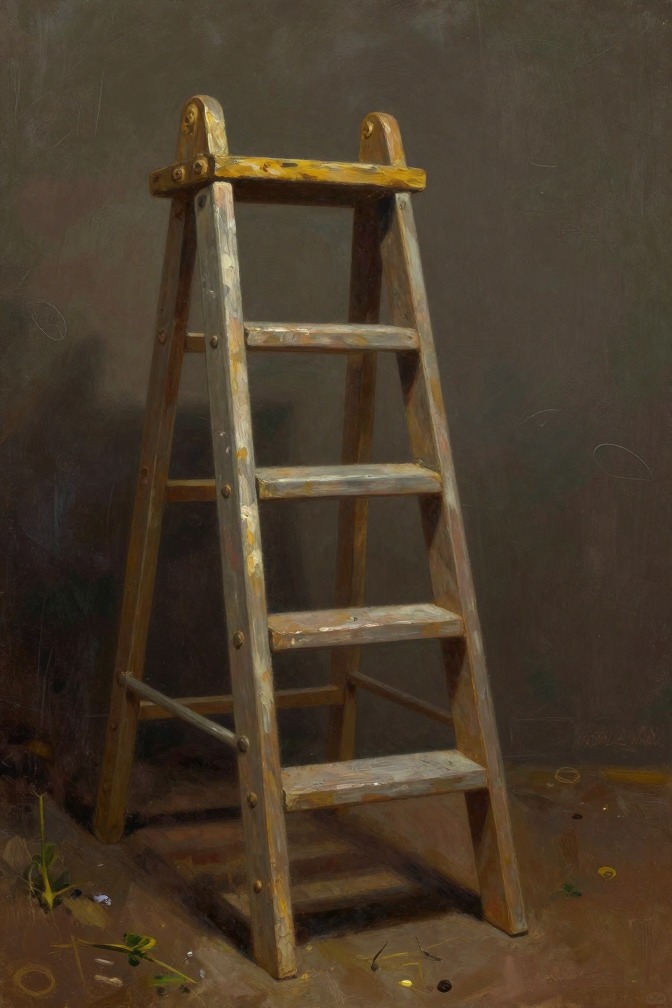
ladder and paint, a object from "Animal Farm". The ladder and paint are the material instruments used by the pigs to alter the Seven Commandments on the wall of the big barn, a recurring act that physically….
ladder and paintAnimal Farm · Object

The ladder and paint are the material instruments used by the pigs to alter the Seven Commandments on the wall of the big barn, a recurring act that physically enacts the rewriting of revolutionary law and marks the progressive corruption of Animal Farm's founding principles.

poem 'Comrade Napoleon', a object from "Animal Farm". The poem 'Comrade Napoleon' is a piece of propaganda composed by the pig Minimus on Animal Farm, designed to glorify Napoleon and reinforce his cult of….
poem 'Comrade Napoleon'Animal Farm · Object

The poem 'Comrade Napoleon' is a piece of propaganda composed by the pig Minimus on Animal Farm, designed to glorify Napoleon and reinforce his cult of personality through worshipful, quasi-religious language.

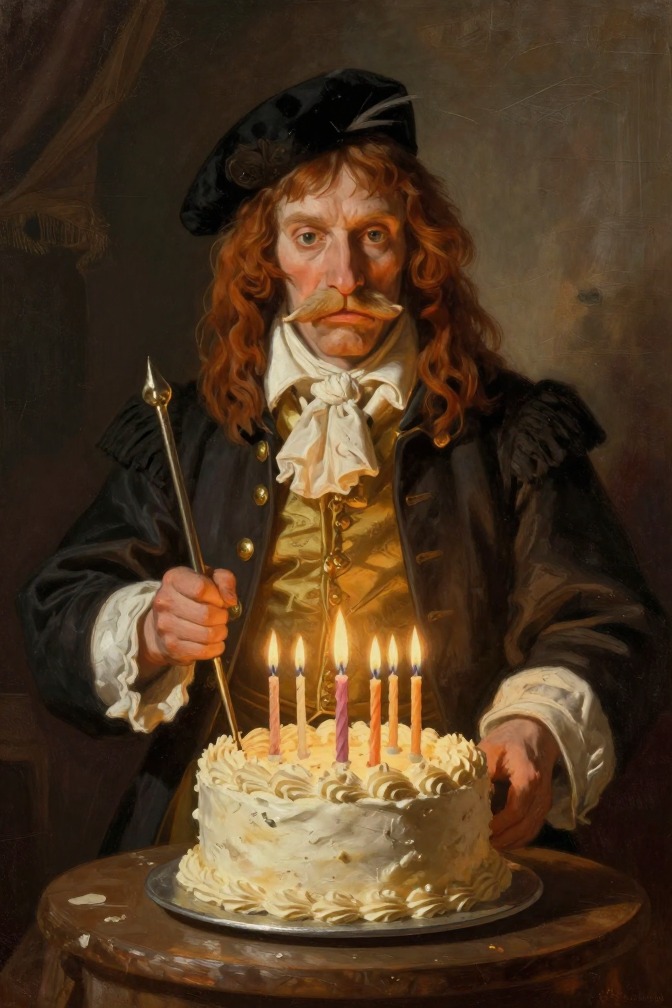
Napoleon's birthday, a time from "Animal Farm". Napoleon's birthday is a recurring ceremonial occasion on Animal Farm, used by Napoleon to consolidate his personal cult and to reinforce the regime's control….
Napoleon's birthdayAnimal Farm · Time

Napoleon's birthday is a recurring ceremonial occasion on Animal Farm, used by Napoleon to consolidate his personal cult and to reinforce the regime's control through annual gunfire, public celebrations, and the production of loyalist poetry.

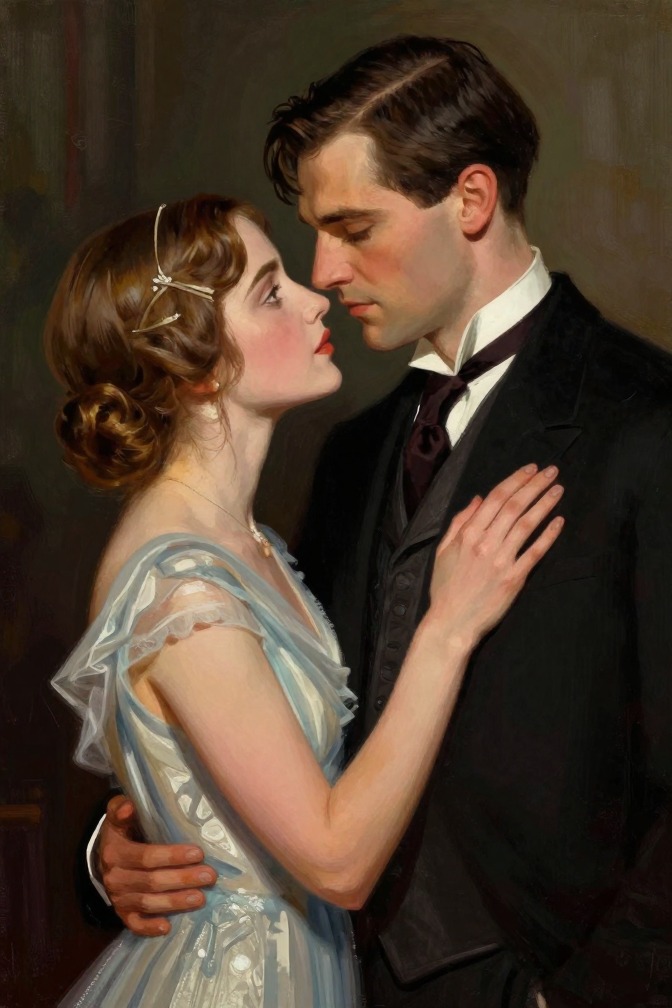
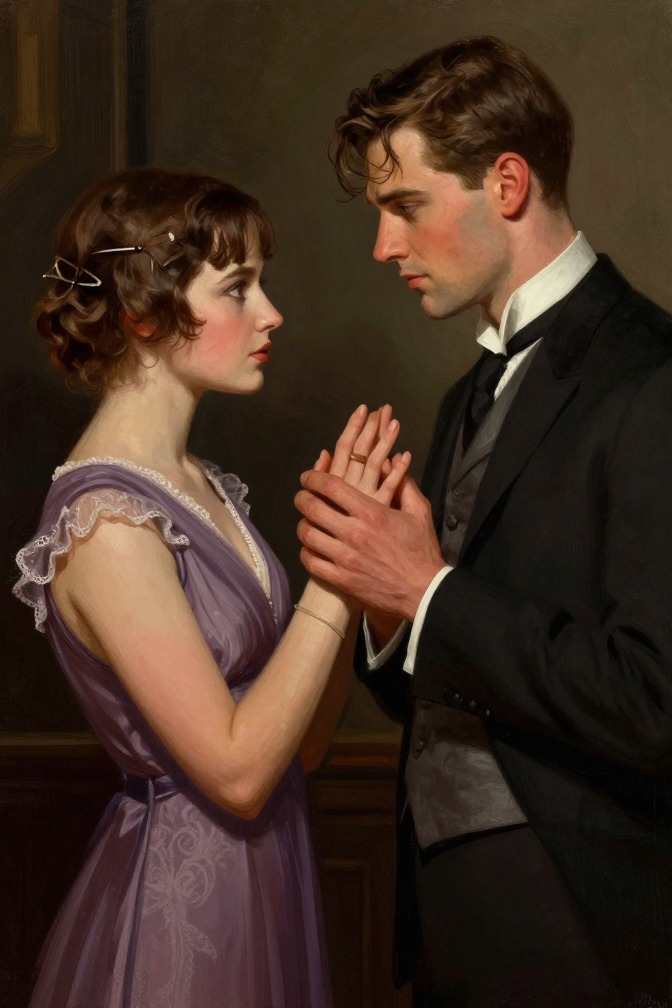
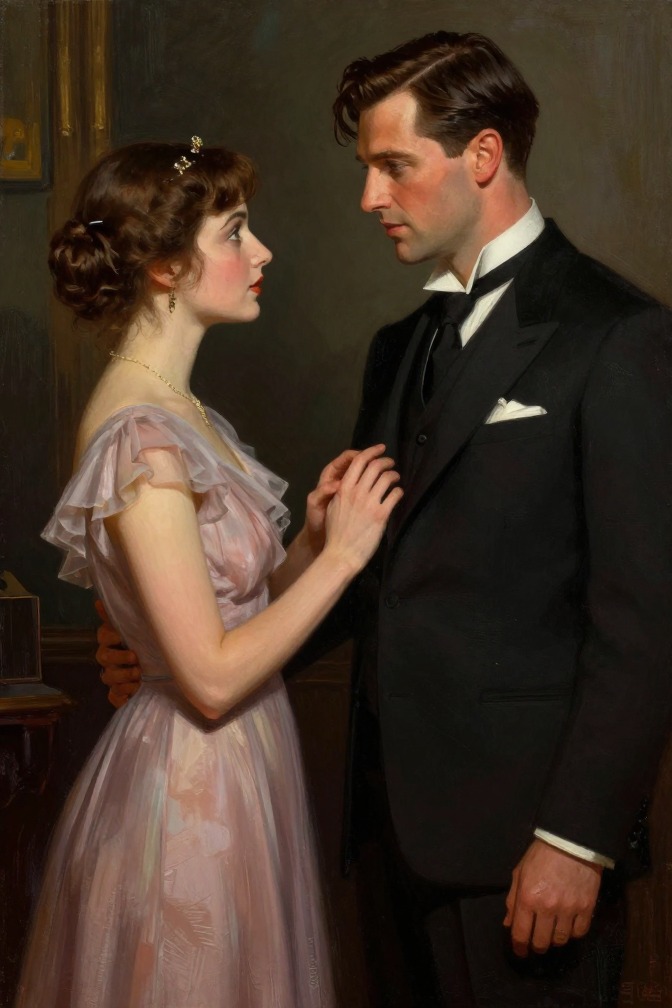
Daisy tells Gatsby she loves him, a action from "The Great Gatsby". Daisy Buchanan tells Jay Gatsby that she loves him, a declaration that occurs during the tense confrontation at the Plaza Hotel and represents the climax of….
Daisy tells Gatsby she loves himThe Great Gatsby · Action

Daisy Buchanan tells Jay Gatsby that she loves him, a declaration that occurs during the tense confrontation at the Plaza Hotel and represents the climax of Gatsby's five-year pursuit, yet it is immediately undermined by her admission that she also loved Tom Buchanan, revealing the impossibility of Gatsby's dream.

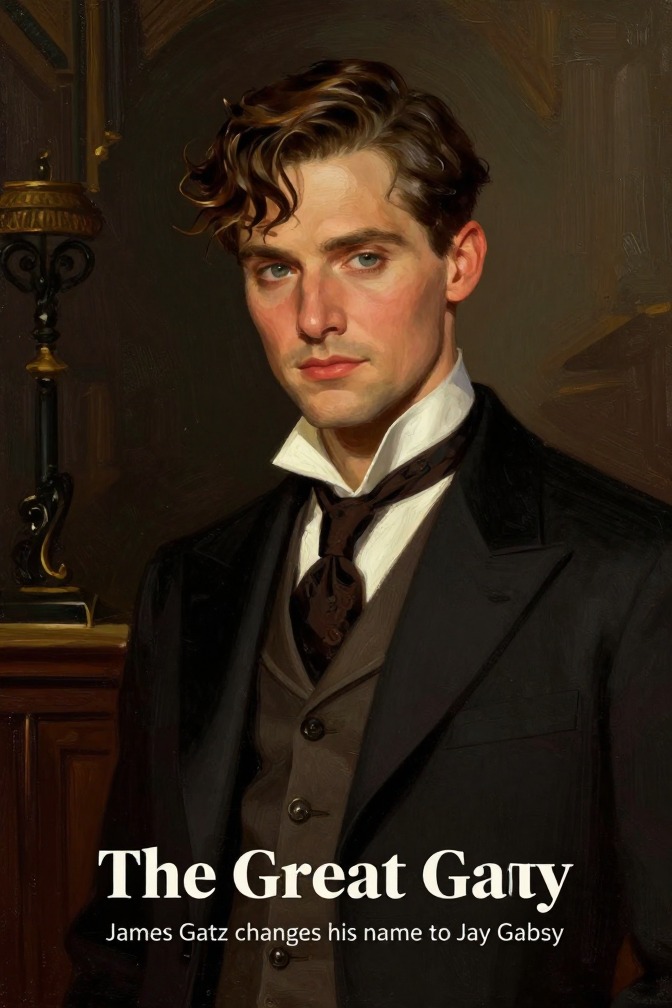
James Gatz changes his name to Jay Gatsby, a action from "The Great Gatsby". James Gatz changes his name to Jay Gatsby at the age of seventeen, a decisive act of self-invention that marks the beginning of his career and his lifelong….
James Gatz changes his name to Jay GatsbyThe Great Gatsby · Action

James Gatz changes his name to Jay Gatsby at the age of seventeen, a decisive act of self-invention that marks the beginning of his career and his lifelong commitment to a Platonic ideal of himself.

Jay Gatsby introduces himself to Nick Carraway, a action from "The Great Gatsby". Jay Gatsby introduces himself to Nick Carraway at his own party, a pivotal moment that transforms Nick's perception of his mysterious neighbor and sets the….
Jay Gatsby introduces himself to Nick CarrawayThe Great Gatsby · Action

Jay Gatsby introduces himself to Nick Carraway at his own party, a pivotal moment that transforms Nick's perception of his mysterious neighbor and sets the stage for their friendship and Gatsby's request for Nick's help in reuniting with Daisy Buchanan.

Jordan Baker and Nick Carraway break up, a action from "The Great Gatsby". Nick Carraway ends his romantic relationship with Jordan Baker after Gatsby's death, a breakup that crystallizes his moral disillusionment with the careless….
Jordan Baker and Nick Carraway break upThe Great Gatsby · Action

Nick Carraway ends his romantic relationship with Jordan Baker after Gatsby's death, a breakup that crystallizes his moral disillusionment with the careless rich and his decision to return to the Midwest.

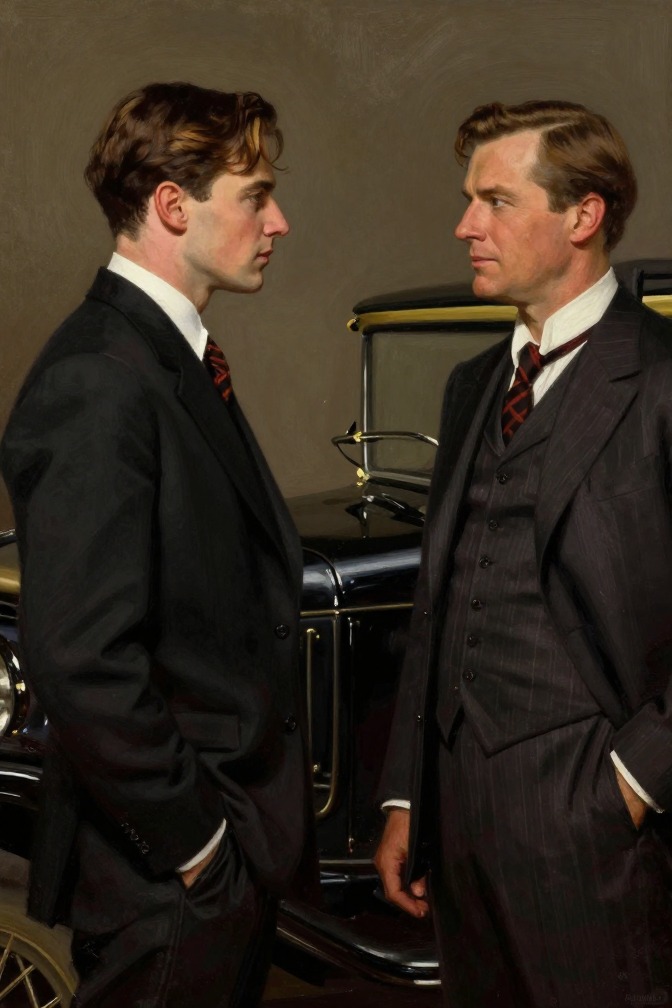
Nick Carraway confronts Tom Buchanan about Wilson's visit, a action from "The Great Gatsby". Nick Carraway confronts Tom Buchanan about his role in directing George Wilson to Gatsby, leading to a final reckoning that reveals the moral emptiness of the….
Nick Carraway confronts Tom Buchanan about Wilson's visitThe Great Gatsby · Action

Nick Carraway confronts Tom Buchanan about his role in directing George Wilson to Gatsby, leading to a final reckoning that reveals the moral emptiness of the Buchanans.

Nick Carraway decides to return to the Midwest, a action from "The Great Gatsby". After Gatsby's death, Nick Carraway decides to return to the Midwest, a decision that crystallizes his disillusionment with the East and its careless, morally….
Nick Carraway decides to return to the MidwestThe Great Gatsby · Action

After Gatsby's death, Nick Carraway decides to return to the Midwest, a decision that crystallizes his disillusionment with the East and its careless, morally bankrupt wealthy class.

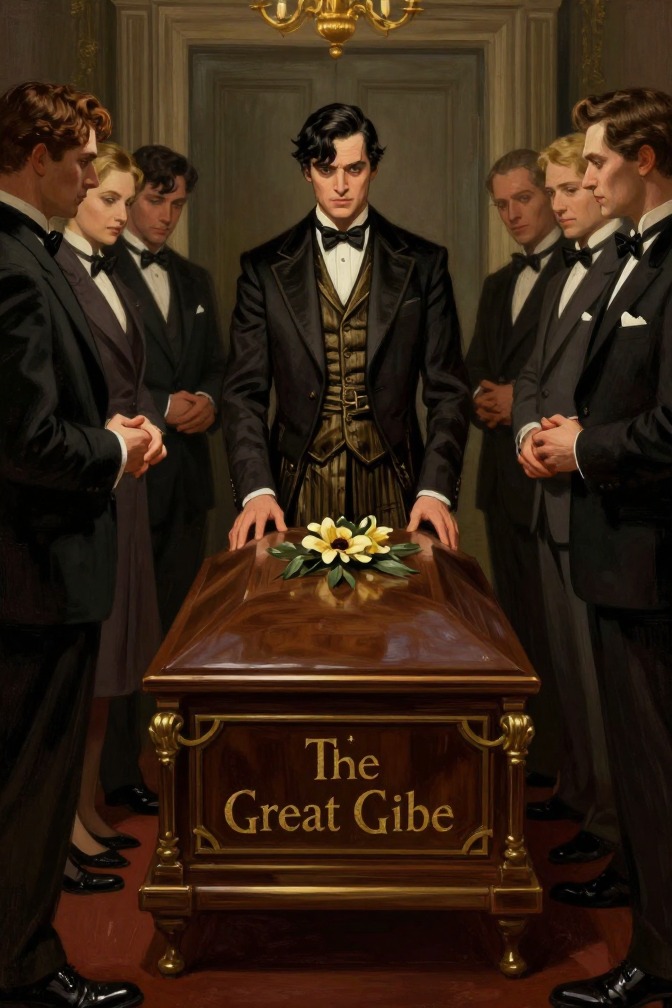
The owl-eyed man attends Gatsby's funeral, a action from "The Great Gatsby". The owl-eyed man, a minor but memorable figure from Gatsby's parties, is the only person besides Nick Carraway and Henry C.
The owl-eyed man attends Gatsby's funeralThe Great Gatsby · Action

The owl-eyed man, a minor but memorable figure from Gatsby's parties, is the only person besides Nick Carraway and Henry C. Gatz to attend Jay Gatsby's funeral, a final act that underscores the hollow indifference of Gatsby's social world.

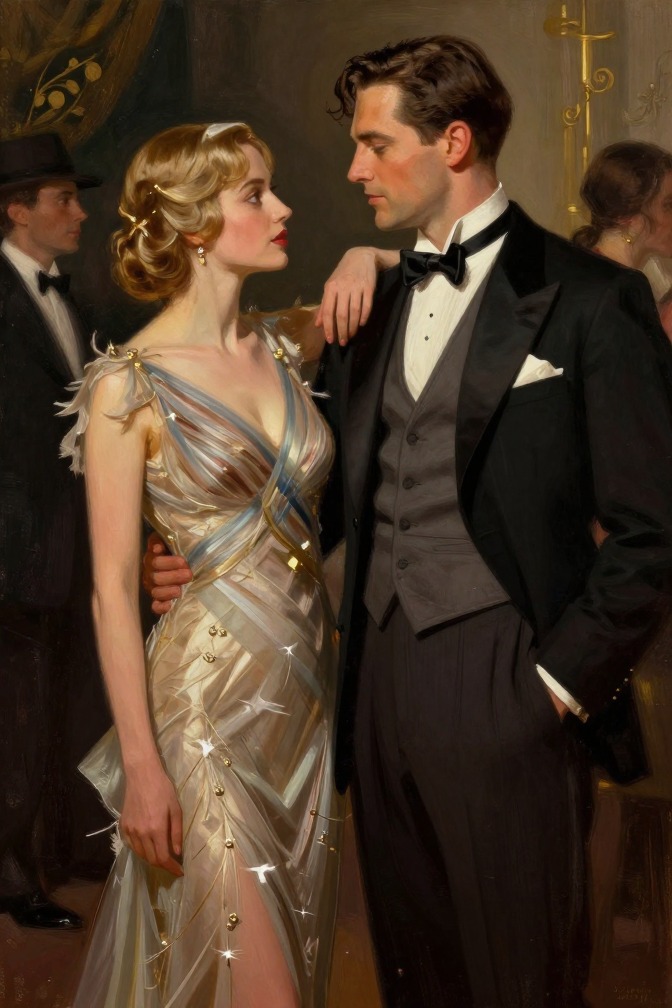
Tom and Daisy attend Gatsby's party, a action from "The Great Gatsby". Tom and Daisy Buchanan attend one of Jay Gatsby's lavish parties, an event that exposes the deep social and personal chasms between East Egg and West Egg, and….
Tom and Daisy attend Gatsby's partyThe Great Gatsby · Action

Tom and Daisy Buchanan attend one of Jay Gatsby's lavish parties, an event that exposes the deep social and personal chasms between East Egg and West Egg, and marks a decisive turning point in Gatsby's pursuit of Daisy.

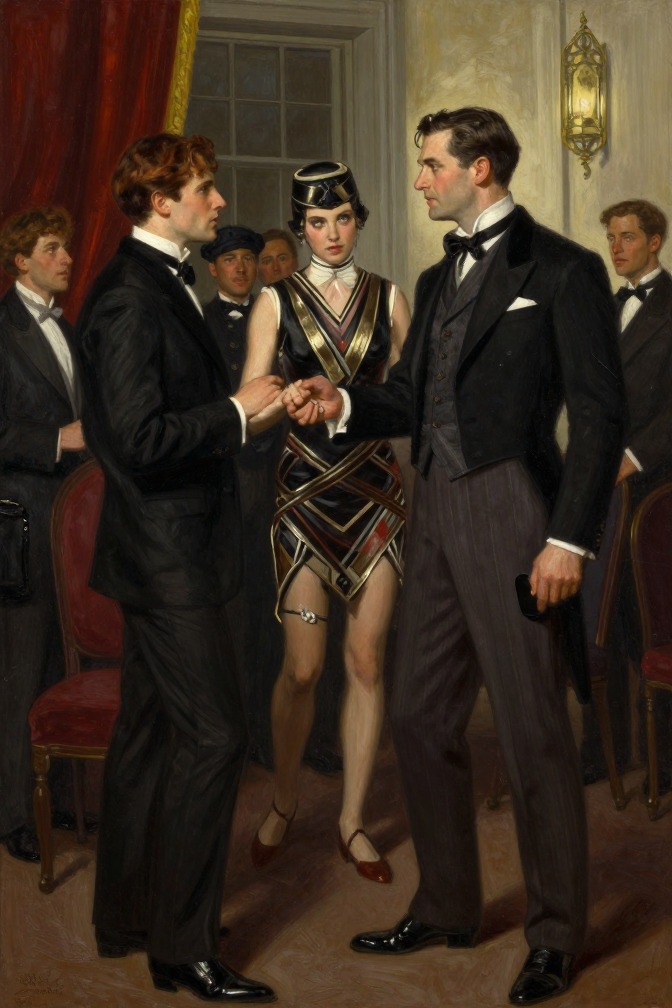
Tom Buchanan introduces Nick to his mistress Myrtle, a action from "The Great Gatsby". Tom Buchanan introduces his mistress Myrtle Wilson to Nick Carraway, forcing Nick into the sordid reality of Tom's extramarital affair and the violent….
Tom Buchanan introduces Nick to his mistress MyrtleThe Great Gatsby · Action

Tom Buchanan introduces his mistress Myrtle Wilson to Nick Carraway, forcing Nick into the sordid reality of Tom's extramarital affair and the violent, desperate world of the Valley of Ashes.

Catherine, a character from "The Great Gatsby". Catherine is Myrtle Wilson's sister, a slender, worldly woman who appears at the party in Tom and Myrtle's New York apartment and later gives testimony at the….
CatherineThe Great Gatsby · Character

Catherine is Myrtle Wilson's sister, a slender, worldly woman who appears at the party in Tom and Myrtle's New York apartment and later gives testimony at the inquest after Myrtle's death, revealing her role as a witness to the affair and a defender of her sister's reputation.

Michaelis, a character from "The Great Gatsby". Michaelis, the young Greek who runs the coffee shop beside the Valley of Ashes, becomes the principal witness to the aftermath of Myrtle Wilson's death and the….
MichaelisThe Great Gatsby · Character

Michaelis, the young Greek who runs the coffee shop beside the Valley of Ashes, becomes the principal witness to the aftermath of Myrtle Wilson's death and the unraveling of George Wilson's sanity, serving as the novel's most direct observer of the tragedy's human cost among the working class.

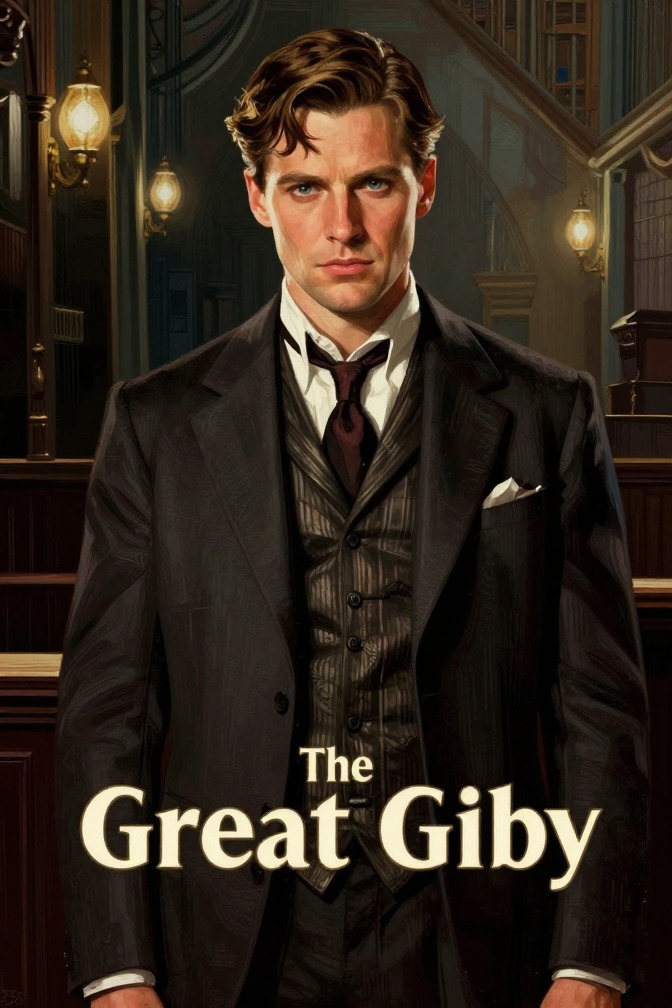
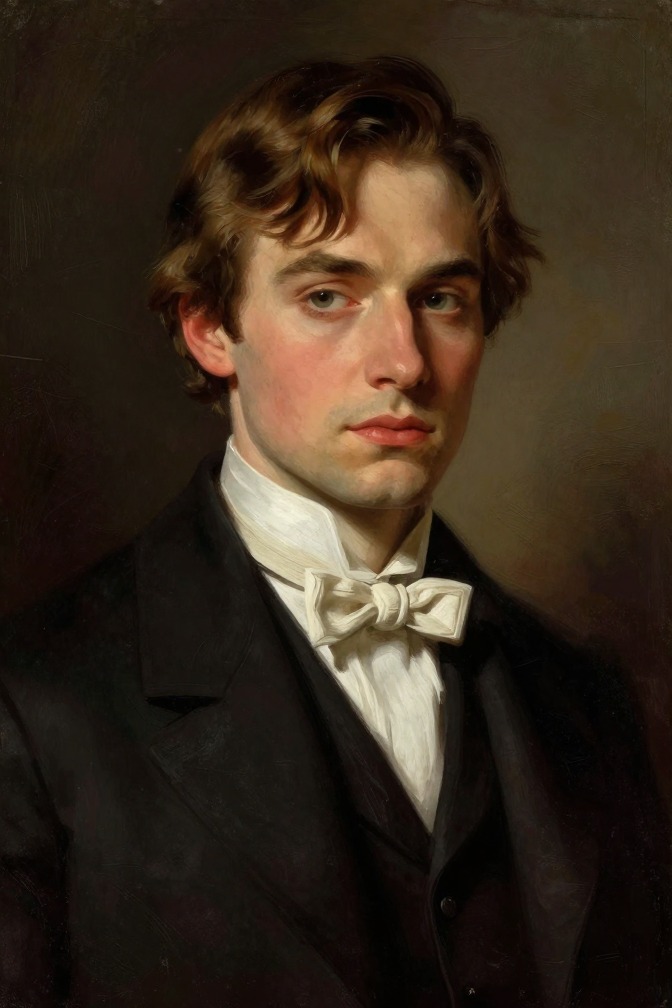
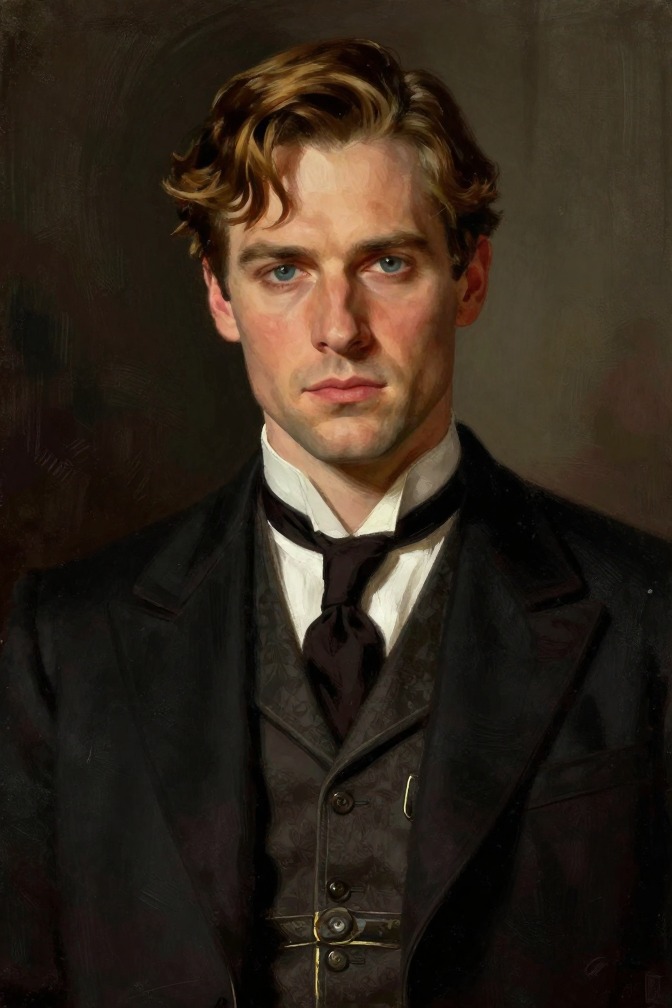
Tom Buchanan, a character from "The Great Gatsby". Tom Buchanan is a wealthy, physically imposing, and aggressively arrogant former Yale football star from an enormously rich family, whose brutish sense of….
Tom BuchananThe Great Gatsby · Character

Tom Buchanan is a wealthy, physically imposing, and aggressively arrogant former Yale football star from an enormously rich family, whose brutish sense of entitlement, racist pseudo-intellectualism, and violent infidelity drive the novel's central conflicts and ultimately contribute to the tragic deaths of Myrtle Wilson and Jay Gatsby.

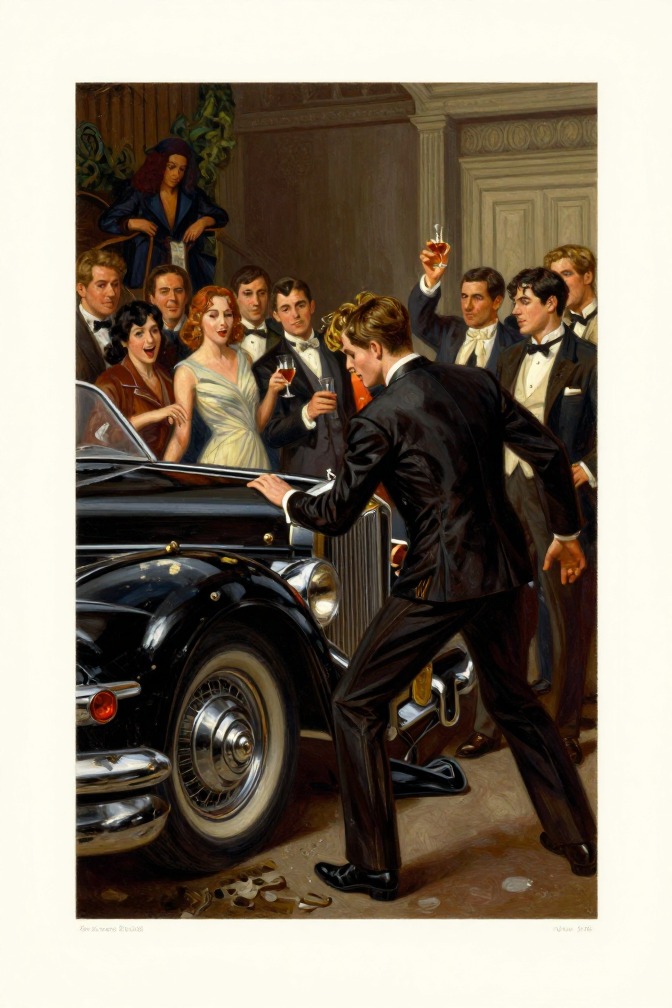
Car Accident After Gatsby's Party, a event from "The Great Gatsby". The Car Accident After Gatsby's Party is a bizarre, comic anticlimax that caps the first major party Nick Carraway attends at Jay Gatsby's mansion, revealing….
Car Accident After Gatsby's PartyThe Great Gatsby · Event

The Car Accident After Gatsby's Party is a bizarre, comic anticlimax that caps the first major party Nick Carraway attends at Jay Gatsby's mansion, revealing the reckless, consequence-free atmosphere of Gatsby's world and introducing the motif of mechanical failure and human carelessness that will culminate in tragedy.

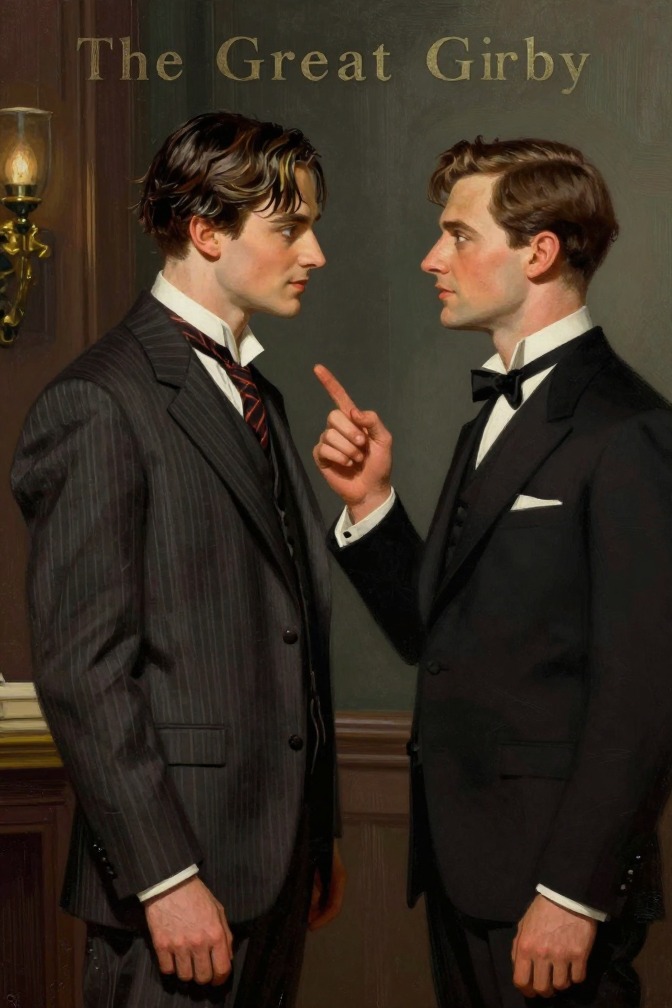
Confrontation at the Plaza Hotel, a event from "The Great Gatsby". The Confrontation at the Plaza Hotel is the climactic scene of The Great Gatsby, where Tom Buchanan exposes Jay Gatsby's criminal past and forces Daisy to….
Confrontation at the Plaza HotelThe Great Gatsby · Event

The Confrontation at the Plaza Hotel is the climactic scene of The Great Gatsby, where Tom Buchanan exposes Jay Gatsby's criminal past and forces Daisy to choose between them, shattering Gatsby's dream and setting the stage for the tragic deaths that follow.

Death of Jay Gatsby, a event from "The Great Gatsby". Jay Gatsby is shot and killed by George Wilson in the swimming pool of his West Egg mansion, a murder that follows the mistaken belief that Gatsby was driving….
Death of Jay GatsbyThe Great Gatsby · Event

Jay Gatsby is shot and killed by George Wilson in the swimming pool of his West Egg mansion, a murder that follows the mistaken belief that Gatsby was driving the car that killed Myrtle Wilson. The death marks the violent end of Gatsby's dream and the collapse of the elaborate world he built to win Daisy Buchanan.

Gatsby and Daisy's Reunion, a event from "The Great Gatsby". Gatsby and Daisy's Reunion is the pivotal event in which Jay Gatsby, after five years of separation and elaborate preparation, finally meets Daisy Buchanan….
Gatsby and Daisy's ReunionThe Great Gatsby · Event

Gatsby and Daisy's Reunion is the pivotal event in which Jay Gatsby, after five years of separation and elaborate preparation, finally meets Daisy Buchanan again at Nick Carraway's house, an encounter that rekindles their romance but also exposes the gap between Gatsby's idealized dream and reality.

  • Previous
  • 1
  • More pages
  • 189
  • 190
  • 191
  • More pages
  • 636
  • Next