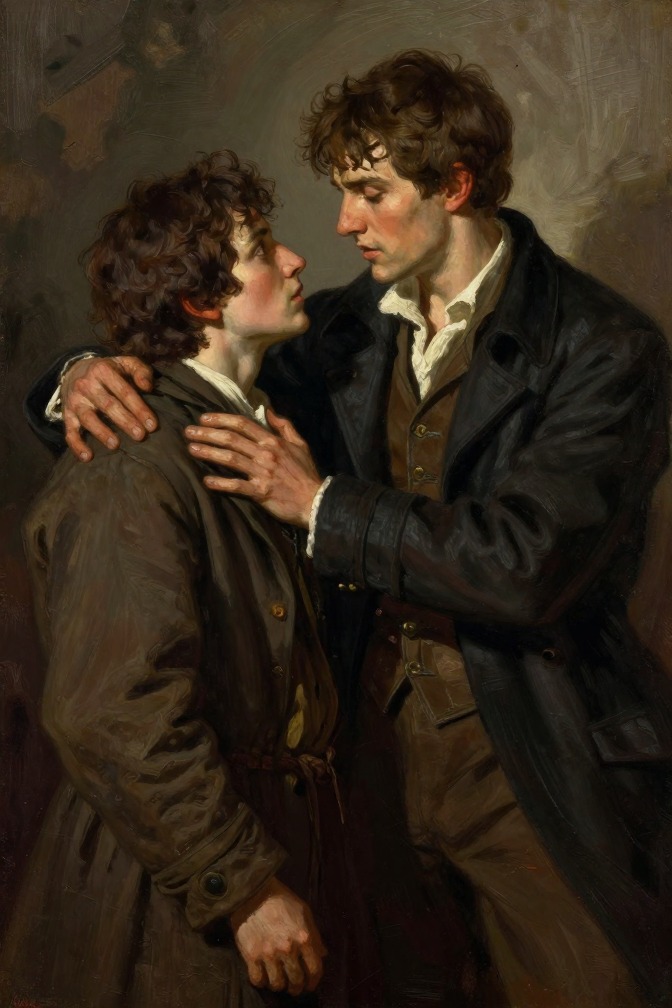
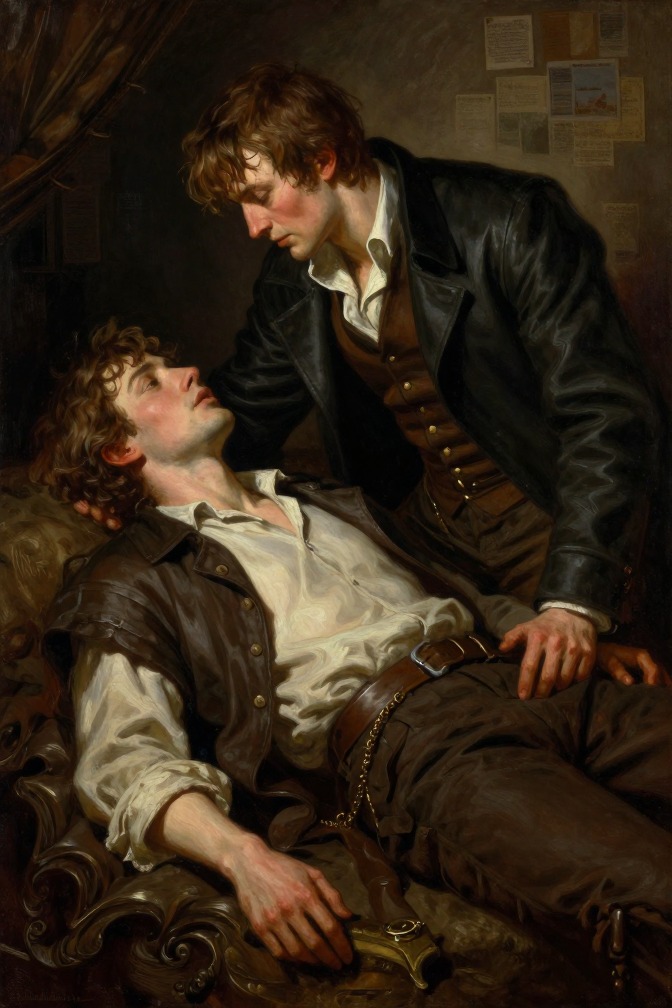
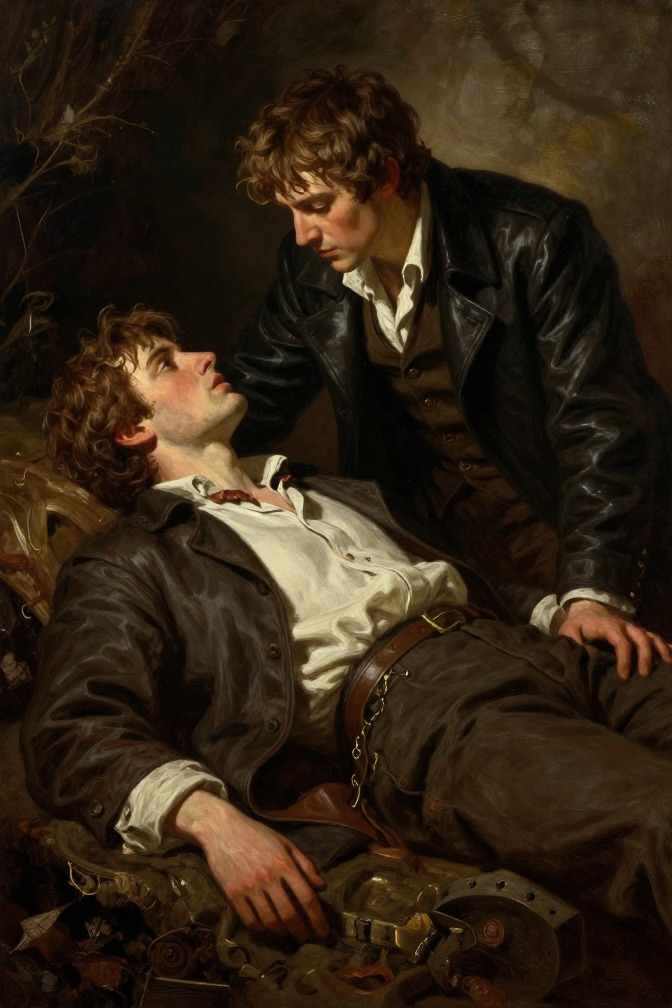
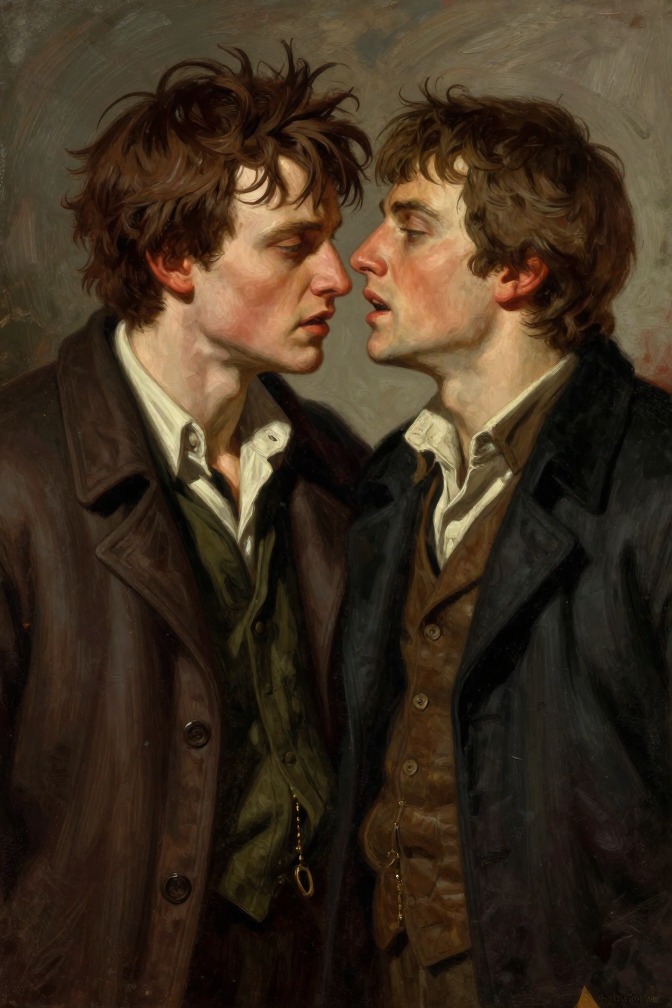
Edgar Linton strikes Heathcliff in a moment of violent confrontation, marking a decisive rupture in the already strained relations between the two households and precipitating Catherine Earnshaw's final descent into illness and death.
Joseph is the elderly, pious, and sour-tempered servant at Wuthering Heights, whose self-righteous religious fanaticism and loyalty to the Earnshaw family make him a constant, judgmental presence across two generations of the household.
Linton Heathcliff is the sickly, selfish son of Heathcliff and Isabella Linton, whose frail constitution and manipulative temperament make him a tool of his father's revenge and a tragic figure in the second generation of Wuthering Heights.
Catherine's Ghost is the spectral presence of Catherine Earnshaw that appears throughout Wuthering Heights, functioning as both a literal haunting and a symbolic embodiment of the novel's central themes of obsessive love, unresolved grief, and the boundary between life and death. The ghost manifests in multiple forms—as a child's face at the window, as an invisible companion felt by Heathcliff, and as a persistent memory that shapes the lives of the surviving characters—making it one of the most powerful and ambiguous supernatural elements in English literature.
Heaven and Hell in *Wuthering Heights* are not conventional religious destinations but are radically reimagined as states of spiritual union or separation from the beloved, primarily Catherine Earnshaw and Heathcliff. The novel transforms the Christian afterlife into a personal cosmology where earthly love determines eternal fate, and where the moors and the house itself become contested territories between sacred longing and profane suffering.
Cows appear throughout *Wuthering Heights* as a recurring element of the farm life at Wuthering Heights, often in the background of key scenes, as objects of labor, and as part of the domestic economy that contrasts with the passionate dramas of the human characters.
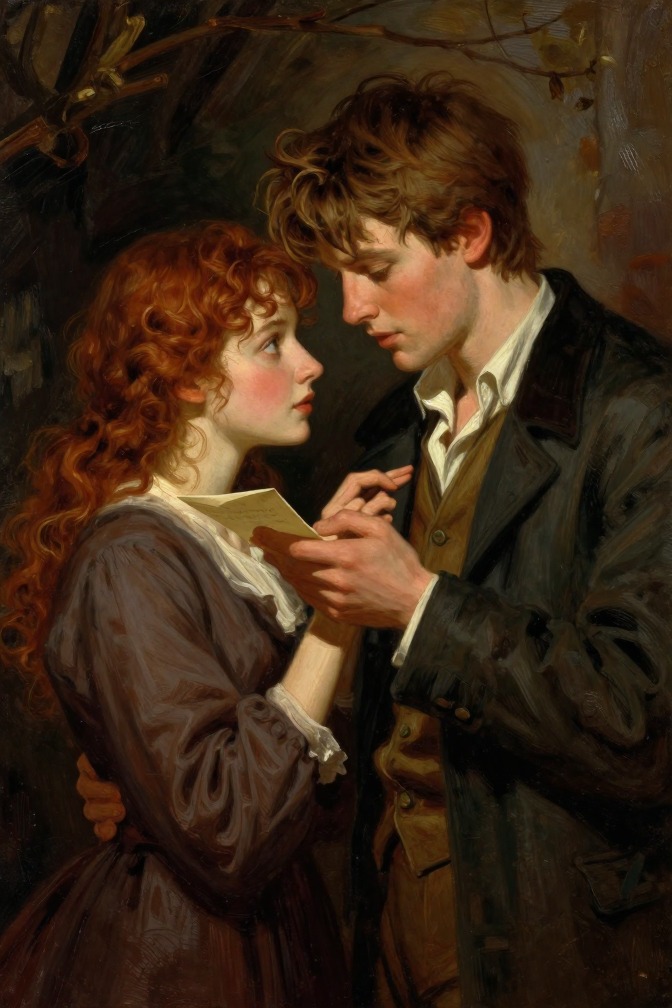
Cathy and Linton's secret correspondence is a clandestine exchange of letters between Catherine Linton and Linton Heathcliff that begins after their first meeting in childhood and continues for months, hidden from Edgar Linton and Nelly Dean. This covert communication deepens Cathy's emotional attachment to her cousin, sets the stage for Heathcliff's manipulative schemes, and ultimately leads to a crisis when Nelly discovers the letters and forces their destruction, marking a pivotal moment in the younger generation's entangled fates.
Edgar Linton's death is the quiet, peaceful culmination of a life marked by devotion, grief, and resignation, occurring shortly after his daughter Catherine's return from Wuthering Heights and providing a stark contrast to the violent, tormented ends of other characters.
Hindley Earnshaw dies at twenty-seven, a drunkard and a debtor, having mortgaged every acre of Wuthering Heights to Heathcliff. His death, which follows his sister Catherine's by scarcely six months, completes Heathcliff's first great act of revenge and leaves Hareton a penniless dependent in his father's enemy's house.
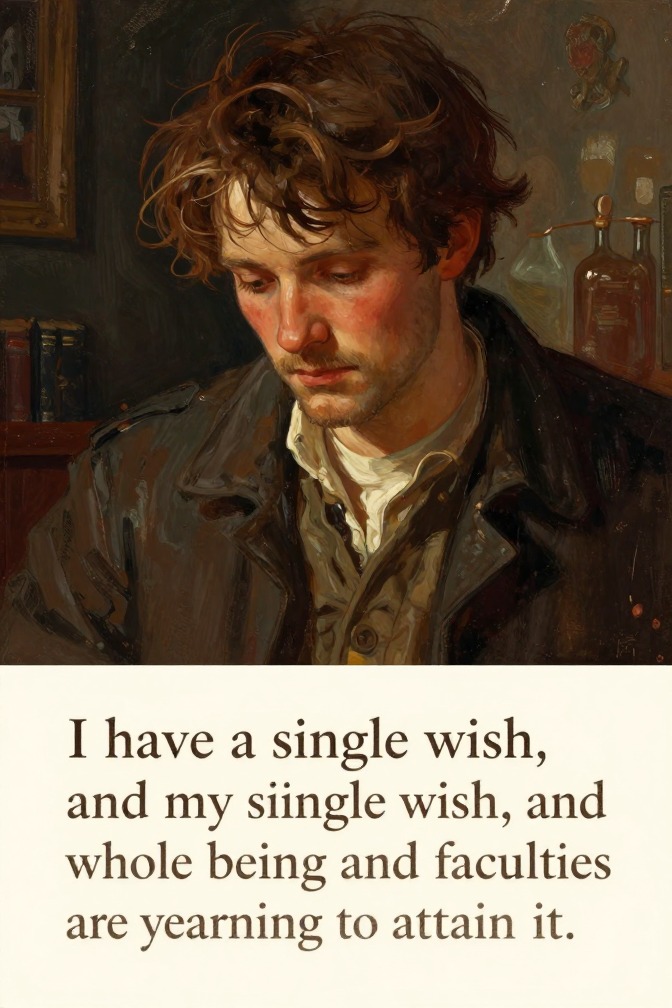
This expression, uttered by Heathcliff to Nelly Dean late in the novel, crystallizes the single-minded, all-consuming obsession that has driven his entire adult existence: the yearning to be reunited with Catherine Earnshaw in death. It marks the moment when his lifelong project of revenge gives way to a purely metaphysical longing, and it foreshadows the strange, ecstatic end that awaits him.
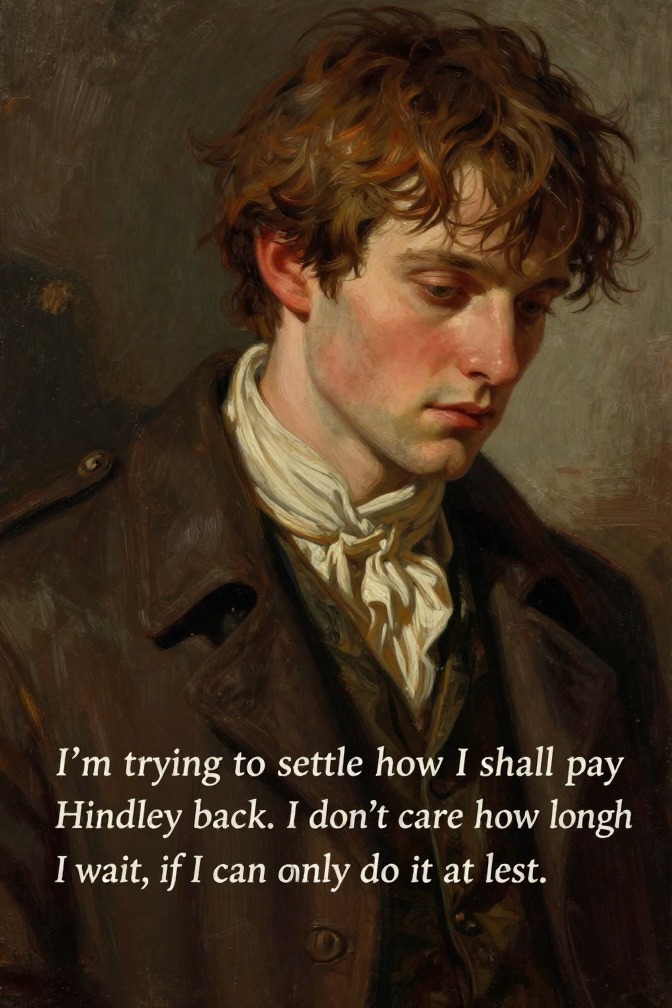
This expression captures Heathcliff's defining vow of revenge against Hindley Earnshaw, articulated in his youth after a Christmas humiliation, and it becomes the engine of the novel's central conflict, driving his patient, methodical destruction of both the Earnshaw and Linton families over nearly two decades.
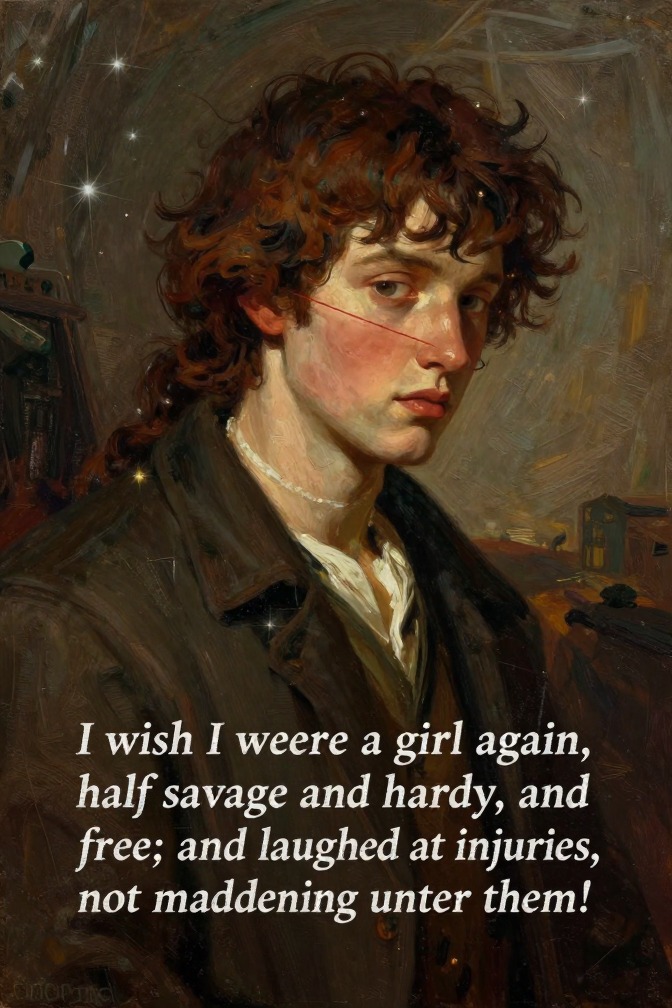
Catherine Earnshaw's desperate cry to be a girl again, half savage and hardy and free, captures the novel's central tension between wild, authentic selfhood and the suffocating constraints of civilized adulthood, and marks the moment her identity fractures irreparably.
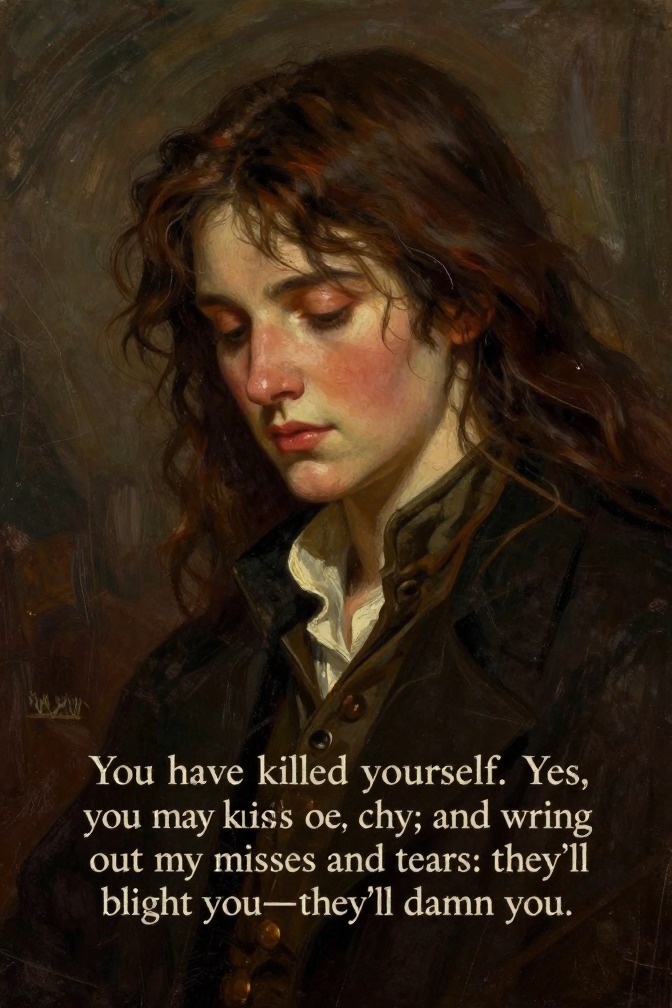
This is a key speech act in which Heathcliff, during his final meeting with the dying Catherine Earnshaw, accuses her of having killed herself by betraying her own heart and abandoning him for Edgar Linton. He declares that her kisses and tears will blight and damn her, and that in breaking her heart she has broken his. The utterance crystallizes the novel's central paradox of love and destruction, where the intensity of their bond becomes the very instrument of mutual ruin.
The Hareton Earnshaw carving is the name and date inscribed over the principal door of Wuthering Heights, a permanent architectural record of the Earnshaw family's ancient tenure that becomes a charged symbol of inheritance, literacy, and social standing across two generations.
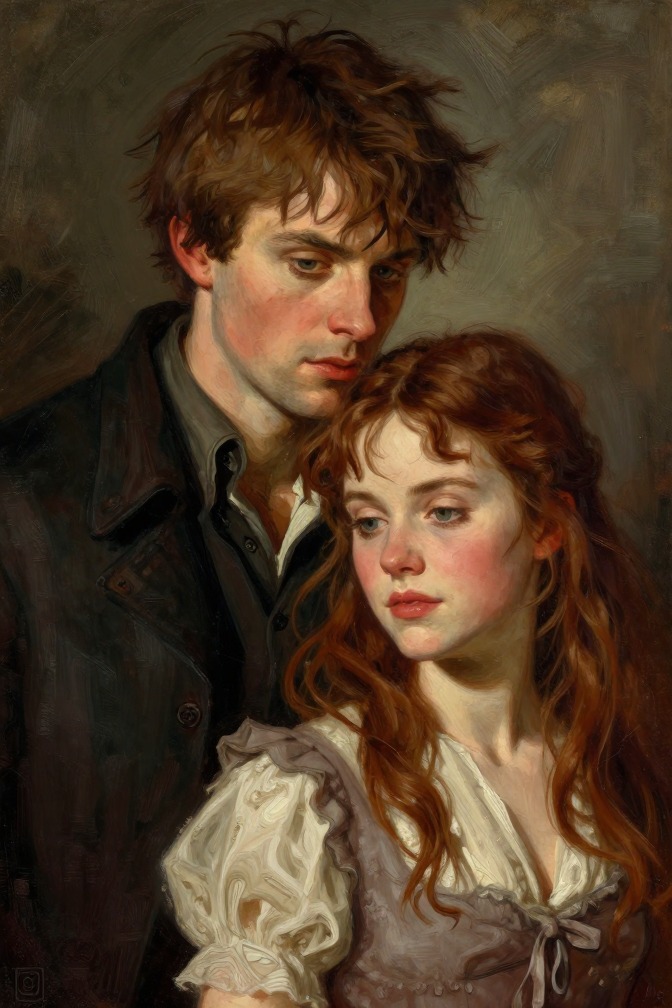
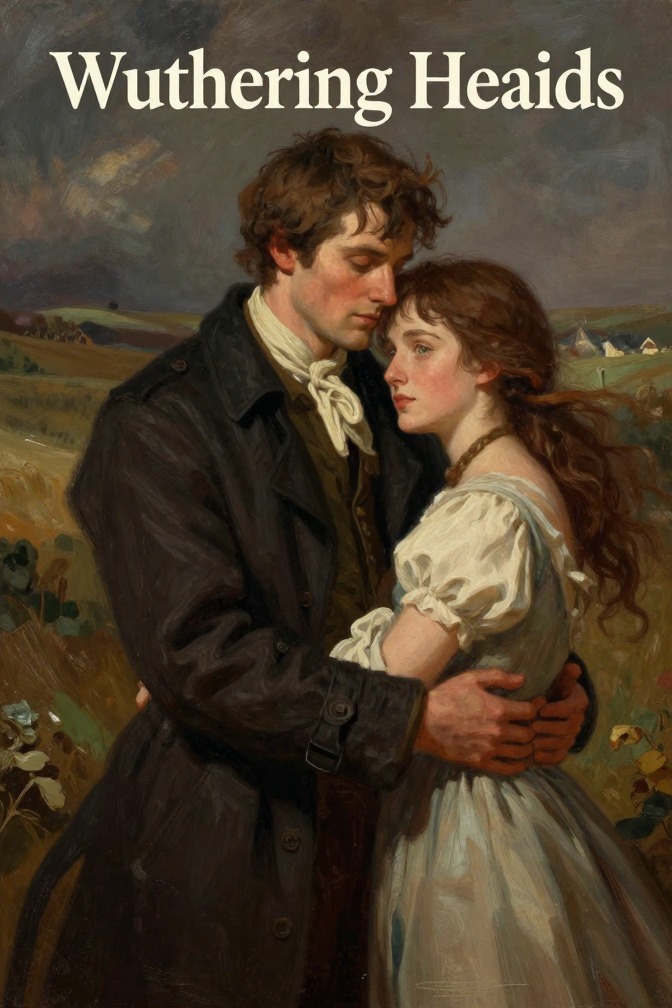
The relationship between Heathcliff and Catherine Earnshaw is the central, consuming force of Wuthering Heights, a bond that transcends conventional love and becomes a metaphysical union of souls, yet is ultimately destroyed by social ambition and pride, leaving a legacy of torment and haunting that shapes the lives of the next generation.
The rivalry between Heathcliff and Edgar Linton is the central antagonism of Wuthering Heights, a conflict rooted in class, love, and revenge that shapes the novel's tragic trajectory and ultimately yields to a peaceful resolution in the next generation.
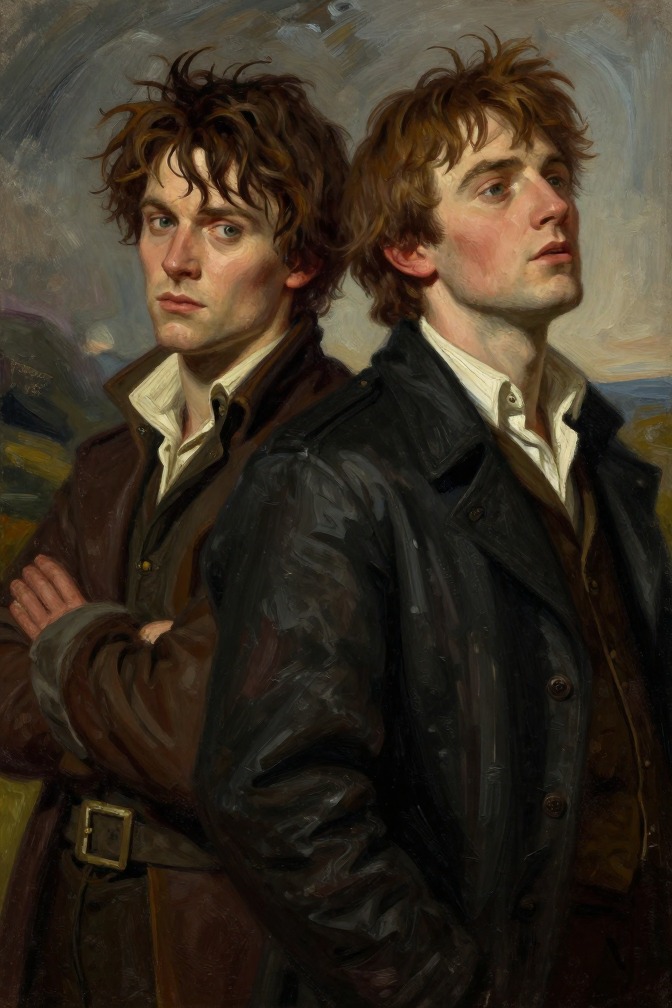
The enmity between Heathcliff and Hindley Earnshaw is the engine of the novel's central conflict, a reciprocal cycle of childhood persecution and adult revenge that shapes the fates of both families. From the moment Mr. Earnshaw brings the orphaned Heathcliff home, Hindley's hatred—born of displaced paternal affection and class contempt—drives him to degrade and brutalize the foundling. Heathcliff, in turn, nurses a patient, implacable desire for repayment, and after years of absence returns to systematically dismantle Hindley's life, seizing his property, corrupting his son, and reducing his rival to a drunken, desperate wreck. Their struggle is not merely personal but structural, entangling the Earnshaw and Linton dynasties and passing its consequences down to the next generation.
Edgar Linton's rule vetoing Catherine Linton's visits to Wuthering Heights is a protective prohibition born from his deep knowledge of Heathcliff's malevolent character and his fear that contact with the Heights will destroy his daughter's happiness and safety. Enforced after Catherine's secret meetings with Linton Heathcliff are discovered, this rule becomes a central point of conflict between paternal care and adolescent desire, ultimately failing to prevent Heathcliff's manipulation and Catherine's forced marriage.
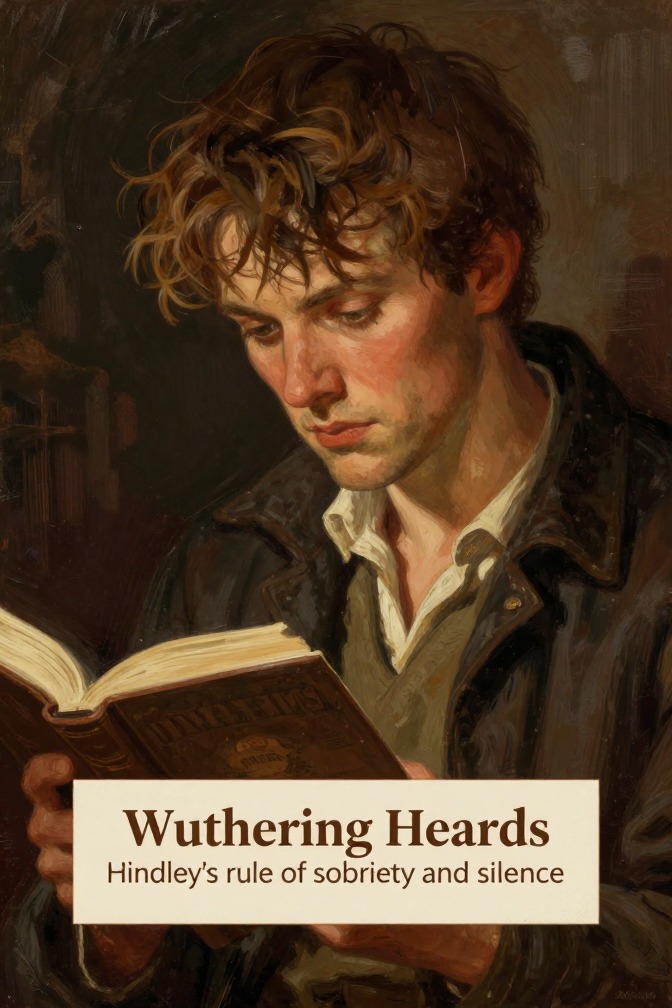
Hindley's rule of sobriety and silence was a tyrannical household decree imposed after his father's death, demanding absolute quiet and sober behavior from Catherine and Heathcliff on pain of physical punishment, which directly provoked their rebellion and deepened the family's fracture.
Joseph's Sabbath rule was a strict religious observance imposed on the children of Wuthering Heights after Mr. Earnshaw's death, forcing Catherine Earnshaw and Heathcliff to endure a three-hour sermon in the garret on a rainy Sunday, which they rebelled against by throwing their prayer books into the dog-kennel.
Hindley Earnshaw's dissipation describes the self-destructive spiral of alcoholism, gambling, and violent tyranny that consumes him after his wife Frances's death, transforming him from a bitter but functional young master into a reckless, abusive figure who mortgages his entire estate to Heathcliff and dies drunk at twenty-seven.
Pierrot Quincey is one of the twin cousins from the north who arrives at the Tallis house in the summer of 1935, a refugee from his parents' bitter divorce. Along with his brother Jackson, he is conscripted into Briony Tallis's play The Trials of Arabella, which he openly hates, and his presence in the household becomes a catalyst for the novel's central tragedy. His vulnerability, his homesickness, and his role as a silent witness to the assault on his sister Lola make him a figure of pathos and a key element in the chain of events that leads to Robbie Turner's false accusation and arrest.
Thierry is the deceased husband of Briony Tallis, the novelist protagonist of Ian McEwan's Atonement. He appears only in the 1999 coda, where a framed photograph of him sits on Briony's desk in her Regent's Park flat, taken in Marseille two years before his death. His existence is a quiet, late-life fact that Briony contemplates as she faces her own mortality and the impending loss of memory from vascular dementia.
The Library encounter between Robbie and Cecilia is the pivotal romantic and sexual consummation of their long-suppressed feelings, interrupted by Briony Tallis's intrusion, which cements Briony's misunderstanding and sets the false accusation in motion.
The attempt was all is the culminating philosophical statement of Briony Tallis's final novel, Atonement, and the principle by which she justifies her lifelong project of writing. It appears in the 1999 coda, where the seventy-seven-year-old Briony, facing vascular dementia and the impossibility of legal atonement, declares that the attempt to achieve atonement through fiction was itself the point. The phrase crystallizes the novel's central meditation on the limits of narrative power, the irreconcilable tension between authorial control and moral accountability, and the final act of kindness that allows her lovers to survive and flourish against the historical record.
Bray Dunes is the beach near Dunkirk where Robbie Turner and thousands of other British soldiers arrived during the chaotic retreat of May–June 1940, a terminus of rout that became the site of his final physical and psychological ordeal before evacuation.
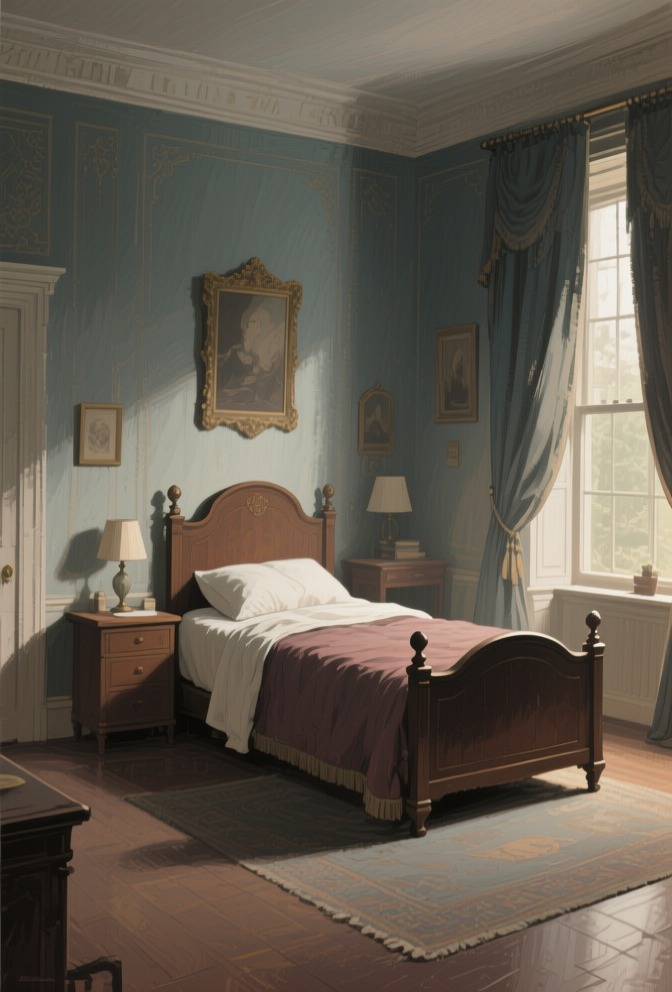
Emily Tallis's bedroom is the darkened, migraine-haunted sanctuary from which she exerts a sixth-sense surveillance over the Tallis household during the climactic day of 1935, and it later becomes the site of Robbie Turner's sleepless prison-cell memories of his own confinement, as well as the metaphorical space for Briony Tallis's final diagnosis of vascular dementia in 1999.
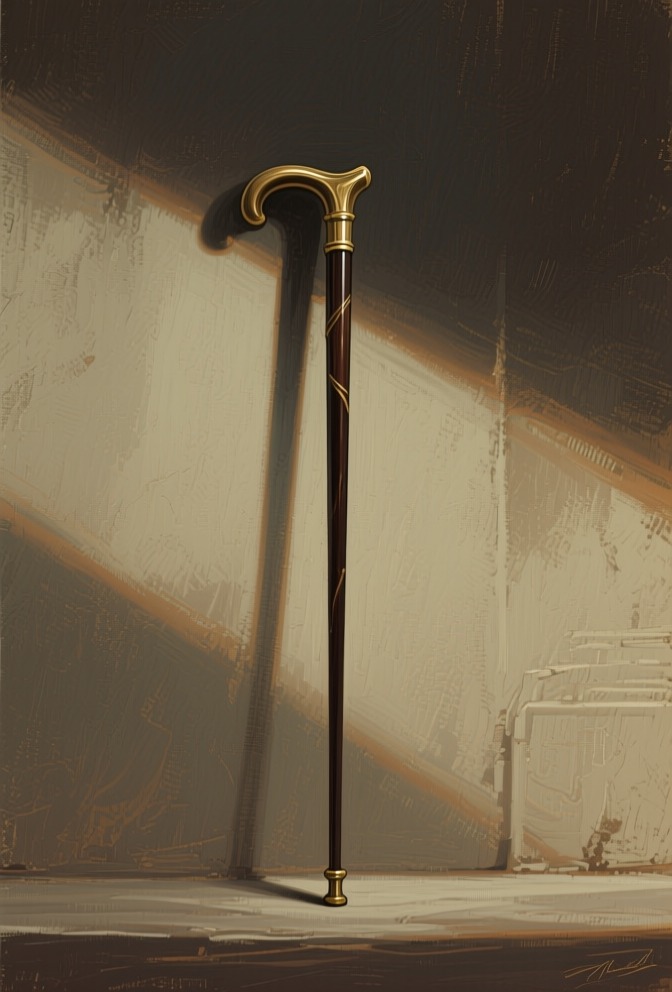
Paul Marshall's cane is a lacquered walking stick that appears in the 1999 frame of the novel, serving as a trademark accessory for the elderly Lord Marshall and symbolizing his enduring wealth, power, and the unpunished crime that enabled his rise.
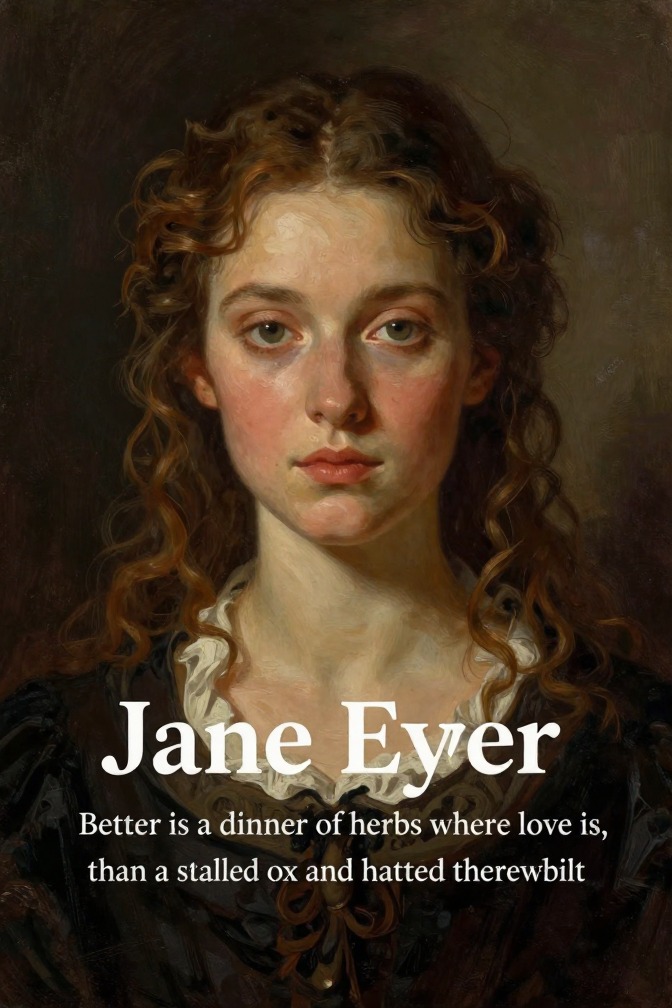
This biblical proverb, quoted by Jane Eyre in Chapter 8, encapsulates a central theme of the novel: the superiority of love and integrity over material wealth and social status. It marks Jane's conscious choice of Lowood's harsh but principled life over Gateshead's luxurious but loveless existence, and it foreshadows her later decisions to prioritize moral worth over comfort.
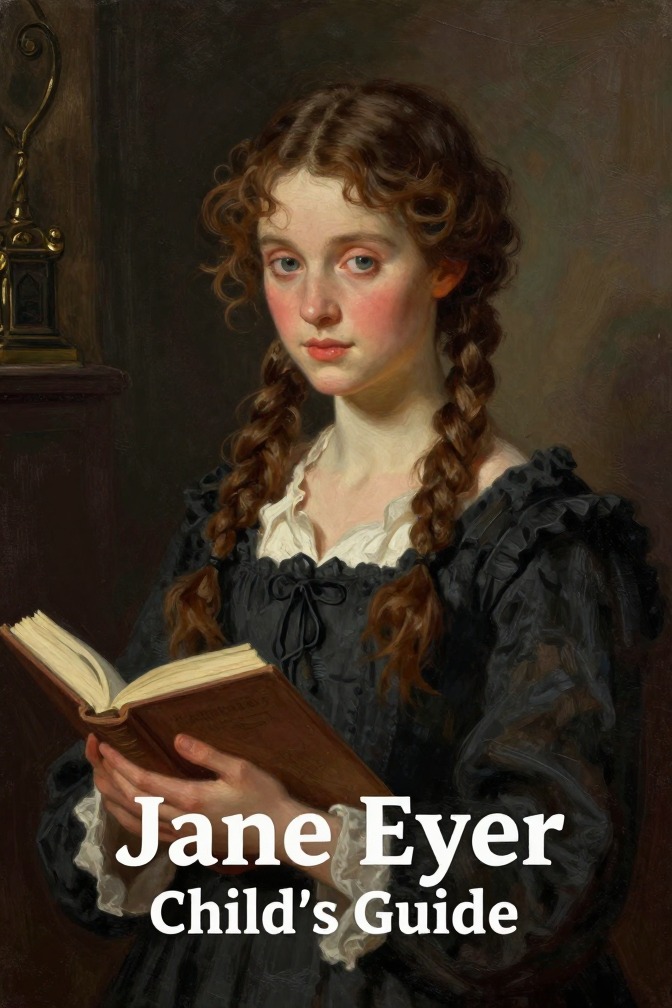
The 'Child's Guide' is a religious pamphlet given to Jane Eyre by Mr. Brocklehurst, intended as a moral warning against deceit, but which becomes a symbol of the hypocritical and oppressive religious authority she must resist.