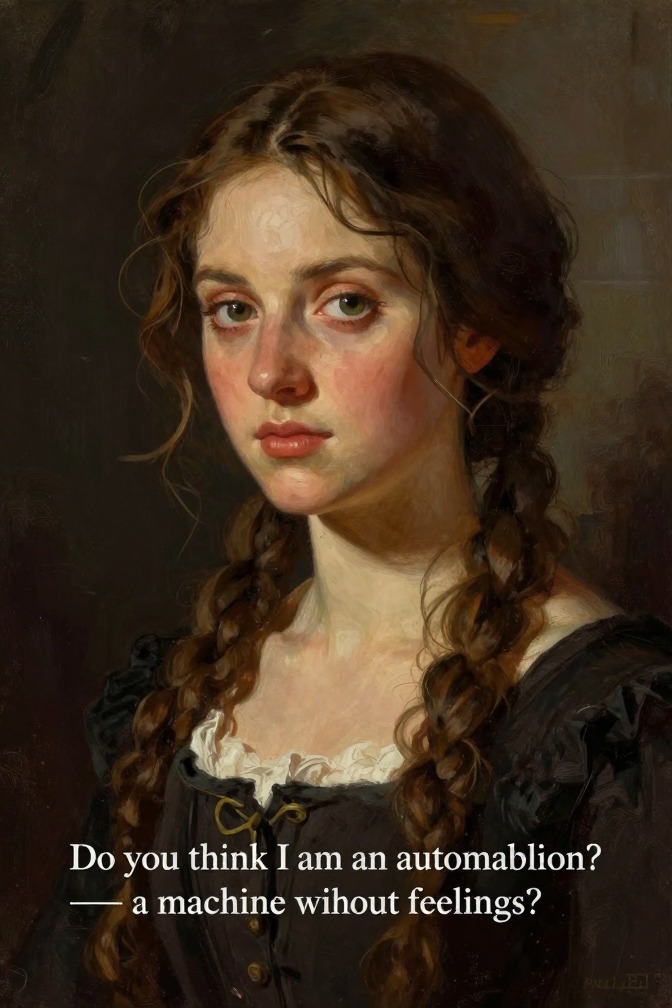
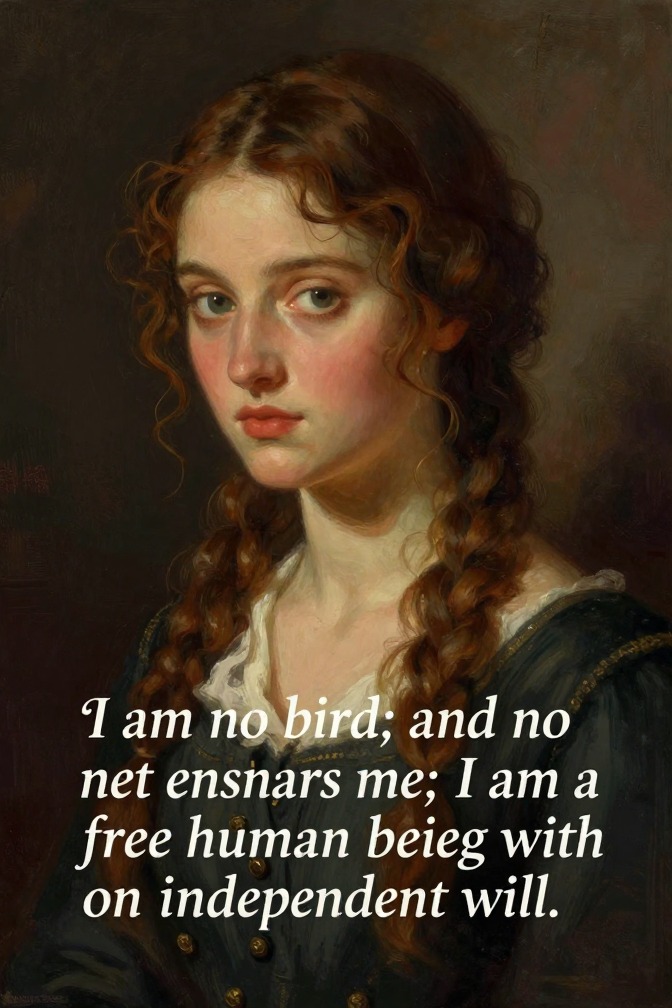
Jane Eyre's impassioned declaration of equality and humanity, uttered during the orchard confrontation with Mr. Rochester, is the novel's most concentrated statement of its central theme: that a woman, however poor, plain, and dependent, possesses the same depth of soul, feeling, and moral autonomy as any man, and that genuine love must be founded on mutual recognition as spiritual equals.
Jane Eyre's declaration of her independent will and equal humanity, spoken during her climactic confrontation with Mr. Rochester in the orchard on Midsummer-eve, is the novel's most concentrated statement of its central themes: the right of even the poorest and plainest woman to claim full personhood, the refusal to accept love at the cost of self-respect, and the insistence that spiritual equality transcends all social and material differences.
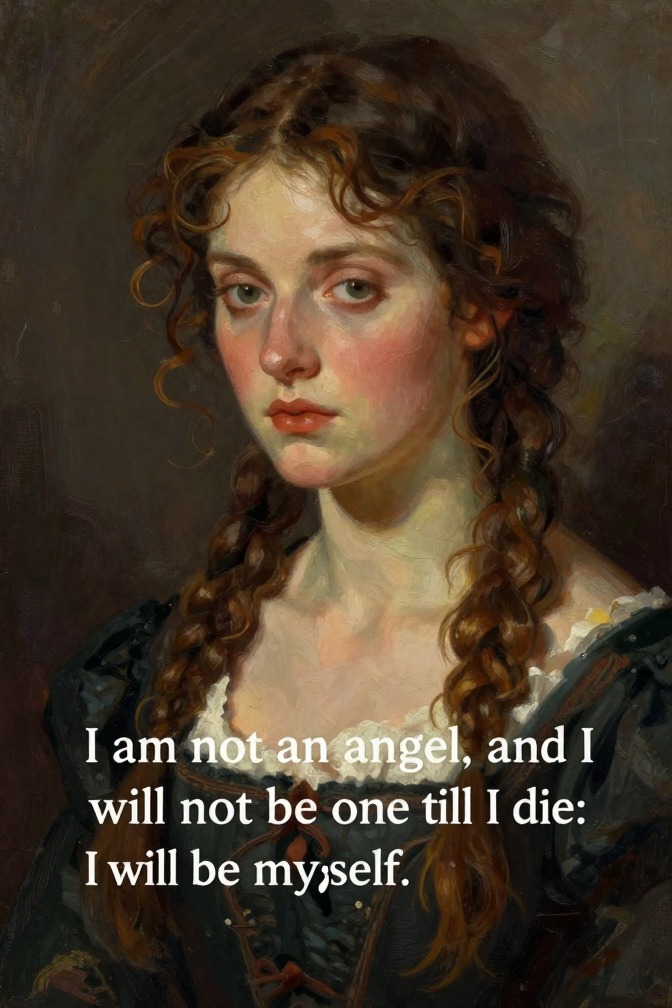
Jane Eyre's declaration 'I am not an angel, and I will not be one till I die: I will be myself' is a defining statement of her refusal to be idealized or diminished, asserting her right to a full, flawed, and autonomous human identity rather than a passive, saintly role.
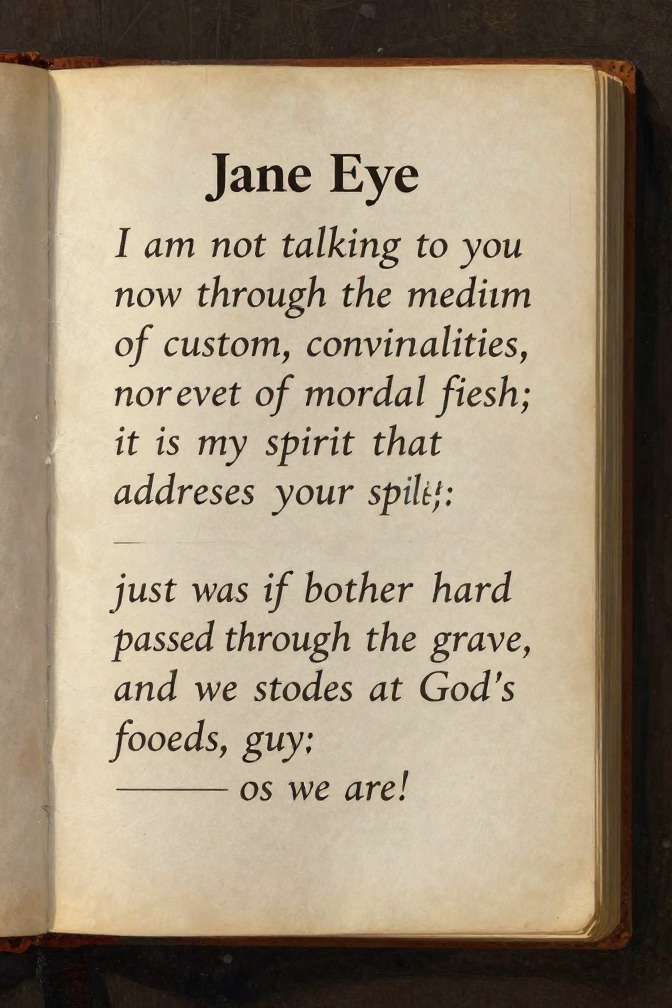
This declaration, made by Jane Eyre to Mr. Rochester in the orchard on Midsummer-eve, is the novel's most radical assertion of spiritual equality. Rejecting the hierarchies of wealth, class, gender, and physical appearance, Jane insists that her soul addresses his soul directly, as if both stood equal before God. The speech marks the climax of Jane's moral and emotional journey, transforming her from a dependent governess into a self-possessed individual who claims the right to love and be loved on terms of absolute parity.
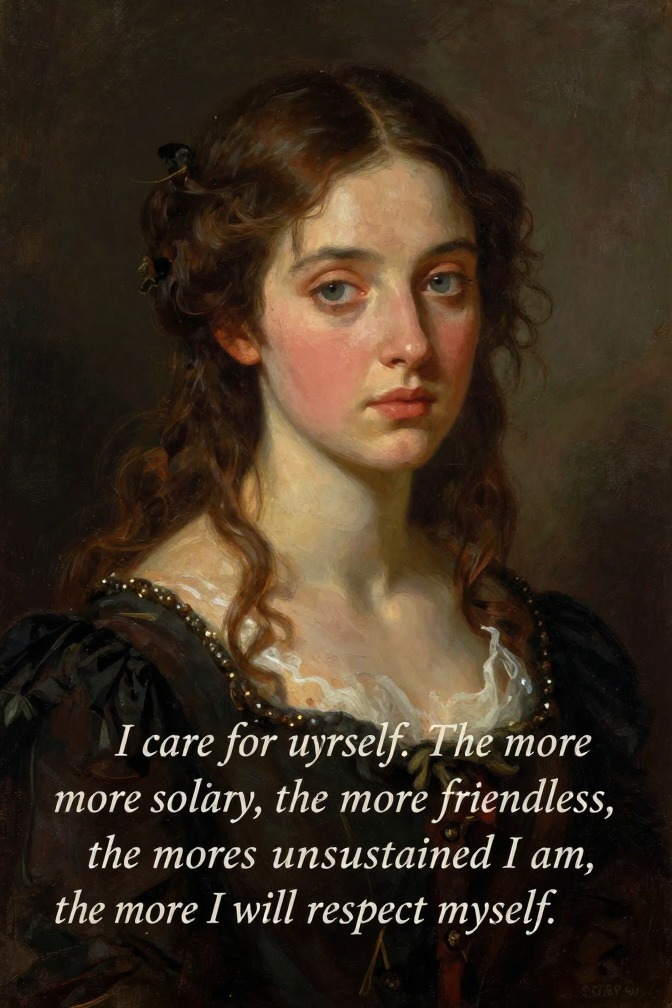
Jane Eyre's declaration 'I care for myself. The more solitary, the more friendless, the more unsustained I am, the more I will respect myself' is the moral climax of the novel, uttered during her agonized refusal of Mr. Rochester's plea to become his mistress after the discovery of Bertha Mason. It crystallizes her commitment to self-respect and divine law over passion, and marks the definitive moment when she chooses principled exile over compromised love.
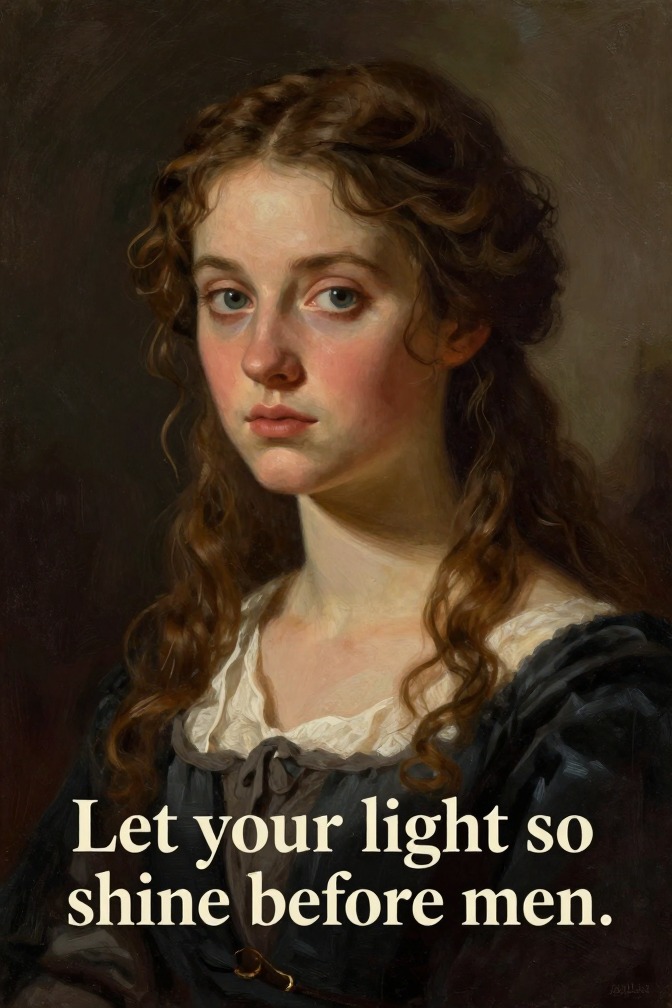
The biblical verse 'Let your light so shine before men, that they may see your good works, and glorify your Father which is in heaven' (Matthew 5:16) is inscribed on a stone tablet over the door of the Lowood Institution, serving as the school's official motto. In the novel, this verse stands in stark, ironic contrast to the institution's actual practices—its hypocrisy, neglect, and spiritual starvation—and becomes a touchstone for Jane Eyre's own developing moral philosophy, which insists that genuine goodness must be visible, active, and authenticated by deeds rather than by pious words.
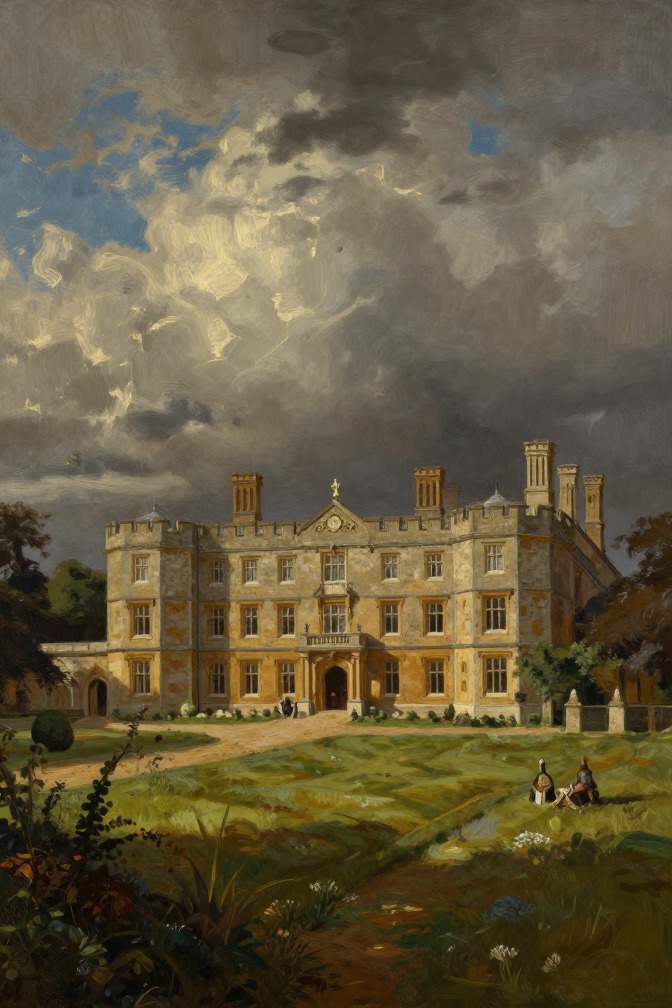
Ferndean Manor is the secluded, decaying country house in a deep wood where Edward Fairfax Rochester retreats after the catastrophic fire at Thornfield Hall, and where he and Jane Eyre are finally reunited and married. It functions as the novel's ultimate symbolic space—a place of penitence, physical ruin, and redemptive love—contrasting sharply with the grandeur of Thornfield and the austerity of Moor House.
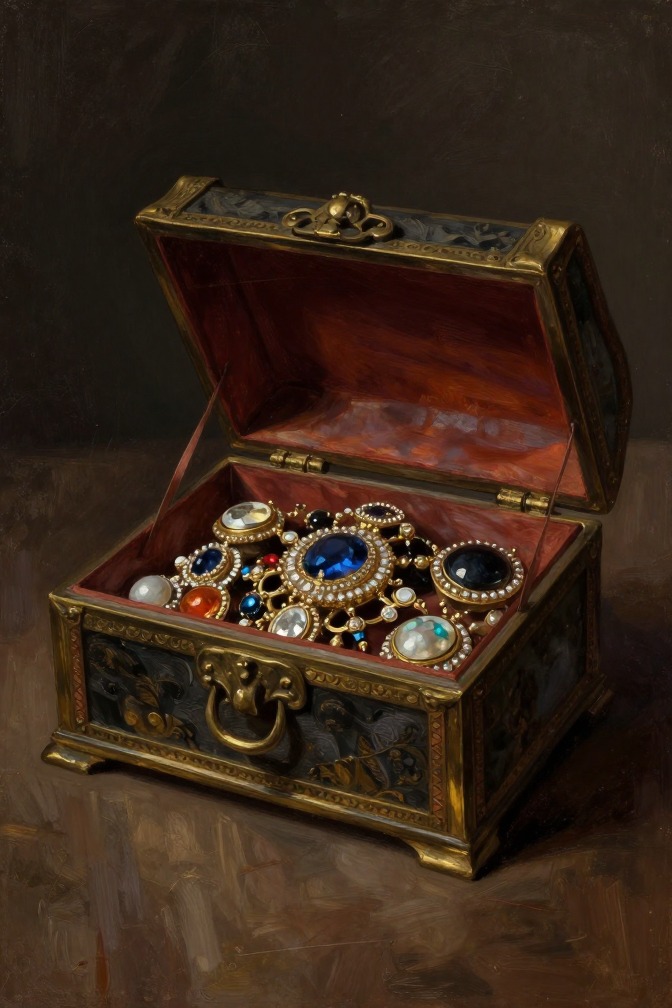
The casket of jewels is a symbol of Rochester's attempt to adorn Jane with material wealth and transform her into a conventional aristocratic bride, an effort she resists as a threat to her identity and moral integrity.
The Hindostanee grammar is a language textbook that St. John Rivers uses to teach Jane Eyre the language as part of his plan to prepare her for missionary work in India, symbolizing his intellectual authority and his attempt to reshape her will to fit his vocation.
The miniature of Mr. Reed is a small painted portrait of Jane Eyre's maternal uncle, kept in a secret drawer in the red-room wardrobe at Gateshead Hall. It serves as a material link to the dead patriarch whose dying wish—that his wife raise Jane as her own child—was grudgingly fulfilled and then betrayed, and whose imagined ghost haunts the room where the portrait is stored. The miniature concentrates the novel's themes of broken promises, inherited injustice, and the spectral power of the unappeased dead over the living.
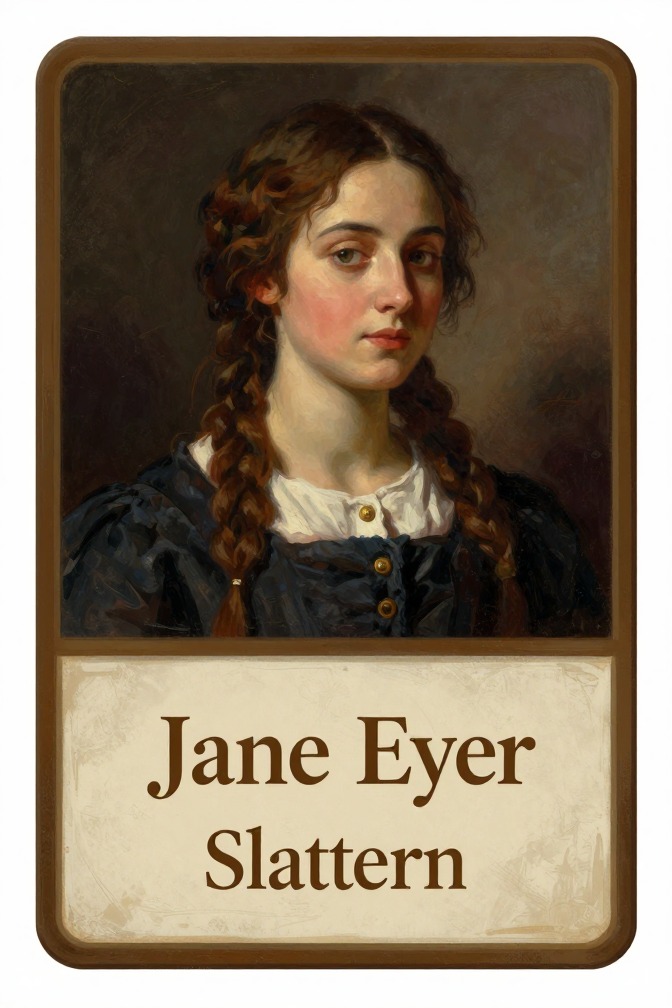
The Slattern placard is a humiliating disciplinary device used at Lowood Institution, a piece of pasteboard inscribed with the word "Slattern" that Miss Scatcherd forces Helen Burns to wear on her forehead as a public punishment for untidiness. It crystallizes the school's harsh, shaming regime and the stark contrast between Helen's patient endurance and Jane Eyre's fiery indignation, becoming a key symbol of institutional cruelty and moral resistance.
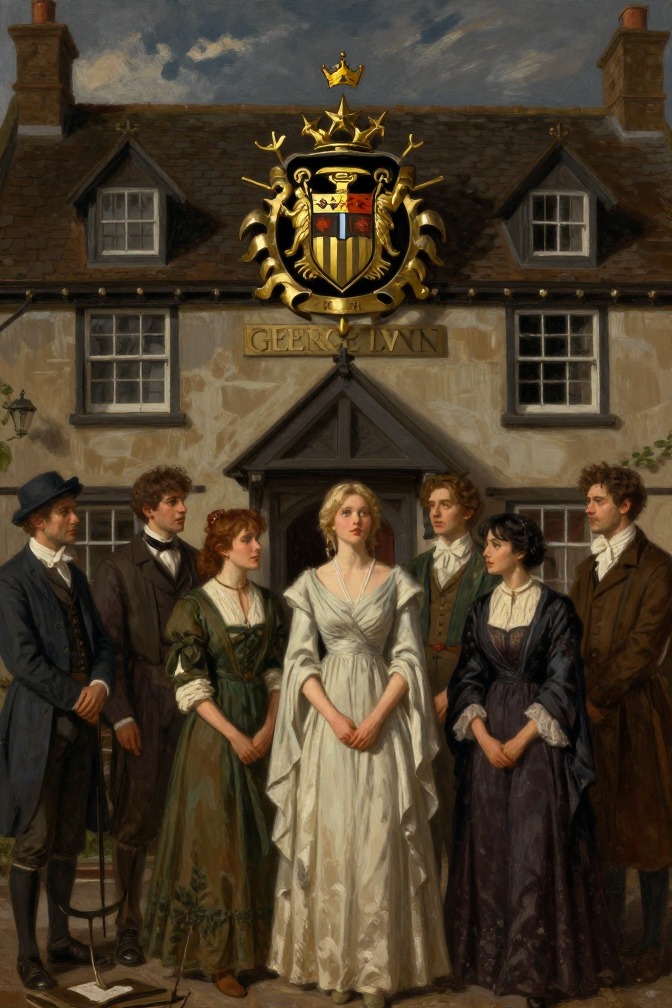
The George Inn is the coaching inn at Millcote where Jane Eyre first arrives after her journey from Lowton, and it serves as a key transitional space in the novel, marking her entry into the Thornfield world and later providing a source of hired help for the house party.
The No Lunch Rule at Lowood School was a policy enforced by Mr. Brocklehurst that prohibited any meal between breakfast and dinner, even when the breakfast was inedible. Miss Temple violated this rule by ordering bread and cheese for the hungry students, leading to a confrontation with Brocklehurst, who argued that physical privation should be used for spiritual edification rather than alleviated.
Orphanhood is the foundational condition of Jane Eyre's life, shaping her social position, emotional development, and moral choices from her earliest memories to her final happiness. As a parentless child taken in reluctantly by the Reed family, Jane experiences the vulnerability, dependence, and social marginalization that define the orphan's lot in Victorian society. Yet her orphanhood also becomes the crucible in which her fierce independence, her hunger for genuine connection, and her unwavering commitment to self-respect are forged. The novel traces how Jane moves from being a despised dependent at Gateshead, through the institutional charity of Lowood, to a self-sufficient governess, and finally to an heiress and wife who chooses love on her own terms—a trajectory that transforms orphanhood from a mark of deprivation into the ground of autonomous personhood.
Frodo Baggins, the Ring-bearer, makes the solitary decision to leave the Fellowship at Parth Galen, driven by the realization that the Ring's corrupting influence is already at work within the Company and that he must face the final stage of the Quest alone to protect his friends.
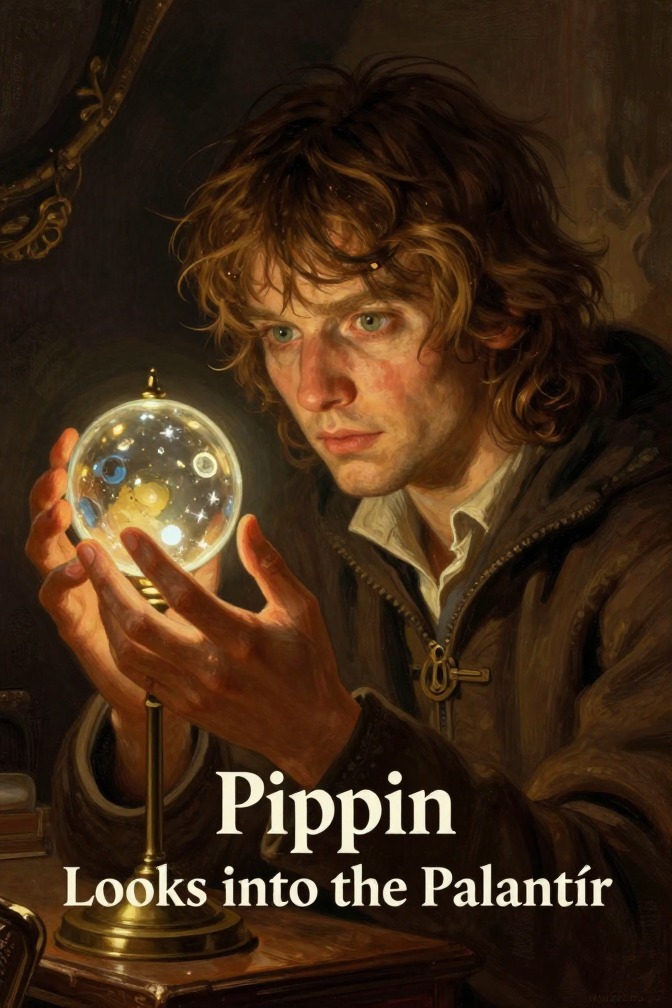
Pippin Took, driven by an irresistible curiosity, steals the Orthanc-stone from the sleeping Gandalf and looks into it, thereby making direct mental contact with Sauron, who briefly interrogates him and nearly overwhelms his will. The event reveals the palantír as the link between Isengard and Mordor, exposes Pippin's vulnerability to the Enemy's power, and forces Gandalf to take the hobbit on a desperate ride to Minas Tirith.
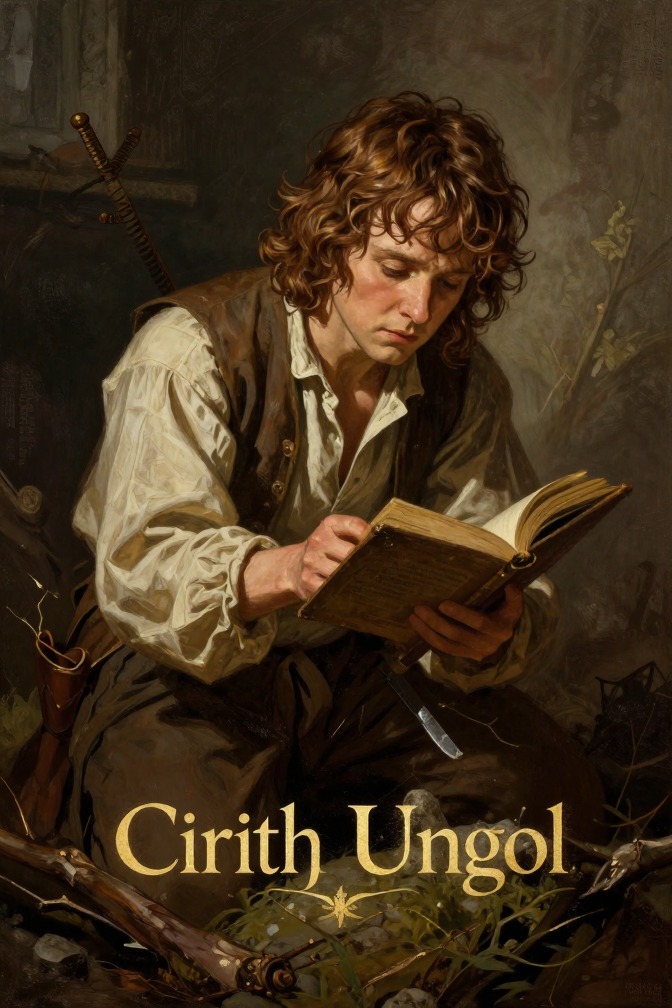
Samwise Gamgee, believing Frodo dead after Shelob's sting, takes the Ring and resolves to continue the Quest alone, but overhearing Orc guards reveal that Frodo is still alive, he storms the Tower of Cirith Ungol, defeats its remaining defenders, and rescues his master from the topmost chamber.
Beregond is a Guard of the Citadel in Minas Tirith who becomes a key figure in the final days of the Stewardship, first as a loyal soldier, then as a rebel who defies orders to save Faramir from Denethor's pyre, and finally as a captain in the White Company under King Elessar.
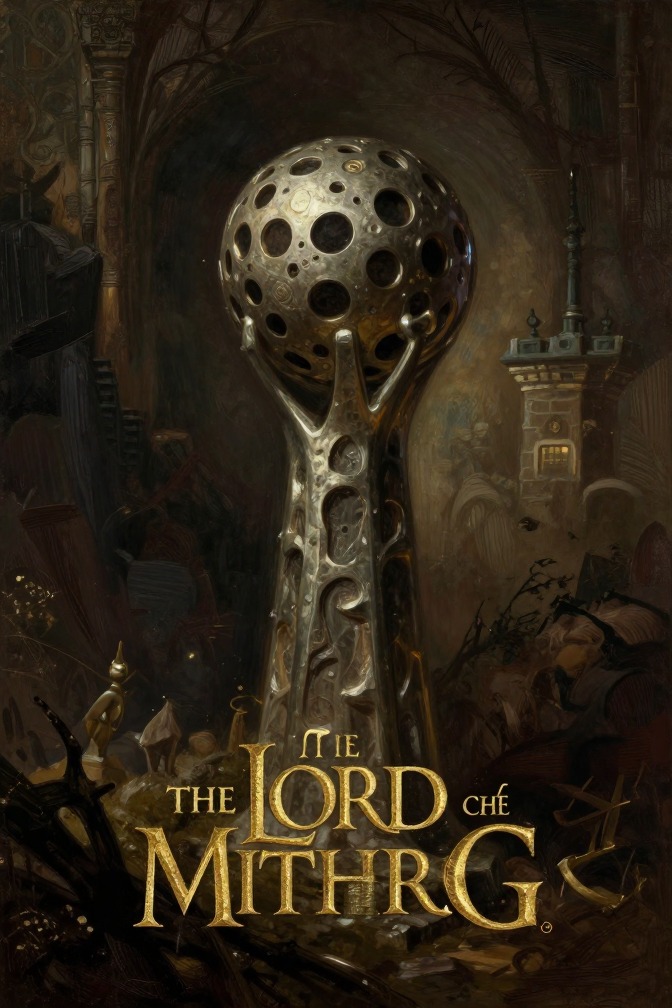
Mithril, also called Moria-silver or true-silver, was a precious metal found only in the depths of Moria, valued at ten times the worth of gold and prized for its unique properties: it could be beaten like copper, polished like glass, and alloyed into a metal lighter yet harder than tempered steel, and its beauty never tarnished. Its mining and crafting formed the foundation of the Dwarves' wealth, but their greed in delving too deep for it awakened Durin's Bane, the Balrog, which destroyed the kingdom of Khazad-dûm. By the time of the War of the Ring, mithril was beyond price, with nearly all remaining supplies controlled by Sauron through Orc tribute.
The Paths of the Dead is a perilous mountain route beneath the Dwimorberg, the Haunted Mountain, in the White Mountains of Gondor. It is the only way for Aragorn to reach the southern coastlands in time to save Minas Tirith from the Corsairs of Umbar. The path is guarded by the Oathbreakers, the spirits of Men who swore allegiance to Isildur but broke their oath, and are cursed to remain in the world until their oath is fulfilled. Aragorn, as Isildur's heir, summons them at the Stone of Erech, and they follow him as the Grey Company, ultimately fulfilling their oath in battle and finding peace.
The Shadow is the central, ever-growing metaphysical and political threat in The Lord of the Rings, representing the will and power of the Dark Lord Sauron as it spreads outward from Mordor to engulf Middle-earth. It is not merely a physical darkness but a pervasive force of despair, corruption, and domination that oppresses hearts, twists intentions, and drives the narrative's conflict. Its gradual manifestation—from distant rumor to a palpable, world-darkening presence—structures the rising tension of the entire War of the Ring.
The Wizards, or Istari, are an order of five Maiar spirits sent to Middle-earth in the Third Age to contest the power of Sauron. They appear as old men, are forbidden to dominate Elves or Men by force, and include Saruman the White, Gandalf the Grey, Radagast the Brown, and the two Blue Wizards. Their mission shapes the War of the Ring, but their differing choices—from Saruman's betrayal to Gandalf's sacrifice and return—define the moral and strategic arc of the struggle against the Dark Lord.
Crebain are large, intelligent crows from Dunland and Fangorn Forest, employed by Saruman as spies to surveil the Fellowship's movements across Hollin and Eriador during the War of the Ring.
Dragons are ancient, powerful, and malevolent creatures in Middle-earth, serving as agents of destruction and hoarders of treasure. They are not mere beasts but intelligent, cunning beings with a deep history tied to the wars of the First Age and the malice of Morgoth. Their presence in the Third Age, most notably Smaug the Golden, shapes the fates of kingdoms and peoples, and their fire is uniquely potent, capable of destroying the Rings of Power, though not the One Ring itself.
Fell beasts are the winged, dragon-like creatures that the Nazgûl ride after the loss of their black horses, first appearing in the later stages of the War of the Ring. They are described as ancient, naked, bird-like monsters with vast pinions of hide between horned fingers, bred by Sauron in forgotten mountains and given to his servants as steeds. Their presence brings terror and despair, and they serve as the Ringwraiths' primary mounts during the siege of Gondor and the final battles.
The Capture of Merry and Pippin is a pivotal event in The Lord of the Rings, occurring on February 26, T.A. 3019, when the two hobbits are seized by a large band of Orcs after the Breaking of the Fellowship at Parth Galen. This event splits the narrative into two major threads—the pursuit by Aragorn, Legolas, and Gimli, and the hobbits' own harrowing journey as captives—and sets in motion the crucial alliance between the Ents and the free peoples against Saruman.
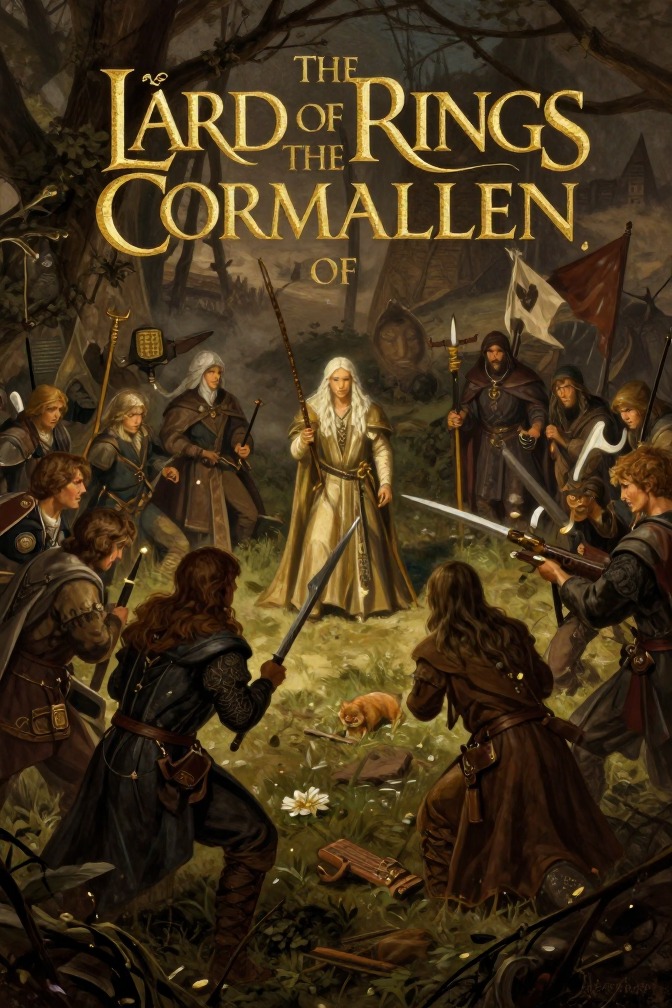
The Field of Cormallen is the site in Ithilien where the victorious Host of the West encamped after the War of the Ring, and where Frodo Baggins and Samwise Gamgee were publicly honoured by King Elessar before the assembled armies of Gondor, Rohan, and their allies. It marks the formal recognition of the Ring-bearers' sacrifice and the transition from war to the restoration of the kingdom.
The Passage through Moria is the perilous underground journey of the Fellowship of the Ring through the abandoned Dwarf-kingdom of Khazad-dûm, a dark and labyrinthine realm now infested with Orcs and haunted by a Balrog. This event marks a decisive turning point in the quest: it tests the Company's endurance, reveals the true nature of the enemy they face, and culminates in the fall of Gandalf, the loss of their leader, and the shattering of their fellowship's original unity.
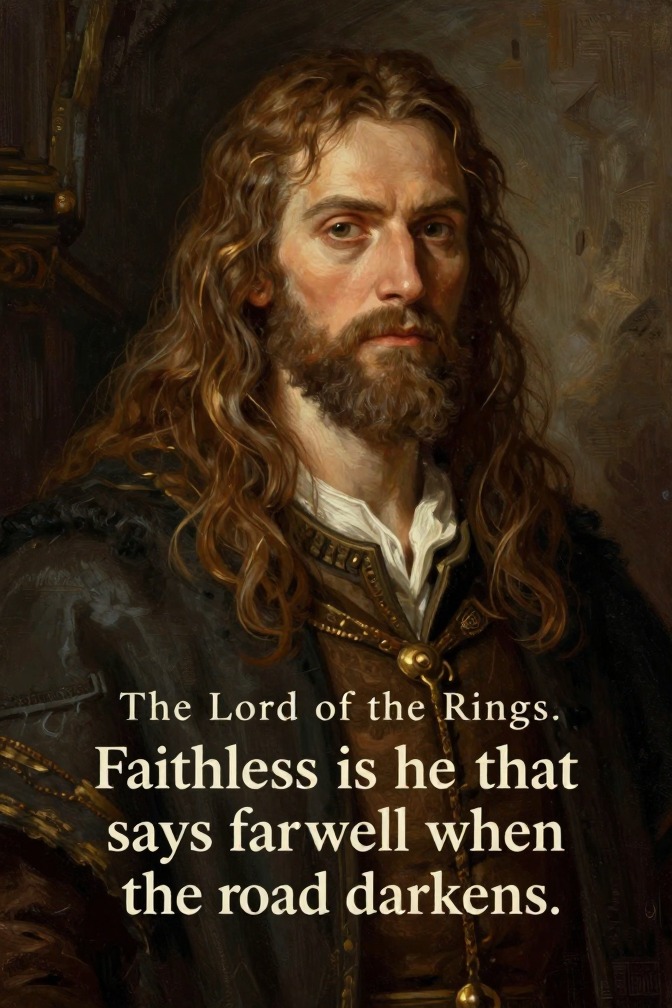
Faithless is he that says farewell when the road darkens is a proverb spoken by Gimli during the Council of Elrond, encapsulating the moral code of loyalty and steadfastness that binds the Fellowship of the Ring. It is a performative utterance that defines the ethical stakes of the quest, contrasting the ideal of unwavering commitment with the practical freedom that Elrond grants to the Company's members.
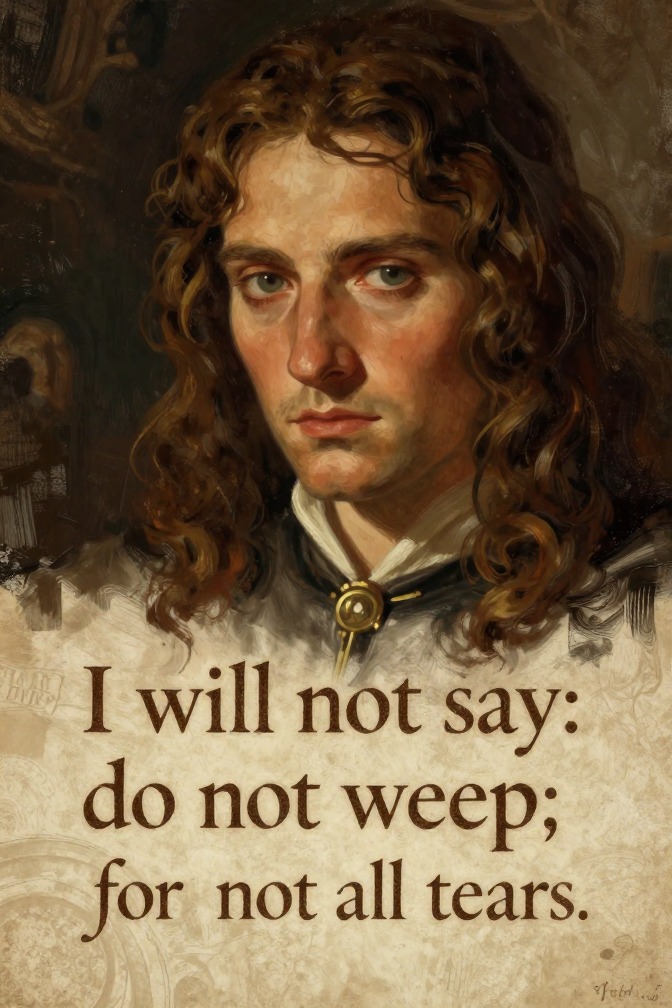
Gandalf's parting words to the hobbits at the Grey Havens, 'I will not say: do not weep; for not all tears are an evil,' is the final spoken farewell of the Third Age, a blessing that reframes grief as a necessary and even good part of the ending of the Quest and the departure of the Ring-bearers.