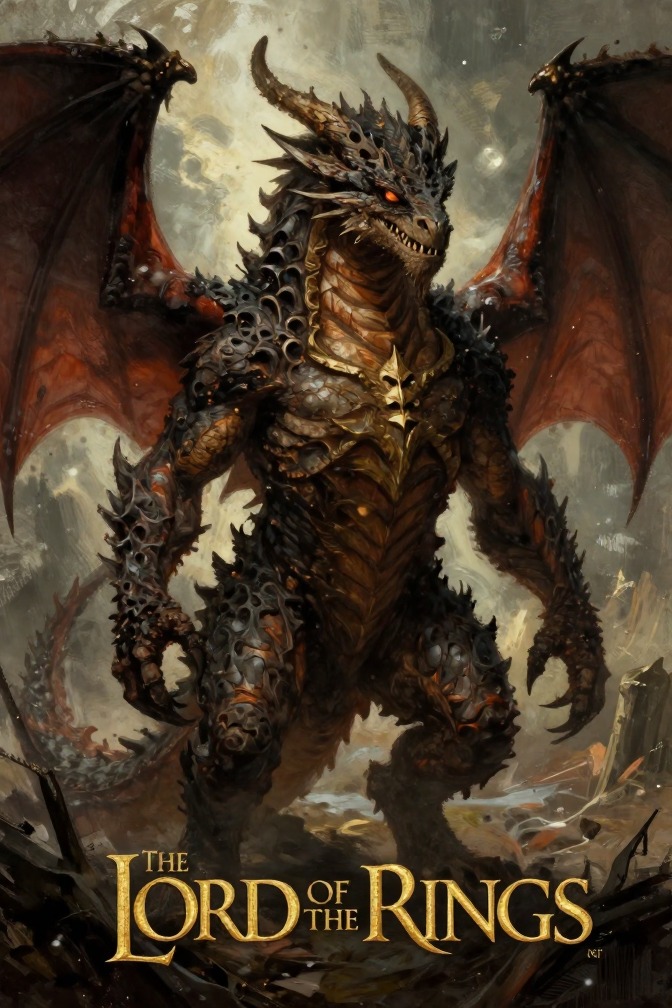
Dragons are ancient, powerful, and malevolent creatures in Middle-earth, serving as agents of destruction and hoarders of treasure. They are not mere beasts but intelligent, cunning beings with a deep history tied to the wars of the First Age and the malice of Morgoth. Their presence in the Third Age, most notably Smaug the Golden, shapes the fates of kingdoms and peoples, and their fire is uniquely potent, capable of destroying the Rings of Power, though not the One Ring itself.
Fell beasts are the winged, dragon-like creatures that the Nazgûl ride after the loss of their black horses, first appearing in the later stages of the War of the Ring. They are described as ancient, naked, bird-like monsters with vast pinions of hide between horned fingers, bred by Sauron in forgotten mountains and given to his servants as steeds. Their presence brings terror and despair, and they serve as the Ringwraiths' primary mounts during the siege of Gondor and the final battles.
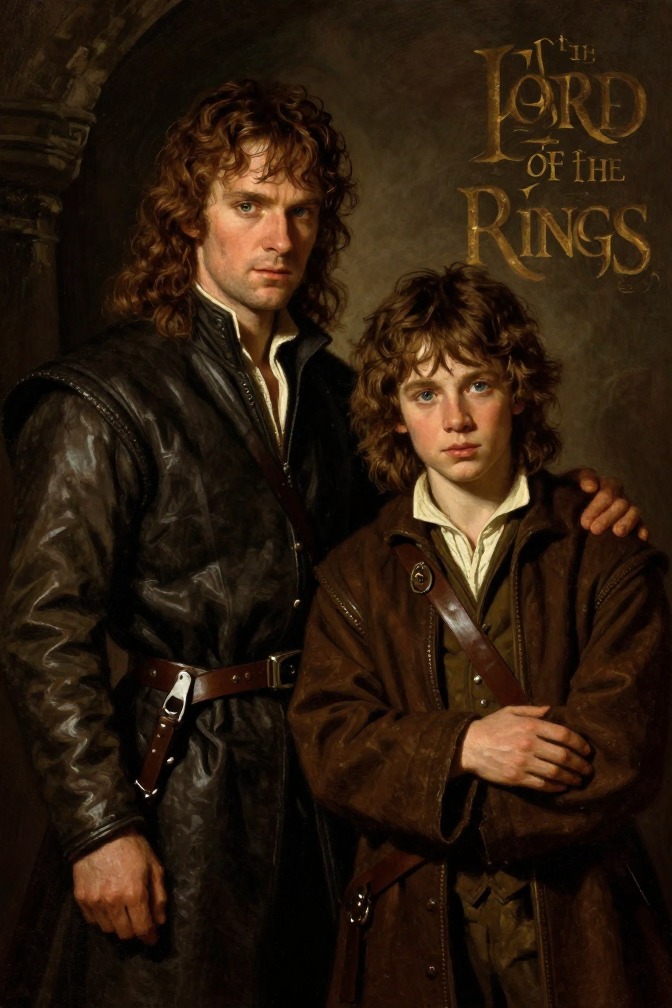
The Capture of Merry and Pippin is a pivotal event in The Lord of the Rings, occurring on February 26, T.A. 3019, when the two hobbits are seized by a large band of Orcs after the Breaking of the Fellowship at Parth Galen. This event splits the narrative into two major threads—the pursuit by Aragorn, Legolas, and Gimli, and the hobbits' own harrowing journey as captives—and sets in motion the crucial alliance between the Ents and the free peoples against Saruman.
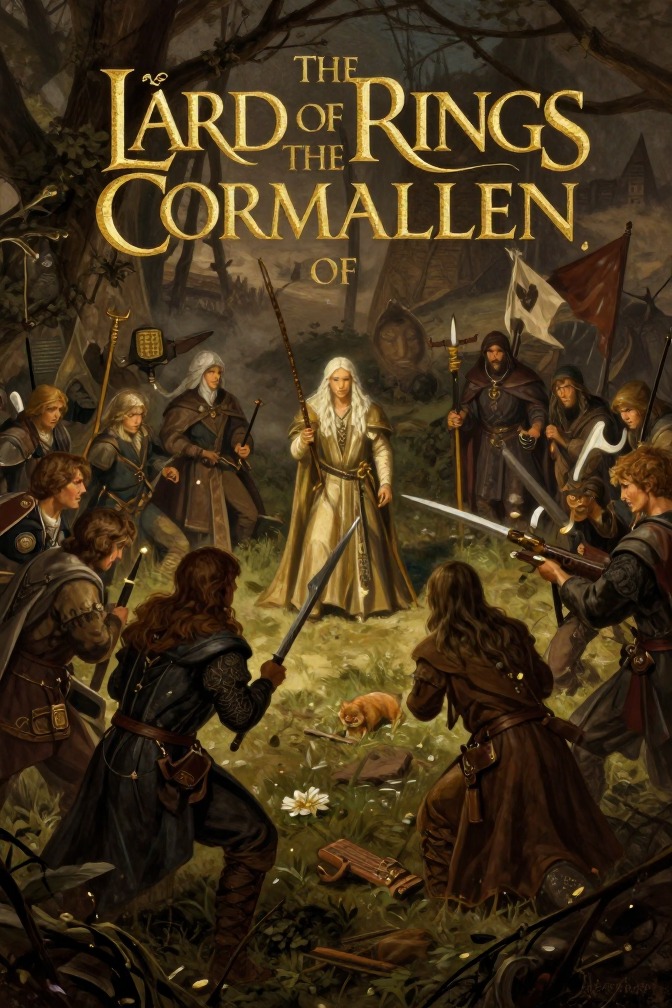
The Field of Cormallen is the site in Ithilien where the victorious Host of the West encamped after the War of the Ring, and where Frodo Baggins and Samwise Gamgee were publicly honoured by King Elessar before the assembled armies of Gondor, Rohan, and their allies. It marks the formal recognition of the Ring-bearers' sacrifice and the transition from war to the restoration of the kingdom.
The Passage through Moria is the perilous underground journey of the Fellowship of the Ring through the abandoned Dwarf-kingdom of Khazad-dûm, a dark and labyrinthine realm now infested with Orcs and haunted by a Balrog. This event marks a decisive turning point in the quest: it tests the Company's endurance, reveals the true nature of the enemy they face, and culminates in the fall of Gandalf, the loss of their leader, and the shattering of their fellowship's original unity.
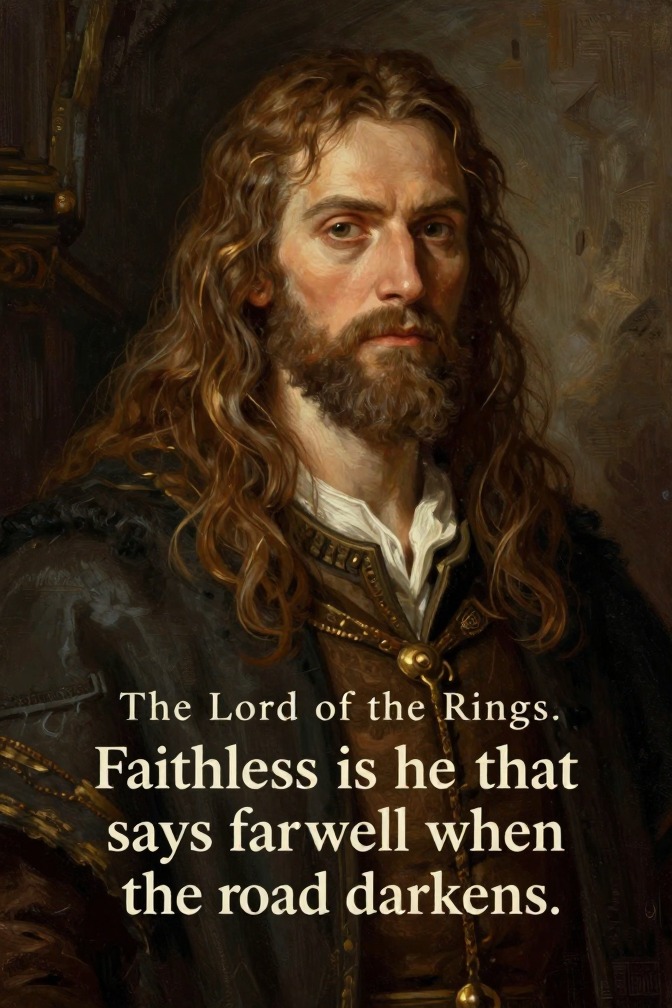
Faithless is he that says farewell when the road darkens is a proverb spoken by Gimli during the Council of Elrond, encapsulating the moral code of loyalty and steadfastness that binds the Fellowship of the Ring. It is a performative utterance that defines the ethical stakes of the quest, contrasting the ideal of unwavering commitment with the practical freedom that Elrond grants to the Company's members.
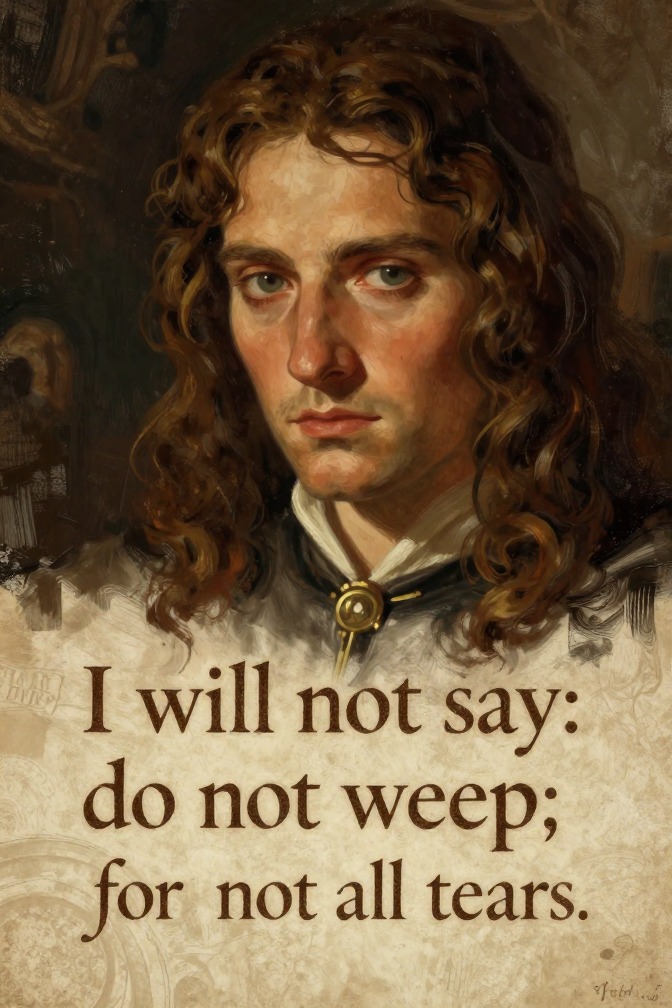
Gandalf's parting words to the hobbits at the Grey Havens, 'I will not say: do not weep; for not all tears are an evil,' is the final spoken farewell of the Third Age, a blessing that reframes grief as a necessary and even good part of the ending of the Quest and the departure of the Ring-bearers.
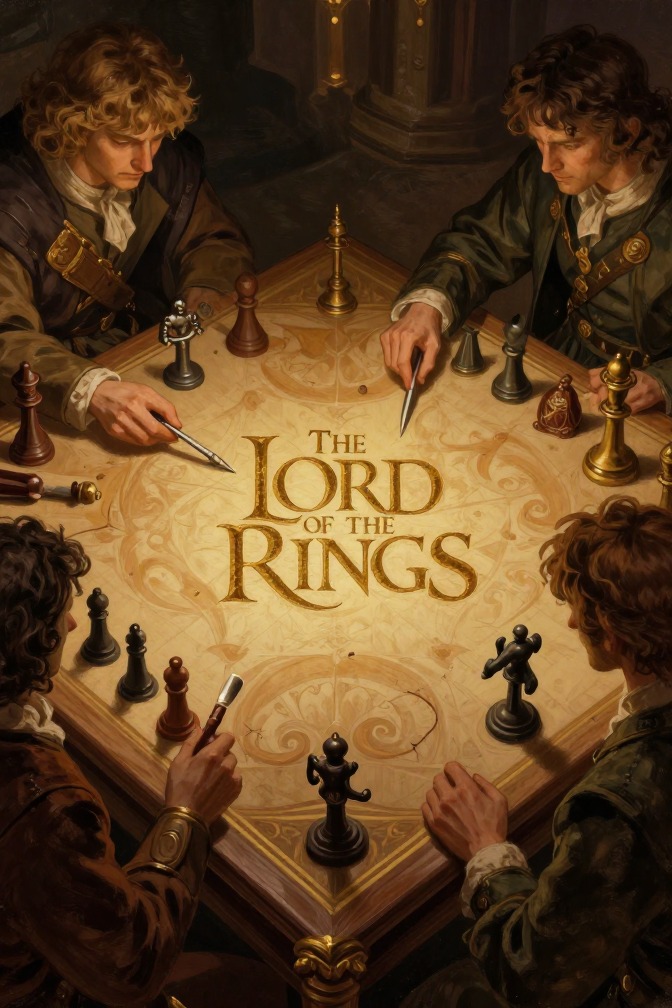
Gandalf declares that the board is set and the pieces are moving, marking a decisive shift from deliberation to action as the War of the Ring enters its final phase.
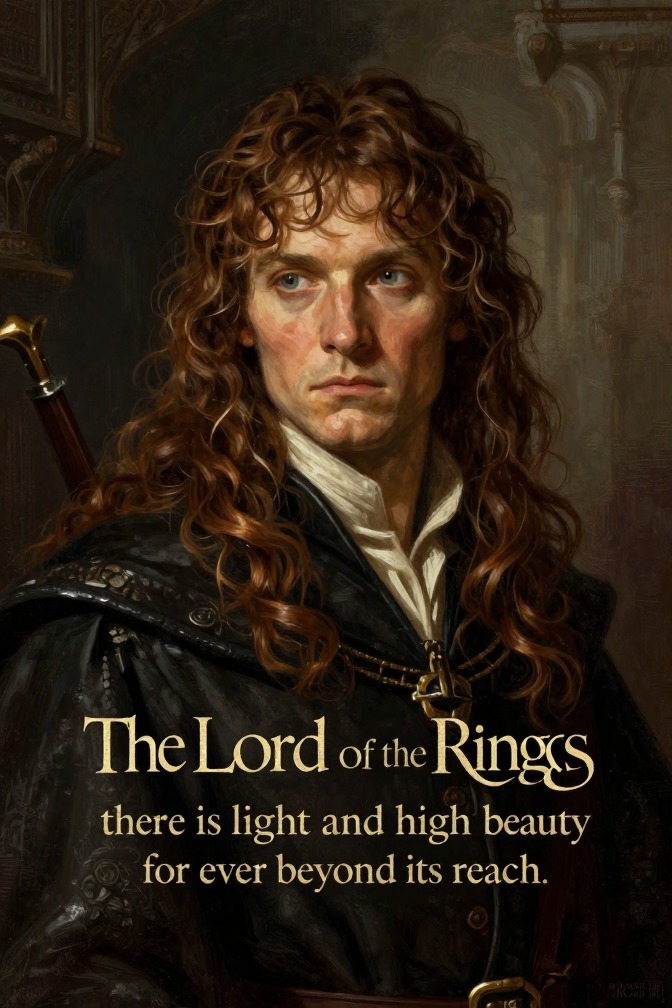
This entry examines the thematic statement 'The Shadow is a passing thing, and there is light and high beauty for ever beyond its reach,' as it appears in J.R.R. Tolkien's The Lord of the Rings. The phrase, spoken by Samwise Gamgee during the darkest moment of the quest, crystallizes the novel's central affirmation of hope and enduring beauty against the forces of darkness. It marks a pivotal turn in Sam's character and in the narrative's moral vision, asserting that evil, however vast, is ultimately transient and subordinate to a transcendent light.
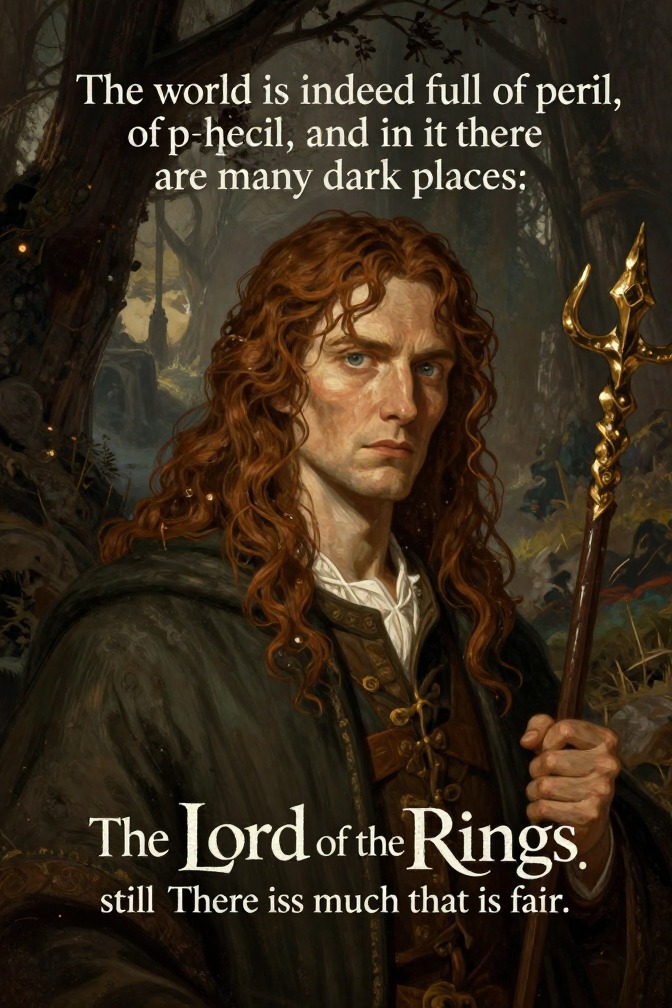
This entry examines the recurring expression 'The world is indeed full of peril, and in it there are many dark places; but still there is much that is fair,' spoken by Haldir of Lothlórien. It is a key statement of the novel's central theme of hope amid despair, and it is echoed in the words and deeds of other characters, particularly Aragorn and Samwise Gamgee.
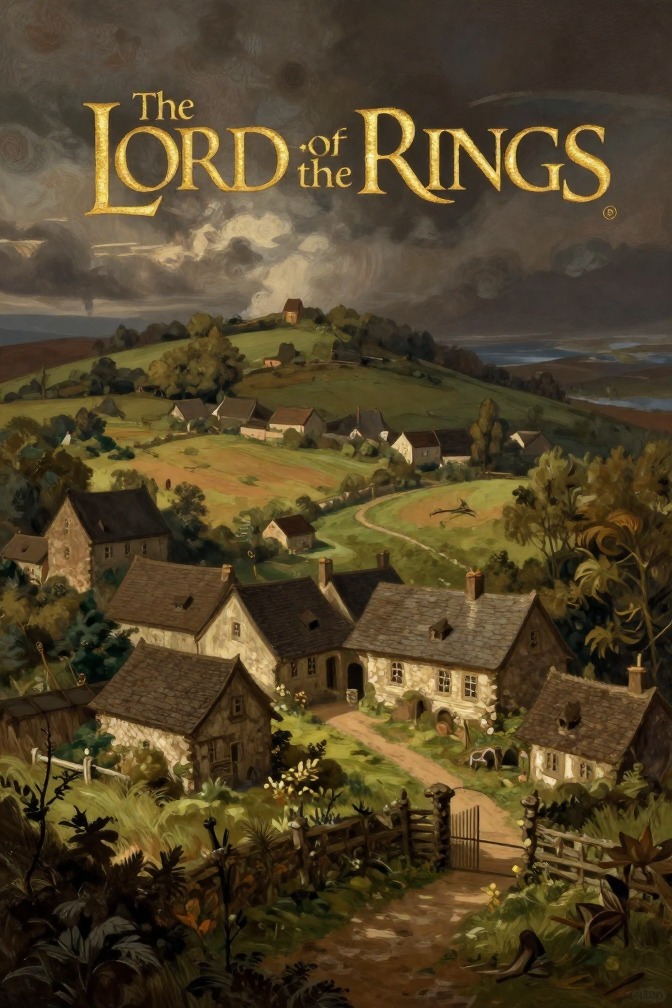
Bree is the chief village of Bree-land, a small inhabited region east of the Shire, and the site of The Prancing Pony inn. It is the first settlement outside the Shire that the hobbits encounter on their journey, and a key meeting-place where Aragorn (Strider) joins the Fellowship.
Carn Dûm is the dark fortress-capital of Angmar, the northern realm of the Witch-king, from which he waged centuries of war against the Dúnedain of Arnor. It appears in the narrative only as a memory and a name, yet its legacy—the destruction of the North-kingdom, the scattering of the Rangers, and the haunting of the Barrow-downs—shapes the conditions under which the War of the Ring unfolds.
Dol Amroth is the chief city and fortress of the southern fief of Belfalas in Gondor, ruled by Prince Imrahil. It is a haven of high Númenórean blood, renowned for its swan-knights and its strategic role in the War of the Ring, notably in the relief of Minas Tirith and the Battle of the Pelennor Fields.
Dor-lómin is a region in the northwest of Beleriand, a land of Hithlum, known in the First Age as the home of the House of Hador and the site of the captivity of Húrin and Morwen after the Nirnaeth Arnoediad. By the Third Age, it exists only in memory and song, a lost realm of the Elder Days whose fate is recalled by characters like Aragorn and Treebeard as a symbol of the ancient sorrows that underpin the War of the Ring.
Gondor is the southern of the two Númenórean realms in exile, founded by Isildur and Anárion after the Downfall of Númenor. Throughout the Third Age it stands as the chief western bastion against Sauron, a proud but declining kingdom whose long war against Mordor reaches its crisis in the War of the Ring. Its capital, Minas Tirith, becomes the stage for the decisive battle of the Pelennor Fields, and after Sauron's fall the kingdom is restored under King Elessar (Aragorn), ushering in the Fourth Age.
The Grey Havens (Mithlond) is the principal Elvish port in Middle-earth during the Third Age, located on the Gulf of Lune in the region of Lindon. It serves as the final departure point for Elves sailing into the Uttermost West, and it is from here that the Ring-bearers and the last of the Keepers of the Three Rings leave Middle-earth at the end of the Third Age.
Lórien, also called Lothlórien or the Golden Wood, is the enchanted forest realm of the Elves east of the Misty Mountains, ruled by Celeborn and Galadriel. It is a place of timeless beauty and power, where the Elven-ring Nenya is wielded, and it serves as a crucial refuge and turning point for the Fellowship of the Ring after their escape from Moria.
Mordor is the dark, volcanic land in the east of Middle-earth ruled by the Dark Lord Sauron, the central antagonist of The Lord of the Rings. It is a desolate, industrial wasteland of ash, fire, and poisonous fumes, dominated by the active volcano Mount Doom and the immense fortress of Barad-dûr. As the source of the One Ring and the seat of Sauron's power, Mordor represents the ultimate threat to the Free Peoples, and the entire quest of the Ring-bearer is to journey into its heart to destroy the Ring in the Cracks of Doom.
Morthond, also called Blackroot, is a river in Gondor that rises in the White Mountains and flows south to the sea near Dol Amroth. Its valley, the Blackroot Vale, is the home of a hardy people who fought in the War of the Ring, and the river's name is deeply associated with the Paths of the Dead, which descend from the uplands of its source.
The Rammas Echor was the great outer wall, or series of walls, built by the Men of Gondor to defend the Pelennor Fields, the townlands of Minas Tirith. It was a formidable but ultimately breached defensive line that marked the boundary of the city's immediate domain, and its fall signaled the beginning of the siege of Minas Tirith itself.
The Arkenstone, also known as the Heart of the Mountain, was a magnificent jewel discovered deep within Erebor, the Lonely Mountain, by the Dwarf-king Thráin I. It became the most treasured heirloom of the Kings under the Mountain, a symbol of their right to rule and the focal point of the dragon Smaug's hoard. Its recovery and disposition were central to the Quest of Erebor, and it ultimately served as a token of Thorin Oakenshield's claim to the kingship, a bargaining chip in the negotiations with the Elves and Men, and a funereal ornament laid upon Thorin's breast in his tomb.
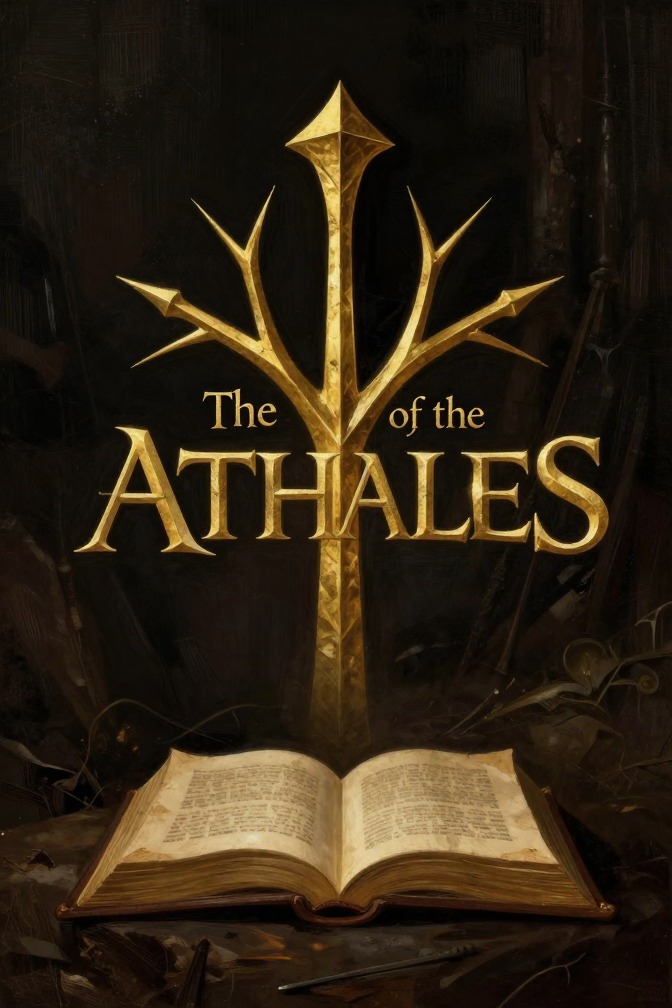
Athelas (also called kingsfoil) is a healing herb in Middle-earth, brought by the Men of Westernesse and possessing great virtues against the Black Breath of the Nazgûl. It appears at critical moments in the story, most notably when Aragorn uses it to heal Frodo's Morgul-wound on Weathertop and later to revive Faramir, Éowyn, and Merry in the Houses of Healing after the Battle of the Pelennor Fields. Its power is tied to the hands of the rightful king, fulfilling the old lore that "the hands of the king are the hands of a healer."
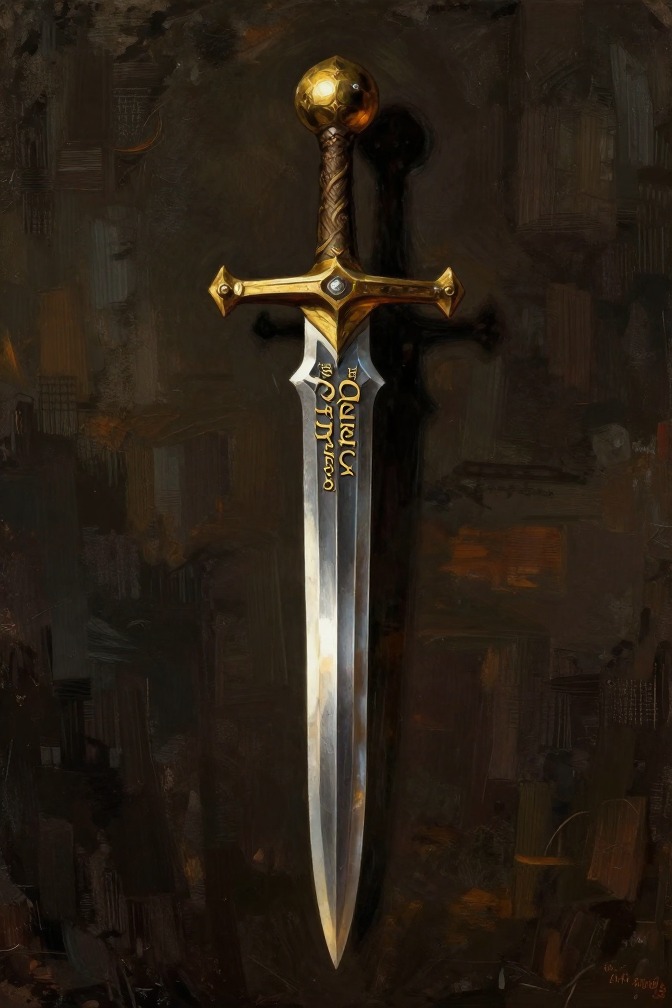
The Barrow-blades are ancient daggers forged by the Men of Westernesse in the North-kingdom, recovered by Tom Bombadil from a Barrow-wight's hoard and given to the four hobbits of the Fellowship. Wrought to fight the servants of the Dark Lord, these weapons possess a unique potency against the undead and the Ringwraiths, and their fates are woven into the decisive moments of the War of the Ring.
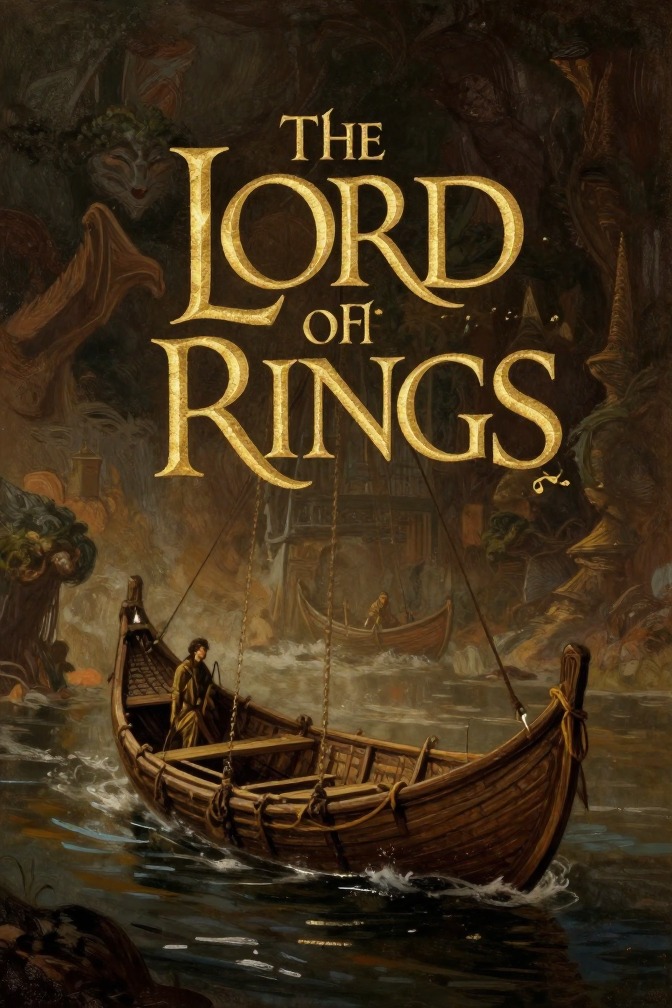
The Elven boats, crafted by the Galadhrim of Lothlórien, are light, strong, and wayward vessels that carry the Fellowship down the Anduin, embodying the grace and peril of Elvish craft in a world of war.
The Elven rope, a gift from the Galadhrim of Lothlórien, is a slender, grey, silken coil that proves unexpectedly strong, light, and responsive to its user's will, serving as a crucial tool for the hobbits during their journey through the Emyn Muil and beyond.
The Horn of Boromir is a great war-horn of the wild ox of the East, bound with silver and inscribed with ancient characters, which for many generations was borne by the eldest son of the House of Denethor, Stewards of Gondor. It serves as a token of the heir's authority and a call for aid that, according to tradition, will not pass unheeded anywhere within the bounds of the old realm of Gondor. Its sounding marks a critical turning point in the narrative: Boromir blows it in desperate need during the orc attack at Parth Galen, but no answer comes, and the horn is later found cloven in two, a physical symbol of his fall and the breaking of the Fellowship.
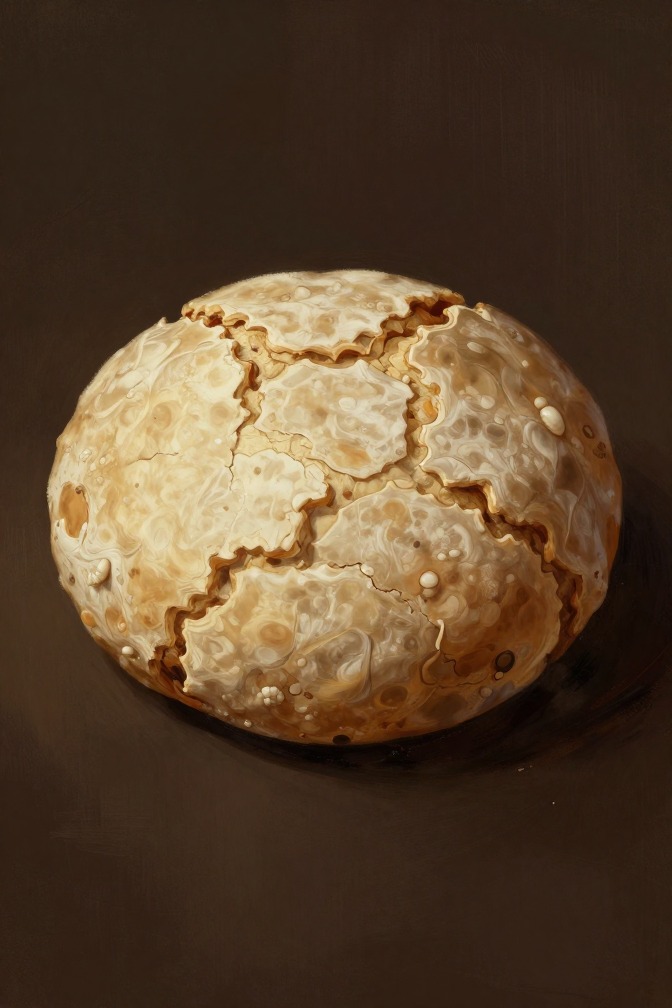
Lembas, also called waybread, is a special Elvish food given to the Fellowship by the Galadhrim in Lothlórien. It is far more strengthening than any food made by Men, and a single cake can sustain a traveler for a full day of long labor. Its unique properties—lightness, long-lasting freshness, and a potency that increases when relied upon exclusively—make it indispensable during the desperate journey into Mordor, where it sustains Frodo and Sam when all other provisions fail.
The Orthanc-stone is a palantír, a seeing-stone from Númenor, kept by Saruman in Orthanc. It becomes a crucial link between Isengard and Mordor, enabling Sauron to corrupt Saruman and nearly ensnare Pippin, and is ultimately claimed by Aragorn as the rightful heir of Elendil.
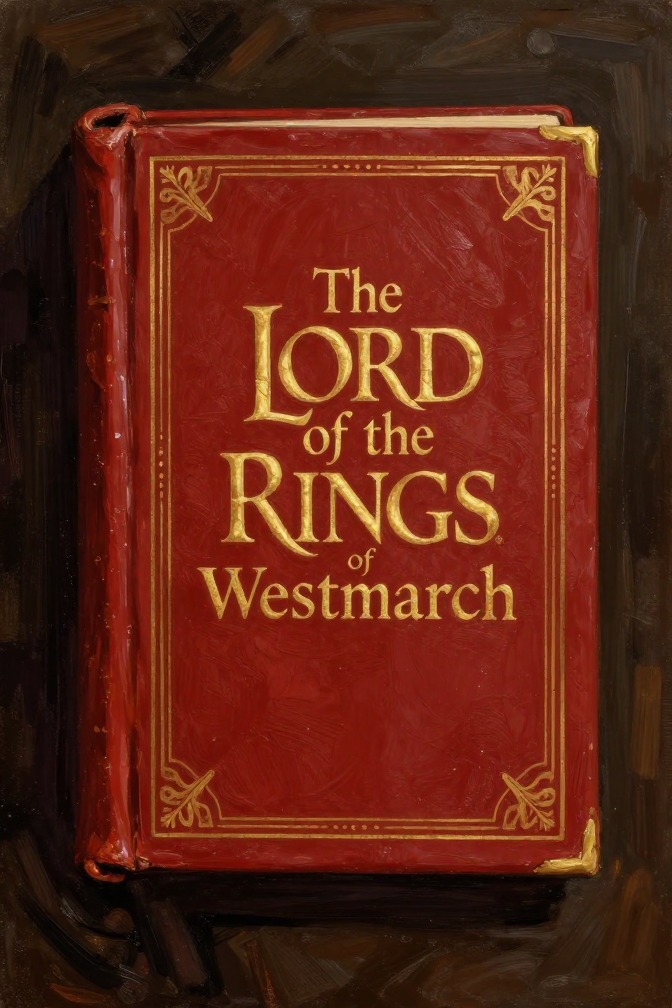
The Red Book of Westmarch is the principal source for the history of the War of the Ring, compiled by Bilbo Baggins, Frodo Baggins, and Samwise Gamgee, and preserved as a foundational document of the Fourth Age.
The Grey Company is a band of thirty Dúnedain Rangers from the North, led by Halbarad, who ride south to join Aragorn in Rohan during the War of the Ring. They carry a secret standard wrought by Arwen and accompany Aragorn on the Paths of the Dead, serving as his armed escort and fulfilling an ancient prophecy. Their arrival marks the mustering of the last remnant of the Northern Dúnedain for the final struggle against Sauron.