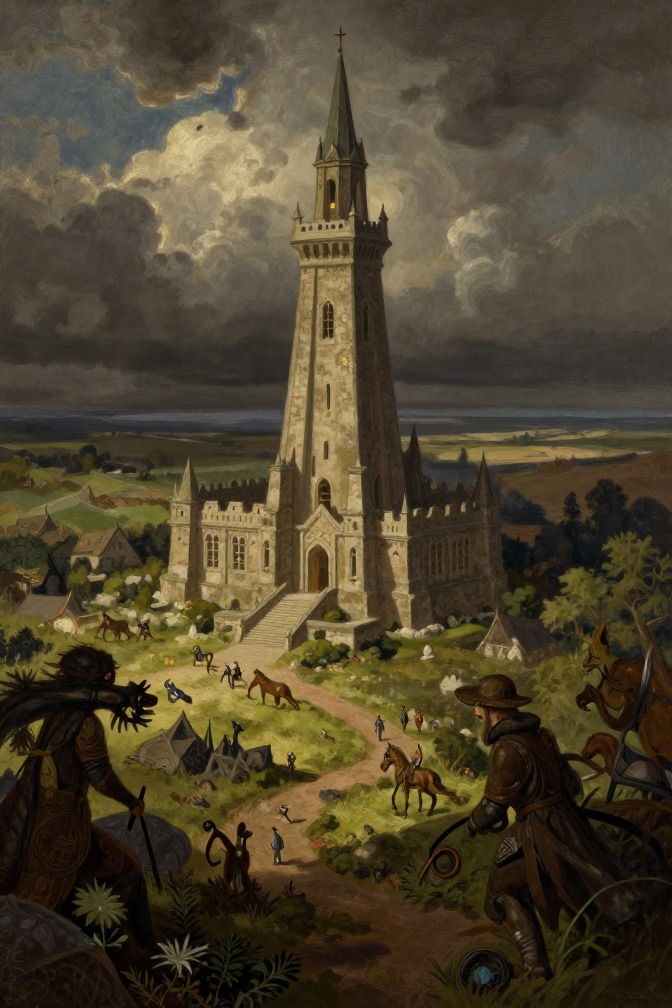
The Rammas Echor was the great outer wall, or series of walls, built by the Men of Gondor to defend the Pelennor Fields, the townlands of Minas Tirith. It was a formidable but ultimately breached defensive line that marked the boundary of the city's immediate domain, and its fall signaled the beginning of the siege of Minas Tirith itself.
The Arkenstone, also known as the Heart of the Mountain, was a magnificent jewel discovered deep within Erebor, the Lonely Mountain, by the Dwarf-king Thráin I. It became the most treasured heirloom of the Kings under the Mountain, a symbol of their right to rule and the focal point of the dragon Smaug's hoard. Its recovery and disposition were central to the Quest of Erebor, and it ultimately served as a token of Thorin Oakenshield's claim to the kingship, a bargaining chip in the negotiations with the Elves and Men, and a funereal ornament laid upon Thorin's breast in his tomb.
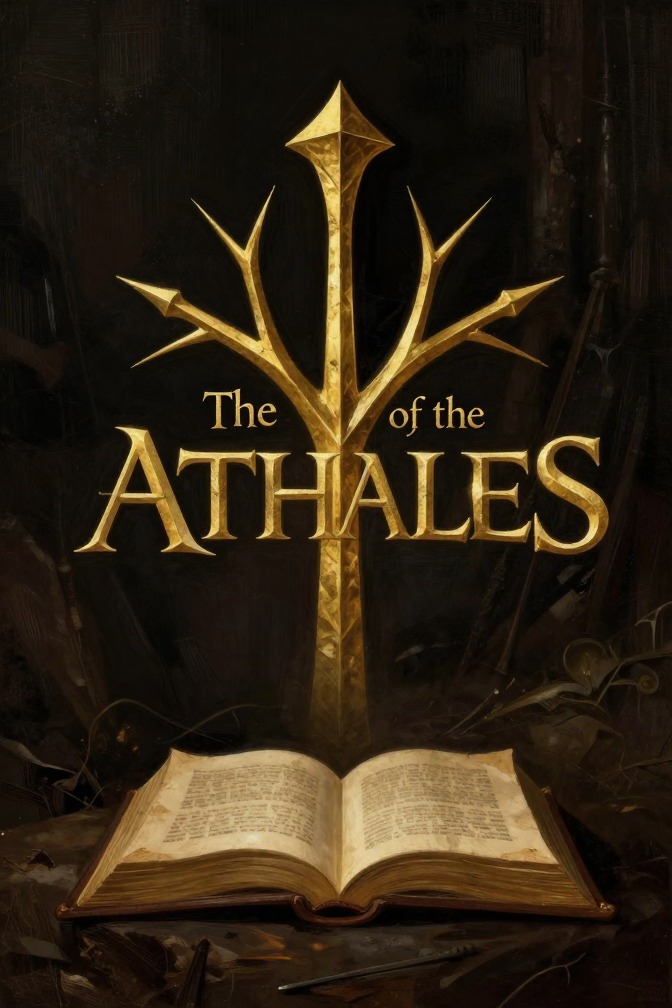
Athelas (also called kingsfoil) is a healing herb in Middle-earth, brought by the Men of Westernesse and possessing great virtues against the Black Breath of the Nazgûl. It appears at critical moments in the story, most notably when Aragorn uses it to heal Frodo's Morgul-wound on Weathertop and later to revive Faramir, Éowyn, and Merry in the Houses of Healing after the Battle of the Pelennor Fields. Its power is tied to the hands of the rightful king, fulfilling the old lore that "the hands of the king are the hands of a healer."
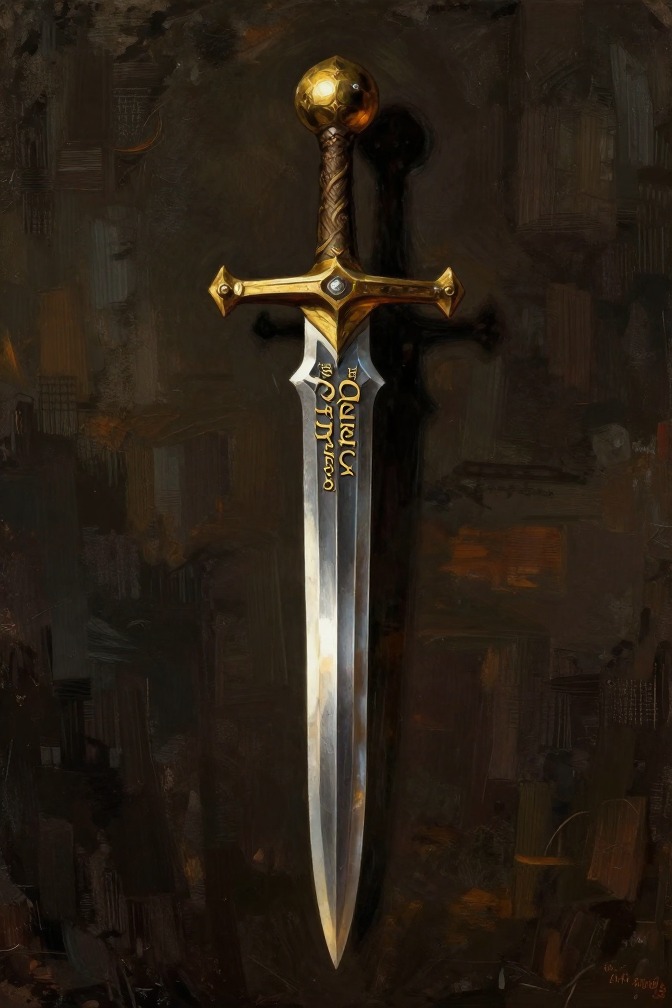
The Barrow-blades are ancient daggers forged by the Men of Westernesse in the North-kingdom, recovered by Tom Bombadil from a Barrow-wight's hoard and given to the four hobbits of the Fellowship. Wrought to fight the servants of the Dark Lord, these weapons possess a unique potency against the undead and the Ringwraiths, and their fates are woven into the decisive moments of the War of the Ring.
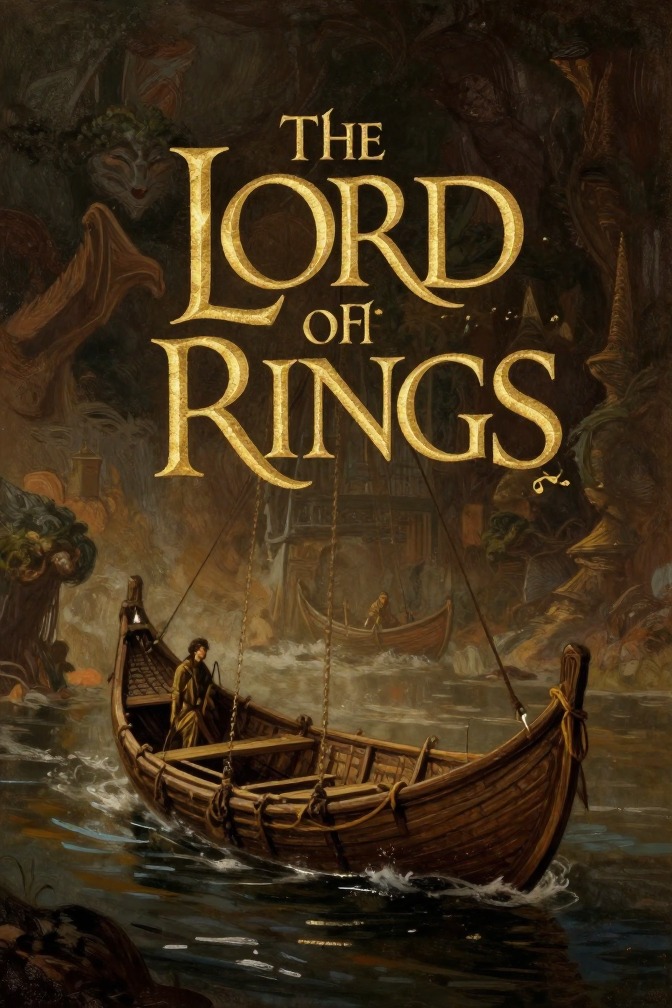
The Elven boats, crafted by the Galadhrim of Lothlórien, are light, strong, and wayward vessels that carry the Fellowship down the Anduin, embodying the grace and peril of Elvish craft in a world of war.
The Elven rope, a gift from the Galadhrim of Lothlórien, is a slender, grey, silken coil that proves unexpectedly strong, light, and responsive to its user's will, serving as a crucial tool for the hobbits during their journey through the Emyn Muil and beyond.
The Horn of Boromir is a great war-horn of the wild ox of the East, bound with silver and inscribed with ancient characters, which for many generations was borne by the eldest son of the House of Denethor, Stewards of Gondor. It serves as a token of the heir's authority and a call for aid that, according to tradition, will not pass unheeded anywhere within the bounds of the old realm of Gondor. Its sounding marks a critical turning point in the narrative: Boromir blows it in desperate need during the orc attack at Parth Galen, but no answer comes, and the horn is later found cloven in two, a physical symbol of his fall and the breaking of the Fellowship.
Lembas, also called waybread, is a special Elvish food given to the Fellowship by the Galadhrim in Lothlórien. It is far more strengthening than any food made by Men, and a single cake can sustain a traveler for a full day of long labor. Its unique properties—lightness, long-lasting freshness, and a potency that increases when relied upon exclusively—make it indispensable during the desperate journey into Mordor, where it sustains Frodo and Sam when all other provisions fail.
The Orthanc-stone is a palantír, a seeing-stone from Númenor, kept by Saruman in Orthanc. It becomes a crucial link between Isengard and Mordor, enabling Sauron to corrupt Saruman and nearly ensnare Pippin, and is ultimately claimed by Aragorn as the rightful heir of Elendil.
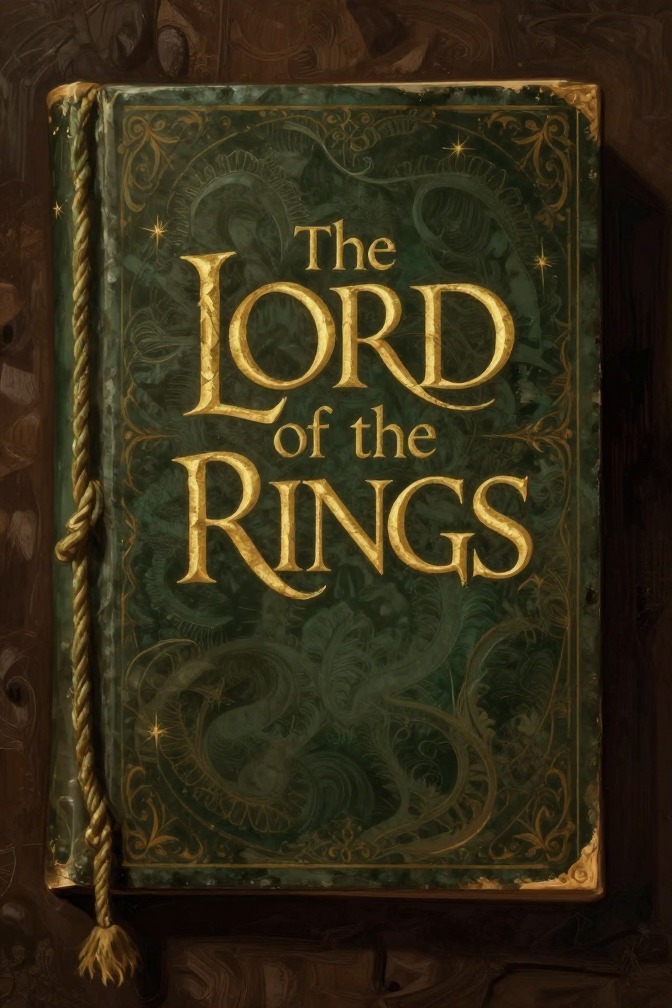
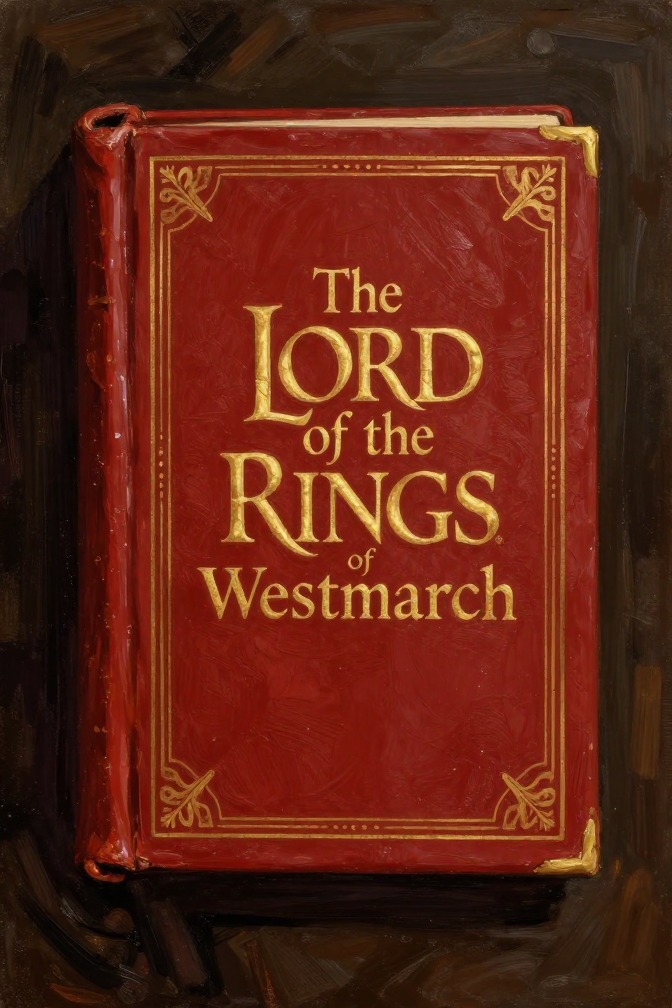
The Red Book of Westmarch is the principal source for the history of the War of the Ring, compiled by Bilbo Baggins, Frodo Baggins, and Samwise Gamgee, and preserved as a foundational document of the Fourth Age.
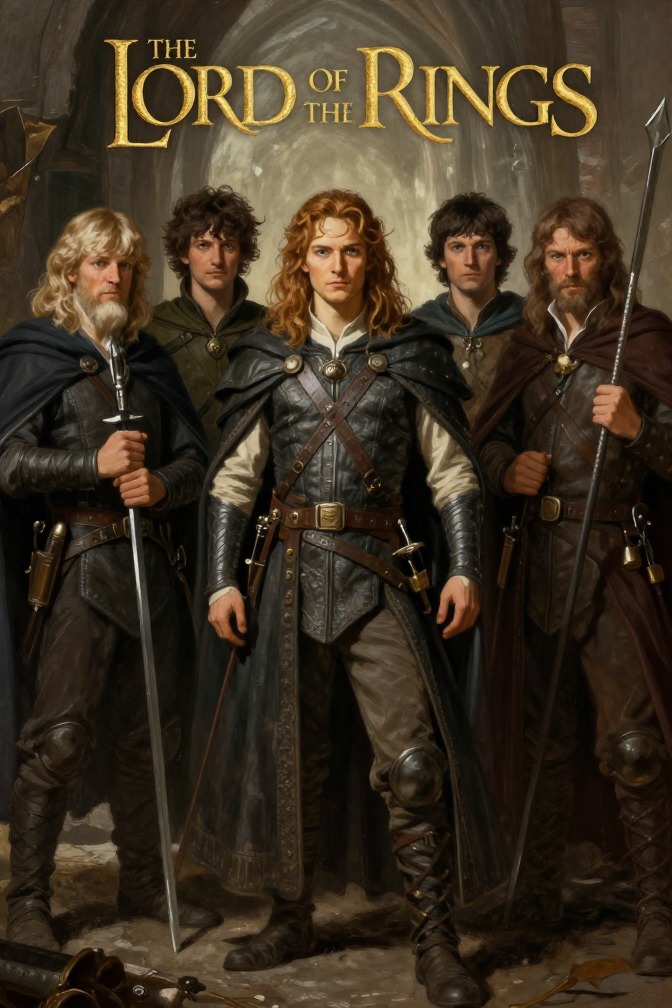
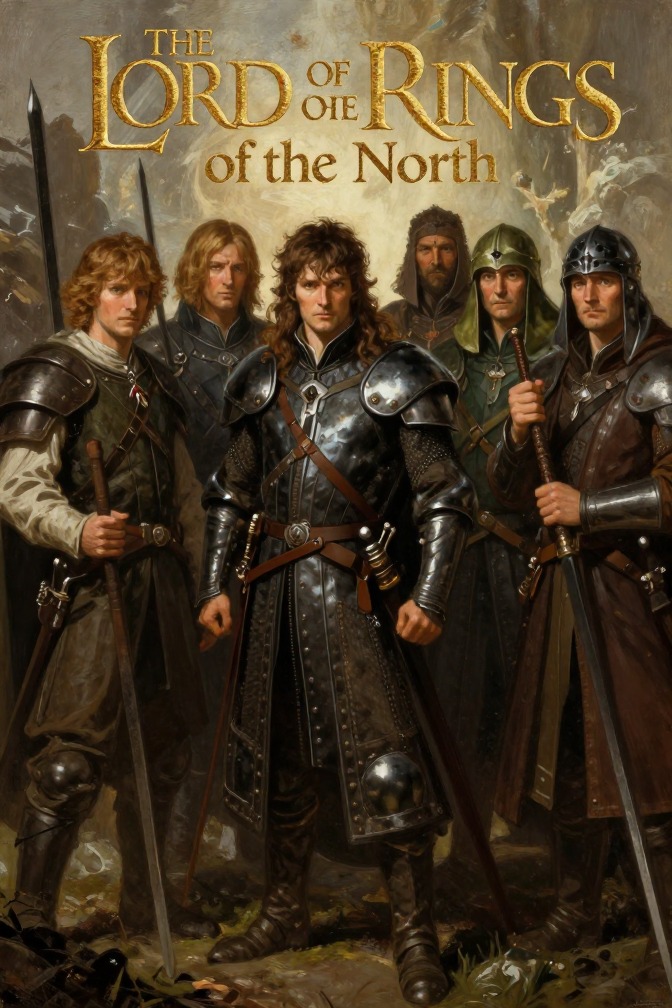
The Grey Company is a band of thirty Dúnedain Rangers from the North, led by Halbarad, who ride south to join Aragorn in Rohan during the War of the Ring. They carry a secret standard wrought by Arwen and accompany Aragorn on the Paths of the Dead, serving as his armed escort and fulfilling an ancient prophecy. Their arrival marks the mustering of the last remnant of the Northern Dúnedain for the final struggle against Sauron.
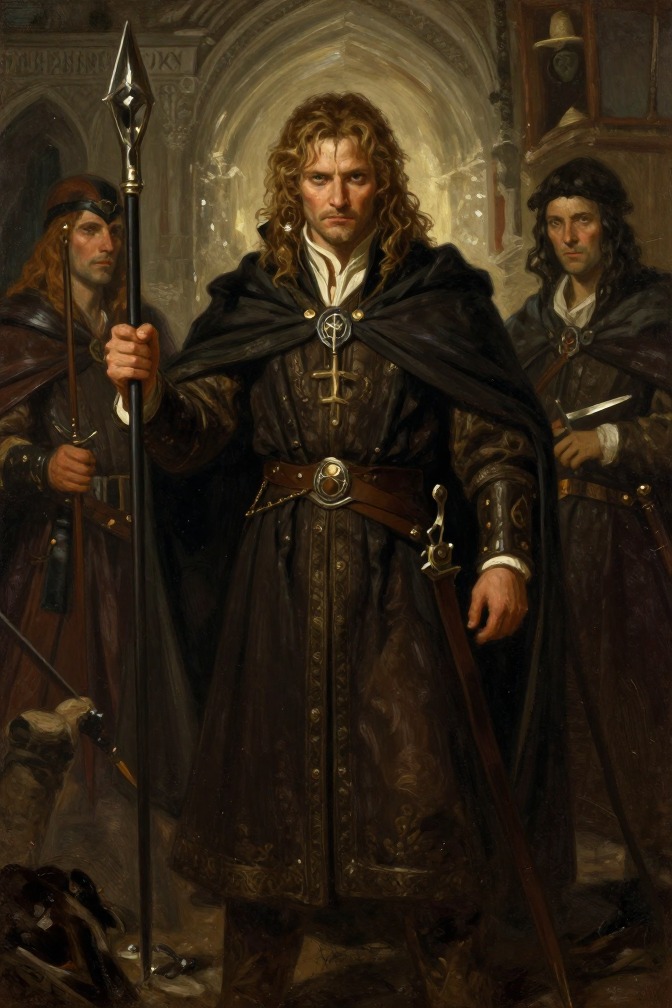
The Rangers of the North, also called the Dúnedain, are the last remnant of the Númenórean kingdom of Arnor, a secret and wandering people who guard the lands of Eriador, including the Shire, against the servants of the Enemy, while their true lineage and purpose remain unknown to the common folk they protect.
The Shirriffs are the Shire's police force, a small, informal body of twelve hobbits (three per Farthing) for 'Inside Work', supplemented by a larger, variable body of 'Bounders' who patrol the borders. In the peaceful years before the War of the Ring, their duties were more akin to haywards than to modern policemen, concerned with straying beasts rather than crime. However, as the Shadow lengthened, the Bounders were greatly increased to deal with reports of strange persons and creatures. Under the usurper Lotho Sackville-Baggins and his master Saruman, the Shirriffs were perverted into an instrument of oppression, their numbers swollen to hundreds, their role transformed into enforcing unjust rules, spying, and arresting dissenters. The Travellers' return sparked a revolt that saw most Shirriffs abandon their posts and join the rebellion, leading to the Battle of Bywater and the restoration of the Shire's freedom. Frodo, as Deputy Mayor, subsequently reduced the Shirriffs to their proper functions and numbers.
The Uruk-hai are a breed of large, powerful soldier-orcs bred by Saruman in Isengard during the War of the Ring. Unlike ordinary orcs, they can endure sunlight, march long distances without rest, and are disciplined in battle. They serve as Saruman's elite fighting force, bearing the White Hand emblem, and play a key role in the capture of Merry and Pippin, the Battle of Helm's Deep, and the destruction of Isengard.
Boromir and the One Ring traces the Gondorian captain's tragic arc from the Council of Elrond, where he first sees the Ring, to his final confession and death at Amon Hen. The Ring's corrupting influence, which Elrond and Gandalf explicitly warn against, seizes upon Boromir's pride, his love for Gondor, and his desire for a weapon to save his people. This temptation culminates in a violent confrontation with Frodo, a moment of madness that leads to his repentance, his heroic last stand, and his death, making him a cautionary figure of the Ring's power.
Denethor, the Steward of Gondor, loved his elder son Boromir with a fierce, possessive pride that blinded him to Boromir's flaws and led him to reject and belittle his younger son Faramir. This unequal love, rooted in Denethor's own pride and despair, became a central source of familial tragedy, driving Boromir to his doom and nearly destroying Faramir, while ultimately contributing to Denethor's own madness and suicide.
Faramir and Boromir are the two sons of Denethor II, Steward of Gondor, whose relationship is defined by deep mutual love, starkly contrasting temperaments, and a shared tragic fate in the War of the Ring. Boromir, the elder and favored heir, is a valiant but proud warrior who succumbs to the lure of the One Ring and dies defending Merry and Pippin. Faramir, the younger and wiser, is a scholar and captain who resists the Ring's temptation, survives his own near-fatal wound, and ultimately finds love and purpose, becoming the Steward to King Elessar. Their bond, marked by Boromir's protective role and Faramir's admiration, is a central thread in the story of Gondor's struggle.
Frodo Baggins and Bilbo Baggins share a relationship of deep familial affection, mutual inheritance, and a shared, traumatic bond to the One Ring. Bilbo adopts Frodo as his heir, bringing him to live at Bag End, and their bond is tested and ultimately strengthened by the Ring's corrupting influence. Their story is framed by Bilbo's departure from the Shire and their final reunion in Rivendell, where they pass the narrative of their adventures to one another before Bilbo's final journey to the Grey Havens.
The relationship between Frodo Baggins and Gandalf evolves from that of a kindly old neighbor and a young hobbit into a profound bond between a Ring-bearer and his guide, mentor, and protector. Gandalf is the one who first reveals the true nature of the Ring to Frodo, sets him on the path of the Quest, and repeatedly intervenes to save him from the perils of that journey. Their connection is marked by deep trust, mutual respect, and a shared burden of knowledge about the Ring's danger, culminating in Gandalf's final act of guidance and his emotional farewell at the Grey Havens.
Frodo Baggins and the One Ring form the central relationship of The Lord of the Rings, a bond of possession, burden, and psychological corrosion that defines the entire Quest. Frodo inherits the Ring from Bilbo, carries it from the Shire to the Cracks of Doom, and in the final moment claims it for his own, only to have it destroyed by Gollum's intervention. The Ring's power over Frodo grows with every mile, manifesting as physical weight, mental torment, and a progressive erosion of will that nearly succeeds at Mount Doom.
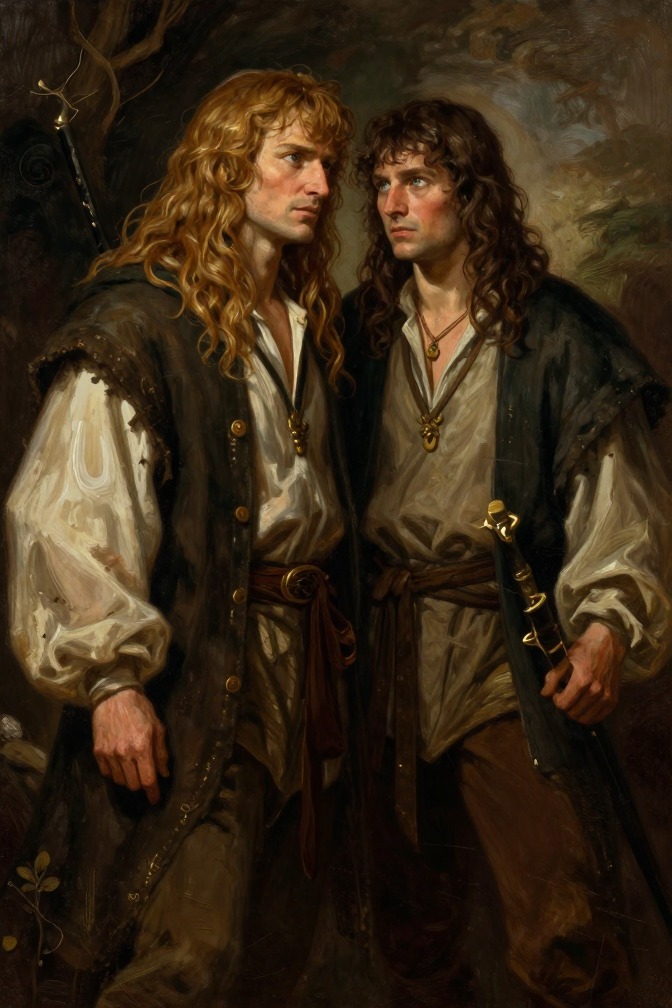
Merry and Pippin share one of the deepest friendships in The Lord of the Rings, a bond forged in childhood, tested through capture and war, and sealed by their shared decision to follow Frodo into danger. Their relationship evolves from lighthearted companionship into a mature, mutual loyalty that survives separation and loss, and it is ultimately celebrated in the Shire's memory as a model of hobbit fellowship.
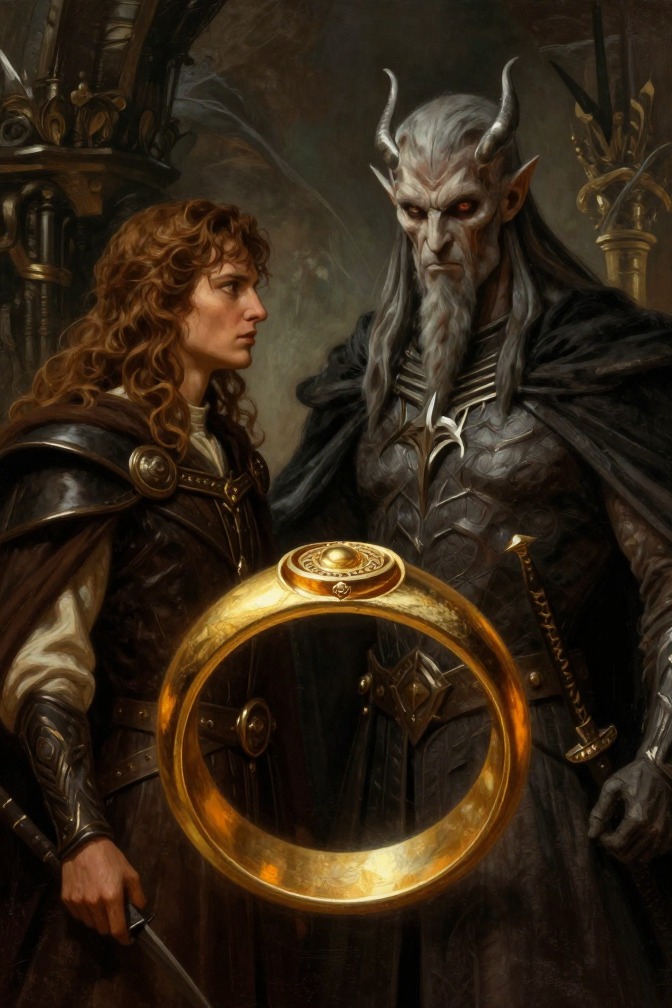
Sauron and the One Ring is the central, defining relationship of The Lord of the Rings: the Dark Lord forged the Ring in the fires of Mount Doom, pouring a great part of his own power into it so that he might rule all the other Rings of Power and their bearers. This bond makes the Ring an extension of Sauron's will, a vessel of his malice that seeks to return to him, and the source of his greatest vulnerability. The entire War of the Ring is shaped by this connection: Sauron's desperate need to recover the Ring, his blindness to the possibility that anyone would seek to destroy it, and the final, catastrophic moment when the Ring's destruction, achieved through Gollum's fall, unmakes Sauron himself.
Tom Bombadil and the Hobbits describes the encounter, rescue, and hospitality between the four hobbits (Frodo, Sam, Merry, and Pippin) and the enigmatic master of the Old Forest, Tom Bombadil, during their flight from the Shire. The relationship is defined by Bombadil's absolute authority over the forest, his role as a rescuer from the dangers of Old Man Willow and the Barrow-wights, and his generous, otherworldly hospitality at his home with Goldberry. The hobbits are guests, students, and recipients of gifts, but the bond remains one of benevolent, unequal friendship, with Bombadil existing as a power beyond their understanding or the concerns of the wider War of the Ring.
The Law of the Stewards is the constitutional principle by which the Ruling Stewards of Gondor governed the realm in the name of the absent king, holding rod and rule under a ritual oath that soon became a hollow formula, while the Stewards themselves exercised all royal power without ever sitting on the throne, wearing a crown, or bearing a sceptre.
The Rules of the Shire are the ancient, largely unwritten customs and laws that governed hobbit society, attributed to the long-vanished king at Fornost. They were kept by free will because they were considered both ancient and just, covering essential matters of property, inheritance, and social conduct. During the War of the Ring, the usurper Lotho Sackville-Baggins and his master Saruman perverted these traditions, imposing a tyrannical new set of written rules that outlawed beer, pipe-weed, and free movement, enforced by a brutal police force. The restoration of the Shire after the Scouring involved the tearing down of these oppressive innovations and a return to the old, unwritten ways.
The Oathbreakers' State refers to the cursed condition of the Men of the Mountains, who swore allegiance to Isildur but broke their oath, and were condemned to remain as the Dead until their oath was fulfilled. This state is central to Aragorn's journey through the Paths of the Dead and his eventual summoning of the Grey Host to aid in the War of the Ring.
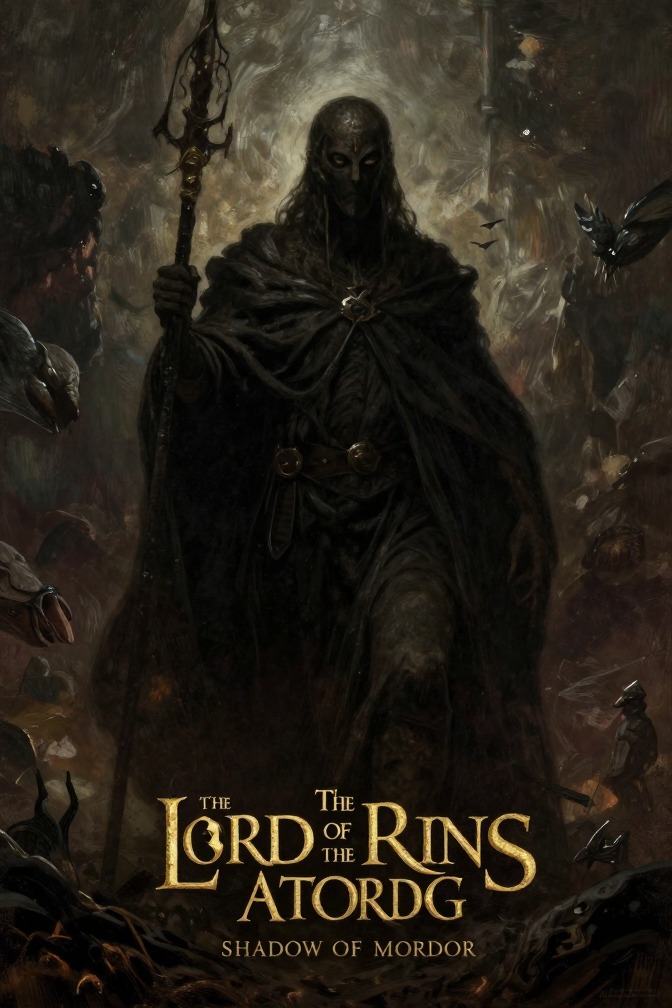
The Shadow of Mordor is the pervasive, oppressive atmosphere of dread and menace that emanates from Sauron's realm, darkening the skies, corrupting the land, and weighing upon the hearts of all who oppose him throughout the War of the Ring.
The Shire under Lotho and Saruman describes the occupation and ruin of the hobbits' homeland during the War of the Ring, orchestrated by Lotho Sackville-Baggins and later dominated by Saruman (as Sharkey). This state of oppression, marked by the rise of the 'Chief', the introduction of ruffians, the destruction of the landscape, and the suppression of hobbit freedoms, culminates in the Scouring of the Shire and the restoration of peace.
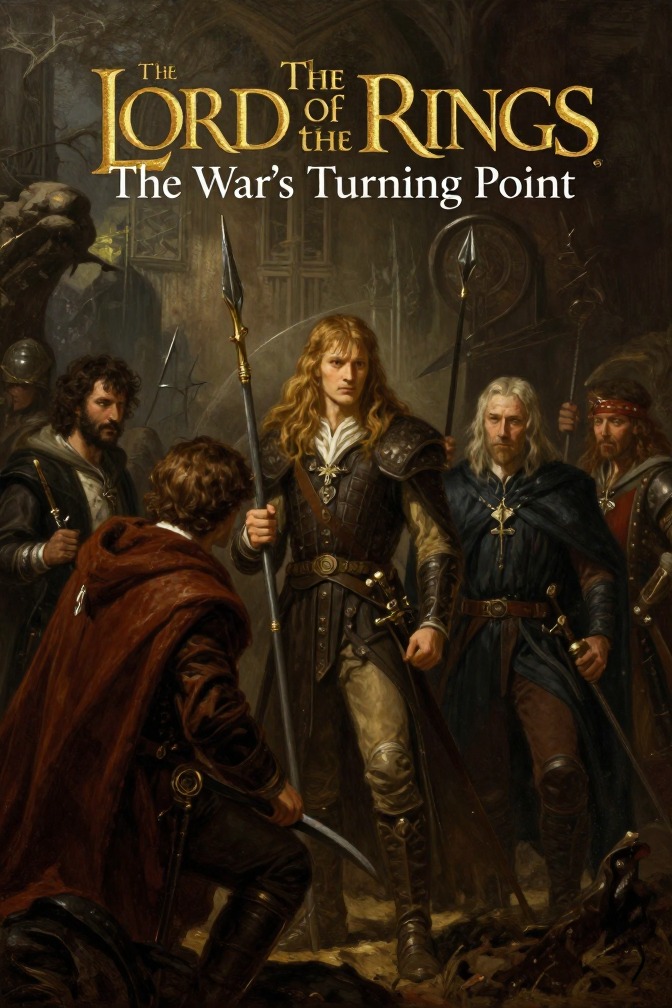
The War's Turning Point is the decisive reversal in the War of the Ring, when the fortunes of the Free Peoples shift from near-certain defeat to victory. It is marked by the destruction of the One Ring in the Cracks of Doom, the fall of Barad-dûr, and the collapse of Sauron's power, which together transform the fate of Middle-earth.
The Battle of Azanulbizar, also called the Battle of Nanduhirion, was the decisive engagement of the War of the Dwarves and Orcs, fought before the East-gate of Moria in the winter of 2799 of the Third Age. It ended in a costly Dwarvish victory that avenged the murder of Thrór but left Khazad-dûm unretaken, as the Dwarves refused to enter the shadow-haunted halls where Durin's Bane still lurked.