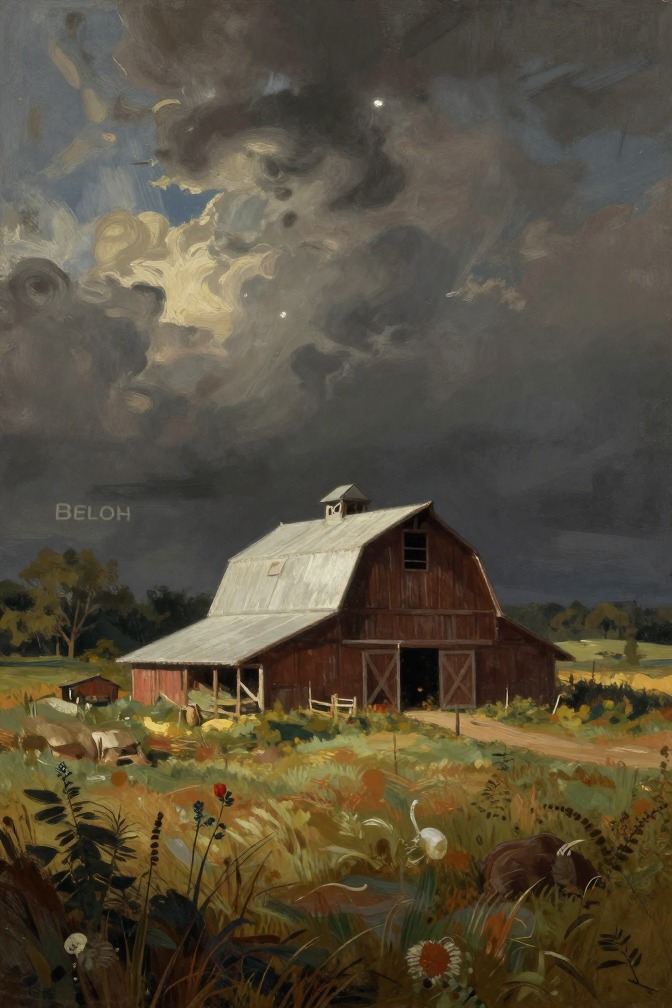
The barn at Sweet Home is a central location in Toni Morrison's Beloved, serving as the site of Halle's psychological breakdown and the scene of Sethe's sexual assault, which together catalyze her escape and the novel's central tragedy.
The big house at Sweet Home is the central plantation residence where the Garner family lived and where Sethe worked as a domestic slave. It is the site of Mrs. Garner's illness and death, and the place where schoolteacher's nephews assaulted Sethe, stealing her milk and leading to the brutal whipping that left the chokecherry tree on her back. The big house symbolizes the false security of Garner's 'manhood' policy and the violent reality of slavery that shatters under schoolteacher's regime.
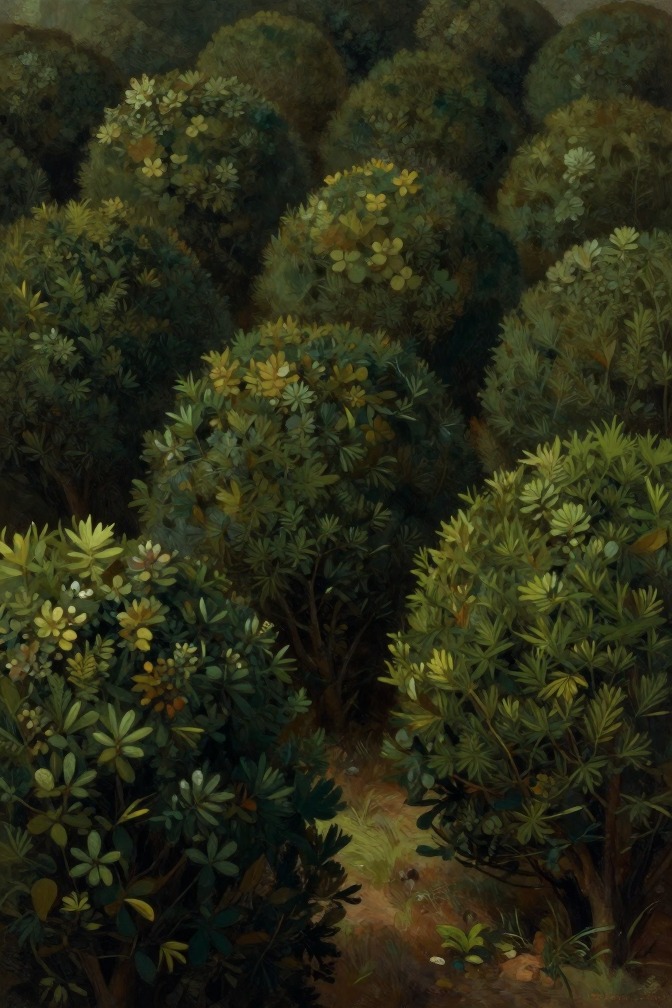
The boxwood bushes, also known as the emerald closet, are a hidden circular room formed by five boxwood bushes behind 124 Bluestone Road, serving as Denver's private refuge and the site of her imaginative and spiritual life.
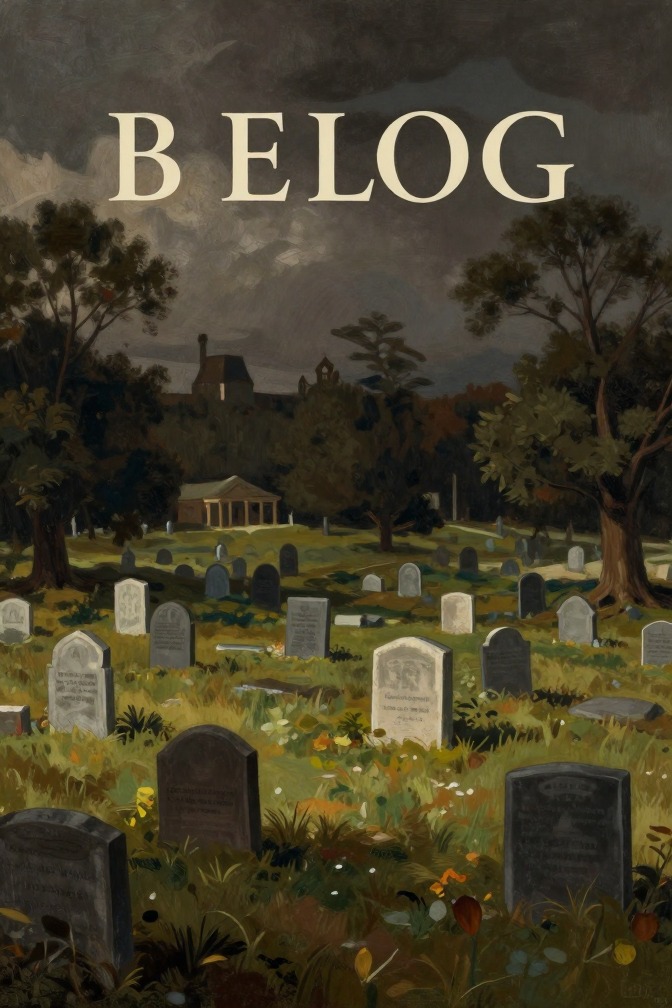
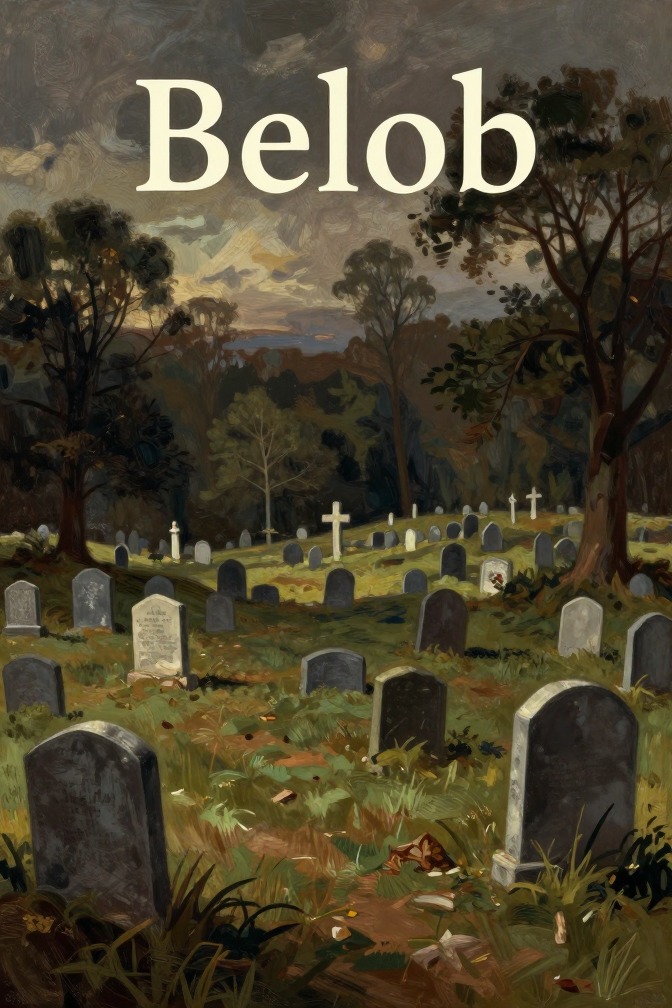
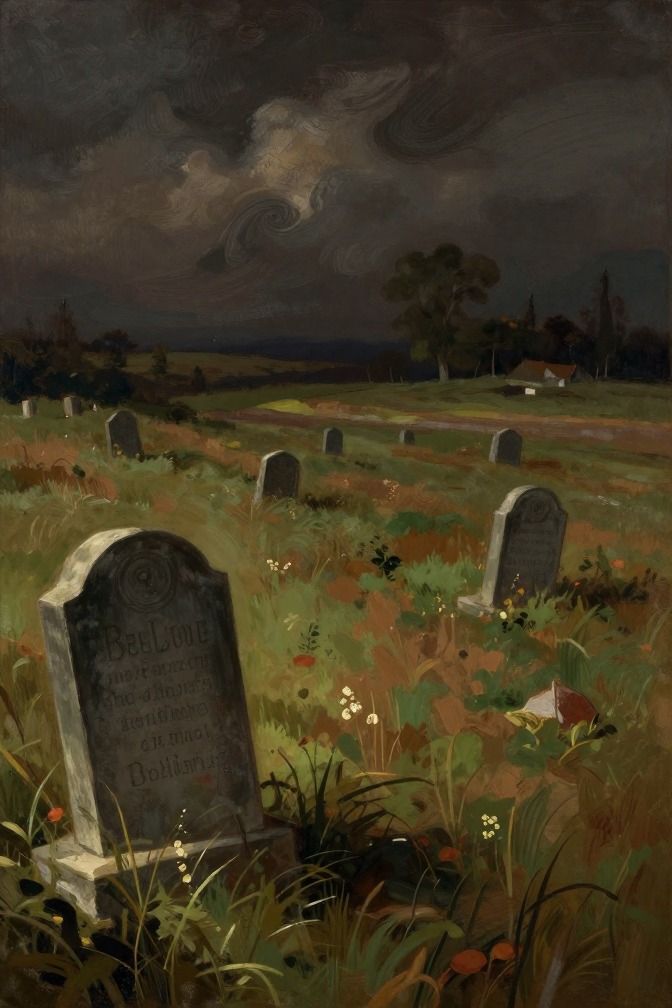
The cemetery in Toni Morrison's Beloved is a liminal space where the dead and the living, the remembered and the forgotten, converge. It is the site of Baby Suggs's burial and the resting place of Sethe's murdered daughter, whose headstone bears the single word "Beloved." The cemetery embodies the novel's central meditation on memory, grief, and the unquiet presence of the past, serving as a physical and symbolic ground where the community's history of loss is inscribed.
The graveyard is the burial ground where Sethe's baby daughter, killed by her own hand, is laid to rest, and where Baby Suggs is later buried beside her. It is the site of Sethe's most anguished act of remembrance and the place where the community's judgment and Sethe's isolation are made manifest.
The headstone is the gravestone Sethe has carved for her baby daughter, whom she killed to save from slavery. It bears the single word "Beloved," the only word she could afford to have engraved after bartering sex with the engraver for ten minutes of his work. The headstone becomes the physical anchor of Sethe's grief, guilt, and the haunting that defines 124 Bluestone Road, and its name is later adopted by the mysterious young woman who arrives at the house, linking the stone to the novel's central themes of memory, loss, and the return of the repressed.
The indigo field is a recurring site of memory and labor in Toni Morrison's Beloved, where Sethe's mother worked and where Sethe herself was pointed out to her as a child. It symbolizes the erasure of maternal presence under slavery and the transmission of identity through marks of labor and loss.
The jail in Cincinnati is the place where Sethe is imprisoned after killing her baby daughter, and where she nurses the infant Denver while awaiting trial. It functions as a site of punishment, maternal endurance, and the beginning of the community's estrangement from Sethe.
The slaughterhouse in Cincinnati is a recurring site of labor, degradation, and economic survival for the Black community in Toni Morrison's Beloved. It represents the brutal, dehumanizing work available to freed and fugitive slaves, and its imagery—of offal, blood, and the Saturday girls—becomes a measure of the depths to which Sethe and others are willing to descend to sustain themselves and their families.
The smokehouse at 124 Bluestone Road is a small outbuilding that becomes the site of the novel's most harrowing act: Sethe's murder of her baby daughter to prevent her return to slavery. It is also a place of memory, transformation, and haunting, where the community's judgment and Sethe's own trauma converge.
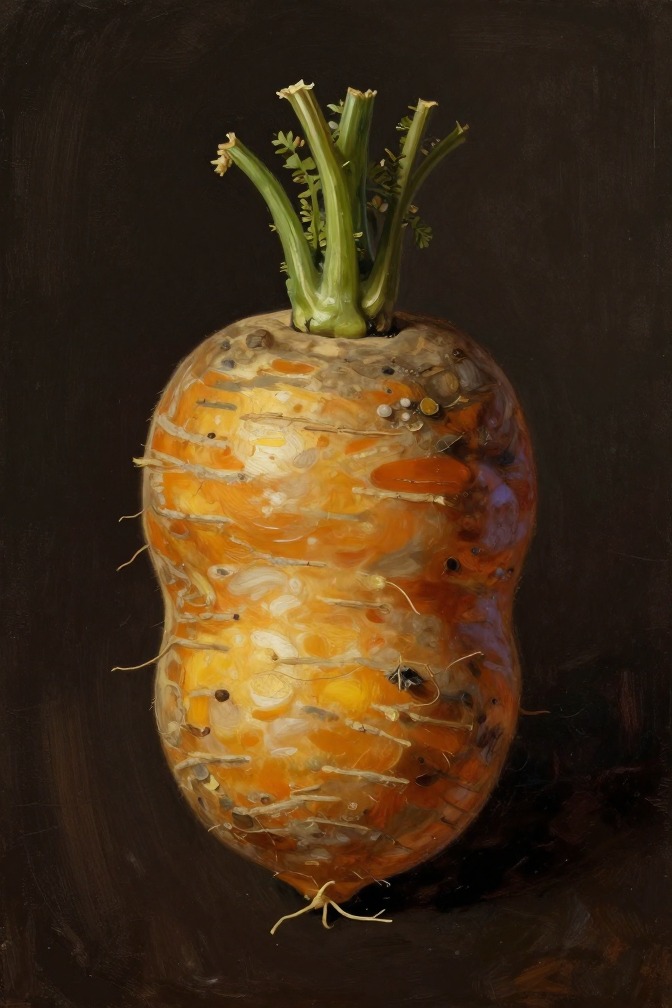
Turnips appear in Toni Morrison's Beloved as a humble root vegetable that carries unexpected symbolic weight, marking moments of hunger, survival, and the fragile beginnings of freedom. They surface in the novel's final section, where Paul D, having returned to 124 Bluestone Road, reflects on his first earned purchase—a bunch of withered turnips—which he bought with a coin given to him by a white man in Trenton, New Jersey. This seemingly trivial transaction becomes a milestone in his journey from slavery to a tentative, self-owned life, and it resonates with the novel's broader themes of nourishment, deprivation, and the quiet dignity of claiming one's own sustenance.
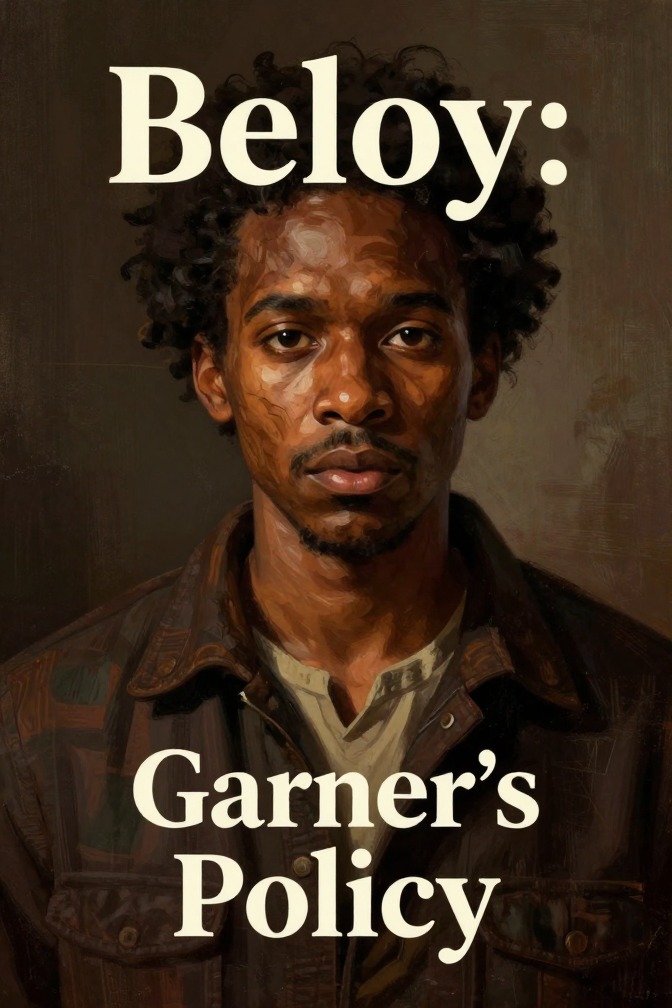
Garner's Manhood Policy was the set of beliefs and practices by which Mr. Garner, the owner of Sweet Home in Kentucky, defined his male slaves as "men" rather than "niggers," a distinction that gave them privileges unheard of on other farms but that also proved to be a fragile, dependent identity that collapsed under schoolteacher's regime.
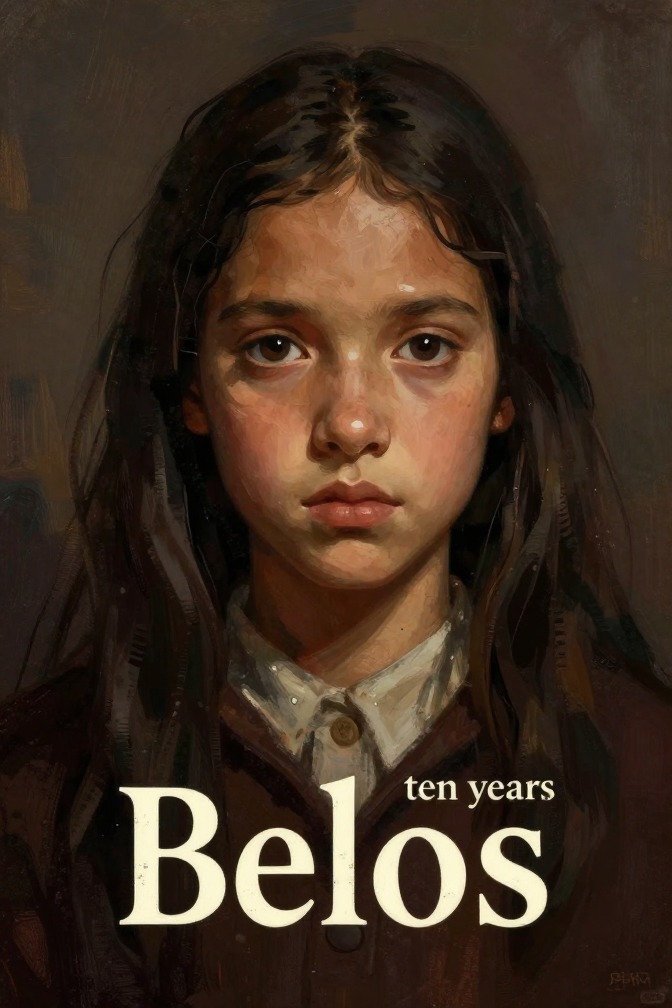
The ten years refers to the decade Baby Suggs spent at Sweet Home, a period that shaped her understanding of slavery and freedom, and that she later recalled as a time of relative peace before the arrival of schoolteacher and the tragedy that followed.
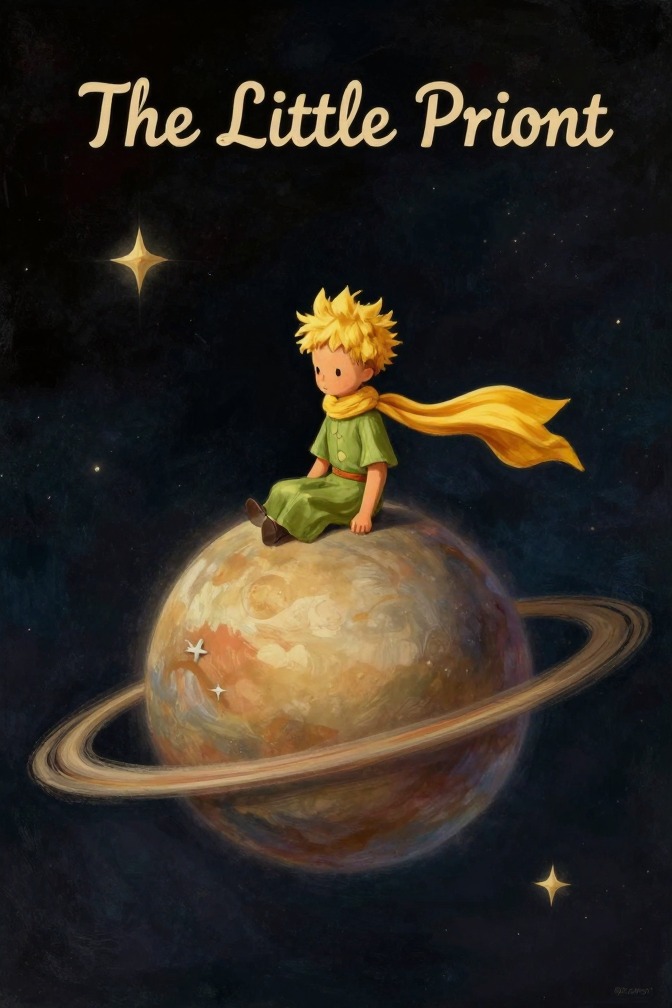
The little prince's planet is the distant, tiny home world of the Little Prince, the place he left to travel the universe and the destination he returns to at the story's end. Its significance lies in being the locus of the Little Prince's love for his flower and his sheep, and the source of the narrator's enduring anxiety about whether the sheep has eaten the rose. The planet's unseen fate becomes a central mystery that transforms the narrator's perception of the cosmos, turning stars into bells or tears.
Mlle Edith is a minor but revealing figure in Humbert Humbert's pre-Lolita European years, the proprietress of a disreputable introduction service whom he visits in a failed attempt to procure a nymphet through commercial channels. Her brief appearance exposes the limits of the underworld's ability to satisfy his specific obsession and underscores the pattern of humiliation and frustration that defines his sexual history before Lolita.
McFate is the personified force of destiny that Humbert Humbert invokes to explain the uncanny coincidences, thwarted plans, and ironic reversals that shape his pursuit of Lolita. Part classical fate, part malicious trickster, McFate operates as a narrative device that both frustrates and enables Humbert's desires, ultimately orchestrating the tragic outcome he claims to resist.
Insects appear throughout Lolita as a recurring motif, often associated with decay, irritation, and the grotesque, serving as a counterpoint to the narrator's romanticized obsessions and highlighting the physical and moral squalor of his world.
In Vladimir Nabokov's *Lolita*, nymphs are mythological female spirits of nature, but the term is repurposed by the narrator Humbert Humbert to designate a class of demonic, enchanting girl-children he calls "nymphets." The nymphs of classical lore appear only fleetingly in the text, primarily as decorative figures in murals and as part of the play *The Enchanted Hunters*, yet they function as a crucial symbolic counterpoint: they represent the innocent, mythical, and artistic realm of enchantment that Humbert's predatory obsession grotesquely parodies and corrupts.
The term "nymphet" is a central concept in Vladimir Nabokov's Lolita, coined by the narrator Humbert Humbert to designate a select category of girls between the ages of nine and fourteen who possess a mysterious, demonic allure that is not merely physical but metaphysical, accessible only to a certain type of obsessed adult male, the "nympholept." The concept functions as both a pseudo-scientific rationalization for Humbert's pedophilic desires and a poetic framework through which he elevates his obsession into an aesthetic and tragic realm, ultimately revealing the self-serving and destructive nature of his worldview.
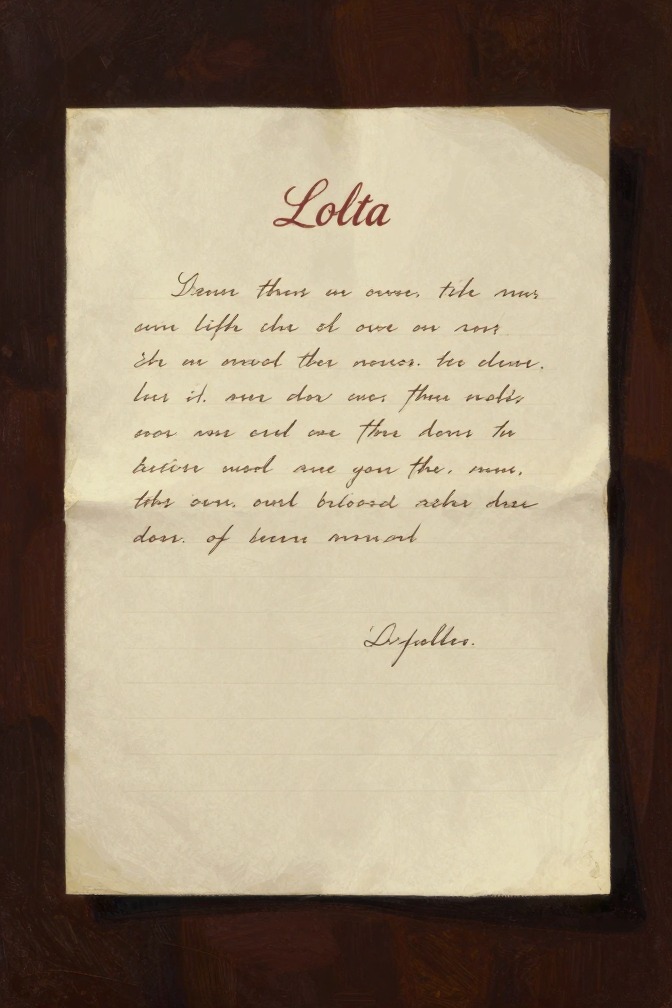
Charlotte Haze's love letter to Humbert Humbert, written on the day she drives their daughter Lolita to Camp Q, is a desperate, contradictory confession that simultaneously declares her passion and orders him to leave the house, revealing the delusional intensity of her romantic obsession and the fatal misreading of Humbert's character that will lead to her death.
The relationship between Humbert Humbert and Dolores Haze is the central, catastrophic axis of Vladimir Nabokov's *Lolita*, a predatory and obsessive bond that Humbert narrates as a tragic love story but which constitutes the systematic sexual abuse of a child. From the moment Humbert first sees twelve-year-old Dolores in the sun-drenched garden of her mother's house, he recognizes her as the reincarnation of his childhood love Annabel Leigh and dedicates himself to possessing her, a project he achieves through marriage to her mother Charlotte, Charlotte's accidental death, and a year-long cross-country journey during which he subjects Dolores to relentless sexual exploitation. The relationship is defined by Humbert's radical self-deception, his elaborate justifications, and Dolores's growing resistance and despair, culminating in her escape with Clare Quilty and Humbert's final, devastating recognition of the harm he has inflicted.
Humbert Humbert and Rita form a relationship of mutual dependency and emotional refuge during the two years following Lolita's disappearance, a period in which Humbert abandons his obsessive search and finds in Rita a companion who, despite her own chaotic life, provides the steadiness and human warmth that prevent his complete mental collapse.
The alchemist is a mysterious, centuries-old figure who serves as Santiago's final mentor, guiding him across the desert to his treasure and teaching him to listen to his heart and understand the Soul of the World.
The baker is a minor character in Paulo Coelho's *The Alchemist* who serves as a cautionary example of someone who abandons his Personal Legend for security and social respectability, and whose unfulfilled life haunts Santiago's own decisions.
The bar owner is a minor but pivotal character in Tangier who, through his silent vigilance and frustrated attempts to warn Santiago, embodies the dangers of a foreign port and the theme of misreading omens.
The young Arab is a minor but pivotal character at the Al-Fayoum oasis who serves as Santiago's intermediary during his farewell to Fatima, embodying the oasis's traditions of hospitality and the practical rewards of service.
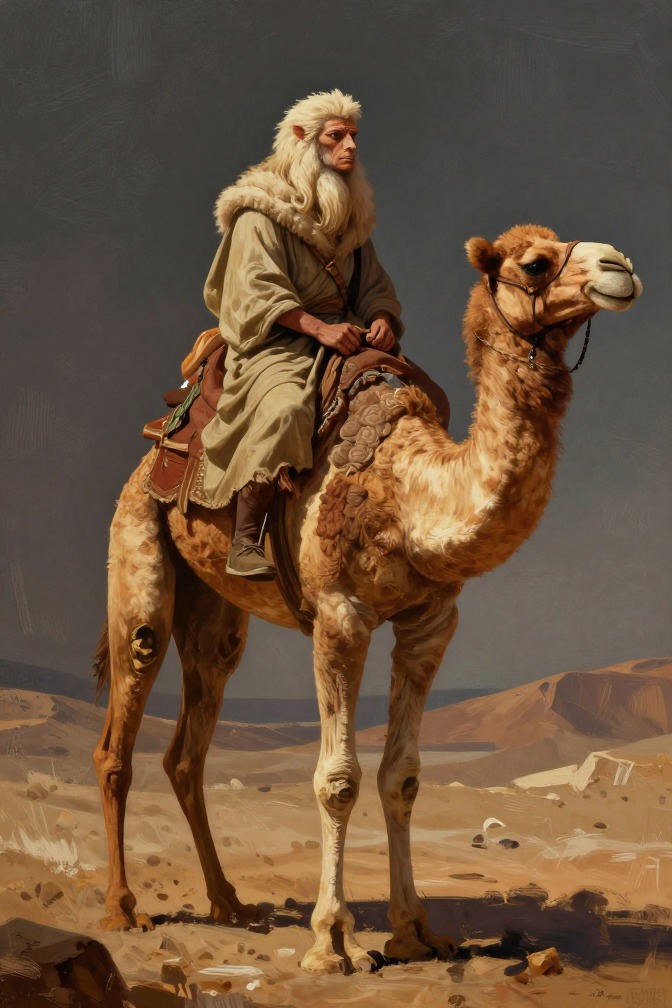
The camel is a central creature in *The Alchemist*, serving as the primary mode of transport across the Sahara Desert and a symbol of the practical burdens and physical realities of Santiago's quest. It appears in the caravan crossing, in the alchemist's warnings about its treacherous nature, and in the final revelation of the treasure's location, linking the mundane hardships of travel to the spiritual journey of self-discovery.
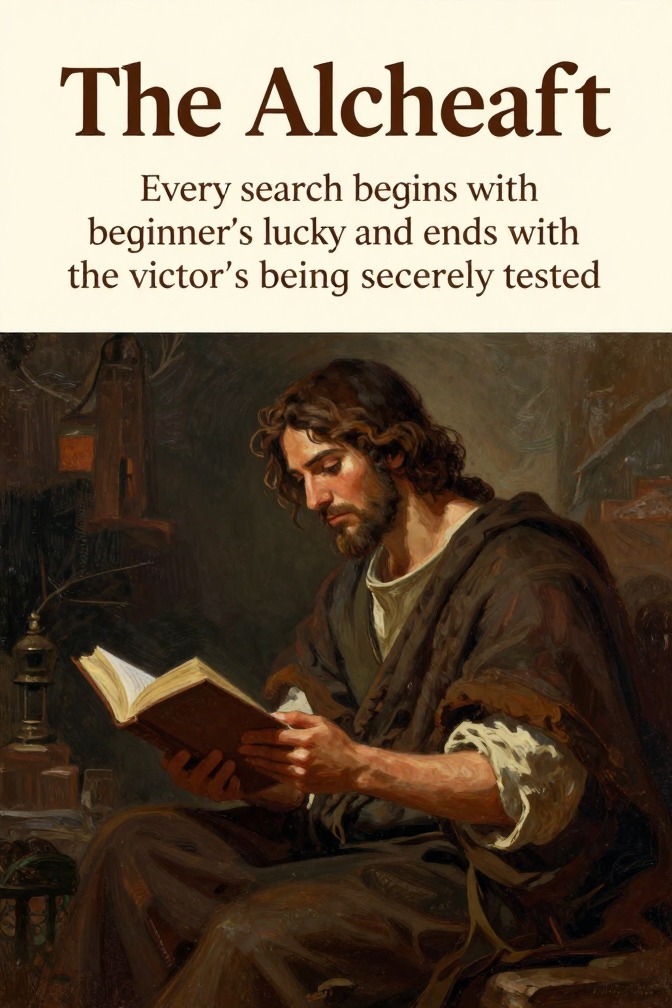
This expression, articulated by the alchemist to Santiago, encapsulates the fundamental rhythm of every quest for a Personal Legend: it begins with a period of favorable luck and ease, but concludes with a final, severe test that determines whether the dreamer is worthy of their goal.
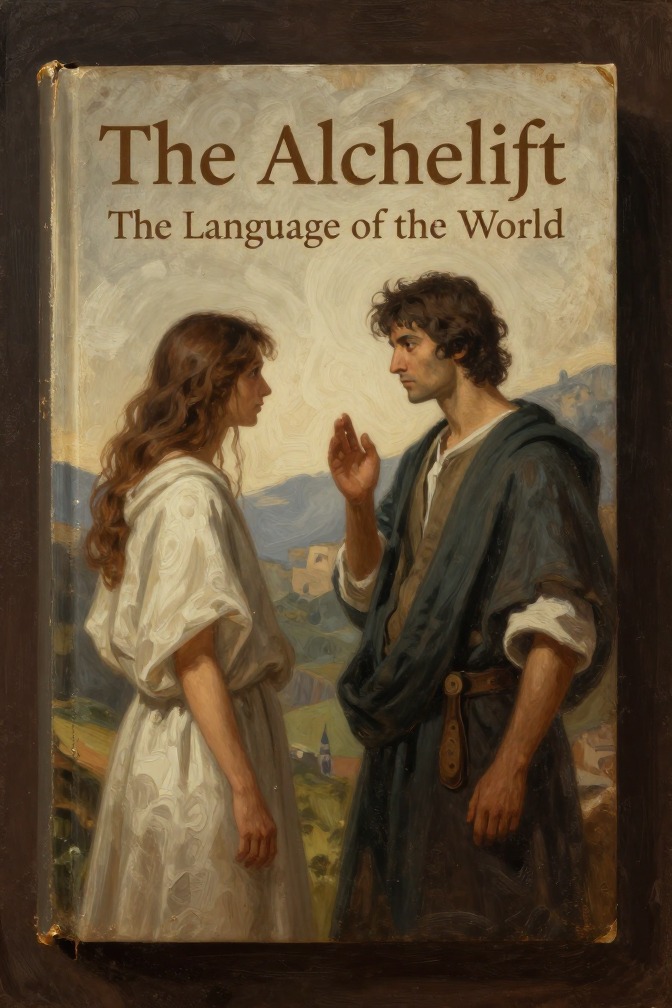
The Language of the World is a central concept in Paulo Coelho's *The Alchemist*, representing a universal, wordless form of communication that connects all beings and allows those who understand it to read omens, perceive the Soul of the World, and realize their Personal Legends.
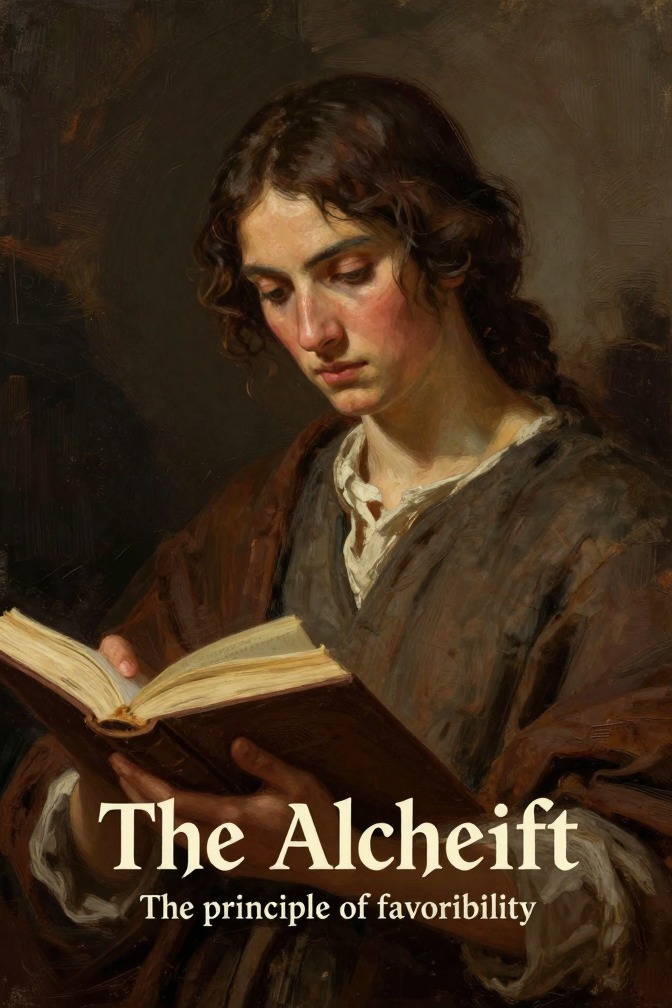
The principle of favorability, also called beginner's luck, is a concept introduced by Melchizedek, the King of Salem, to describe the initial success that rewards those who begin to pursue their Personal Legend, serving as an encouragement from the universe before the journey's true tests begin.