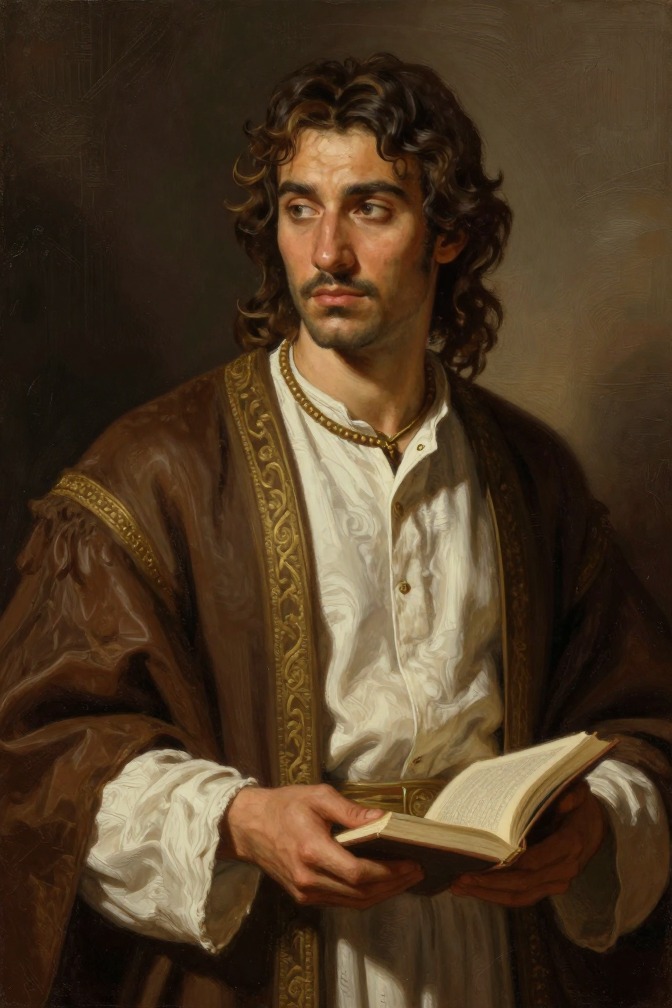
The baker is a minor character in Paulo Coelho's *The Alchemist* who serves as a cautionary example of someone who abandons his Personal Legend for security and social respectability, and whose unfulfilled life haunts Santiago's own decisions.
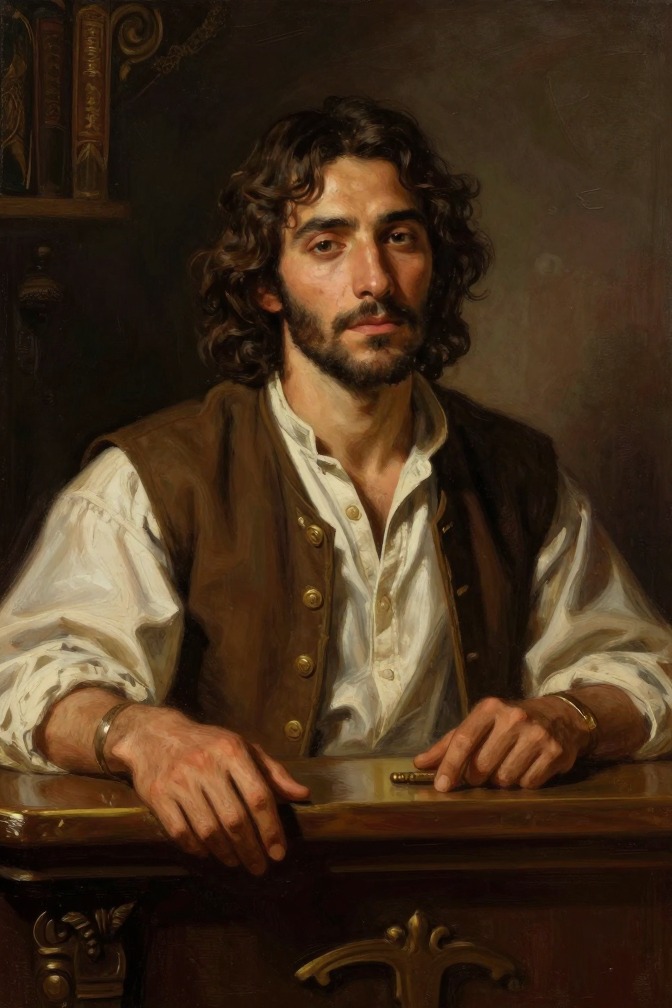
The bar owner is a minor but pivotal character in Tangier who, through his silent vigilance and frustrated attempts to warn Santiago, embodies the dangers of a foreign port and the theme of misreading omens.
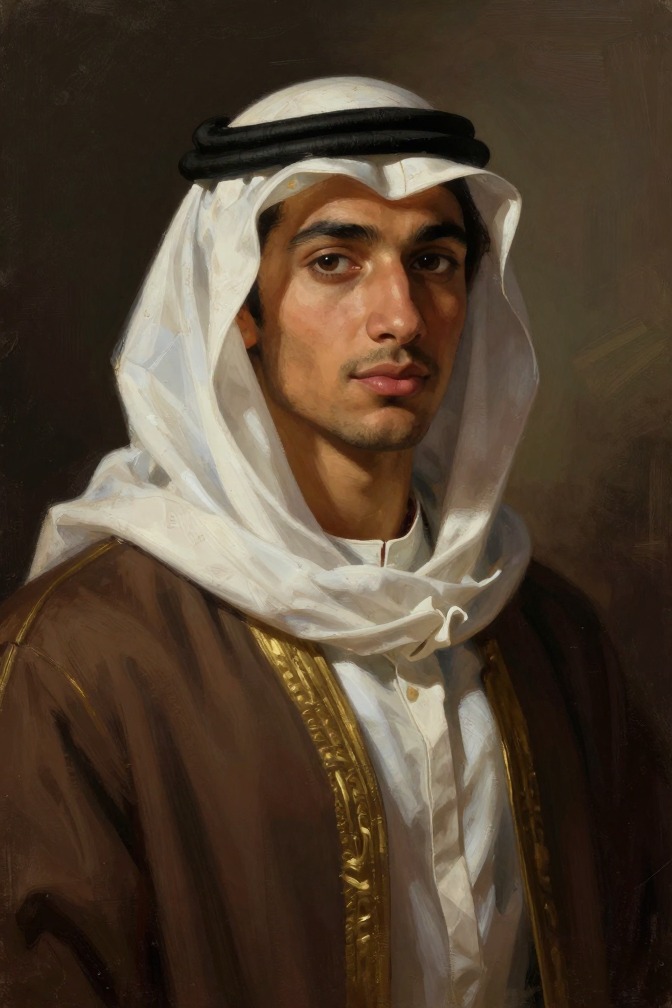
The young Arab is a minor but pivotal character at the Al-Fayoum oasis who serves as Santiago's intermediary during his farewell to Fatima, embodying the oasis's traditions of hospitality and the practical rewards of service.
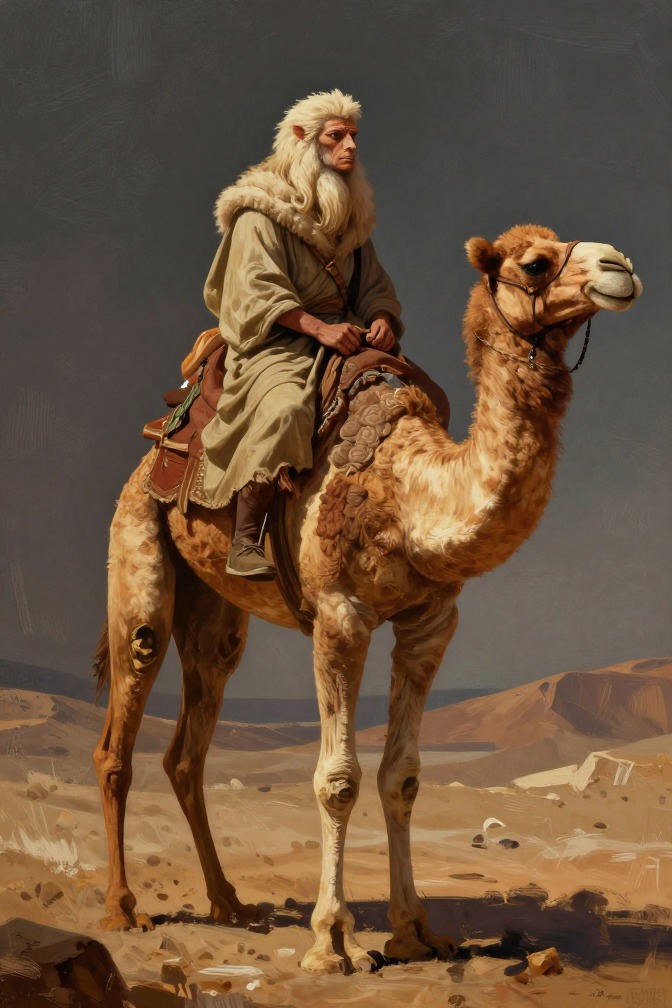
The camel is a central creature in *The Alchemist*, serving as the primary mode of transport across the Sahara Desert and a symbol of the practical burdens and physical realities of Santiago's quest. It appears in the caravan crossing, in the alchemist's warnings about its treacherous nature, and in the final revelation of the treasure's location, linking the mundane hardships of travel to the spiritual journey of self-discovery.
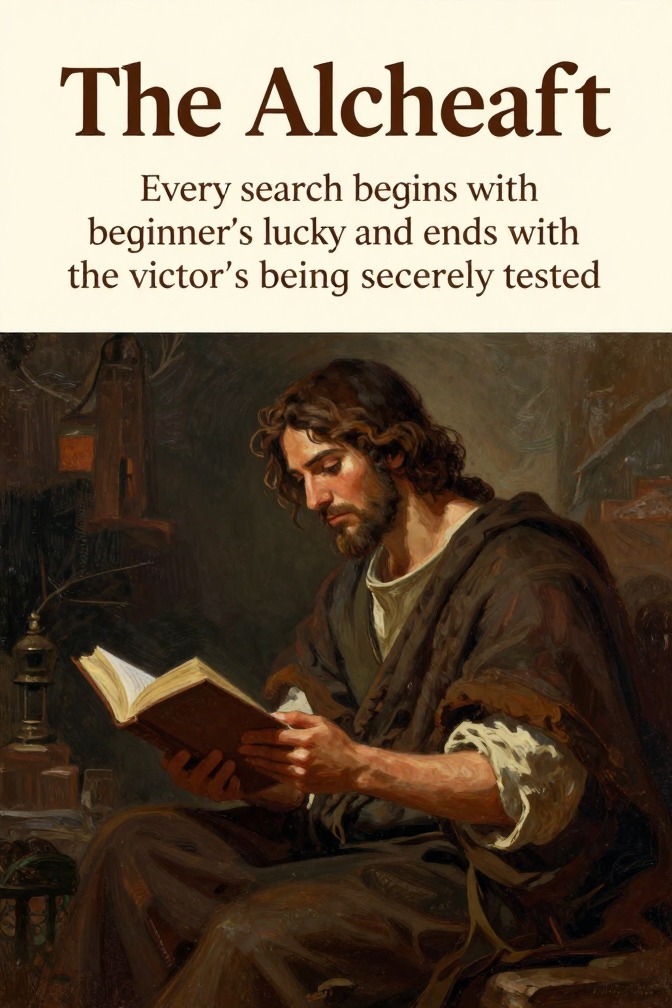
This expression, articulated by the alchemist to Santiago, encapsulates the fundamental rhythm of every quest for a Personal Legend: it begins with a period of favorable luck and ease, but concludes with a final, severe test that determines whether the dreamer is worthy of their goal.
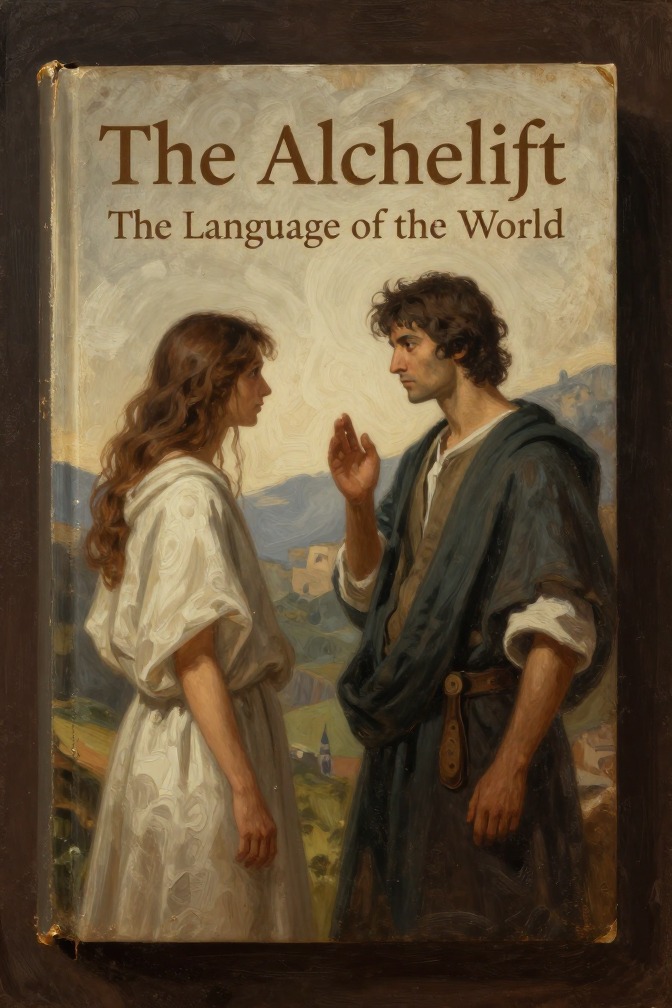
The Language of the World is a central concept in Paulo Coelho's *The Alchemist*, representing a universal, wordless form of communication that connects all beings and allows those who understand it to read omens, perceive the Soul of the World, and realize their Personal Legends.
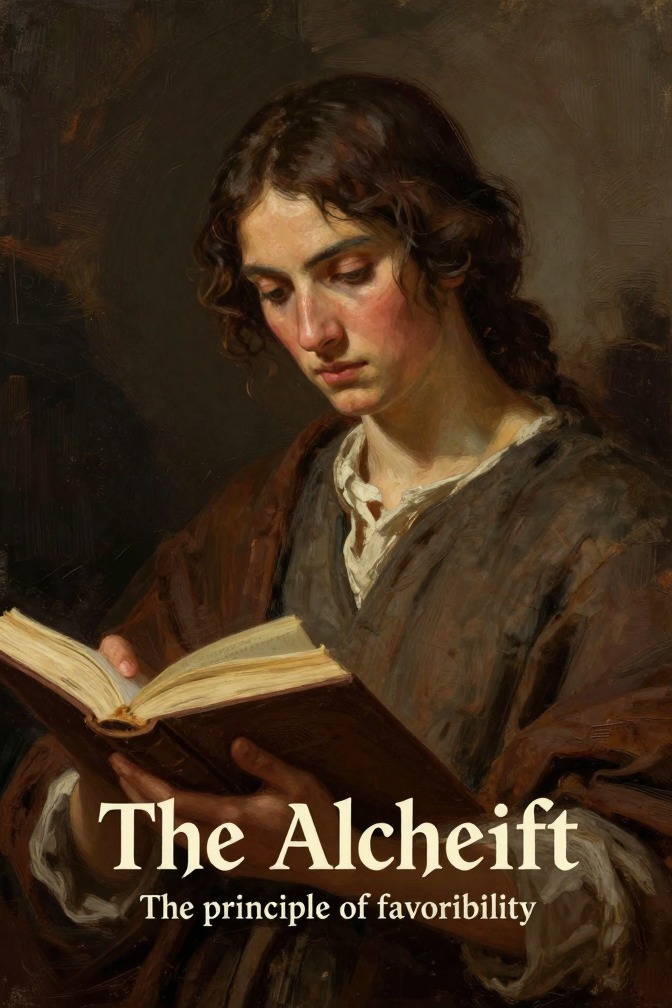
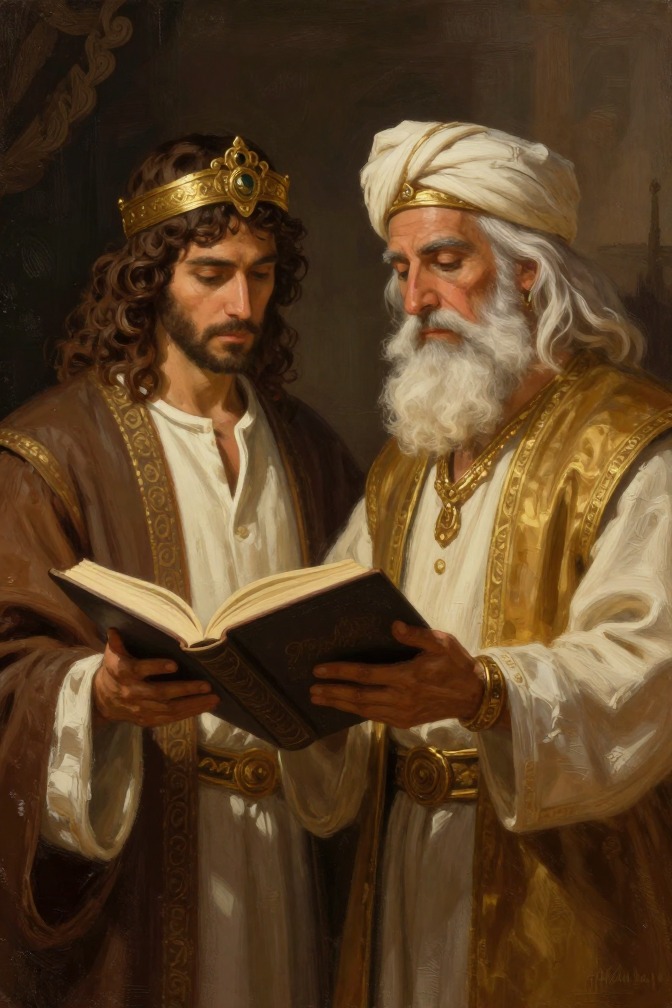
The principle of favorability, also called beginner's luck, is a concept introduced by Melchizedek, the King of Salem, to describe the initial success that rewards those who begin to pursue their Personal Legend, serving as an encouragement from the universe before the journey's true tests begin.
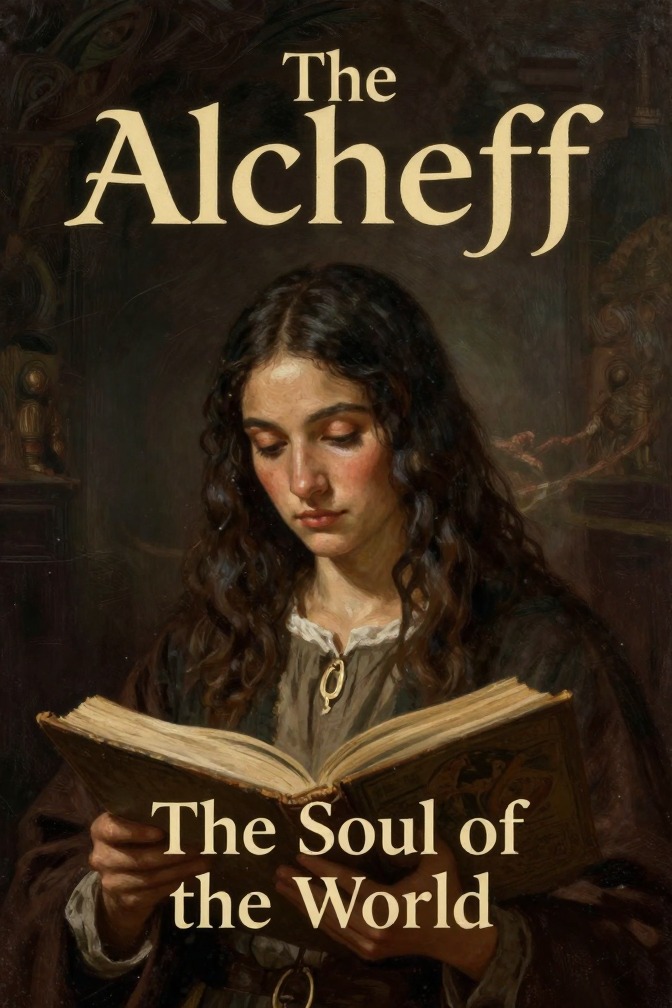
The Soul of the World is the central metaphysical concept in Paulo Coelho's *The Alchemist*, representing the unifying, living essence that connects all things in the universe. It is the force that enables communication between all elements of creation—mineral, vegetable, animal, and human—and is the source of the universal language of omens. The concept is introduced by Melchizedek, who explains that when a person truly desires something, that desire originates in the Soul of the World, and the entire universe conspires to help achieve it. Throughout Santiago's journey, the Soul of the World is progressively revealed as the animating principle behind alchemy, love, and destiny itself, culminating in the realization that it is a part of the Soul of God and that each person's heart, having come from it, knows all things.
The world's greatest lie is a central philosophical statement in Paulo Coelho's The Alchemist, articulated by the mysterious old king Melchizedek to the shepherd Santiago. It is the belief that at a certain point in our lives, we lose control of what happens to us and our lives become controlled by fate. This lie represents the surrender of personal agency and the abandonment of one's Personal Legend, and the entire narrative of the novel is structured as a refutation of this lie, demonstrating that destiny is not a fixed external force but a path one actively chooses to follow.
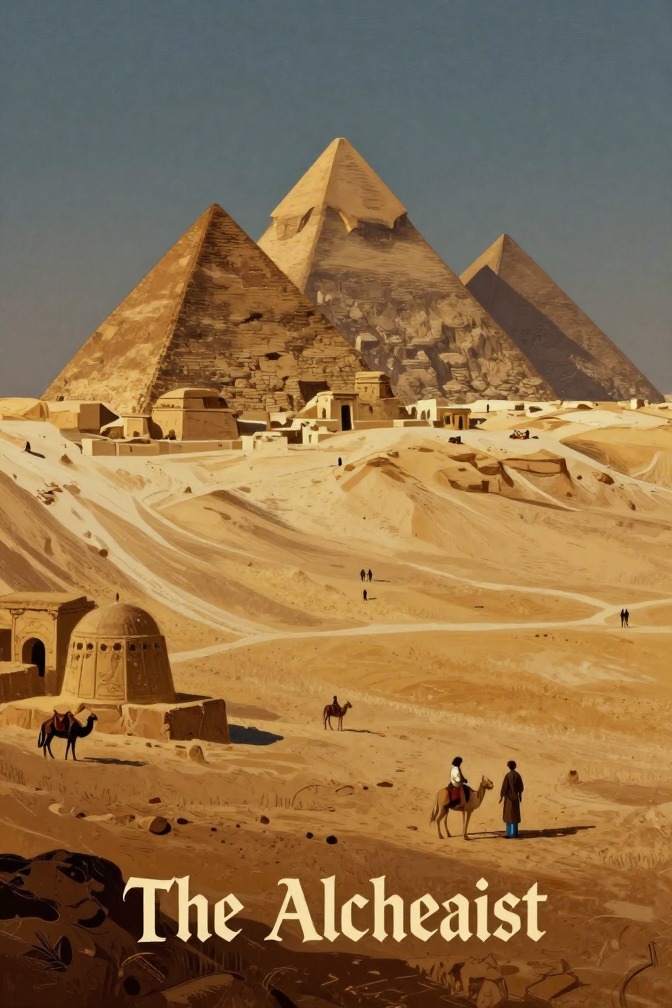
Egypt is the geographical and symbolic destination of Santiago's quest, the land where the Pyramids stand as the promised location of his treasure and the culmination of his Personal Legend.
Giza is the Egyptian city near the Pyramids, the geographical goal of Santiago's quest and the site where he is beaten by refugees before learning the treasure's true location.
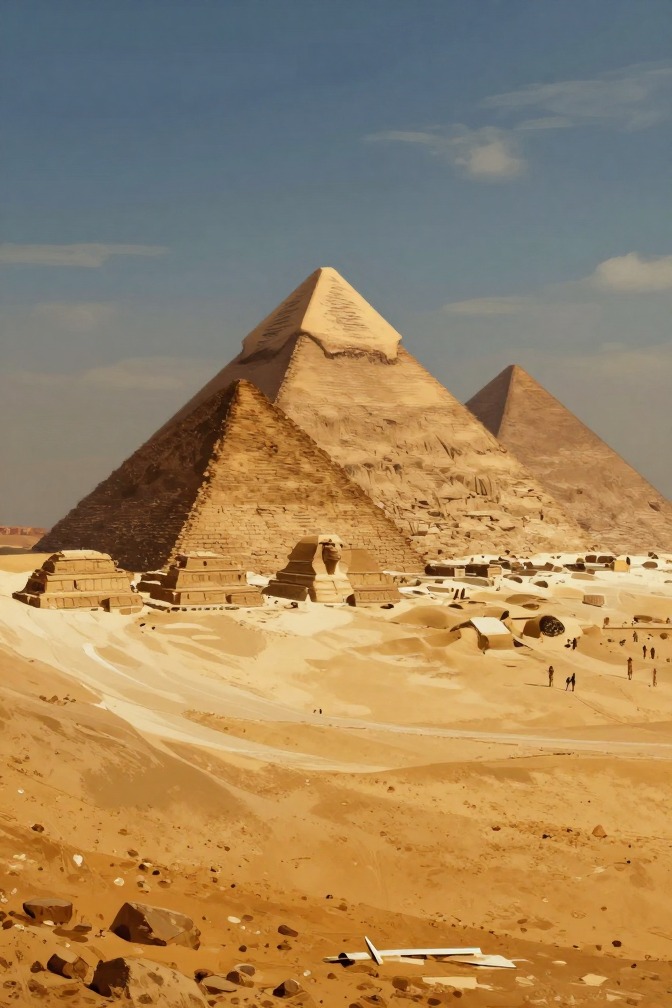
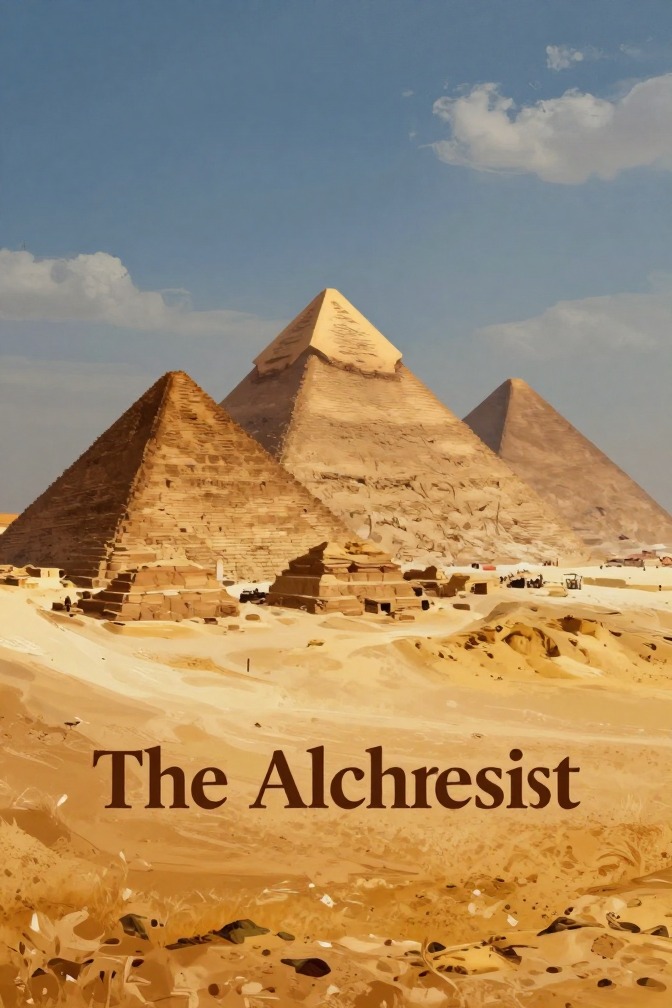
The Pyramids of Egypt are the geographical and symbolic destination of Santiago's quest, representing the ultimate goal of his Personal Legend and the site where the treasure of his recurrent dream is said to be hidden. Though they appear only briefly in the narrative, they function as the central organizing symbol of the entire journey—the fixed point toward which all omens, trials, and transformations are oriented.
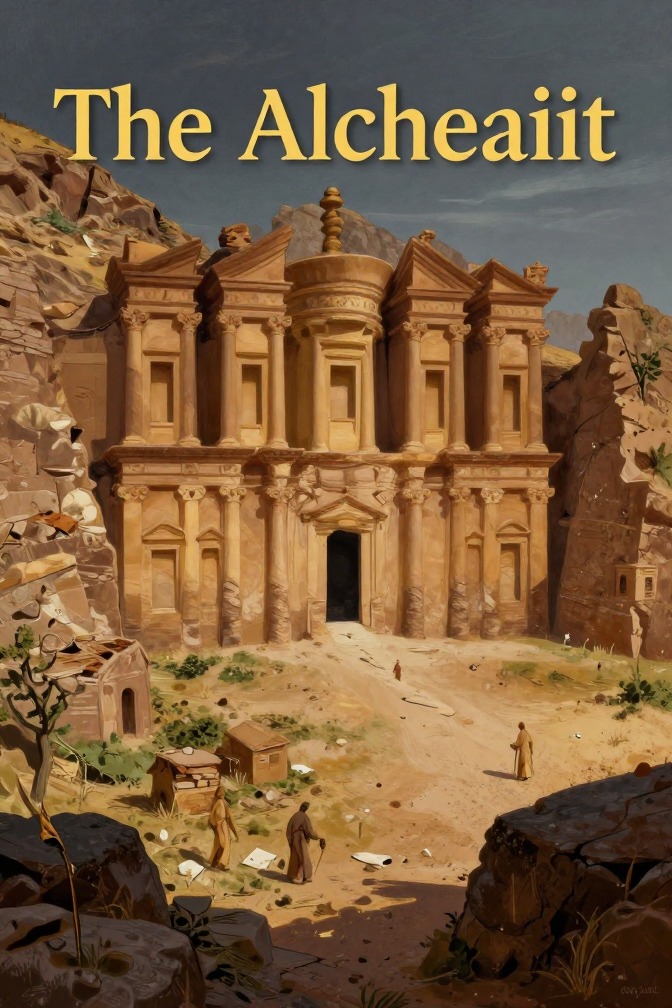
The Coptic Monastery is a remote religious settlement in the Egyptian desert where the alchemist performs the Master Work of transforming lead into gold, demonstrating the tangible reality of alchemy to Santiago and providing him with the material means to complete his journey.
Santiago and the alchemist form a master-disciple relationship that begins with a violent test of courage and deepens into a philosophical journey across the desert, culminating in Santiago's transformation into the wind and his discovery of the treasure's true location.
Santiago and the Englishman meet in a Tangier warehouse and travel together across the Sahara Desert as part of a caravan to Al-Fayoum Oasis. Their relationship is defined by contrasting approaches to knowledge—Santiago learns through observation and intuition, while the Englishman relies on books and academic study—yet each respects the other's quest for a Personal Legend. The Englishman seeks the alchemist to master the Master Work; Santiago seeks his treasure. Their interactions deepen both characters' understanding of the Soul of the World, the Language of the World, and the principle that action, not theory, is the path to realizing one's destiny.
Santiago and the tribal chieftain of Al-Fayoum Oasis form a relationship of mutual respect and consequence after Santiago's vision of an impending attack saves the oasis, leading to the chieftain's offer of a permanent role as counselor and a reward of gold, a bond that underscores the novel's themes of destiny, tradition, and the recognition of wisdom in a stranger.
Mrs. Hamilton is the wealthy mother of Cyril Hamilton and the sister-in-law of Hugo Hamilton, whose grandson's drowning death during Vera Claythorne's care forms the central accusation against Vera and the emotional wound that drives Hugo's departure and Vera's psychological collapse.
Thomas Rogers is the butler and manservant on Indian Island, whose quiet professionalism masks a deep complicity in the death of his former employer, Jennifer Brady, and whose own murder by the judge completes the seventh stanza of the nursery rhyme.
The disappearance of Dr. Edward George Armstrong is a pivotal event in the plot of *And Then There Were None*, marking the moment when the remaining survivors realize their number has been reduced to three and that the murderer is not among the living. It is a carefully staged illusion orchestrated by the true killer, Lawrence John Wargrave, who uses Armstrong's trust to lure him to his death by drowning, then manipulates the crime scene to suggest the doctor has vanished, thereby deepening the mystery and paranoia among the remaining guests.
The brand of Cain is a biblical symbol invoked by Lawrence John Wargrave in his confession to describe the mark on his forehead from his own suicide, representing his self-identification as a murderer and his belief that his crime—though executed as a form of justice—marks him with the same divine stigma as the first biblical killer.
France serves as a crucial geographical and psychological backdrop in Agatha Christie's *And Then There Were None*, functioning as the setting for several characters' past crimes and as a symbol of escape, memory, and the inescapable reach of justice.
Devon is the English county where Indian Island is located and where the novel's central events unfold, serving as the geographical anchor for the entire narrative. The county's coastal landscape, with its red earth, steep hills, and treacherous seas, provides the setting for the isolated island and shapes the characters' journey and fate.
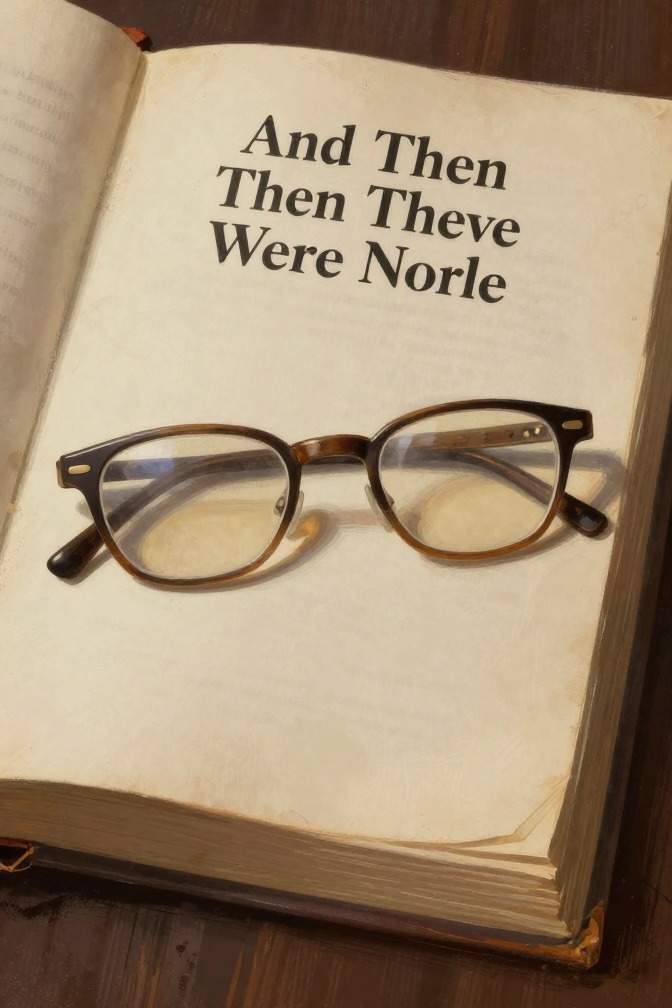
Lawrence John Wargrave's eyeglasses are the final, self-destroying instrument of his meticulously planned mass murder on Indian Island, transformed from a judge's accessory into the trigger mechanism of his own suicide, completing the nursery rhyme's last verse and sealing the mystery.
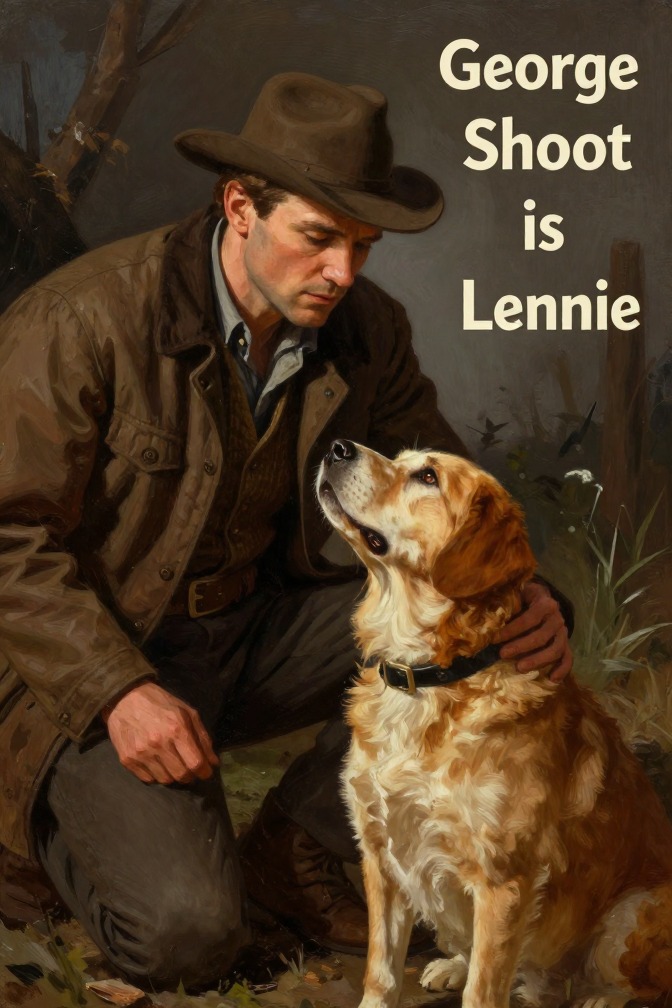
George Milton shoots Lennie Small in the back of the head beside the Salinas River, ending his friend's life to spare him from a lynch mob while reciting their shared dream of a farm one last time.
Aunt Clara is the deceased aunt who raised Lennie Small, appearing only as a hallucination in Lennie's mind at the Salinas River pool, where she voices Lennie's guilt and self-reproach over his dependence on George Milton.
The bird is a minor but recurring element in the natural setting of the Salinas River pool, appearing as a small bird whose movements trigger Lennie Small's cautious reactions and later as a symbol of the freedom and loneliness that George Milton imagines he could have without Lennie.
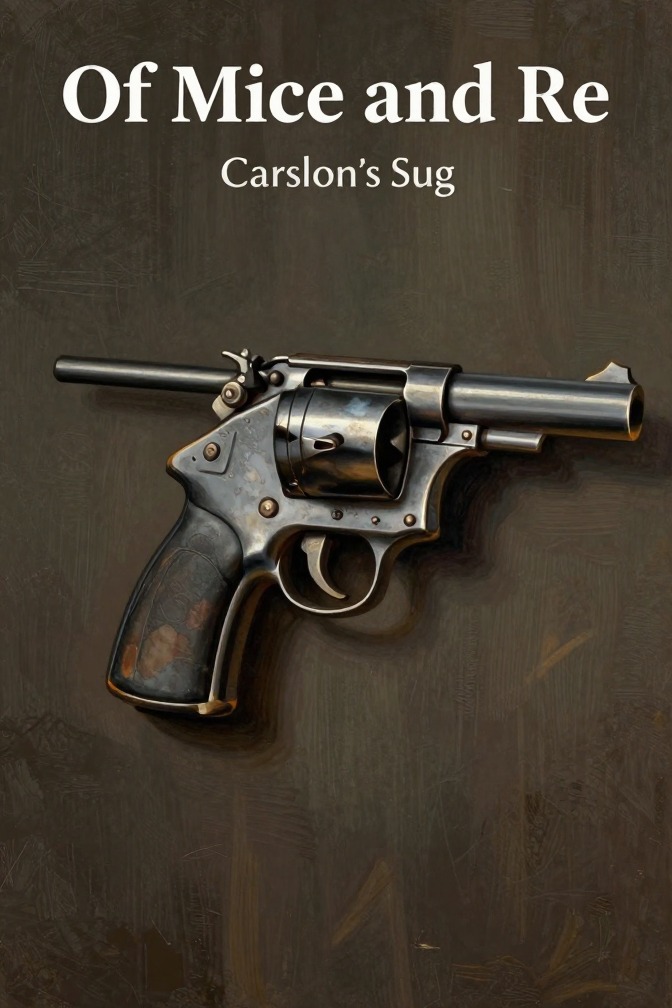
Carlson's Luger is the pistol George Milton uses to kill Lennie Small at the Salinas River pool, transforming from a mundane ranch object into the instrument of a mercy killing that ends the dream of the little farm.
George and Carlson's relationship is a brief, functional interaction defined by the aftermath of Lennie's death, where Carlson's practical questions and George's exhausted, fabricated answers reveal the social performance required to conceal the truth of the killing.
The relationship between George Milton and Slim is defined by a single, decisive act of understanding and solidarity. In the aftermath of George's mercy killing of Lennie Small, Slim is the only man who immediately grasps the necessity of the act, offering George not judgment but companionship and absolution. Their bond, forged in the story's final moments, stands in stark contrast to the suspicion and cruelty of the other ranch hands, providing the novel's only glimpse of genuine, unspoken human connection in a world defined by isolation.
Lennie Small's relationship with Aunt Clara, his deceased aunt, is defined by guilt, memory, and the internalized voice of moral judgment. In the novel's climactic scene, Lennie hallucinates Aunt Clara, who scolds him for failing to protect George and for his uncontrollable behavior, revealing the deep psychological burden he carries and the foundation of his desperate need for George's approval.