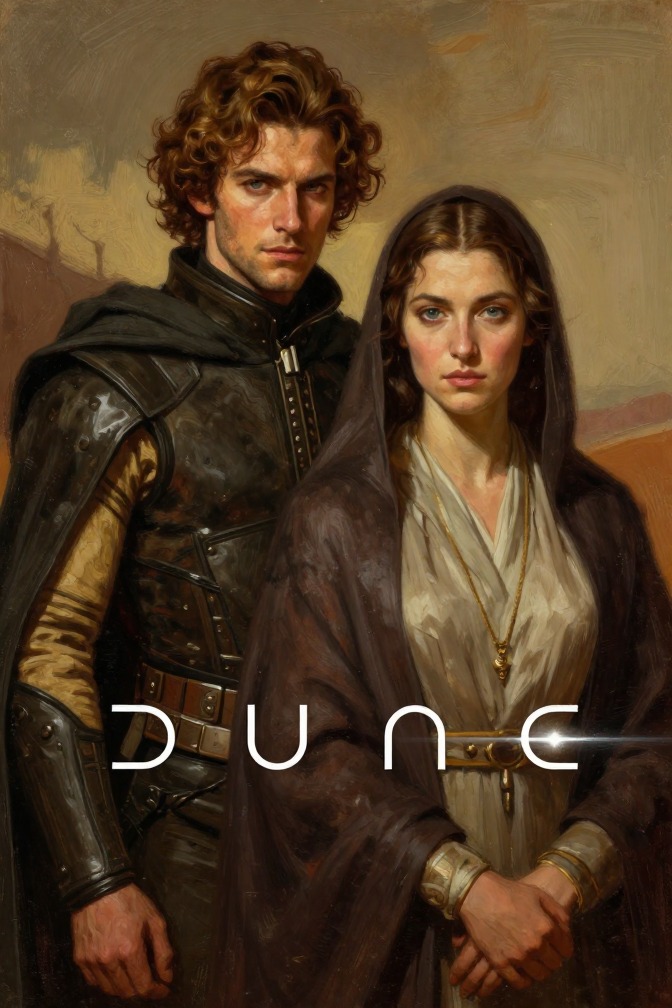
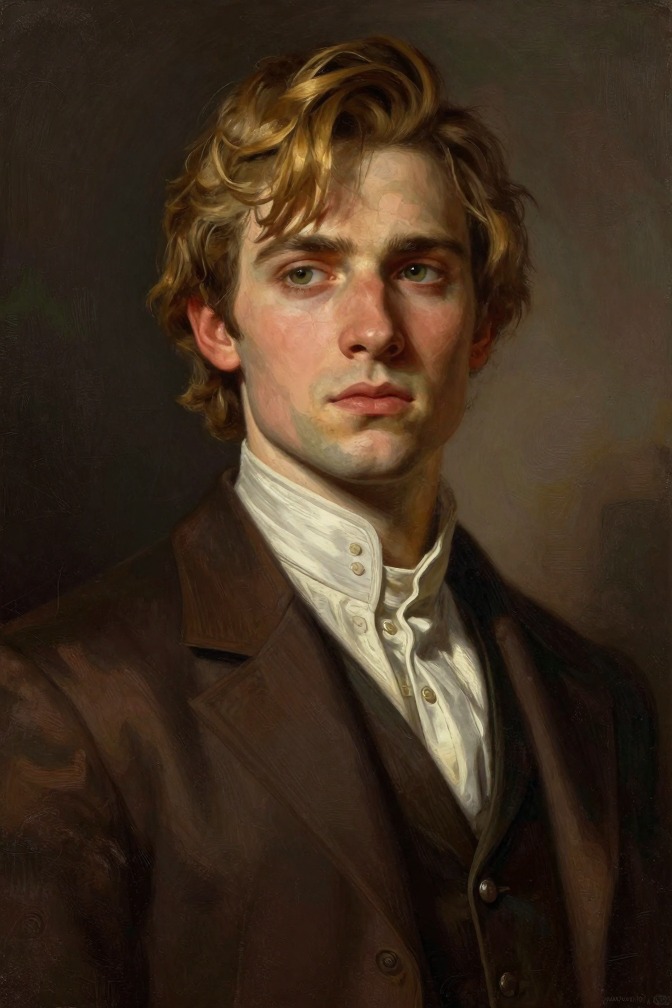
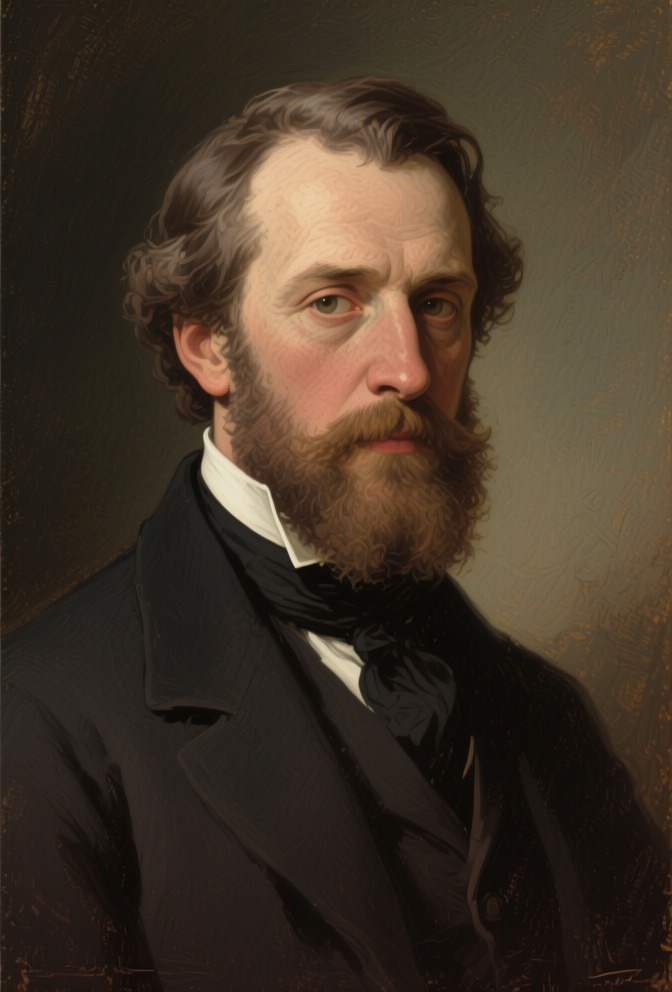
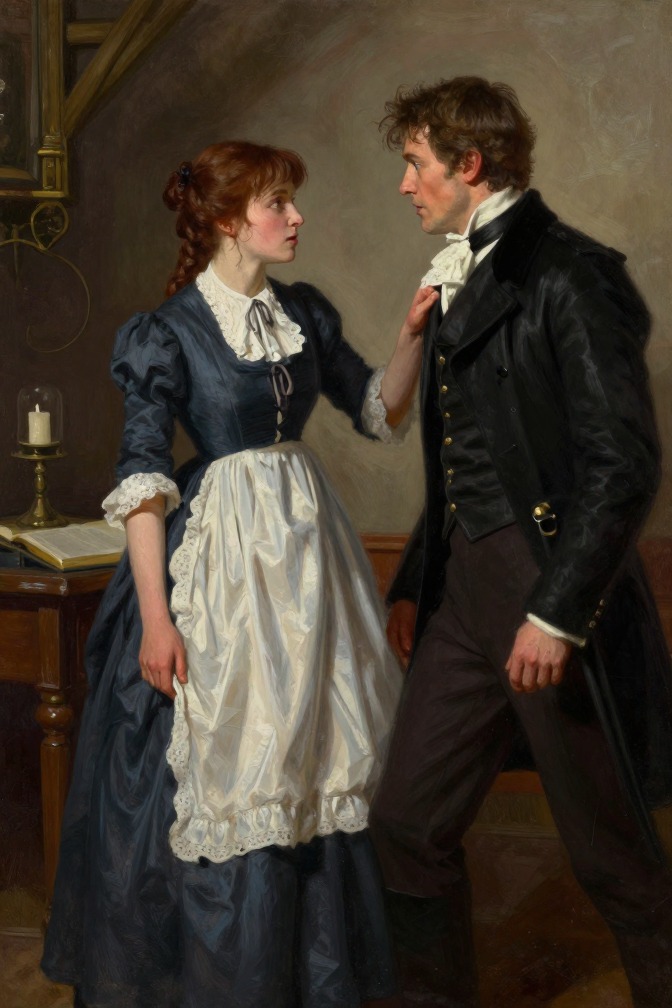
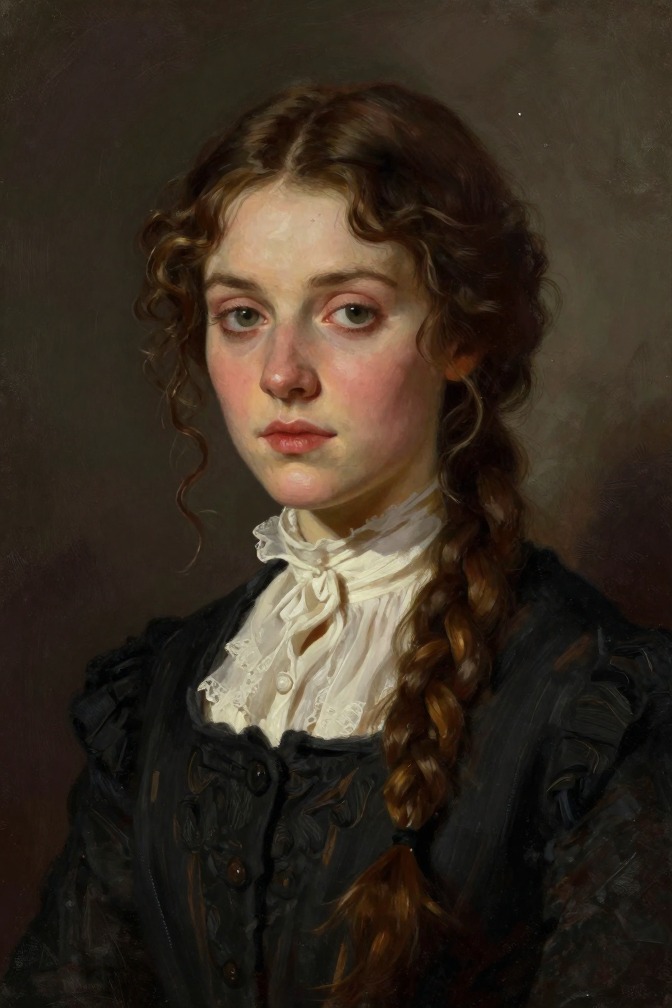
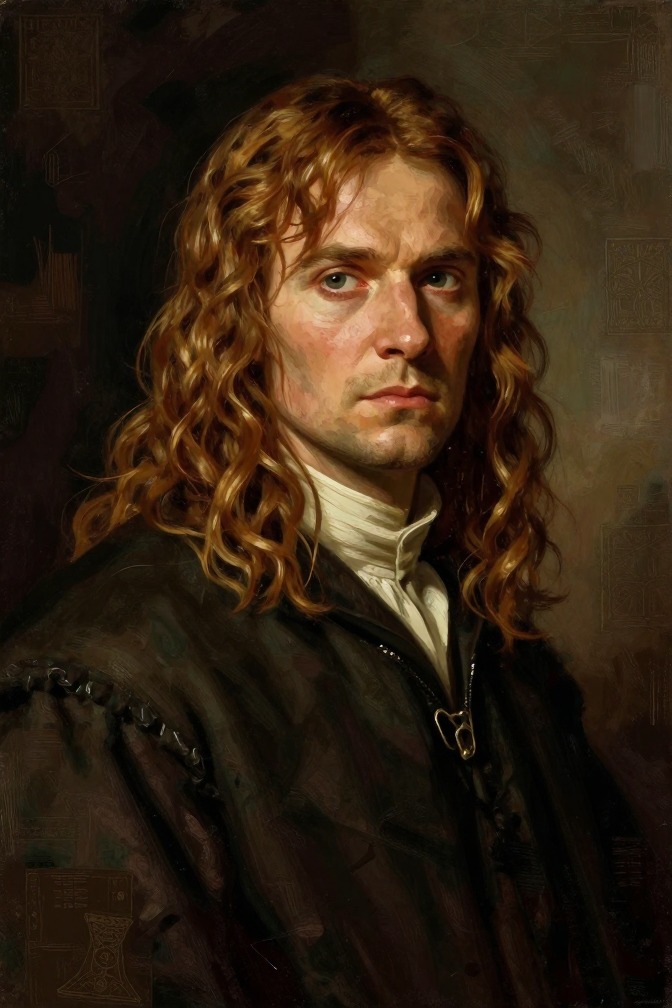
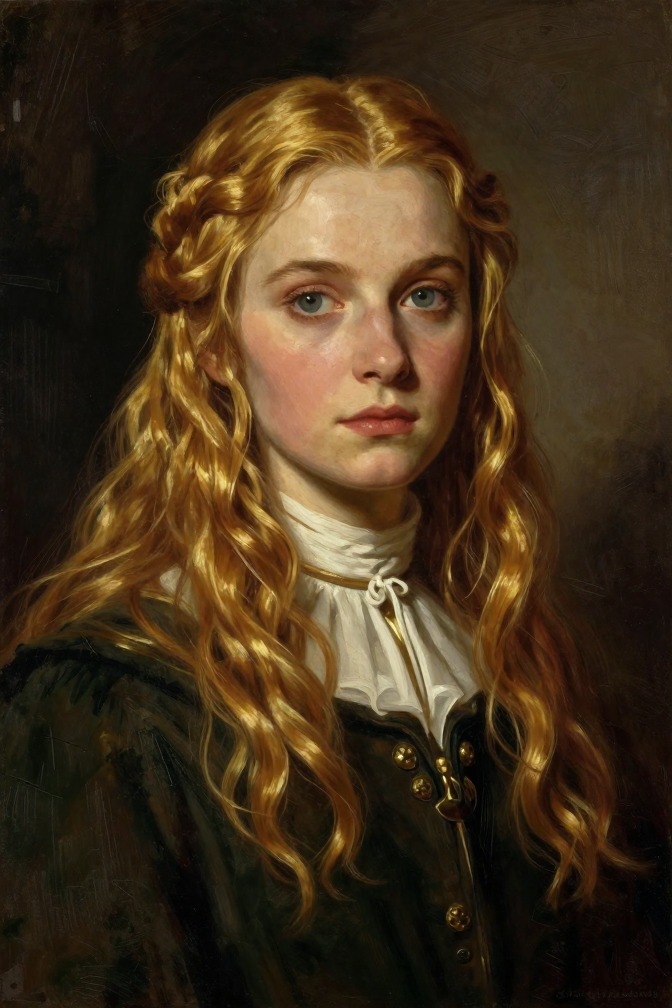
Duke Leto Atreides and Lady Jessica form the central romantic and political partnership of Frank Herbert's Dune, a bond that shapes the novel's entire trajectory. Their relationship—a formal concubinage rather than a marriage—is defined by deep mutual love, political calculation, and the tragic consequences of the Emperor's conspiracy against House Atreides. Jessica's defiance of Bene Gesserit orders to bear a son, Leto's protective deception regarding a suspected traitor, and their final separation through his death at the hands of the traitorous Dr. Yueh establish the emotional and narrative core of the story, ultimately shaping Paul Atreides into the leader he becomes.
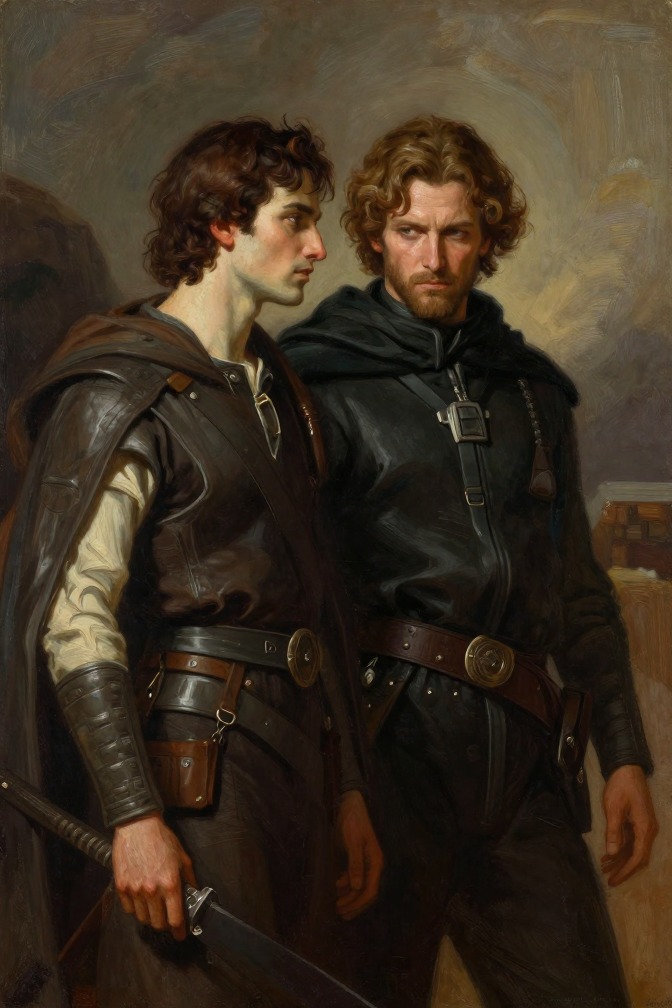
Yueh's betrayal of Duke Leto Atreides is the pivotal act of treachery in Frank Herbert's Dune, a carefully engineered subversion of the Suk School's Imperial Conditioning that shatters the Atreides defense and delivers the Duke into the hands of Baron Vladimir Harkonnen. The betrayal is not a simple act of malice but a desperate, tragic bargain: Yueh, a man of profound inner conflict, sacrifices his honor and his life to avenge his wife, Wanna Marcus, and to plant a hidden weapon of vengeance within the Duke himself. This single act precipitates the fall of House Atreides, the capture and death of Duke Leto, and the exile of Paul and Lady Jessica into the desert, setting the entire saga of Muad'Dib into motion.
Maycomb's Economic Depression is the pervasive poverty and economic stagnation that defines the town of Maycomb, shaping its social hierarchies, moral judgments, and the daily lives of its inhabitants during the Great Depression era.
Dr. Lamai is the Thai scientist who developed the medically induced coma technology used for the Hail Mary mission, having led the research that isolated the genetic markers for coma resistance and designed the automated medical care system that sustained the crew during interstellar travel.
George Hatfield is a Stovington Preparatory Academy student whose conflict with Jack Torrance over a place on the debate team triggers Jack's violent temper, leading to Jack's dismissal from his teaching position and setting the Torrance family's downward spiral in motion.
Queems is the manager of the Surf-Sand Resort in Fort Lauderdale, Florida, where Dick Hallorann works as a cook during the off-season. He is a minor character whose primary function is to be manipulated by Hallorann into granting him emergency leave to travel to the Overlook Hotel, a deception that underscores Hallorann's desperate commitment to answering Danny Torrance's psychic call for help.
Carlos is a doorman at Theo's childhood apartment building on East Fifty-Seventh Street, a big, handsome Dominican man with a springy walk and a warm, protective manner. He is one of the few stable, affectionate figures from Theo's past, and his loyalty to Theo and his mother, Audrey, endures long after the bombing, the move to Las Vegas, and the building's eventual demolition.
Kotku (real name Kylie or Kaylee Hutchins) is a troubled, older girl from Las Vegas who becomes Boris Pavlikovsky's first serious girlfriend during his and Theo Decker's teenage years in the desert. She is a pivotal figure in Boris's life, drawing him away from Theo and into a volatile relationship marked by jealousy, drug use, and physical violence, while also serving as a mirror for the harsh realities of poverty and abuse that both Boris and Theo have experienced.
Lindy Maisel is a minor character at Theo Decker's school on the Upper West Side, a girl whose casual act of applying lip gloss on the last day before the museum bombing becomes a haunting symbol of the ordinary world that vanished with his mother's death.
Mathilde is the art director at the advertising firm where Audrey Decker works, a notoriously fussy and demanding figure whose presence looms over Audrey's professional life and whose behavior is a source of comic exasperation for the Decker family.
Theo Decker and Pippa Blackwell share a profound, lifelong bond forged in the trauma of the museum bombing that killed Theo's mother and Pippa's uncle, Welty Blackwell. Their connection, rooted in a single moment of eye contact before the explosion and a morphine-laced kiss in its aftermath, becomes the central, unfulfilled romantic and emotional anchor of Theo's life, shaping his relationships, his choices, and his sense of self.
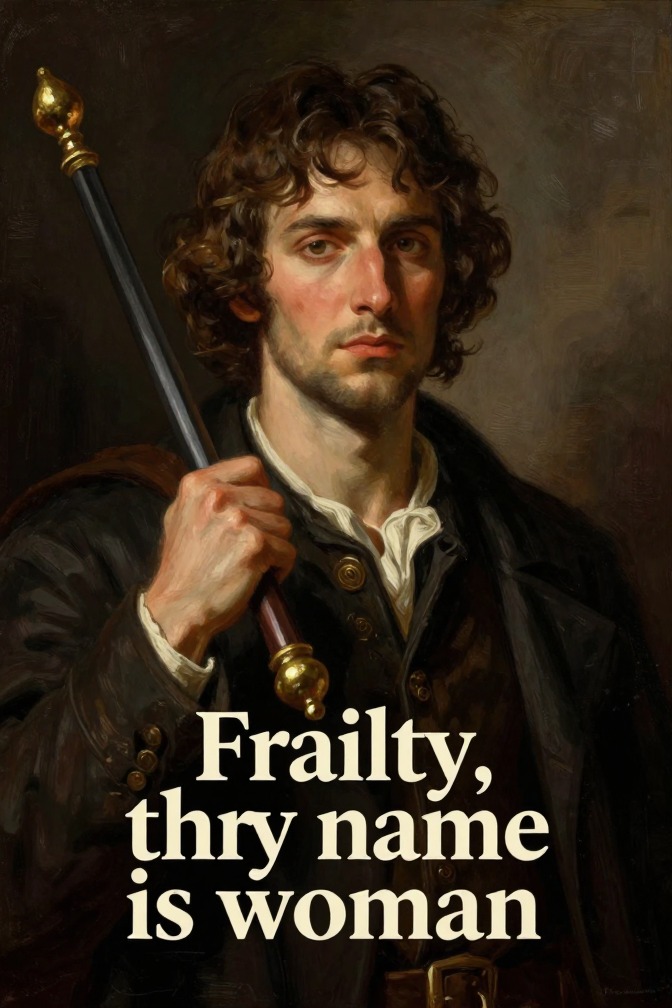
In The Count of Monte Cristo, the phrase "Frailty, thy name is woman" is uttered by the Abbe Busoni (the disguised Edmond Dantes) as a bitter, ironic commentary on Mercedes's decision to marry Fernand Mondego after waiting only eighteen months for her imprisoned betrothed. The quotation, drawn from Shakespeare's Hamlet, crystallizes the novel's gendered critique of constancy and betrayal, while simultaneously exposing the limits of the speaker's own vengeful worldview.
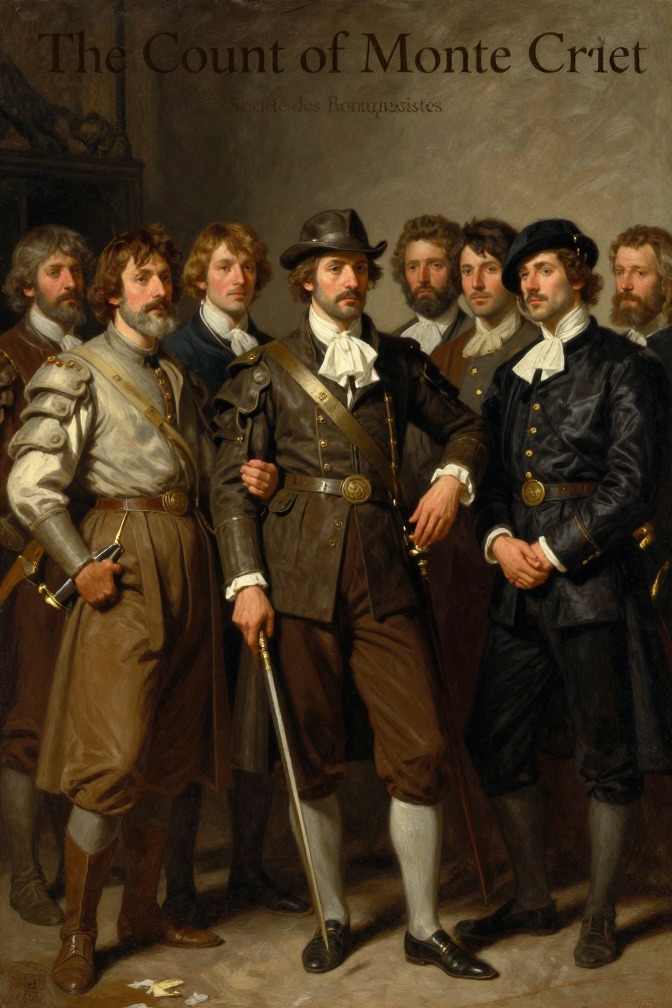
The Société des Bonapartistes is a secret political organization in Alexandre Dumas's *The Count of Monte Cristo* that serves as the catalyst for Edmond Dantès' imprisonment and the engine of the novel's central injustice. Operating in the volatile period of the Bourbon Restoration and the Hundred Days, the society is a clandestine network of Napoleon's supporters who meet in the Rue Saint-Jacques in Paris. It is through the society's activities—specifically a letter of recommendation from Elba and a subsequent denunciation—that the innocent sailor Dantès is framed as a Bonapartist agent, setting the entire plot of revenge in motion. The society also functions as a moral and political barometer, exposing the hypocrisy of characters like Gérard de Villefort, who ruthlessly prosecutes Bonapartists while his own father, Noirtier, is a high-ranking member of the very same organization.
Hunsford is the Kentish parsonage of Mr. Collins, a small but well-built house situated near Rosings Park, the estate of his patroness Lady Catherine de Bourgh. It serves as the setting for Elizabeth Bennet's extended visit in the spring, where she observes the peculiar dynamics of the Collins household, receives Darcy's first, disastrous proposal, and undergoes a profound re-evaluation of her own judgments.
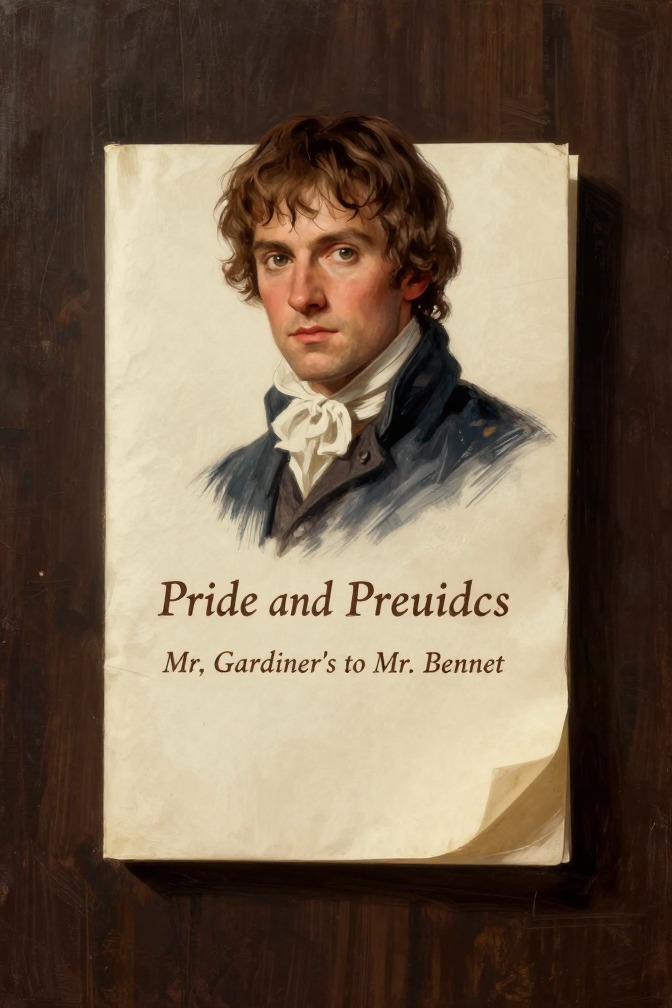
Mr. Gardiner's letter to Mr. Bennet is the crucial document that resolves the crisis of Lydia Bennet's elopement with George Wickham, announcing that the couple has been discovered, that they are not yet married, and that a settlement has been negotiated to compel Wickham into marriage, thereby saving the family from disgrace.
Madame Perrodon, a native of Berne, served as Laura's good-natured governess from infancy, partially supplying the loss of Laura's mother and forming a stable, affectionate presence in the lonely schloss.
Tom Buchanan tells George Wilson that Gatsby owned the yellow car that killed Myrtle Wilson, an act that directly leads to Gatsby's murder and reveals the moral cowardice of the Buchanans.
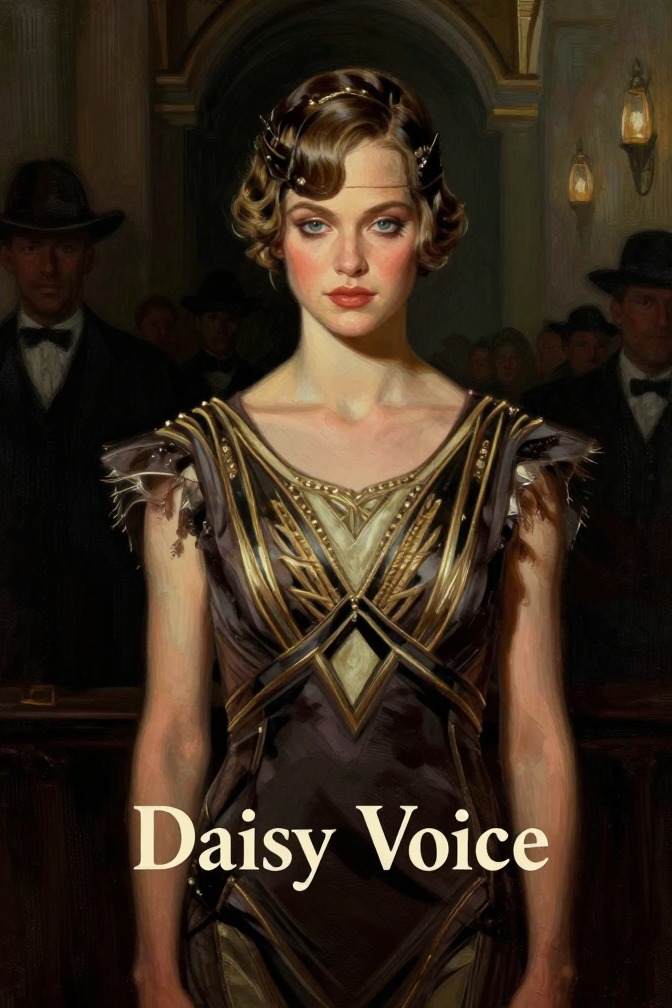
Daisy Buchanan's voice is a central motif in The Great Gatsby, described as a thrilling, low, and musical instrument that embodies her social status, wealth, and allure, and which ultimately becomes a symbol of the unattainable dream that drives Jay Gatsby's obsession.
Gale Hawthorne is Katniss Everdeen's hunting partner, confidant, and closest friend in District 12, whose bond with her is forged through shared survival, mutual trust, and a deep, unspoken affection that complicates her relationship with Peeta Mellark.
Octavia is a member of Katniss Everdeen's prep team in the Capitol, a plump woman whose entire body has been dyed a pale shade of pea green. She participates in the dehumanizing process of stripping, waxing, and polishing Katniss before the Games, yet she also shows moments of genuine, if patronizing, kindness—slipping Katniss an extra roll after the victory and being the one Katniss clutches for support while being dressed in her jeweled interview gown. Octavia embodies the Capitol's bizarre, insulated frivolity and its inability to comprehend the horror it inflicts, making her a figure of both absurdity and inadvertent sympathy.
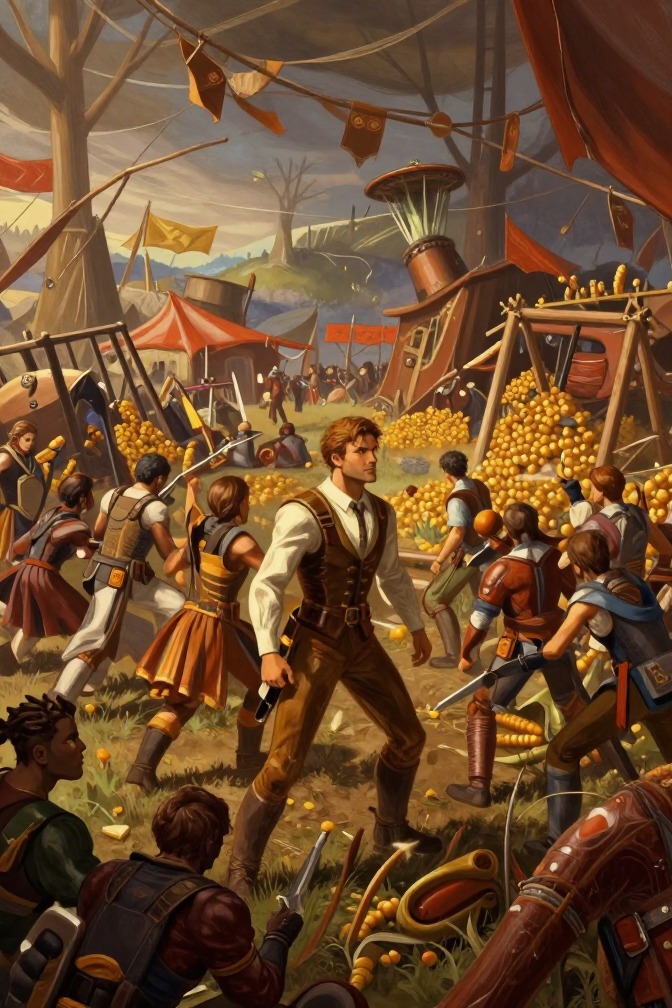
The Cornucopia is the central, horn-shaped structure in the Hunger Games arena, overflowing with life-sustaining supplies and serving as the focal point for the initial bloodbath and the final confrontation between the surviving tributes.
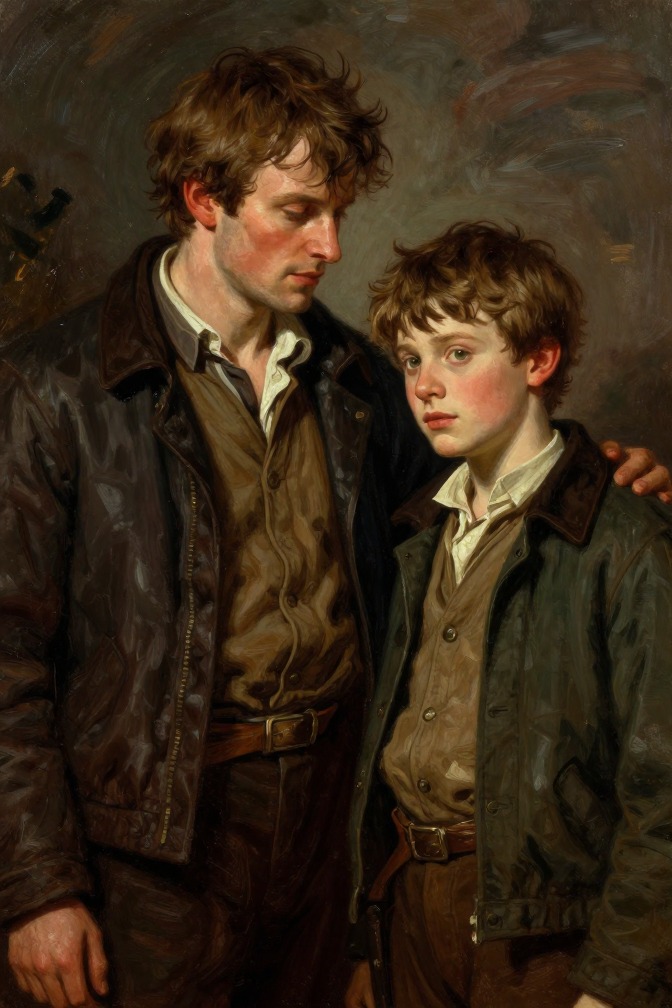
The relationship between Hindley Earnshaw and his son Hareton Earnshaw is a story of paternal neglect, violent abuse, and eventual abandonment, which shapes Hareton's brutalized childhood and sets the stage for his later degradation and redemption.
Chloe is a great-granddaughter of Leon Tallis who appears in the 1999 epilogue of the novel, performing the role of Arabella in a revival of Briony Tallis's childhood play The Trials of Arabella at the family reunion held at Tilney's Hotel.
Leon Tallis is the elder brother of Cecilia and Briony Tallis, a charming, easygoing man whose return to the family home in 1935 sets the novel's events in motion. His unthinking invitation to Robbie Turner to dinner, his refusal to question Briony's false accusation, and his lifelong avoidance of responsibility make him a pivotal figure in the tragedy that unfolds.
After the attack on Richard Mason in the third storey of Thornfield Hall, Jane Eyre assists Mr. Rochester in tending to the wounded man, demonstrating her composure, loyalty, and readiness to serve under extreme circumstances. This scene deepens the mystery surrounding the house and cements Jane's role as Rochester's trusted confidante.
Sophie is the French nurse of Adele Varens at Thornfield Hall, a minor but recurring figure whose presence underscores Adele's Continental upbringing and the household's linguistic and cultural texture.
Boromir, son of Denethor, is a proud and valiant Captain of Gondor who joins the Fellowship of the Ring but is ultimately corrupted by his desire for the One Ring, leading to his tragic death and redemption.
Goldberry, the River-daughter, is the ethereal consort of Tom Bombadil and the embodiment of the seasonal, life-giving power of the Withywindle. She appears as a gracious hostess in the heart of the Old Forest, offering the hobbits shelter, healing, and a glimpse of a world untouched by the Shadow, before bidding them a poignant farewell that marks the boundary between the wild and the road ahead.
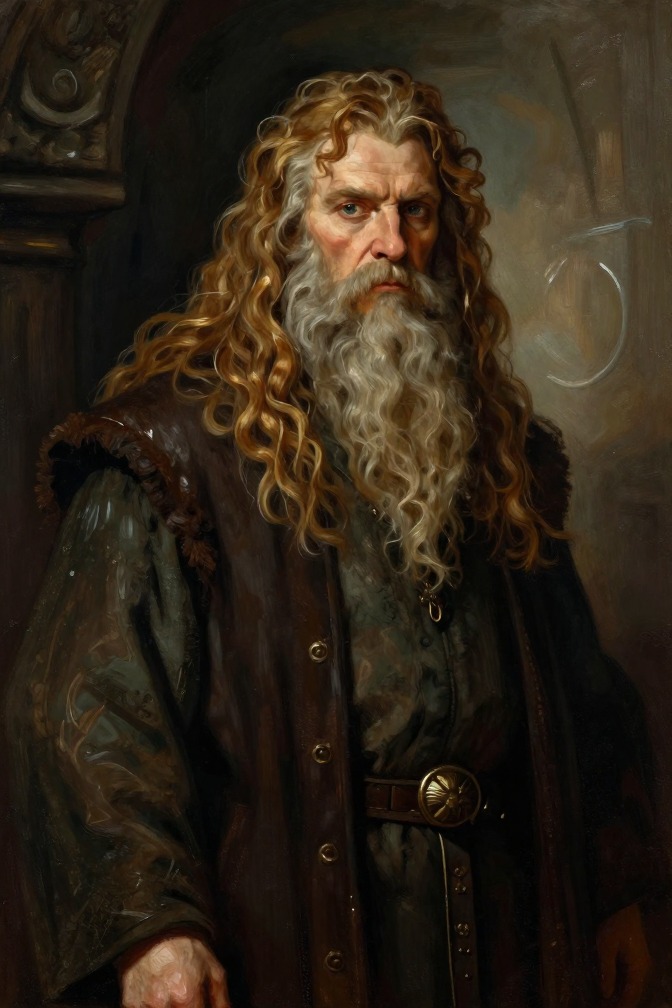
Radagast the Brown, a Wizard of the Istari order and a master of birds and beasts, plays a small but pivotal role in the War of the Ring by delivering the warning of the Nazgûl's return to Gandalf, an act that inadvertently sets in motion the chain of events leading to Gandalf's imprisonment in Orthanc and the subsequent delay that nearly proves fatal to the Quest.
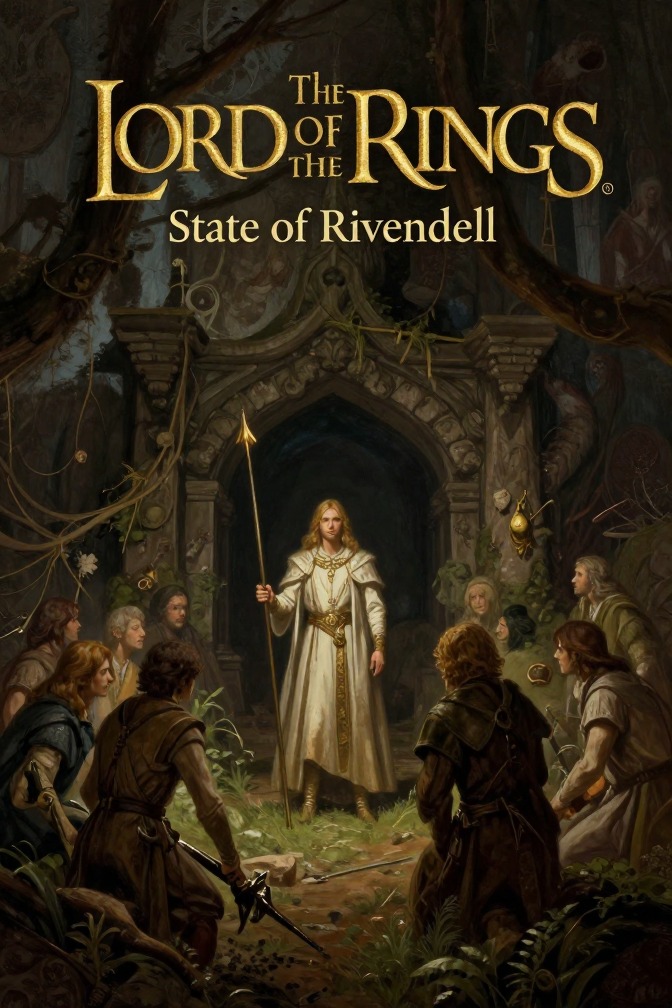
Rivendell, also called Imladris and the Last Homely House east of the Sea, is the hidden refuge of Elrond Halfelven, a place of healing, lore, and sanctuary that serves as a crucial staging ground and turning point in the War of the Ring. It is a realm where time seems to stand still, where the weary and wounded find rest, and where the fate of the Ring is debated and the Fellowship is formed.