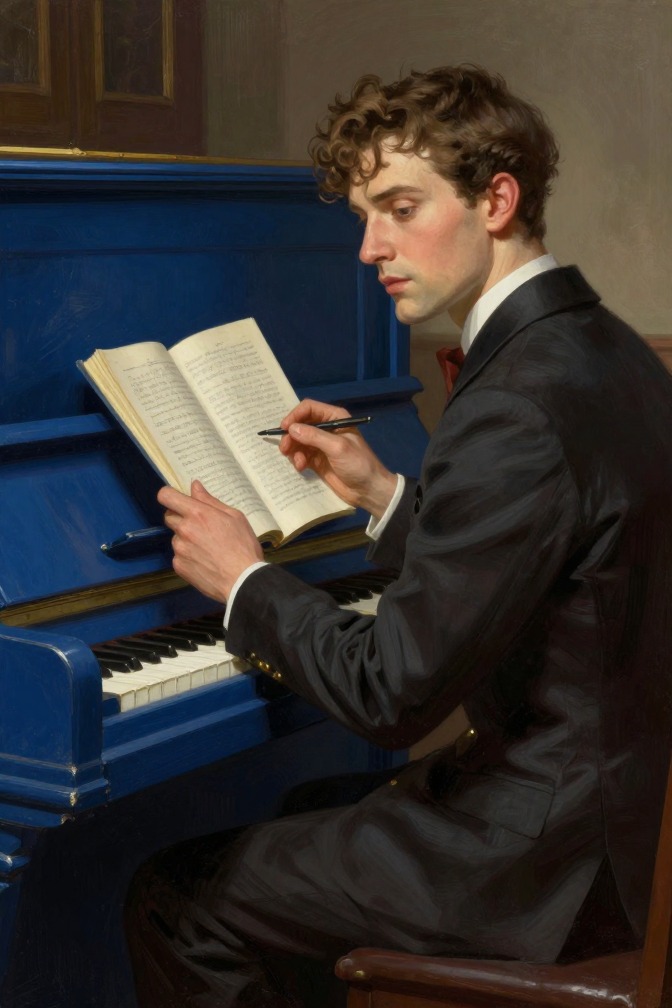
The blue piano is a recurring musical motif in A Streetcar Named Desire that functions as the play's atmospheric and emotional barometer, expressing the spirit of life in the French Quarter and underscoring the characters' inner turmoil.
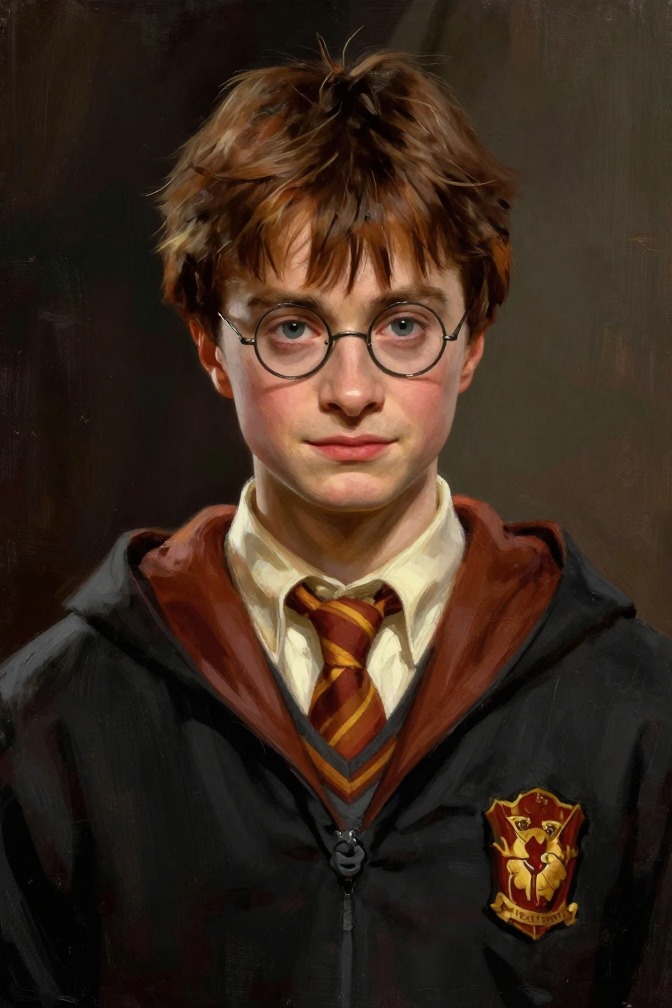
Dudley Dursley is the spoiled, overweight son of Vernon and Petunia Dursley, and Harry Potter's cousin. He serves as a primary antagonist in Harry's home life, embodying the Dursleys' hostility toward magic and their preference for their own 'perfect' son. Throughout the novel, Dudley's bullying, gluttony, and fear of magic highlight the contrast between the Muggle world and the wizarding world, and his interactions with Harry reveal the deep dysfunction of the Dursley household.
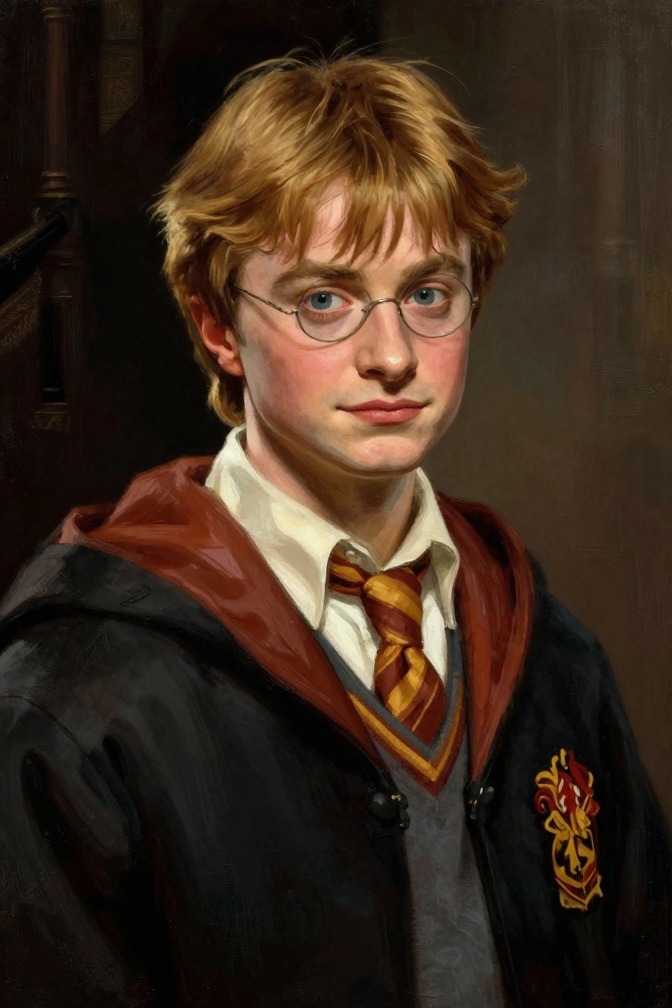
Gregory Goyle is a Slytherin student at Hogwarts School of Witchcraft and Wizardry, known primarily as the hulking, dim-witted sidekick of Draco Malfoy and a constant companion to Vincent Crabbe. His role in the story is defined by his unquestioning loyalty to Malfoy, his physical presence as an enforcer, and his participation in the schemes that target Harry Potter and his friends, though he lacks the cunning to initiate them himself.
Lucius Malfoy is a wealthy, influential pure-blood wizard and the father of Draco Malfoy, who serves as a school governor and a key antagonist in Harry Potter and the Chamber of Secrets. He secretly plots to reopen the Chamber of Secrets by slipping Tom Riddle's diary into Ginny Weasley's cauldron, orchestrating a series of attacks to discredit Arthur Weasley and Dumbledore. His schemes ultimately backfire when Harry destroys the diary and frees Dobby, leading to Lucius's public humiliation and his dismissal from the Hogwarts Board of Governors.
Molly Weasley is the matriarch of the Weasley family, a formidable and loving mother whose fierce protectiveness, domestic magic, and moral authority shape the lives of her children and Harry Potter. She is introduced as a saber-toothed tiger of a woman, yet her warmth and generosity make the Burrow a true home for Harry, contrasting sharply with the Dursleys' neglect. Throughout the year, Molly's actions—from sending a Howler to Ron to knitting Harry a Christmas sweater—reveal her as the emotional and ethical center of the story, embodying the values of family, loyalty, and unconditional care.
Professor Flitwick is the diminutive Charms master at Hogwarts School of Witchcraft and Wizardry, a former dueling champion whose expertise and gentle demeanor contrast sharply with the chaos of Harry Potter's second year. Though a minor figure, he plays a recurring role in the novel's key events, from being accidentally struck by Ron Weasley's malfunctioning wand to weeping openly when Ginny Weasley is taken into the Chamber of Secrets. His presence underscores the vulnerability of the staff and the gravity of the crisis, while his competence in Charms and his emotional reactions provide both comic relief and moments of genuine pathos.
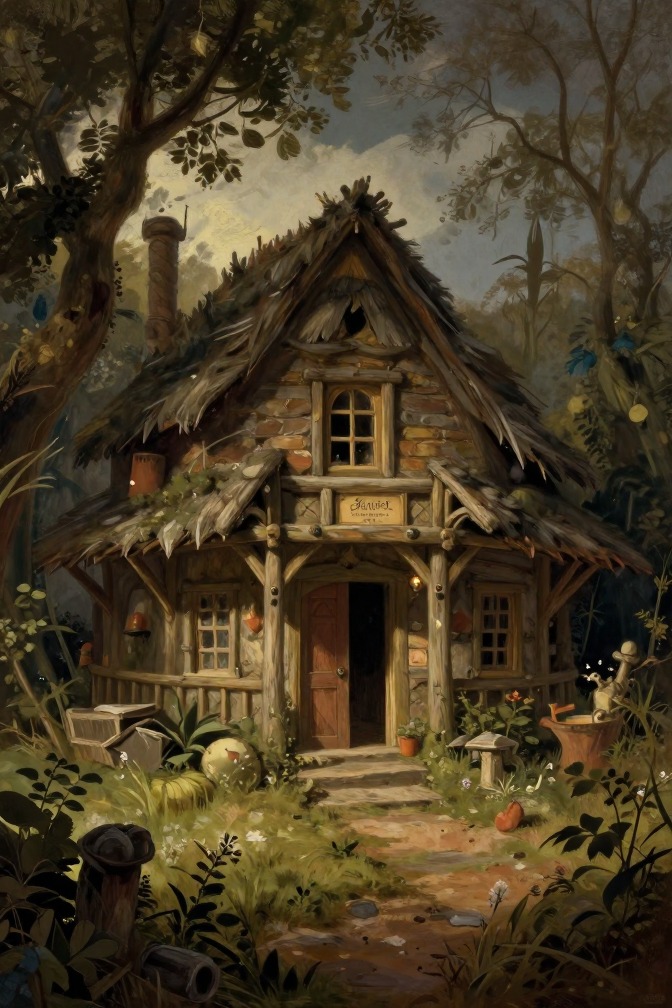
Hagrid's hut is the small, one-room wooden cabin on the edge of the Forbidden Forest where Rubeus Hagrid, the Hogwarts gamekeeper, lives with his boarhound Fang. It serves as a warm refuge for Harry, Ron, and Hermione, a site of key revelations about the Chamber of Secrets, and the setting for Hagrid's arrest and Dumbledore's suspension.
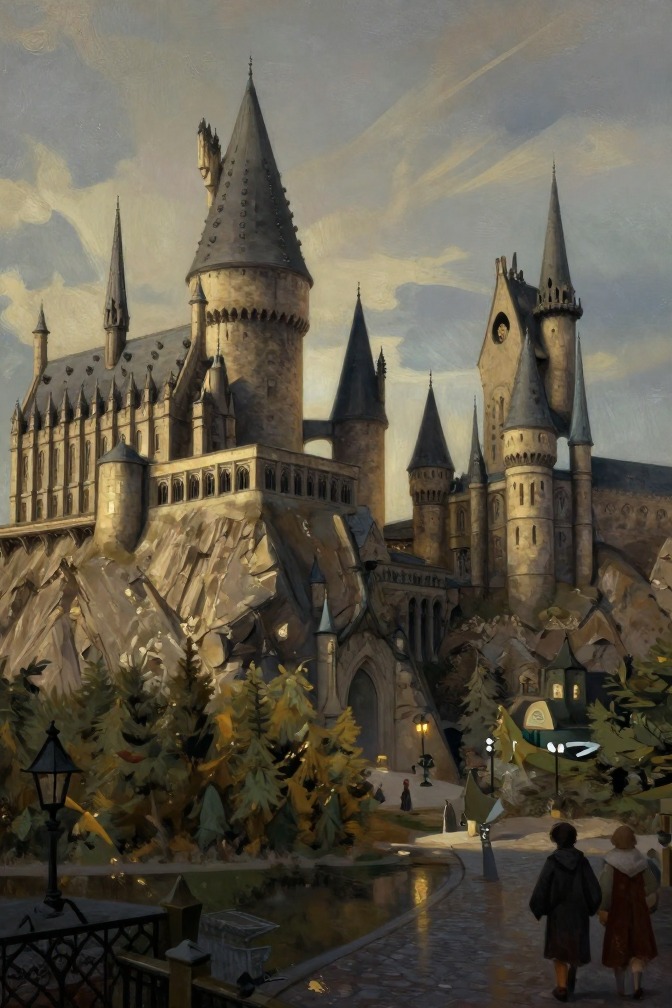
Hogwarts Castle is the central setting of the story, a thousand-year-old magical school founded by the four greatest witches and wizards of the age, and the site of a series of attacks linked to the legendary Chamber of Secrets.
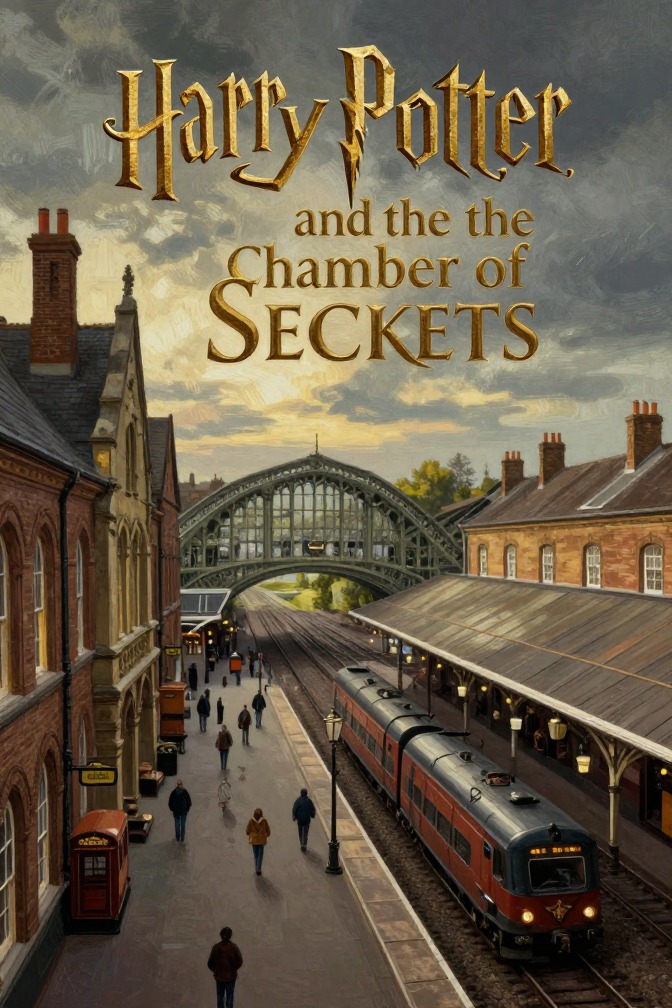
King's Cross Station is the London railway terminus from which the Hogwarts Express departs each term, and the site of the magical barrier to Platform 9¾. In Harry Potter and the Chamber of Secrets, it becomes the stage for a critical failure when the gateway is sealed, forcing Harry and Ron to take the flying Ford Anglia to Hogwarts.
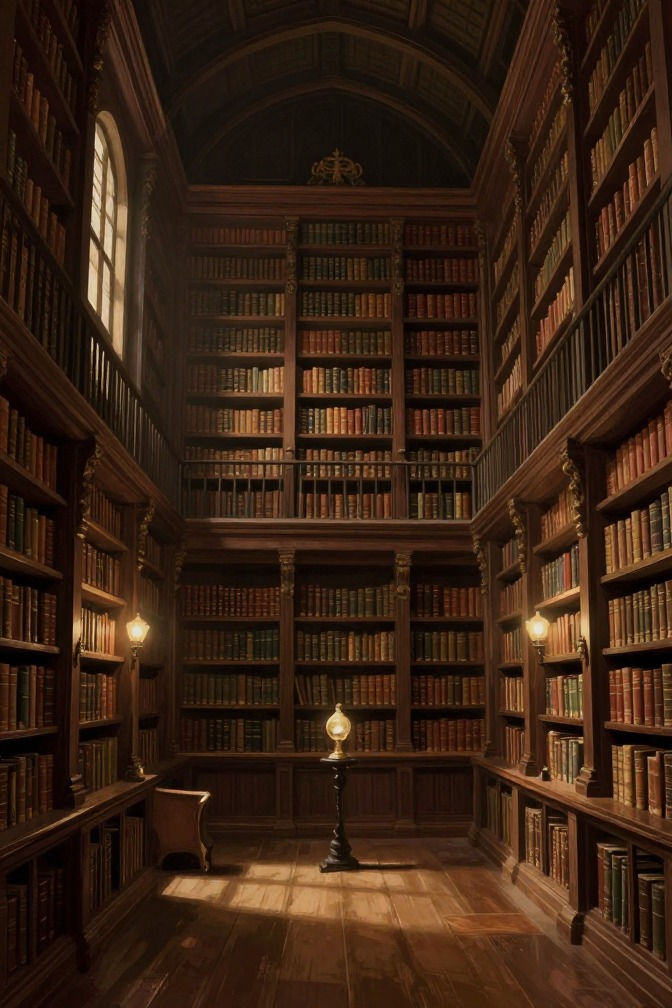
The Library at Hogwarts School of Witchcraft and Wizardry is a central setting in Harry Potter and the Chamber of Secrets, serving as a repository of knowledge, a site of investigation, and a battleground for the suppression and recovery of the school's darkest secrets. It is where Hermione Granger conducts her research into the Chamber of Secrets, where the Polyjuice Potion plan is hatched, and where the truth about the basilisk is ultimately uncovered. The library's Restricted Section holds forbidden texts like Moste Potente Potions, and its atmosphere of quiet order contrasts with the chaos of the attacks, making it a symbolic space of both enlightenment and concealment.
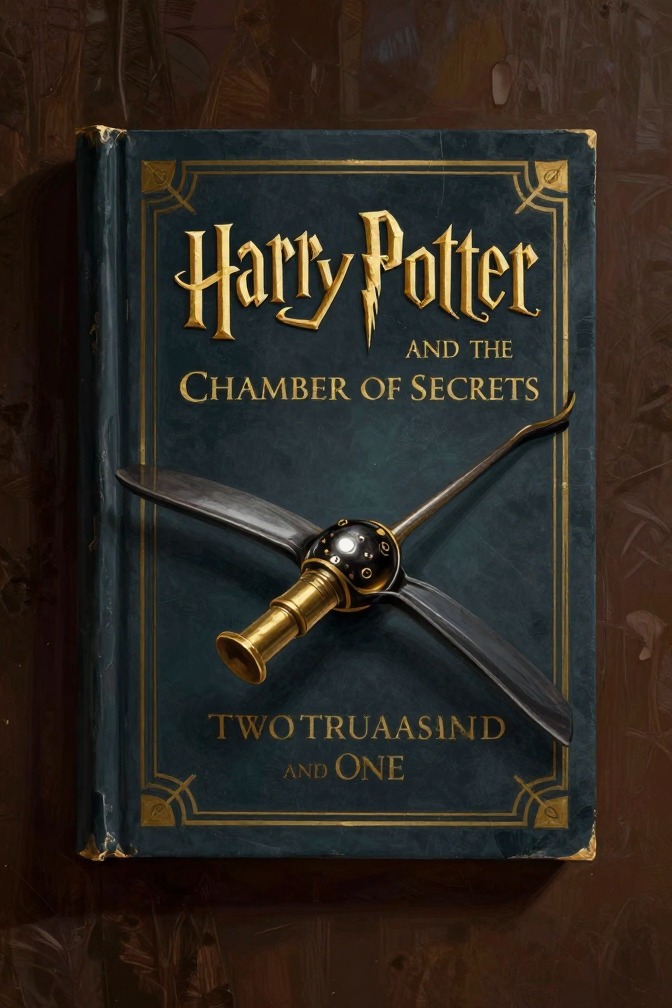
The Nimbus Two Thousand and One is a state-of-the-art racing broom introduced in Harry Potter and the Chamber of Secrets as a gift from Lucius Malfoy to the entire Slytherin Quidditch team, representing a blatant attempt to buy victory and symbolizing the intersection of wealth, corruption, and pure-blood supremacy within the wizarding world's most popular sport.
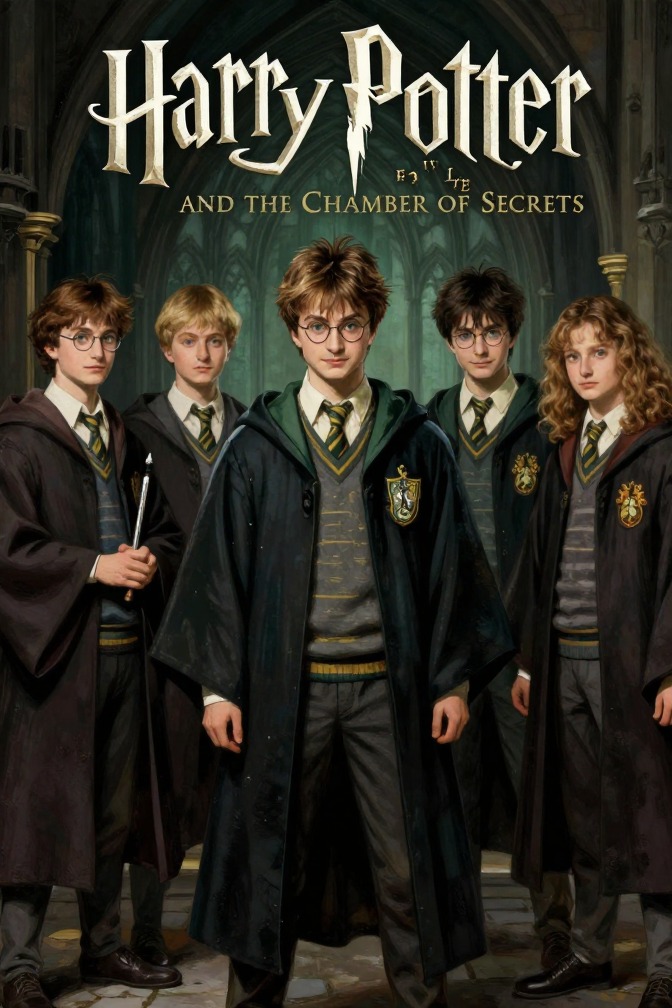
Slytherin is one of the four houses of Hogwarts School of Witchcraft and Wizardry, founded by Salazar Slytherin. It is associated with ambition, cunning, and pure-blood supremacy, and its symbol is a serpent. The house plays a central role in the novel's conflict, as the Chamber of Secrets, a hidden chamber built by Slytherin, is opened by his heir, leading to attacks on Muggle-born students.
The Wing Chapel is the prison chapel within Staja (State Jail) Number 84F, where Alex serves as the stereo operator for Sunday services and private religious study, a role that becomes central to his manipulation of the prison chaplain and his eventual selection for the Ludovico Technique.
Raoul de Chagny, the young Viscount and brother of Count Philippe, is the romantic hero of Gaston Leroux's The Phantom of the Opera. Introduced as a shy, innocent sailor-lad, he falls deeply in love with the opera singer Christine Daae, only to find himself competing with the mysterious and terrifying Erik, the Opera Ghost. His journey from naive devotion to desperate action drives the novel's central conflict, culminating in a daring rescue and a bittersweet escape.
Pierre Aronnax, a professor of natural history at the Paris Museum, is the narrator and protagonist of Twenty Thousand Leagues Under the Sea. A distinguished scientist whose expertise in marine biology leads him to join the hunt for a mysterious sea monster, he becomes an unwilling passenger aboard the Nautilus, where his dual identity as a captive and a scholar drives the novel's central tension between the pursuit of knowledge and the desire for freedom.
Cornelius Fudge, the Minister of Magic, is a portly, politically cautious bureaucrat whose handling of the Sirius Black crisis reveals a pattern of prioritizing public image and institutional convenience over justice, truth, and the safety of individuals like Harry Potter.
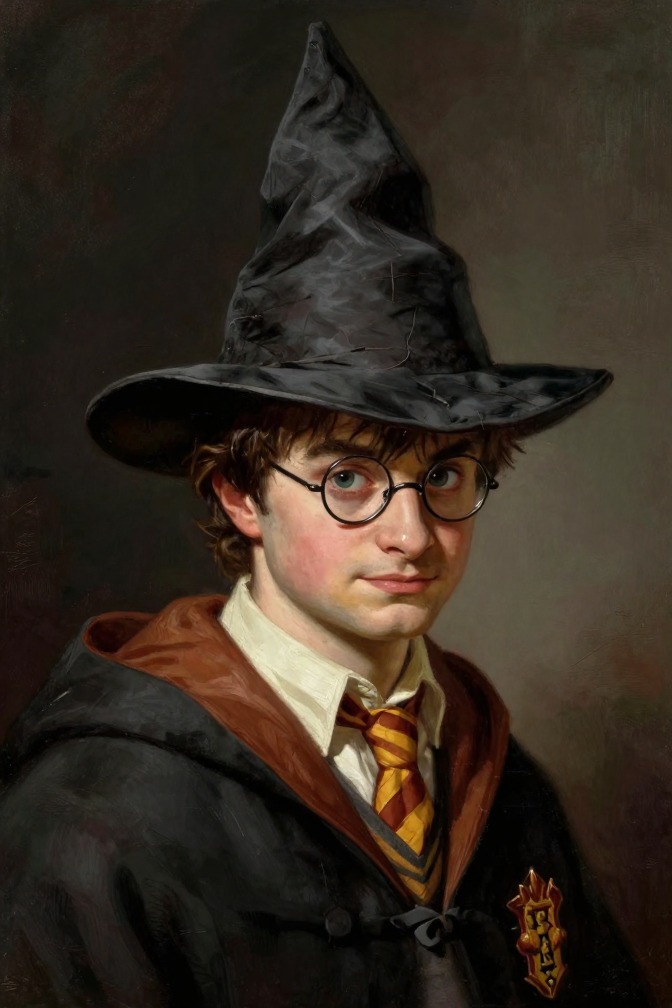
The Sorting Hat is a sentient, ancient magical artifact used at Hogwarts School of Witchcraft and Wizardry to sort new students into one of the four Houses—Gryffindor, Ravenclaw, Hufflepuff, or Slytherin—by reading their minds and desires, and it also plays a symbolic role in the school's traditions and the narrative's exploration of identity and choice.
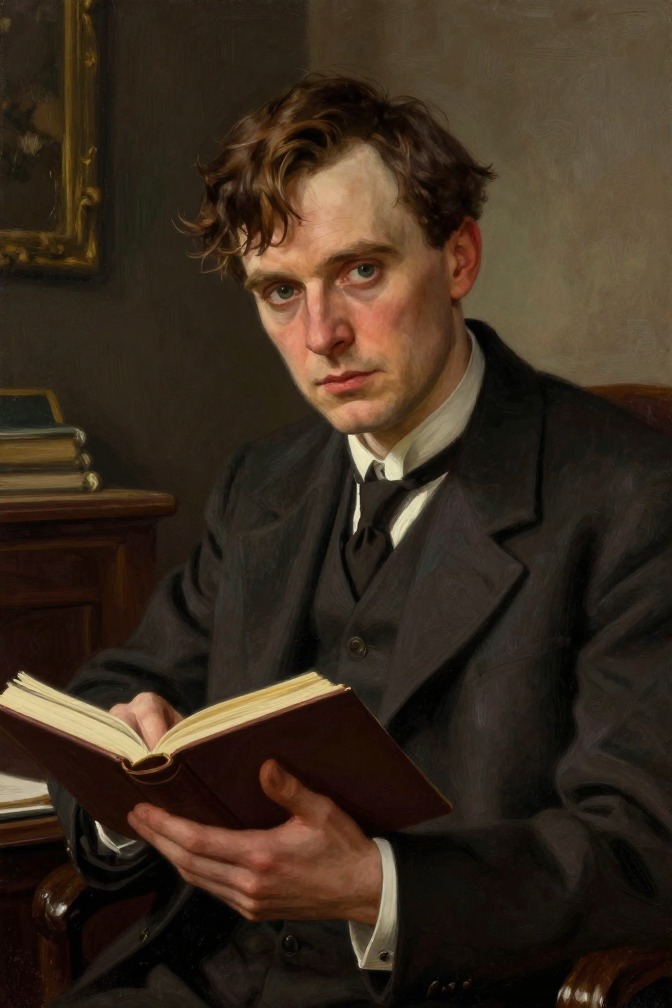
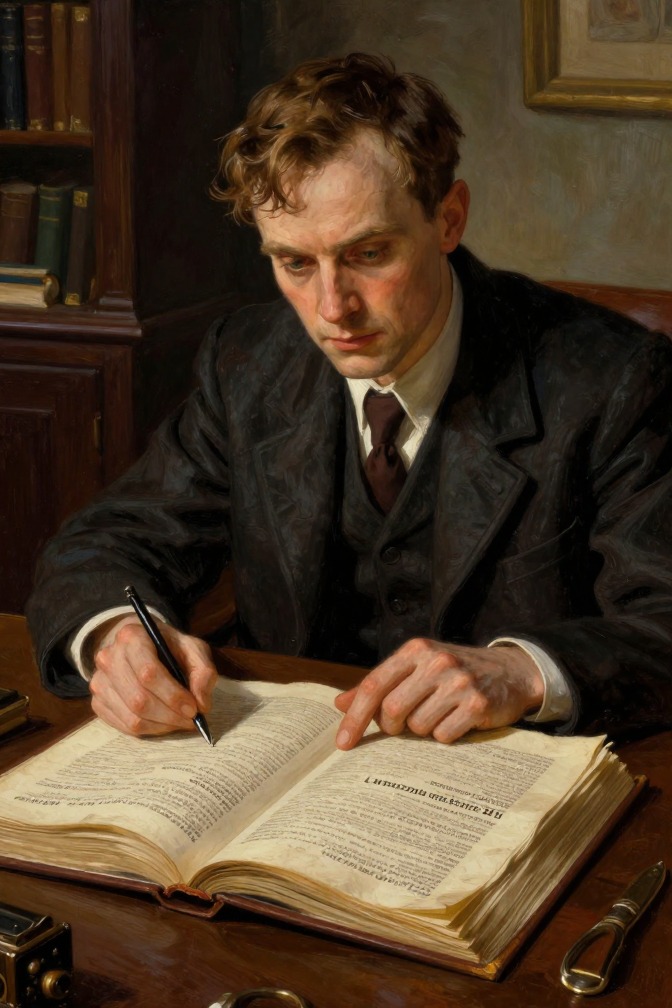
Winston Smith, protagonist of Nineteen Eighty-Four, is an Outer Party worker at the Ministry of Truth who commits thoughtcrime by keeping a diary, falls in love with Julia, and is re-educated in the Ministry of Love until he loves Big Brother. His trajectory from secret rebel to converted believer dramatizes the Party's absolute power over memory, desire and language.
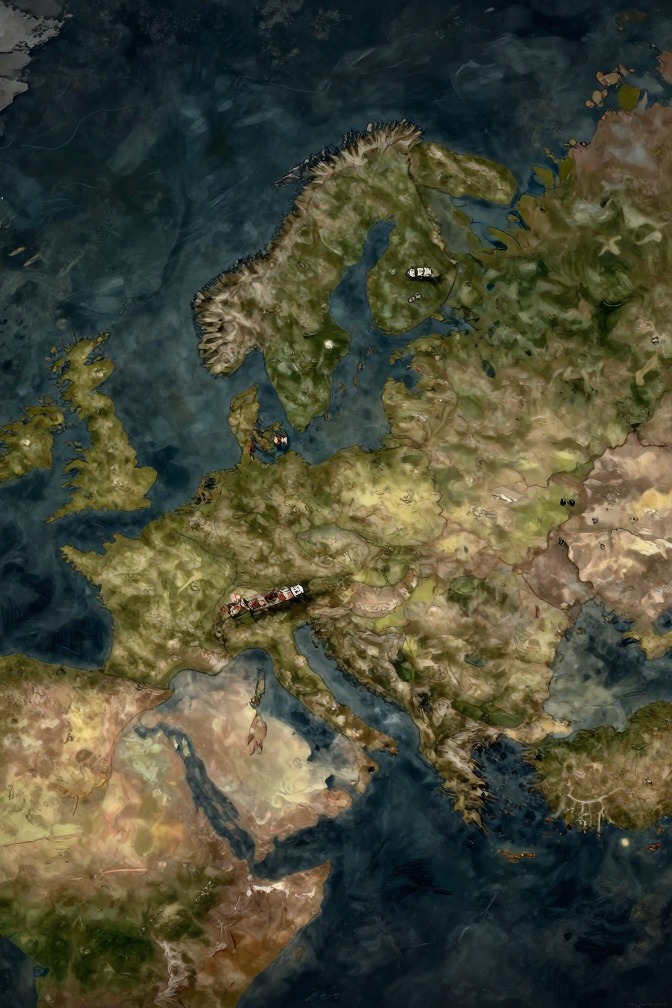
Eastasia is one of the three totalitarian superstates that divide the world in Oceania, alongside Eurasia and Oceania itself. It emerged after a decade of fighting, and its role as a shifting enemy is essential to the Party's perpetual war and control over reality.
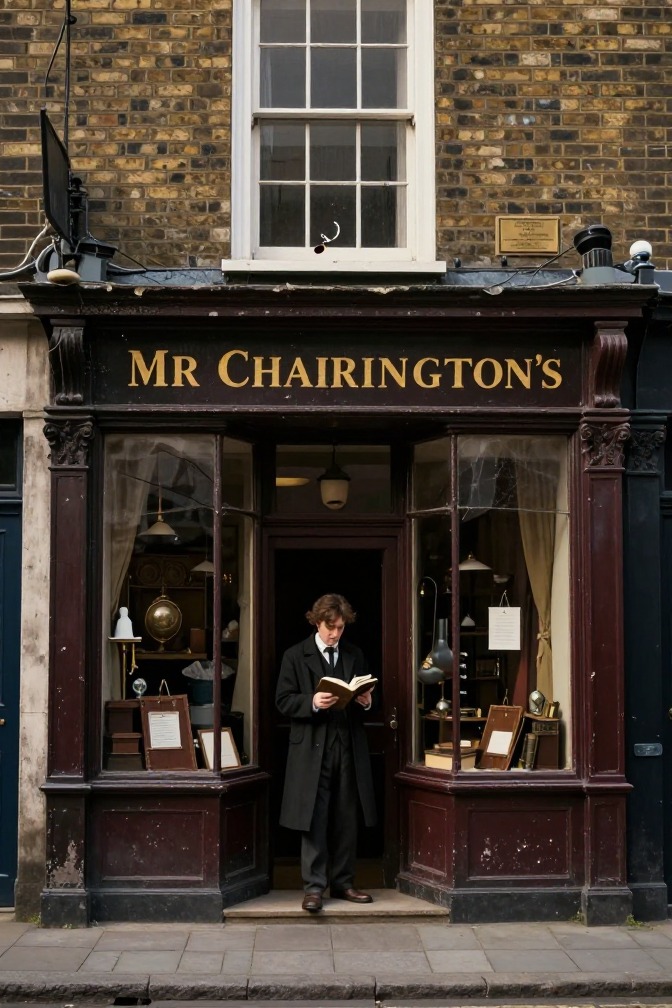
Mr Charrington's shop is the junk shop in a slummy quarter of London where Winston Smith buys the blank book that becomes his Diary, later purchases the Glass Paperweight, and rents the room above the shop for his secret meetings with Julia. Its frail, courteous proprietor, who seems a living relic of the pre-revolutionary past, is in fact a member of the Thought Police, and the room's hidden two-way television is revealed at the moment of the lovers' arrest. The shop is the novel's central irony: the place that appears to preserve the abolished past is the instrument by which the Party destroys those who reach for it.
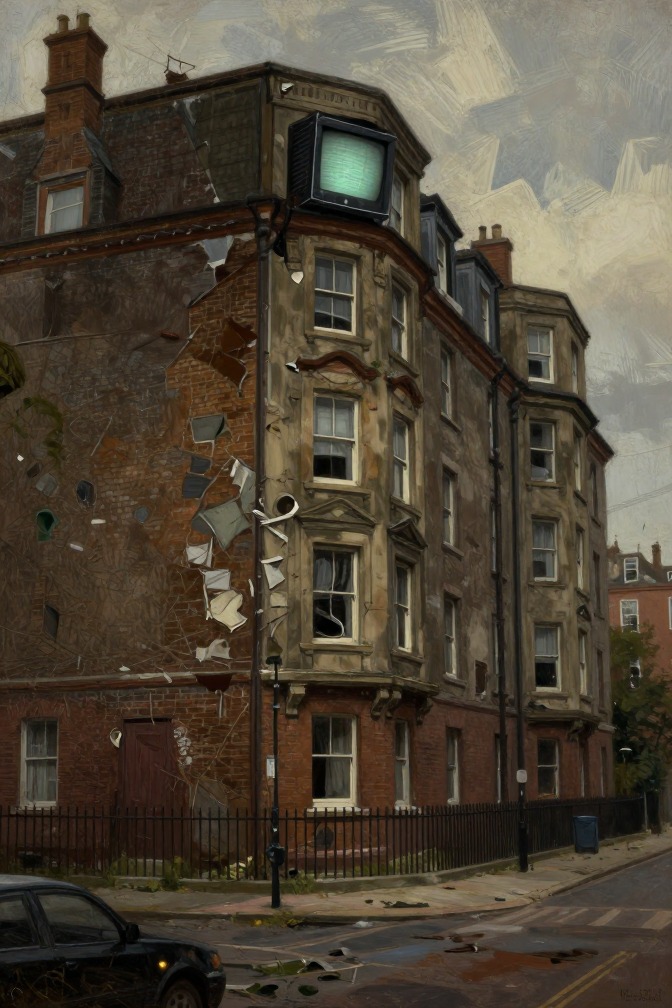
Victory Mansions is the decaying London block of flats, in the Oceania province of Airstrip One, where Winston Smith lives while working at the Ministry of Truth. It is the novel's opening setting and the place where he secretly begins his diary; its decrepit fabric, all-pervasive Big Brother posters and unswitchable telescreens make it the clearest early embodiment of the Party's material failure and psychological control.
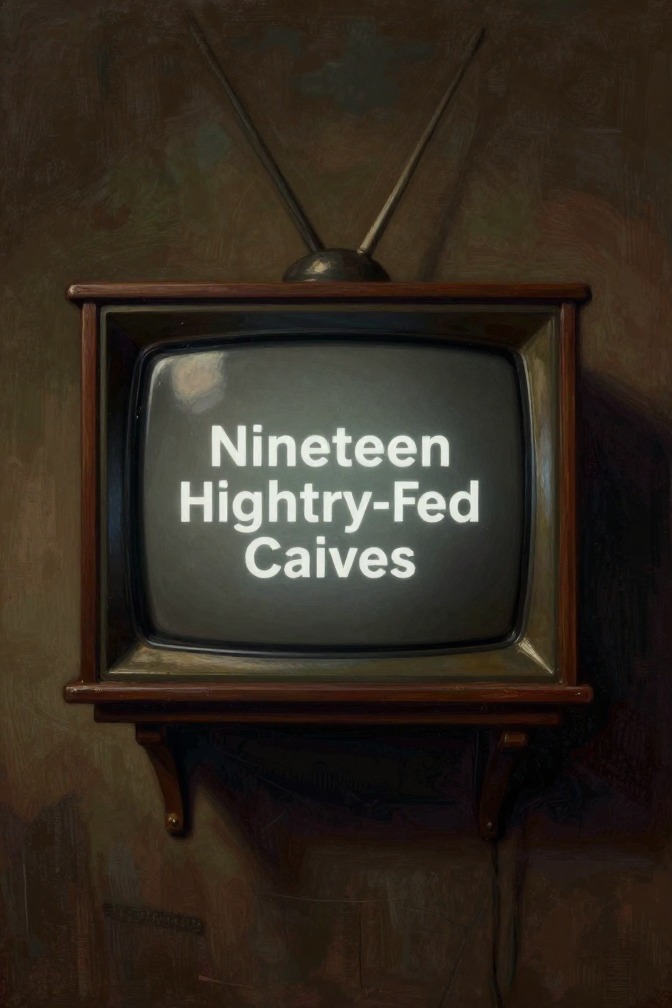
The two-way television, or telescreen, is the ubiquitous surveillance and propaganda device in Oceania, a metal plaque that simultaneously receives and transmits sound and vision, ensuring that Party members are never beyond the reach of the Thought Police and that every moment of their lives is subject to monitoring and control.
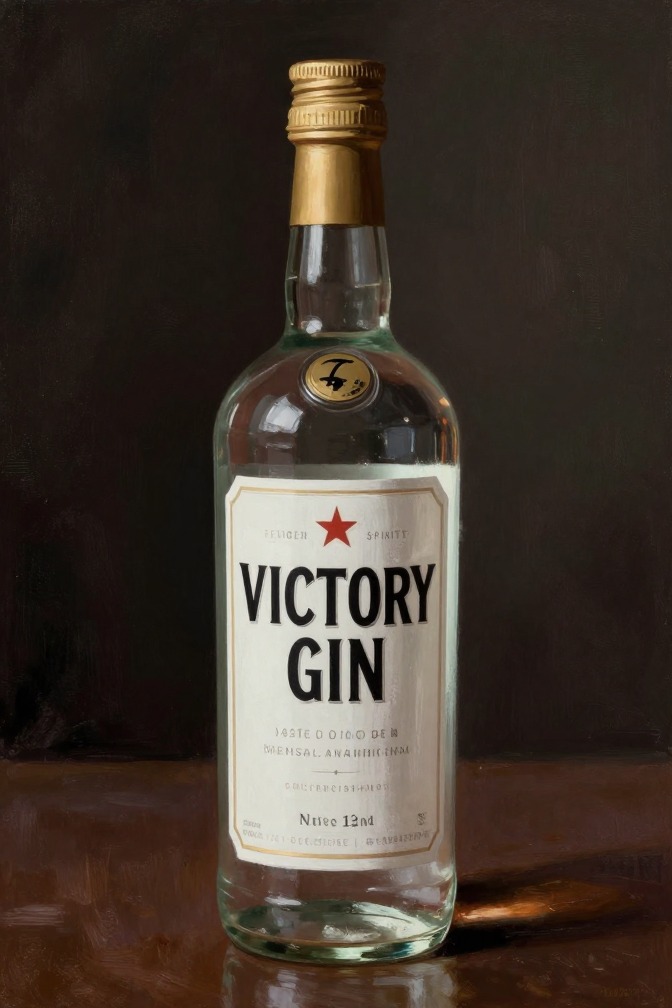
Victory Gin is Oceania's synthetic, state-issued spirit — cheap, colourless and oily — that serves as the default anaesthetic of a society defined by scarcity. It frames Winston Smith's entire trajectory, from the medicinal gulp that precedes his first diary entry to the gin-scented tears of his final surrender to Big Brother, and its clove-scented variant becomes his permanent companion in the Chestnut Tree Café after his destruction.
The rule that the Party controls all records and memories is the foundation of Oceania's power, turning the past into a malleable official truth and ultimately reconfiguring individual consciousness so that Winston Smith ends by loving Big Brother.
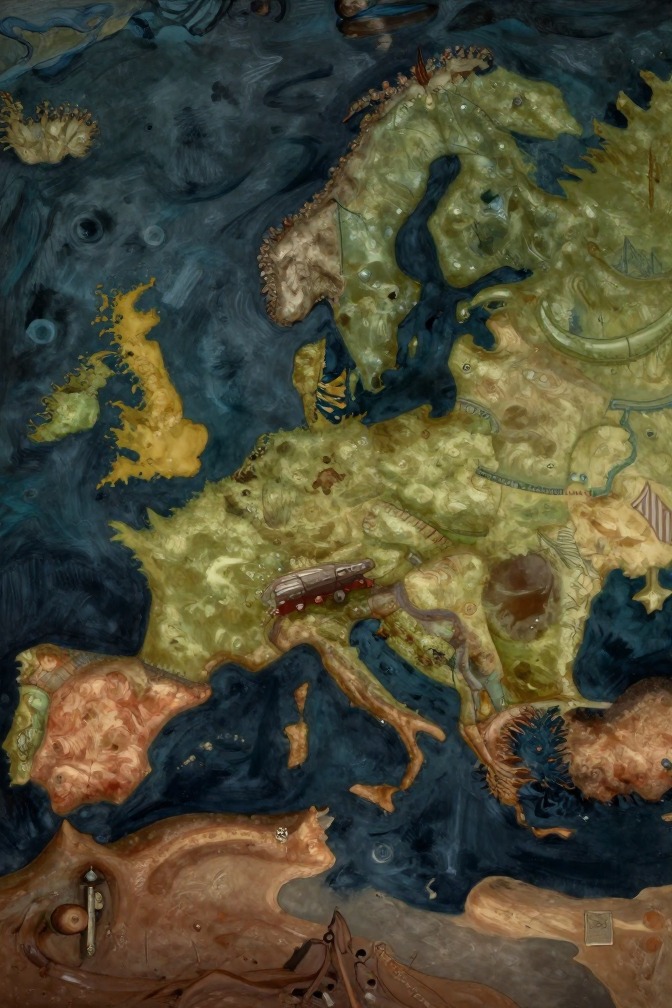
The Superstate of Eurasia is one of the three totalitarian world powers in George Orwell's Nineteen Eighty-Four, encompassing the northern European and Asian landmass from Portugal to the Bering Strait. It is locked in a permanent, inconclusive war with Oceania and Eastasia, and its geopolitical role is rooted in Mackinder's Heartland theory, which Orwell explicitly engaged with. Eurasia functions as a perpetual enemy and mirror of Oceania, embodying the same oligarchical structure and ideological control, and its existence is essential to the Party's maintenance of power through continuous war hysteria.
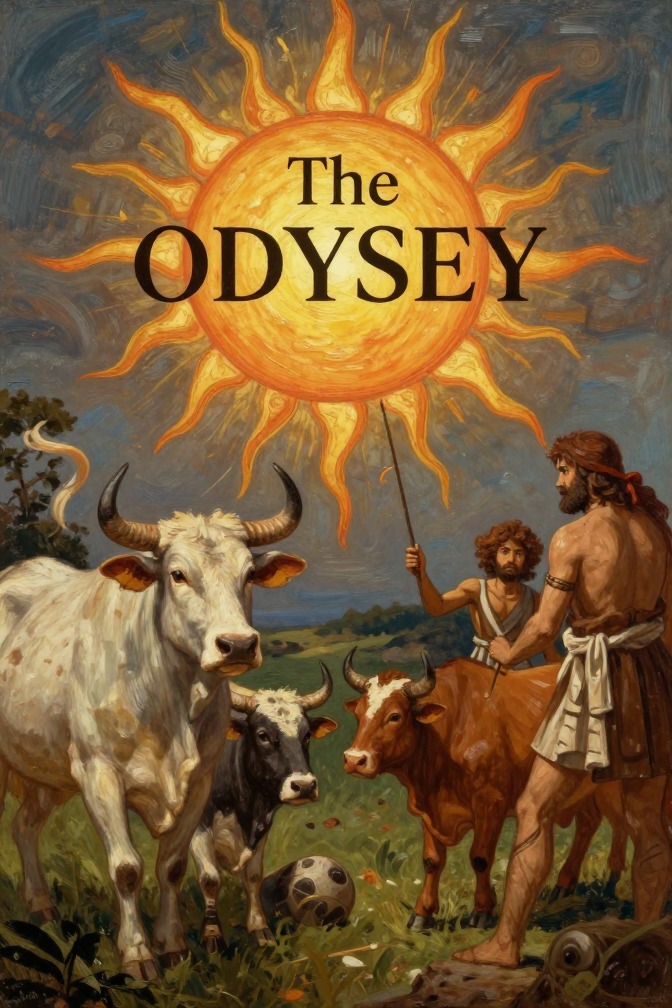
The Slaughter of the Sun's Cattle is the pivotal transgression in Odysseus's homeward voyage, a direct violation of the divine prohibition that triggers the destruction of his entire crew and seals his final, solitary return to Ithaca. Driven by starvation and the mutinous counsel of Eurylochus, Odysseus's men kill and eat the sacred herds of Helios on the Thrinacian island, an act that brings down the god's wrath and Jove's thunderbolt, annihilating every companion and leaving Odysseus to drift alone to Calypso's island.
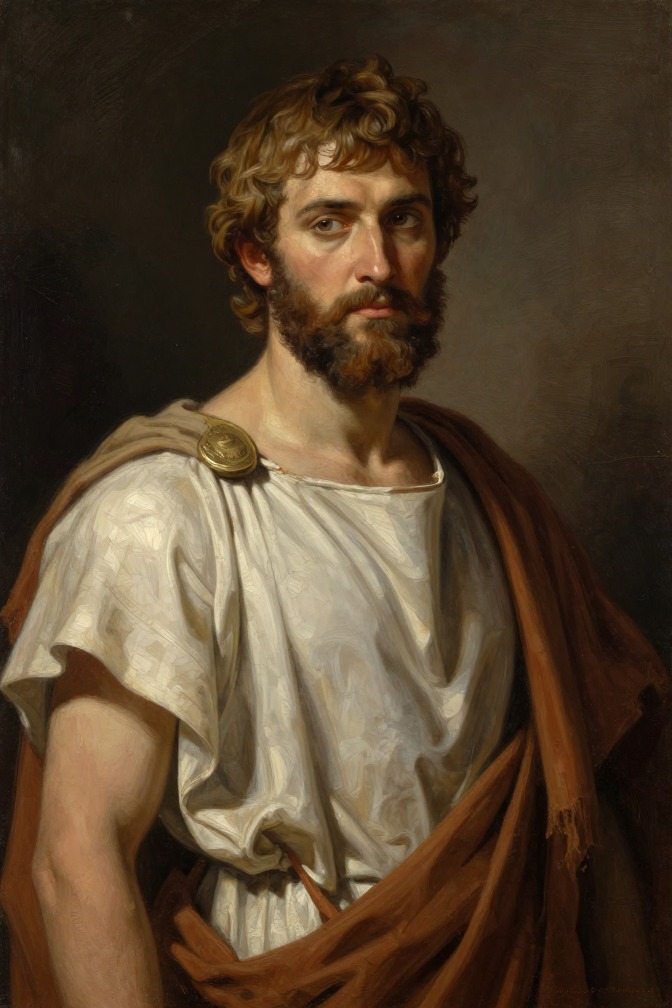
Aegyptius is an aged Ithacan elder who speaks first at the assembly Telemachus convenes in Book II, expressing cautious hope that the long-neglected gathering may bring good news, and whose personal grief over a son lost in the Cyclops' cave underscores the human cost of Odysseus's voyage.
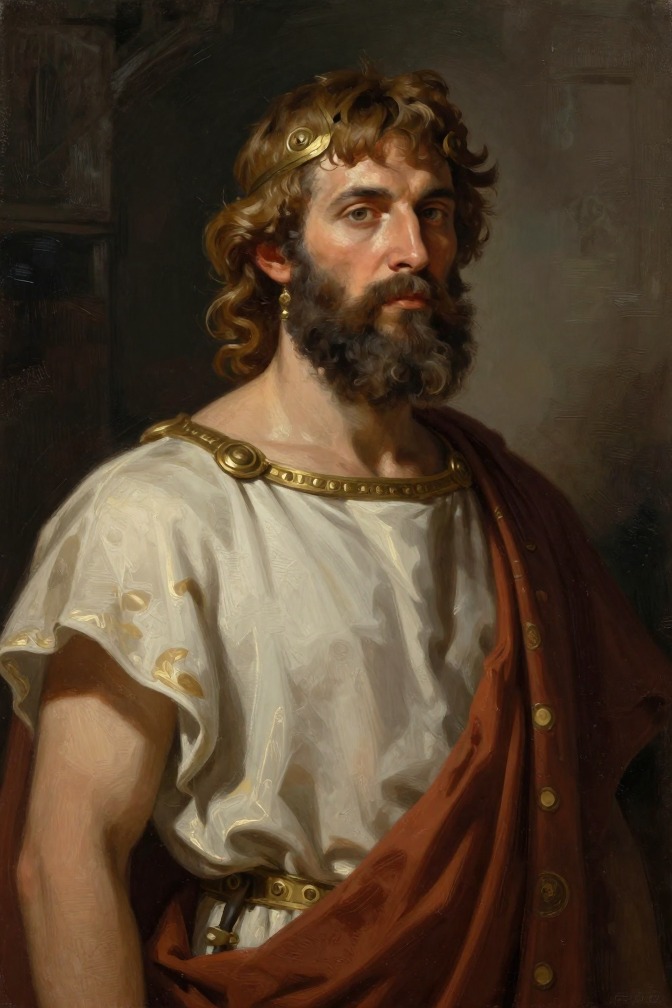
Alcinous, the king of the Phaeacians, is the gracious host who receives Odysseus after his shipwreck and provides him with the ships and treasure that finally return him to Ithaca, acting as the crucial agent of the hero's homecoming.
Amphiaraus is a seer and warrior from Argos, a figure from the generation before the Trojan War, whose story is told within the Odyssey as part of the lineage of the prophet Theoclymenus and as a tragic example of a man undone by a woman's greed.
Amphion is a son of Zeus and Antiope, who together with his twin brother Zethus founded the city of Thebes and built its famous seven-gated wall. His story is briefly recounted by Odysseus during his visit to the underworld, where he appears among the ghosts of famous women.