The tarpaulin is a large sheet of waterproof canvas that serves as the Joad family's primary shelter, tent, and protective covering throughout their journey from Oklahoma to California in The Grapes of Wrath. It functions as a mobile home, a burial shroud, a barrier against the elements, and a symbol of the family's precarious existence, appearing in nearly every stage of their migration and adapting to each new crisis.
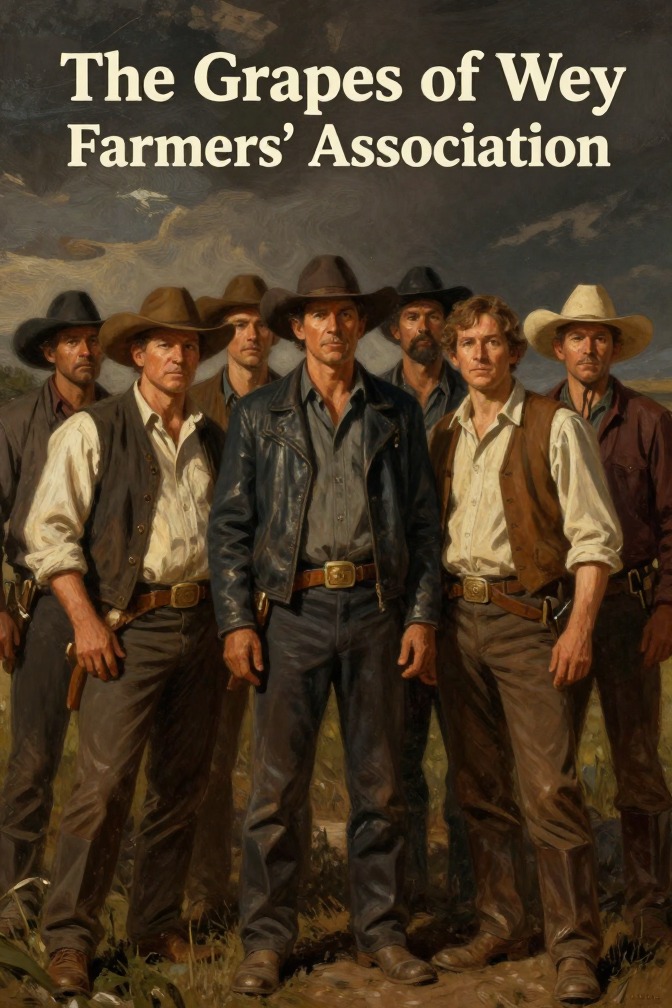
The Farmers' Association is the organized body of large agricultural landowners in California that functions as the primary instrument of economic control and labor suppression in the novel. It sets wages, coordinates the repression of migrant workers, and acts as the local arm of the Bank of the West, embodying the impersonal, profit-driven system that dispossesses and oppresses the Joad family and thousands like them.
Jim Casy, the former preacher who abandoned organized religion for a philosophy of universal human solidarity, becomes the de facto leader of a strike by peach pickers at the Hooper ranch, a role that directly leads to his murder by vigilantes and, in turn, galvanizes Tom Joad's transformation into a committed activist.
Ma Joad and Rose of Sharon share a mother-daughter relationship that evolves from Ma's protective, stabilizing authority into a profound, wordless communion, culminating in Rose of Sharon's sacrificial act of breastfeeding a starving stranger—a moment Ma enables and sanctifies, transforming her daughter's grief into a gesture of collective survival.
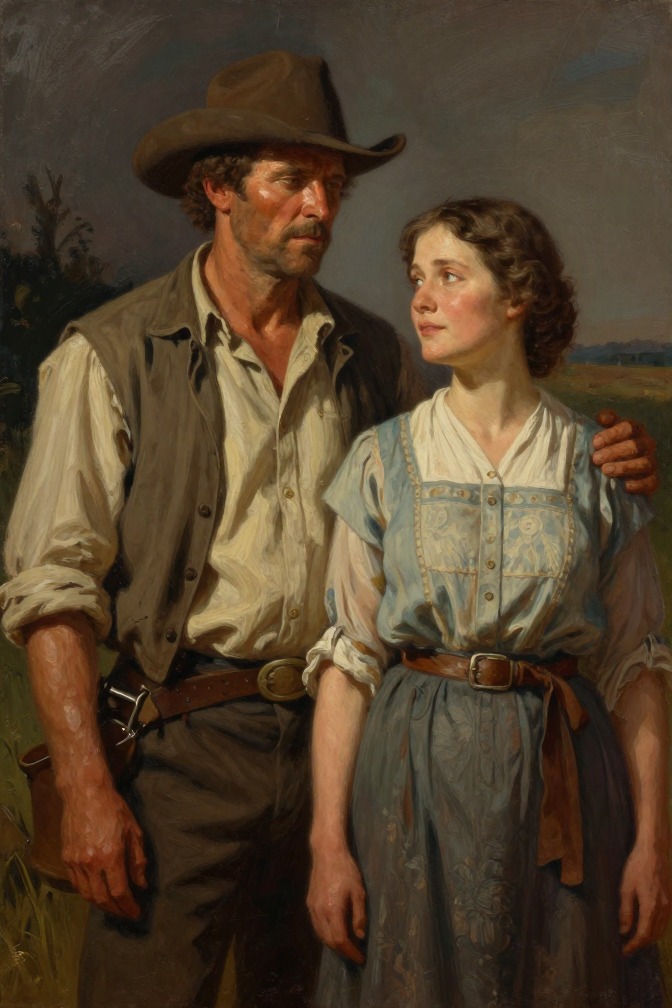
Pa Joad and Ma Joad are the husband-and-wife heads of the Joad family, whose relationship undergoes a profound shift in power and authority as the family is driven off their land and forced to migrate to California. Initially, Pa holds the nominal role of family leader, but as the journey strips him of his economic purpose and confidence, Ma increasingly becomes the family's emotional and practical center, wielding a quiet but decisive authority that Pa ultimately accepts.
The Joad family's relationship with deputy sheriffs is a central, escalating conflict in *The Grapes of Wrath*, embodying the systemic hostility between California's entrenched power structure and the displaced migrant workers. From the first encounter at the Needles river camp to the armed roadblock outside Bakersfield and the violent suppression of the peach pickers' strike, the deputies function as the enforcers of an economic order that criminalizes poverty and hunger. This relationship transforms the Joads from bewildered newcomers into hardened survivors, and it directly precipitates the novel's most violent acts: Jim Casy's fatal arrest and Tom Joad's retaliatory killing of a vigilante.
The California border patrol represents the institutional enforcement of exclusionary policies against Dust Bowl migrants, functioning as a legal barrier that transforms the promise of the West into a controlled, hostile border. Through agricultural inspection stops, license checks, and physical turnbacks, the patrol embodies the state's effort to regulate the flow of desperate families and to criminalize their movement.
The Dust Bowl is the catastrophic environmental disaster of the 1930s that destroyed the agricultural base of the Southern Plains, driving hundreds of thousands of tenant farmers and sharecroppers—including the Joad family—off their land and onto the migrant road to California. It functions in the novel as both the literal cause of the exodus and a central symbol of ecological and economic collapse.
The 1940s mark the decade in which John Steinbeck's *The Grapes of Wrath* achieved its initial commercial and critical success, won the Pulitzer Prize, was adapted into a landmark film, and became a cornerstone of the author's eventual Nobel Prize, while also cementing its status as one of the most controversial and enduring works of American fiction.
The 20th century is the historical epoch in which John Steinbeck wrote and set The Grapes of Wrath, a period defined by the Great Depression, the Dust Bowl, and the mass migration of dispossessed farmers from the American Plains to California. The novel, published in 1939, both reflects and critiques the economic and social upheavals of its time, and its reception and legacy have been shaped by the shifting literary and cultural values of the century.
Max Perkins as a dedicatee refers to the dedication of Ernest Hemingway's *The Old Man and the Sea* to Max Perkins, Hemingway's longtime editor and friend, whose influence and support shaped the author's career. The dedication, appearing alongside one to Charlie Shribner, signals the profound professional and personal bond between writer and editor, a relationship that undergirds the novel's themes of loyalty, endurance, and the solitary struggle for meaning.
In The Old Man and the Sea, baseball functions as a vital cultural and psychological link for Santiago, connecting him to the wider world, to his own past, and to the ideals of heroism and endurance he strives to embody.
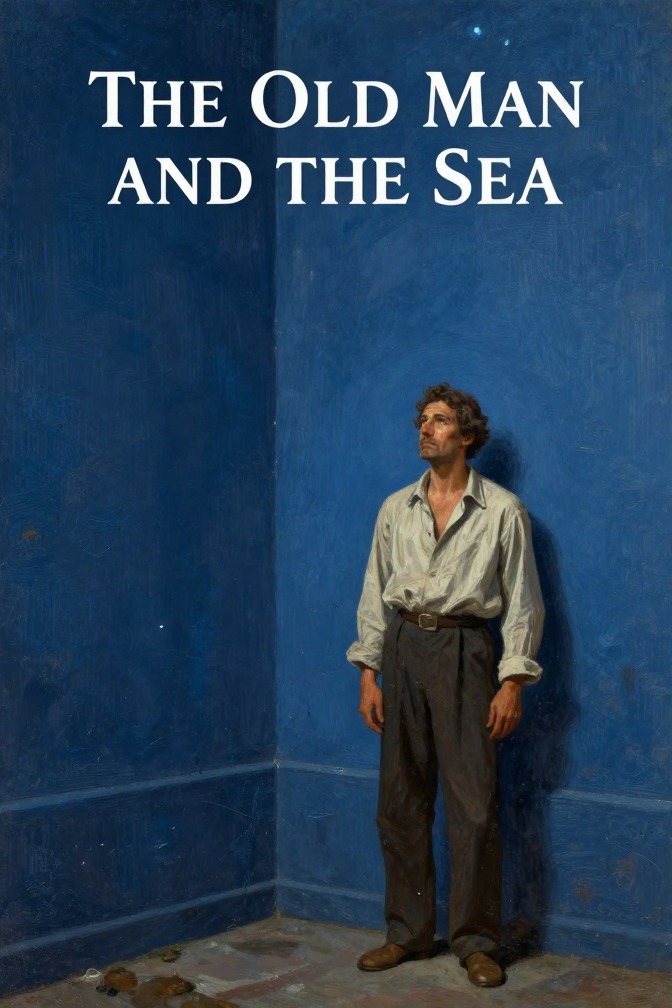
The blue walls are the painted wooden walls of the room in Casablanca where Santiago, as a young man known as Santiago El Campeon, defeated the strongest man on the docks in a legendary hand game that lasted from a Sunday morning to a Monday morning, establishing his reputation for unbreakable will and physical strength.
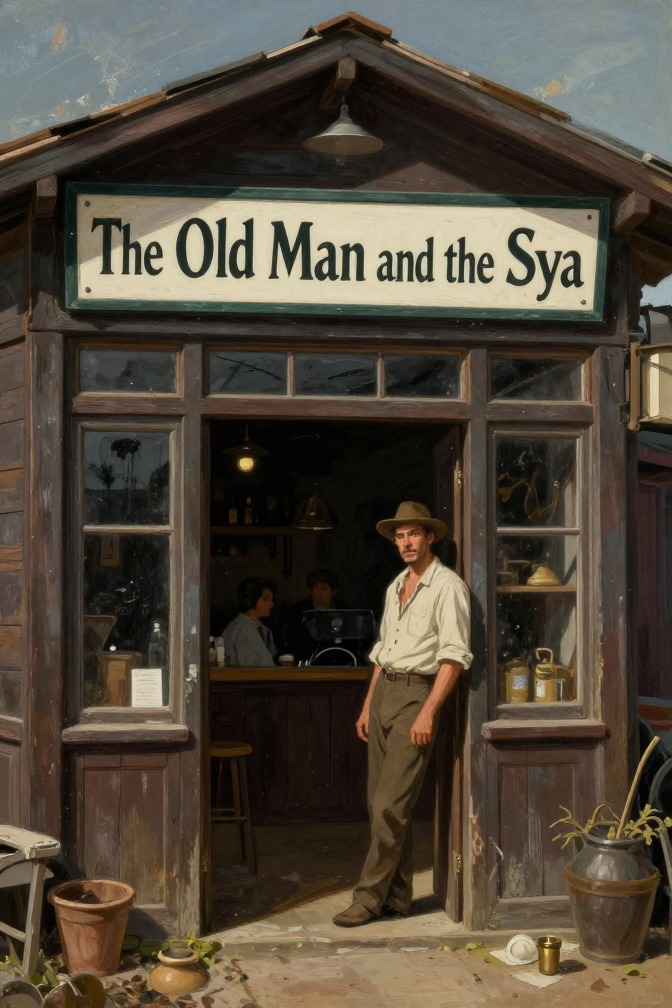
The bodega as a source is a recurring concept in The Old Man and the Sea, representing a modest but vital node of community exchange and material support for Santiago, the old fisherman. It is the place where he receives a newspaper from Perico, a gift that connects him to the wider world of baseball and current events, and it stands in contrast to the more formal economic transactions of the Terrace and the fish market. The bodega embodies the informal, reciprocal economy of the fishing village, where small acts of giving sustain dignity and hope.
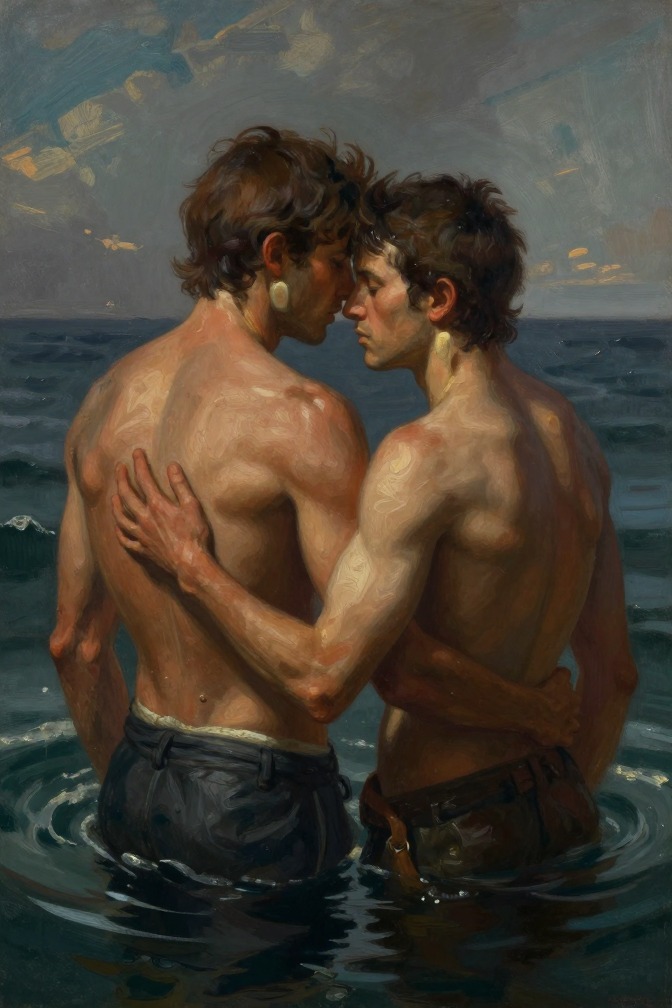
The brotherhood of the sea is a central concept in The Old Man and the Sea, expressing Santiago's profound sense of kinship with the natural world—especially the marlin, the porpoises, the flying fish, and the sea itself—a bond that transcends the violence of fishing and frames his struggle as a relationship of mutual respect, love, and tragic necessity.
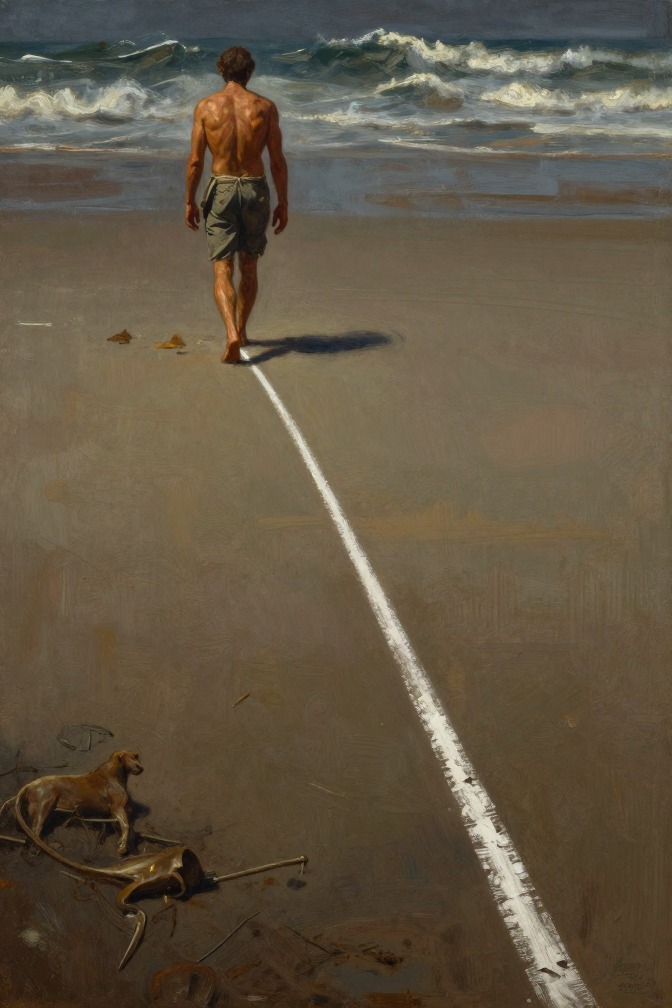
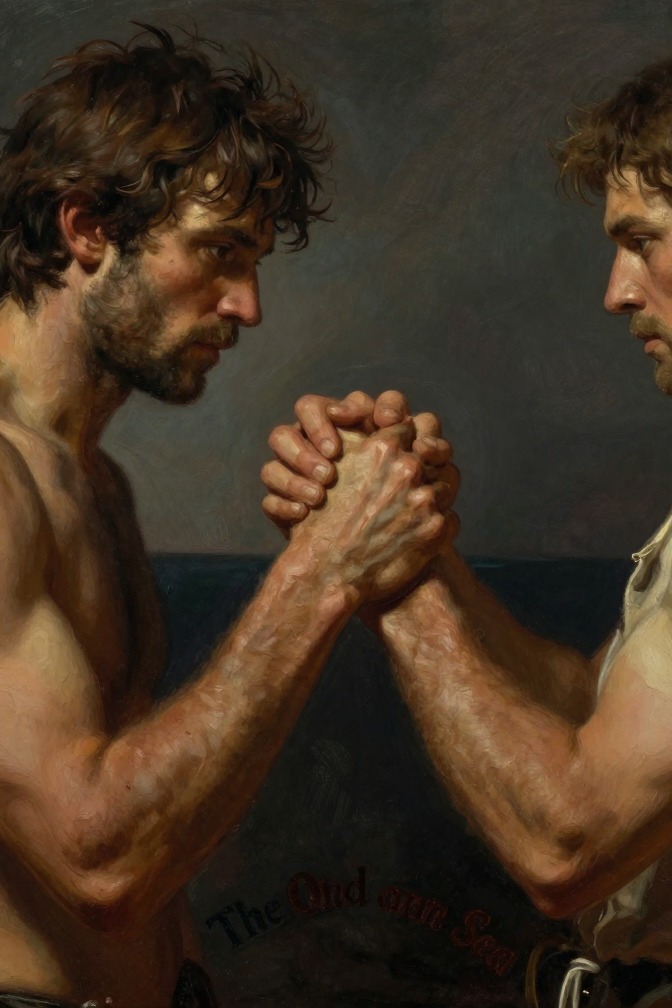
The chalk line is a minor but symbolically charged object in The Old Man and the Sea, appearing in Santiago's memory of his legendary arm-wrestling match with the great negro from Cienfuegos. It marks the boundary of a contest that tested pure strength and will, and its recollection serves as a touchstone of Santiago's past glory and his enduring resolution.
The champion is a title earned by Santiago in his youth after winning an arm-wrestling match against the strongest man on the docks in Cienfuegos, a victory that defined his identity as Santiago El Campeon and became a touchstone of his physical and spiritual endurance in old age.
The current as a worker is a central concept in The Old Man and the Sea, representing the ocean's active, laboring force that Santiago relies on, cooperates with, and respects as a fellow participant in the struggle of fishing.
The cycle of life in *The Old Man and the Sea* is a relentless, interlocking system of predation, sustenance, and decay that binds all creatures of the sea—and the old man himself—into a single, tragic brotherhood. Santiago kills the marlin he loves, feeds on its flesh to survive, and watches sharks devour its carcass until only a skeleton remains, a process that mirrors the daily rhythms of the ocean and the economic realities of the fishing village. The concept is not abstract but enacted through every action: the old man eats raw fish to maintain his strength, the sharks consume the marlin's meat, the fishermen butcher their catch for market, and the skeleton is finally mistaken for a shark's tail by a tourist. This cycle denies any permanent victory, yet within its brutal logic, Santiago finds dignity, kinship, and a form of transcendence.
The dream of the lions is a recurring, deeply symbolic motif in Ernest Hemingway's *The Old Man and the Sea*, representing Santiago's lost youth, his connection to a primal and innocent past, and his enduring, undefeated spirit. It serves as a counterpoint to the old man's present suffering and isolation, appearing at crucial moments of exhaustion and despair to offer solace and a vision of a world beyond struggle.
The fisherman who measured is a minor but symbolically significant figure who appears at the end of the novella to quantify the marlin's skeleton, transforming Santiago's epic catch into a measurable object and underscoring the community's recognition of the old man's achievement.
In Ernest Hemingway's *The Old Man and the Sea*, the galanos (shovel-nosed sharks) are portrayed as scavengers and killers, embodying the destructive, mindless forces of the sea that consume the old man's prize marlin and ultimately defeat him.
The green turtles are a recurring presence in Santiago's thoughts and memories, representing resilience, endurance, and a natural cycle of life that he deeply respects and identifies with.
The hand game as a test of strength is a defining episode in Santiago's past, a legendary arm-wrestling match in a Casablanca tavern that earned him the title of The Champion and established the physical and psychological template for his later struggle with the marlin, proving that will and endurance can overcome even the strongest opponent.
The hawks are a recurring predatory presence in the old man's consciousness, representing the natural cruelty of the sea and the constant threat that hangs over the smaller, more delicate creatures of the ocean, including the tired warbler that briefly visits Santiago's fishing line.
The party of tourists appears at the very end of the novel, providing a final, ironic contrast to Santiago's epic struggle. They misidentify the great marlin's skeleton as that of a shark, revealing the vast gulf between the fisherman's profound, private ordeal and the outside world's superficial understanding.
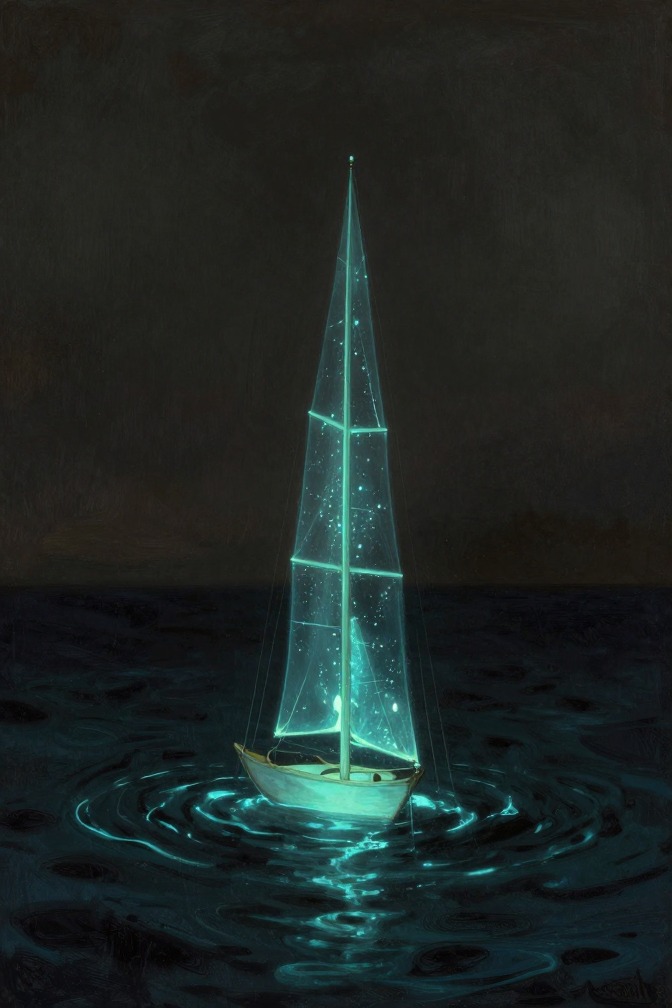
The phosphorescence as a sign is a recurring natural phenomenon in the Gulf Stream that serves as a visual marker of life, movement, and the ocean's hidden processes, appearing during the old man's journey and linking him to the sea's rhythms.
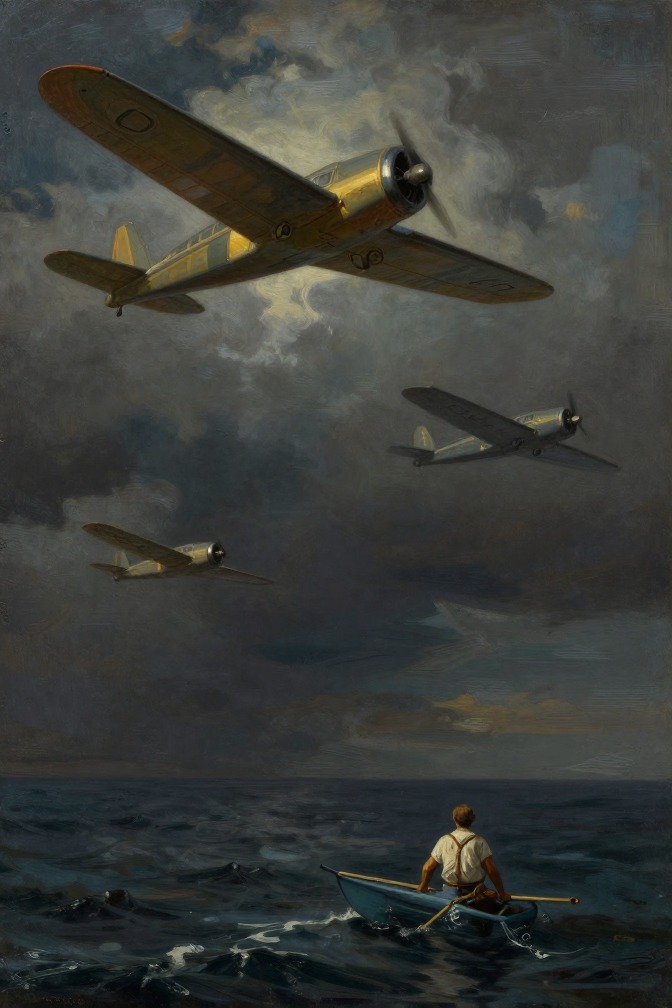
The planes in The Old Man and the Sea serve as a distant, technological presence that contrasts with Santiago's solitary, elemental struggle, appearing as a search tool during his ordeal and as a symbol of the modern world's indifference to his epic journey.
Martin, the proprietor of the Terrace, is a generous benefactor to Santiago and Manolin, providing meals and beer without expectation of immediate return, and his actions underscore the community's respect for the old fisherman.
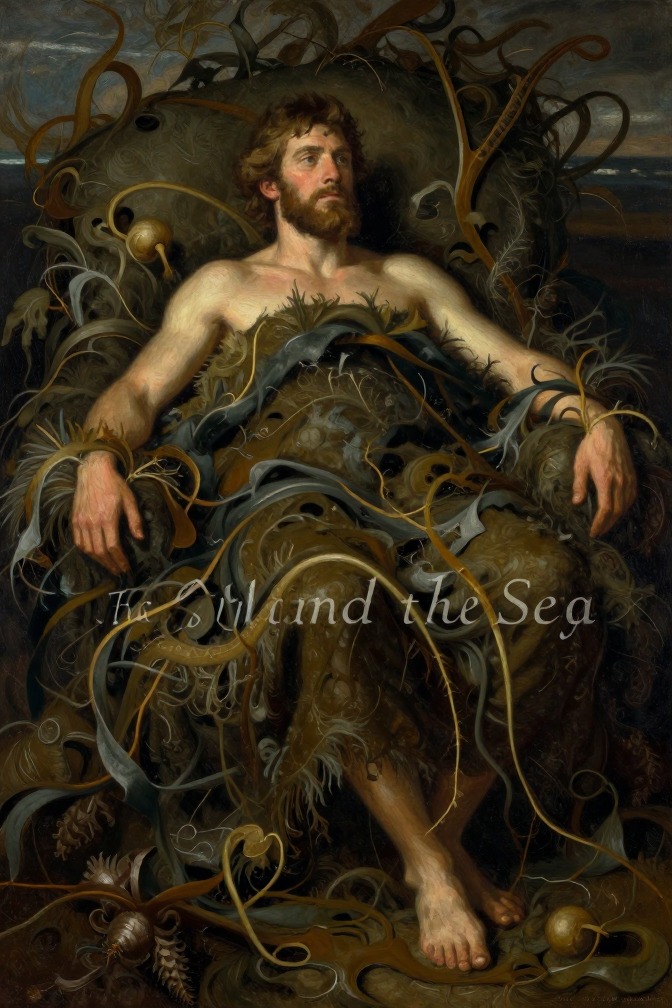
The Sargasso weed as a blanket is a recurring image in Ernest Hemingway's *The Old Man and the Sea*, serving as a natural element that both comforts and signals the old man's isolation. It appears as a physical object—a patch of yellow, sun-bleached weed on the sea—and as a metaphor for the protective yet fragile covering that Santiago, the old man, uses to cushion the fishing line against his shoulders. The weed's presence marks the passage of time, the state of the sea, and the old man's dwindling hope, ultimately becoming a symbol of the natural world's indifference and the transient nature of his struggle.