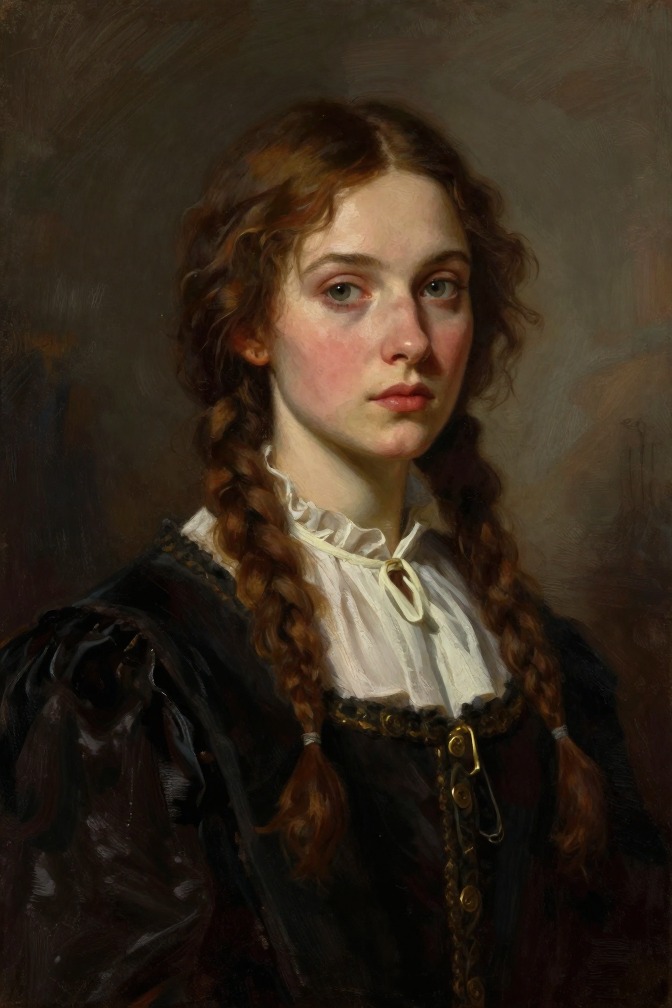
Anfisa is the long-time, devoted housekeeper of Anna Frantsevna de Fougeray in the ill-fated Apartment No. 50 on Sadovaya Street. She is a pious and superstitious woman who becomes the last known occupant of the apartment before its string of mysterious disappearances, and her own vanishing marks the final stage of the apartment's malignant reputation.
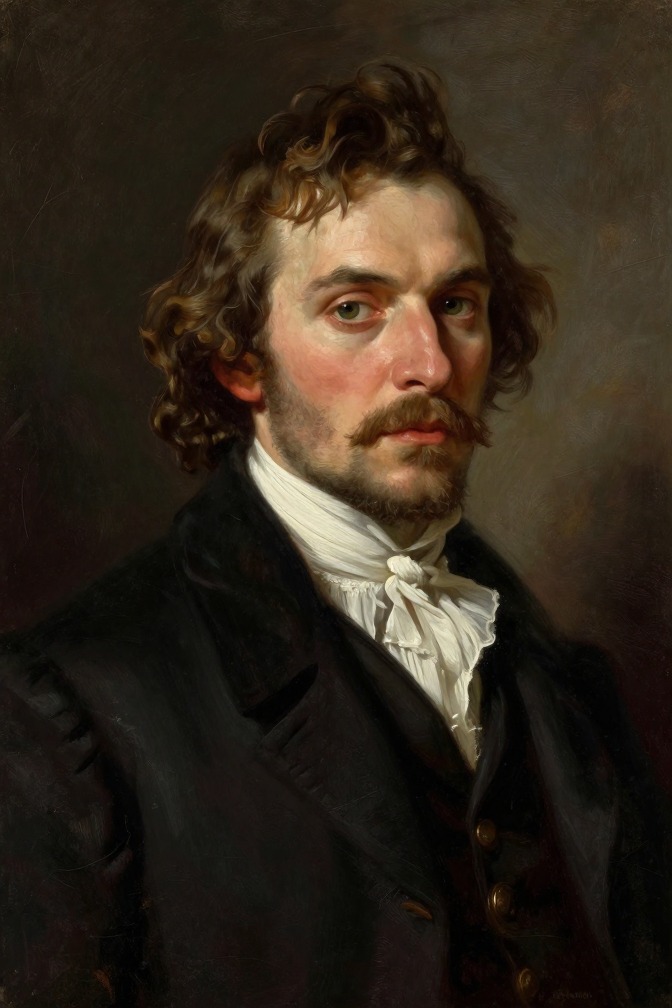
Arkady Apollonovich Sempleyarov is the chairman of the Acoustics Commission of the Moscow theatres, a pompous and hypocritical official whose public exposure during Woland's black magic seance at the Variety Theatre serves as a devastating satire of Soviet bureaucratic corruption and moral hypocrisy.
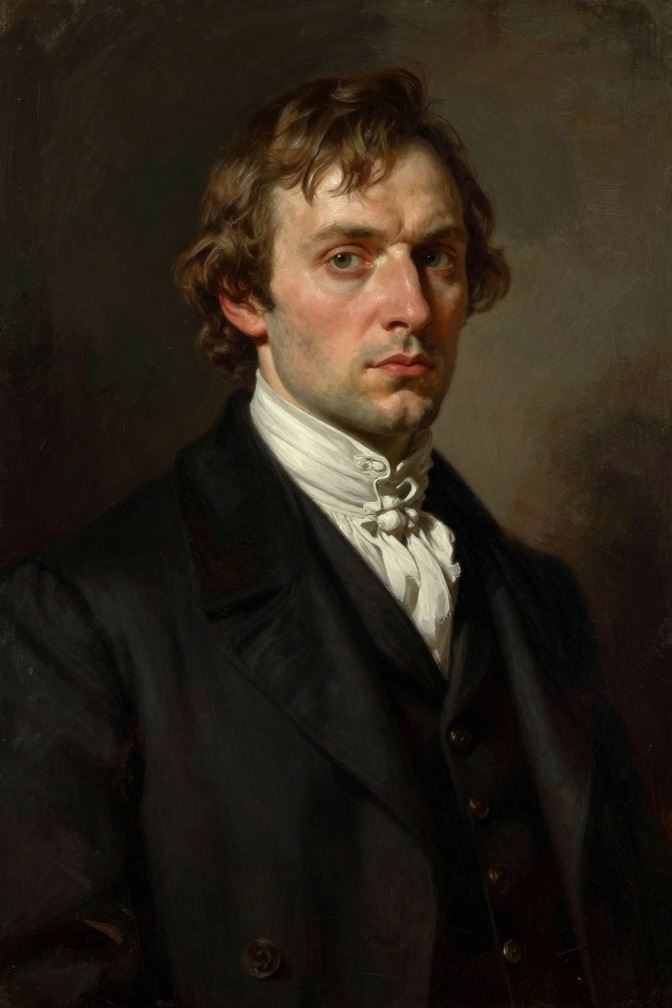
Mikhail Alexandrovich Berlioz is the editor of a fat literary journal and chairman of the board of Massolit, the major Moscow literary association. His death at the Patriarch's Ponds, predicted by the mysterious foreigner Woland, sets the entire Moscow plot of The Master and Margarita in motion. Berlioz embodies the official, atheistic Soviet intelligentsia, and his sudden, gruesome end serves as the novel's first demonstration of the supernatural forces that have arrived to disrupt the mundane, terrorized reality of Stalinist Moscow.
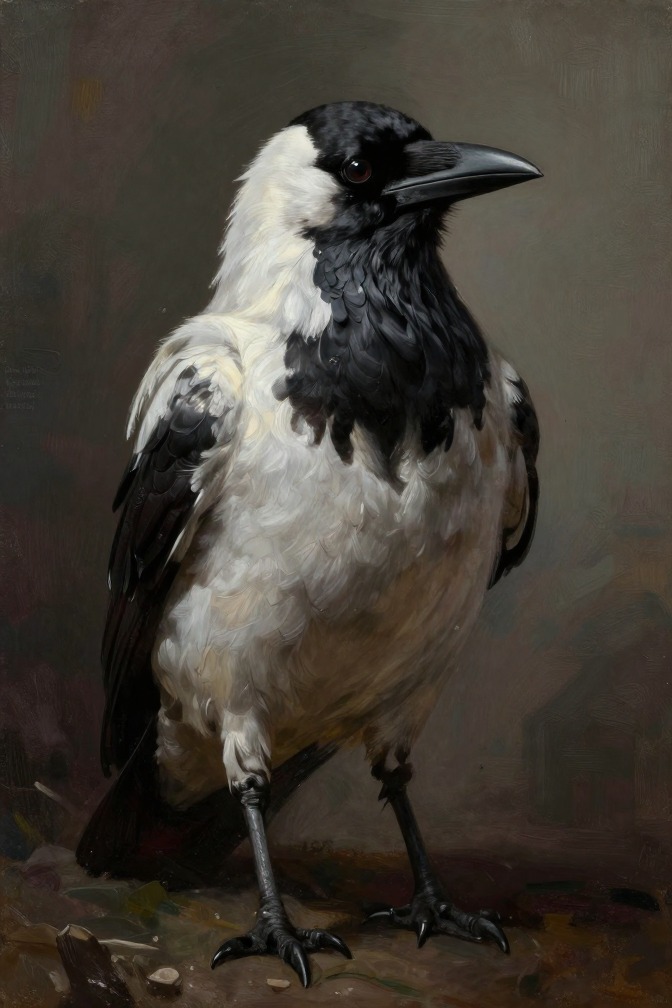
The rook appears as a minor but recurring avian presence in Mikhail Bulgakov's *The Master and Margarita*, where it is used in similes and descriptive imagery to evoke darkness, size, and a slightly ominous or grotesque quality, often in connection with the demonic cat Behemoth.
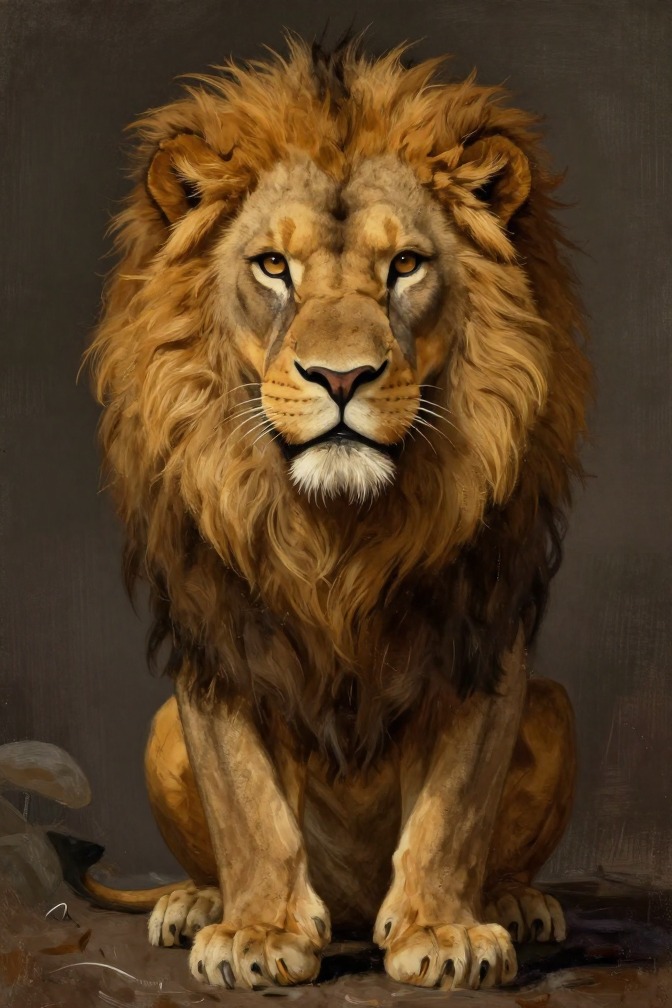
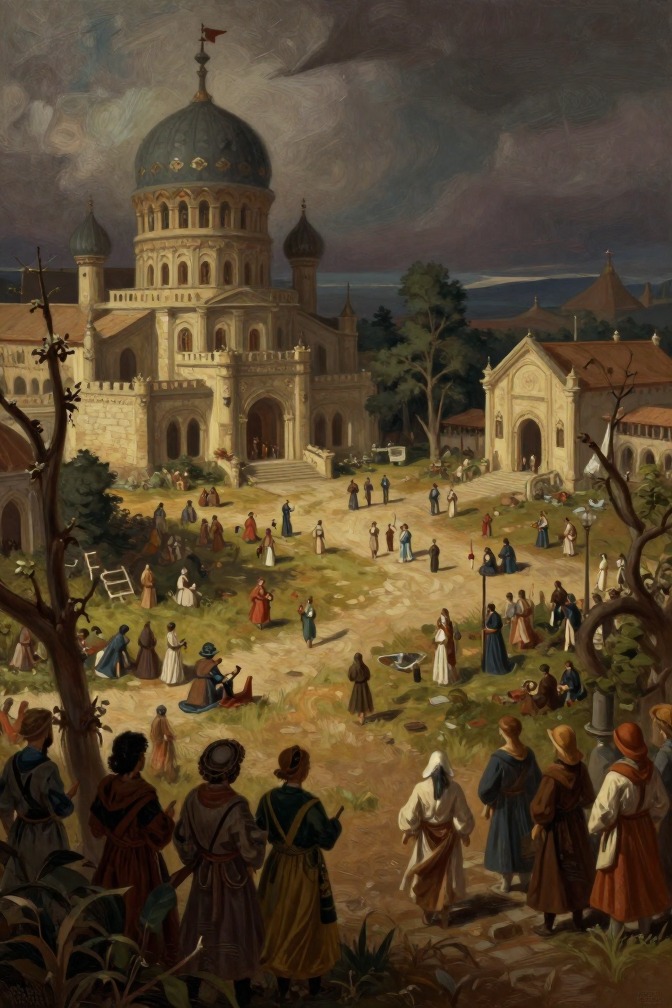
Lions appear in the novel as decorative and symbolic elements within the architecture of the Palace of Herod the Great in Yershalaim, marking the threshold where Pontius Pilate meets the high priest Joseph Kaifa and underscoring the themes of power, judgment, and isolation that define that encounter.
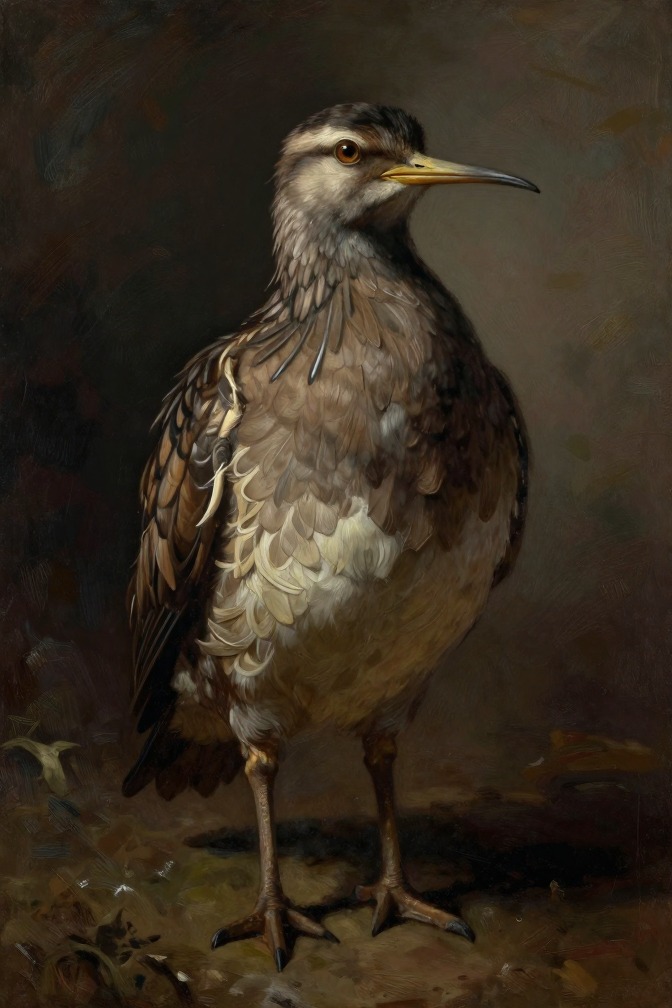
The woodcock is a game bird mentioned in the novel's nostalgic evocation of the Griboedov House restaurant's menu, where it appears among a list of seasonal delicacies that symbolize the lost pleasures of pre-Soviet culinary culture and the privileged life of the Massolit literary elite.
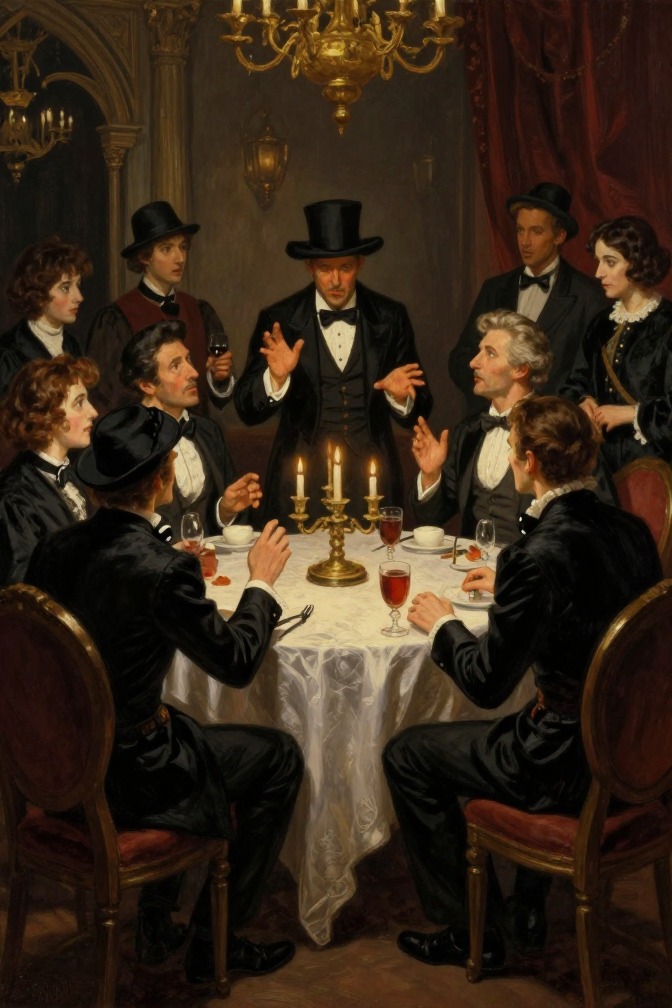
The black magic seance at the Variety Theatre is the novel's central public spectacle, a carnivalesque disruption of Soviet normalcy in which Woland and his retinue expose the greed, hypocrisy, and cowardice of Moscow's citizens through a rain of counterfeit money, a free ladies' shop, the theatrical decapitation of the master of ceremonies, and the public humiliation of a cultural official.
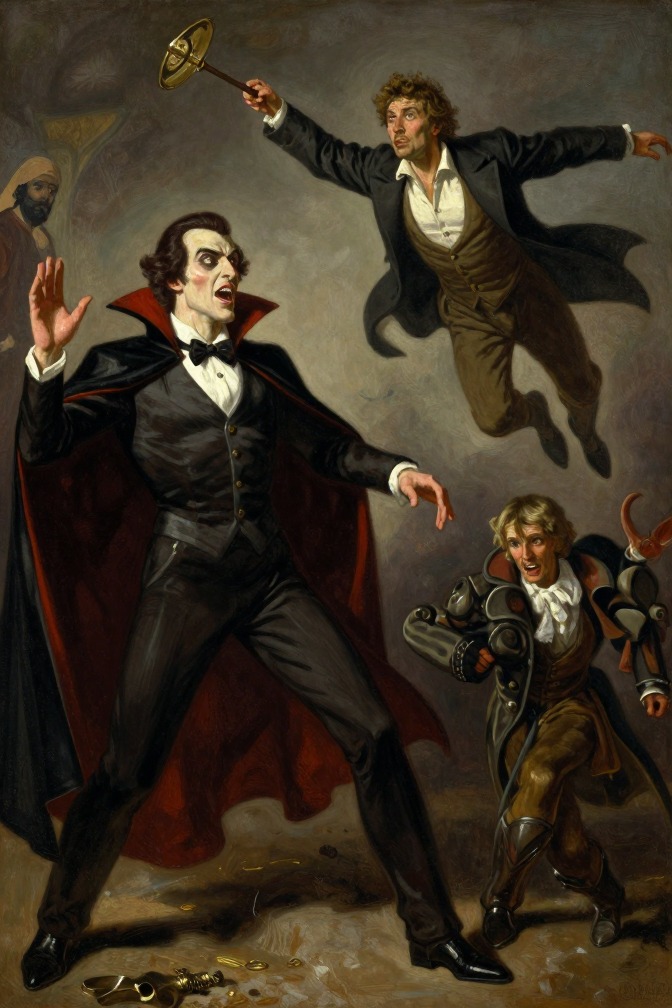
The vampire attack on Varenukha and Rimsky's flight is a pivotal supernatural event in which the administrator Ivan Savelyevich Varenukha is ambushed, transformed into a vampire by Woland's retinue, and then sent to attack the financial director Grigory Danilovich Rimsky, who barely escapes Moscow by train after a harrowing confrontation that exposes the demonic forces now operating in the city.
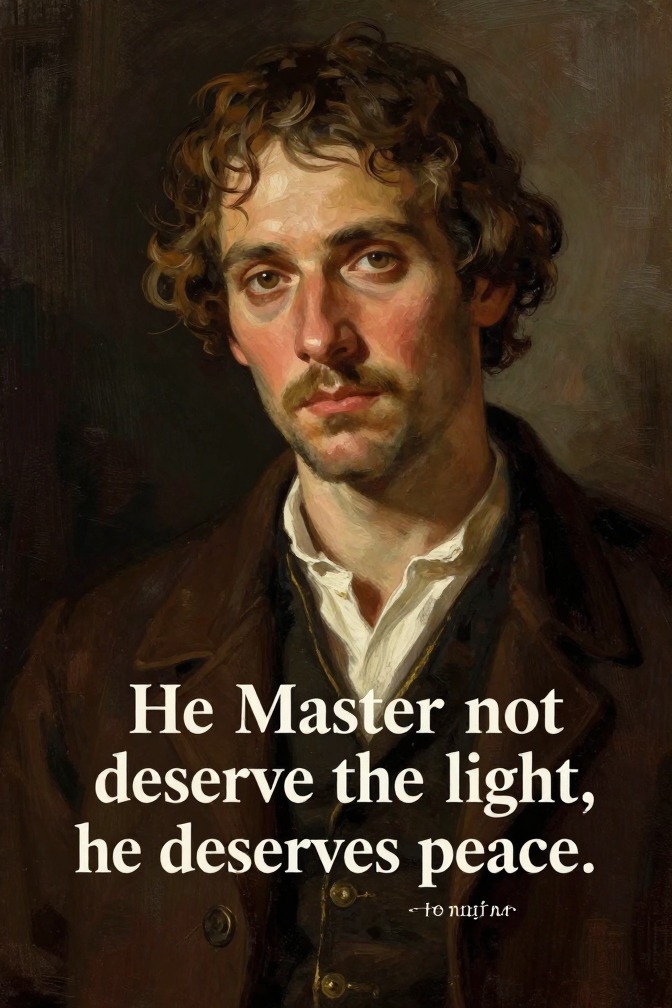
This phrase, spoken by Matthew Levi to Woland on behalf of Yeshua Ha-Nozri, defines the master's final fate: he is denied the 'light' of direct union with Yeshua but granted an 'eternal refuge' of peace, a resolution that crystallizes the novel's moral distinction between saintly martyrdom and artistic guilt.
The exclamation "Oh, gods, my gods" is a recurring phrase in Mikhail Bulgakov's The Master and Margarita, migrating across characters and the narrator to express anguish, helplessness, and the unbearable weight of moral and physical suffering. It functions as a verbal motif that links the ancient world of Pontius Pilate with the contemporary Moscow narrative, underscoring the novel's central themes of cowardice, guilt, and the search for peace.
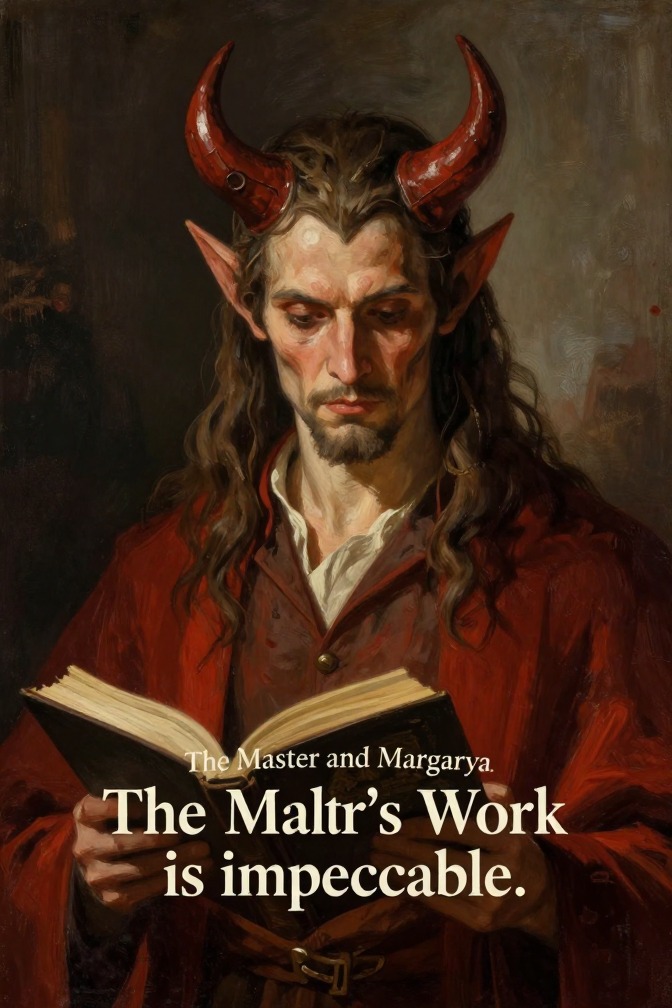
Woland's remark 'Abaddon's work is impeccable' is a chilling expression of the novel's vision of a world governed by a terrifying, impartial violence, where the 'prince of this world' presides over a reality of war and suffering with a detached, aesthetic appreciation.
Bethphage is a small village near Jerusalem where Yeshua Ha-Nozri and his disciple Matthew Levi stayed with a gardener shortly before Yeshua's arrest and crucifixion. It is the place where Yeshua first met Matthew Levi, a former tax collector who became his devoted follower, and where Matthew Levi fell ill on the eve of the arrest, a misfortune that prevented him from accompanying Yeshua into Jerusalem and ultimately from saving him from execution.
Gamala is the native town of Yeshua Ha-Nozri, the wandering philosopher whose trial and execution form the historical core of the novel. Mentioned only in passing during Yeshua's interrogation by Pontius Pilate, the name of this small Galilean town carries a quiet but decisive significance: it establishes Yeshua's concrete, provincial origins against the grand political and religious stage of Yershalaim, and it underscores his rootlessness and vulnerability in a world governed by imperial power and religious authority.
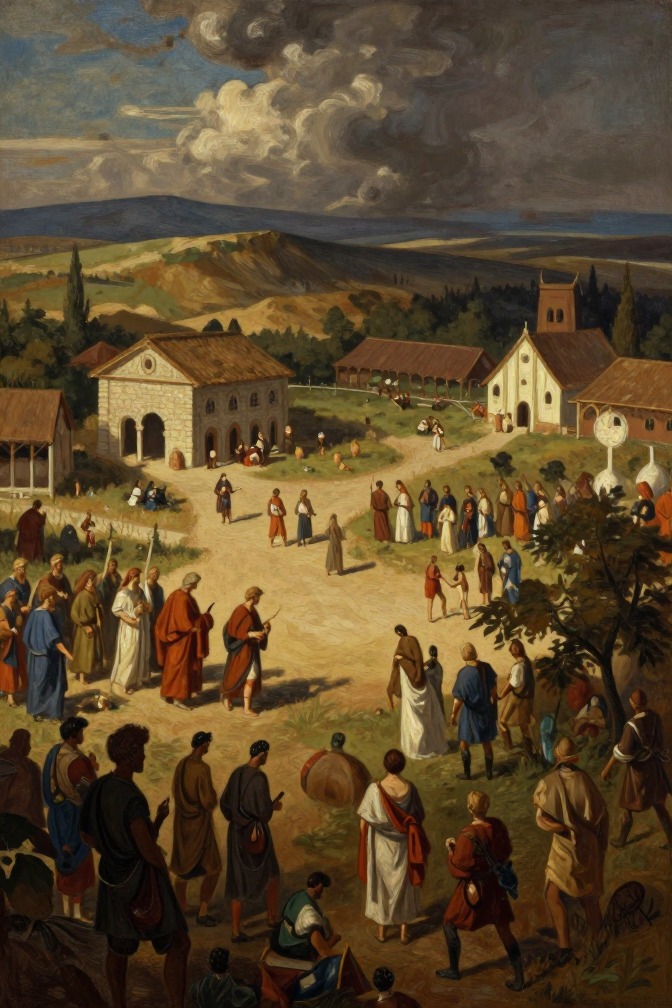
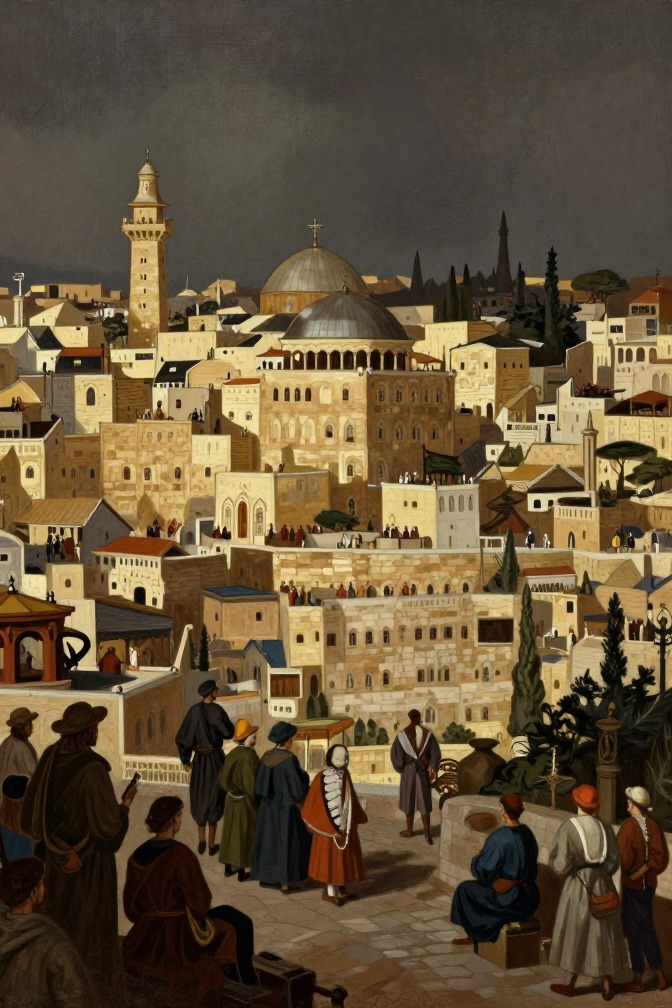
Yershalaim is the ancient city in which the trial, crucifixion, and burial of Yeshua Ha-Nozri take place, serving as the historical counterpoint to contemporary Moscow and the site of Pontius Pilate's moral crisis.
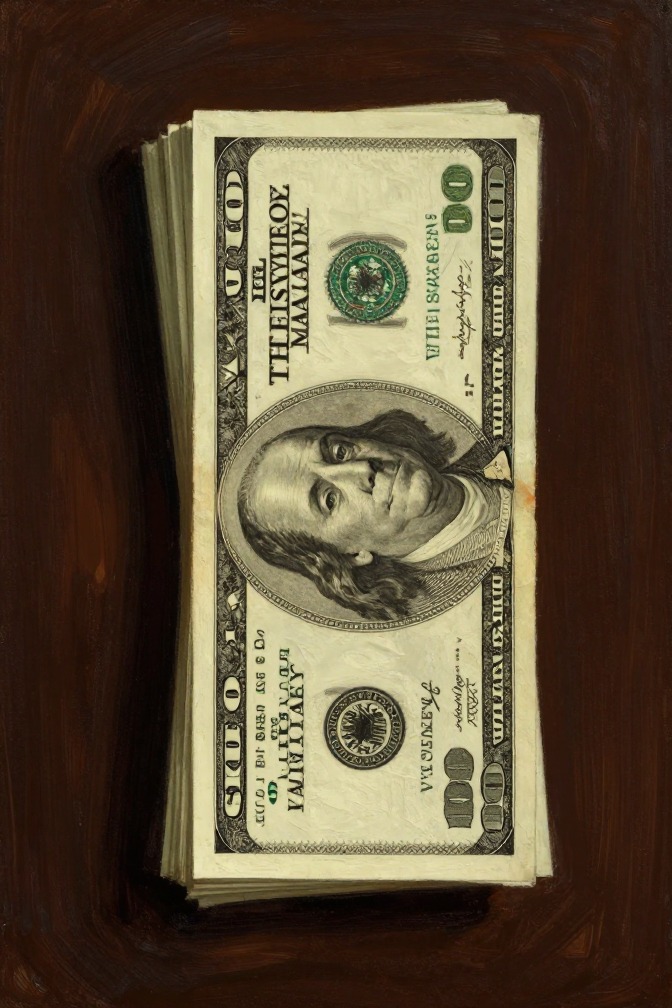
The Bribe Dollars are a sum of foreign currency that Koroviev, a member of Woland's retinue, plants on Nikanor Ivanovich Bosoy, the chairman of the tenants' association, as part of a scheme to discredit him and secure Apartment No. 50 for Woland's stay. This object serves as a catalyst for Bosoy's arrest, psychological breakdown, and eventual confinement in Stravinsky's psychiatric clinic, illustrating the novel's themes of corruption, the absurdity of Soviet bureaucracy, and the diabolical manipulation of human greed.
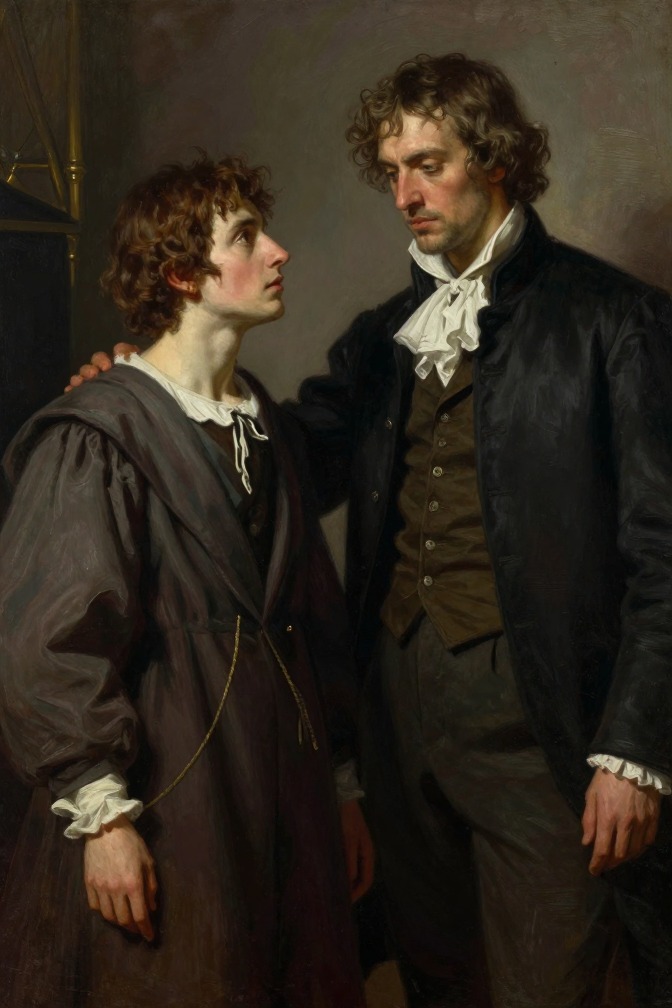
The relationship between Ivan Homeless and Dr. Stravinsky is a pivotal therapeutic and intellectual encounter in the novel, where the psychiatrist's calm, rational authority gradually transforms the poet's manic certainty into a more reflective, albeit still troubled, state of mind, ultimately guiding Ivan toward a partial recovery and a new understanding of his own experience.
The relationship between the master and Ivan Homeless is a central bond in the novel, transforming the poet from a confused victim of supernatural events into the master's disciple and the keeper of his story. Their nocturnal meeting in Stravinsky's clinic, where the master reveals his identity, his love for Margarita, and his novel about Pontius Pilate, establishes a profound intellectual and spiritual kinship that reorients Ivan's life and ensures the survival of the master's work.
The relationship between the Master and the writer Mstislav Lavrovich is one of persecution and professional destruction, defined by Lavrovich's public attack on the Master's unpublished novel about Pontius Pilate. Lavrovich, a member of the literary establishment, published a scathing article that branded the Master's work as "Pilatism" and called for harsh reprisals, contributing directly to the Master's psychological collapse and eventual confinement in a psychiatric clinic. This conflict epitomizes the novel's critique of a literary world where state-aligned critics wield the power to ruin an artist's life and work through ideological denunciation.
The encounter between Nikanor Ivanovich Bosoy, the chairman of the tenants' association at 302-bis Sadovaya Street, and Koroviev, a member of Woland's retinue, is a pivotal episode of bureaucratic corruption, demonic trickery, and swift retribution. Koroviev, posing as a foreign interpreter, ensnares the greedy Nikanor Ivanovich in a bribery scheme involving a fake currency exchange, leading to the chairman's arrest, public humiliation, and eventual confinement in a psychiatric clinic.
The Kingdom of Truth is a central concept in Mikhail Bulgakov's The Master and Margarita, articulated by the wandering philosopher Yeshua Ha-Nozri. It represents a future state of human existence where all forms of political authority are abolished, and humanity lives under justice and truth alone. This ideal is the direct cause of Yeshua's condemnation and execution, and its rejection by Pontius Pilate constitutes the novel's pivotal moral crisis. The kingdom's promise and its failure to arrive in the present world serve as the ultimate measure of cowardice, courage, and the nature of power throughout the novel.
The 17th of April is the date of Stalin's telephone call to Mikhail Bulgakov in 1930, a pivotal moment in the author's life that directly shaped the composition and thematic concerns of The Master and Margarita, linking the writer's personal crisis to the novel's exploration of cowardice, artistic freedom, and the terror of state power.
The feast of St John, traditionally a time of magic enchantments, originally set the temporal frame for the Moscow action in Bulgakov's novel before being moved to the spring full moon, yet it remains a key marker of the novel's mythic structure and the cyclical return of the supernatural.
The fourteenth of Nisan is the pivotal date in the ancient Yershalaim narrative of The Master and Margarita, the day on which Pontius Pilate interrogates, condemns, and executes Yeshua Ha-Nozri, and on which the procurator's encounter with truth and his own cowardice sets in motion a two-thousand-year punishment. It is the single day around which the novel's historical chapters revolve, and its events—the trial, the release of Bar-Rabban, the crucifixion—form the moral and thematic center of the entire book.
The period of forced collectivization in the Soviet Union, which decimated Russia's peasantry and destroyed her agriculture, forms the historical backdrop against which Mikhail Bulgakov wrote The Master and Margarita, and its atmosphere of imposed terror and systemic violence is mirrored in the novel's portrayal of Stalinist Moscow and the ancient world of Pontius Pilate.
The Russian Civil War, a conflict that followed the Bolshevik Revolution, serves as a crucial historical backdrop in Mikhail Bulgakov's *The Master and Margarita*, shaping the experiences of key characters and informing the novel's themes of violence, cowardice, and the fragility of life under terror.
The year 1931 marks a pivotal moment in the composition of Mikhail Bulgakov's novel The Master and Margarita, a period of intense personal and creative crisis for the author. During this year, after having partially destroyed earlier versions of the manuscript in the spring of 1930, Bulgakov kept scattered notes in two notebooks, and in the upper-right-hand corner of the second he wrote a desperate prayer: 'Lord, help me to finish my novel, 1931.' This year also saw the first mention of the name Margarita and the first clear reference to the master, though he was not yet called by that name. The year 1931 thus represents the germination of the novel's definitive conception, emerging from the ashes of its earlier incarnations and from the depths of Bulgakov's own suffering under the Stalinist terror.
Muley Graves is a stubborn, solitary tenant farmer who refuses to leave his Oklahoma land after being evicted by the bank, choosing to live as a hunted fugitive rather than join the westward migration. His fierce attachment to place and his transformation from a proud hunter into a furtive, weasel-like survivor embody the psychological devastation of dispossession and the bitter cost of staying behind.
Wilkie Wallace is a young migrant worker whom the Joads meet at the Weedpatch government camp, where he and his father Timothy become the family's first friends in California and help Tom Joad find work.
Winfield Joad, the youngest son of the Joad family, is a ten-year-old boy whose journey from Oklahoma to California during the Dust Bowl migration serves as a barometer of the family's hardship and the loss of childhood innocence. Through his physical frailty, his fierce defense of family honor, and his quiet witness to death and birth, Winfield embodies the vulnerability and resilience of the migrant children who grow up too fast on the road.
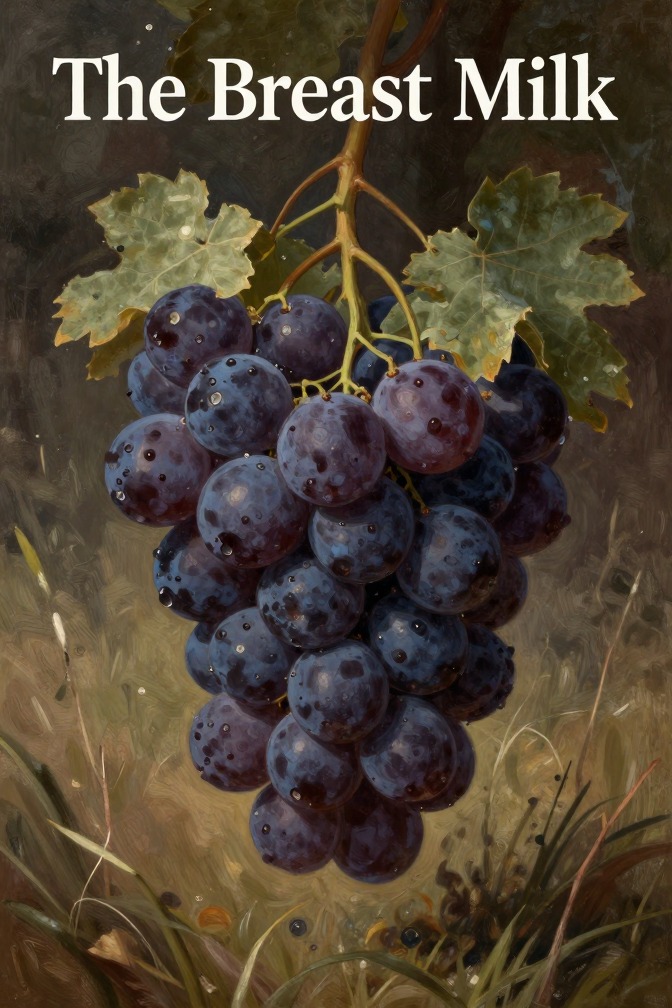
The Breast Milk is the central symbolic act of John Steinbeck's The Grapes of Wrath, occurring in the novel's final scene when Rose of Sharon, having just given birth to a stillborn child, nurses a starving stranger with her breast milk. This gesture, at once maternal, erotic, and sacrificial, transforms personal tragedy into a radical act of communal sustenance, crystallizing the novel's movement from individual loss to collective survival and from the broken family to the larger human family.