The River Is Everywhere at Once is a central expression in Hermann Hesse's Siddhartha, encapsulating the protagonist's ultimate realization that the river—and by extension, all of existence—exists simultaneously at all points in space and time, with no past or future, only an eternal present. This insight, learned from the ferryman Vasudeva and the river itself, becomes the foundation of Siddhartha's final wisdom: the oneness of all life, the overcoming of time, and the perfection of every moment.
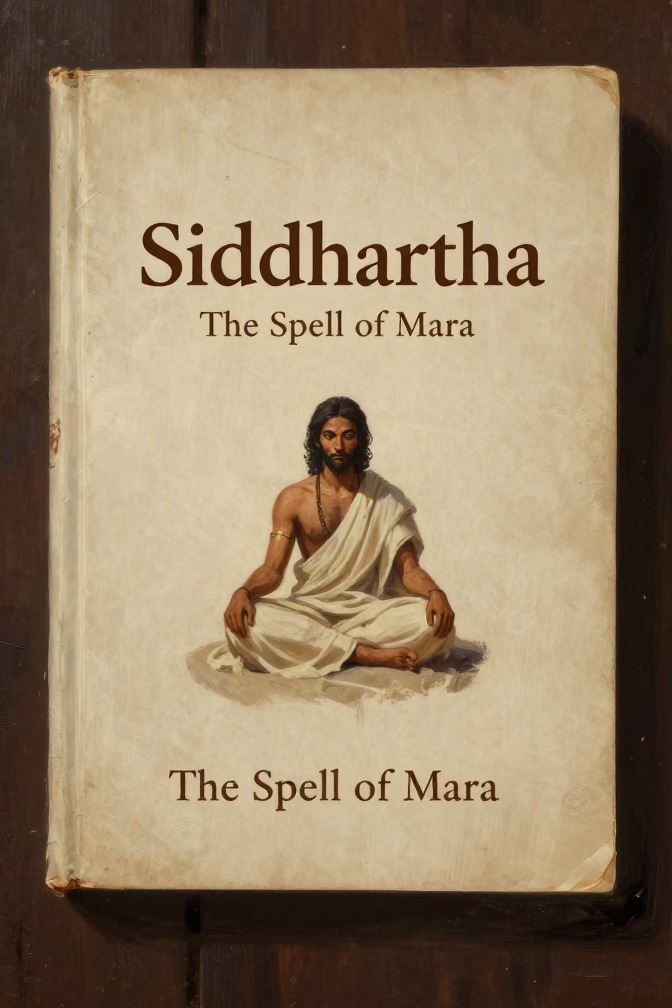
The Spell of Mara is a recurring concept in Hermann Hesse's Siddhartha, representing the deceptive, illusory nature of the sensory world that the protagonist must learn to see through and ultimately transcend on his path to enlightenment.
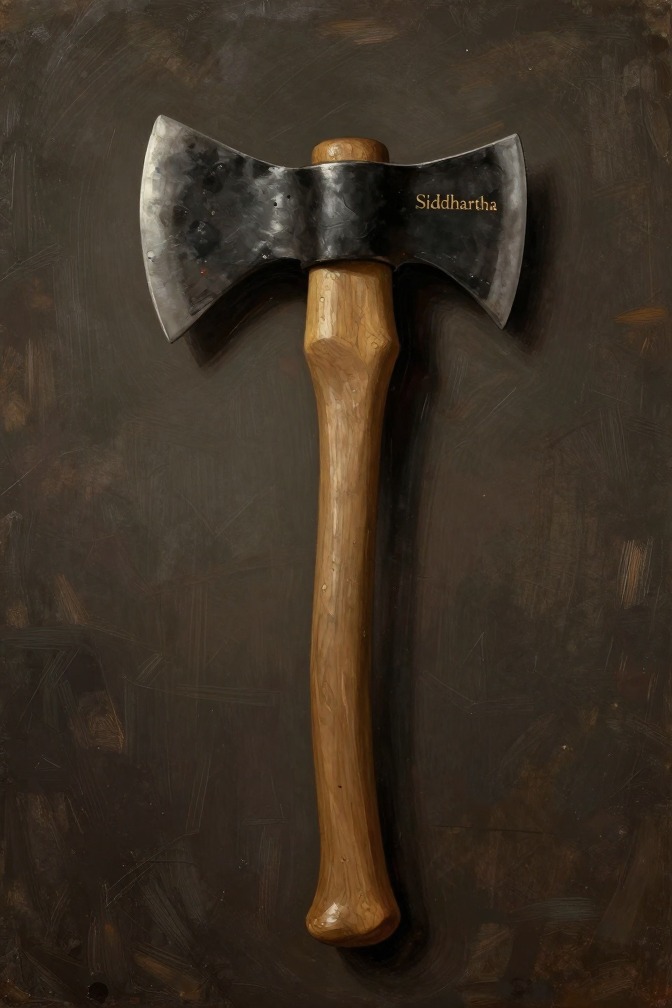
The Axe is a simple but significant object in Siddhartha's later life, appearing during the crisis of his son's flight and embodying the themes of attachment, letting go, and the wisdom learned from the river.
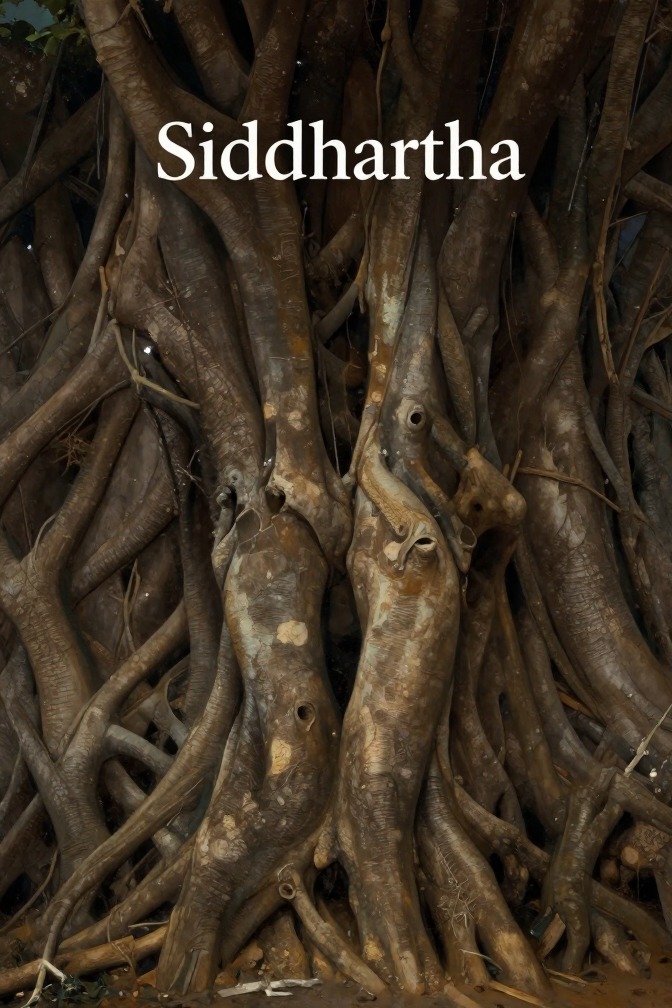
The Bo-tree is the sacred fig tree under which Gotama the Buddha attained enlightenment, and it serves in Siddhartha as a symbol of the moment when a seeker stops searching externally and listens to the inner voice, representing the possibility of direct, unmediated realization that cannot be conveyed through teachings.
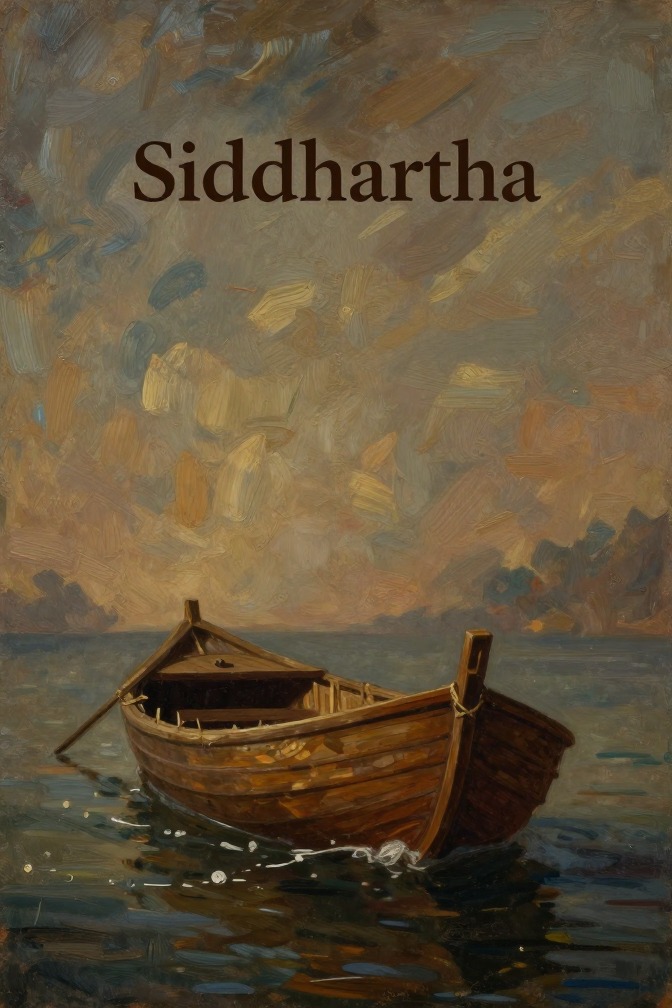
The Boat in Hermann Hesse's *Siddhartha* is a recurring physical object that evolves from a mere means of crossing the river into a profound symbol of transition, spiritual learning, and the cyclical nature of existence. It is the vessel that carries Siddhartha across the river at key junctures of his life—from his youth as a Samana to his worldly immersion and finally to his enlightenment—and it becomes the central tool of his final vocation as a ferryman, through which he learns to listen to the river's voice and ultimately achieves oneness with the world.
The Healing Potion is a medicinal draught administered to Kamala after she is bitten by a snake near Vasudeva's ferry, representing the limits of physical remedies against the deeper spiritual healing Siddhartha has come to embody.
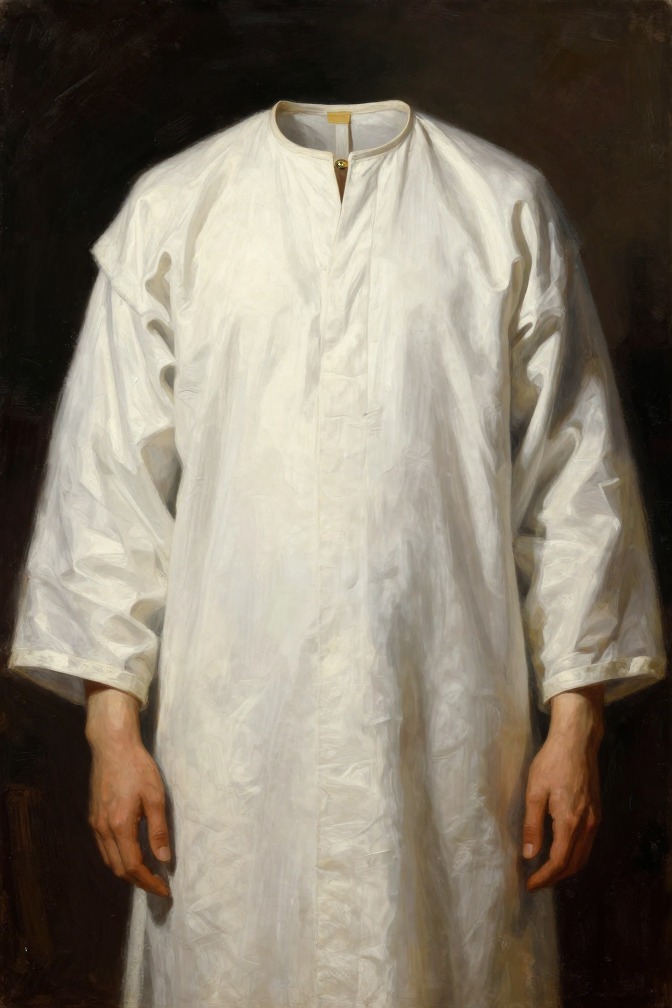
The White Upper Garments are a set of clothes given to Siddhartha by Kamala's maid, symbolizing his first step away from asceticism and into the worldly life of the city, marking a crucial transition in his journey.
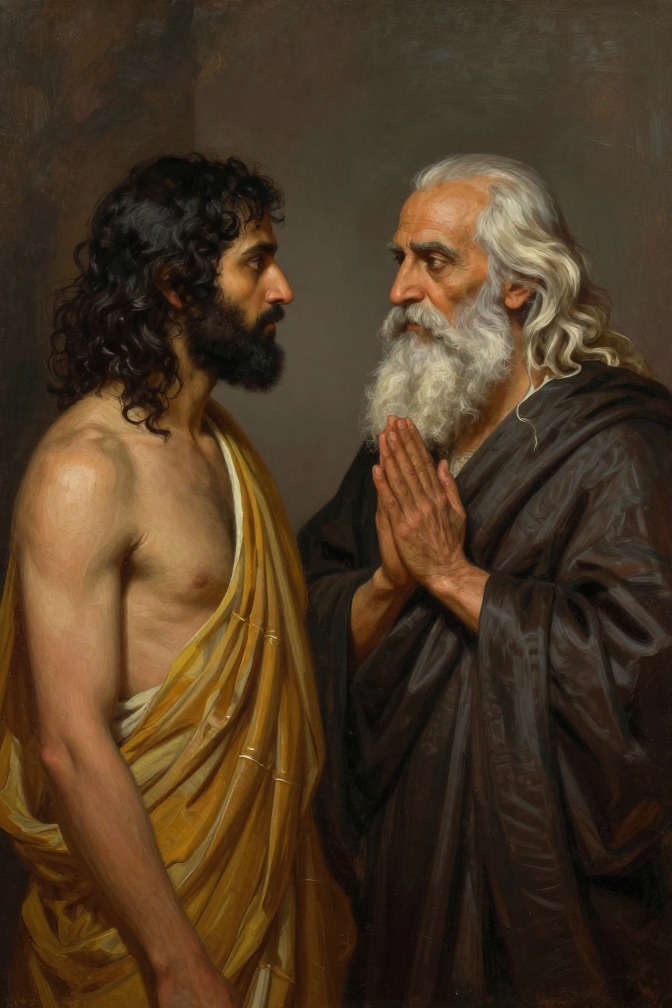
The relationship between Siddhartha and his father, the Brahman, is a foundational dynamic that shapes Siddhartha's early life and his eventual departure from home, and it later echoes in Siddhartha's own painful experience with his son, revealing a cyclical pattern of love, authority, and the necessity of individual spiritual seeking.
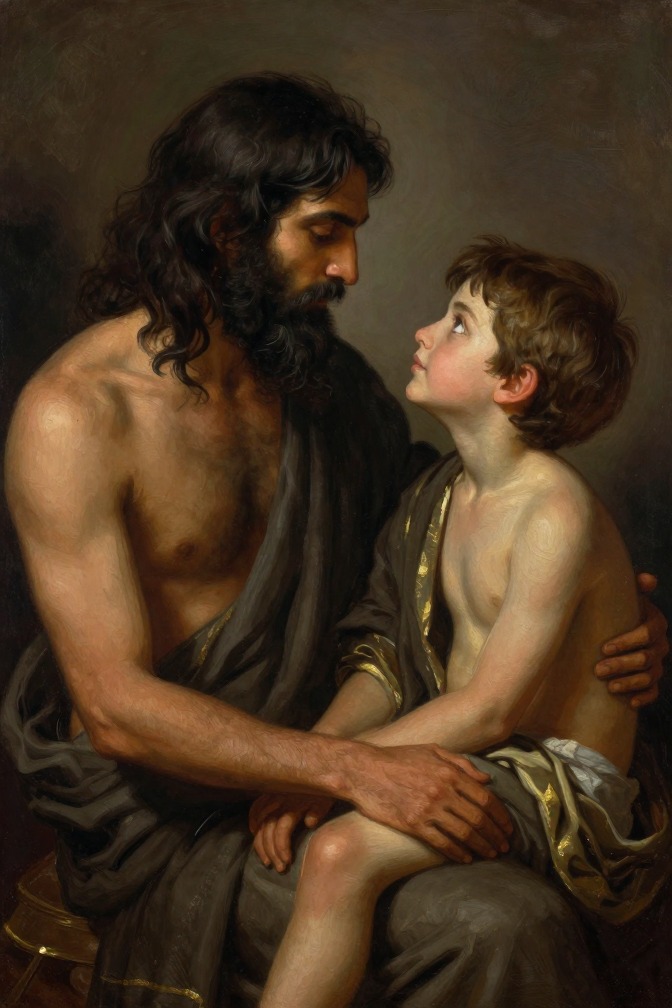
The relationship between Siddhartha and his son is a central, painful, and transformative bond in the second half of Hermann Hesse's novel. It represents Siddhartha's final and most profound attachment to the world of human emotion, forcing him to experience the blind, suffering love of a parent, which ultimately becomes the crucible for his final enlightenment and his understanding of the oneness of all life.
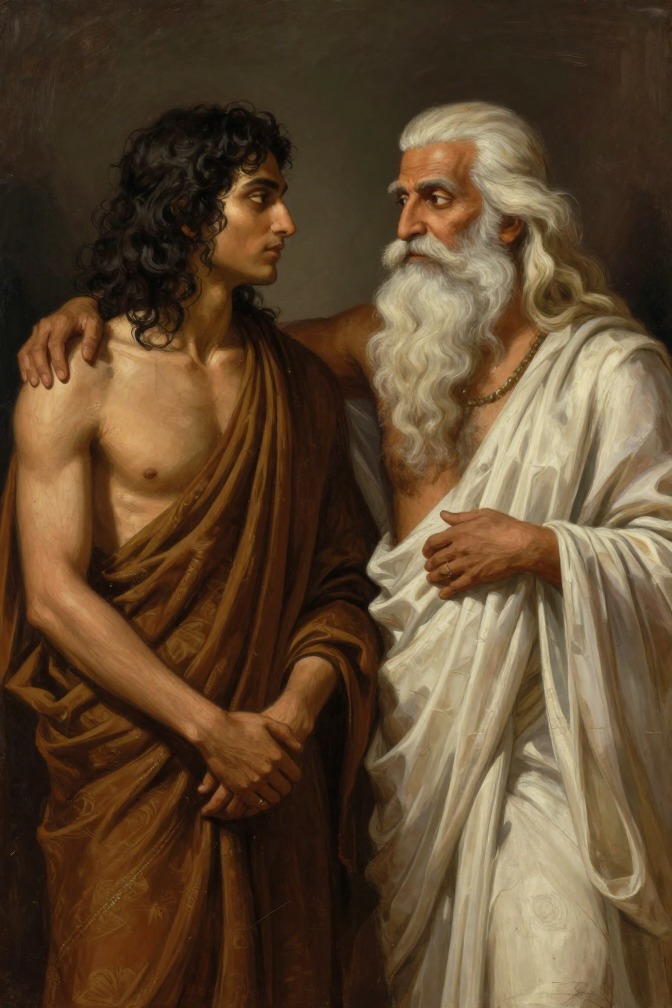
The friendship between Siddhartha and Vasudeva is the novel's central relationship of spiritual transmission, in which the silent ferryman becomes Siddhartha's final and most profound teacher, guiding him through listening, the river's wisdom, and the experience of love and loss toward the realization of oneness.
The Four Noble Truths (Suffering, Origin, Cessation, Path) are the foundational doctrine of Buddhism, articulated by Gotama the Buddha in his teachings. In Hermann Hesse's Siddhartha, this framework is presented as a clear, logical system for understanding and overcoming suffering, yet the protagonist ultimately finds it insufficient for conveying the ineffable, personal experience of enlightenment.
Betty Kasoura is a young Japanese woman living in San Francisco under the Pacific States of America, whose brief but pivotal interactions with Robert Childan reveal the deep cultural and racial chasms of the novel's alternate history. As the wife of Paul Kasoura, she embodies the refined, ascetic aesthetic of Japanese culture, yet her quiet defiance and perceptive observations challenge the era's assumptions about race, art, and power.
Caroline Abendsen is the wife of Hawthorne Abendsen, the author of the banned novel The Grasshopper Lies Heavy. She is a strong, perceptive woman who manages the household and acts as a gatekeeper for her husband, but she is also deeply unsettled by the disruptive truths that the novel and its readers bring into their lives.
Ed McCarthy is the shop foreman at W-M Corporation who, after Frank Frink is fired, persuades him to start a custom jewelry business, becomes his partner in Edfrank Custom Jewelry, and later sells their first pieces to Robert Childan on consignment. His role is pivotal in transforming Frink's life and in introducing the novel's central theme of authentic contemporary American art.
Wyndam-Matson is the owner of W-M Corporation, a San Francisco iron foundry that secretly mass-produces forgeries of pre-war American artifacts for the Japanese collector market. He embodies the novel's central critique of 'historicity' as a constructed, marketable fiction, and his cynical philosophy—that authenticity is merely a paper document—directly shapes the fates of Frank Frink, Robert Childan, and the entire trade in fake Americana.
Mr. Tagomi's Heart Attack is the physical and spiritual collapse of Nobusuke Tagomi immediately after he signs the extradition order for Frank Frink and confronts the German consul Hugo Reiss, an event that crystallizes the moral exhaustion, guilt, and existential crisis that have been building since he shot two SD men. The attack forces him to confront the limits of his own understanding and the inadequacy of the I Ching to resolve the paradoxes of evil and necessity, and it marks his withdrawal from active participation in the political struggle.
The Horst Wessel Lied, the anthem of the Nazi Party, appears in the novel as a marker of the German Reich's power and the ideological fervor surrounding the death of Chancellor Martin Bormann. Its broadcast on the radio, replacing scheduled programs, signals the regime's consolidation and the ominous political transition that shapes the novel's plot.
The phrase "Skim milk masquerades as cream" is a coded signal from the novel's espionage plot, drawn from Gilbert and Sullivan's H.M.S. Pinafore, used by Tokyo to alert Nobusuke Tagomi that the visiting Mr. Baynes is not what he appears to be. It functions as a key hermeneutic device, linking the worlds of operetta, counterfeit goods, and high-stakes intelligence, and encapsulates the novel's central concern with authenticity, deception, and the difficulty of discerning true from false in a world ruled by illusion.
The wall falls back into the moat is a pivotal line from the I Ching, the ancient Chinese oracle that pervades Philip K. Dick's The Man in the High Castle. It appears as the moving line in Hexagram Eleven, Peace, when Frank Frink consults the oracle about starting a jewelry business with Ed McCarthy. The line's ominous imagery of a town wall collapsing into its own moat, signaling doom, starkly contrasts with the hexagram's favorable judgment, creating a profound ambiguity that Frink interprets as a warning of future catastrophe—possibly a third world war—while the judgment promises success for his venture. This tension between good fortune and doom becomes a central motif, reflecting the novel's exploration of fate, chance, and the moral complexities of a world ruled by the Axis powers.
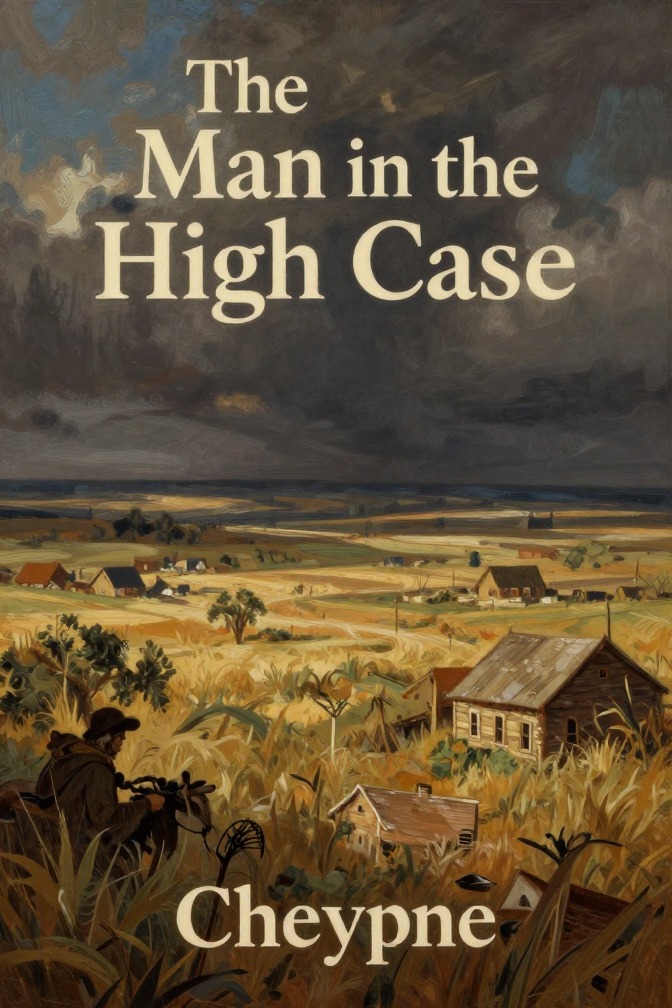
Cheyenne, Wyoming, is the home of Hawthorne Abendsen, the author of the banned novel *The Grasshopper Lies Heavy*, and the site of Juliana Frink's climactic visit to the High Castle, where the novel's deepest truth is revealed.
Edfrank Custom Jewelry is the small, handcrafted jewelry business founded by Frank Frink and Ed McCarthy in San Francisco, producing original contemporary metalwork that stands in deliberate contrast to the forged historic artifacts of W-M Corporation. Its pieces, especially the silver triangle later purchased by Nobusuke Tagomi, become the novel's central symbol of authentic creation and the possibility of a new American art.
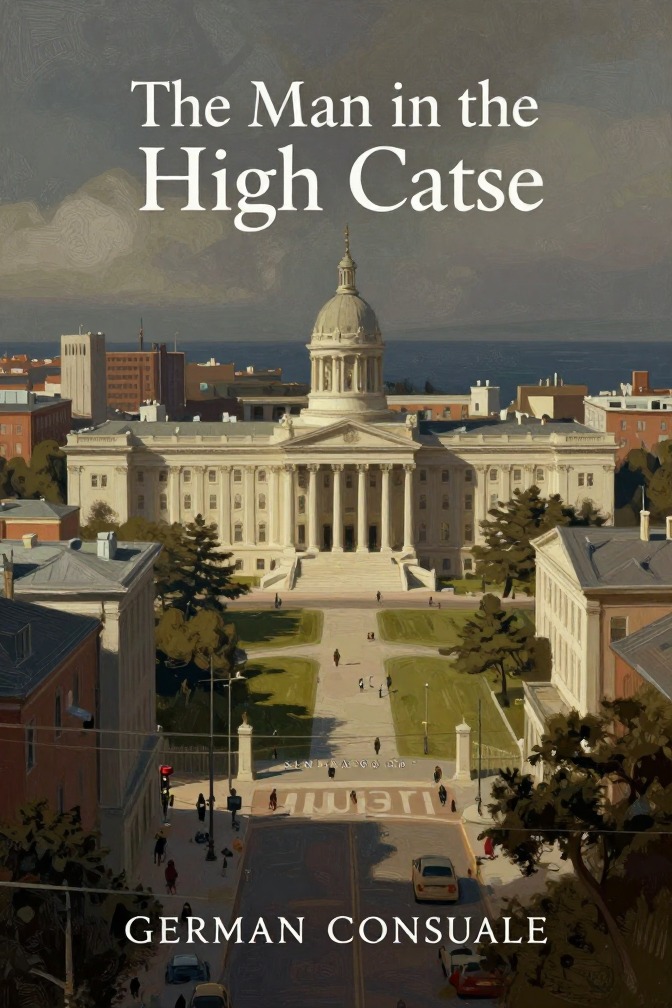
The German Consulate in San Francisco is the official diplomatic mission of the German Reich on the Pacific Coast of the Pacific States of America, a key node in the novel's web of imperial power, espionage, and moral decay. It is the workplace of Freiherr Hugo Reiss, the Reichs Consul, whose daily routines of reading, correspondence, and dealing with the local Sicherheitsdienst chief Bruno Kreuz vom Meere reveal the bureaucratic machinery of the Nazi empire and its internal rivalries. The consulate is also the site where the Reich's authority intersects with the Japanese occupation, the persecution of Jews, and the suppression of dissenting literature, making it a microcosm of the novel's exploration of totalitarian power and its human costs.
The German Reich, or Nazi Germany, is the dominant totalitarian power in the alternate history of *The Man in the High Castle*, having won World War II alongside Japan. It is depicted as a technologically advanced, genocidal empire that has partitioned the United States, colonized space, and committed mass atrocities in Africa, while its internal politics are consumed by a ruthless power struggle following the death of Chancellor Martin Bormann.
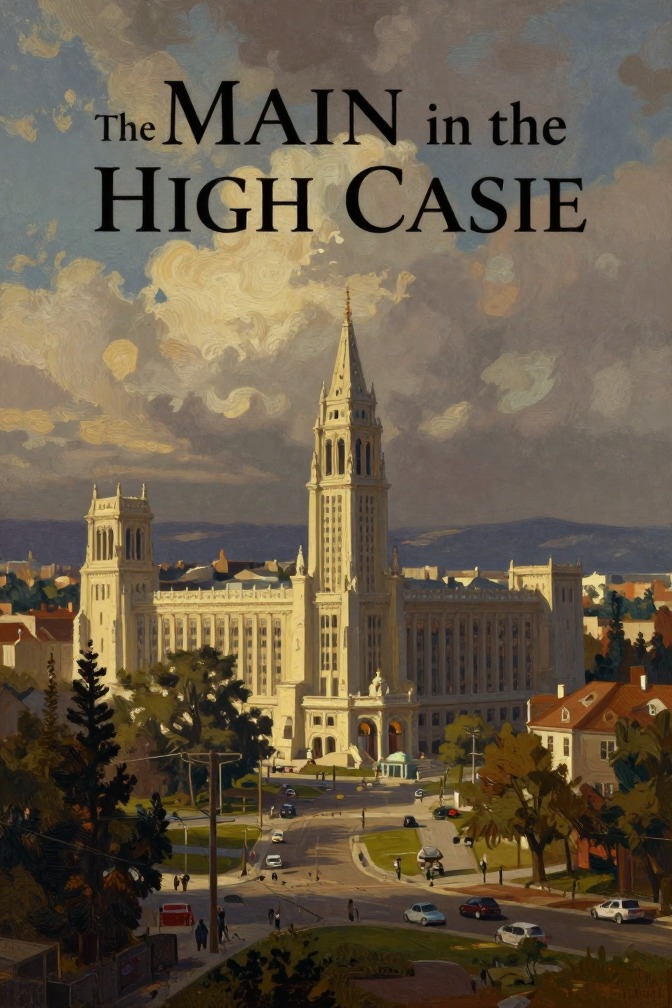
The Nippon Times Building is the towering San Francisco headquarters of the Pacific Trade Mission, where Nobusuke Tagomi conducts his official business and where the novel's central political conspiracy unfolds. It is the site of the secret meeting between Rudolf Wegener and General Tedeki, the violent SD raid, and Tagomi's subsequent heart attack, making it a symbolic nexus of Japanese authority and the moral crises of the occupation.
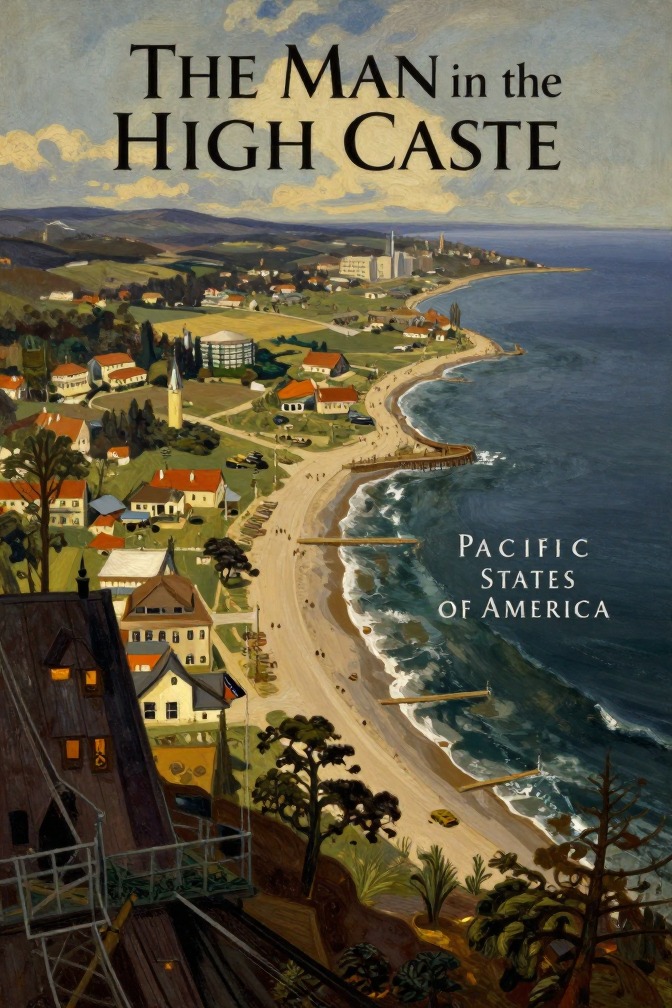
The Pacific States of America (PSA) is the Japanese-occupied western region of the former United States in Philip K. Dick's alternate-history novel, a territory where the defeated white American population lives under the rule of the victorious Japanese Empire. As the primary setting for the novel's San Francisco storyline, the PSA is defined by its rigid social hierarchy of 'place,' its economic dependence on Japanese trade missions, and its fraught cultural dynamics, where American historical artifacts are commodified for Japanese collectors and the white inhabitants navigate a precarious existence between collaboration and resentment.
Sacramento is the capital of the puppet white government installed by the Japanese occupation authorities in the Pacific States of America, a seat of power that is both real and hollow, where white administrators enforce Japanese rule while remaining subordinate to the true authority of the Trade Missions and the Kempeitai.
The United States of America, in the alternate history of The Man in the High Castle, is a defeated and partitioned nation. Its eastern territories are occupied and administered by the German Reich, while the western Pacific States of America (PSA) are under Japanese control. The Rocky Mountain States form a neutral buffer zone. This division has created a deeply stratified society where white Americans, particularly in the Japanese-controlled West, are a subjugated people, stripped of their former national identity and forced to navigate a complex and humiliating social hierarchy based on "place." The nation's past, its culture, and its very history have become commodified artifacts, collected and traded by the conquerors, while its present is defined by occupation, collaboration, and a pervasive sense of loss.
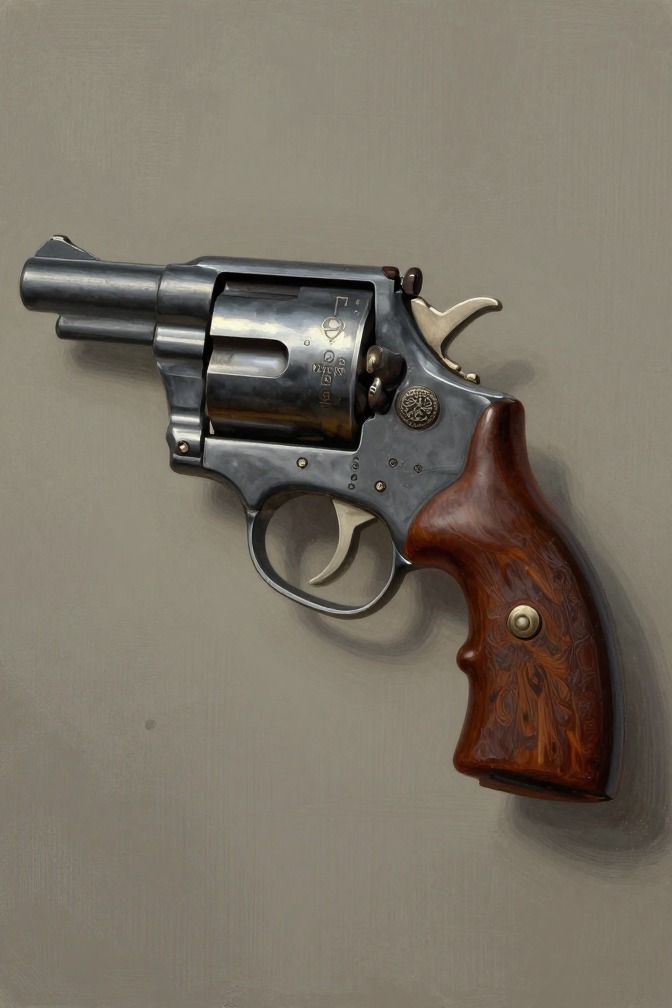
The Colt .44 revolver is a recurring object in Philip K. Dick's The Man in the High Castle, serving as a symbol of the contested nature of historical authenticity in a world where the Axis powers won World War II. It appears first as a forged artifact sold by Robert Childan, then as a genuine collector's item owned by Nobusuke Tagomi, and finally as a weapon used in a violent confrontation, embodying the novel's central themes of historicity, authenticity, and the moral weight of objects.
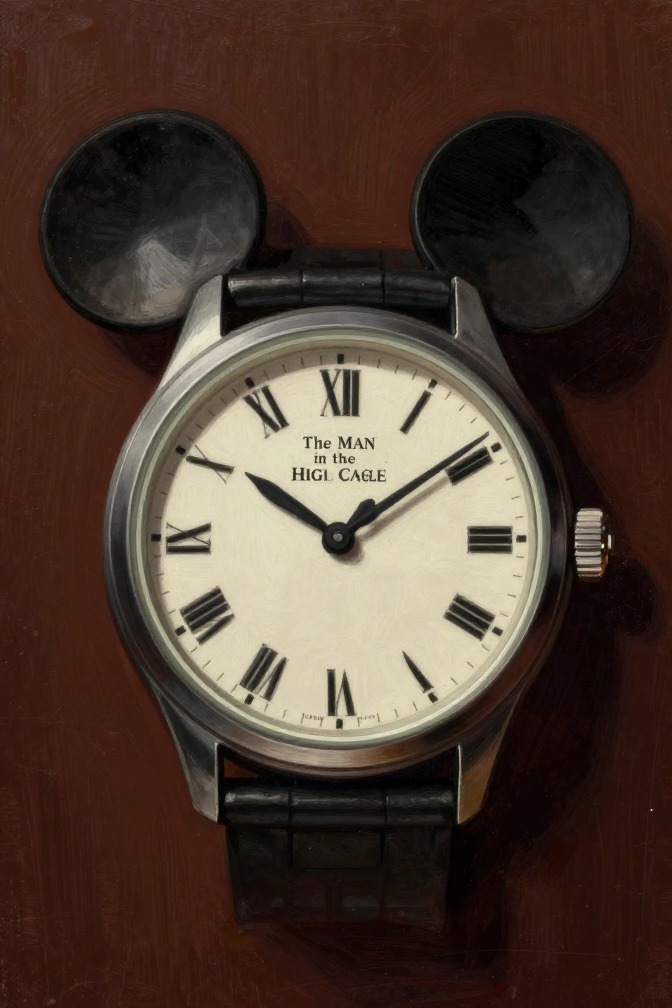
The Mickey Mouse wristwatch is a pivotal object in Philip K. Dick's novel, serving as the quintessential example of the 'historicity' that defines the value of American artifacts in a world ruled by Japan and Germany. Gifted by Nobusuke Tagomi to the supposed Swedish industrialist Mr. Baynes, the watch is a rare 1938 original, one of perhaps ten in existence, and its authenticity stands in stark contrast to the forgeries that flood the market. Its presence in the narrative underscores the themes of authenticity, cultural appropriation, and the constructed nature of historical value.
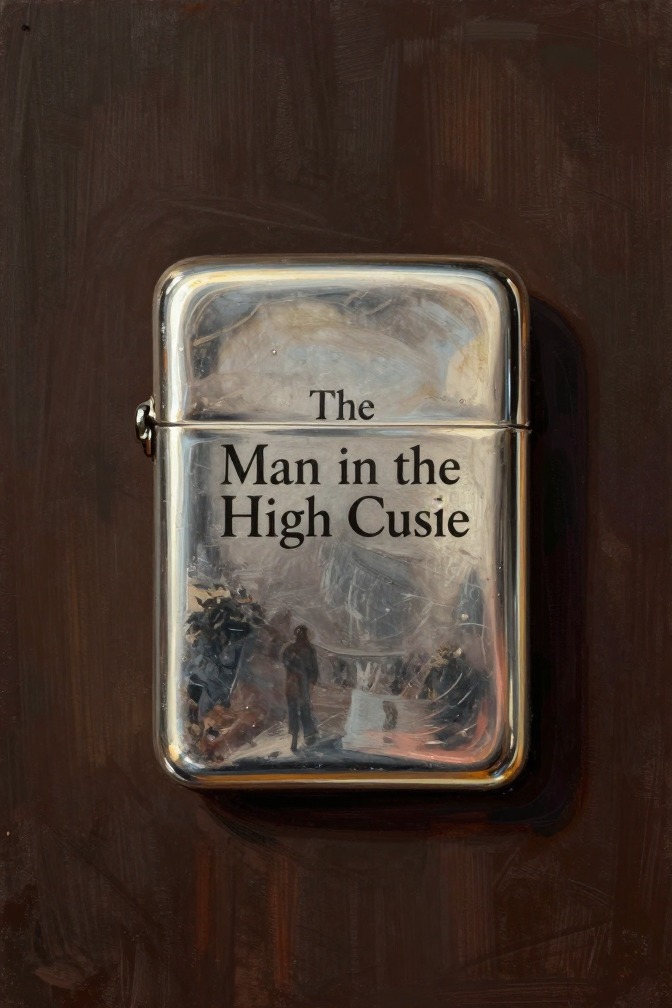
Wegener's silver cigarette case is a deceptively ordinary object that conceals the most sensitive intelligence of the novel: each cigarette is a hollow container for microfilm documenting secret Nazi discussions about Operation Dandelion. Passed from Rudolf Wegener to General Tedeki during their clandestine meeting in Nobusuke Tagomi's office, the case becomes the physical conduit through which the warning of a planned nuclear attack on Japan is delivered, embodying the novel's central meditation on authenticity, concealment, and the material carriers of truth.