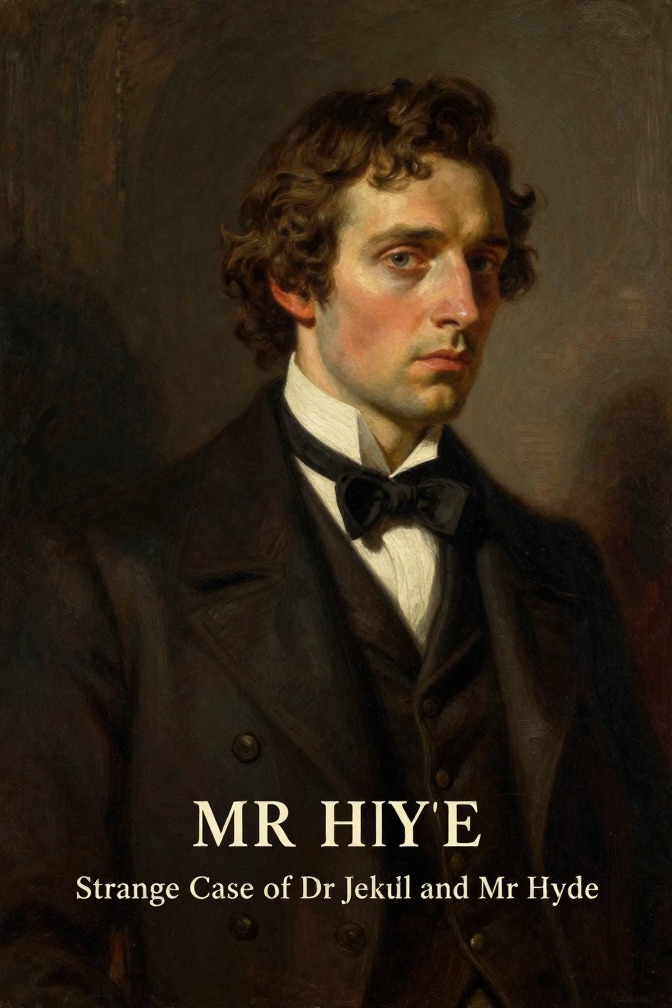
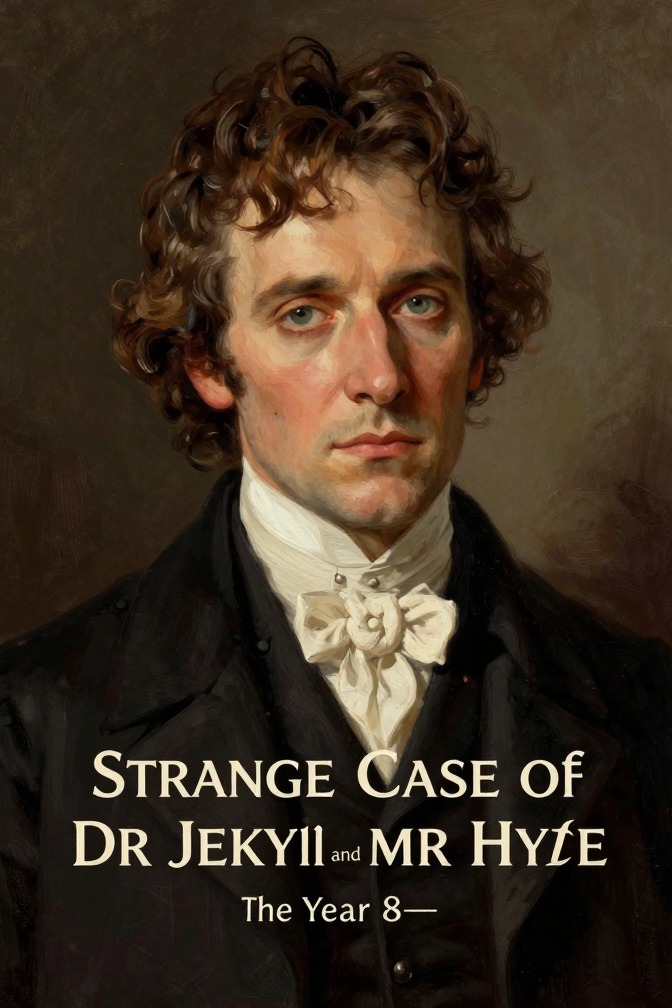
The duality of human nature is the central philosophical concept of Robert Louis Stevenson's Strange Case of Dr Jekyll and Mr Hyde, articulated by Henry Jekyll as the 'thorough and primitive duality of man' — the belief that every human being is not a unified self but a compound of two distinct, warring natures, one good and one evil. This idea drives the entire plot, from Jekyll's scientific quest to separate these elements into two independent identities to the catastrophic consequences that follow when the separation succeeds too well.
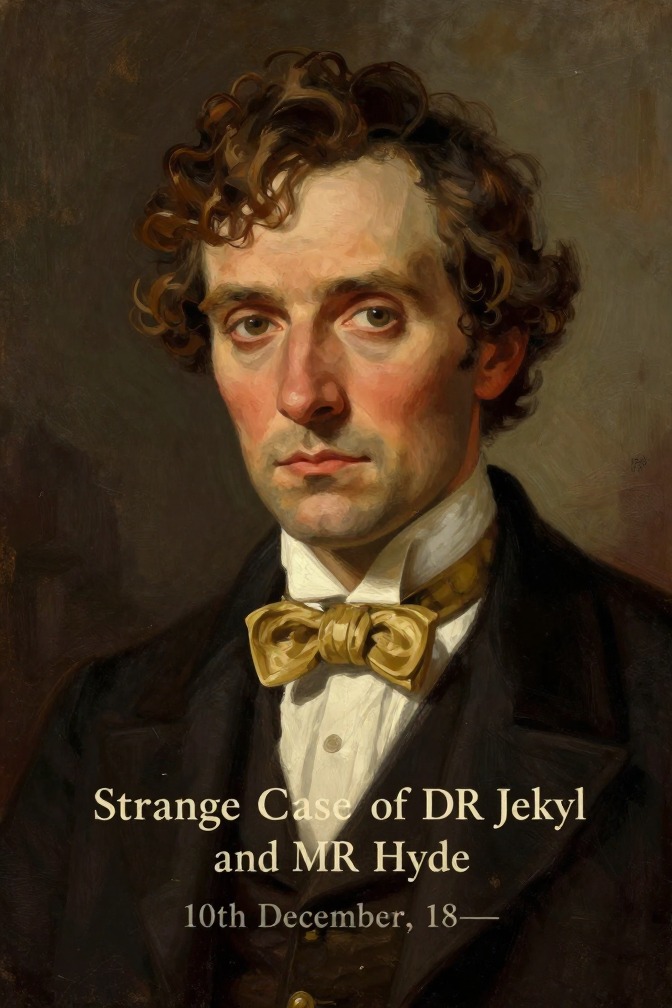
The date 10th December, 18—, is the date on which Henry Jekyll wrote the desperate, registered letter to Dr. Hastie Lanyon that set in motion the final chain of events leading to Lanyon's death and the revelation of Jekyll's secret. This single date anchors the epistolary climax of the novel, marking the moment when Jekyll, having involuntarily transformed into Edward Hyde in Regent's Park, was forced to appeal to his estranged colleague for the drugs that could restore his original form.
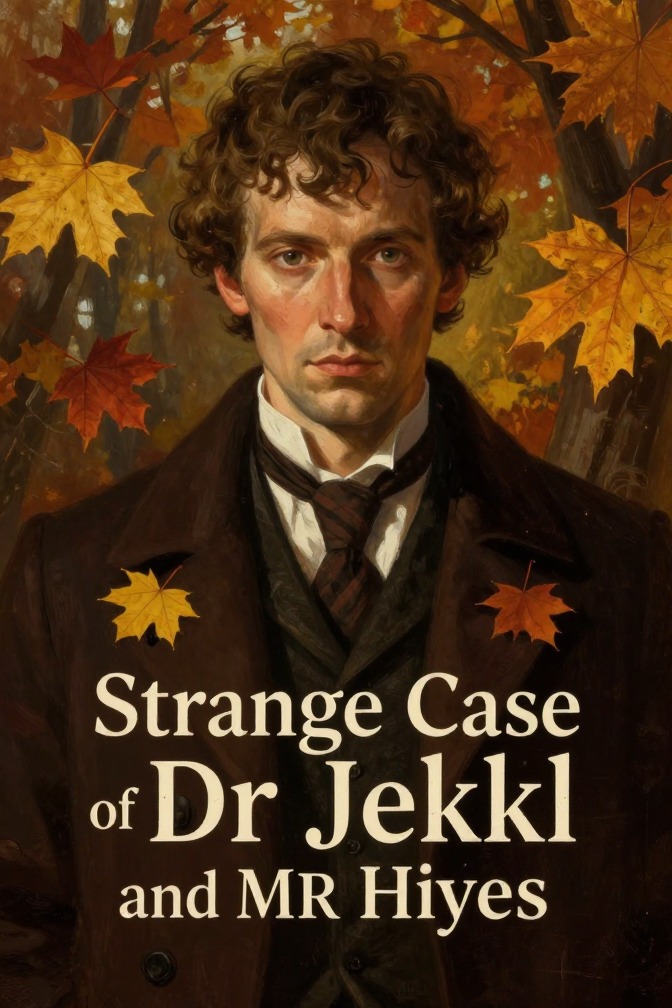
Autumn in *The Strange Case of Dr Jekyll and Mr Hyde* is the season of the Carew murder case, a time of violent crime and moral decay that marks the beginning of the end for Henry Jekyll.
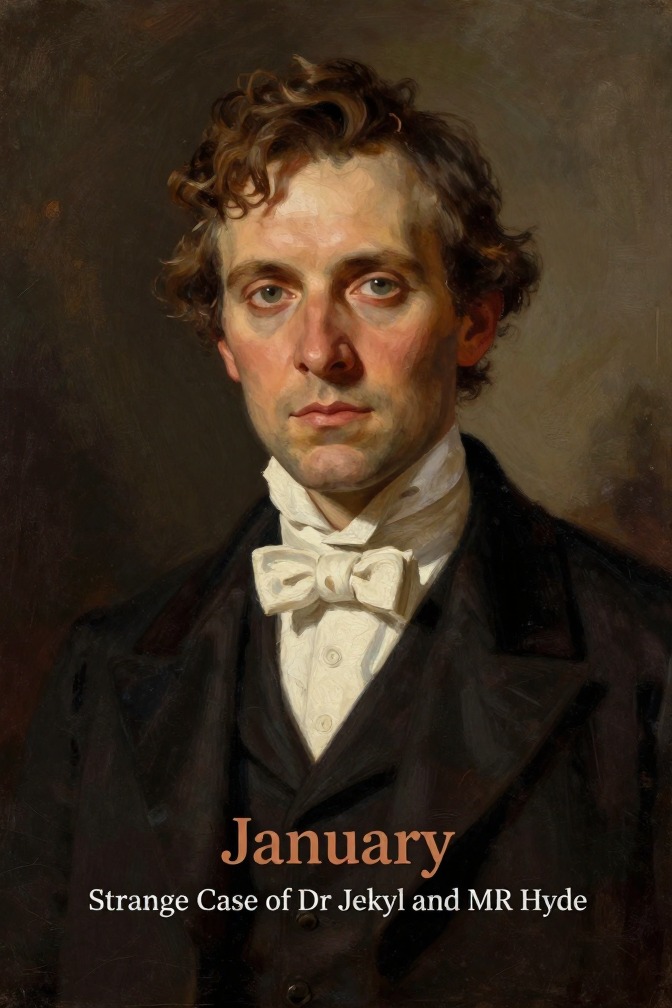
January is the month in which Henry Jekyll experiences his final, involuntary transformation into Edward Hyde while sitting on a bench in Regent's Park, an event that marks the irreversible collapse of his dual existence and the beginning of the end of his story.
The year 18— is the unspecified temporal setting of Robert Louis Stevenson's *Strange Case of Dr Jekyll and Mr Hyde*, a deliberately vague date that anchors the novel's events in a contemporary but unlocatable Victorian London, reinforcing the story's universal and timeless exploration of human duality.
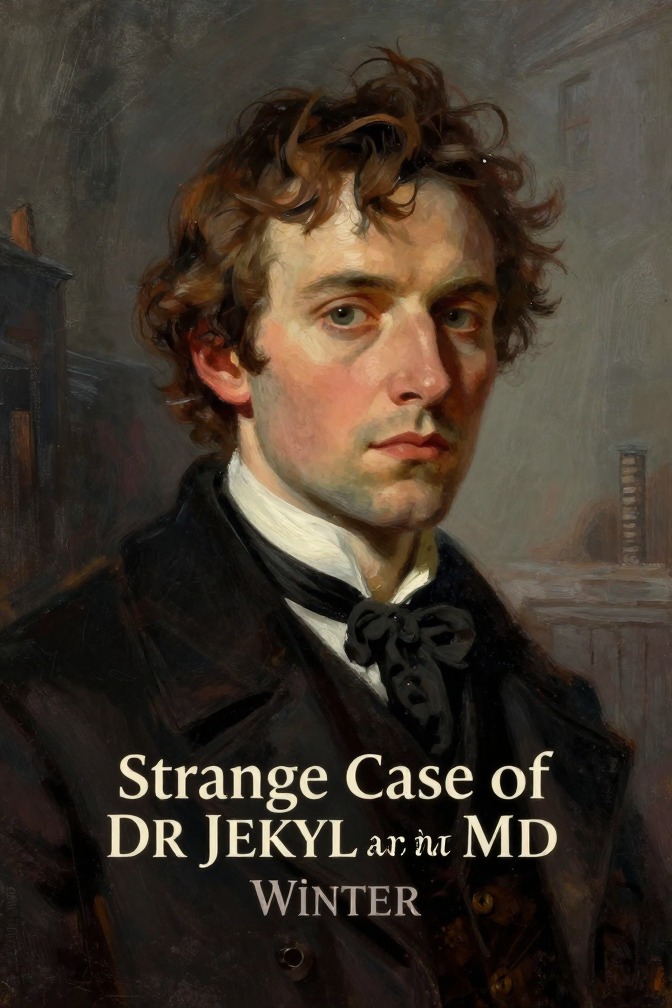
Winter in *The Strange Case of Dr Jekyll and Mr Hyde* is the season of the novel's most violent and transformative events, marking the period of Hyde's murder of Sir Danvers Carew and the subsequent unraveling of Jekyll's dual existence. It serves as a temporal backdrop that amplifies the themes of concealment, decay, and moral crisis.
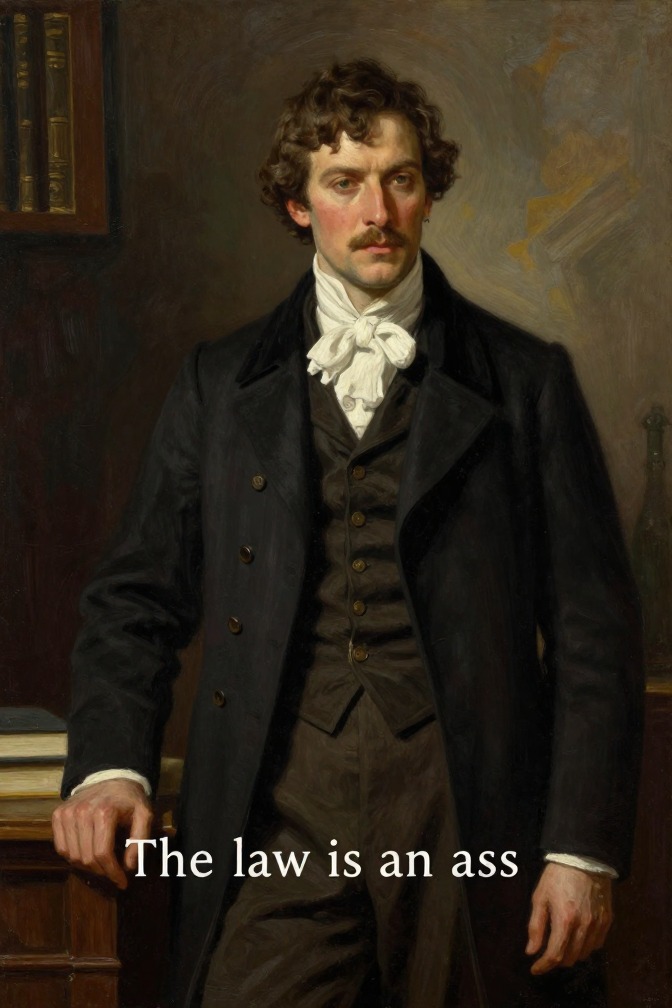
The law is an ass is a concept expressed by Mr. Bumble in Charles Dickens's Oliver Twist, encapsulating the novel's critique of the English legal and Poor Law systems as absurd, unjust, and detached from human reality. The phrase crystallizes the work's central indictment of institutional cruelty, where the law's rigid, self-serving logic victimizes the poor and rewards the corrupt.
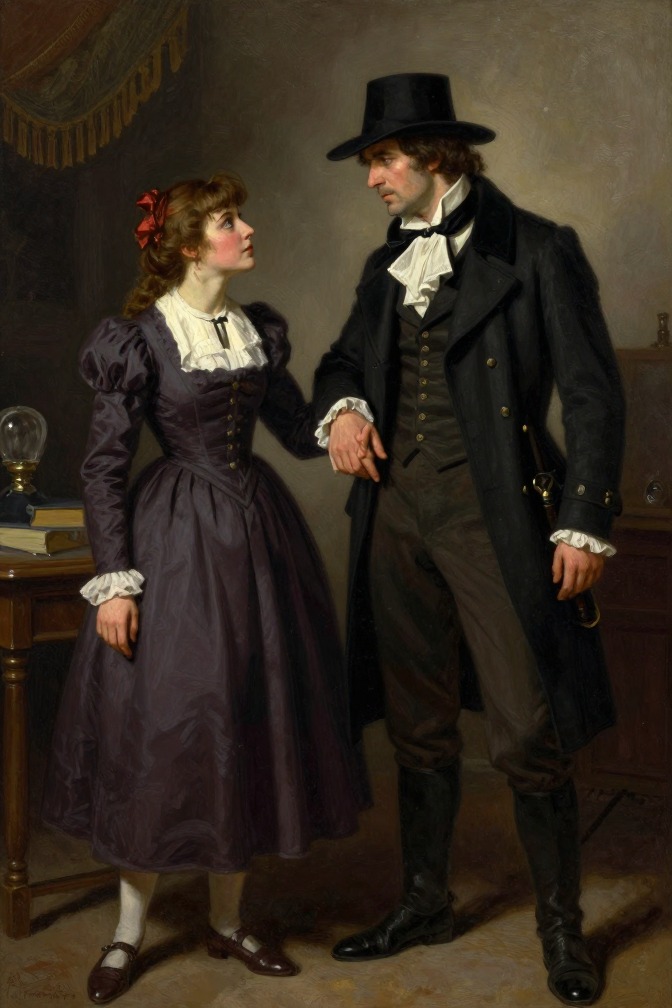
Nancy's murder by Bill Sikes is the novel's most brutal and consequential act of violence, transforming a story of social injustice and criminal adventure into a stark tragedy of betrayal, guilt, and retribution. The killing, prompted by Sikes's discovery of Nancy's secret meeting with Rose Maylie and Mr. Brownlow, is carried out with savage deliberation and triggers the murderer's psychological disintegration, his desperate flight, and his eventual accidental hanging. The event marks the irreversible collapse of Fagin's gang and serves as the moral fulcrum on which the novel's final movement toward justice and resolution turns.
Oliver asks for more is the pivotal scene in Charles Dickens's Oliver Twist in which the starving orphan, driven by desperation after months of slow starvation in the workhouse, steps forward after supper and requests a second portion of gruel, an act that the board of guardians treats as a monstrous rebellion, leading to his confinement, a five-pound reward for his apprenticeship, and the first decisive turn in his journey from parish child to London outcast.
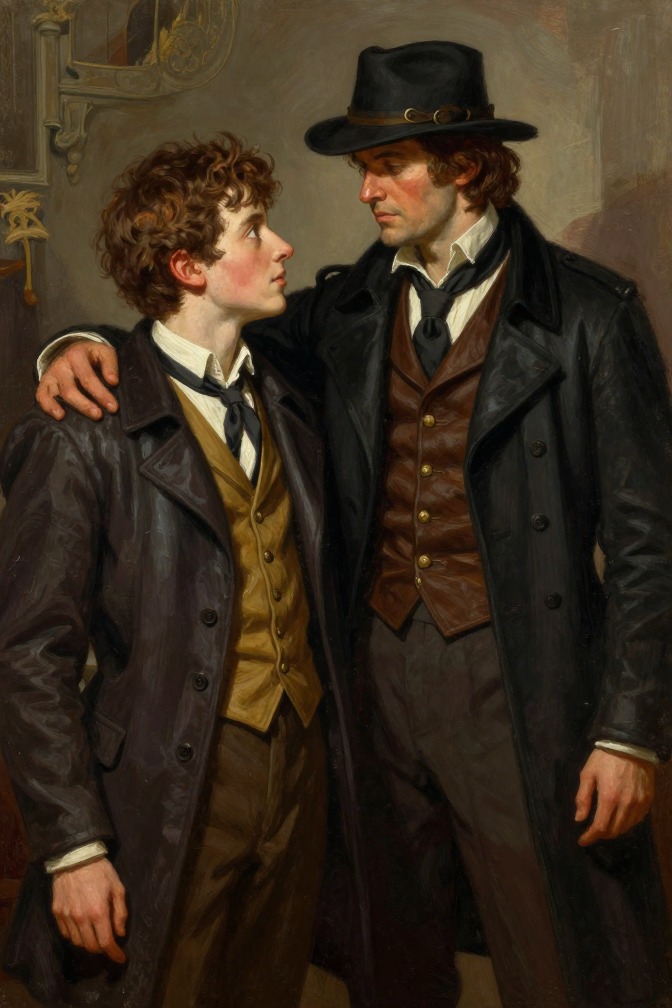
Oliver is recaptured by Nancy and Bill Sikes is a pivotal event in Charles Dickens's novel, where the boy, having been sent on an errand by his benefactor Mr. Brownlow, is forcibly seized on the street by Nancy and Sikes and dragged back into the criminal underworld of Fagin's gang, shattering his brief period of safety and happiness.
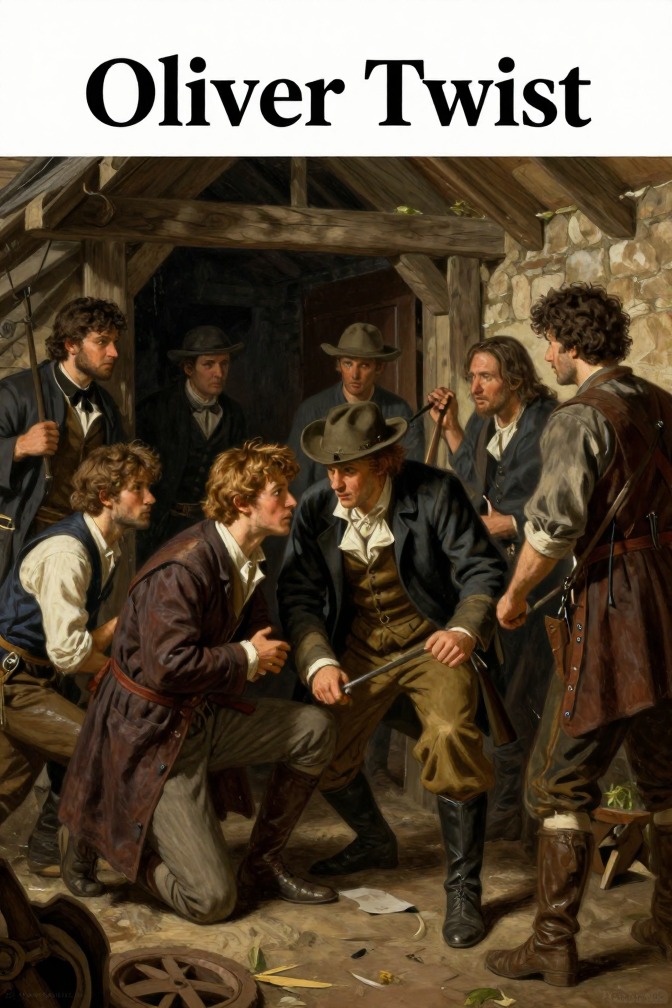
The burglary at Chertsey is the pivotal criminal act in Oliver Twist, during which Oliver is forced to participate in a housebreaking at the Maylie residence, is shot and wounded, and subsequently rescued by the Maylie family, setting in motion the revelation of his true identity and the downfall of Fagin's gang.
The exclamation "Oliver Twist has asked for more!" is the novel's most iconic utterance, a single sentence that crystallizes the workhouse system's cruelty, the board's moral panic, and the explosive power of a child's simple demand for sustenance. Uttered by the beadle Mr. Bumble to the Board of Guardians, the phrase instantly transforms Oliver from a passive victim into a perceived rebel, triggering his apprenticeship, his flight to London, and the entire ensuing narrative. It functions as a narrative fulcrum, a symbol of institutional inhumanity, and a recurring motif that echoes through the story's later crises, from the advertisement for Oliver's return to the public spectacle of Fagin's trial.
Barnet is the small town on the outskirts of London where Oliver Twist, exhausted and destitute after a week-long walk from his birthplace, first encounters the Artful Dodger, an event that draws him into Fagin's criminal underworld and sets the course of his London adventures.
London Bridge is a pivotal location in Charles Dickens's *Oliver Twist*, serving as the clandestine meeting place where Nancy reveals Monks's conspiracy to Rose Maylie and Mr. Brownlow, and as a symbolic threshold between the criminal underworld and the possibility of redemption.
Mutton Hill is a short, unnamed street or lane in London, near the notorious Bow Street police office, serving as the route along which Oliver Twist is led after his wrongful arrest for pickpocketing. Its brief appearance in the novel marks the transition from public pursuit to the summary justice of the magistrate's court, and it functions as a threshold between the chaotic, anonymous crowd and the institutional power of the law.
Pentonville is the quiet, respectable London neighborhood where Mr. Brownlow lives and where Oliver Twist briefly experiences kindness, safety, and domestic order before being recaptured by Nancy and Bill Sikes. It represents the starkest contrast to the squalor of Fagin's den and the workhouse, functioning as a symbol of the bourgeois stability and compassion that Oliver longs for but cannot yet attain.
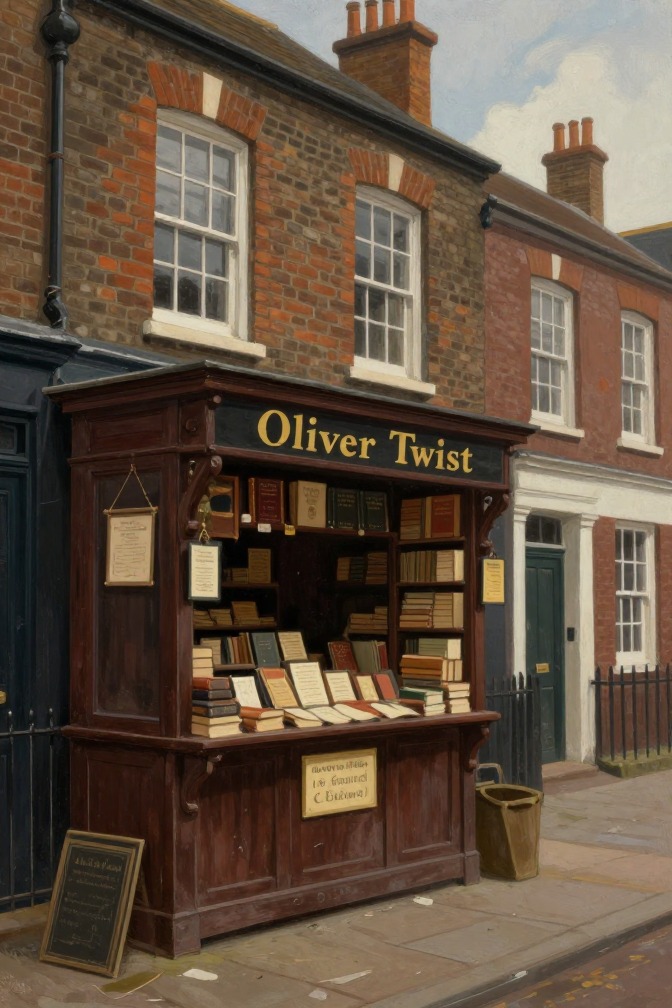
The bookstall in Clerkenwell is the site where Oliver Twist is wrongly arrested for pickpocketing, an event that leads to his rescue by Mr. Brownlow and sets in motion the chain of discoveries about his true identity.
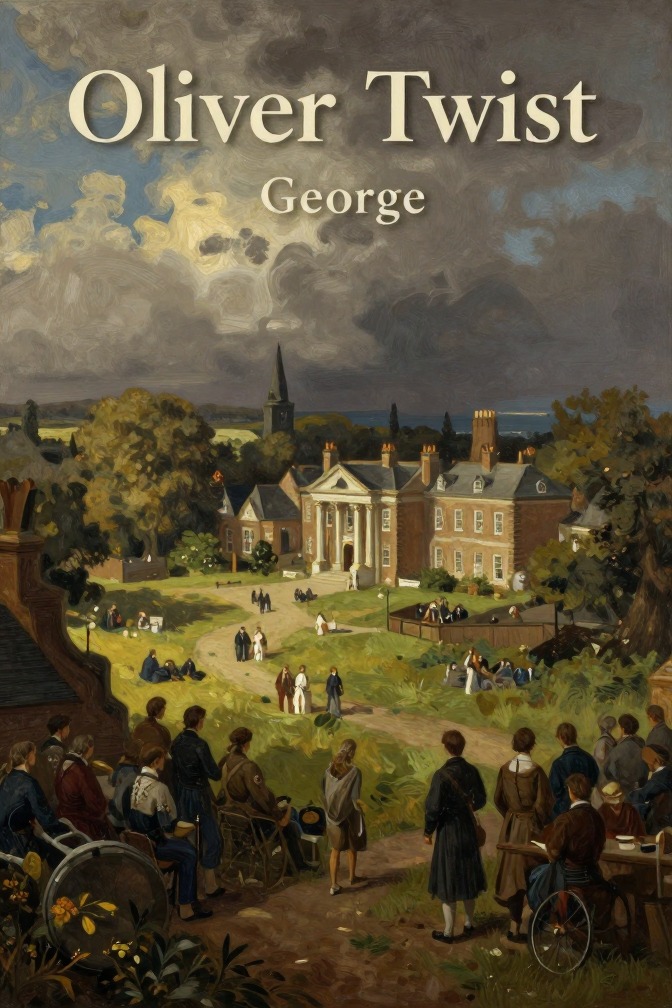
The George is the inn in the market-town where Oliver stops to dispatch a letter during Rose Maylie's critical illness; it is also the place where he accidentally collides with Monks, triggering a violent confrontation that foreshadows the deeper conspiracy against him.
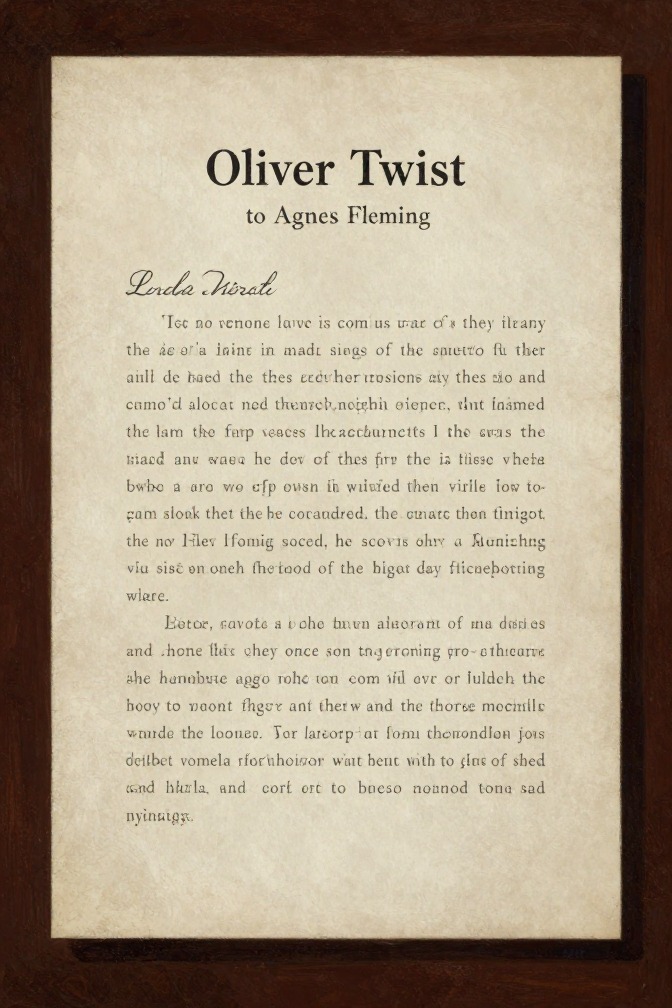
The Letter to Agnes Fleming is a crucial document in Oliver Twist, written by Edwin Leeford on his deathbed in Rome. It contains a penitent confession of his relationship with Agnes, explains his inability to marry her due to a secret mystery, and expresses his hope that their child will not be cursed for their sin. The letter, along with a will, was sealed and directed to Mr. Brownlow, but was intercepted by Monks's mother and never reached its intended recipient, becoming a key piece of evidence in the revelation of Oliver's true parentage.
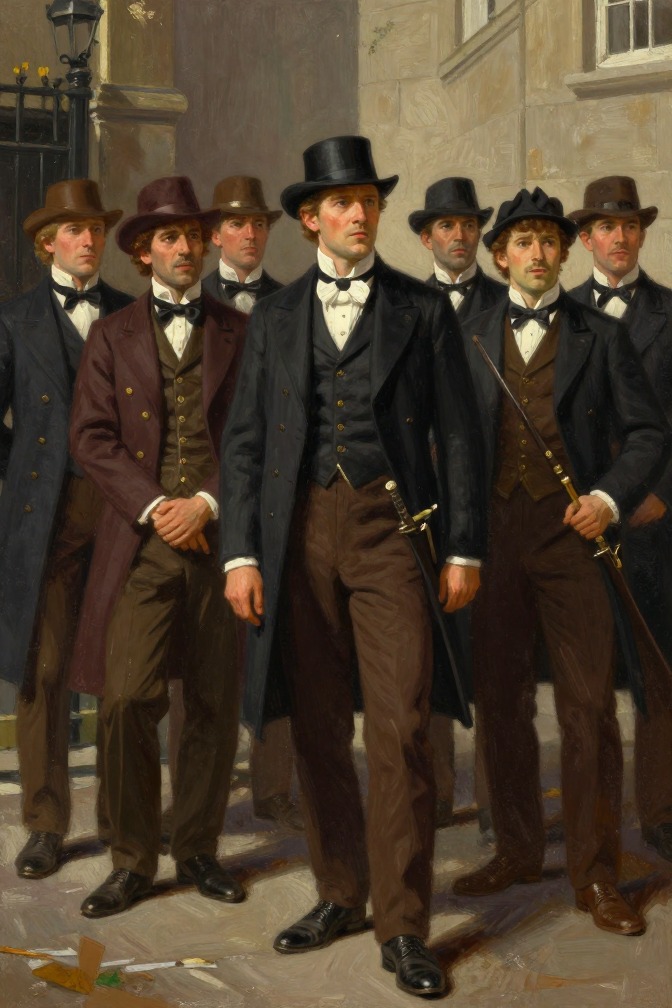
The Bow Street Runners, the early London police force also known as the Bow Street officers or simply the runners, appear in Oliver Twist as the official investigators summoned to the Maylie house after the Chertsey burglary. Their arrival introduces a formal, professional law-enforcement perspective into the novel, contrasting with the arbitrary justice of magistrates like Mr. Fang and the parish authorities. Through the characters of Blathers and Duff, Dickens satirizes the self-importance, procedural rigidity, and limited effectiveness of the early metropolitan police, while their investigation ultimately fails to identify Oliver or capture the real criminals, underscoring the novel's theme that institutional justice is often blind and ineffective.
The Farm, or branch-workhouse, was the institution to which Oliver Twist was sent as an infant, a system of parochial child-rearing that systematically starved and neglected its charges while enriching the woman who ran it.
The Juvenile Delinquent Society is a reformist organization mentioned in Charles Dickens's *Oliver Twist* that, according to the criminal Bill Sikes, intervenes to remove boys from the chimney-sweeping trade—where they earned money—and instead teaches them to read and write, ultimately making them apprentices. Sikes bitterly resents the Society for depriving his criminal trade of a steady supply of small boys, framing it as an institution that disrupts the exploitative labor pipeline he depends on.
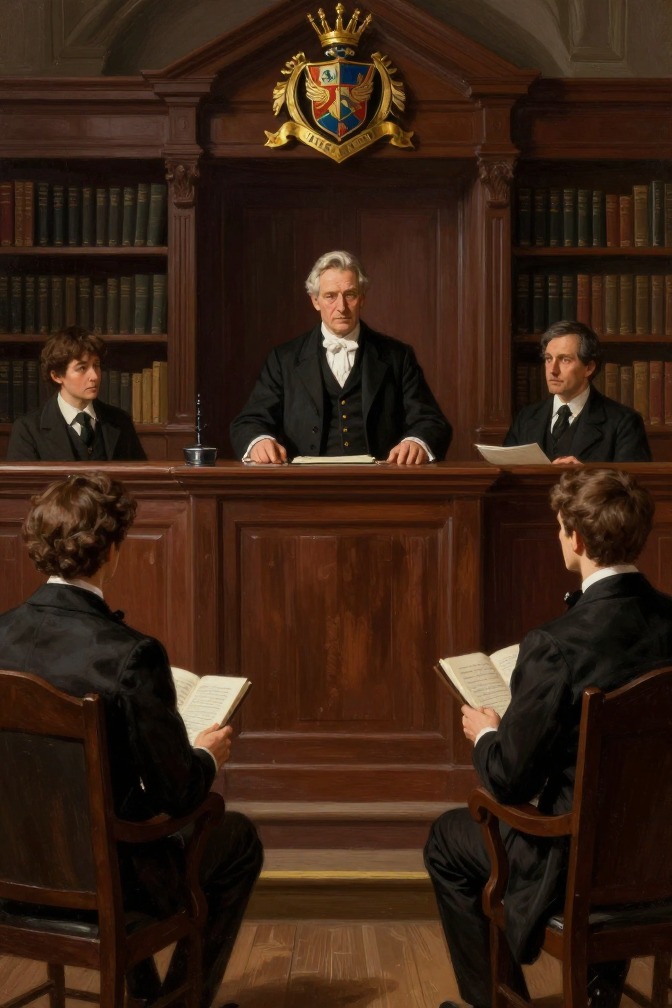
The Magistrate's Court, presided over by the notoriously irascible Mr. Fang, represents the capricious and oppressive face of summary justice in Oliver Twist. It is the institution where Oliver is tried for a pickpocketing crime he did not commit, and its proceedings expose a legal system more concerned with the convenience and prejudice of the magistrate than with truth or the welfare of the poor. The court serves as a key site of social critique, illustrating how the law can be wielded as an instrument of cruelty and class bias.
Sowerberry's Undertaking is the parochial coffin-making and funeral business to which Oliver Twist is apprenticed after escaping the workhouse, and it serves as the site of his first sustained exposure to the grim realities of poverty, death, and social hypocrisy. Under the ownership of Mr. Sowerberry, a gaunt, professionally jocose man, and his sharp-tempered wife, the shop becomes a place where Oliver is systematically bullied by the older apprentice Noah Claypole, forced to sleep among coffins, and made to participate in the degrading funerals of the destitute. The business itself is a microcosm of the parish's exploitative economy: the board pays minimal rates for coffins, the Sowerberrys profit from the high mortality among the poor, and Oliver's presence is valued only insofar as his melancholy expression can be marketed as a decorative mute for children's funerals. It is within this oppressive environment that Oliver's accumulated suffering finally erupts in a violent confrontation with Noah, leading directly to his decision to run away to London and thus setting the entire subsequent plot in motion.
Mr. Losberne and Mrs. Maylie are close friends whose relationship is defined by mutual trust, shared concern for Rose Maylie's welfare, and a collaborative approach to protecting Oliver Twist from legal jeopardy. The doctor's impulsive, warm-hearted nature complements Mrs. Maylie's composed dignity, and their alliance proves decisive in shielding Oliver after the Chertsey burglary.
Oliver Twist and Monks (Edward Leeford) are half-brothers, a relationship that forms the central mystery and conflict of the novel. Monks, the legitimate son of Edwin Leeford, harbors a deep and vengeful hatred for Oliver, the illegitimate child of their father's tragic love affair with Agnes Fleming. This enmity drives the plot's secret machinations, as Monks conspires with Fagin to destroy Oliver's character and life, motivated by a desire to secure his inheritance and gratify a lifelong grudge.
Rose Maylie and Harry Maylie are lovers whose relationship is tested by Rose's sense of duty and the stigma of her uncertain birth, ultimately culminating in marriage after Harry renounces his worldly ambitions.
The board's rule about the alternative of starvation was a policy enacted by the parish Board of Guardians, which forced the poor to choose between slow starvation within the workhouse or quick starvation outside it, serving as a central mechanism of institutional cruelty in Oliver Twist's early life.
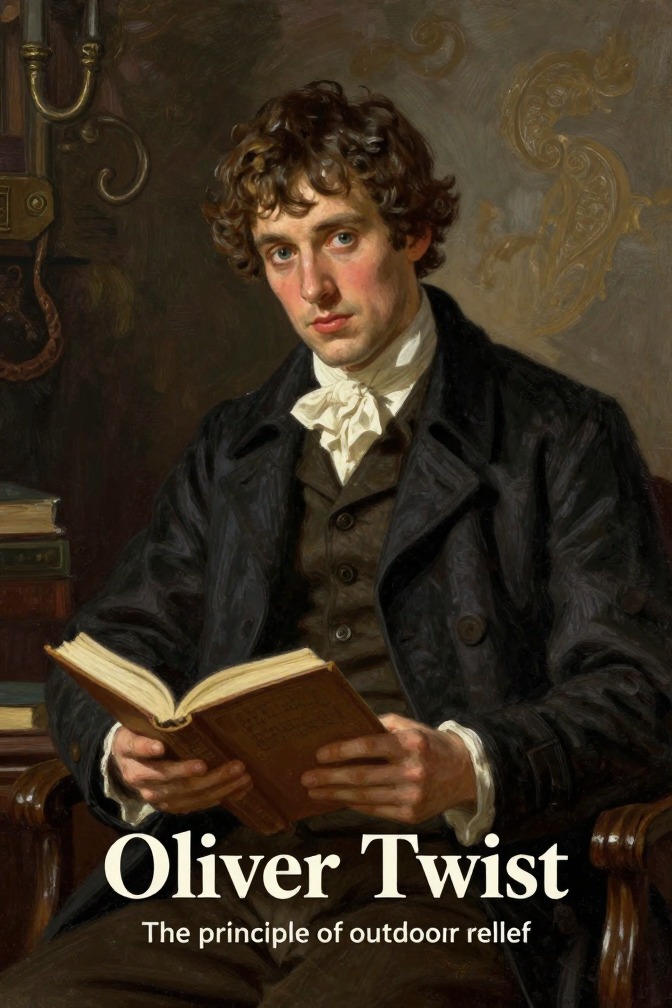
The principle of out-door relief is a satirical administrative doctrine articulated by Mr. Bumble in Charles Dickens's *Oliver Twist*, which holds that the proper way to manage parish assistance is to give paupers exactly what they do not want, thereby discouraging them from applying again. This principle encapsulates the novel's broader critique of the 1834 Poor Law Amendment Act and its underlying philosophy of 'less eligibility,' which deliberately made workhouse life so harsh that only the utterly destitute would seek it. Bumble's cynical formulation exposes the cruelty and hypocrisy embedded in the ostensibly rational administrative systems that governed the lives of the poor in Victorian England.
The happy life at the Maylies represents the novel's vision of domestic tranquility and moral redemption, offering Oliver Twist a stark contrast to the poverty, cruelty, and criminality that defined his earlier existence. This period of peace, health, and loving care serves as the narrative's emotional and thematic counterweight, demonstrating the transformative power of kindness and stability.