Aleppo is the Syrian city where the novel opens, serving as the departure point for the Taurus Express and the first setting in which Hercule Poirot, Mary Debenham, and Colonel Arbuthnot are introduced, establishing the initial narrative threads that lead to the murder on the Orient Express.
France serves as a crucial geographical and cultural reference point in *Murder on the Orient Express*, functioning as the home nation of key characters, the origin of the French nursemaid whose death galvanizes the conspiracy, and the symbolic source of the elegant handkerchief clue that misleads the investigation.
Germany appears in Murder on the Orient Express as a point of origin for several passengers and as a cultural reference that underscores the novel's theme of transnational justice. The country is associated with the German lady's-maid Hildegarde Schmidt, whose homeland is mentioned in connection with her employment and her moral reaction to the crime, and with the broader European setting through which the Orient Express travels. Germany also serves as a geographical marker in the passengers' conversations about weather and travel conditions, and its absence from the direct action of the murder highlights the international composition of the self-appointed jury that executes Ratchett.
Jugo-Slavia is the country through which the Orient Express is traveling when it becomes snowbound, creating the locked-room setting for the murder of Samuel Edward Ratchett and the subsequent investigation by Hercule Poirot.
New York is the American city where the Armstrong family lived and where the kidnapping and murder of Daisy Armstrong occurred, a tragedy that directly motivates the conspiracy aboard the Orient Express. It is also the home base of several key conspirators and the location of the legal system that failed to convict Cassetti.
The Simplon Orient Express is the legendary train on which the central murder of Agatha Christie's novel takes place, becoming a sealed, snowbound crime scene that transforms a routine journey into a classic locked-room mystery.
Syria is the eastern Mediterranean region where Hercule Poirot begins his journey in Murder on the Orient Express, serving as the setting for the opening scene at Aleppo station and as the origin of the Taurus Express that carries him toward Constantinople and the fateful murder.
Princess Dragomiroff was the godmother of Sonia Armstrong, the mother of the murdered child Daisy Armstrong, a relationship that placed her at the emotional and moral center of the conspiracy to execute Samuel Edward Ratchett (alias Cassetti) on the Orient Express.
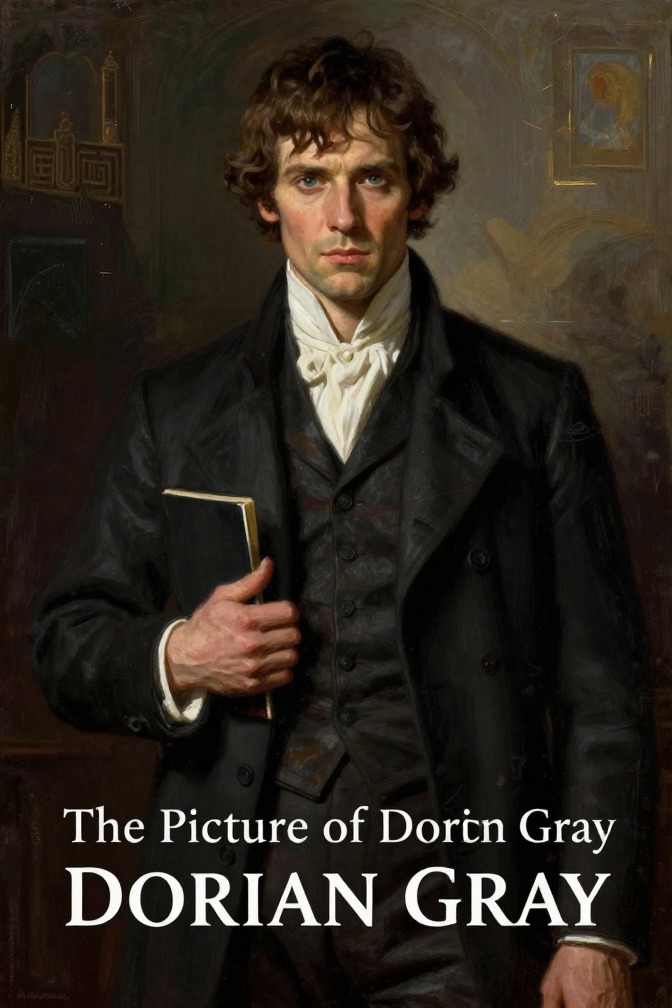
Basil Hallward's murder by Dorian Gray is the pivotal act of irreversible violence in Oscar Wilde's novel, transforming Dorian from a passive consumer of sensation into an active criminal and sealing his moral damnation. The killing occurs on the night of November 7, Dorian's thirty-second birthday eve, after Basil confronts him with the rumors of his corrupting influence and demands to see his soul. Dorian, in a fit of hatred and pride, leads Basil to the locked schoolroom where the portrait is hidden, reveals its hideous transformation, and then stabs him to death with a knife. The murder marks the culmination of Dorian's long descent from aesthetic fascination into absolute evil, and its aftermath—the disposal of the body, the blackmail of Alan Campbell, and the eventual destruction of the portrait—drives the novel's final act.
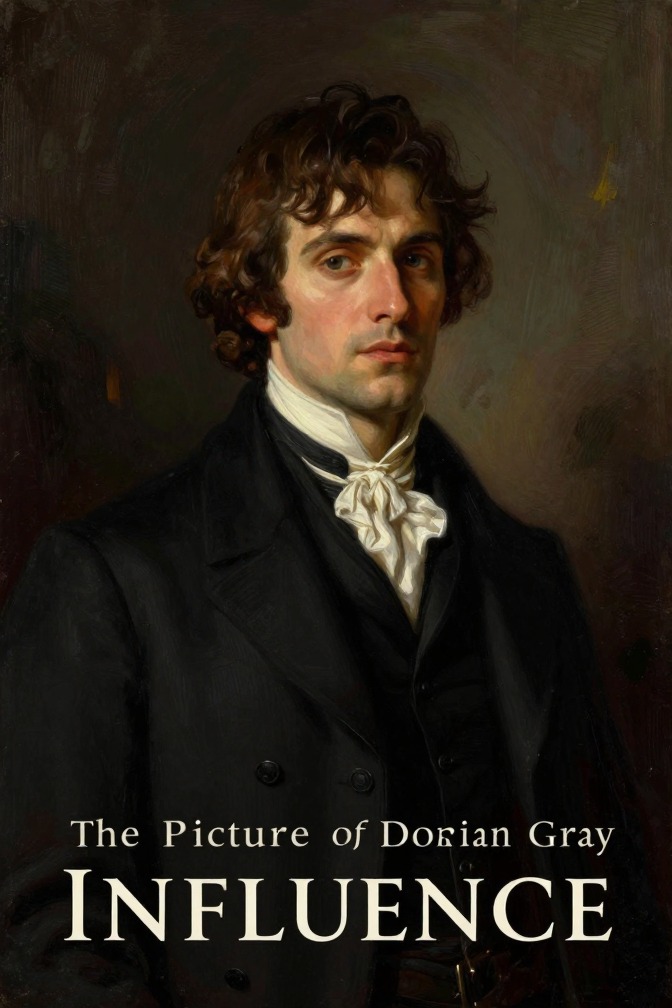
Influence is the central mechanism of moral and psychological transformation in *The Picture of Dorian Gray*, operating as a deliberate, almost scientific transfer of ideas and desires from one person to another, most powerfully from Lord Henry Wotton to Dorian Gray. Lord Henry articulates a philosophy that influence is inherently immoral because it imposes one soul upon another, yet he himself becomes the novel's most effective agent of influence, reshaping Dorian's nature through words that act like a poison. The concept is dramatized through Dorian's sudden awakening to new impulses, his subsequent inability to resist temptation, and his eventual use of influence as a weapon to coerce others, revealing influence as a force that corrupts both the influenced and the influencer.
The phrase "Eternal youth, infinite passion, pleasures subtle and secret, wild joys and wilder sins" crystallizes the Faustian bargain at the heart of Oscar Wilde's novel, serving as Dorian Gray's internal manifesto after he accepts the magical exchange between his own soul and Basil Hallward's portrait. It marks the precise moment when he consciously chooses a life of unrestrained sensation and moral abandon, fully aware that the painted canvas will bear the physical and spiritual decay he himself escapes.
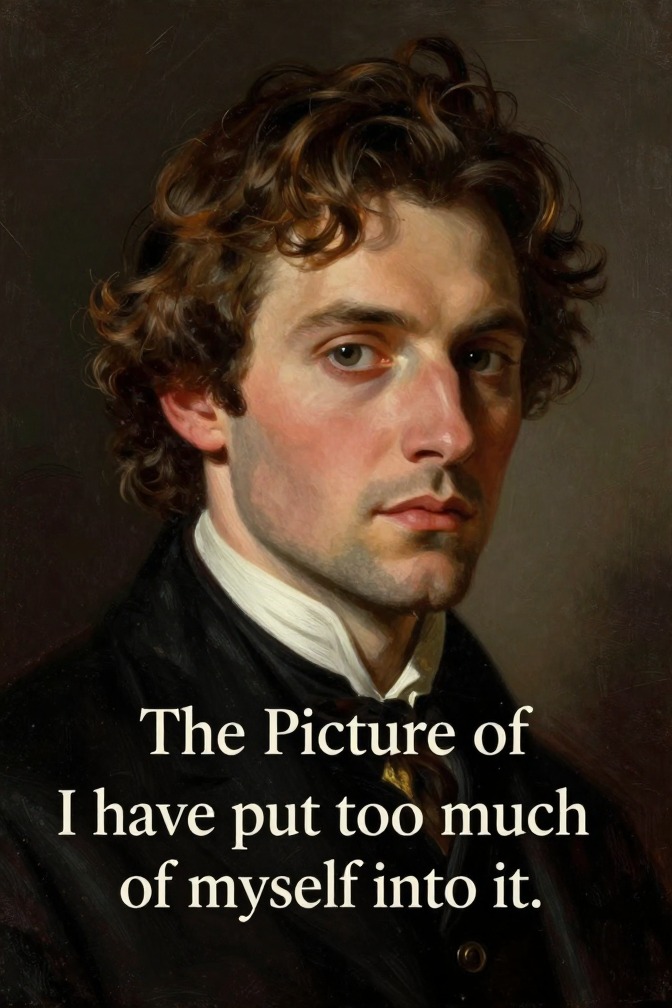
The phrase 'I have put too much of myself into it' is Basil Hallward's first explanation for refusing to exhibit his portrait of Dorian Gray, a confession that reveals the dangerous fusion of artist and subject and sets in motion the novel's central drama of hidden identity and moral consequence.
The Carlton Club is a prestigious London gentlemen's club that serves as a key social setting in Oscar Wilde's *The Picture of Dorian Gray*, where Dorian Gray's reputation is publicly challenged and his moral decay is signaled through social exclusion.
The Globe is the London evening newspaper in which Basil Hallward first reads the news of Sibyl Vane's death, marking the moment the tragedy enters the public record and Dorian Gray's circle.
The Standard is a London newspaper that reports on the inquest into Sibyl Vane's death, confirming a verdict of death by misadventure and providing the public record of the tragedy that shapes Dorian Gray's social and psychological landscape.
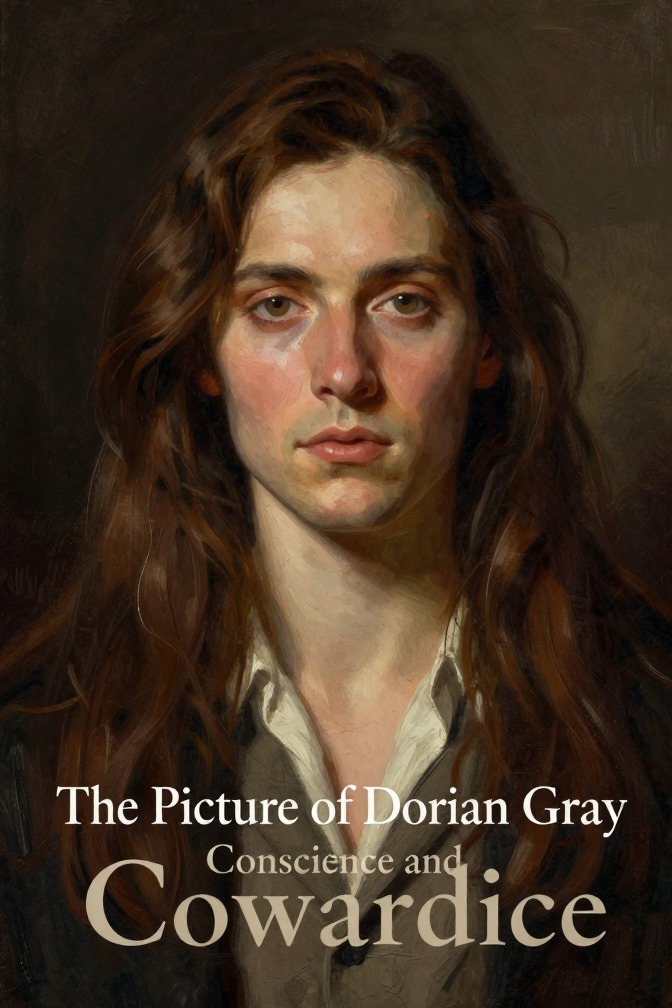
Conscience and Cowardice is a recurring philosophical equation in The Picture of Dorian Gray, first articulated by Lord Henry Wotton, who asserts that conscience and cowardice are essentially the same thing. This cynical maxim becomes a lens through which Dorian Gray interprets his own moral failures, allowing him to rationalize cruelty and evade responsibility. The concept is tested repeatedly in the narrative: Dorian uses it to dismiss his guilt over Sibyl Vane's suicide, to justify his brutal rejection of her, and ultimately to silence the moral appeals of Basil Hallward before murdering him. The rule thus functions as both a thematic motif and a psychological mechanism that enables Dorian's descent into amorality.
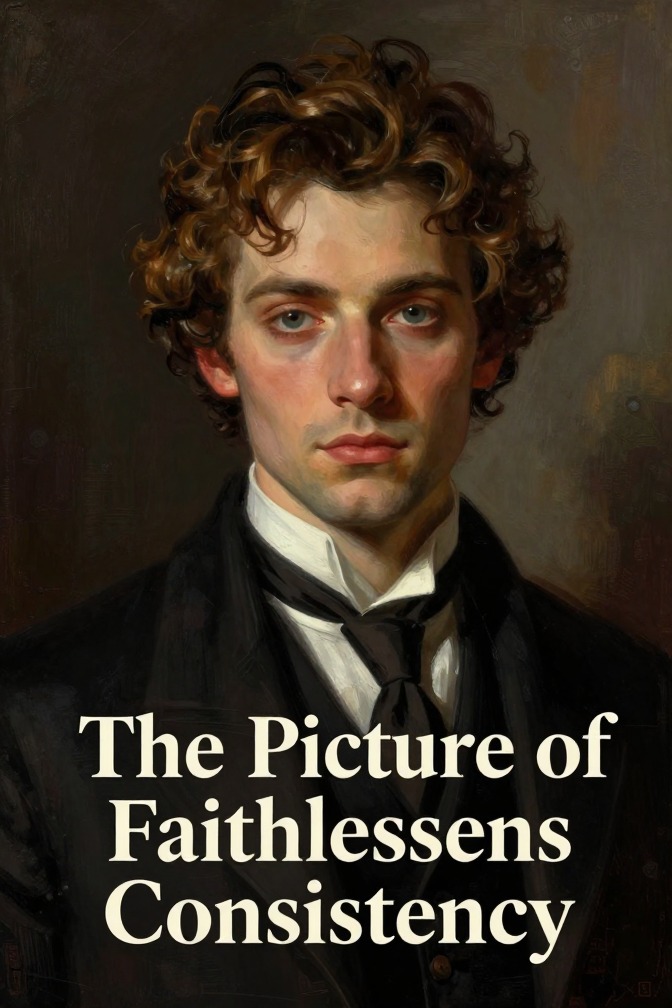
Faithlessness is Consistency is a paradoxical aphorism articulated by Lord Henry Wotton, which redefines infidelity as a form of emotional consistency and dismisses lifelong loyalty as a failure of imagination.
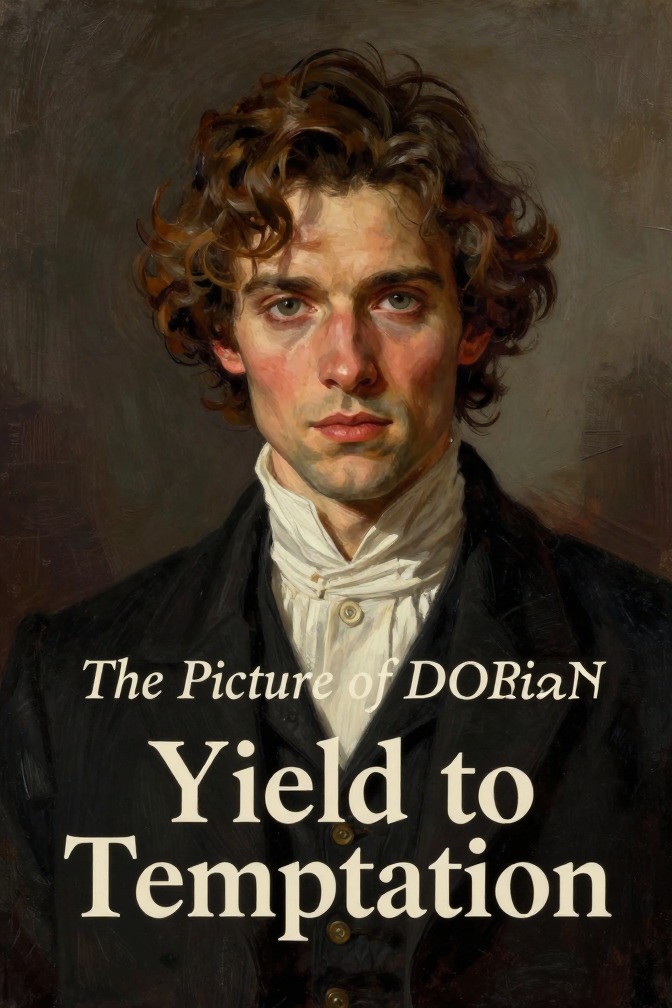
Yield to Temptation is the central philosophical principle articulated by Lord Henry Wotton and adopted by Dorian Gray, which holds that the only way to overcome a desire is to gratify it, and that resistance merely poisons the soul. This doctrine becomes the ethical foundation of Dorian's life, justifying his pursuit of every sensation and ultimately leading to murder and self-destruction.
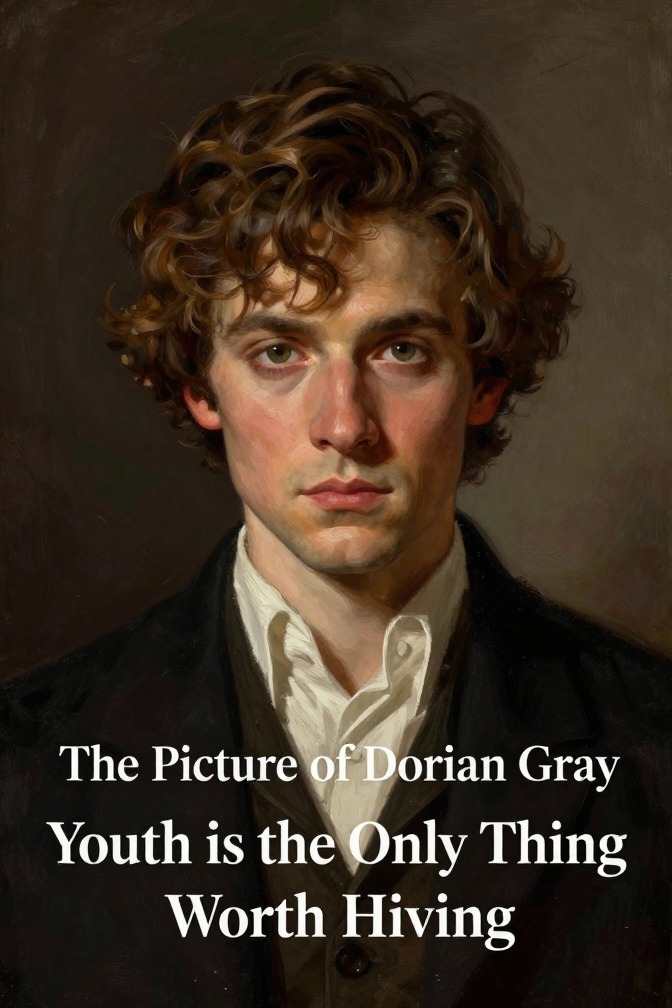
Youth is the Only Thing Worth Having is a central philosophical tenet articulated by Lord Henry Wotton and internalized by Dorian Gray, which becomes the driving force behind Dorian's Faustian wish and his subsequent moral decay. The principle asserts that youth and beauty are the supreme values in life, surpassing intellect, virtue, and all other qualities, and that their inevitable loss is a tragedy so profound that it justifies any action to preserve them.
New Hedonism is the philosophical doctrine articulated by Lord Henry Wotton and embraced by Dorian Gray, which elevates the pursuit of novel sensations, beauty, and self-realization above conventional morality, serving as the central ideological force that drives the plot and justifies Dorian's descent into corruption.
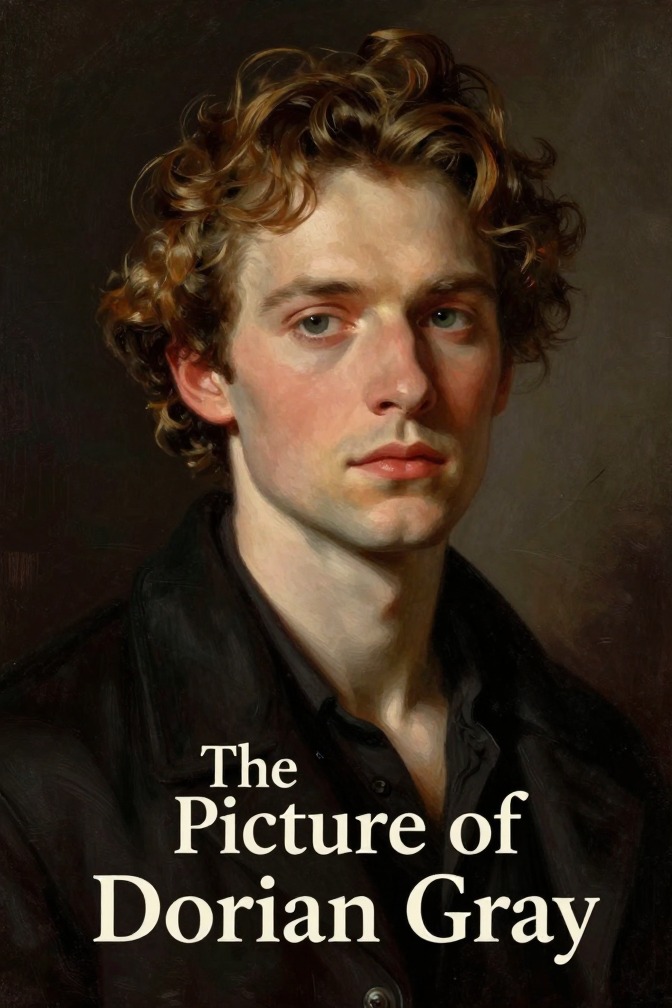
The Portrait's Magical Change is the central supernatural mechanism of Oscar Wilde's novel, a Faustian bargain made manifest: the portrait of Dorian Gray, painted by Basil Hallward, absorbs the physical and moral consequences of Dorian's life, aging and becoming corrupted by his sins while he himself remains perpetually young and beautiful. This magical substitution, triggered by Dorian's impulsive wish, transforms the painting from a work of art into a living conscience, a visible emblem of his soul's decay, and the primary evidence of his crimes, ultimately leading to its destruction and his own death.
The first week in October is the scheduled opening date for a Paris exhibition of Basil Hallward's paintings, including the portrait of Dorian Gray, a plan that forces Dorian to confront the danger of his secret being exposed.
Hyde's suicide is the final, self-inflicted death of Edward Hyde in Dr. Jekyll's cabinet, which simultaneously ends the dual existence of Henry Jekyll and resolves the central mystery of the novel.
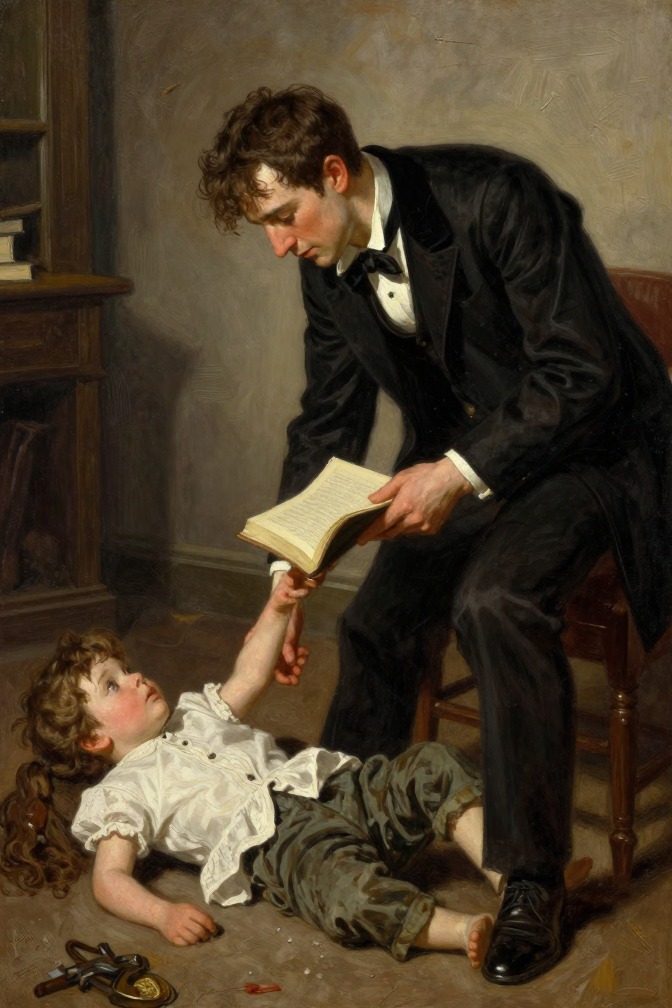
Hyde trampling the child is the first violent act in the story, revealing Hyde's inhuman cruelty and establishing the mystery of his connection to Dr. Jekyll.
Dr. Hastie Lanyon witnesses the physical transformation of Edward Hyde into Henry Jekyll, a sight that shatters his rational worldview and leads directly to his death.
Mr. Utterson confronts Edward Hyde outside the by-street door, securing a direct look at Hyde's face and confirming his identity, an encounter that deepens Utterson's horror and suspicion about the man who is the sole beneficiary of Dr. Jekyll's will.
Dr. Hastie Lanyon is a respected London physician and an old friend of Henry Jekyll, whose rationalist worldview is shattered when he witnesses Edward Hyde's transformation into Jekyll, an event that destroys his health and leads to his death.
Sir Danvers Carew is a distinguished Member of Parliament and client of Mr. Utterson whose brutal murder at the hands of Edward Hyde serves as the story's central crime, triggering the police investigation that exposes the deadly consequences of Henry Jekyll's experiment.
Queer Street is a colloquial expression used by Mr. Richard Enfield in Robert Louis Stevenson's Strange Case of Dr Jekyll and Mr Hyde to describe a situation that appears suspicious, disreputable, or morally questionable, and which he deliberately refrains from investigating further as a matter of personal principle.
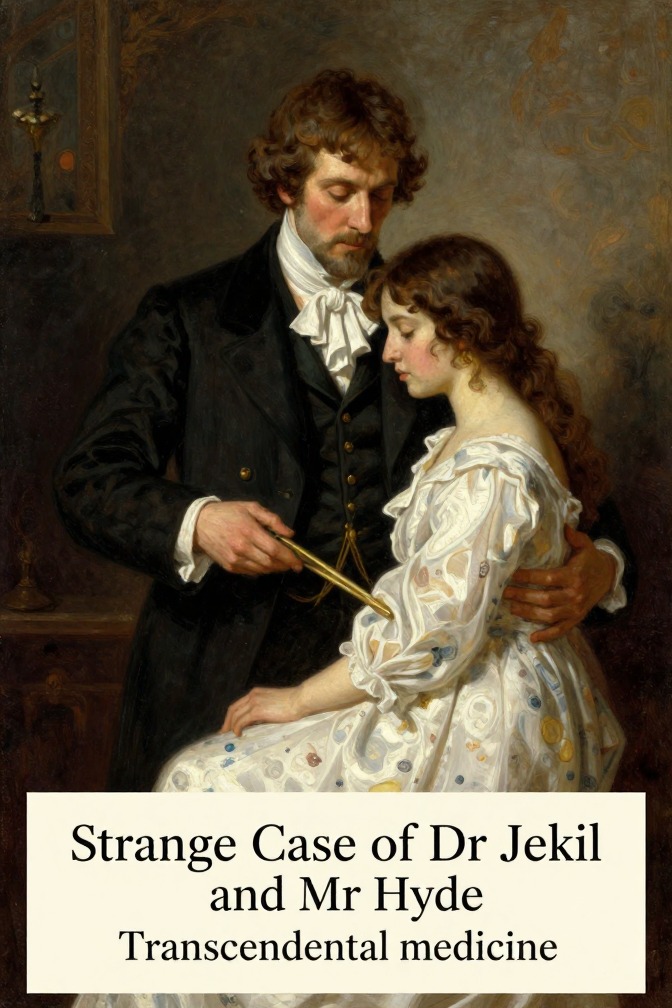
Transcendental medicine is a term used by Dr. Hastie Lanyon to dismiss Henry Jekyll's scientific work, representing the clash between materialist and mystical approaches to science that lies at the heart of the novel's exploration of human duality.