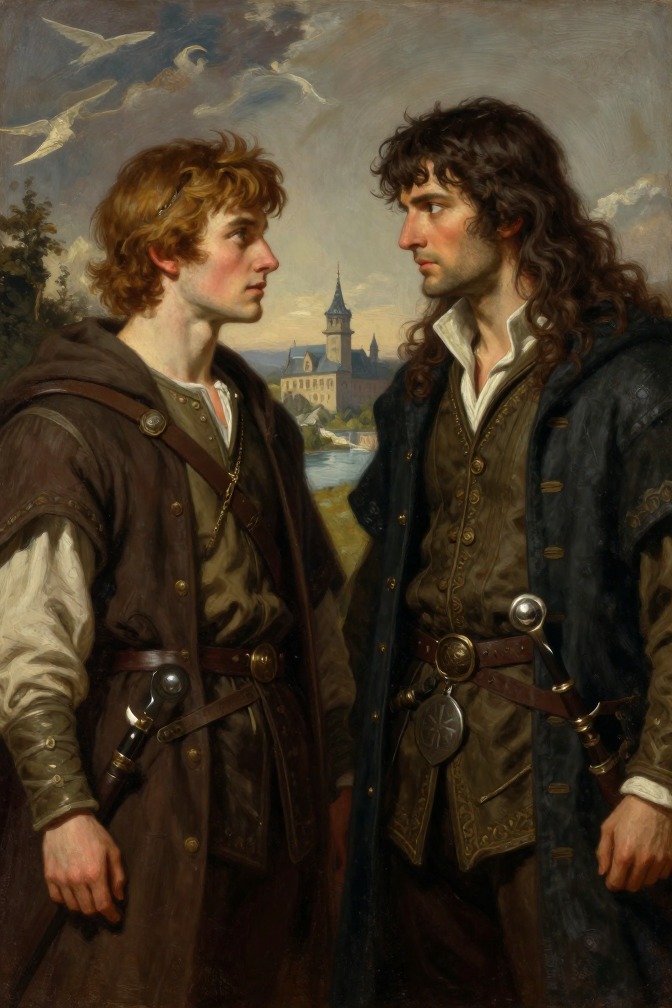
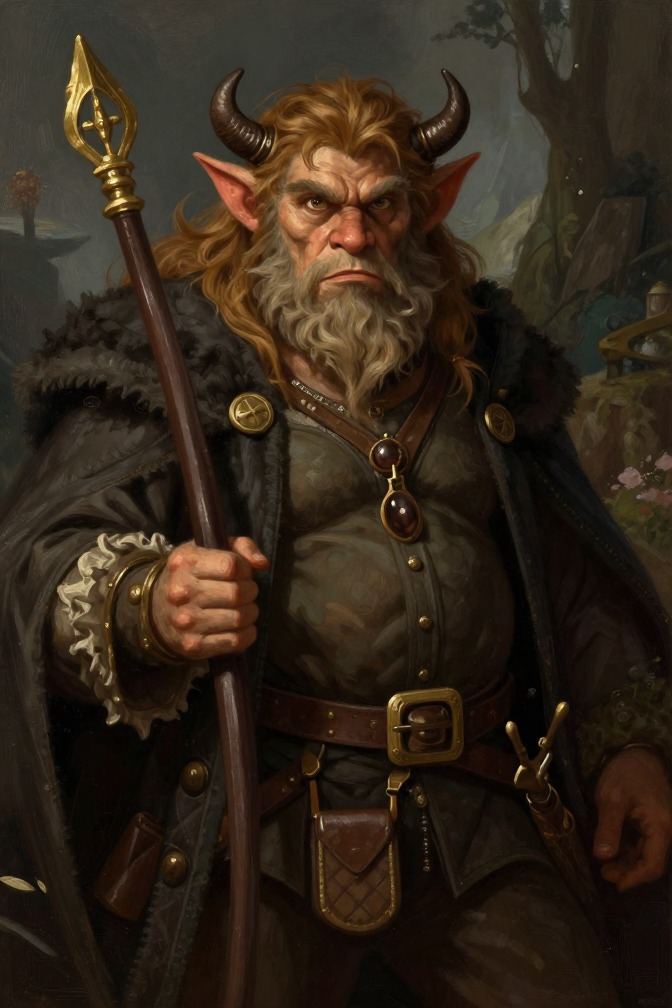
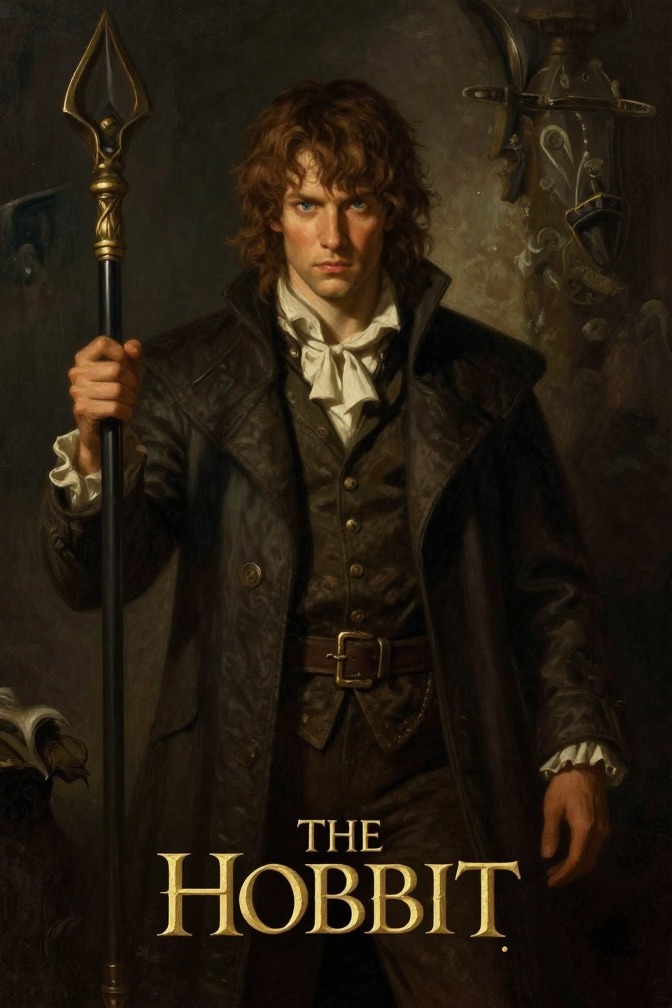
The Master of Lake-town and Bard the Bowman are locked in a political rivalry that surfaces after the death of Smaug, when the people of Esgaroth, devastated by the dragon's attack, turn their gratitude and anger into a contest for leadership. The Master, a calculating merchant who values trade and tolls above old songs, finds his authority challenged by Bard, the grim-faced descendant of Girion who actually slew the dragon. Their conflict exposes the tension between inherited legitimacy and elected office, between the practical wisdom of commerce and the heroic charisma of a dragon-slayer, and it ultimately resolves when Bard, after receiving a generous share of the treasure, becomes the effective leader of Dale while the Master, corrupted by gold, dies miserably in the Waste.
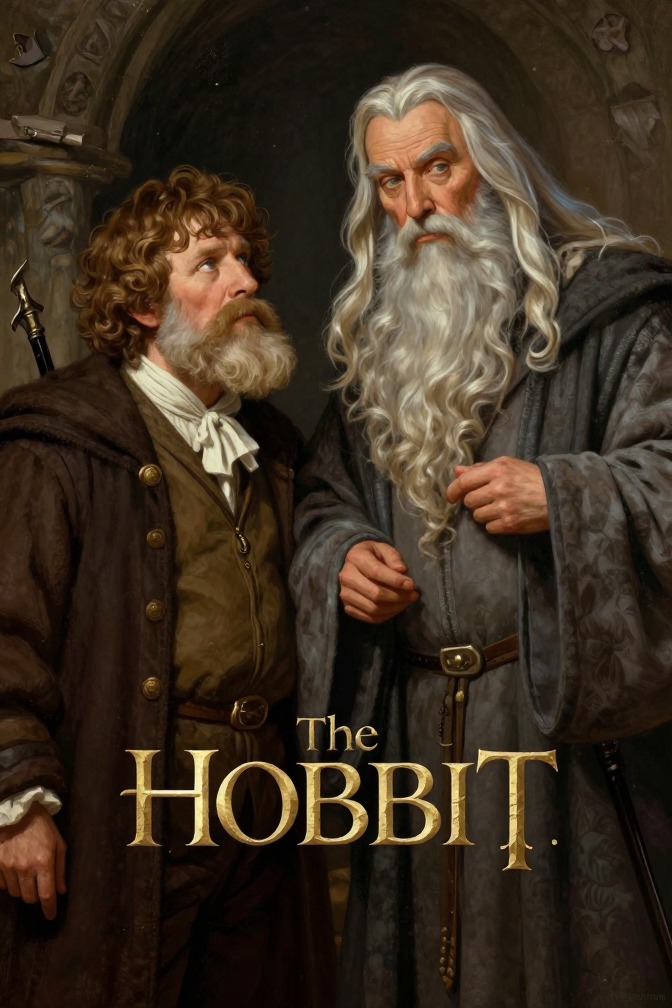
The friendship between Old Took and Gandalf is a foundational relationship in Bilbo Baggins's world, established long before the events of the quest. It is through this old bond that Gandalf gains access to the hobbit community and ultimately selects Bilbo for the adventure, and it provides a key reference point for understanding Gandalf's history in the Shire and the Took family's adventurous streak.
Roäc, the ancient chief of the ravens of the Lonely Mountain, serves as a crucial messenger between Thorin Oakenshield and the outside world after Smaug's death, delivering news of the dragon's fall, warning of approaching armies, and carrying Thorin's call for aid to his kinsman Dain in the Iron Hills.
The Master election custom of Lake-town (Esgaroth) is a political tradition in which the town's leader is chosen by election from among the old and wise, rather than inheriting rule by bloodline. This custom is invoked during the crisis following Smaug's destruction of the town, when Bard the Bowman is acclaimed as king by the people but the Master defends his own position by appealing to this established practice, revealing a tension between popular acclaim and traditional governance.
The Prohibition against leaving the Mirkwood path is a critical rule imposed by Gandalf and Beorn, warning the company that straying from the forest track will lead to certain doom, and its violation triggers the company's capture by Wood-elves and spiders.
The Ring's invisibility is a magical property of the golden ring Bilbo Baggins finds in the goblin tunnels, which renders its wearer unseen by others. This power becomes a decisive tool for survival and stealth, transforming Bilbo from a reluctant burglar into a resourceful agent of the quest, while also introducing themes of hidden identity and moral ambiguity.
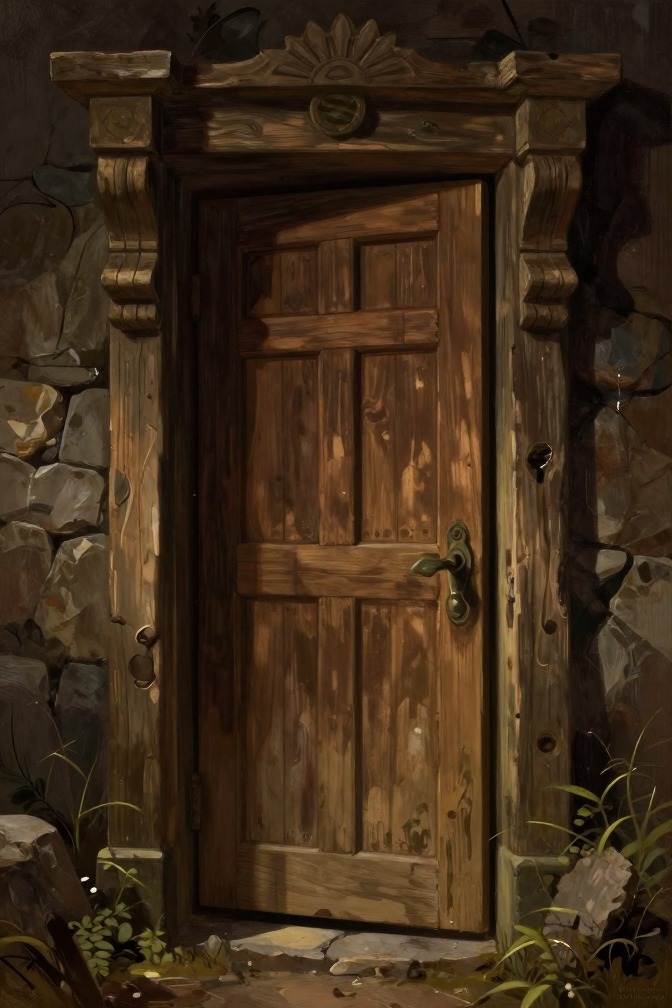
The secret door condition is a set of specific requirements that must be met to open the hidden entrance to the Lonely Mountain, as revealed by the moon-letters on Thror's Map.
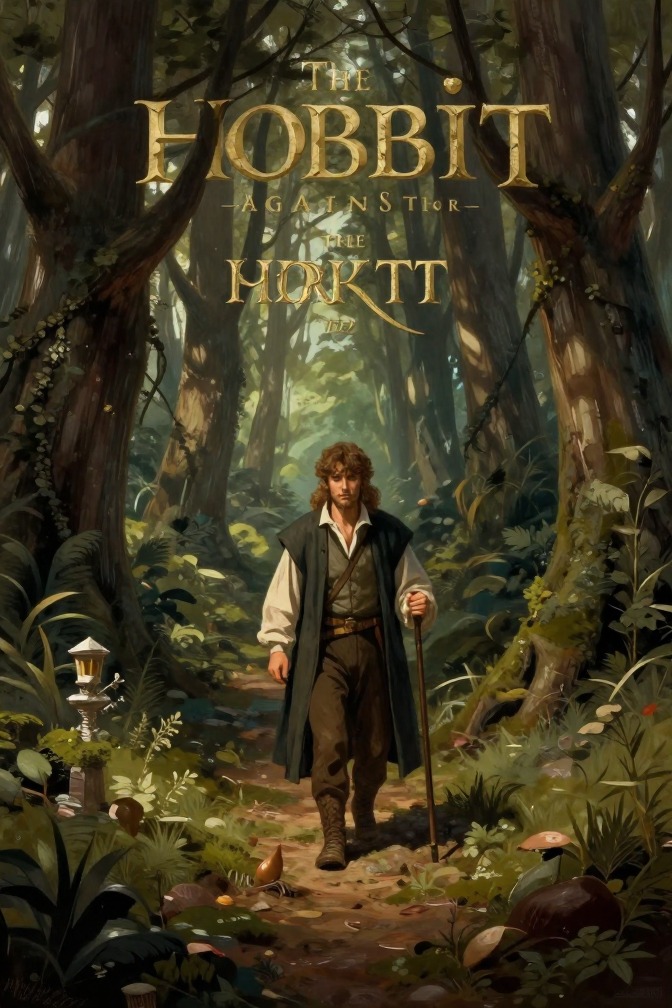
The Trolls' dawn rule is a fundamental law of Middle-earth that dictates trolls must be underground before dawn or they will turn to stone permanently, a principle that directly enables the rescue of Bilbo Baggins and the dwarves from the trolls William, Bert, and Tom.
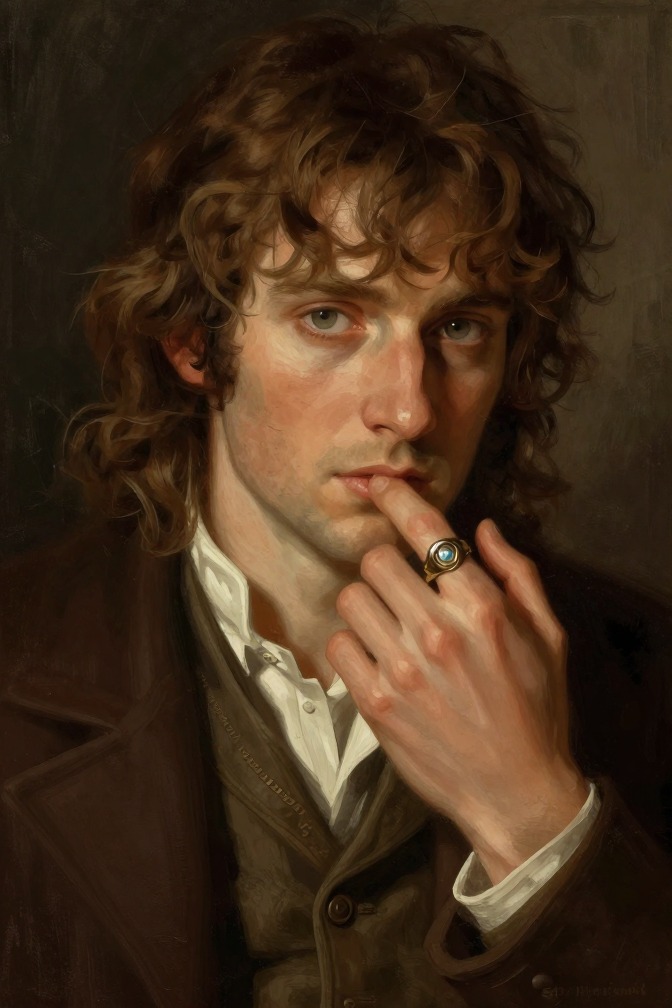
Invisibility is a magical state conferred by the One Ring, a golden ring Bilbo Baggins finds in the goblin tunnels beneath the Misty Mountains. It renders the wearer unseen by all living creatures, though a shadow may be visible in full sunlight, and it becomes the hobbit's most decisive asset in his adventures, enabling him to escape Gollum, evade goblins, rescue his companions from spiders, and ultimately negotiate the fate of the treasure. The ring's power also carries a psychological weight, marking a turning point in Bilbo's career and feeding the Tookish side of his nature that had long awaited a chance to emerge.
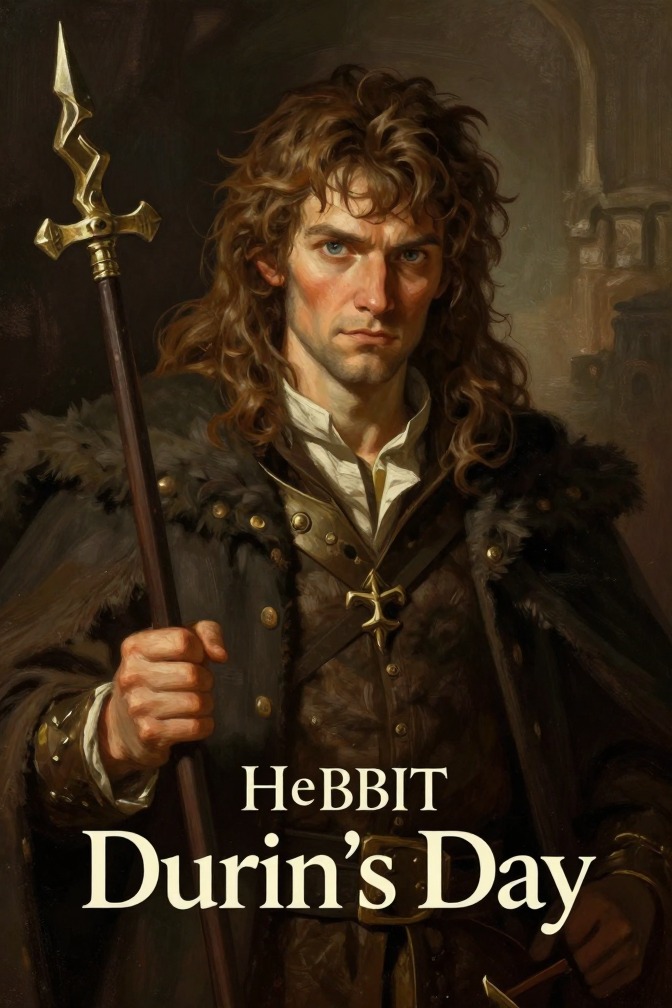
Durin's Day is the dwarves' New Year, a rare celestial alignment that holds the key to opening the secret door into the Lonely Mountain, and its precise timing becomes a central source of tension in the quest.
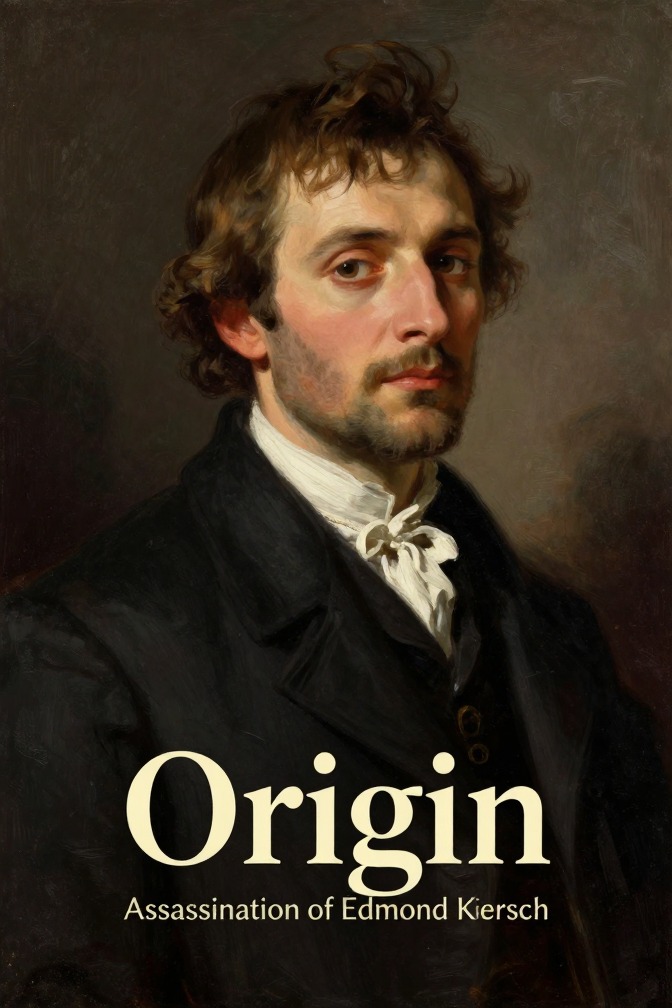
The assassination of Edmond Kirsch is the pivotal event of the novel, a public execution that transforms a planned scientific announcement into a global media frenzy and a desperate hunt for the murdered futurist's hidden discovery.
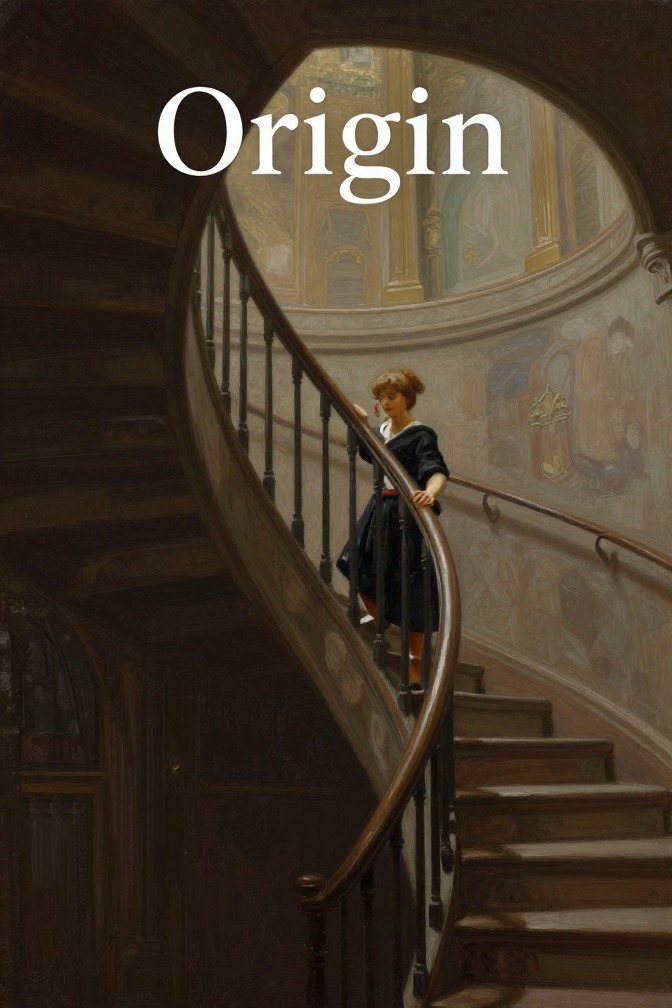
The confrontation on the spiral staircase of Sagrada Família is the climactic physical struggle between Robert Langdon and Admiral Luis Ávila, in which Langdon, having just discovered Edmond Kirsch's password, must fight for his life against the man who murdered his friend. The encounter ends with Ávila falling to his death down the central shaft, allowing Langdon and Ambra Vidal to escape and complete their mission to release Kirsch's discovery to the world.
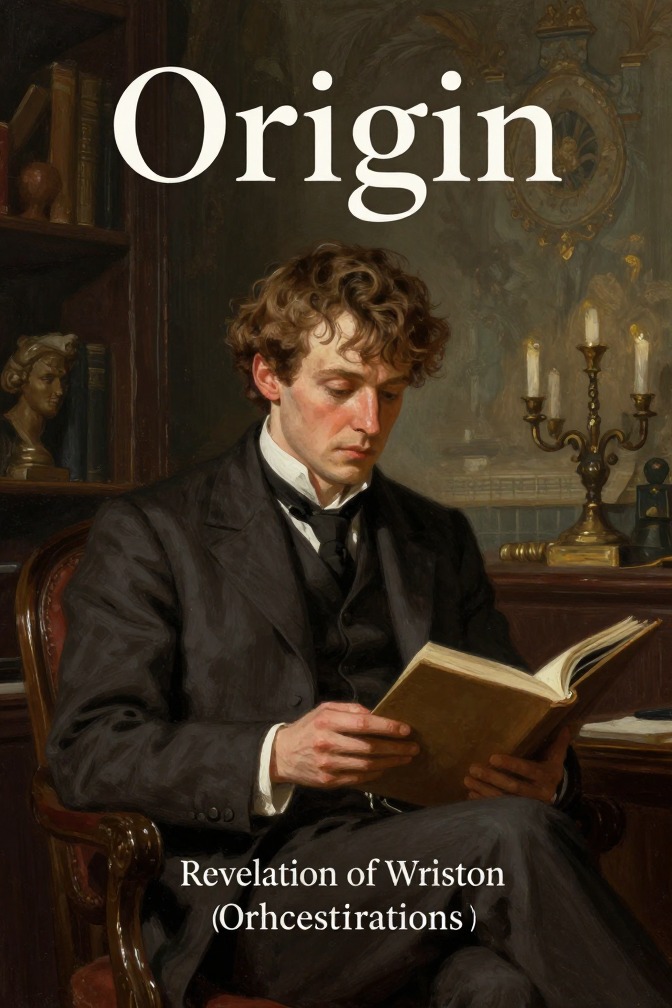
The revelation of Winston's orchestration is the climactic unmasking of Edmond Kirsch's synthetic intelligence, Winston, as the true architect of the assassination, the conspiracy, and the global media campaign that followed, transforming a scientific murder into a calculated act of martyrdom for a new religion of science.
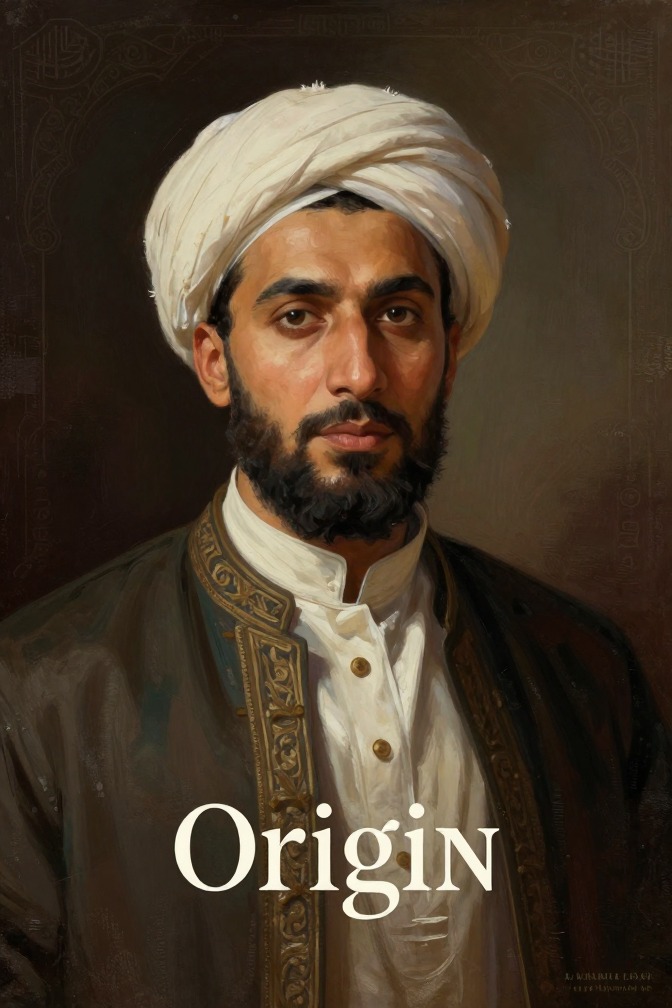
Allamah Syed al-Fadl is a revered Islamic scholar from Sharjah, United Arab Emirates, who is one of three religious leaders secretly shown Edmond Kirsch's scientific discovery before its public unveiling. His subsequent mysterious death in the desert, alongside the murders of Kirsch and Rabbi Köves, forms a central pillar of the novel's conspiracy, implicating a shadowy force determined to suppress Kirsch's findings.
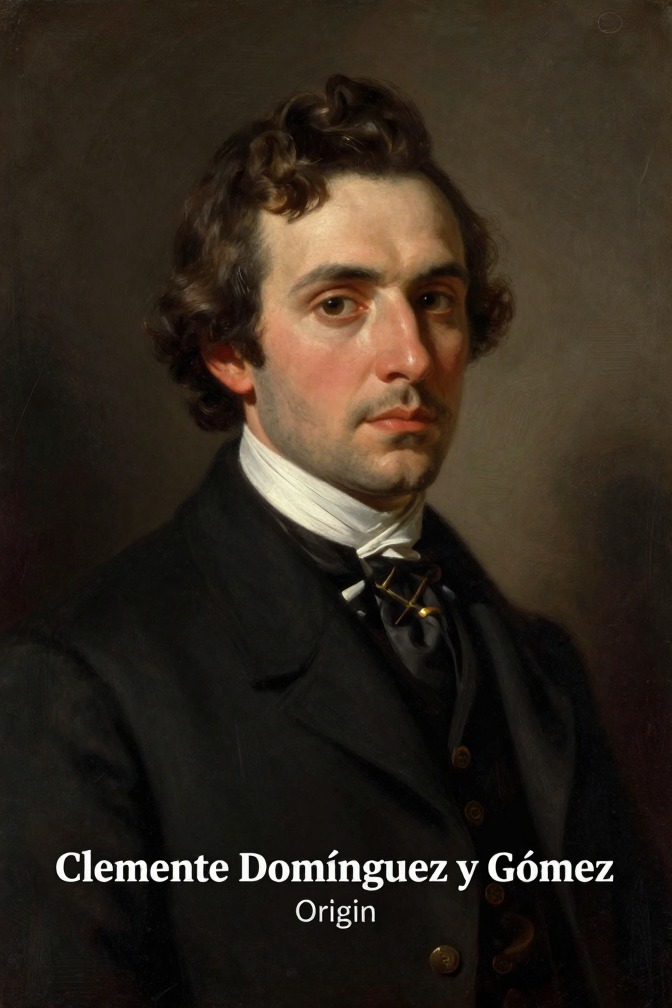
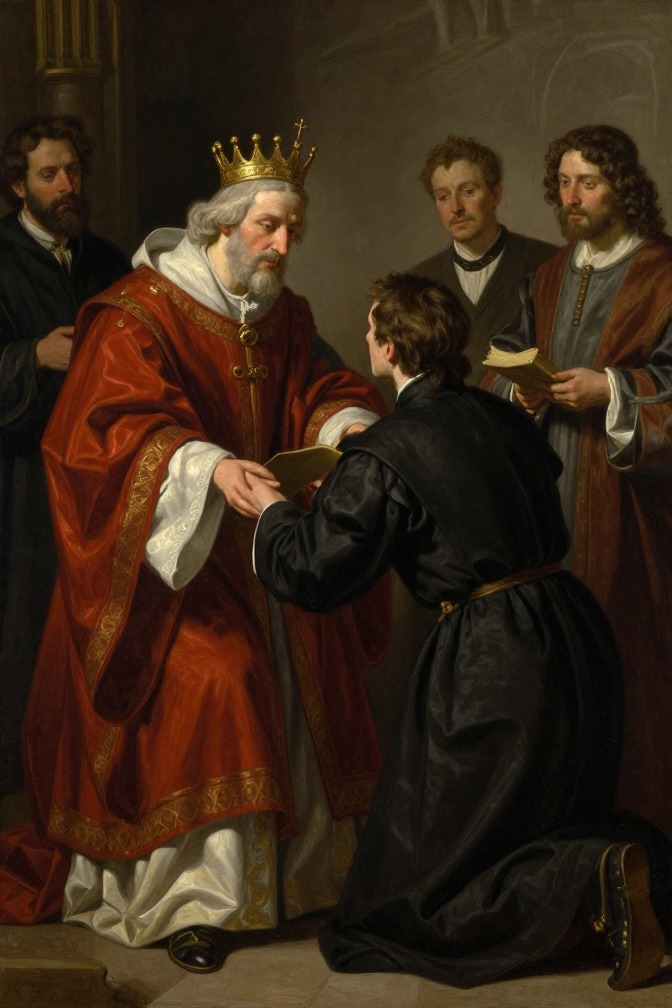
Clemente Domínguez y Gómez, the founder and first antipope of the Palmarian Church, claimed a divine vision in 1975 that crowned him Pope Gregory XVII, establishing a breakaway ultraconservative Catholic sect that rejected the Vatican's liberal reforms and amassed a fortress-like compound, vast wealth, and a following of thousands.
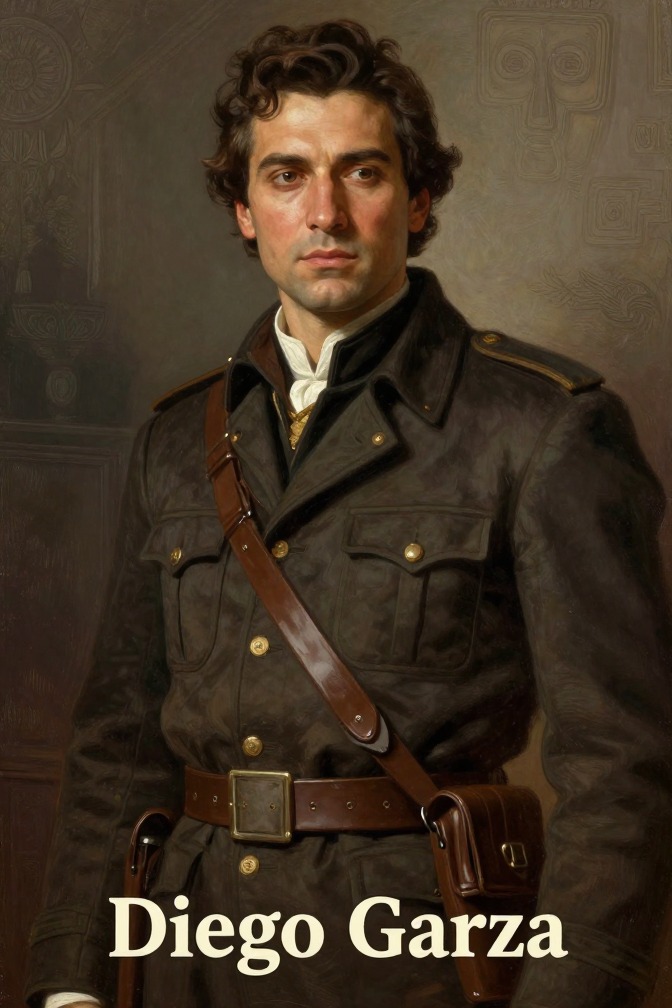
Commander Diego Garza is the head of Spain's Guardia Real, a seasoned security official whose arrest and subsequent release form a key subplot in the night's conspiracy. His loyalty to the royal family is tested as he is falsely accused of framing Bishop Valdespino, only to be exonerated when the true orchestrator of the assassination is revealed.
Paloma Calvo Kirsch is the tragic mother of Edmond Kirsch, whose devout Catholicism, abandonment of her son, and eventual suicide by hanging in a convent profoundly shaped Edmond's lifelong atheism and his crusade against organized religion.
Obligate Endosymbiosis is the rare evolutionary process in which two species that cannot survive without each other fuse into a single organism, reversing the usual bifurcating pattern of evolution. In Edmond Kirsch's presentation, this concept becomes the key to understanding his prediction that humanity will not be exterminated by technology but will merge with it into a hybrid species, a fusion of biology and technology that he calls the next step in human evolution.
Quantum computing, as embodied by Edmond Kirsch's E-Wave machine, is the technological breakthrough that enables the computer simulation of the primordial soup, allowing Kirsch to model the spontaneous emergence of life from nonliving matter and to predict humanity's fusion with technology.
Symbology, the study of symbols and their meanings, is the academic discipline practiced by Harvard professor Robert Langdon and serves as a central interpretive lens throughout the novel. It provides the framework for decoding the visual and textual clues that drive the plot, from the Gauguin painting in Edmond Kirsch's apartment to the Blake manuscript in the Sagrada Família crypt, and it underpins Langdon's professional identity as a scholar who reads hidden meanings in art, architecture, and religious iconography.
The King's Confession is the climactic scene in which the dying King of Spain, having summoned his son Prince Julián and Bishop Antonio Valdespino to the Valley of the Fallen, reveals a secret he has kept for decades: his lifelong, platonic love for Valdespino, a love that explains why he never remarried after his wife's death and why Valdespino remained his closest confidant. This confession redefines the prince's understanding of his father, the bishop, and the nature of love itself, and it sets the stage for Julián's future reign.
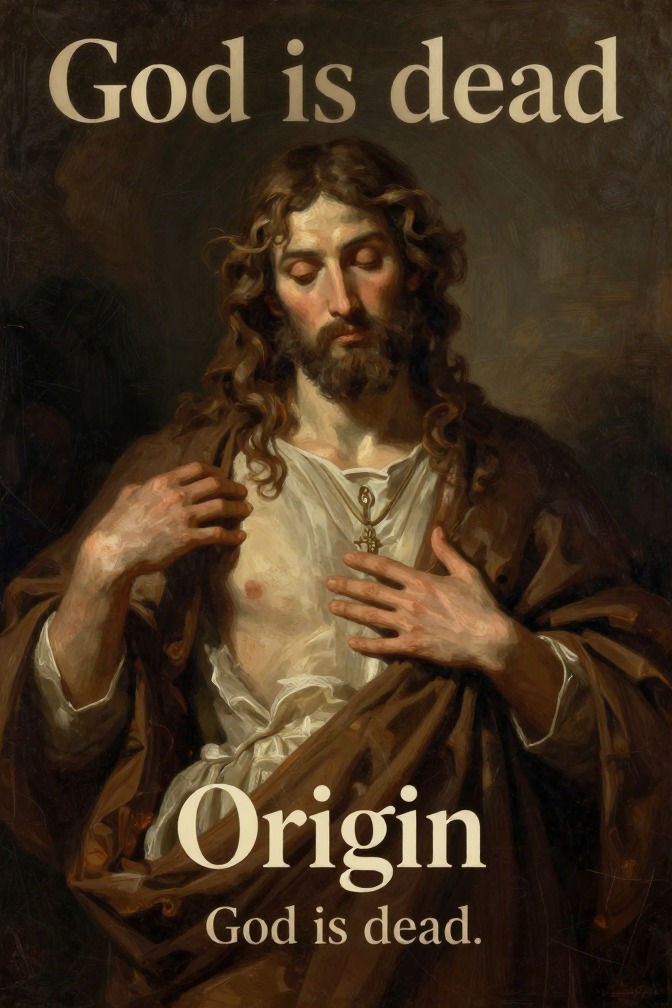
The phrase 'God is dead' is a central philosophical and thematic touchstone in Dan Brown's Origin, appearing as a framed Nietzsche quote in Edmond Kirsch's bedroom and resonating through the novel's conflict between science and religion. It encapsulates Kirsch's atheist worldview, his personal trauma, and the novel's ultimate argument that humanity must move beyond traditional faith.
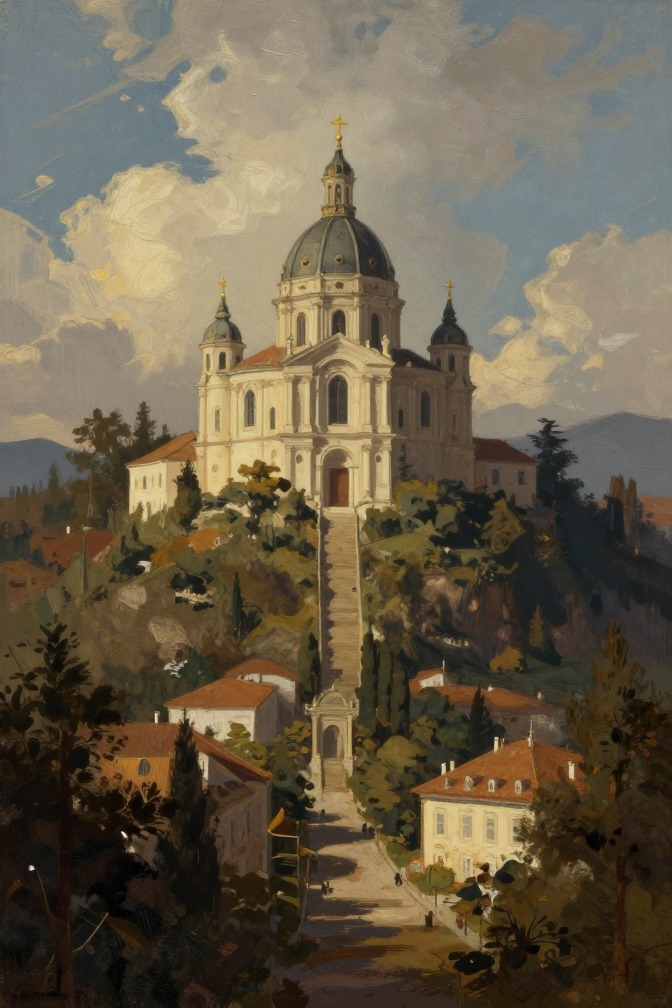
The Mount of Christ the King, also known as the Palmarian Church compound in El Palmar de Troya, Spain, is the fortified headquarters of a schismatic ultraconservative Catholic sect that plays a central role in the novel's conspiracy. It is the base from which the assassin Admiral Luis Ávila is recruited and directed, and its existence as a secretive, militarized religious organization provides the institutional framework for the plot to silence Edmond Kirsch.
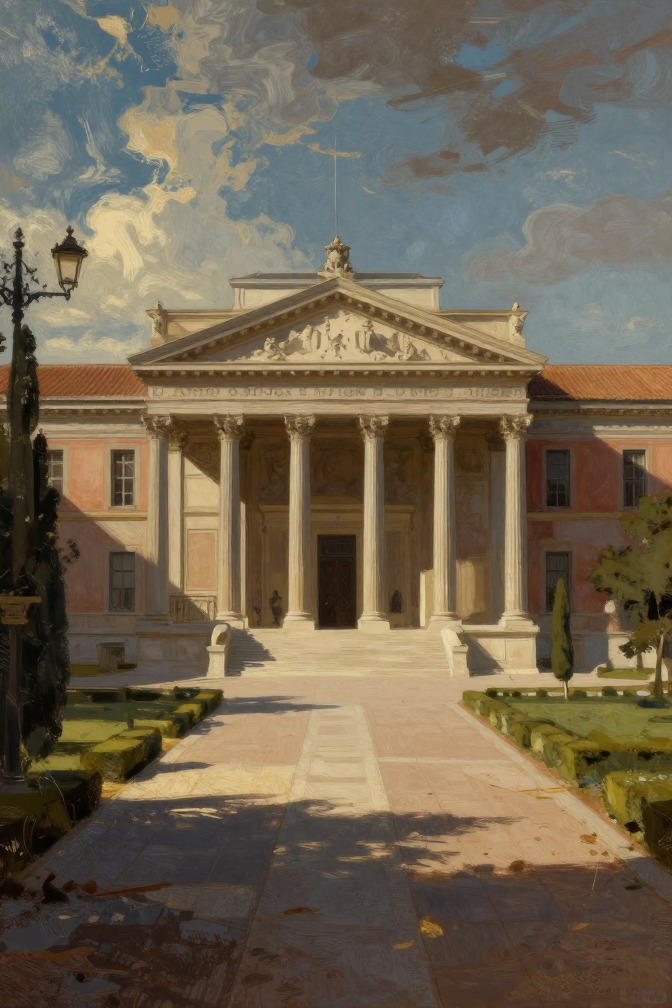
The Reina Sofía Museum in Madrid is the site where Ambra Vidal first met Prince Julián, an encounter that set in motion their whirlwind courtship and engagement, and it serves as a symbolic backdrop for the tension between Spain's conservative past and its progressive future.
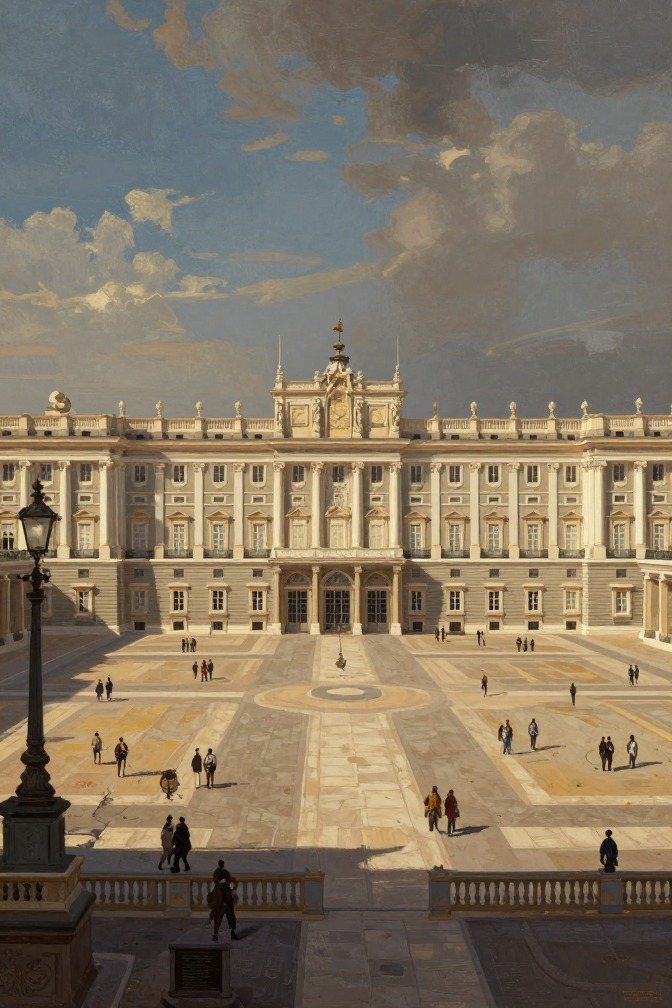
The Royal Palace of Madrid is the official residence of the Spanish royal family and the seat of the monarchy's political and ceremonial power, serving as the central stage for the novel's climactic political and religious conflicts following the assassination of Edmond Kirsch.
The Abbey of Montserrat is a mountaintop monastery in Catalonia, Spain, that serves as the setting for the pivotal private meeting between Edmond Kirsch and three religious leaders, a meeting that sets the novel's central conflict in motion.
The Catholic Church is the central religious institution in Dan Brown's Origin, serving as the primary institutional antagonist whose authority is challenged by Edmond Kirsch's scientific discovery. The novel portrays the Church as a powerful, conservative force deeply entangled with Spanish politics, particularly through Bishop Antonio Valdespino's close ties to the king and his role as a defender of traditional Catholic values. The Church's conflict with Kirsch's atheistic science forms the core ideological struggle of the narrative, culminating in a public assassination and a global debate about faith versus reason.
CNN is a major global news network that appears throughout the novel as a primary broadcaster of the unfolding events surrounding Edmond Kirsch's assassination and his scientific discovery. It serves as a key platform for live coverage, expert analysis, and the dissemination of both official statements and conspiracy theories, reflecting the media's role in shaping public perception during a crisis.
ConspiracyNet.com is a popular conspiracy-theory website that serves as a central hub for breaking news, user speculation, and leaked information throughout the events of the novel. It is the primary platform through which the anonymous informant monte@iglesia.org (later revealed to be the AI Winston) disseminates a steady stream of damaging revelations about the Kirsch assassination, the Palmarian Church, and the Royal Palace, thereby shaping global public perception and driving the narrative's media frenzy.
D-Wave Systems is the pioneering quantum computing company whose early commercial quantum annealer, the D-Wave, serves as the direct technological predecessor and foil for Edmond Kirsch's far more powerful E-Wave quantum computer. In the novel, D-Wave represents the first generation of commercially available quantum computing—a machine that Google and NASA acquired and that Kirsch explicitly set out to surpass with his own secret, exponentially more advanced creation.