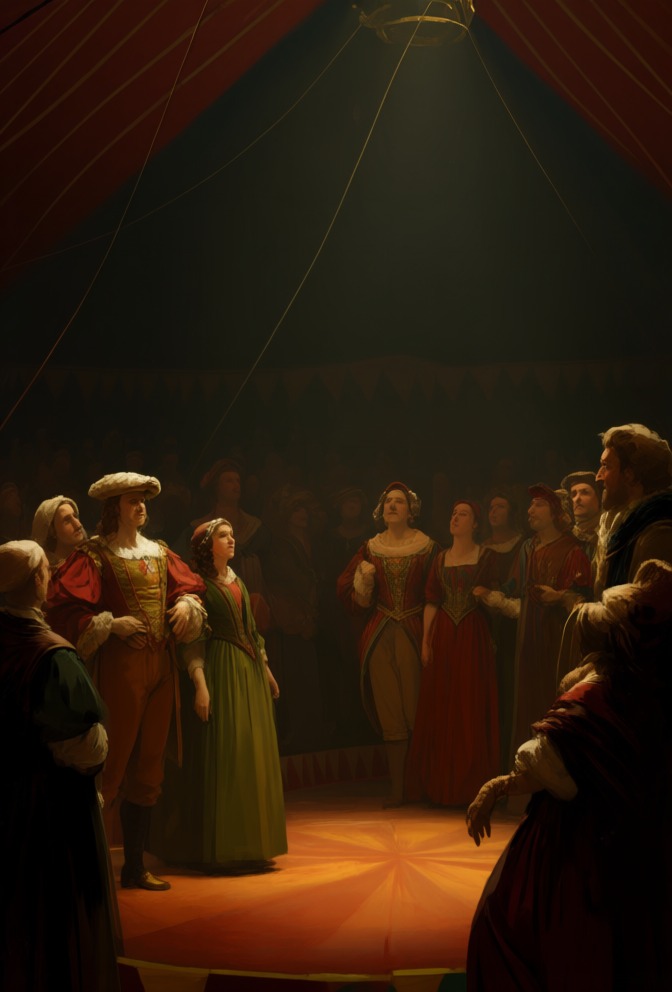
The Kingsmoot Tradition is the ironborn custom of electing a king by popular acclaim at a gathering of captains and kings, a practice that dates back to the Age of Heroes and was revived after the Greyjoy Rebellion. Its legitimacy hinges on the presence of all claimants, as demonstrated by the precedent of Torgon the Latecomer, who overturned an earlier kingsmoot because he had not been present to make his claim.
The Laws of Succession in the Seven Kingdoms of Westeros are a set of customary and legal principles governing the inheritance of titles, lands, and the Iron Throne. The most fundamental rule, as articulated by Maester Theomore and accepted by most lords, is that a trueborn son comes before a brother, and a daughter comes before an uncle. This principle is central to the political conflicts of the novel, as Stannis Baratheon’s claim to the throne rests on the assertion that Tommen Baratheon is a bastard born of incest, thus making Stannis the rightful heir as Robert Baratheon’s brother. The rule is repeatedly invoked, challenged, and manipulated by various characters, revealing its power and its fragility in a time of war and rebellion.
The Night's Watch Non-Interference principle is the foundational doctrine that the Night's Watch, as a sworn brotherhood dedicated to defending the realms of men against threats beyond the Wall, must never take part in the wars, quarrels, or political conflicts of the Seven Kingdoms. This rule is repeatedly invoked and tested throughout A Dance with Dragons, most critically by Lord Commander Jon Snow, whose decisions to aid Stannis Baratheon, admit wildlings through the Wall, and ultimately march south against Ramsay Bolton push the principle to its breaking point, leading directly to his assassination by his own brothers.
Trial by Battle is a legal institution in the Seven Kingdoms of Westeros, derived from the Faith of the Seven, which allows an accused party to prove their innocence by defeating their accuser in single combat, with the outcome accepted as divine judgment.
Greyscale is a progressive, incurable disease that calcifies the flesh, turning it grey and stone-like. It appears in two forms: a common childhood version that leaves survivors disfigured but immune, and a rare, fatal adult form that spreads inexorably, ending in madness and death. In A Dance with Dragons, greyscale functions as both a literal threat—contracted through contact with the afflicted 'stone men' of the Rhoyne—and a potent symbol of decay, moral contamination, and the slow, inescapable doom that shadows several characters, most notably Jon Connington.
The direwolves of the Stark children are a dwindling species, their numbers reduced by war, murder, and the encroaching winter. Once six pups were found in the snow, bonded to the six Stark children; by the events of A Dance with Dragons, only four are known to survive, and the narrative increasingly treats them not merely as pets or symbols but as beings whose own fate is intertwined with the dying of the old world.
The Battle of the Bridge of Skulls was a skirmish fought between the Night's Watch and the wildling raiders known as the Weeper's band at the Bridge of Skulls, a narrow crossing in the Gorge west of the Shadow Tower. The engagement left the Lord Steward Bowen Marsh wounded and scarred, hardened his attitudes against the free folk, and became a recurring point of reference in his later disputes with Lord Commander Jon Snow over whether to seal the Wall's gates or admit wildling refugees.
The Dawn Age is the earliest known era of Westerosi history, preceding the arrival of the First Men and the Andals, when the continent was inhabited solely by the children of the forest and giants. It is a period shrouded in legend, known only through fragmentary accounts set down millennia later by septons, and its defining characteristic is the absence of written records from the First Men, who left only runes on rocks.
The False Spring was a brief period of unseasonably warm weather in the year preceding Robert's Rebellion, remembered primarily for the great tourney at Harrenhal where the seeds of the coming war were sown.
The Hour of the Wolf is the darkest period of the night, just before dawn, and in A Dance with Dragons it becomes the temporal marker for the most critical acts of conspiracy, execution, and escape. It is the hour when Barristan Selmy and Skahaz mo Kandaq launch their coup against King Hizdahr zo Loraq, when Jon Snow is stabbed by his own brothers, when Theon Greyjoy and Jeyne Poole flee Winterfell, and when the blackest part of night conceals both treachery and deliverance.
The Rescue of Widow Douglas is a pivotal action in which Huckleberry Finn, while keeping watch for Injun Joe, overhears the half-breed's plan to mutilate the widow in revenge for her deceased husband's past treatment of him. Huck breaks his own code of silence to alert the Welshman and his sons, who ambush the would-be attackers, driving them off and saving the widow's life.
Johnny Miller is a minor but recurring character in Mark Twain's *The Adventures of Tom Sawyer*, a schoolboy of St. Petersburg who appears in several episodes as a participant in the village's boyhood economy of trades, games, and superstitions. Though he never drives the plot, his appearances—trading a dead rat for a chance to whitewash, being cited in a chain of wart-cure gossip, and later falling from grace as a center of admiration—illustrate the social dynamics and transient hierarchies of the children's world.
Superstition is a pervasive and organizing force in the world of Tom Sawyer, shaping the boys' actions, their understanding of cause and effect, and their navigation of fear and uncertainty. From wart cures to treasure-hunting rituals, these folk beliefs provide a framework for agency in a world governed by adult rules and unpredictable dangers, often competing with or complementing the official religion of the village.
The treasure is a box of gold coins discovered by Injun Joe and his accomplice in the haunted house, later recovered by Tom Sawyer and Huckleberry Finn from McDougal's Cave, which transforms the boys' social standing and economic fortunes in St. Petersburg.
In the world of Tom Sawyer, the devil is a pervasive figure of folklore, superstition, and moral dread, invoked by characters to explain evil, justify fear, and articulate the boundary between the respectable and the damned. He appears not as a physical being but as a cultural and psychological presence—named in curses, blamed for witchcraft, and imagined as the master of the town's most feared outlaw, Injun Joe.
The pinchbug is a large black beetle with formidable jaws that Tom Sawyer brings to church in a percussion-cap box, where it escapes and causes a chaotic disruption during the sermon, becoming a memorable comic object that exposes the tension between boyish mischief and religious solemnity.
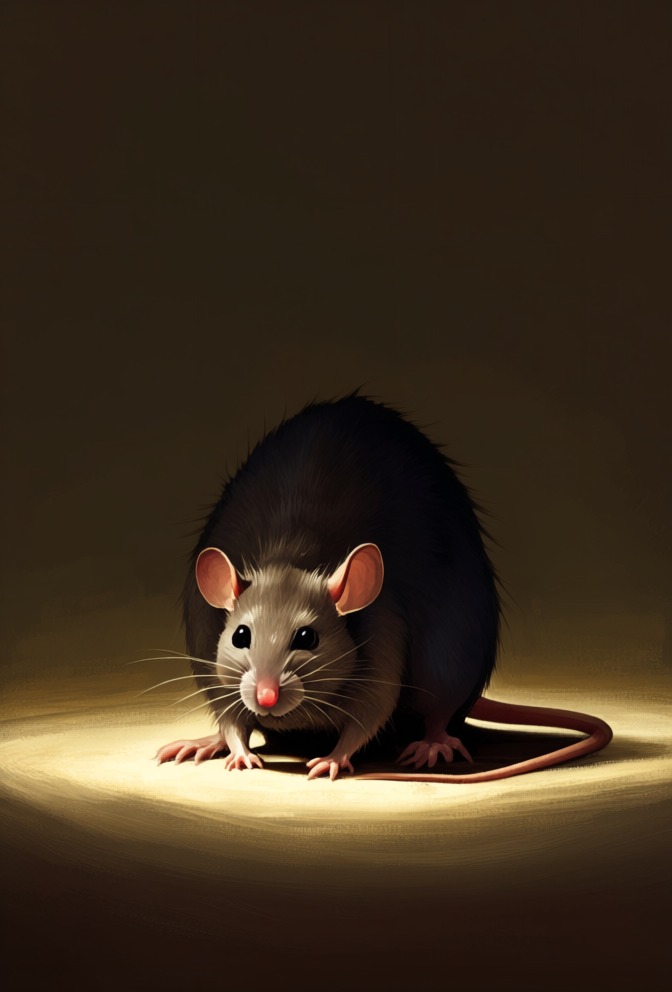
Rats appear in The Adventures of Tom Sawyer as minor but thematically significant creatures, associated with folk superstitions, childhood curiosity, and the darker undercurrents of the novel's world. They serve as objects of magical wart cures, tokens in children's trades, and omens in dream lore, while also figuring in the violent imagery of Injun Joe's revenge fantasies. Their presence, though sparse, connects the boys' playful belief systems to the adult world of violence and retribution.
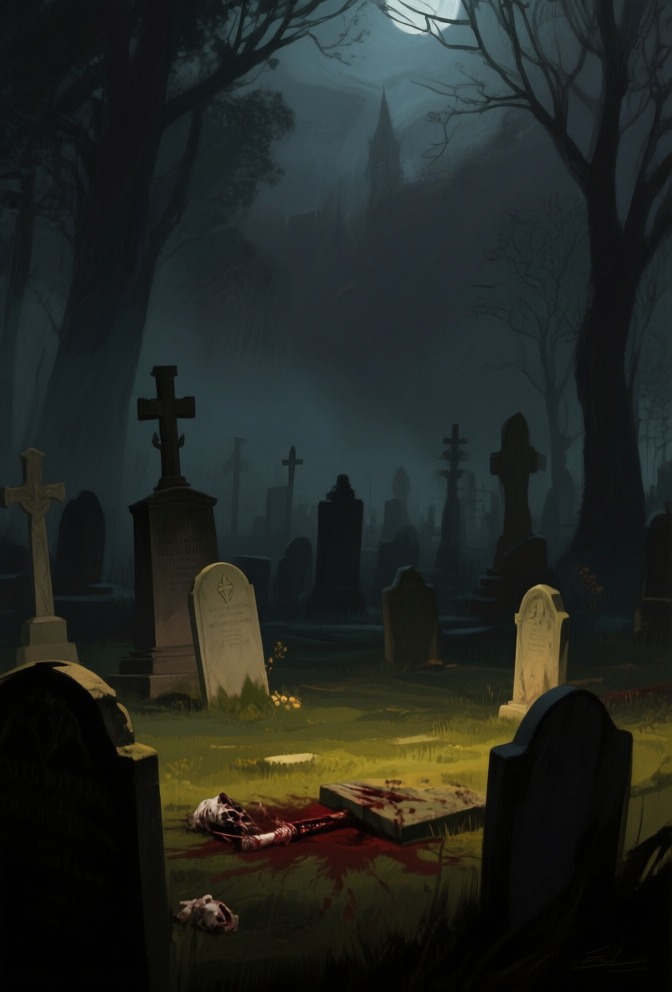
The Graveyard Murder is the pivotal event in which Tom Sawyer and Huckleberry Finn witness Injun Joe murder Doctor Robinson and frame the innocent Muff Potter, setting in motion the central moral crisis of the novel and the boys' long struggle with conscience, secrecy, and fear.
A Missouri Maiden's Farewell to Alabama is a sentimental poem recited by a pale, melancholy girl during the Examination Day exercises at St. Petersburg's school, representing the conventional, overwrought literary style that the novel satirizes.
The dead cat cure for warts is a folk remedy described in detail by Huckleberry Finn and Tom Sawyer, involving a midnight graveyard ritual in which a dead cat is thrown at devils who come to claim a wicked person's corpse, accompanied by a specific incantation. This belief, rooted in the superstitions prevalent among children and slaves in the antebellum American West, illustrates the boys' immersion in a world of magical thinking and their shared cultural lore.
The biblical phrase 'I am the Resurrection and the Life' is the text of the sermon at the funeral service for Tom Sawyer, Joe Harper, and Huckleberry Finn, a service the three boys secretly attend, witnessing their own eulogy and the community's grief before dramatically revealing themselves.
Cardiff Hill is the prominent wooded elevation overlooking the village of St. Petersburg, serving as a key geographical landmark, a site of adventure and danger, and a symbolic boundary between the regulated town life and the wild, romantic possibilities of nature.
The Old Tannery is a ruined building on the outskirts of St. Petersburg where Tom Sawyer and Huckleberry Finn take refuge after witnessing the graveyard murder, and where they swear a blood oath of secrecy.
The Anatomy book is a mysterious, locked volume belonging to the schoolmaster Mr. Dobbins, whose secret contents and the circumstances of its tearing become a pivotal object in the developing relationship between Tom Sawyer and Becky Thatcher, revealing Tom's capacity for noble self-sacrifice.
The brass andiron knob is a small, seemingly trivial object that becomes a powerful token of emotional exchange, romantic reconciliation, and personal significance in Tom Sawyer's world, first given as a peace offering to Becky Thatcher and later mourned as a keepsake after his presumed death.
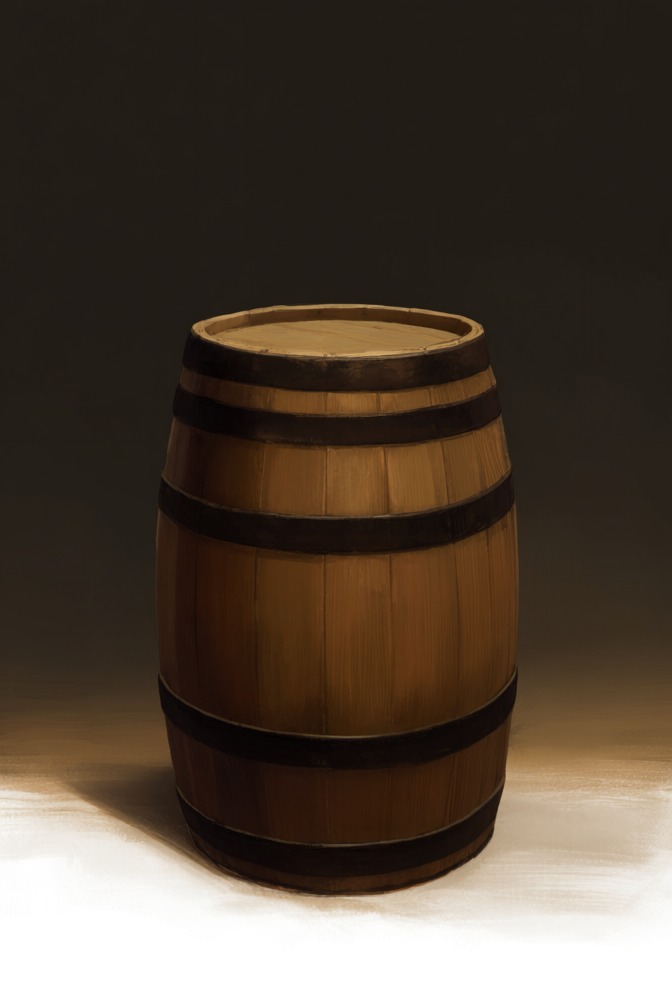
The hogshead, an empty sugar barrel, serves as Huckleberry Finn's preferred shelter and a symbol of his resistance to the constraints of civilized life.
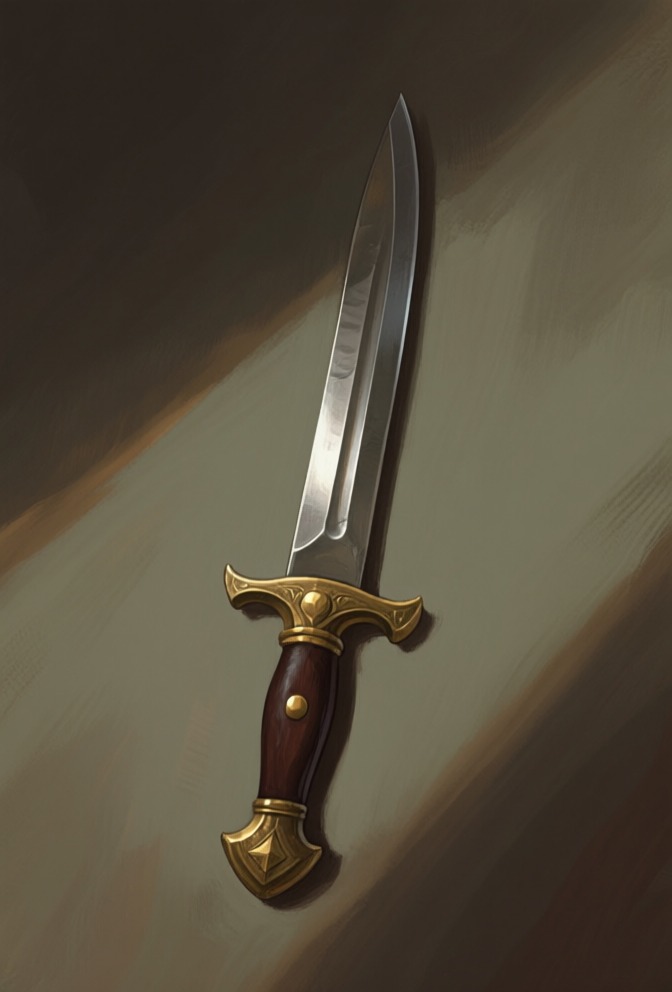
Muff Potter's knife is a spring-knife that serves as the central piece of physical evidence in the murder of Doctor Robinson, used by Injun Joe to commit the crime and then planted on the unconscious Potter to frame him for the killing.
The Cadets of Temperance is a short-lived juvenile organization in St. Petersburg that Tom Sawyer joins for the sake of its showy red sash, only to find that the promise of abstinence from smoking, chewing, and profanity creates an irresistible desire to break every vow, leading him to resign in disgust when the anticipated public funeral of a dying judge fails to materialize on schedule.
The Circus is a recurring source of entertainment and aspiration in St. Petersburg, serving as a model for the boys' imaginative play and a benchmark for social status and personal ambition.
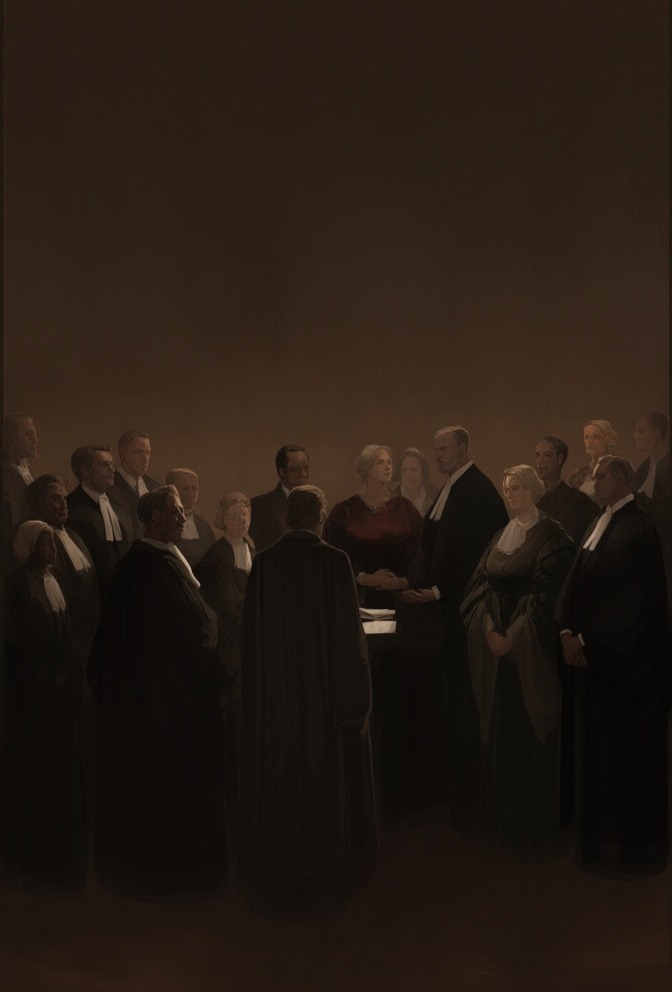
The Jury in *The Adventures of Tom Sawyer* is the formal legal body that adjudicates the murder trial of Muff Potter, embodying the community's official justice system. Its proceedings, however, are shown to be deeply flawed: the jury relies on circumstantial evidence and perjured testimony, nearly condemning an innocent man until Tom Sawyer's dramatic courtroom testimony exposes the truth. The jury thus serves as a narrative device that contrasts the town's superficial legal order with the boys' secret knowledge and moral awakening.