Quidditch Match Continuation in Bad Weather is an unwritten but consistently enforced rule at Hogwarts School of Witchcraft and Wizardry that Quidditch matches proceed regardless of severe weather conditions, including thunderstorms, gale-force winds, and torrential rain, and are never canceled for such reasons.
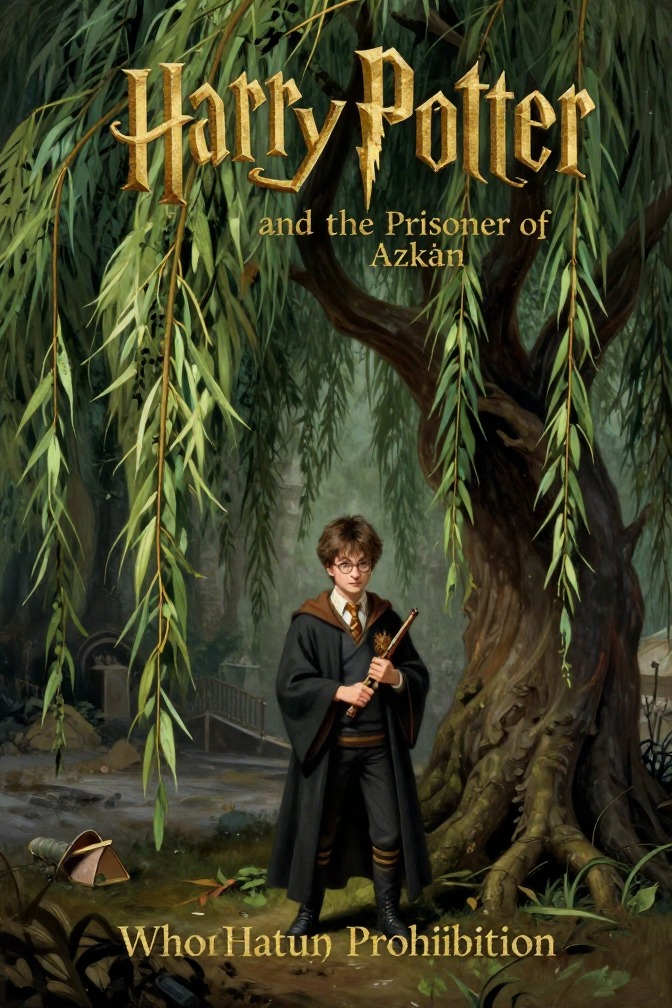
The Whomping Willow Prohibition is a school rule at Hogwarts School of Witchcraft and Wizardry that forbids students from approaching the Whomping Willow, a violent magical tree planted on the school grounds. The rule exists to protect students from the tree's lethal branches and, secretly, to seal the entrance to a tunnel leading to the Shrieking Shack, which was built to contain the young Remus Lupin during his werewolf transformations.
Remus Lupin's lycanthropy is a central secret and driving force in Harry Potter and the Prisoner of Azkaban, shaping his past friendships, his present vulnerability, and his eventual resignation from Hogwarts. It explains his monthly disappearances, his shabby health, the creation of the Marauders, and the deep enmity with Severus Snape, while also serving as a powerful symbol of societal prejudice and the burden of a stigmatized identity.
Easter is a holiday period at Hogwarts School of Witchcraft and Wizardry that, in Harry Potter's third year, is marked by intense academic pressure, the looming execution of Buckbeak, and the final preparations for the Gryffindor-Slytherin Quidditch match that will decide the House Cup.
The Execution of Buckbeak is the scheduled beheading of the Hippogriff Buckbeak, ordered by the Committee for the Disposal of Dangerous Creatures after a biased hearing influenced by Lucius Malfoy, and its last-minute prevention by Harry Potter and Hermione Granger using a Time-Turner becomes the pivotal moment that enables Sirius Black's escape and reshapes the novel's moral and emotional resolution.
The Quidditch World Cup is a major international wizarding sporting event mentioned in Harry Potter and the Prisoner of Azkaban as an upcoming summer attraction that offers Harry a welcome escape from the Dursleys and a chance to spend time with the Weasley family.
September the first is the fixed date on which the Hogwarts Express departs from King's Cross Station, Platform Nine and Three-Quarters, at eleven o'clock, marking the official start of each new school year at Hogwarts School of Witchcraft and Wizardry. This date functions as the story's primary temporal anchor, a threshold that separates the Muggle summer world from the wizarding school year, and it is the occasion for the Sorting of new students, the return of returning students, and the first gathering of the entire school community in the Great Hall.
Sirius Black's escape from Azkaban is the central crisis of Harry Potter and the Prisoner of Azkaban, a seemingly impossible breakout that shatters the wizarding world's sense of security and sets in motion a year of terror, revelation, and redemption at Hogwarts.
The Sixteenth of October is the date on which Sybill Trelawney's prediction that Lavender Brown's rabbit Binky would die comes true, seemingly validating her divinatory powers and deepening the class's belief in her grim omens, including the Grim she sees in Harry Potter's teacup.
The summer break is the period between Hogwarts school years, a time of separation from the magical world that Harry Potter dreads due to his oppressive home life with the Dursleys, but which also serves as a threshold for new developments and the promise of return.
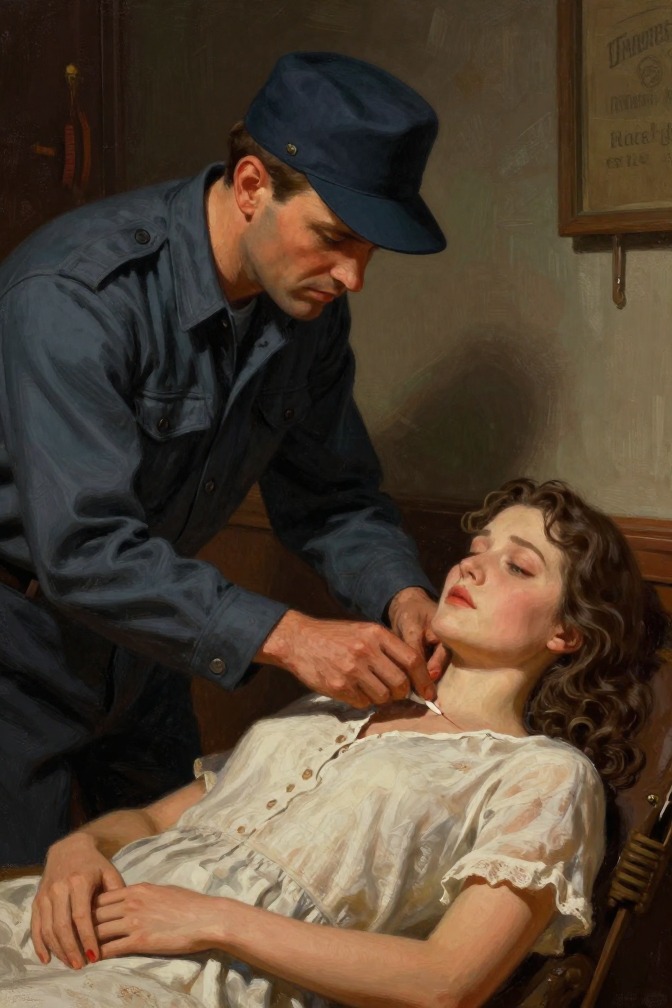
Montag discovers Mildred's overdose on the night of his first meeting with Clarisse McClellan, an event that shatters his complacency and forces him to confront the emptiness of his marriage and his society.
Montag joins the wanderers, a group of exiled intellectuals led by Granger who preserve books by memorizing them, after escaping the city and witnessing its destruction. This action marks his final transformation from a fugitive fireman into a keeper of cultural memory, finding a new purpose and community in the wilderness.
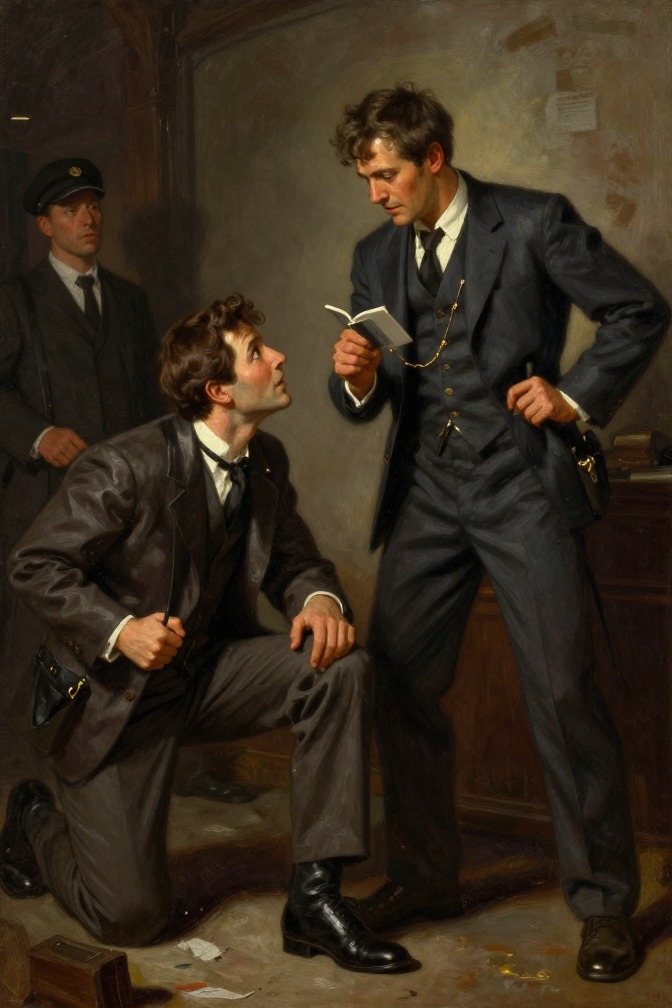
The Killing of Captain Beatty is the pivotal moment in Fahrenheit 451 when Guy Montag, cornered and desperate, turns his flamethrower on his commanding officer, an act that shatters his former identity as a fireman and sets him on an irreversible path of flight and transformation.
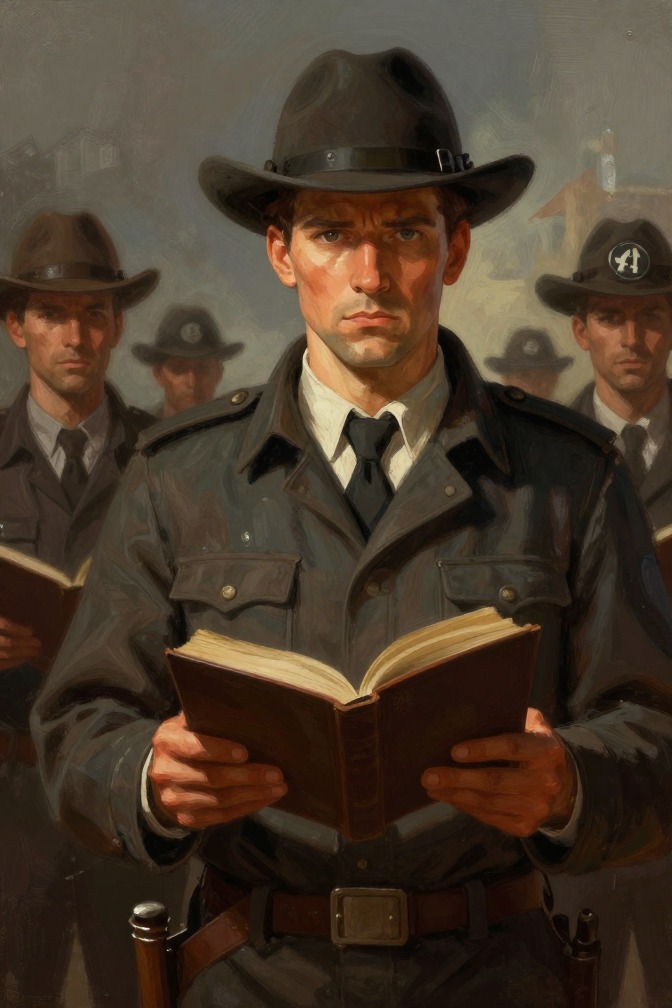
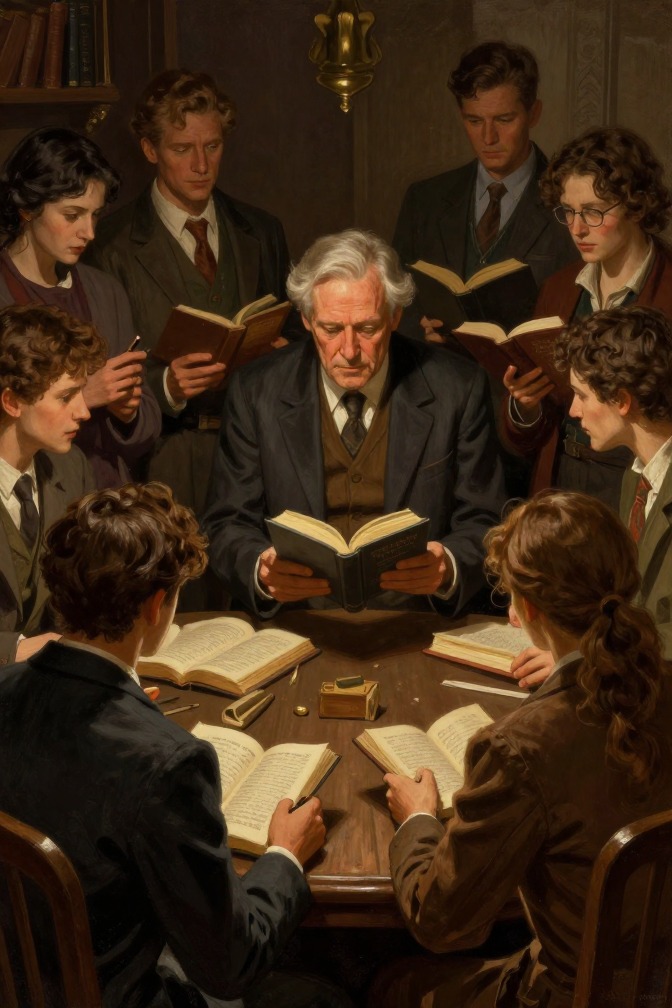
After escaping the city and the Mechanical Hound, Guy Montag stumbles upon a campfire in the wilderness where he meets Granger and a group of intellectual wanderers who have preserved books by memorizing them, an encounter that transforms him from a hunted fugitive into a member of a community dedicated to safeguarding human knowledge for a future rebuilding.
Granger's grandfather's maxim, "Stuff your eyes with wonder," is a central philosophical precept in Fahrenheit 451, encapsulating the novel's call for active, sensory engagement with the world as an antidote to the passive consumption of mass entertainment. It is delivered by Granger to Montag in the aftermath of the city's destruction, serving as a guiding principle for the book people's mission to preserve human experience and memory.
The Sieve and the Sand is the title of Part II of Fahrenheit 451 and a central metaphor for Montag's struggle to retain knowledge in a society designed to erase it. The image of a child futilely trying to fill a sieve with sand becomes Montag's own experience as he attempts to memorize the Bible on a subway train while a relentless advertising jingle for Denham's Dentifrice drowns out his thoughts, embodying the novel's theme of the conflict between meaningful information and empty distraction.
Avenue 87 is a street in the unnamed city of Fahrenheit 451, serving as the location where the police and the Mechanical Hound stage a fake capture of Guy Montag after he escapes across the river, a key moment in the novel's climax that reveals the authorities' willingness to sacrifice an innocent man to maintain the illusion of control.
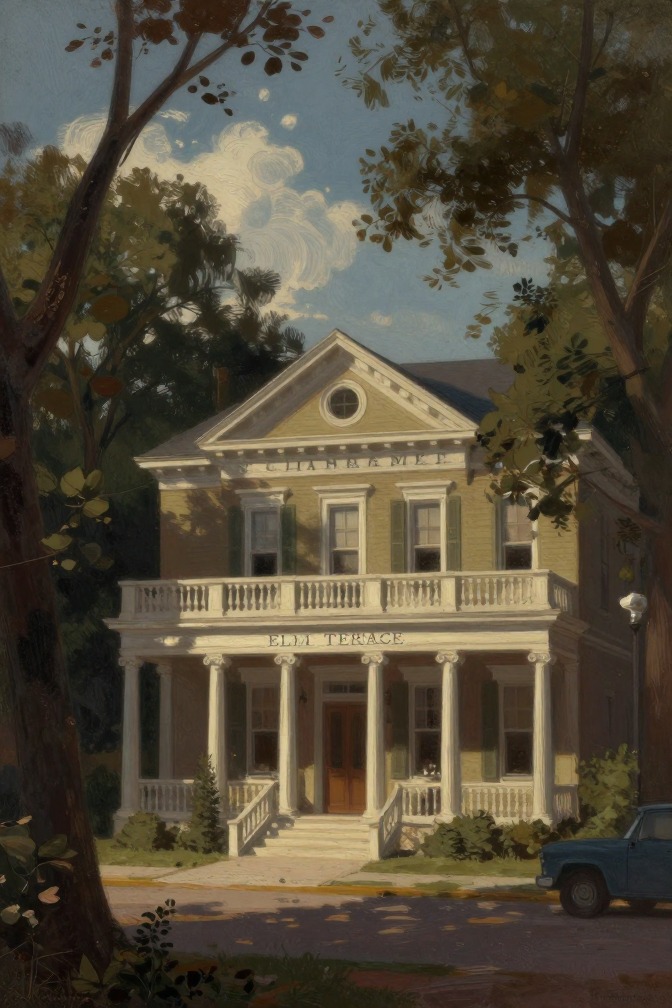
Elm Terrace is a street in the unnamed city of Fahrenheit 451, serving as the location of the old woman's house where Montag and the firemen burn a cache of books, and later as a key site in the police manhunt for Montag after he kills Captain Beatty.
Green River is a small town in Maryland mentioned by Granger as the location where a man named Harris preserves the complete text of the Book of Ecclesiastes by memory, forming part of the network of wandering book-people who safeguard literature after the destruction of books.
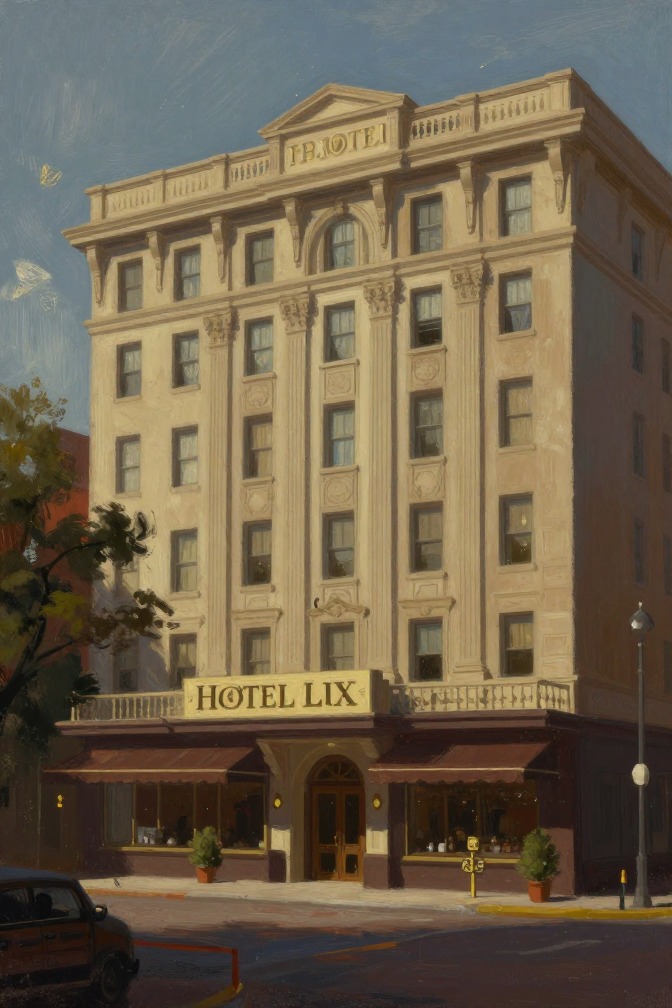
The Hotel Lux is a prominent city hotel in the dystopian world of Fahrenheit 451, serving as the setting for the final broadcast that falsely declares Montag's death and as the location where Mildred Montag perishes in the atomic bombing of the city.
Los Angeles is a distant city mentioned in Fahrenheit 451 as a destination along the abandoned railroad tracks where exiled intellectuals and book-people wander, representing the possibility of survival and cultural preservation beyond the reach of the oppressive city.
The alley is a recurring liminal space in Fahrenheit 451, serving as a site of escape, concealment, and moral reckoning for Guy Montag as he flees the city and the Mechanical Hound.
The Big Flue is the centralized incineration system in the dystopian society of Fahrenheit 451, representing the state's ultimate mechanism for erasing individuality and memory by reducing human remains to anonymous black dust within minutes of death.
The corner is the street intersection near Montag's house where he first encounters Clarisse McClellan, a meeting that triggers his psychological awakening and sets the novel's central transformation in motion.
The Fun Parks are the dystopian entertainment venues in Ray Bradbury's Fahrenheit 451, where citizens engage in violent, mindless activities such as smashing windows, wrecking cars, and racing jet cars at high speeds, serving as a key symbol of the society's enforced hedonism and the suppression of meaningful human interaction.
The highway in Fahrenheit 451 is a symbol of the society's obsession with speed, danger, and mindless entertainment, serving as a site of both lethal recreation and existential peril for Montag.
The morgue is a grim, offstage location in Fahrenheit 451 that represents the final, anonymous destination of the society's casualties—Clarisse McClellan, the old woman who burned with her books, and the countless others erased by the regime's violence and indifference. It is never directly visited, but Montag's repeated, anguished references to it mark the deepening of his moral awakening and his recognition that his world systematically disposes of those who ask questions, remember beauty, or refuse to conform.
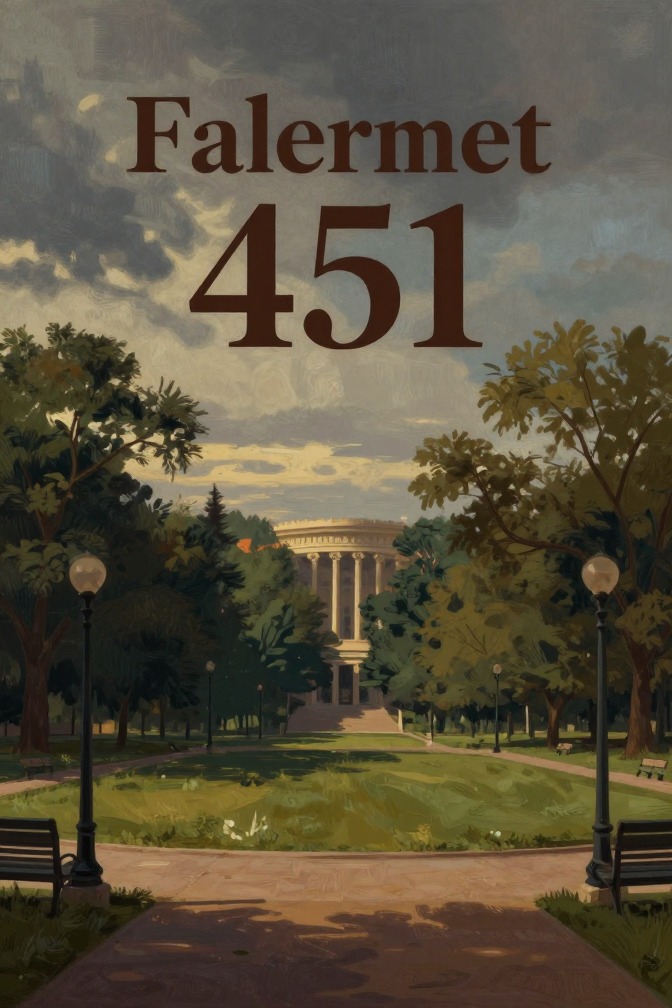
The park is a green space in the city where Guy Montag meets an old English professor named Faber, a meeting that plants the seeds of his intellectual awakening and later provides him with a crucial ally in his rebellion against the firemen's regime.
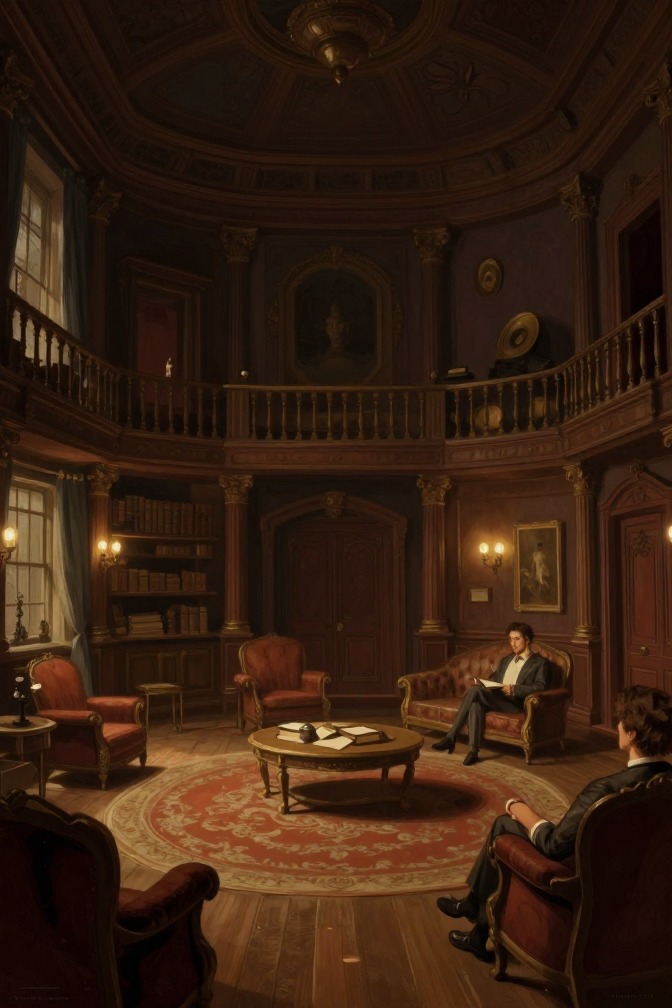
The parlour is the central domestic space in the novel's dystopian society, a room whose walls are giant television screens that broadcast immersive, interactive programming designed to replace genuine human connection and critical thought. It functions as the primary instrument of social control within the home, absorbing its occupants into a fabricated 'family' of characters and a relentless stream of shallow entertainment, thereby enforcing the state's prohibition on books and independent reflection.
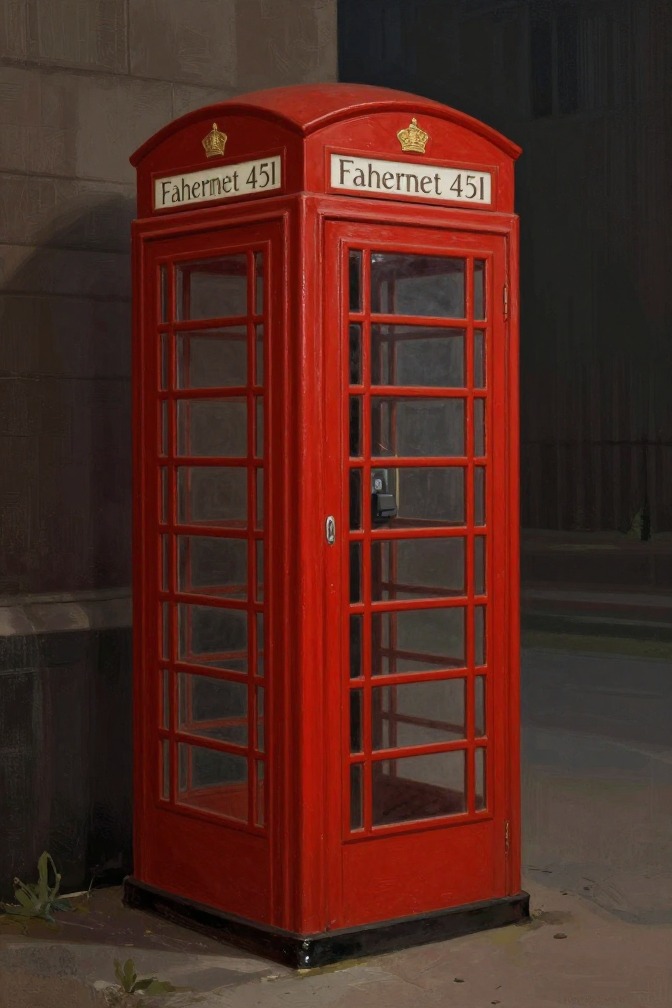
The phone booth is a minor but symbolically charged location in Fahrenheit 451, serving as the site where Montag makes a crucial phone call to Faber and later plants a false alarm to incriminate a fellow fireman, marking his transition from passive fireman to active saboteur.