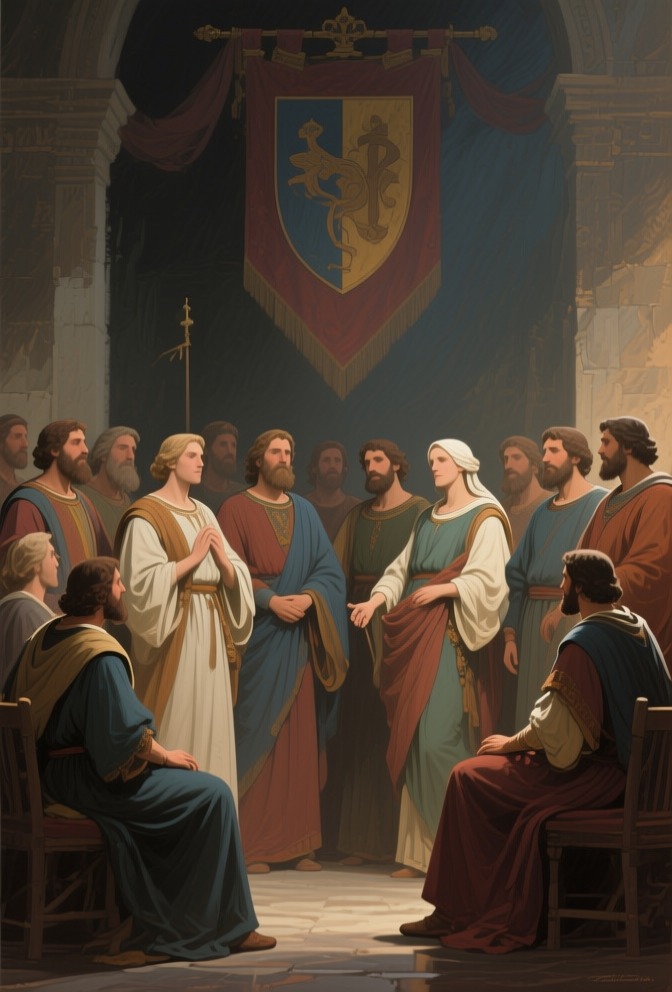
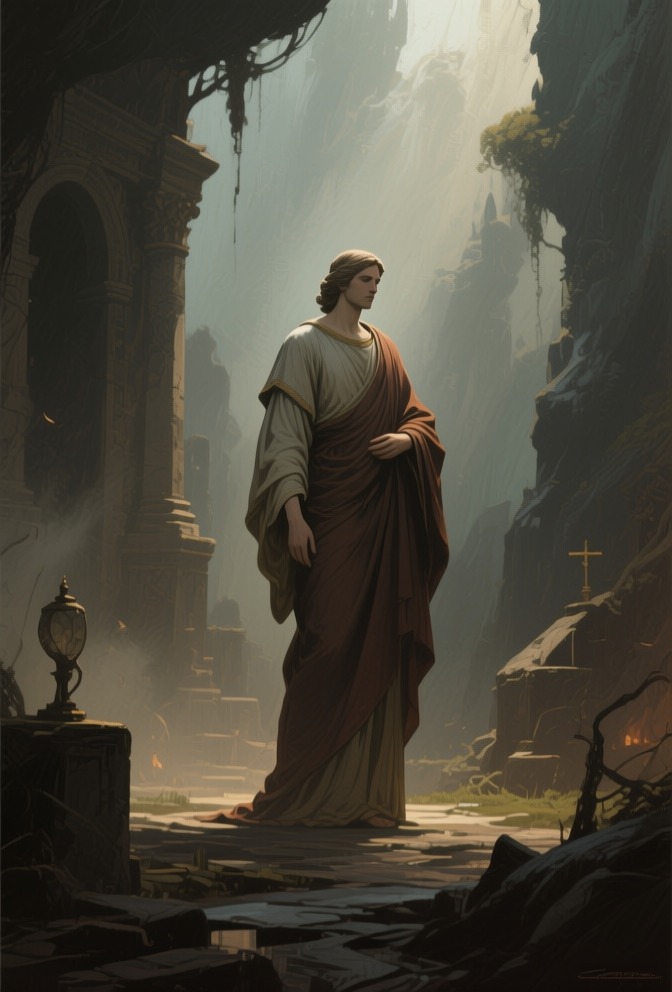
The Behemoth is a brand of car in the Republic of Gilead, mentioned once in Offred's narration as a chunky, practical vehicle, contrasted with the more prestigious Whirlwind and Chariot models.
In the Republic of Gilead, a 'Shredder' is a severely deformed or non-viable infant, the feared outcome of pregnancy in a polluted world. The term embodies the regime's brutal calculus of reproductive value: a child that fails to meet the minimal standard of a 'keeper' is declared an Unbaby, denied personhood, and swiftly removed, a practice that haunts every Handmaid as the ultimate failure of her sole purpose.
In the Republic of Gilead, the Wife is the senior female figure in a Commander's household, a woman who has traded her former public identity for a position of domestic authority and bitter, enforced complicity in the regime's reproductive system. She is defined by her blue dress, her garden, her knitting, and her complex, often hostile relationship with the Handmaid, whom she both needs and resents.
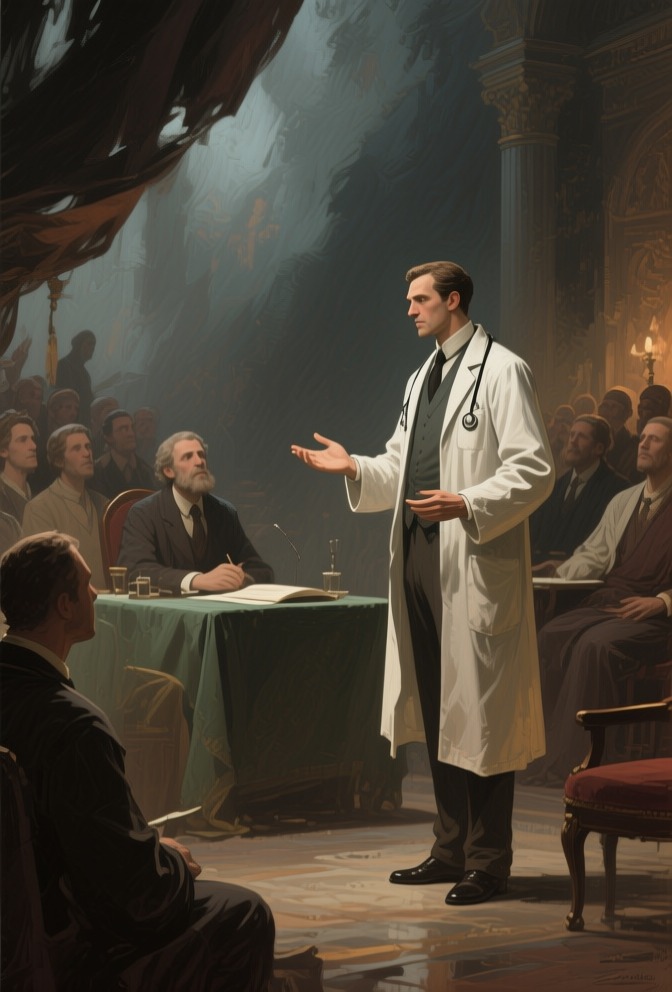
During a routine monthly medical examination, Offred's doctor offers to impregnate her, revealing the regime's hidden fertility crisis and the dangerous bargains women make for survival.
Freedom to and freedom from is a central ideological distinction articulated by Aunt Lydia at the Rachel and Leah Re-education Center, framing the transition from the pre-Gilead era of individual liberties to the regime's promise of security from harm. This binary encapsulates the regime's core justification for its total control: that the chaos and dangers of the former society made its freedoms worthless, and that the state's protection—however oppressive—constitutes a superior form of liberty.
Modesty is invisibility is a central doctrine of the Republic of Gilead, articulated by Aunt Lydia at the Rachel and Leah Re-education Center. It teaches Handmaids that to be seen is to be penetrated, and that their survival depends on becoming impenetrable—a principle that governs their dress, their gait, and their very relation to the gaze of others.
Aunt Lydia's declaration that "the future is in your hands" is a key ideological utterance in the Rachel and Leah Re-education Center, where she uses the rhetoric of empowerment to bind the Handmaids to their own subjugation. The phrase encapsulates the regime's method of making its victims complicit in their oppression by offering them a future that is, in reality, entirely controlled by the state.
Unbaby is the official term in the Republic of Gilead for a stillborn, severely deformed, or non-viable infant, a designation that strips the dead child of human status and reflects the regime's response to a catastrophic decline in Caucasian birthrates caused by environmental pollution, radiation, and sexually transmitted diseases.
The black van is the most feared vehicle in Gilead, a mobile instrument of the secret police known as the Eyes. Painted black with a white winged eye on its side and dark-tinted windows, it appears without warning to abduct citizens, and its passage silences the streets. It embodies the regime's capacity for sudden, invisible violence and the terror of disappearance that underpins daily life.
The border is the physical and symbolic threshold between the Republic of Gilead and the outside world, representing the last hope of escape for Offred and her family. Their failed attempt to cross it, betrayed and intercepted, marks the definitive end of their former life and the beginning of Offred's captivity as a Handmaid. The border also functions as a recurring site of longing and rumor within Gilead, a place where the Underground Femaleroad and the Mayday resistance operate, and where the regime projects its power through the forced resettlement of the Children of Ham.
The church is a small, centuries-old building in Gilead that has been converted into a museum, serving as a key landmark on the Handmaids' daily shopping route. It is a site of ritualized memory and surveillance, where the narrator and her partner Ofglen pause to view the adjacent Wall with its hanged bodies, and where the old gravestones with their memento mori inscriptions offer a silent commentary on mortality and the passage of time.
The garage at the Commander's house is a liminal space that serves as Nick's living quarters, a site of clandestine meetings, and a threshold between the regulated household and the outside world, embodying both the oppressive surveillance of Gilead and the fragile possibilities of resistance and intimacy.
The main street is the central thoroughfare of Gilead, a space where the regime's control is most visible and where Offred confronts the stark contrast between her present captivity and the freedoms of the past. It is a site of regulated movement, public display, and painful memory, serving as the primary setting for her daily shopping walks with Ofglen.
The Angel Scarves are a symbol of the Wives' enforced domesticity and their complicity in Gilead's regime, serving as a tool for both propaganda and personal coping, while also revealing the deep envy and power dynamics within the household.
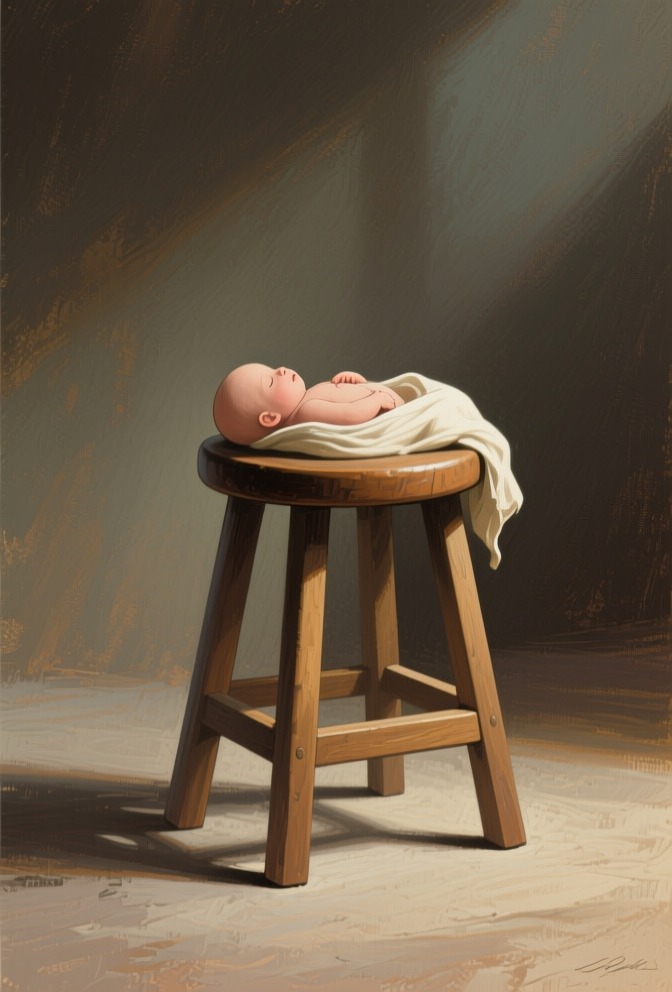
The Birthing Stool is a double-seated wooden device used in the Republic of Gilead for childbirth, designed to position the Handmaid in a low seat while the Wife sits on a raised throne-like seat behind and above her, symbolically framing the birth as a joint production and reinforcing the Wife's authority over the process.
The Dictionary is a forbidden object in the Commander's study, used by Offred to look up the Latin phrase "Nolite te bastardes carborundorum" and to learn its true meaning as a schoolboy joke rather than a genuine prayer.
The Feather Costume is a purple sequined and feathered garment that the Commander gives to Offred as part of a disguise for a clandestine visit to Jezebel's, a secret club for high-ranking officials. It represents a forbidden, theatrical femininity from the pre-Gilead era, contrasting sharply with the prescribed red dress and white wings of a Handmaid, and becomes a symbol of both the Commander's power to break rules and Offred's complex feelings of degradation, desire, and complicity.
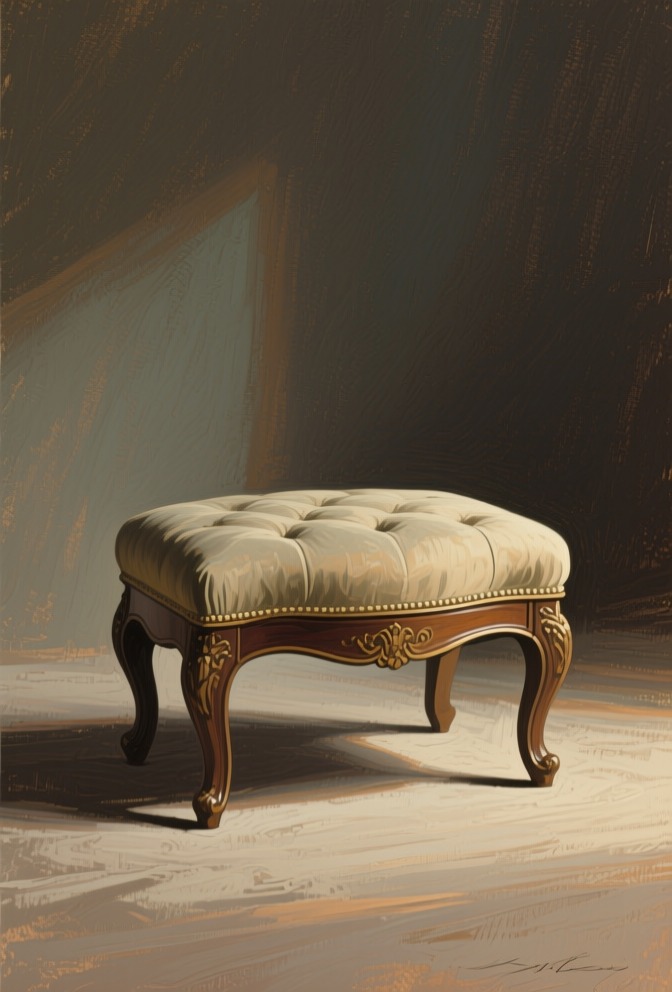
The Footstool is a recurring object in the Commander's household, serving as a physical marker of Serena Joy's arthritis and her position of authority within the sitting room. It appears during key confrontations and ceremonies, symbolizing her pain, control, and the domestic hierarchy of Gilead.
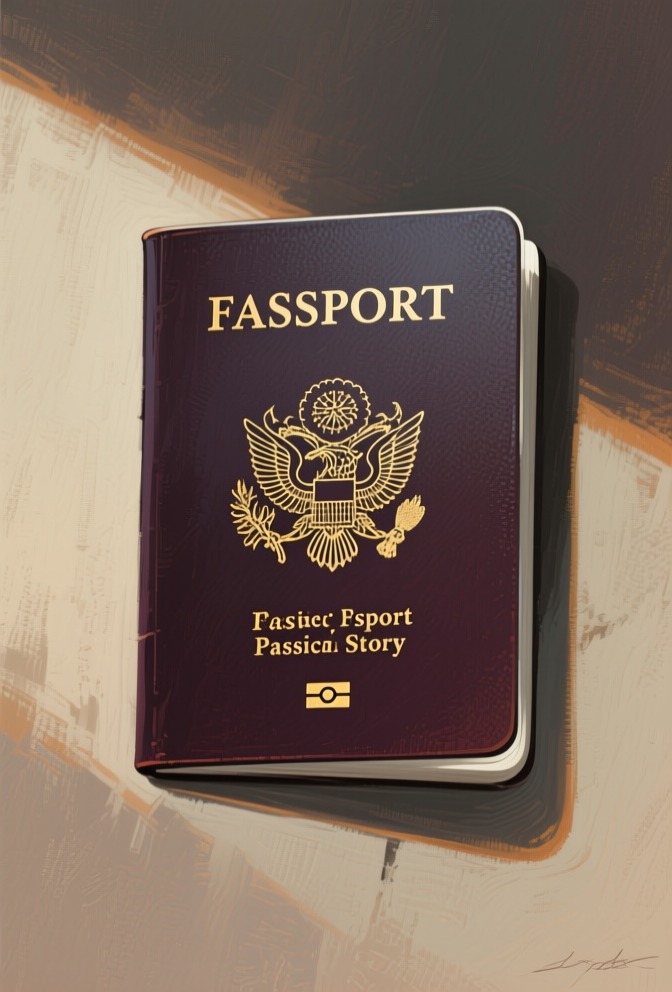
The forged passport is a crucial object in Offred's narrative, representing the desperate hope for escape from Gilead and the ultimate failure of that attempt. It symbolizes the fragile, illegal means by which she, Luke, and their daughter tried to cross the border into freedom, and its discovery marks the moment of betrayal that leads to her capture and enslavement as a Handmaid.
The Hiking Boots are a pair of sturdy boots worn by Offred during the failed border escape attempt, symbolizing her physical readiness and the desperate, ultimately futile planning that preceded her capture.
The Match is a small but potent object in Offred's world, a forbidden tool of potential destruction and a symbol of the fragile agency she clings to within the totalitarian strictures of Gilead. It represents a tangible link to the past, a means of private defiance, and a dangerous fantasy of escape through fire.
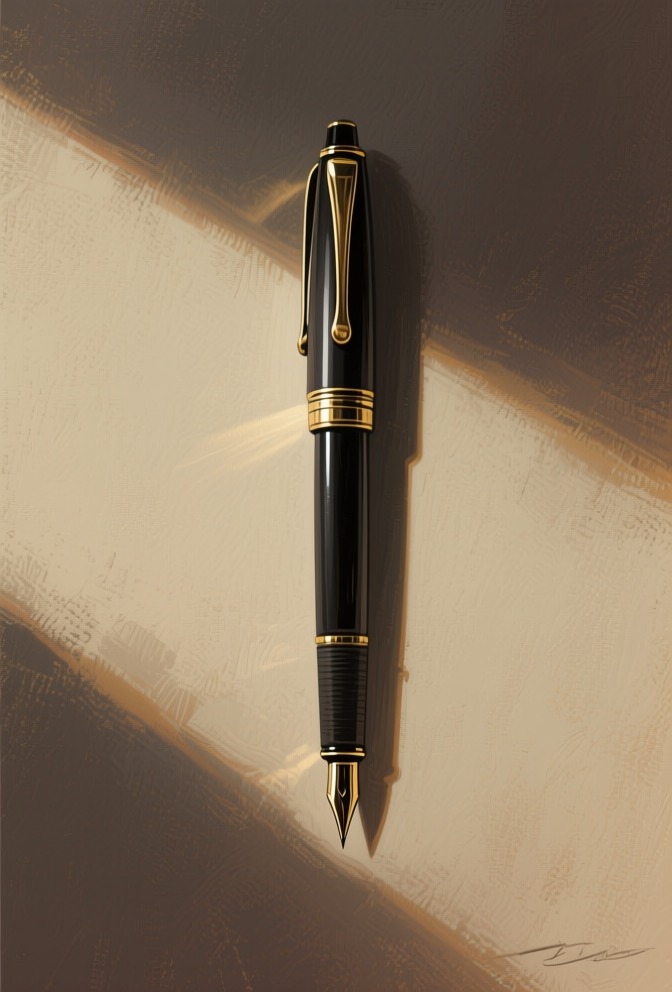
The Pen is a forbidden object in Gilead, symbolizing the power of writing and knowledge that is denied to Handmaids. When Offred holds the Commander's pen to write down the Latin phrase "Nolite te bastardes carborundorum," she experiences a profound, sensual connection to the act of writing, feeling the pen's power and recognizing it as a source of envy. This moment crystallizes the regime's control over literacy and the deep longing for the lost freedom of expression.
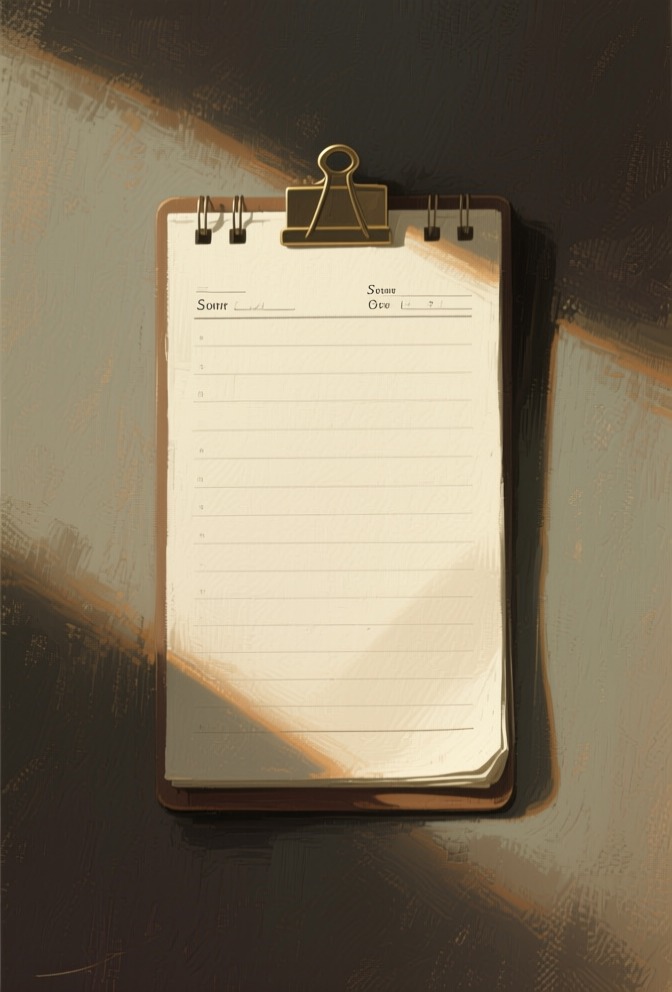
The Score Pad is a small, seemingly trivial object in the Commander's study that becomes a charged symbol of forbidden literacy, power, and the fragile intimacy between Offred and the Commander during their clandestine Scrabble games.
The Steel Cables are the primary instrument of torture used by the Aunts at the Rachel and Leah Re-education Center, employed to punish Handmaids who attempt escape or other serious infractions. Their use reveals the regime's calculated brutality: the cables are applied to the feet and hands, deliberately targeting non-essential body parts to inflict maximum pain while preserving reproductive capacity. The cables function as both a physical weapon and a psychological tool, creating a visible, lasting deterrent that reinforces the Handmaids' powerlessness and the state's absolute control over their bodies.
The Stuffed Rabbit is a small, mangy toy belonging to Offred's daughter, carried in the back seat during the family's failed escape attempt and later serving as a poignant emblem of lost childhood, maternal love, and the irrecoverable past.
The Guardians of the Faith are the low-ranking paramilitary police force of the Republic of Gilead, responsible for routine policing, checkpoint duty, and menial labor, and are distinguished from the elite Angels by their youth, inexperience, and the ever-present possibility that any one of them may be an Eye in disguise.
Monthly medical exams for Handmaids are a compulsory, state-mandated procedure in the Republic of Gilead, designed to monitor reproductive fitness and enforce the regime's control over female fertility. These exams, conducted by a specialist doctor once a month, subject the Handmaid to a dehumanizing process of testing, inspection, and surveillance, while also creating a space of potential danger and illicit opportunity.
The Prohibition on Handmaids using makeup or hand lotion is a Gileadean regulation that strips Handmaids of cosmetics and skincare products, enforcing physical unattractiveness as a form of control and marking their status as mere vessels for reproduction. This rule, driven by the Wives' jealousy and the regime's ideology of modesty, forces Handmaids to resort to covert practices like using butter as a substitute for lotion, transforming a mundane prohibition into a site of daily resistance and a measure of hope.
The Prohibition on Handmaids using the front door after the first day is a spatial rule in the Republic of Gilead that enforces the Handmaid's reduced status and her separation from the household's public life. After a single ceremonial welcome through the front entrance, a Handmaid is permanently relegated to the back door, a transition that marks her transformation from a new arrival into a functional, invisible vessel for reproduction.
The Prohibition on Handmaids having contact with their past is a foundational rule of the Republic of Gilead that severs every Handmaid from her former identity, family, and history, transforming her into a purely functional vessel for reproduction. This prohibition is enforced through systematic erasure—the confiscation of children, the destruction of personal names and records, the denial of any news about loved ones, and the psychological pressure to treat one's own past as a dangerous fiction. The rule operates not merely as a legal decree but as an assault on memory and selfhood, forcing Handmaids to choose between the unbearable pain of remembering and the slow death of forgetting.