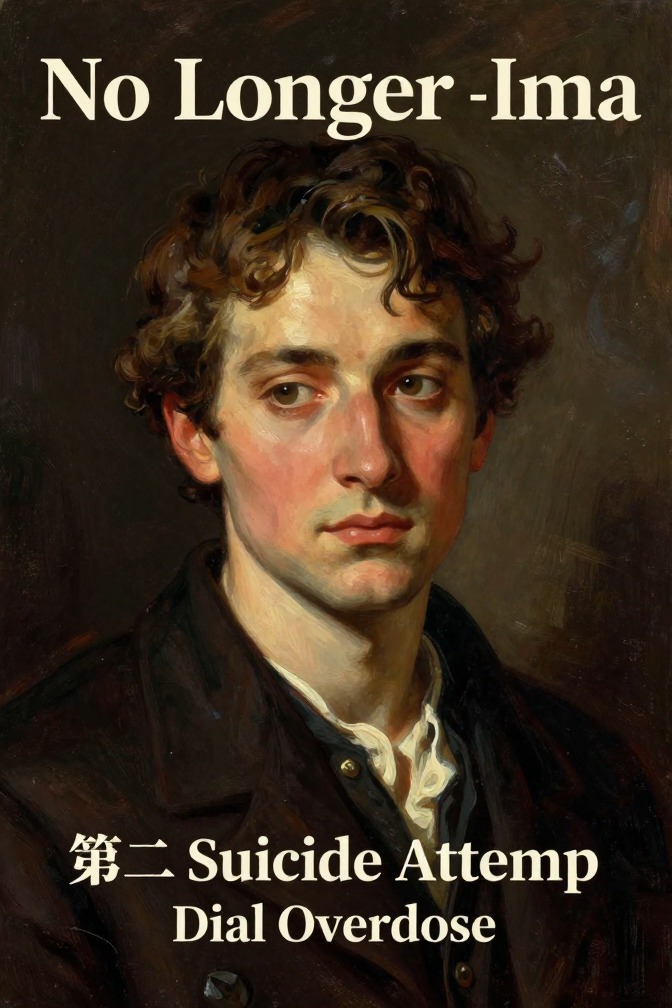
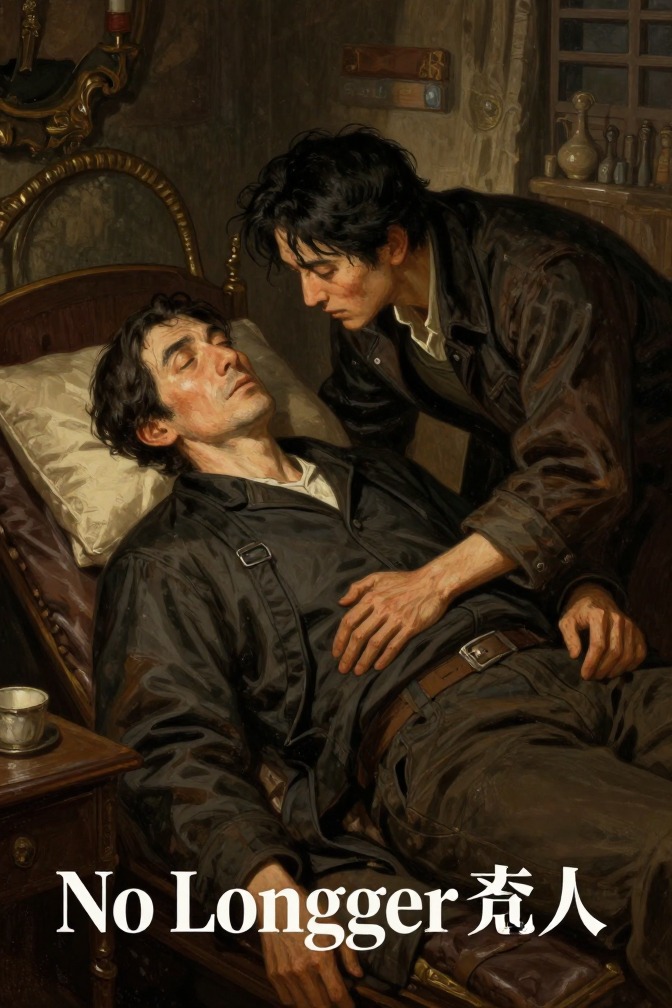
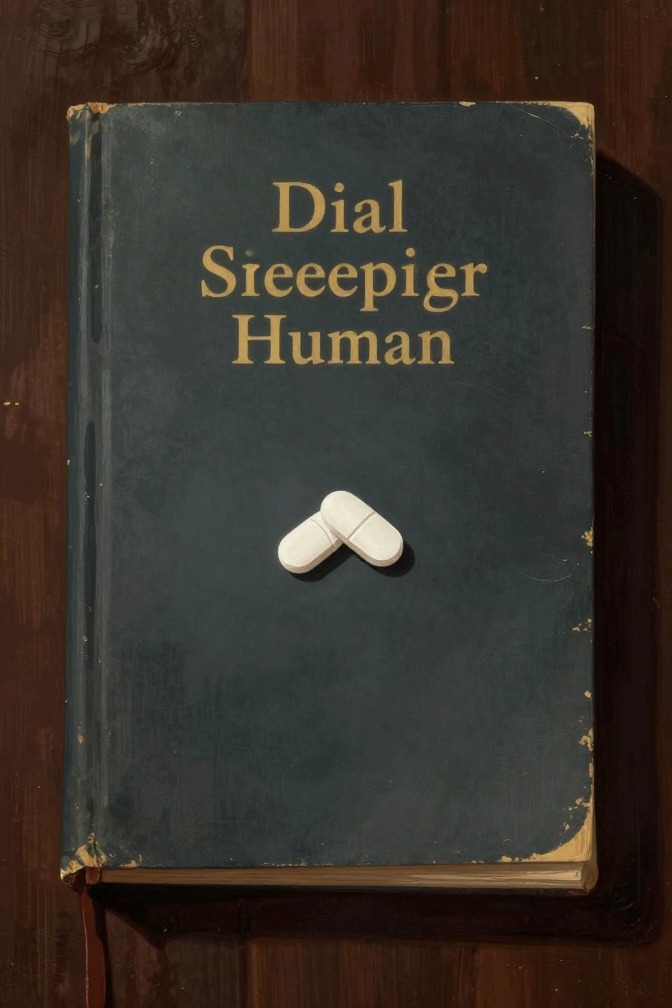
The Second Suicide Attempt (Dial Overdose) is the pivotal moment in Yozo's life when, after Yoshiko's violation has shattered his last refuge of trust, he deliberately swallows an entire box of Dial sleeping pills, an act that fails to kill him but leads directly to his confinement in a mental hospital and his final self-identification as a 'reject' disqualified from humanity.
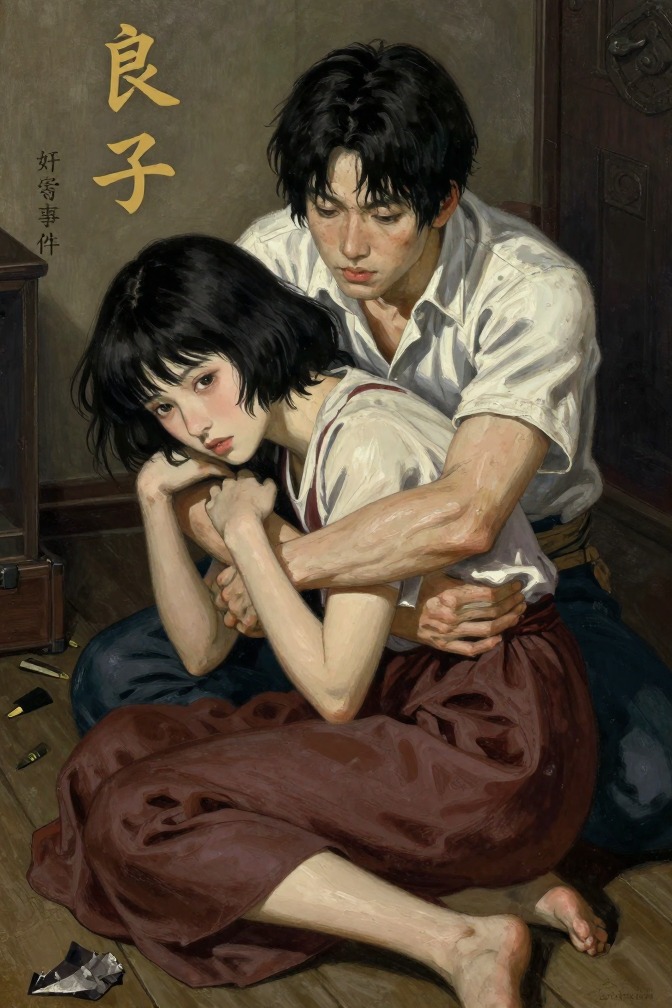
The Shopkeeper is a minor but pivotal character in Yozo's life, whose violation of Yoshiko triggers the final collapse of Yozo's trust in human beings and accelerates his descent into addiction and madness.
Yozo's father is a wealthy, powerful, and emotionally distant figure whose presence looms over Yozo's life as a source of fear, authority, and unattainable approval, and whose death marks the final collapse of Yozo's connection to the human world.
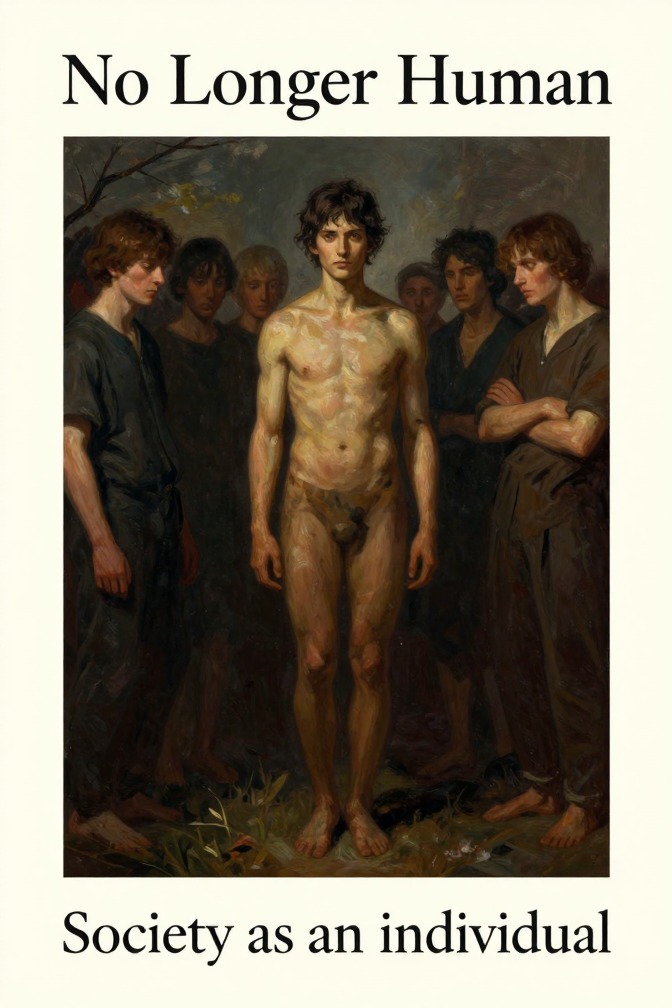
Society as an individual is a philosophical conviction that Yozo develops in No Longer Human, which redefines the abstract, terrifying force of 'society' as nothing more than a single human being. This insight allows him to act with greater self-will and less paralyzing fear, but it also exposes the bottomless horror of individual human relations and ultimately fails to save him from despair.
The antonym game is a private word game invented by Yozo and played with Masao Horiki on a summer night on the roof of Yozo's apartment, which serves as a coded expression of their mutual contempt and a vehicle for Yozo's deepening philosophical crisis about crime, punishment, and the nature of human society.
The then-and-there contest is a philosophical concept developed by Yozo in No Longer Human, representing his realization that society is not an abstract, monolithic force but a series of immediate, individual struggles. This insight allows him to act with a newfound, albeit fragile, assertiveness, yet it ultimately fails to protect him from profound suffering.
The Devil in No Longer Human is not a supernatural being but a psychological and aesthetic concept that Yozo uses to describe the terrifying, monstrous aspects of human nature and his own artistic vision. It represents the hidden, predatory reality beneath social facades, the subject of his most sincere paintings, and the source of his deepest dread.
Yozo's involvement with a leftist Reading Society, introduced by Masao Horiki, represents a key episode in his youth where his dread of human beings and attraction to irrationality lead him to participate in a political movement he does not believe in, ultimately deepening his sense of alienation and foreshadowing his later descent into addiction and institutionalization.
Yozo's father dies of gastric ulcers while Yozo is confined in a mental hospital, an event that severs Yozo's last emotional tie to the world and leaves him emptied of both suffering and will, confirming his status as a 'reject' and a being disqualified from human life.
The violation of Yoshiko by a shopkeeper, witnessed by Yozo and Horiki, is the decisive incident of Yozo's life, shattering his last hope of trust and plunging him into irreversible despair, addiction, and madness.
Takeichi's exposure of Yozo's deliberate clowning during a physical training session is a pivotal moment in No Longer Human, shattering Yozo's carefully constructed facade and revealing his deep-seated terror of being seen as a fraud, a fear that will haunt him for the rest of his life.
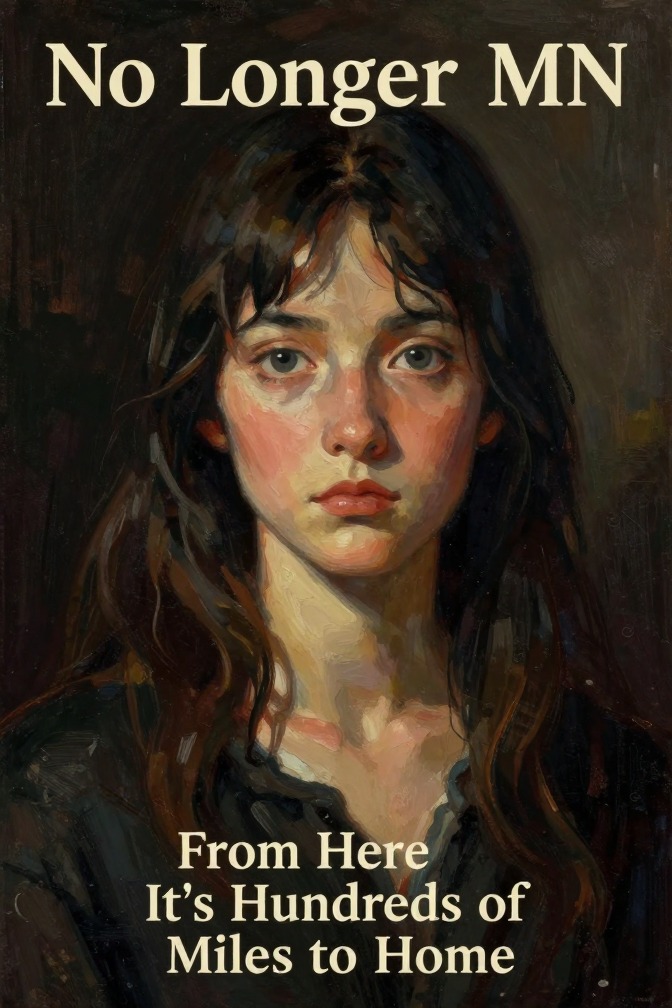
From Here It's Hundreds of Miles to Home is a fragment of a song that Yozo murmurs to himself on a snowy night in Tokyo after vomiting blood, crystallizing his sense of exile, homelessness, and the impossibility of return.
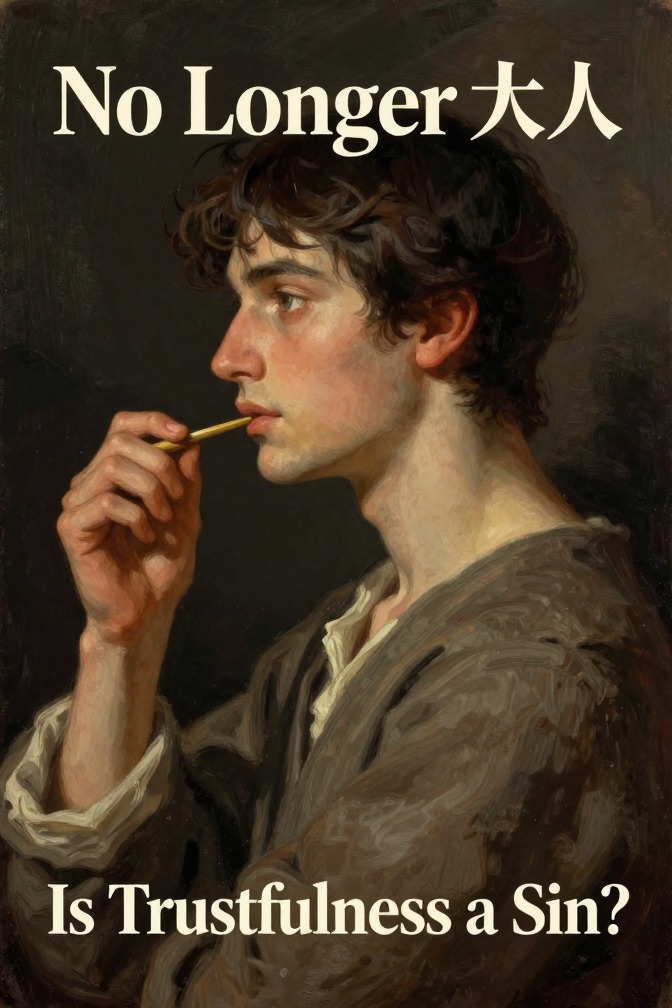
Is Trustfulness a Sin? is a recurring, anguished question that Yozo poses directly to God in the third notebook of No Longer Human, crystallizing the novel's central moral paradox: the one virtue he most prized in his wife Yoshiko—her immaculate, uncorrupted trustfulness—becomes the very quality that leads to her violation and to the destruction of their marriage, forcing Yozo to confront whether trust itself is a sin in a world where human beings are fundamentally untrustworthy.
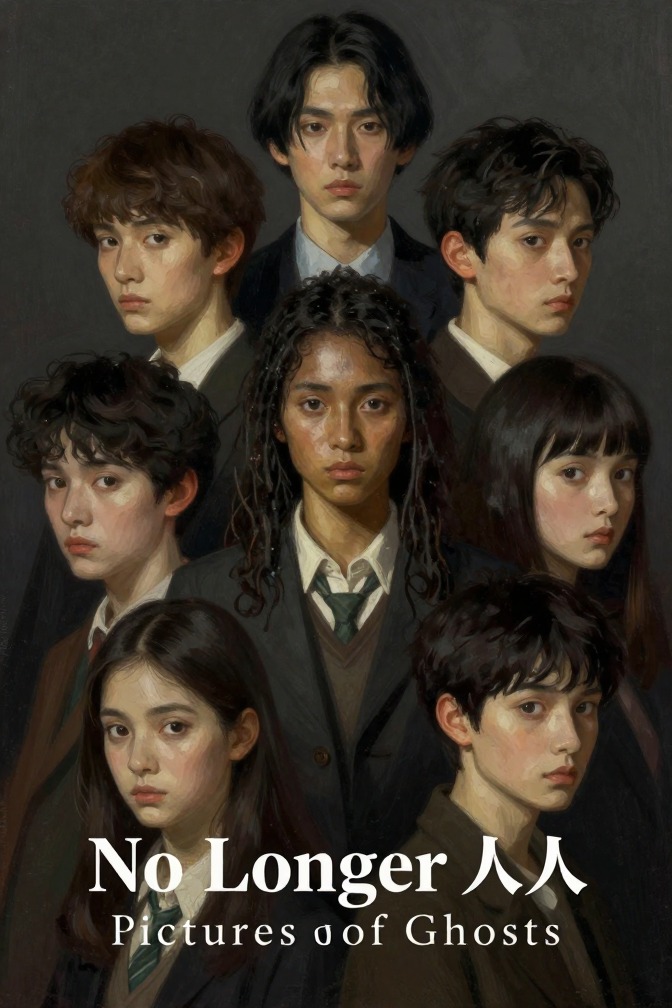
Pictures of Ghosts is the name Yozo gives to his self-portraits painted in a deliberately monstrous, expressionistic style inspired by van Gogh and Modigliani, which he keeps hidden from everyone except his schoolmate Takeichi. These pictures represent the only truthful artistic expression of his inner self—a self he otherwise conceals behind clowning—and their loss becomes a lifelong source of grief and a measure of his failed artistic ambition.
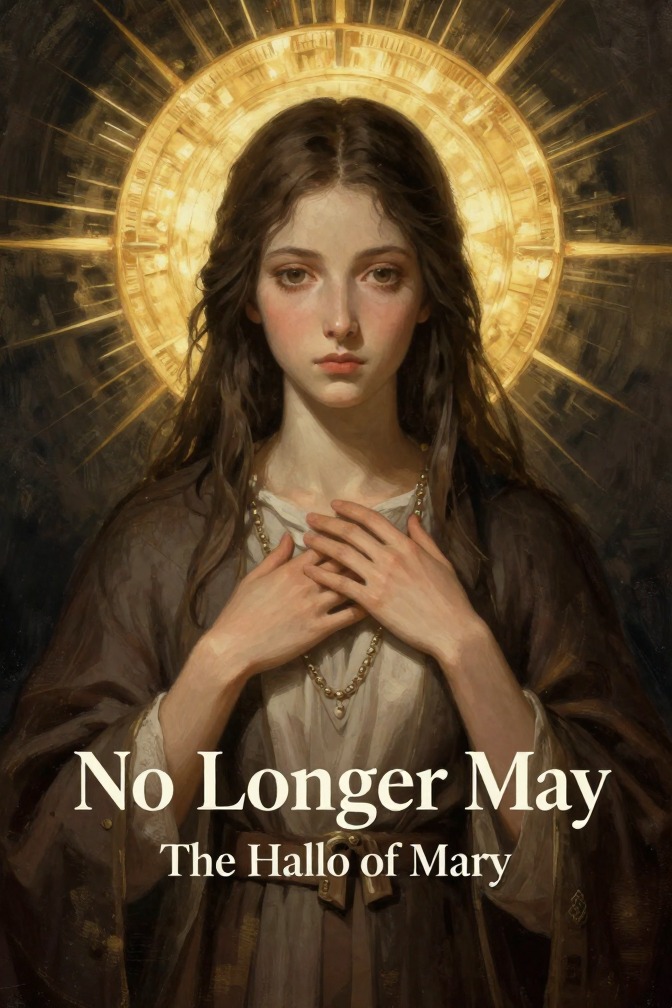
The Halo of Mary is a recurring religious image in Yozo's first-person narrative that crystallizes his paradoxical perception of prostitutes as degraded outcasts who nevertheless offer him the only untainted safety and affection he has ever known, revealing the core tension between his terror of human beings and his desperate longing for a love that asks nothing in return.
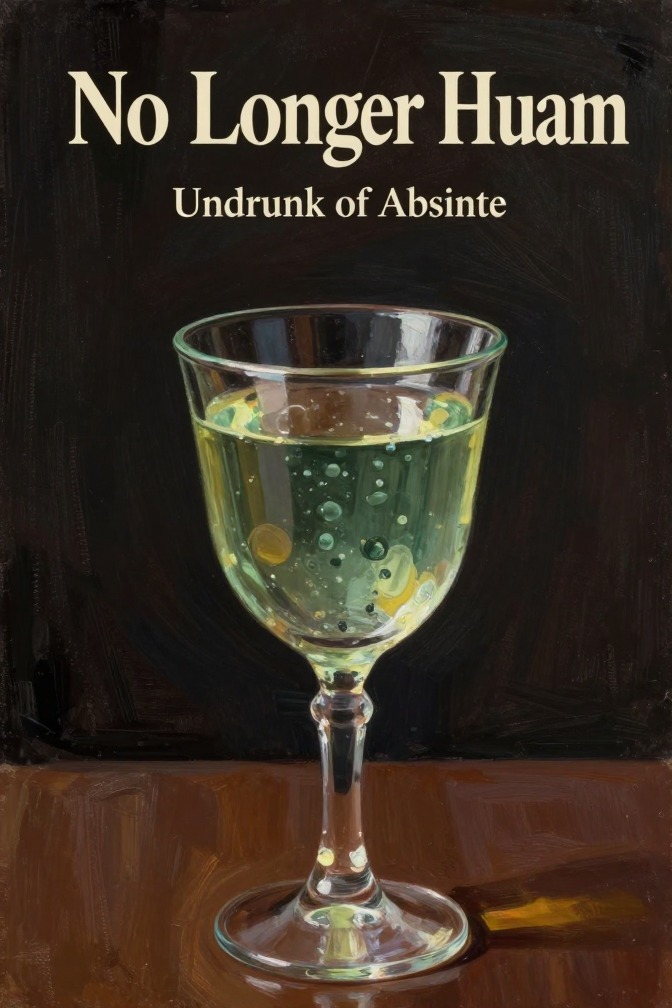
The Undrunk Glass of Absinthe is a recurring symbolic image in Yozo's notebooks, representing his lost artistic potential and the irrecoverable gap between his true self-portraits—the "ghost pictures" he painted in high school—and the commercial cartoon work he later produced. The phrase crystallizes a sense of permanent loss, a masterpiece that was never shown to the world and can never be recreated, haunting Yozo whenever he speaks of painting.
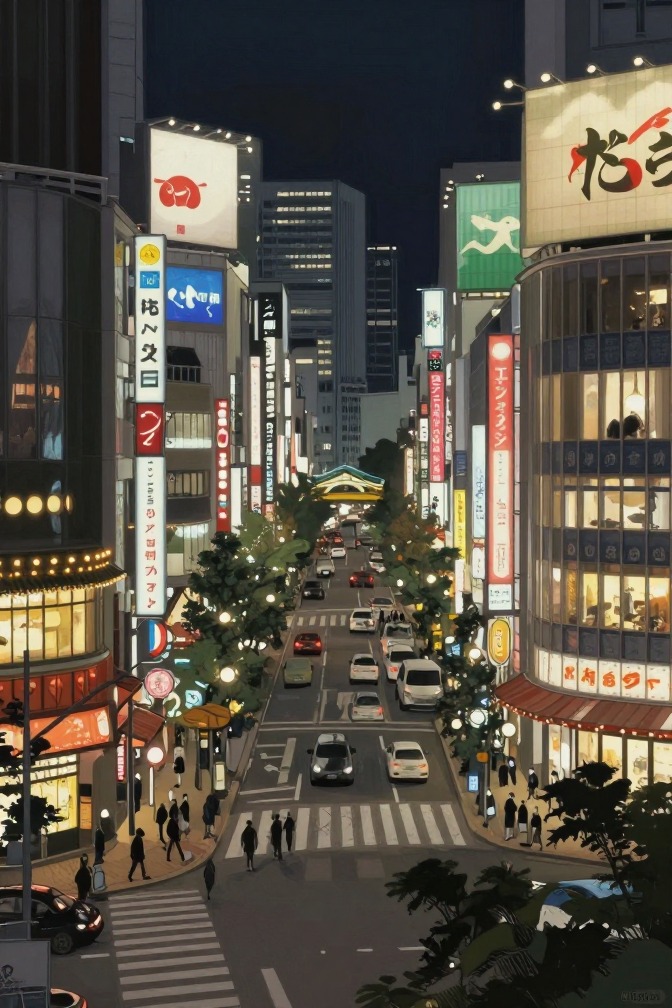
Ginza is the central Tokyo entertainment district where Yozo's most consequential encounters with women, alcohol, and self-destruction unfold, serving as the primary stage for his descent into addiction and social ruin.
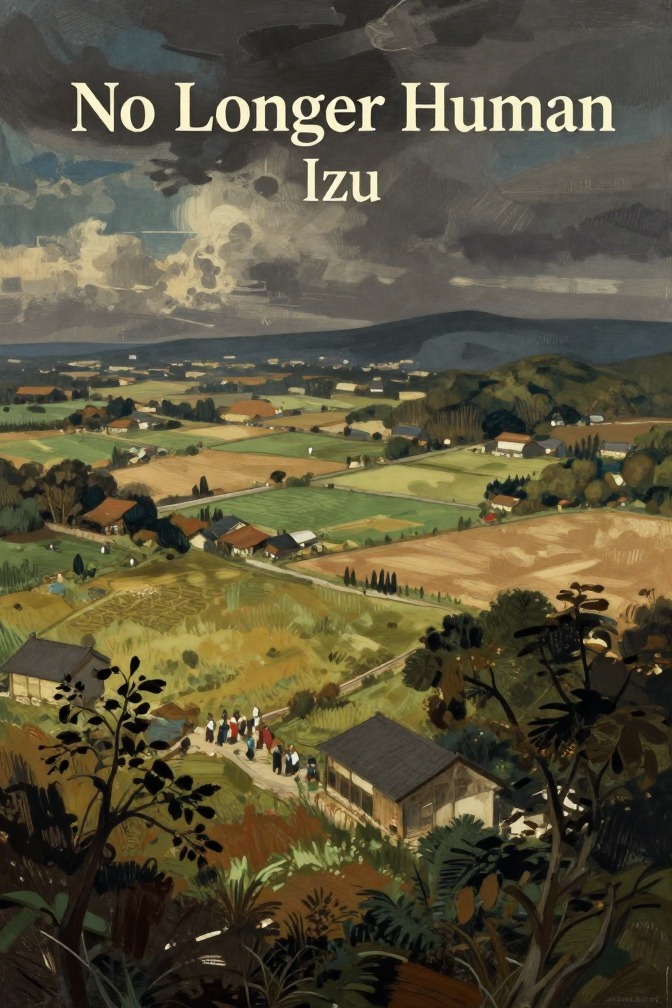
Izu is the hot-spring coastal region in southern Japan where Yozo is sent to live in seclusion after his release from a mental hospital, following his father's death. It becomes the final setting of his notebooks, a place of physical decay, morphine withdrawal, and the quiet erosion of all will, where he is cared for by an ugly old servant and drifts into a state beyond happiness or unhappiness.
Kanda is a district in Tokyo that serves as a recurring setting in Yozo's life, marking key episodes of his descent into alcoholism, left-wing activism, and moral degradation. It is the site of his first serious drinking with Masao Horiki, the location of the Reading Society meetings, and the backdrop for his final, desperate wanderings before his morphine addiction and institutionalization.
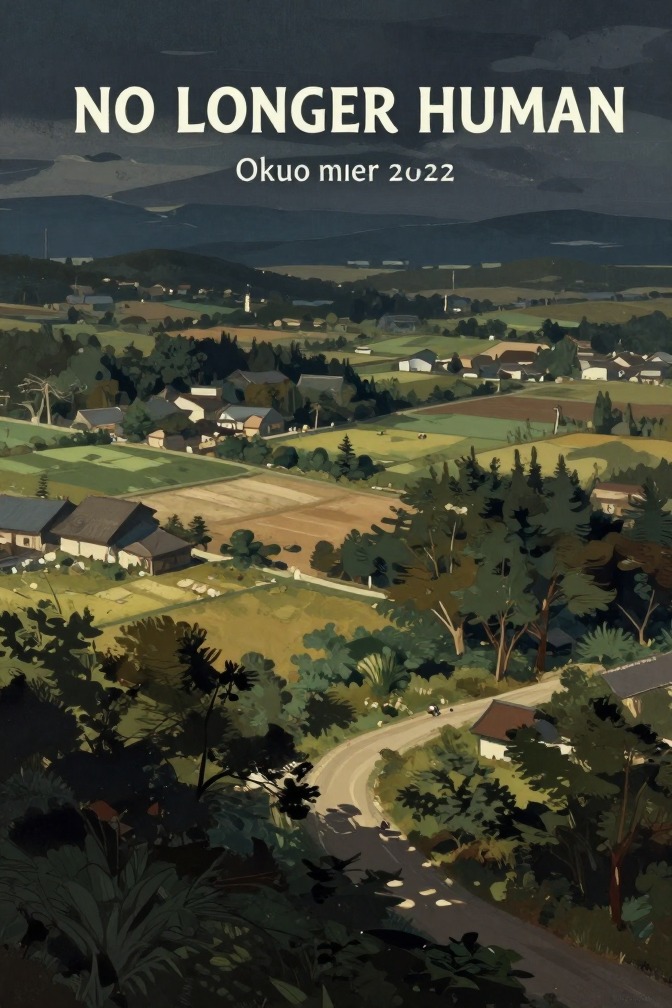
Okubo is the Tokyo neighborhood where Yozo lives under the guardianship of Flatfish after his suicide attempt with Tsuneko, a period marked by his confinement, humiliation, and eventual flight that deepens his social isolation.
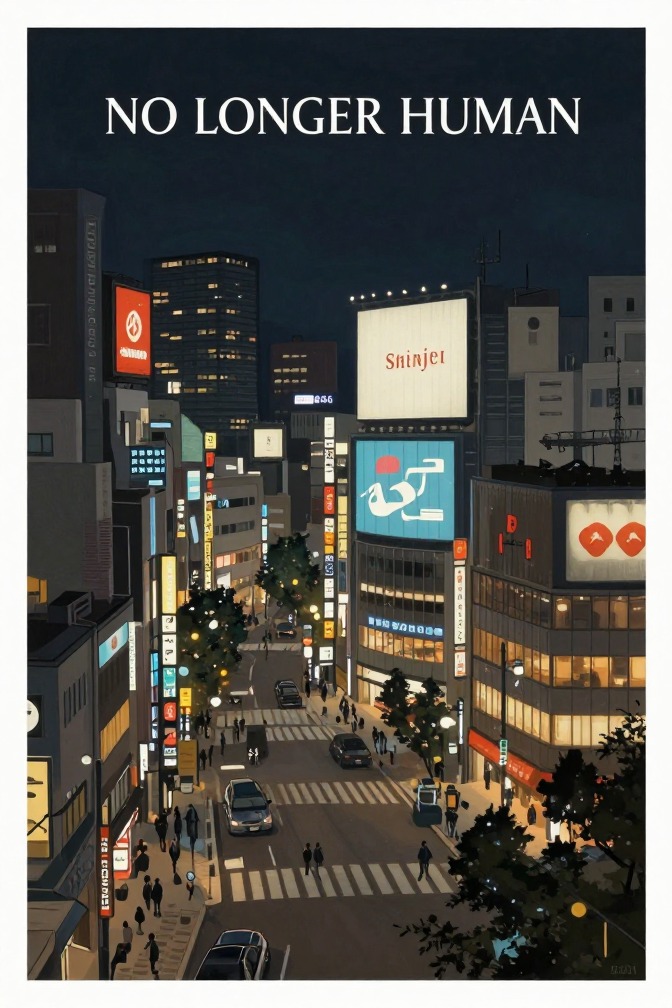
Shinjuku is a pivotal location in Osamu Dazai's No Longer Human, marking the moment of Yozo's decisive break from his past and his descent into a life of rootlessness and dependence. It is the place where, after fleeing Flatfish's house, Yozo sells his books and stands utterly at a loss, setting in motion the series of events that leads him to Horiki, Shizuko, and his eventual institutionalization.
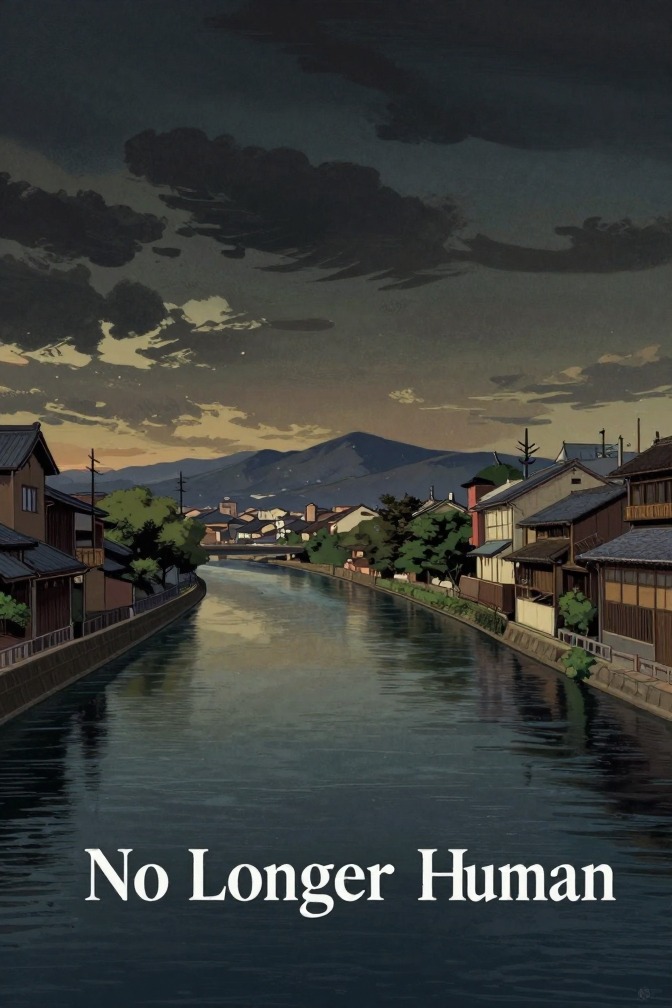
The Sumida River is the Tokyo river near which Yozo and Yoshiko rent an apartment after their marriage, a setting that initially represents domestic peace but becomes the site of the decisive betrayal that destroys Yozo's last hope of living as a human being.
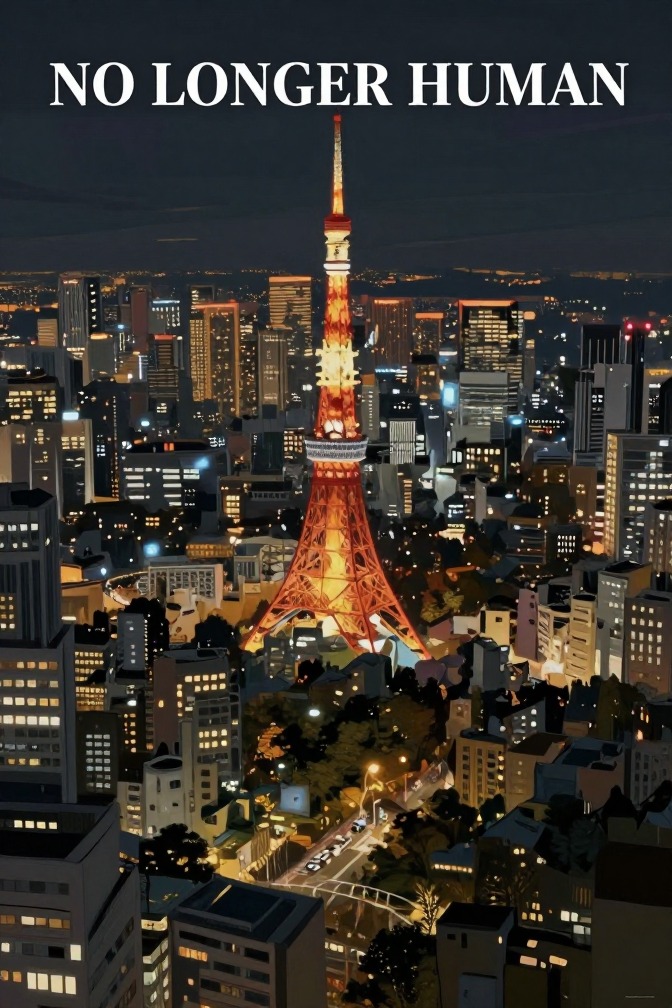
Tokyo is the central urban setting of No Longer Human, the city where Yozo experiences his most intense encounters with modern society, political movements, addiction, and institutional confinement, and where his alienation from human life reaches its crisis.
The Dial Sleeping Pills are the object Yozo uses in his second suicide attempt, a deliberate overdose that lands him in a mental hospital and marks the final collapse of his already fractured life.
Morphine is the drug that replaces alcohol as Yozo's primary means of escape from his dread of human beings, leading to a rapid descent into addiction, physical decay, and the final collapse of his will, which culminates in his involuntary confinement in a mental hospital.
The landlord's daughter at Yozo's lodging house in Hongo develops a one-sided infatuation with him, persistently visiting his room under the pretext of writing letters, performing errands, and later sending a long poem urging him to live after his suicide attempt with Tsuneko. Her unreciprocated devotion exemplifies the pattern of women drawn to Yozo's vulnerability and his inability to refuse their attention, contributing to his sense of entrapment and guilt.
Alcoholism is the central, escalating mechanism of self-destruction in Yozo's life, a compulsive escape from his terror of human beings that progressively destroys his health, relationships, and capacity for work, and ultimately serves as the gateway to morphine addiction and institutionalization.
Loneliness is the central, defining condition of Yozo's existence in *No Longer Human*, a state of radical isolation that precedes and outlasts every relationship, every attempt at connection, and every form of escape. It is not merely an emotion but a structural feature of his consciousness: a conviction that he alone is fundamentally unlike other human beings, a condition that drives his compulsive clowning, his self-destructive addictions, and his repeated suicide attempts. The novel traces this loneliness from its origins in a childhood of incomprehension and fear through its intensification in adolescence and adulthood, culminating in Yozo's final self-identification as a 'reject'—a man disqualified from the human community. Loneliness in the novel is not a temporary affliction but an inescapable prison, the source of both Yozo's most desperate performances and his most profound suffering.
Madness in *No Longer Human* is not a clinical diagnosis but a social verdict imposed on Yozo after his family and friends commit him to a mental hospital, where he is locked in a ward for male lunatics and branded a "reject." The novel uses this institutional confinement to dramatize how a person who cannot perform the expected roles of human society—who cannot resist, who cannot trust, who cannot lie convincingly—is expelled from the category of the human itself. Yozo's own reflections on his sanity, his ironic acceptance of the label, and the epilogue's revelation that others saw him as an "angel" together transform madness into a structural judgment of the social order rather than a property of the individual mind.
1930 is the temporal setting for the central events of Yozo's life as recorded in his notebooks, a year that marks the beginning of his most intense period of self-destruction and the backdrop against which his artistic awakening, political involvement, and first suicide attempt unfold.