30 October is the date on which Nathaniel, the protagonist of E. T. A. Hoffmann's 'The Sandman', encounters a barometer salesman whom he recognizes as the dreaded Coppelius, an event that reawakens his childhood trauma and sets the story's tragic plot in motion.
Lewandowski is a Polish soldier in the Catholic Hospital whose desperate need for intimacy with his visiting wife becomes a shared project for the entire ward, revealing how the war reduces even the most private human bonds to a furtive, collective act of defiance against death.
Mittelstaedt is a former classmate of Paul Bäumer who, after being wounded and returning to the rear, becomes a non-commissioned officer and exacts a methodical, ironic revenge on his former schoolmaster Kantorek, reversing their old power relationship and exposing the hollowness of pre-war authority.
Chance, in the world of All Quiet on the Western Front, is not a philosophical abstraction but the fundamental, arbitrary force that governs survival and death on the battlefield, overriding skill, courage, and logic. The soldiers live in a state of perpetual uncertainty where a single random event—a shell landing in one dugout instead of another, a step taken two yards to the left or right—determines who lives and who dies. This pervasive randomness shapes their psychology, their ethics, and their resigned acceptance of a universe stripped of meaning.
Front-line madness is a recurring psychological condition in *All Quiet on the Western Front* that manifests as irrational, compulsive, or self-destructive behavior triggered by the unbearable strain of combat, representing the breaking point of a soldier's mental defenses under prolonged exposure to horror.
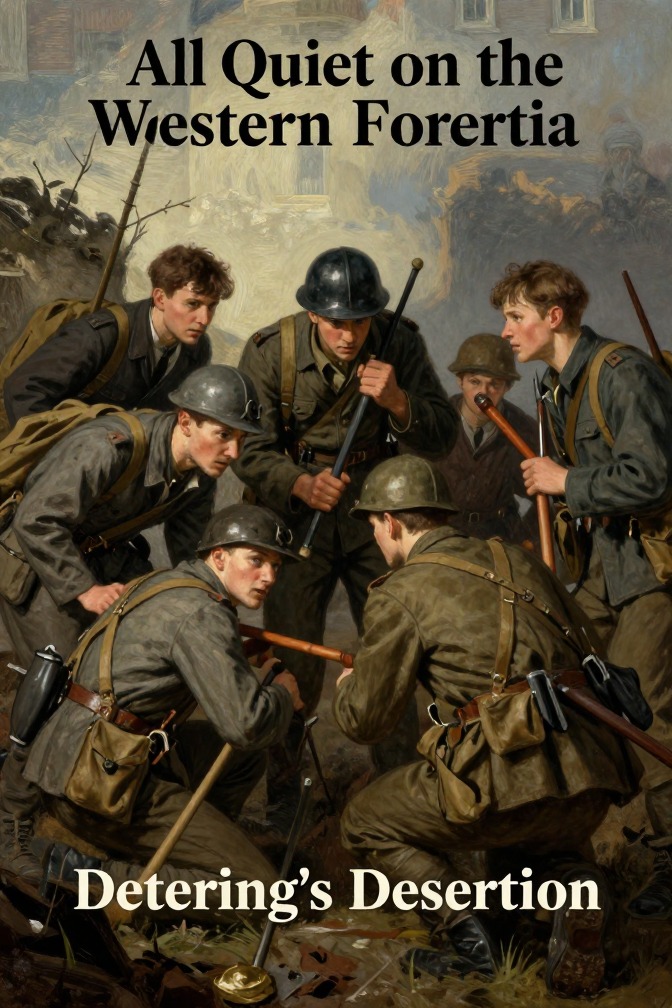
Detering's Desertion is a pivotal event in Erich Maria Remarque's All Quiet on the Western Front, in which the peasant soldier Detering, overwhelmed by homesickness triggered by a cherry tree in full blossom, attempts to desert and walk back to Germany, only to be captured by military police and presumably court-martialed, illustrating the psychological breaking point of a man whose identity is rooted in the land.
Klosterberg is a small town in Germany that serves as a symbol of the lost pre-war world and a site of both nostalgic memory and failed homecoming for the soldiers of the Second Company.
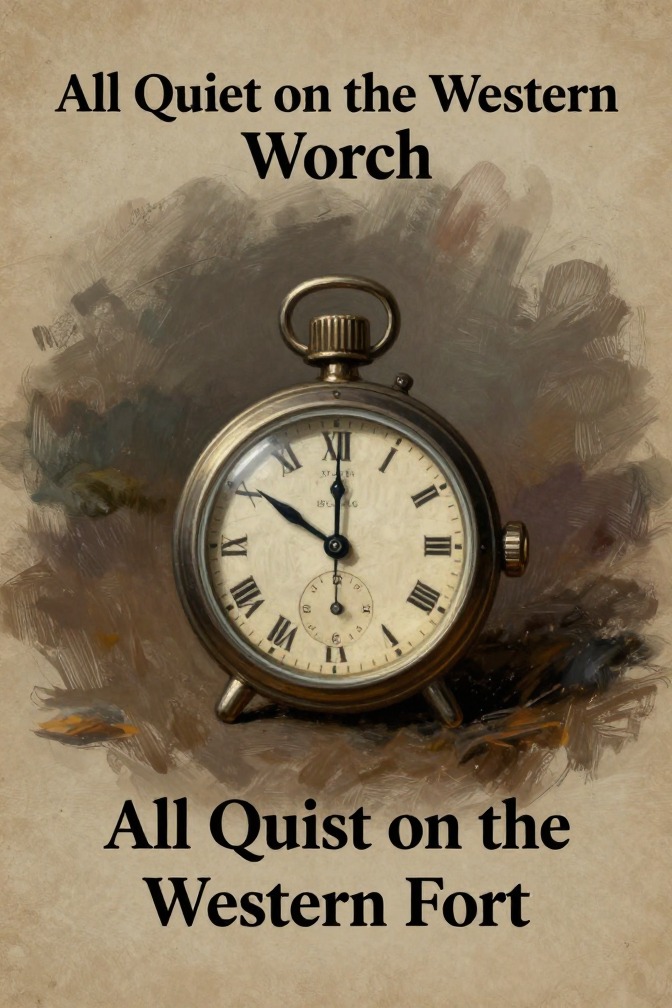
Kemmerich's watch is a stolen personal possession that becomes a symbol of the fragility of life, the futility of material attachment, and the brutal pragmatism of soldiers at the front.
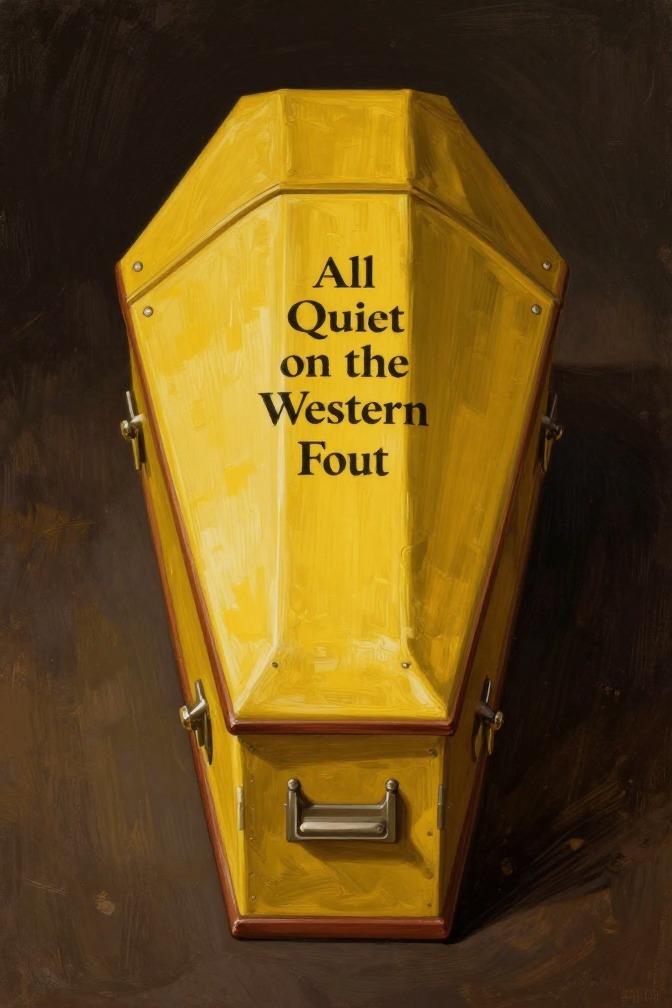
The Yellow Coffins are a recurring symbol in Erich Maria Remarque's *All Quiet on the Western Front*, representing the industrial scale of death and the soldiers' grim awareness of their own mortality. First seen as a stack of brand-new, resin-scented coffins near the front, they become a material prophecy of the coming offensive, a makeshift shelter during a bombardment, and a haunting image that lingers in the minds of the men, embodying the war's transformation of death from a personal tragedy into a mass-produced, bureaucratic inevitability.
The Catholic Hospital is a medical facility where Paul Bäumer and Albert Kropp are treated after being wounded, and it serves as a site that exposes the institutional realities of war, including the tension between religious care and military bureaucracy, the dehumanizing assembly-line treatment of the wounded, and the desperate attempts of soldiers to maintain agency and dignity.
The Russian Prison Camp, adjacent to the training camp on the moors, is a site of extreme deprivation and human suffering where Russian prisoners of war, reduced to near-starvation, scavenge for food and trade their possessions for bread, revealing the dehumanizing logic of war and the fragile boundary between enemy and fellow sufferer.
The comradeship between Paul Bäumer and Franz Kemmerich is a foundational bond of shared youth and schoolroom intimacy that, when confronted by Kemmerich's slow, agonizing death from a leg amputation, forces Paul to witness the war's destruction of a friend and to carry the burden of memory, guilt, and the duty to inform Kemmerich's mother.
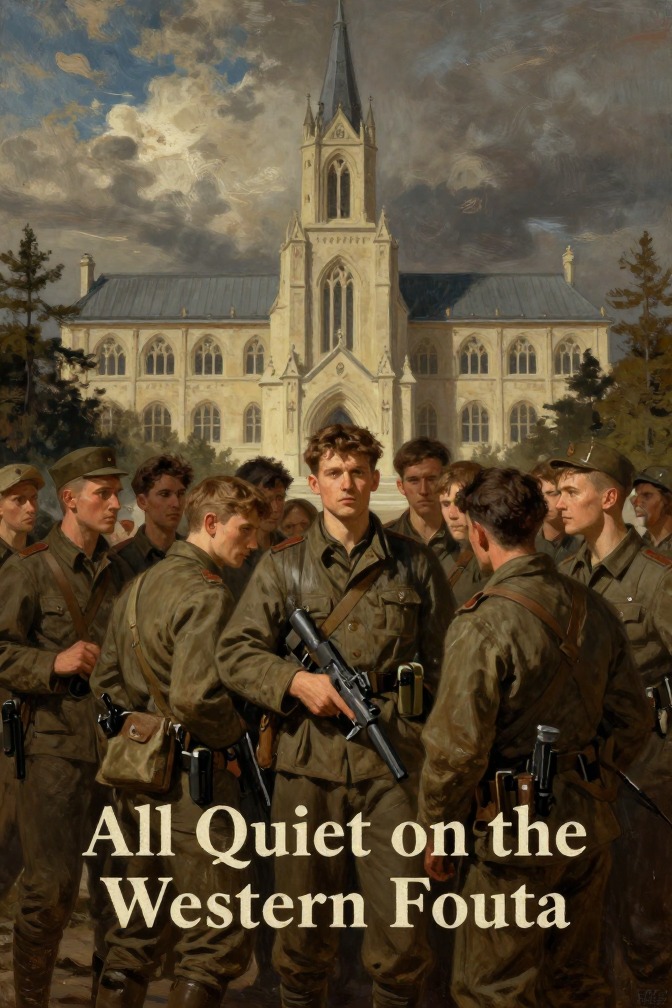
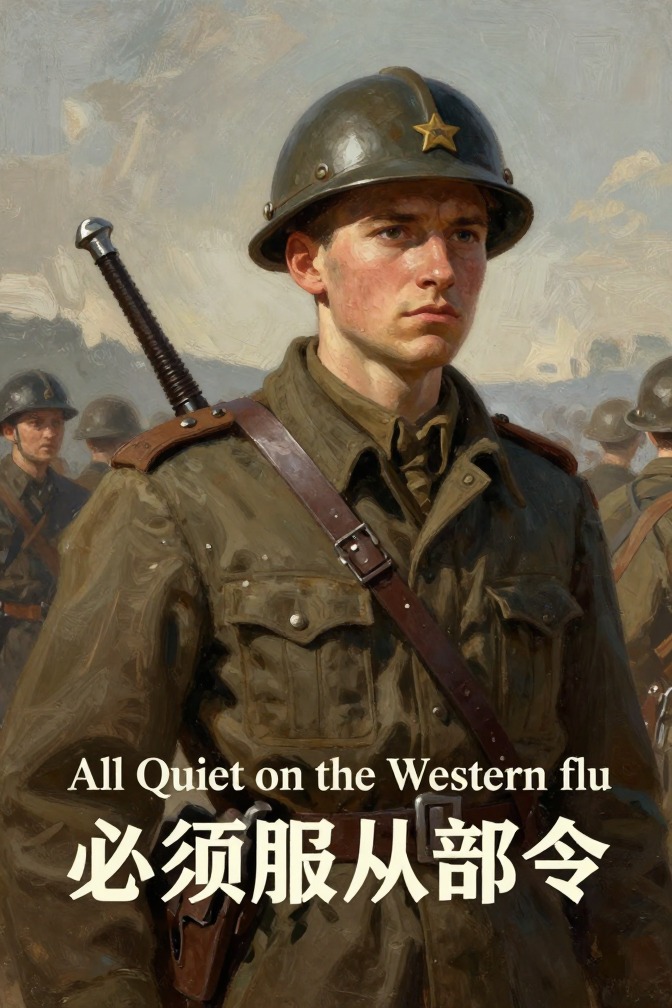
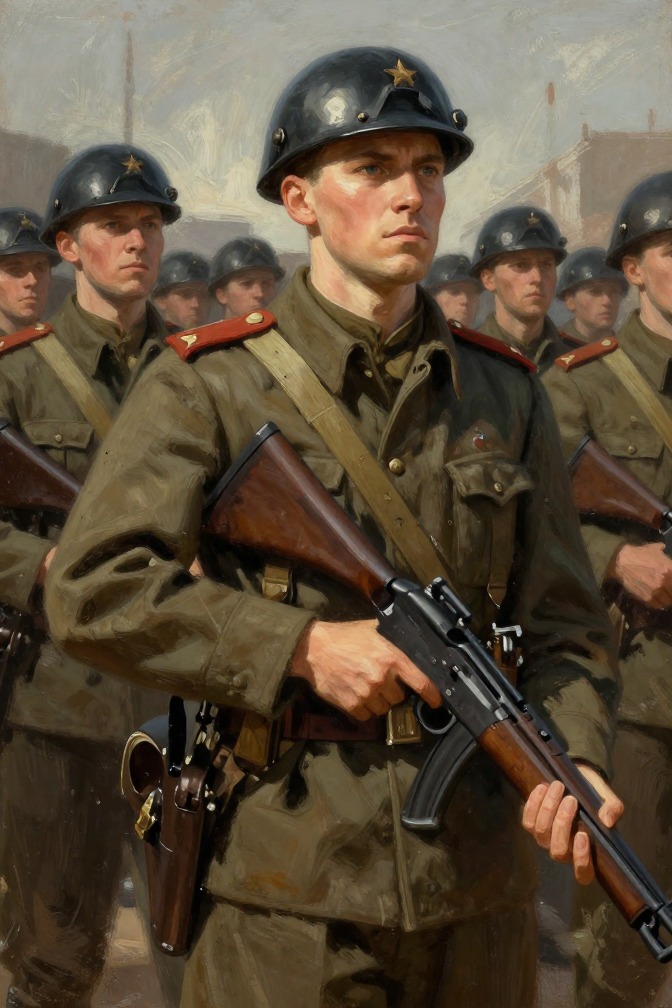
Must obey orders is a foundational rule of military life in All Quiet on the Western Front, enforced from basic training through the front lines and into the hospital. The novel shows how this absolute command strips soldiers of autonomy, subjects them to arbitrary authority, and persists even when orders are absurd, unjust, or lethal. The rule is not merely a background condition but an active force that shapes every character's experience, from the parade-ground humiliations of Himmelstoss to the medical coercion of the hospital surgeon, and ultimately to the senseless deaths that continue until the final day of the war.
Return new equipment after parade is a military regulation in the German army during World War I, as depicted in Erich Maria Remarque's All Quiet on the Western Front. The rule requires soldiers to hand back the new uniforms and gear issued for a formal inspection immediately after the event, forcing them to resume their worn, battle-stained clothing. This practice exposes the army's preoccupation with superficial discipline and parade-ground appearances, even as the front-line soldiers face the grim realities of trench warfare, and it deepens the men's cynicism toward the military hierarchy.
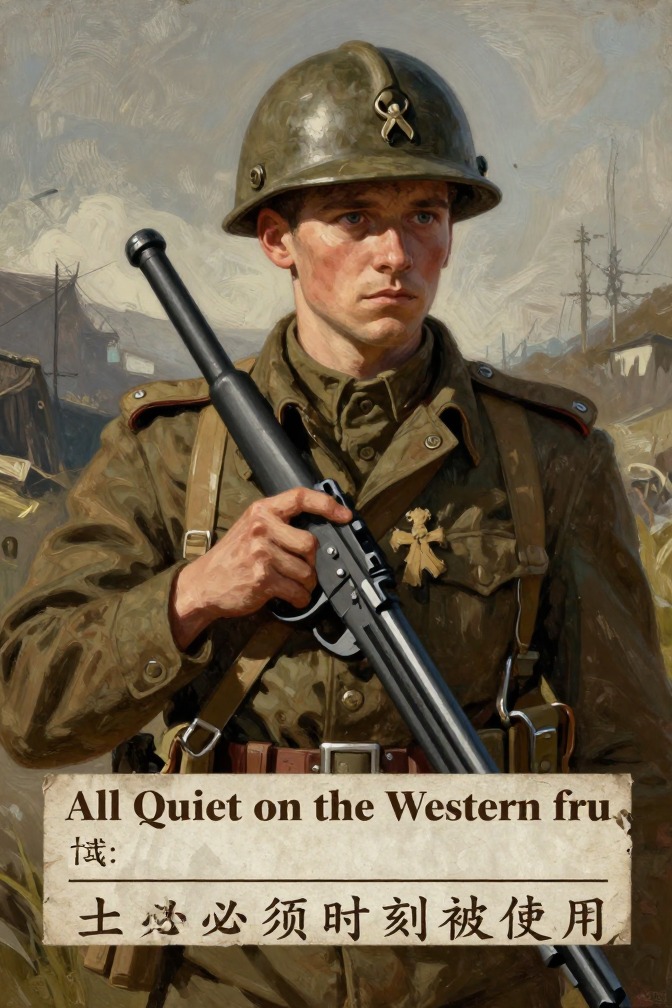
The unwritten rule that soldiers must always be kept busy is a fundamental principle of military discipline in the German army of World War I, as depicted in Erich Maria Remarque's *All Quiet on the Western Front*. This principle, enforced by non-commissioned officers like Himmelstoss, dictates that soldiers are to be occupied with drill, chores, and inspections at all times, even when rest is desperately needed. The rule is shown to be an iron law that ceases only in the front-line trenches, and its absurdities and abuses are a constant source of resentment and critique among the men of the Second Company, revealing the dehumanizing and often counterproductive nature of military authority.
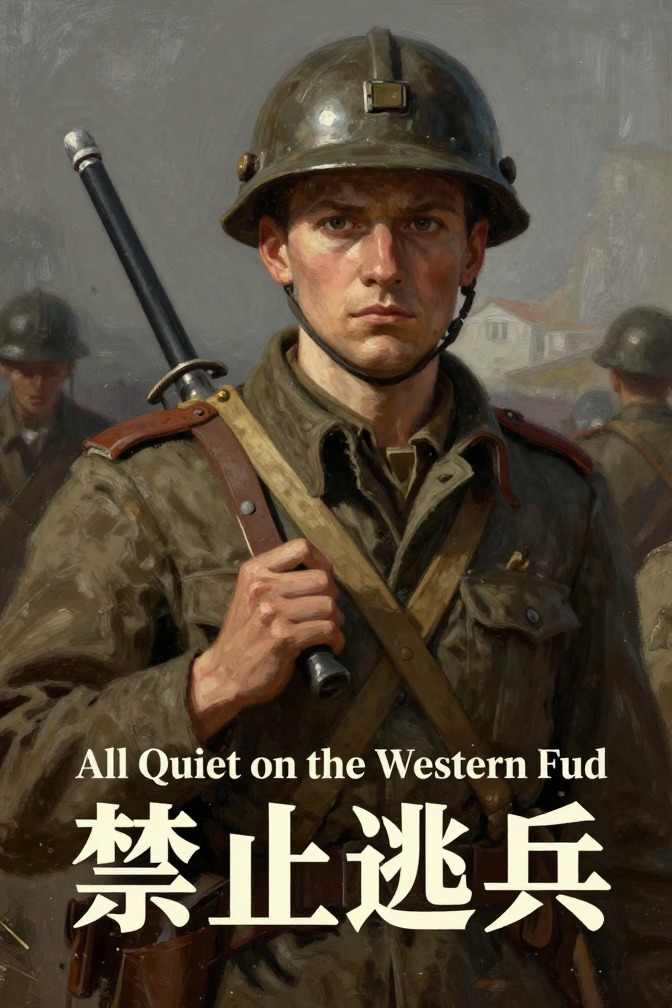
No desertion is the military rule that forbids soldiers from abandoning their posts or fleeing the battlefield, enforced by courts-martial and field gendarmes. In *All Quiet on the Western Front*, this rule is shown as a rigid, often cruel mechanism that punishes desperate acts of homesickness and psychological breakdown, revealing the chasm between the army's legal code and the human reality of the front.
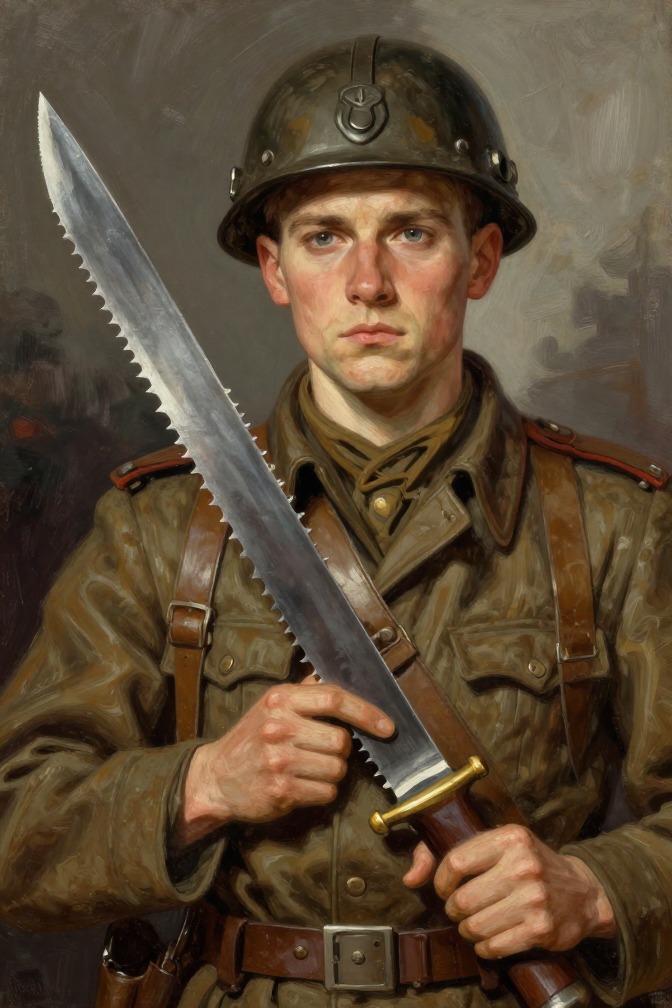
The prohibition of serrated bayonets is a military regulation that reflects the brutalization of trench warfare and the moral line soldiers draw between legitimate combat and atrocity, as experienced by Paul Bäumer and his comrades in All Quiet on the Western Front.
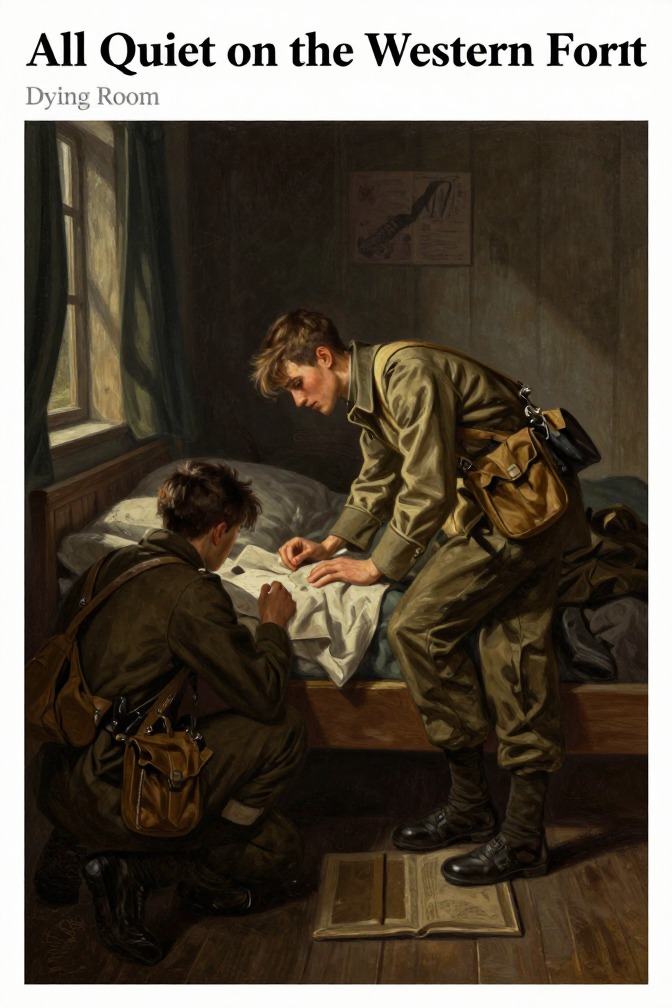
The Dying Room is a small, isolated ward in the Catholic Hospital where terminally wounded soldiers are sent to die, serving as a stark institutional mechanism that manages death by segregating the dying from the living and revealing the war's systematic reduction of human life to a logistical problem.
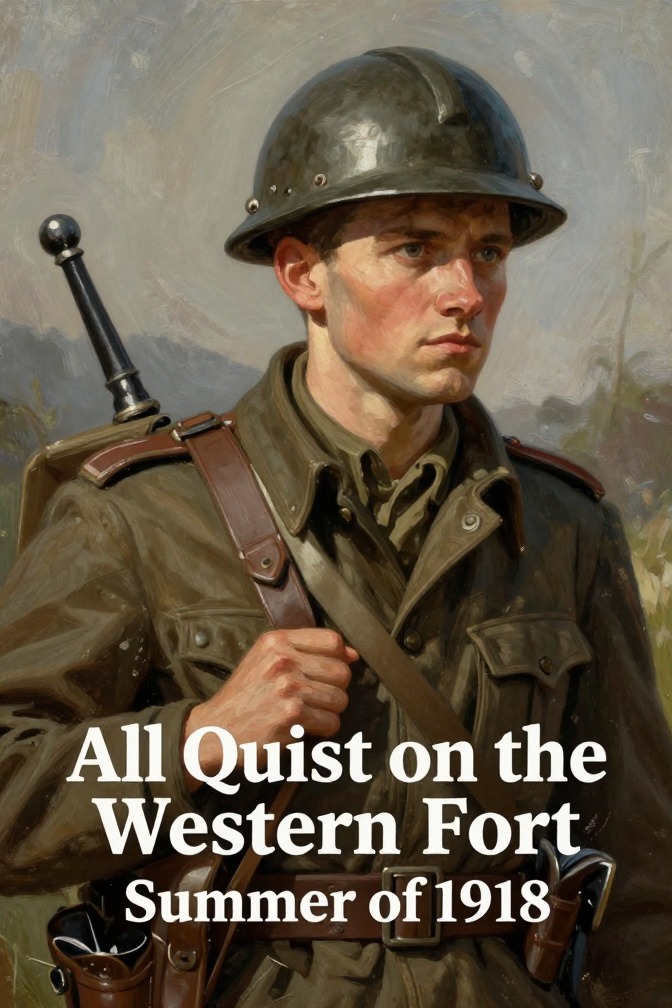
The Summer of 1918 marks the final, most terrible phase of the war for Paul Bäumer and his comrades, a season of overwhelming material superiority of the enemy, desperate hope for peace, and the collapse of all remaining illusions, culminating in the deaths of the last close friends and the narrator's own fatal stillness.
Robert Langdon and Sienna Brooks attempt to escape from the crypt of St. Mark's Basilica through a light well, but Langdon is captured by SRS agents while Sienna escapes into St. Mark's Square.
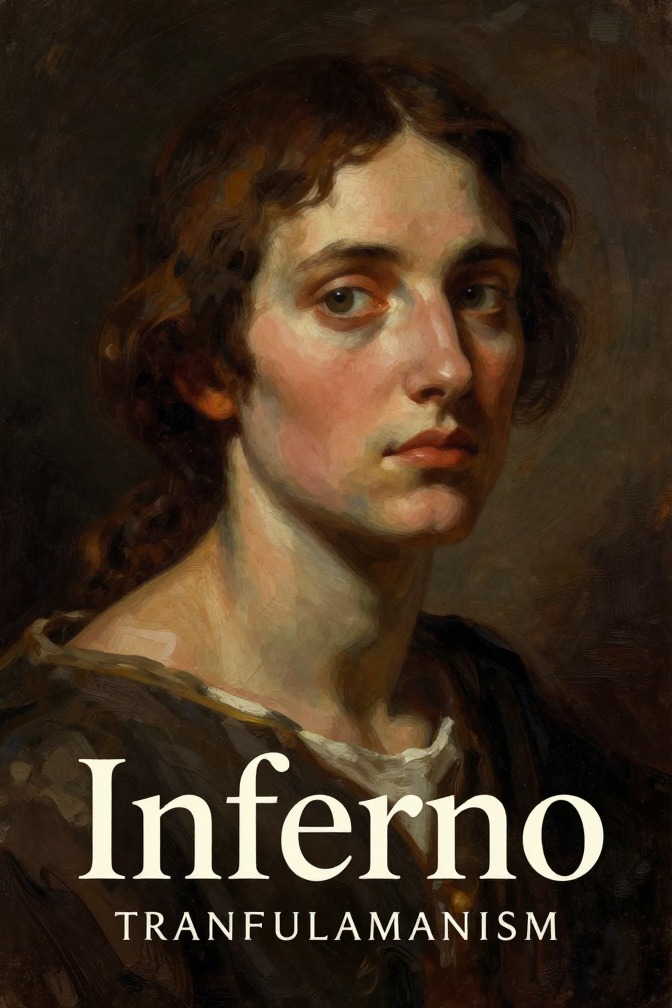
Inferno is the name Bertrand Zobrist gave to the genetically engineered, airborne viral vector he created as a radical solution to human overpopulation. Unlike a conventional plague that kills, Inferno is a sterility plague: a self-replicating, pandemic virus designed to insert a piece of DNA into the human genome that renders a randomly selected one-third of the global population permanently infertile. Zobrist conceived it as a humane, long-term culling mechanism—a Transhumanist Black Death that would gradually reduce the birth rate without causing mass death, suffering, or social collapse. The virus was released into the water of the Yerebatan Sarayi (the Sunken Palace) cistern in Istanbul a full week before the novel's climax, and by the time the World Health Organization discovers it, the contagion has already spread worldwide, embedded in every human being's DNA. Inferno is the central threat and the ultimate revelation of the novel, transforming the plot from a race to stop a plague into a confrontation with an irreversible, species-altering reality.
The Divine Comedy is Dante Alighieri's epic 14th-century poem that structures the novel's entire plot, from its coded clues to its philosophical debates about overpopulation and salvation.
The bloodred waters is a recurring poetic image in Dan Brown's Inferno, drawn from Dante Alighieri's vision of hell. It appears in the prologue as the Shade's description of the lagoon where his creation, Inferno, smolders, and it recurs throughout the novel as a hallucinatory motif in Robert Langdon's visions, a descriptive element in Bertrand Zobrist's video message, and the final destination of the poem hidden on Dante's death mask. The phrase crystallizes the novel's central threat: a deadly pathogen suspended in a subterranean, starless lagoon, waiting to be released.
The Malebolge is the eighth and penultimate ring of hell in Dante Alighieri's Inferno, a funnel-shaped pit divided into ten concentric ditches, each punishing a specific type of fraud. In Dan Brown's Inferno, the Malebolge becomes the central cipher of a modified Botticelli painting, its ten levels rearranged and inscribed with letters that, when reordered, spell the phrase "cerca trova" (seek and find), guiding Robert Langdon and Sienna Brooks toward the hidden location of a deadly plague.
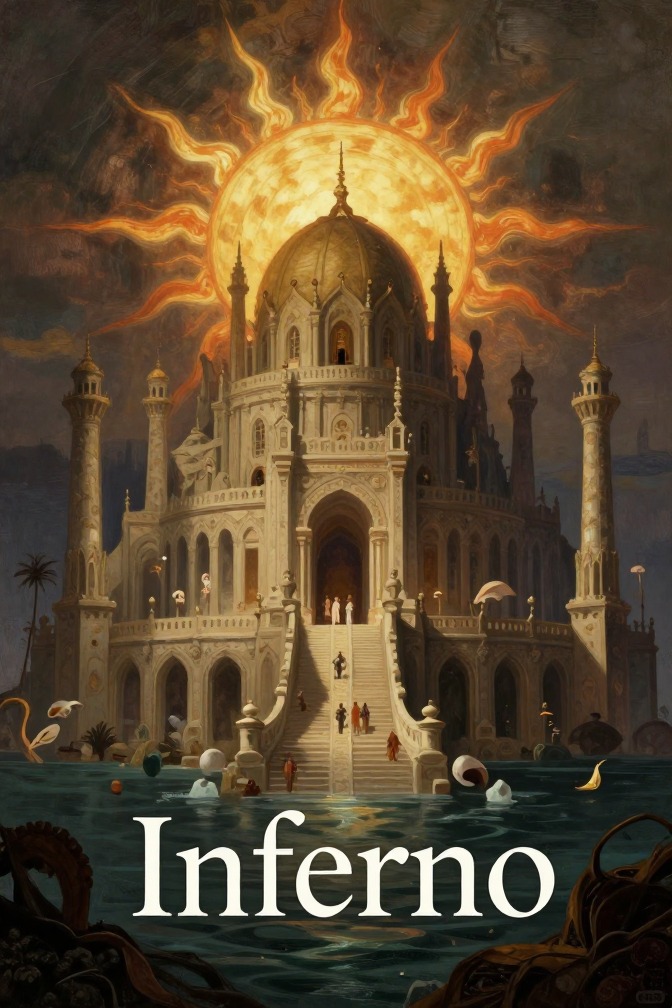
The sunken palace (Yerebatan Sarayi) is the ancient Byzantine cistern beneath Istanbul where Bertrand Zobrist concealed his plague, Inferno, in a dissolving Solublon bag, making it the climactic setting of the novel's final act.
Transhumanism is a philosophical and intellectual movement that advocates using technology—especially genetic engineering—to transcend the inherent limitations of the human body, creating a 'posthuman' species. In Dan Brown's Inferno, the movement provides the ideological foundation for Bertrand Zobrist's actions, including his creation of the sterility virus he calls Inferno, and is represented by the symbol H+ and the code-name system adopted by its followers.
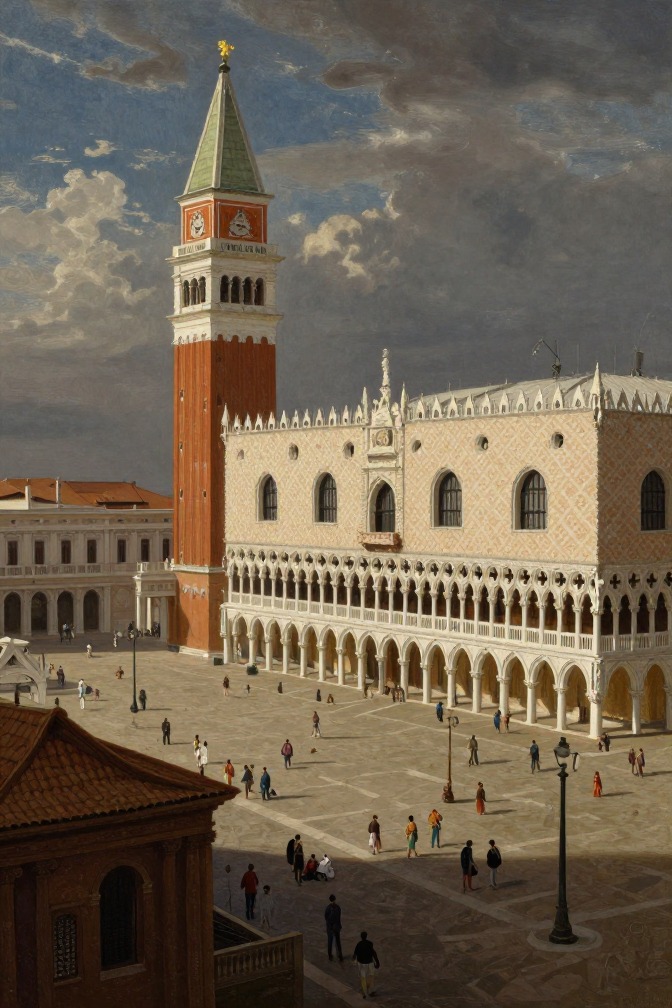
The Doge's Palace (Palazzo Ducale) is the massive Venetian Gothic administrative and residential complex that served as the seat of Venetian government and the home of the doge. In Dan Brown's Inferno, it becomes the architectural anchor of the final leg of the treasure hunt, as the poem on Dante's death mask directs Langdon and his companions to the 'sunken palace'—a phrase that initially seems to point to the Doge's Palace but ultimately leads them to the Yerebatan Sarayi cistern in Istanbul.
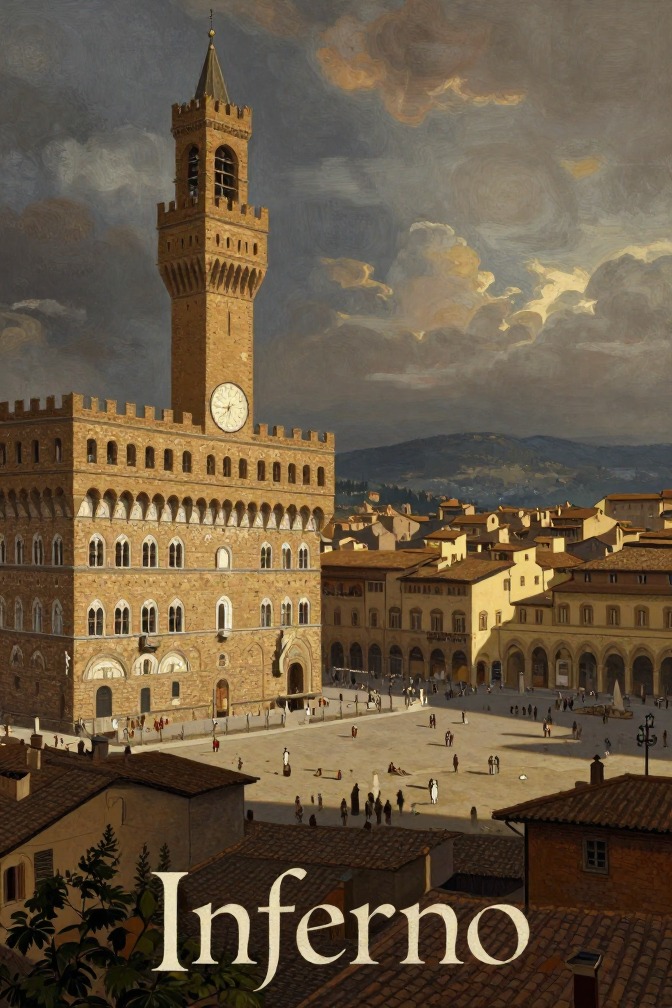
Piazza della Signoria is the central public square of Florence, serving as the primary setting for several key confrontations, discoveries, and escapes in the novel. It is the site of the Palazzo Vecchio, where the Vasari mural containing the hidden message 'cerca trova' is located, and it becomes the focal point of the chase as Langdon and Sienna seek answers within the palazzo's Hall of the Five Hundred.
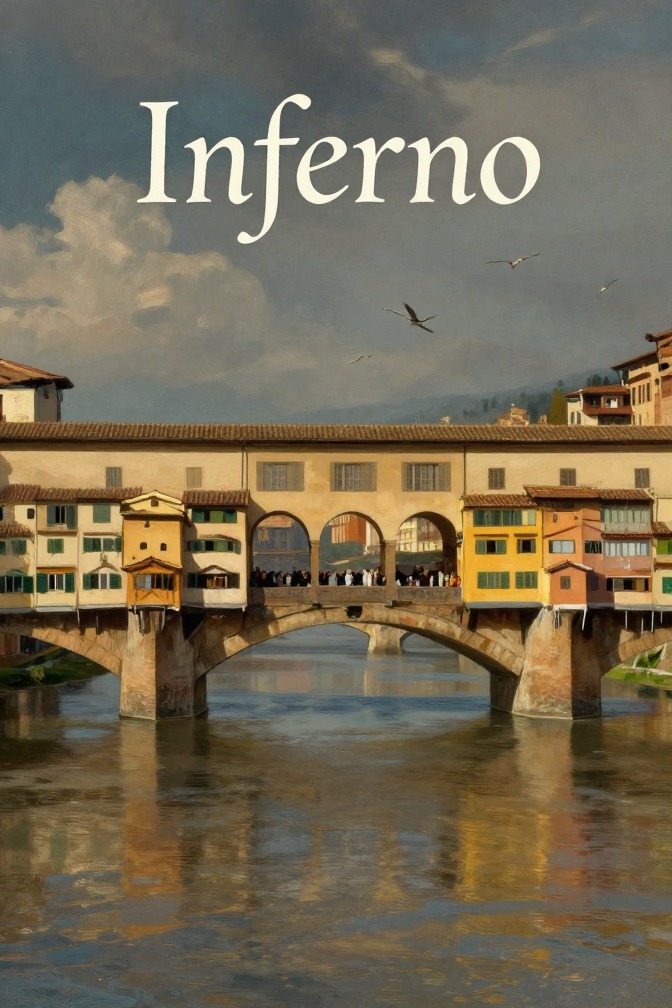
The Ponte Vecchio is a medieval stone bridge over the Arno River in Florence, serving as a pedestrian walkway and a key landmark in the novel's chase sequence. It is the site where Langdon and Sienna cross into the old city, and its historical associations with Dante's exile and the Vasari Corridor make it a symbolically charged location.
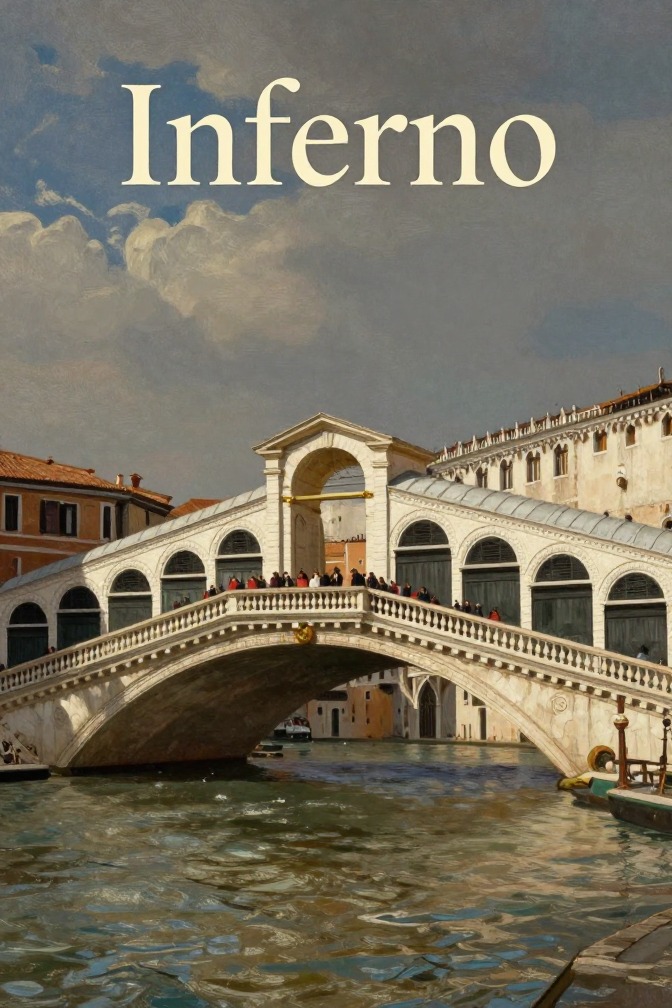
The Rialto Bridge is the oldest and most famous of the four bridges spanning the Grand Canal in Venice, Italy. In Dan Brown's *Inferno*, it serves as a critical landmark during Robert Langdon's journey to Venice, marking the halfway point of his water-taxi ride from the train station to St. Mark's Square and becoming the site of a chilling encounter with a plague mask that foreshadows the novel's central threat.