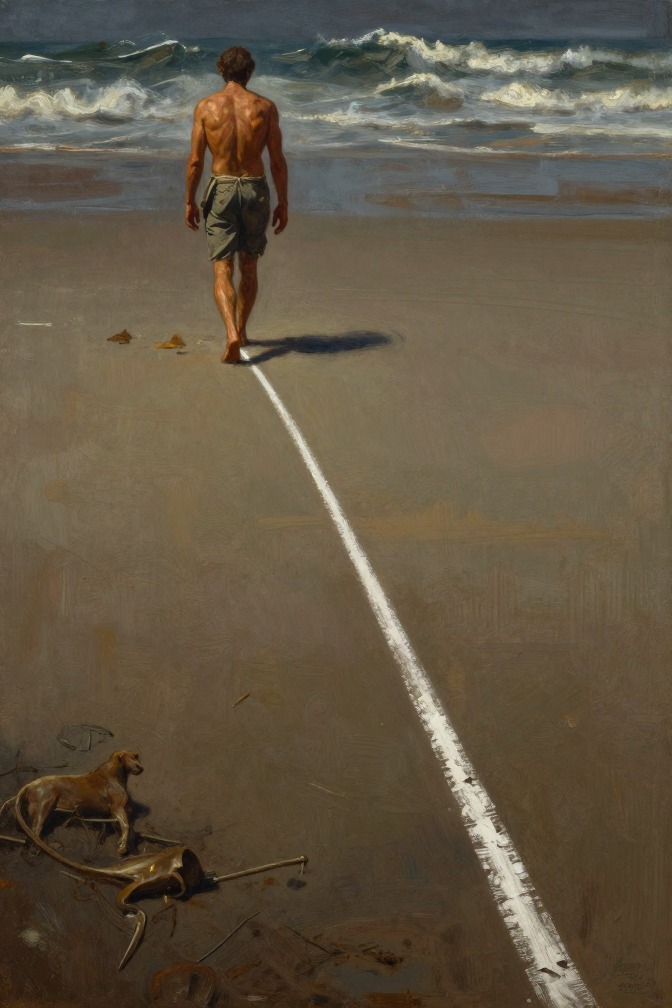
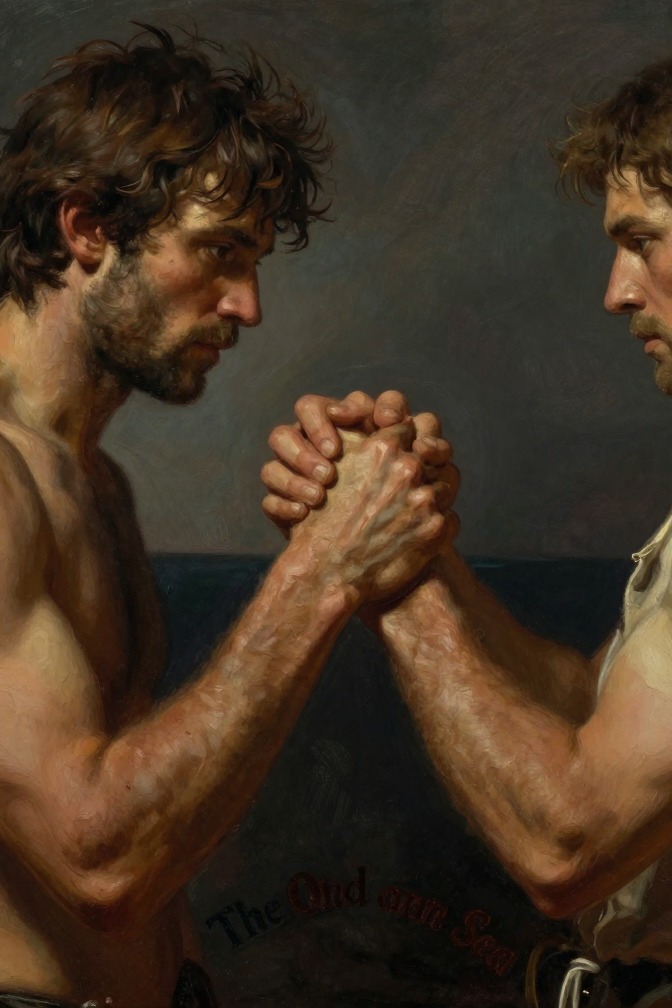
The chalk line is a minor but symbolically charged object in The Old Man and the Sea, appearing in Santiago's memory of his legendary arm-wrestling match with the great negro from Cienfuegos. It marks the boundary of a contest that tested pure strength and will, and its recollection serves as a touchstone of Santiago's past glory and his enduring resolution.
The champion as a title is a concept in The Old Man and the Sea that represents Santiago's past glory, earned through a legendary arm-wrestling match, and serves as a benchmark for his present endurance and identity, contrasting his current luckless state with his former strength.
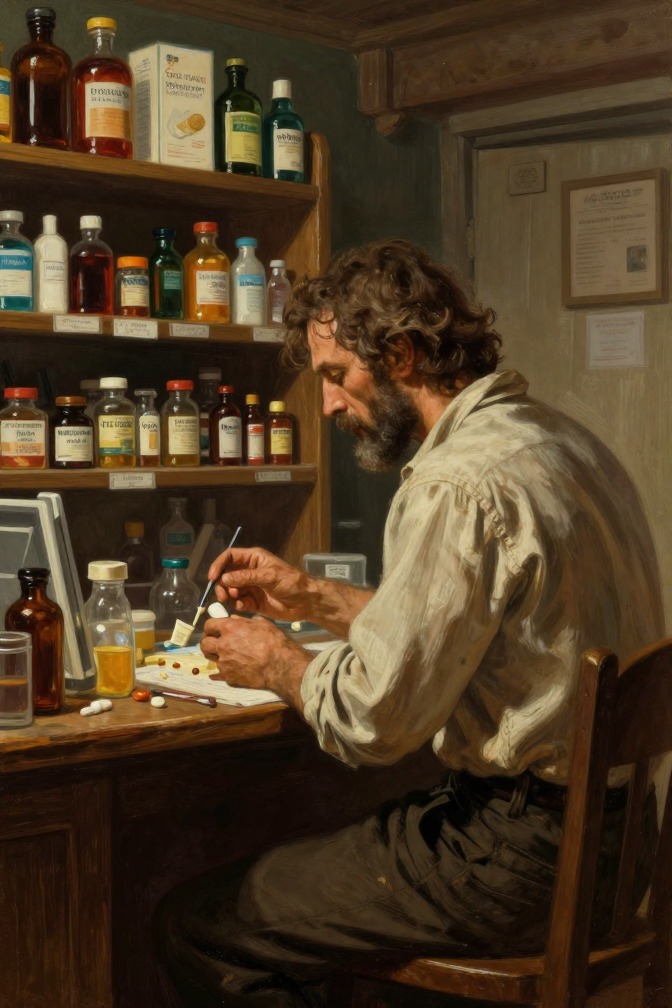
The drugstore as a source of medicine represents the practical, external care that Santiago, in his solitary struggle, cannot provide for himself, and it becomes a concrete symbol of the community's support and the boy Manolin's devotion after the old man's ordeal.
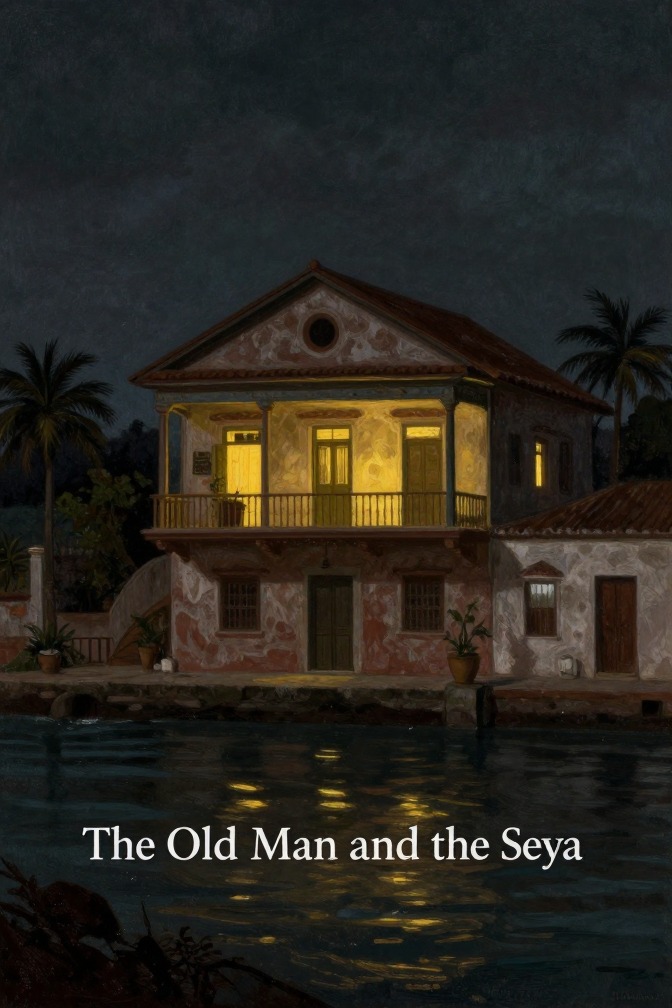
The glow of Havana as home is a recurring navigational and emotional reference point in The Old Man and the Sea, representing Santiago's connection to land, community, and the promise of return during his solitary ordeal at sea.
The hand game as a test of strength is a defining episode in Santiago's past, a legendary arm-wrestling match in a Casablanca tavern that earned him the title of The Champion and established the physical and psychological template for his later struggle with the marlin, proving that will and endurance can overcome even the strongest opponent.
The hawk-bills are a species of sea turtle that Santiago, the old fisherman, admires for their elegance, speed, and great value, and they represent one of the many marine creatures he respects and understands intimately.
The loggerheads are a species of sea turtle that Santiago observes and interacts with during his journey, representing resilience and the natural cycle of life in the ocean.
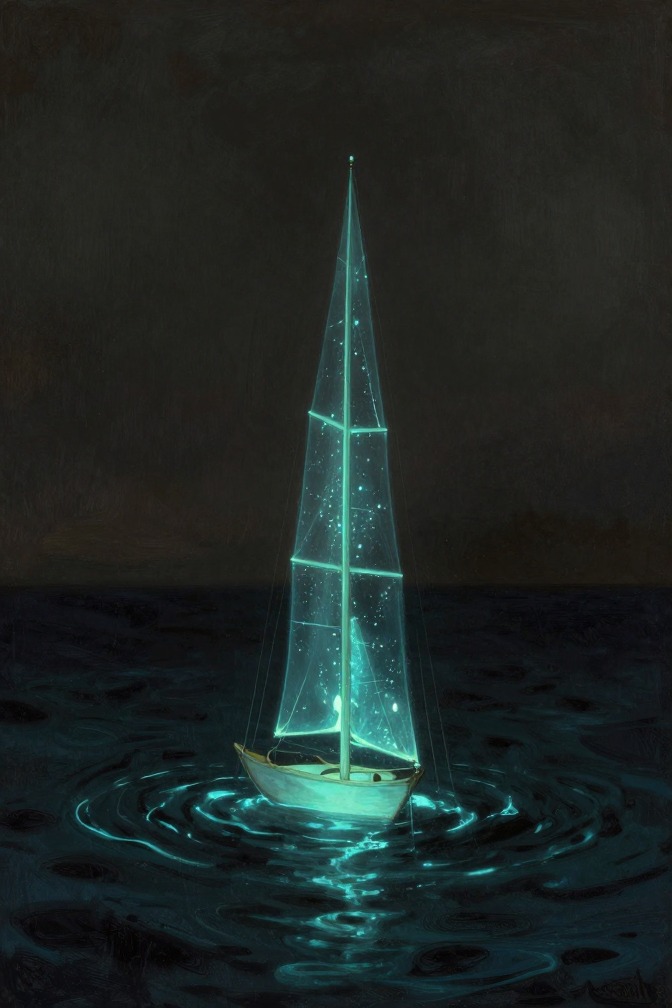
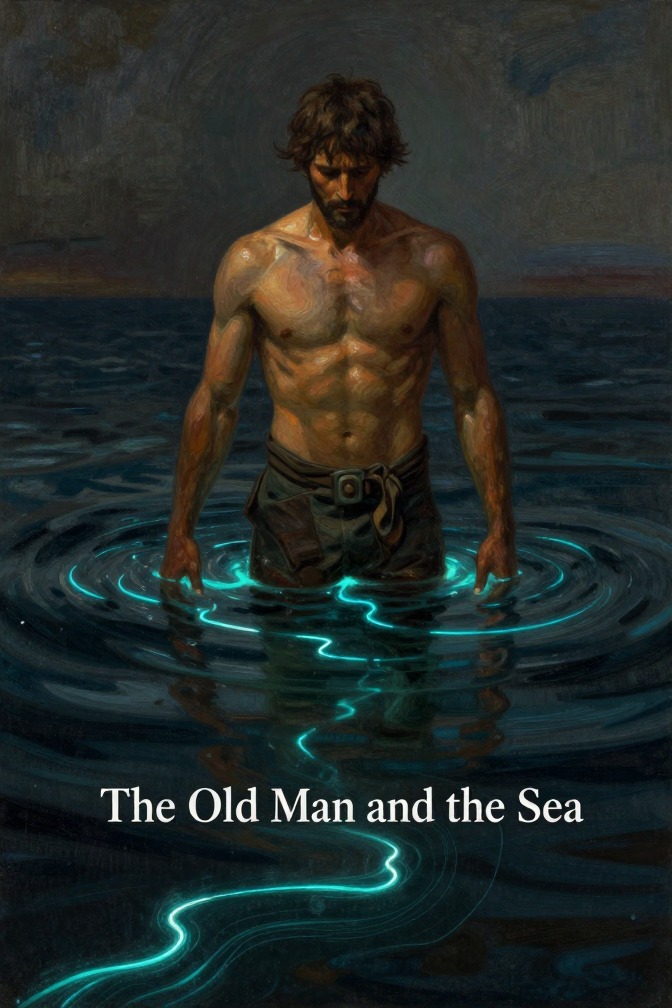
The phosphorescence as a sign is a recurring natural phenomenon in the Gulf Stream that serves as a visual marker of life, movement, and the ocean's hidden processes, appearing during the old man's journey and linking him to the sea's rhythms.
The phosphorescence is a recurring natural phenomenon in the sea that serves as a visual marker of life, movement, and decay, linking the old man's physical sensations to the ocean's biological processes and his own existential state.
The plankton as life is a recurring motif in The Old Man and the Sea, representing the fundamental, invisible vitality of the ocean and serving as a sign of fish, weather, and the interconnectedness of all marine existence.
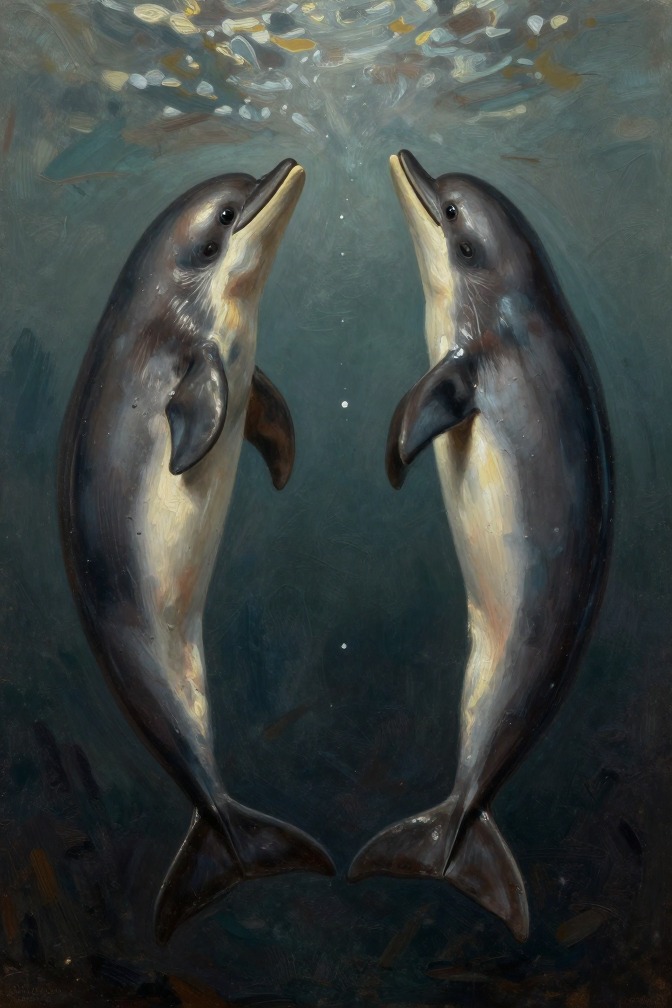
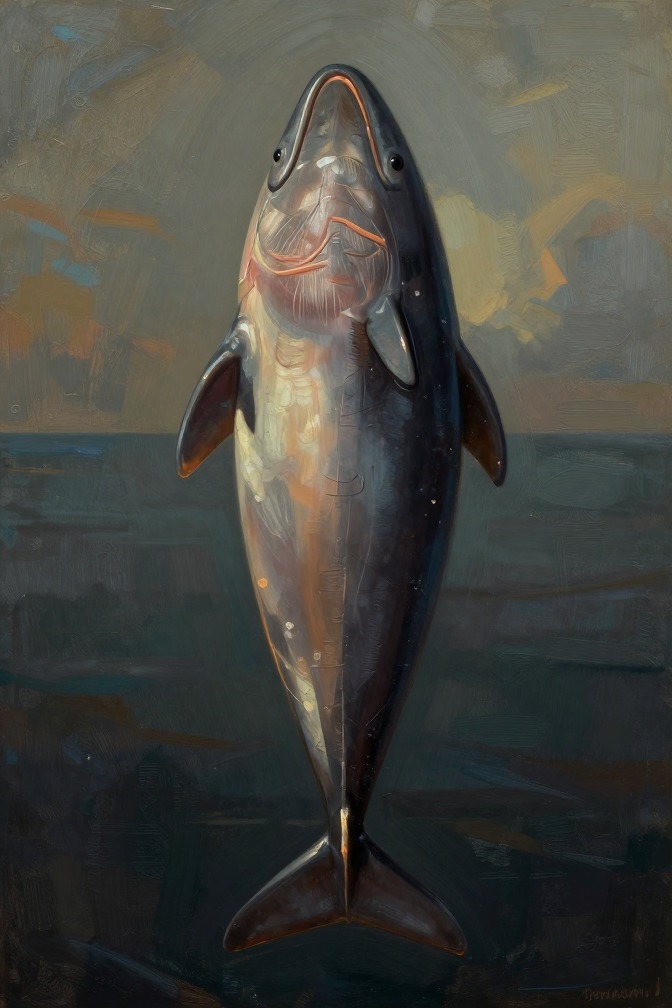
The concept of the porpoises as brothers represents Santiago's profound sense of kinship with the non-human world, a central tenet of his personal philosophy that extends the bonds of family and friendship to the creatures of the sea, framing his struggle with the marlin and the subsequent shark attacks as a conflict between brothers and enemies.
The proprietor, Martin, is the owner of the Terrace, the village restaurant and social hub where the fishermen gather. He is a quiet but significant benefactor to Santiago, providing free meals and beer to the old man and the boy, Manolin, during Santiago's long streak of bad luck. His generosity establishes a code of mutual respect and obligation among the fishing community, and his role as a witness to Santiago's final return—and to the tourists' misinterpretation of the marlin's skeleton—underscores the gap between those who understand the old man's ordeal and those who do not.
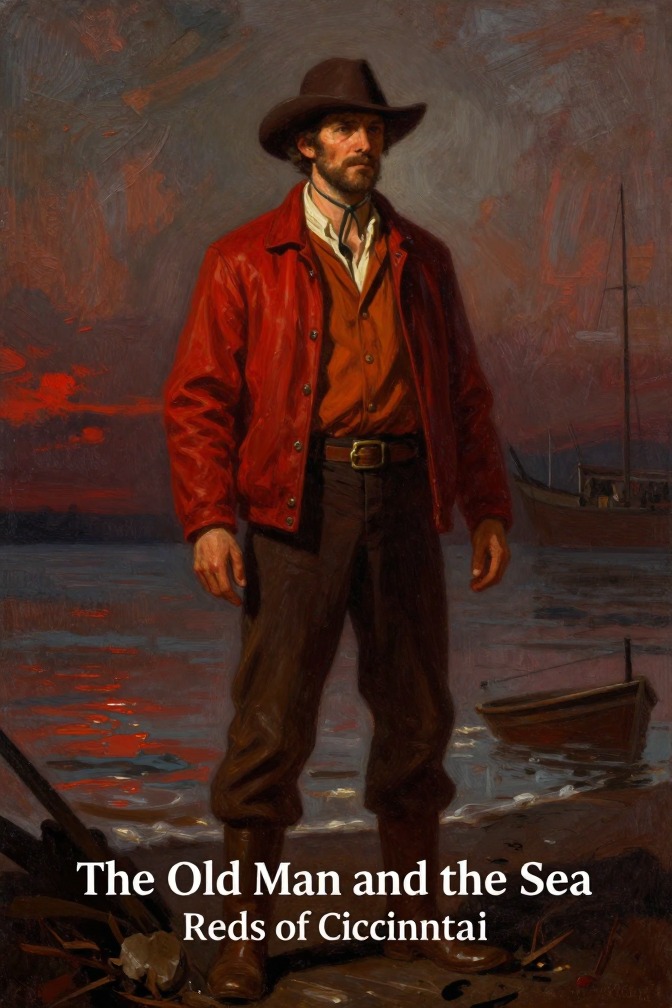
The Reds of Cincinnati are a Major League Baseball team mentioned by Santiago in conversation with Manolin, serving as a marker of the old man's deep engagement with baseball as a source of cultural connection, hope, and mental discipline during his solitary struggle at sea.
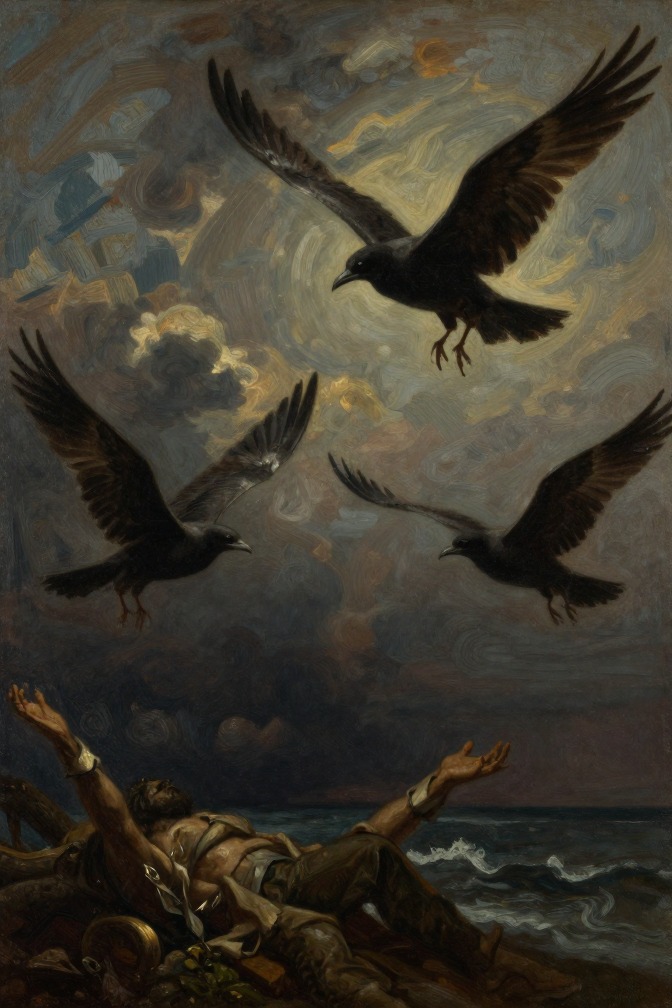
The robber birds are a category of predatory seabirds that Santiago contrasts with the delicate, struggling terns and sea swallows, representing the harsh, competitive reality of the ocean where strength and predation determine survival.
The sea as a friend is a central concept in The Old Man and the Sea, representing Santiago's intimate, respectful, and brotherly relationship with the ocean and its creatures, which he personifies as a feminine, generous, yet sometimes cruel force that he loves and depends on.
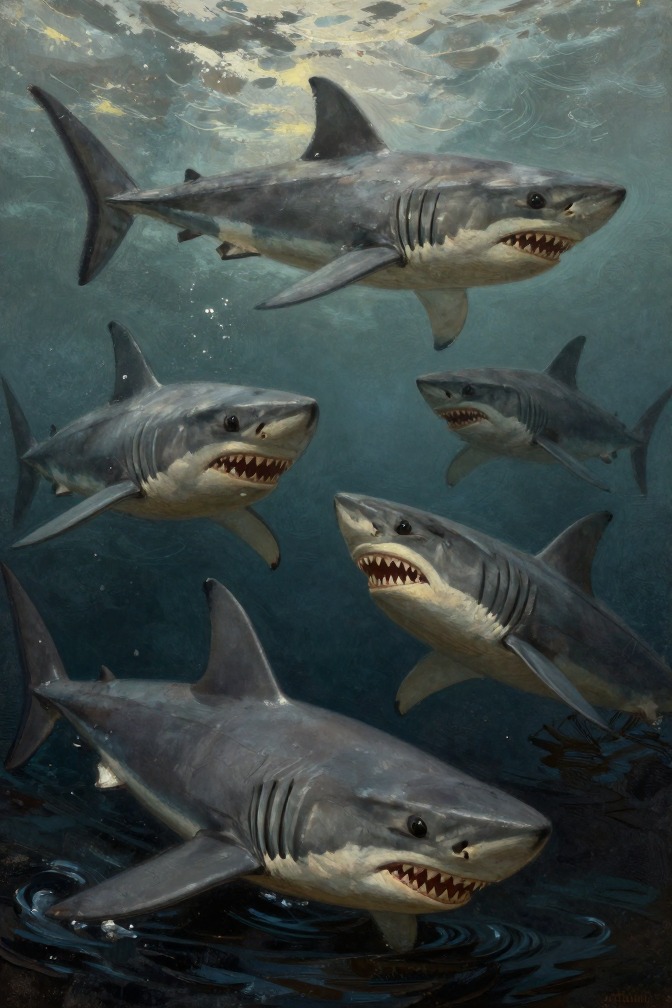
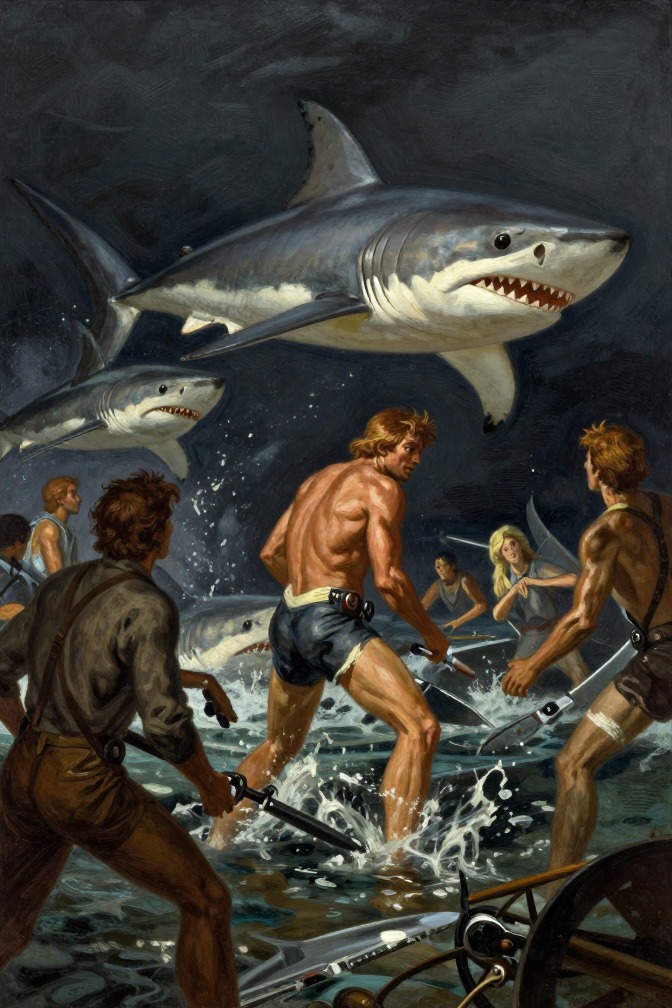
In Hemingway's *The Old Man and the Sea*, the sharks are the relentless, destructive forces that attack Santiago's great marlin, systematically stripping it of its flesh and reducing his hard-won prize to a skeleton, embodying the inevitable, hostile elements of the natural world that oppose human endeavor and triumph.
The strongest man on the docks is a title earned by a great negro from Cienfuegos whom Santiago defeated in a legendary hand game in a Casablanca tavern, a contest that became a defining proof of Santiago's will and physical strength in his youth.
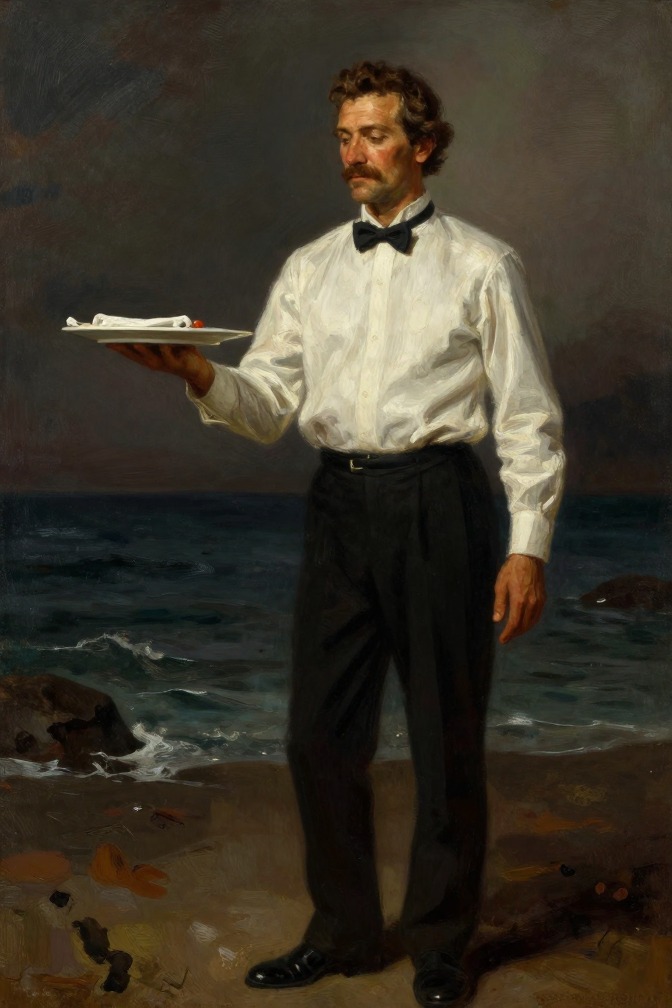
The waiter at the Terrace serves as a minor but symbolically charged figure who, in the novel's closing scene, misidentifies the marlin's skeleton as a shark, thereby completing the narrative's arc of misinterpretation and underscoring the gap between Santiago's epic struggle and the mundane world's inability to comprehend it.
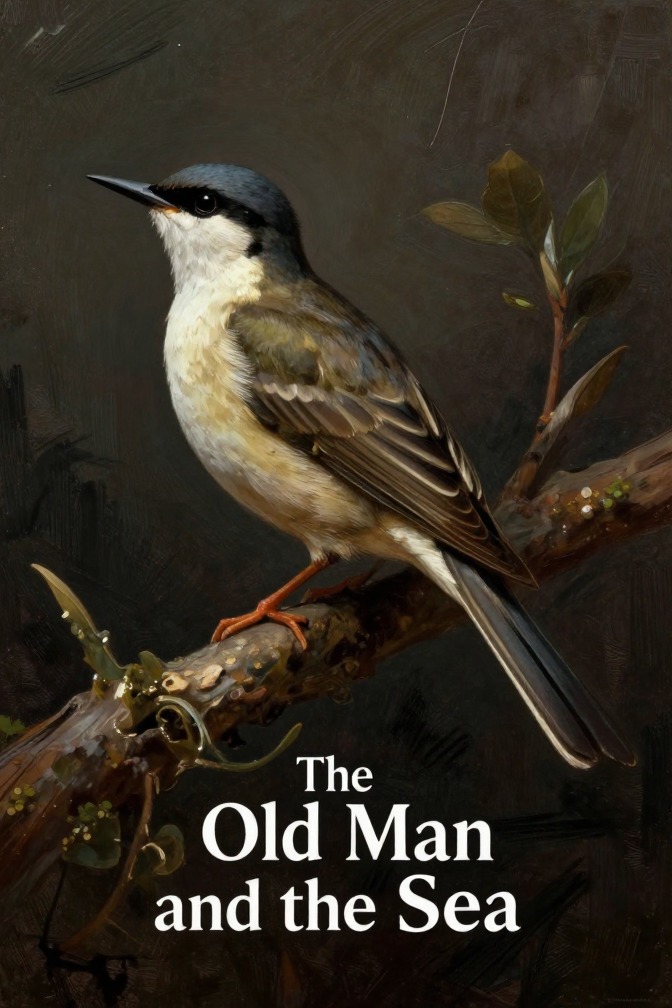
The warbler is a small, exhausted bird that briefly visits Santiago's skiff during his epic struggle with the marlin, serving as a poignant symbol of the fragility of life at sea and the old man's capacity for compassion even in the midst of his own ordeal.
The Man-of-war bird is a recurring figure in the old man's journey, serving as a guide to fish and a symbol of the relentless, often futile, struggle for survival in the natural world.
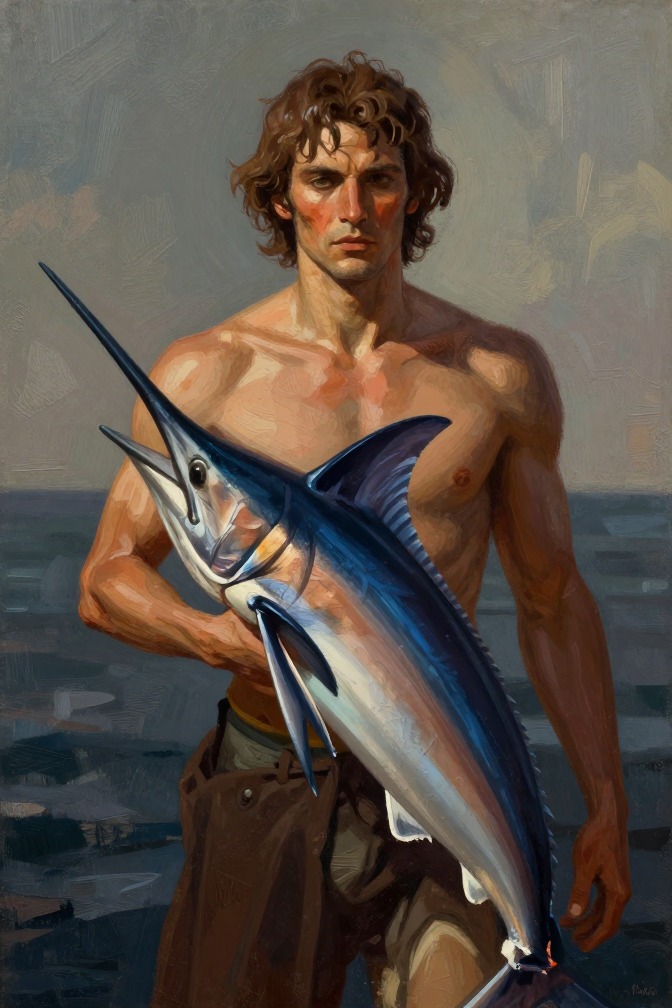
The Marlin is the immense, noble fish that Santiago hooks, battles for three days, and finally kills, only to have its carcass devoured by sharks before he can bring it to shore; it represents the ultimate test of a fisherman's skill, endurance, and spiritual kinship with the natural world.
The porpoises appear in Santiago's solitary journey as symbols of brotherhood, joy, and natural kinship, contrasting with the predatory sharks and reinforcing the old man's ethical vision of the sea as a community of living beings.
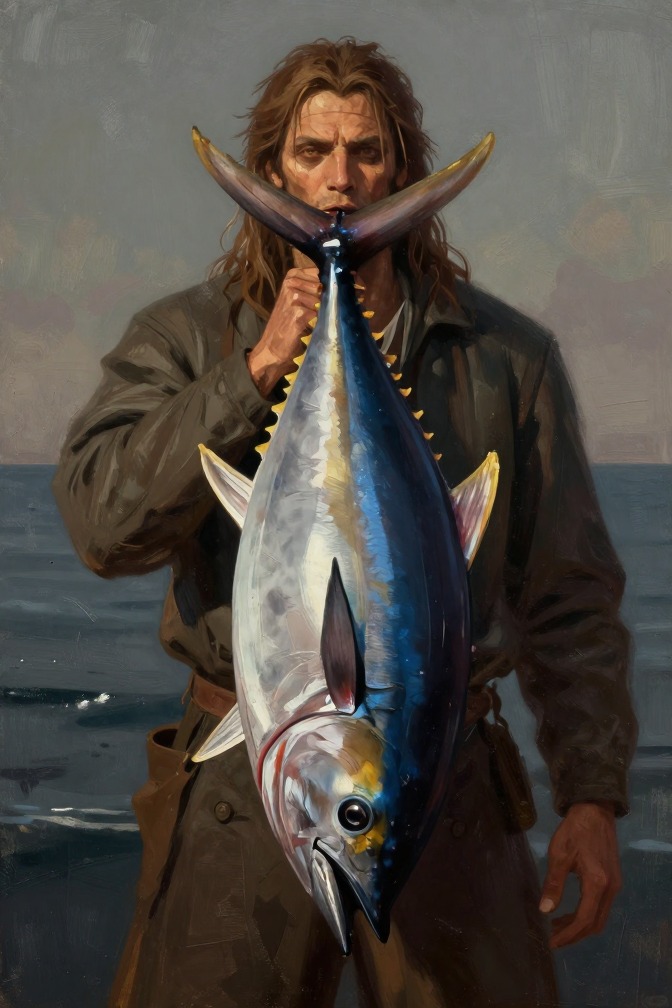
Tuna are a species of fast-swimming, commercially valuable fish that appear throughout The Old Man and the Sea as bait, food, and a marker of the ocean's abundance and the old man's skill. They are distinguished by the fishermen only when sold or traded, and Santiago catches a small albacore early in his voyage, eats it raw for strength, and later reflects on the tuna's firm, full-blooded meat as superior to dolphin. The tuna also serve as a key bait for the great marlin, and their presence in the sea signals the possibility of larger fish. Through the tuna, Hemingway explores themes of sustenance, the fisherman's craft, and the economic realities of the fishing life.
The Midnight Shark Pack Attack is the climactic, devastating final assault on Santiago's marlin carcass, occurring after midnight on his return voyage. In this desperate, hopeless battle, Santiago, armed only with a club and then a broken tiller, fights a pack of galanos sharks that strip the marlin down to its skeleton, leaving him physically and spiritually beaten but not defeated.
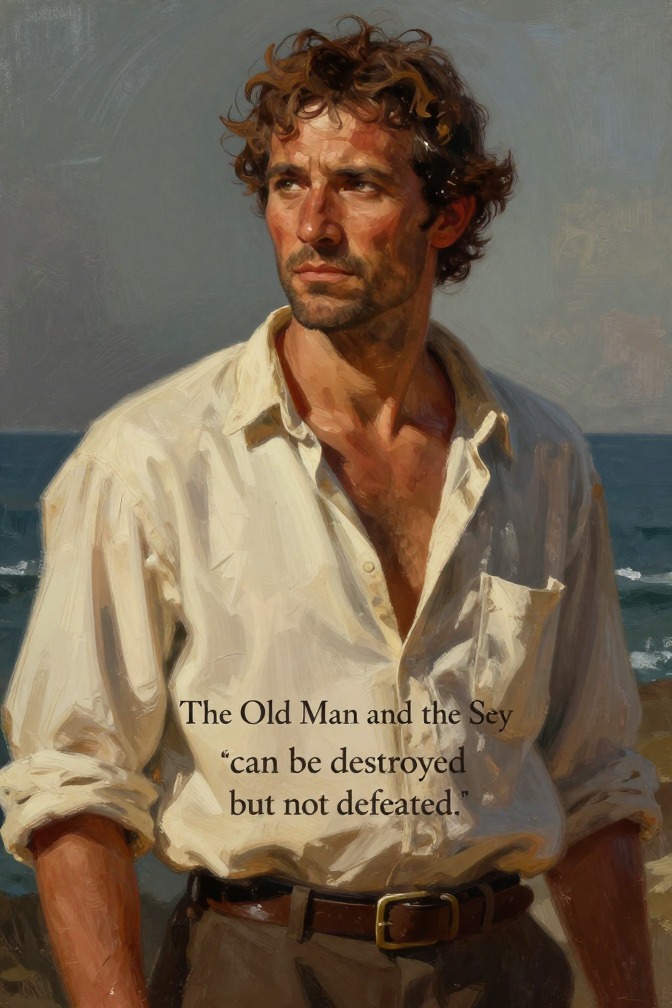
The expression "A man can be destroyed but not defeated" is the philosophical core of Ernest Hemingway's The Old Man and the Sea, articulated by Santiago after the first shark attack. It distills the novel's central theme: that physical destruction, loss, and even death are inevitable, but the human spirit, will, and dignity can remain unconquered. Santiago's entire ordeal—hooking, fighting, and losing a giant marlin to sharks—becomes a living proof of this maxim, which he does not merely state but enacts through his relentless endurance.
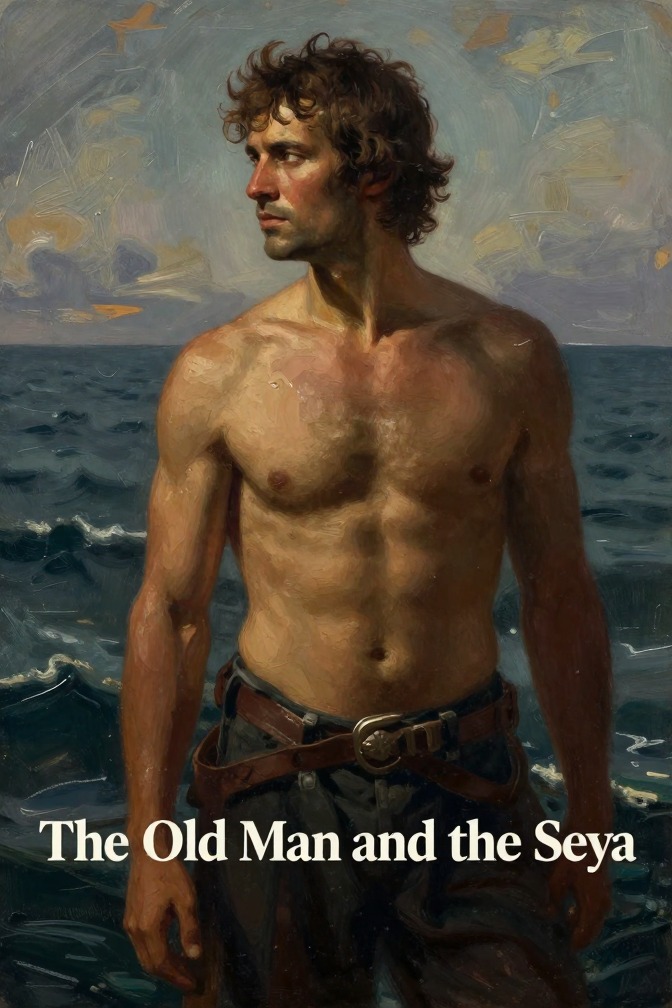
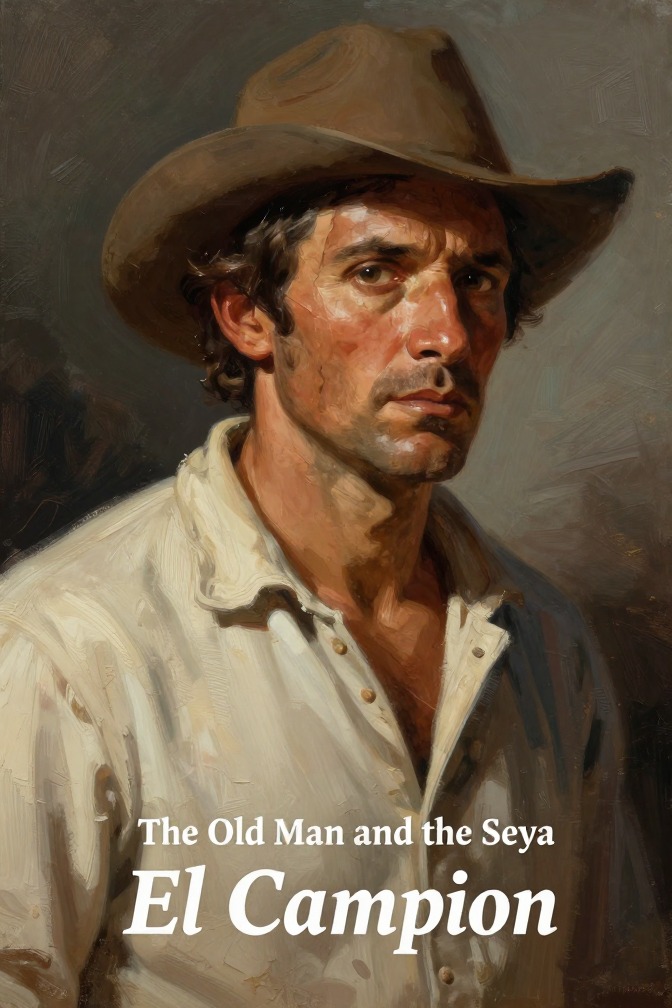
Santiago El Campeon is the title Santiago earned after winning an epic hand game against the great negro from Cienfuegos, the strongest man on the docks, in a tavern in Casablanca. This nickname represents the peak of his physical prowess and serves as a touchstone of his identity, a memory he draws upon for confidence during his struggle with the marlin, and a symbol of the will and endurance that define his character.
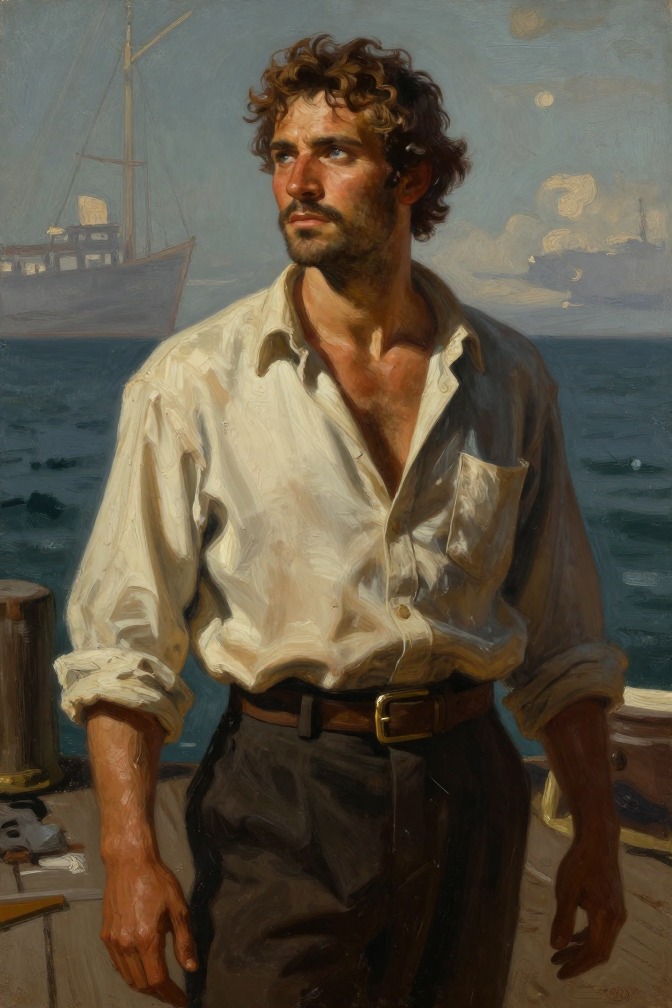
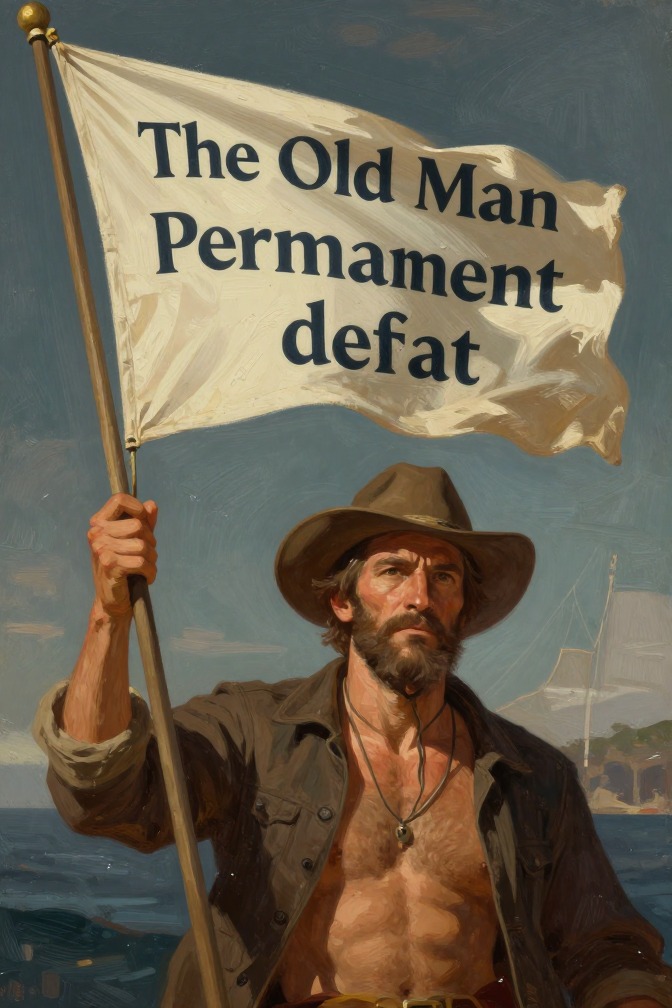
The flag of permanent defeat is a central metaphor in Ernest Hemingway's The Old Man and the Sea, first introduced as a description of Santiago's patched sail and later evolving into a complex symbol of the old man's outward appearance of failure, his enduring spirit, and the ultimate dignity of his struggle.
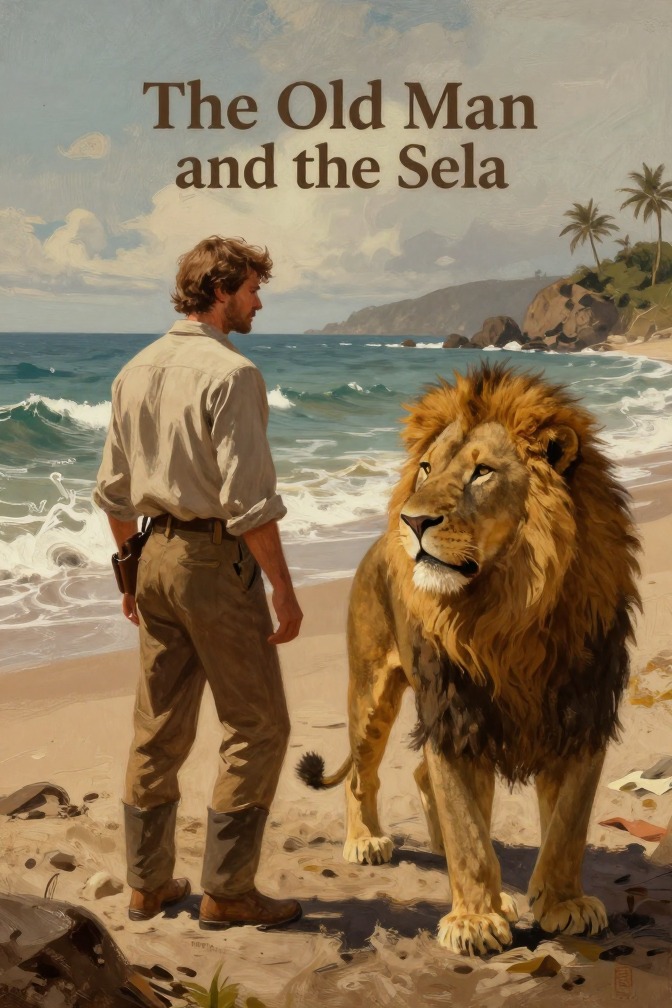
The lions on the beach are a recurring dream image in Santiago's mind, representing his lost youth, strength, and a primal, innocent connection to nature. They appear as a source of comfort and a symbol of undefeated spirit, contrasting with his present struggle and physical decline.
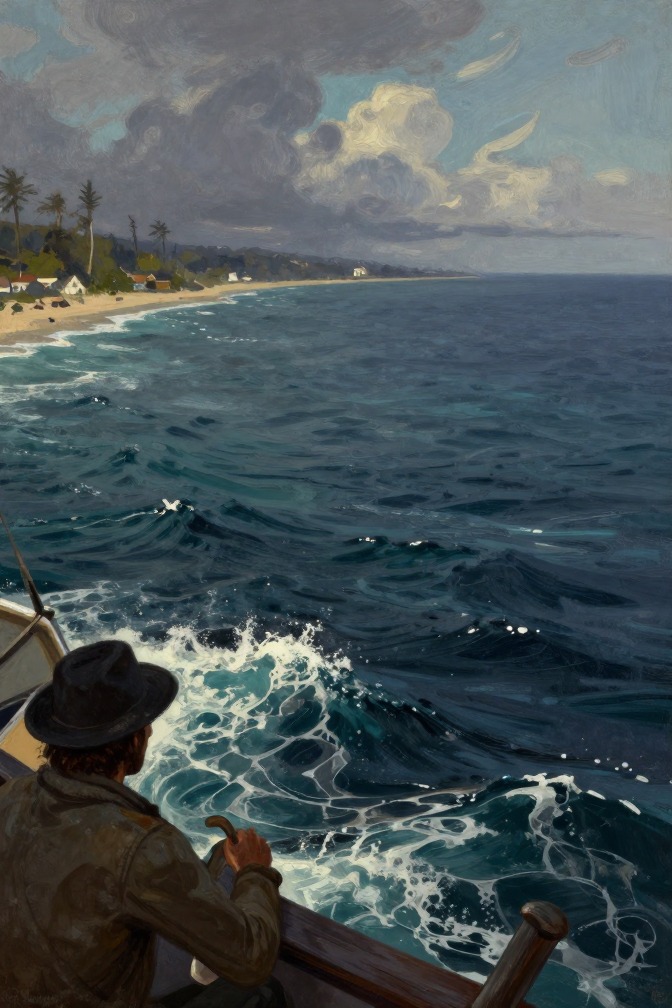
The Gulf Stream is the powerful ocean current that serves as the primary setting and driving force of the narrative, shaping the old man's fishing grounds, his journey, and his ultimate fate. It is both a highway of life and a conveyor of death, a constant presence that the old man navigates with intimate knowledge and deep respect.
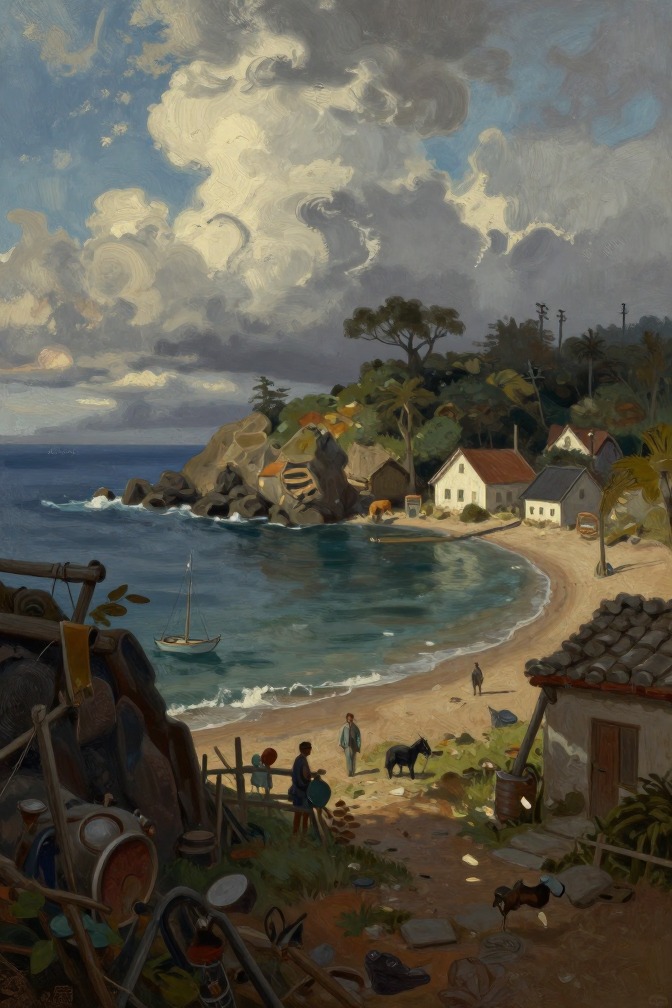
The little harbour is the small, sheltered inlet on the Cuban coast that serves as the home port for Santiago and the other fishermen of his village. It is the point of departure for Santiago's epic three-day struggle with the great marlin and the site of his exhausted, solitary return, where the skeletal remains of his catch are measured and ultimately misunderstood by tourists. The harbour anchors the story's geography, marking the boundary between the familiar, communal world of the Terrace and the vast, indifferent sea where Santiago's ordeal unfolds.