The 'Wish' is a central concept in John Green's The Fault in Our Stars, representing a once-in-a-lifetime opportunity granted by The Genie Foundation to seriously ill children. It functions as a narrative device that drives the plot, reveals character, and becomes a subject of philosophical debate about the nature of desire, meaning, and the attempt to leave a mark on the world.
Bastille Day, July 14, is celebrated by Hazel Grace Lancaster's mother as a festive occasion, culminating in a family picnic at Holliday Park that becomes a moment of quiet reflection on life, death, and the universe's desire to be noticed.
The Holocaust is a historical genocide that serves as a profound backdrop in *The Fault in Our Stars*, shaping the characters' understanding of suffering, memory, and the meaning of individual lives within vast, impersonal historical forces. It is referenced directly during Hazel and Augustus's visit to the Anne Frank House in Amsterdam, where they confront the scale of the tragedy and the fragility of life, and it informs their broader philosophical reflections on oblivion, heroism, and the desire to be remembered.
The robin appears as a guide after the children discover Mr. Tumnus's arrest, leading them through the snowy forest until it abruptly vanishes, prompting Edmund's suspicion and the group's first serious doubt about their path.
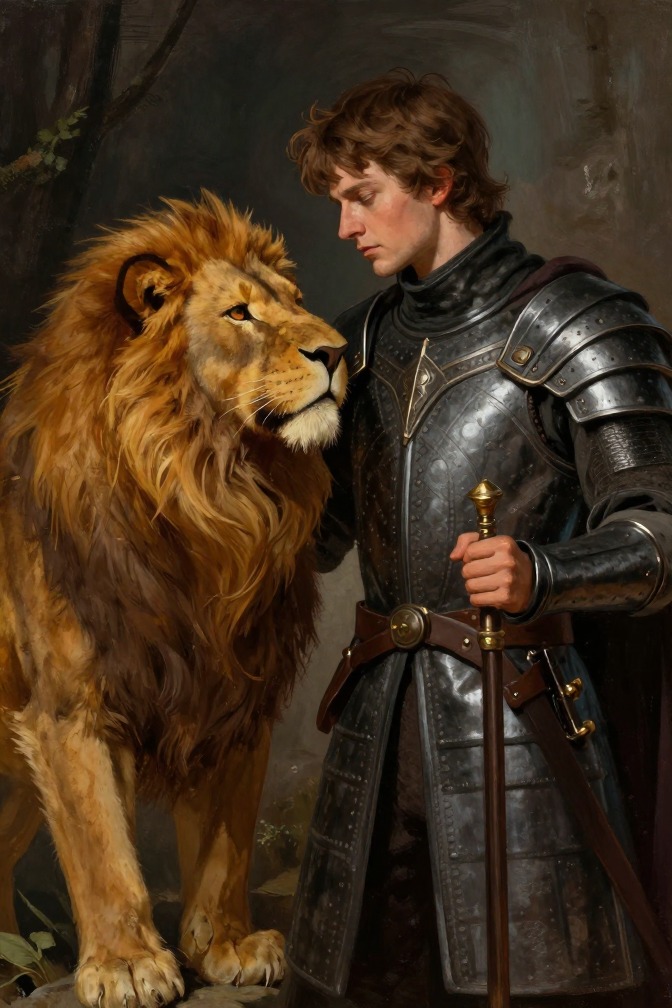
Peter Pevensie kills the wolf Fenris Ulf, the Captain of the White Witch's Secret Police, in his first battle, an act that earns him knighthood and the title Sir Peter Fenris-Bane from Aslan.
The Return Through the Wardrobe is the final action of The Lion, the Witch and the Wardrobe, in which the four Pevensie children, now grown into adult monarchs of Narnia, pursue the White Stag through a thicket and unexpectedly emerge back into the spare room of the Professor's house as children, ending their reign and returning to their original world.
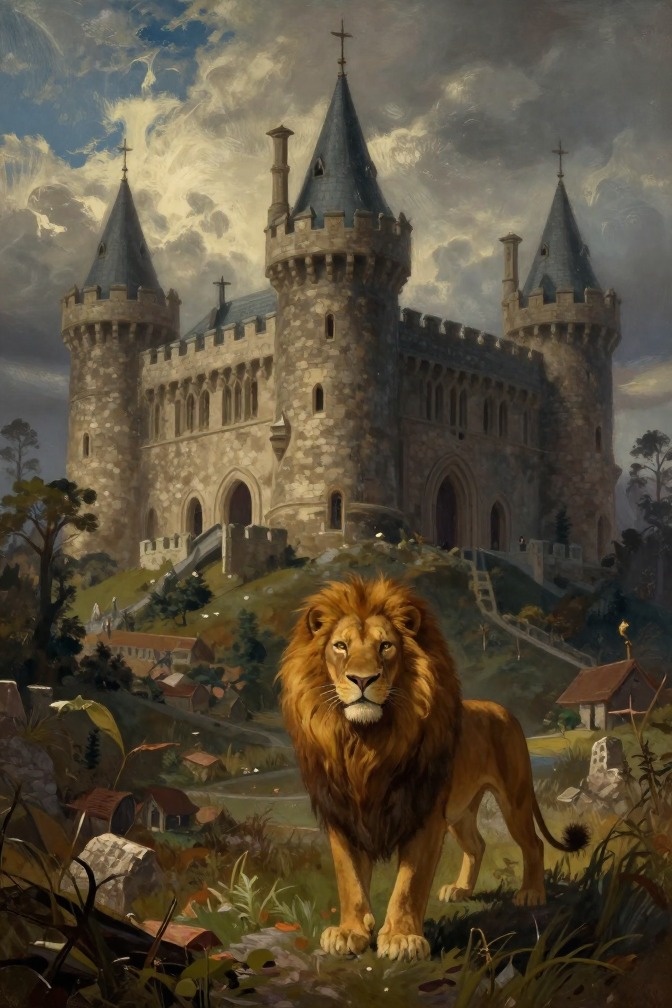
Cair Paravel is the great castle on the eastern coast of Narnia, the seat of the four thrones whose occupation by two Sons of Adam and two Daughters of Eve is prophesied to end the White Witch's reign and her life.
Sons of Adam and Daughters of Eve is the formal Narnian designation for human beings, a phrase that carries immense theological, political, and prophetic weight throughout The Lion, the Witch and the Wardrobe. It marks humans as a distinct race in Narnia, central to the land's deepest magic and its destiny, and the term's repeated use by characters from Mr. Tumnus to Aslan establishes the children's identity as the pivotal figures in the struggle between the White Witch and the true King.
The Kangaroo is a minor creature in Narnia, appearing only as a stone statue in the White Witch's courtyard, where it is liberated by Aslan's breath and joins the final battle against the Witch's forces.
The Naiads, also called Well-Women, are water spirits in Narnia who inhabit wells and streams. They are among the magical creatures who oppose the White Witch's reign and who celebrate Aslan's return, participating in the music and festivities at the Stone Table and later joining the final battle.
Nymphs are nature spirits in Narnia, specifically the Well-Women or Naiads who inhabit wells and streams, and who appear at Aslan's camp to provide music and celebrate the arrival of spring.
The Orkney is a monstrous creature that appears among the forces of the White Witch during the climax of The Lion, the Witch and the Wardrobe, forming part of the dark army assembled to oppose Aslan and the Pevensie children.
The Rabbit is a minor creature in Narnia who appears only as a stone statue in the White Witch's courtyard, later restored to life by Aslan's breath, and then carried into battle on the back of a lion.
The Spirits of evil trees are malevolent arboreal entities in Narnia that serve the White Witch as spies and potential combatants, embodying the corruption of nature under her rule.
The Stag is a legendary white creature in Narnia whose pursuit by the four monarchs leads them back through the wardrobe to their original world, ending their reign and framing the entire adventure as a closed, cyclical journey.
Vultures appear briefly in The Lion, the Witch and the Wardrobe as part of the foul rabble that accompanies the White Witch after Aslan's sacrifice, their presence contributing to the atmosphere of horror and desolation that surrounds the Witch's forces.
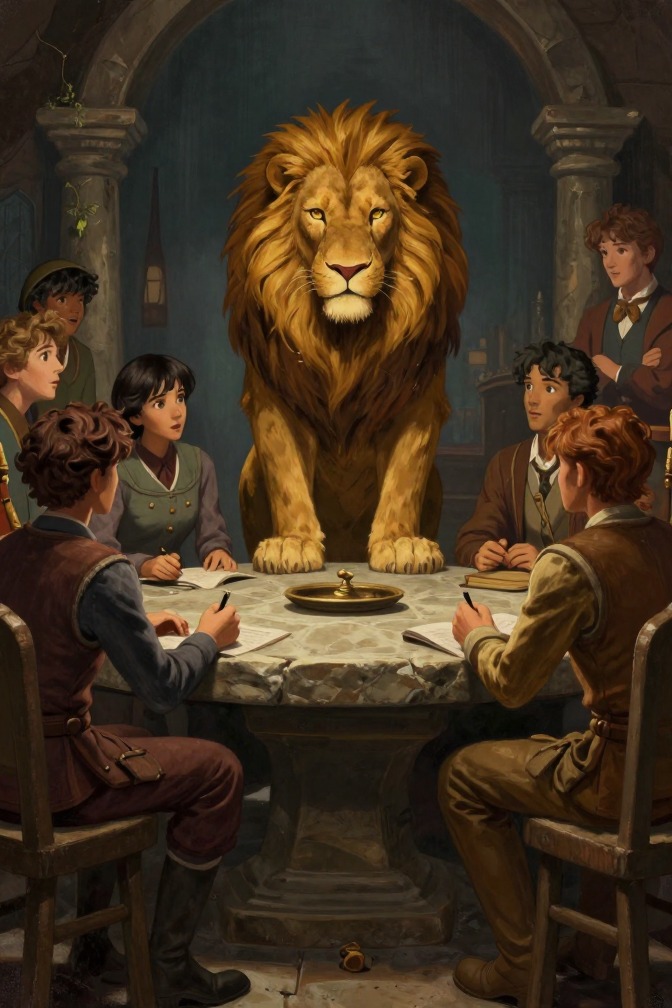
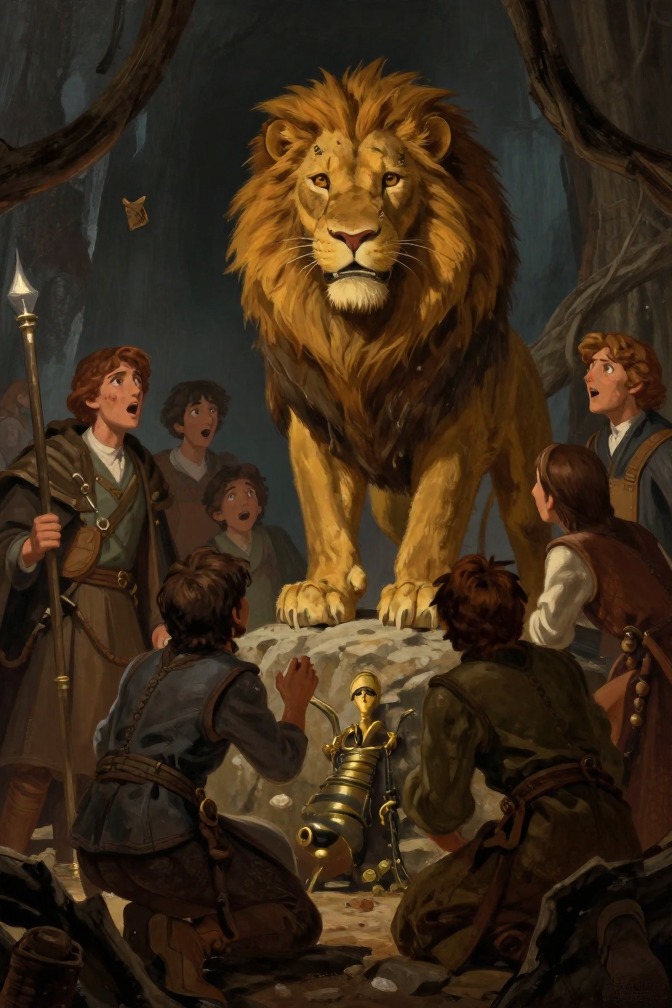
The Meeting with Aslan at the Stone Table is the pivotal first encounter between the Pevensie children and the great lion Aslan, marking the moment when the prophecy of Narnia's liberation begins to take tangible form and the children are formally welcomed into the struggle against the White Witch.
Aslan's sacrifice on the Stone Table is the central event of The Lion, the Witch and the Wardrobe, in which the great lion voluntarily submits to humiliation, torture, and death at the hands of the White Witch in order to save Edmund Pevensie, who has betrayed his siblings. This act fulfills the Deep Magic of the Emperor-Beyond-the-Sea, which demands the blood of a traitor, but also sets in motion a Deeper Magic that Aslan alone knows: when a willing, innocent victim dies in a traitor's place, death itself is reversed. The event transforms the story from a rescue mission into a cosmic drama of substitution, sacrifice, and resurrection, and it permanently alters the moral and emotional landscape of Narnia.
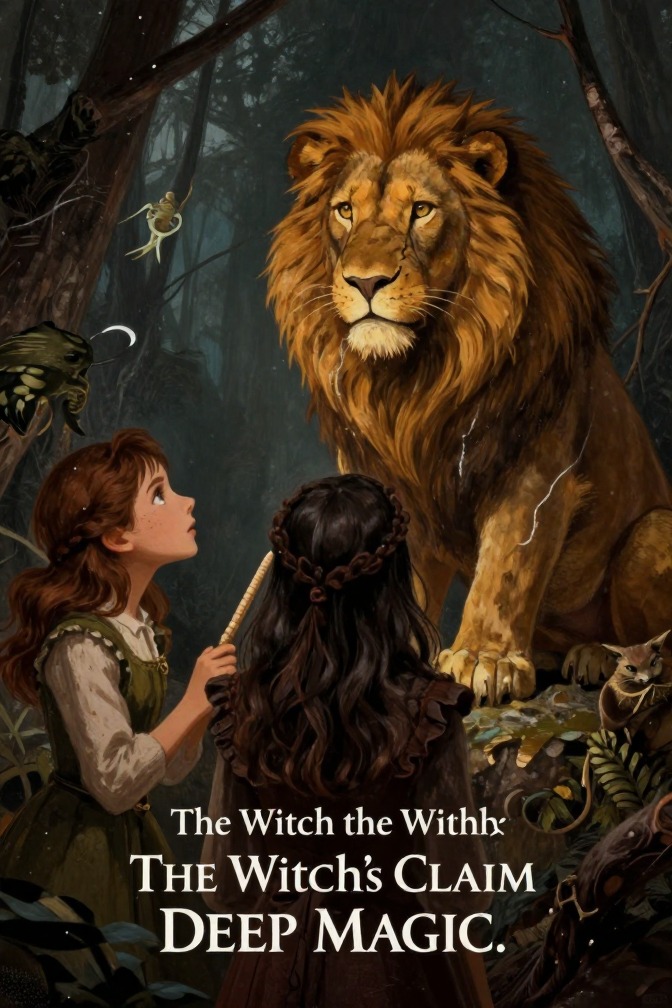
The Witch's Claim and the Deep Magic is a pivotal event in which the White Witch confronts Aslan at the Stone Table, asserting her legal right under the Deep Magic from the Dawn of Time to kill Edmund as a traitor, and Aslan negotiates a secret pact that saves Edmund's life at a terrible cost.
Deep Magic from the Dawn of Time is the primordial law of Narnia, inscribed on the Stone Table, the World Ash Tree, and the sceptre of the Emperor-Beyond-the-Sea, which grants the White Witch rightful ownership of every traitor's blood and forms the central legal and sacrificial mechanism that Aslan must confront and ultimately transcend.
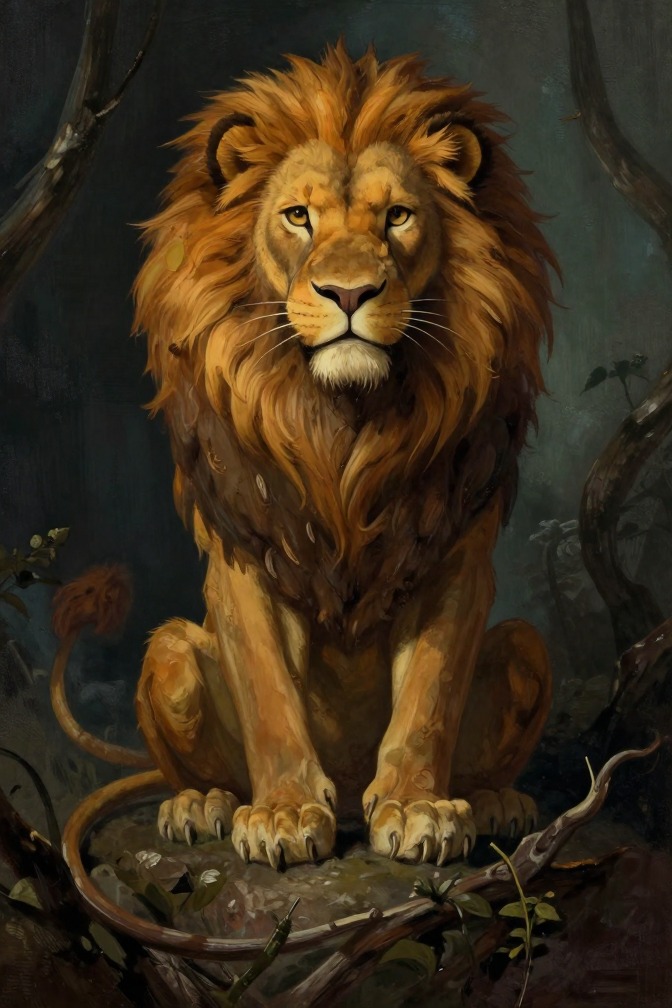
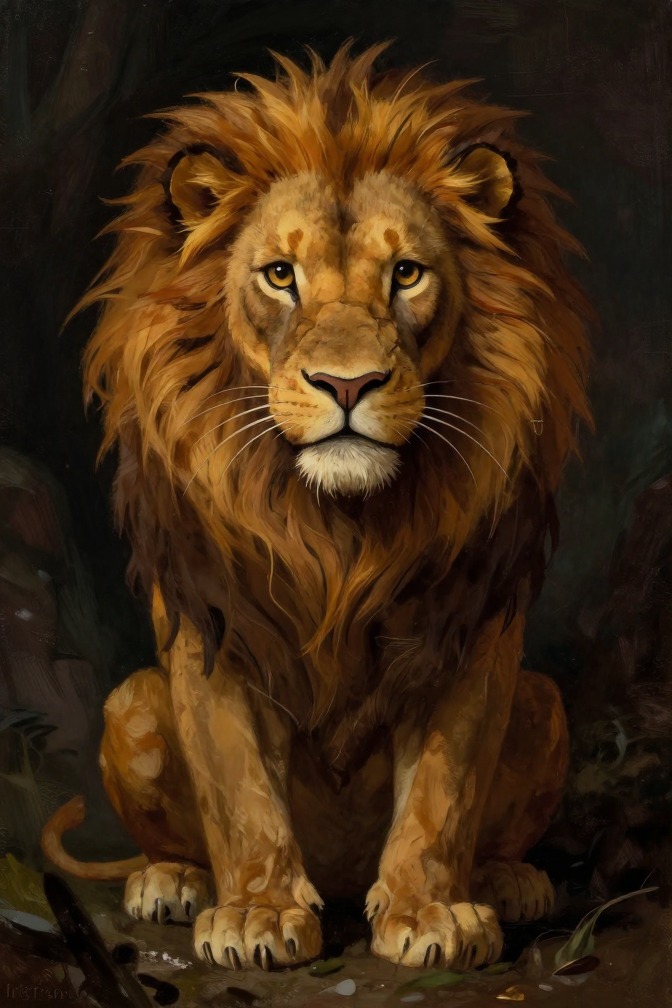
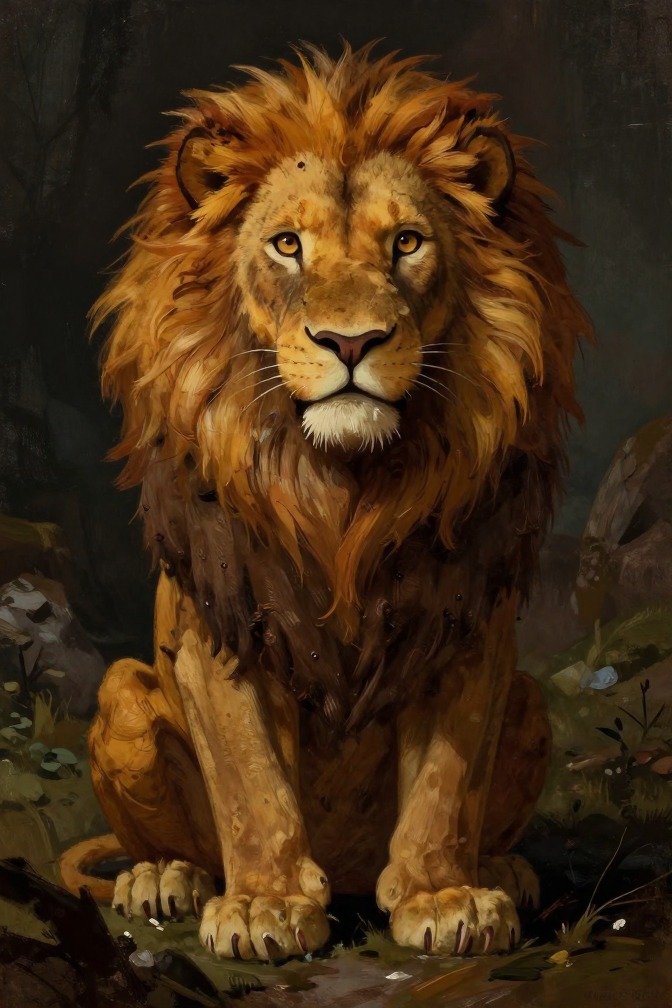
The phrase "He's not a tame lion" is a defining description of Aslan in C. S. Lewis's *The Lion, the Witch and the Wardrobe*, encapsulating his wild, untamable nature while affirming his fundamental goodness. It is first spoken by Mr. Beaver to the Pevensie children, and it becomes a key thematic statement about the nature of divine or kingly power in Narnia.
The phrase "Son of Adam / Daughter of Eve" is the formal Narnian designation for human beings, used throughout the story to mark the distinction between mortal humans and the magical or non-human inhabitants of Narnia, and it carries deep prophetic and legal significance.
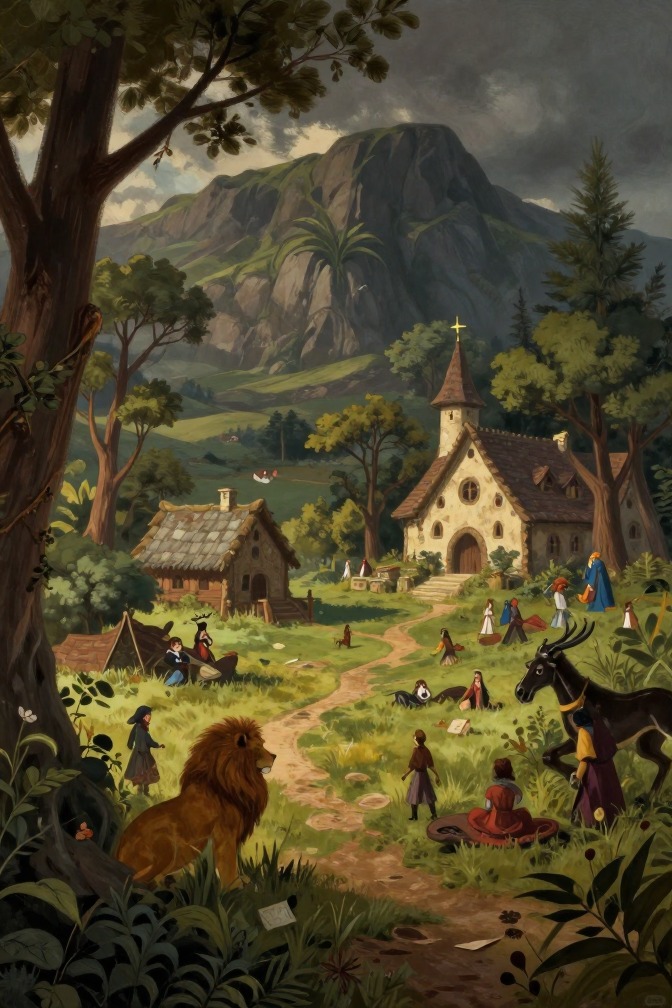
Narnia is the central fantasy realm of C. S. Lewis's novel, a land of talking animals, mythical creatures, and magic that lies beyond a wardrobe door, where the Pevensie children fulfill an ancient prophecy and overthrow the White Witch's eternal winter.
Cair Paravel Castle is the royal seat of Narnia, the prophesied site of the four thrones where two Sons of Adam and two Daughters of Eve must reign to end the White Witch's tyranny, and the location where the Pevensie children are crowned Kings and Queens of Narnia.
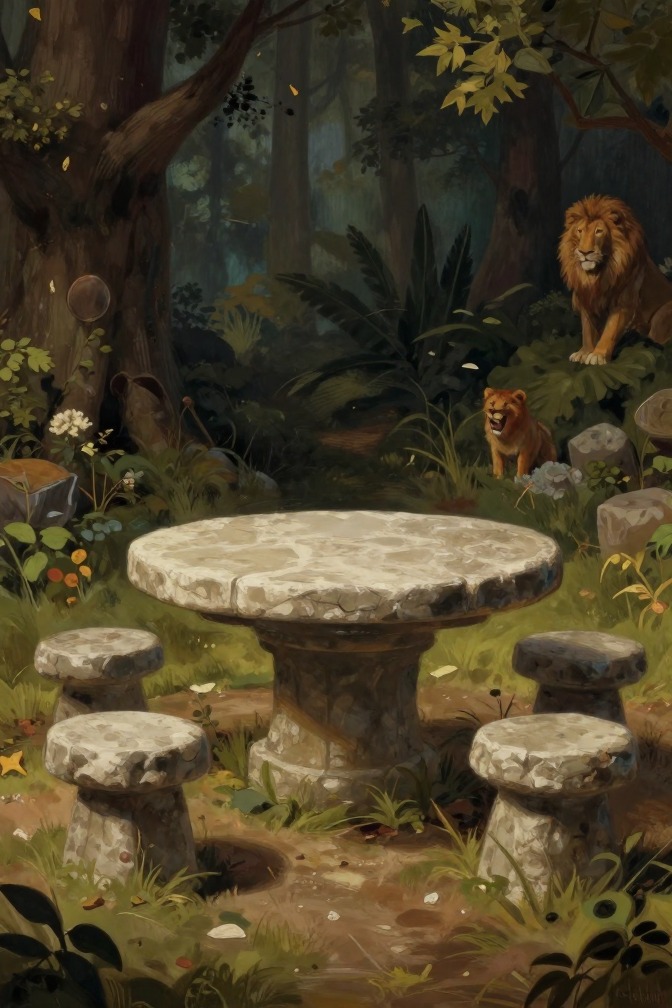
The Stone Table is the ancient sacrificial altar in Narnia where Aslan is killed in Edmund's place, fulfilling the Deep Magic and then cracking at dawn when a Deeper Magic resurrects him, making it the central site of the story's atonement and rebirth.
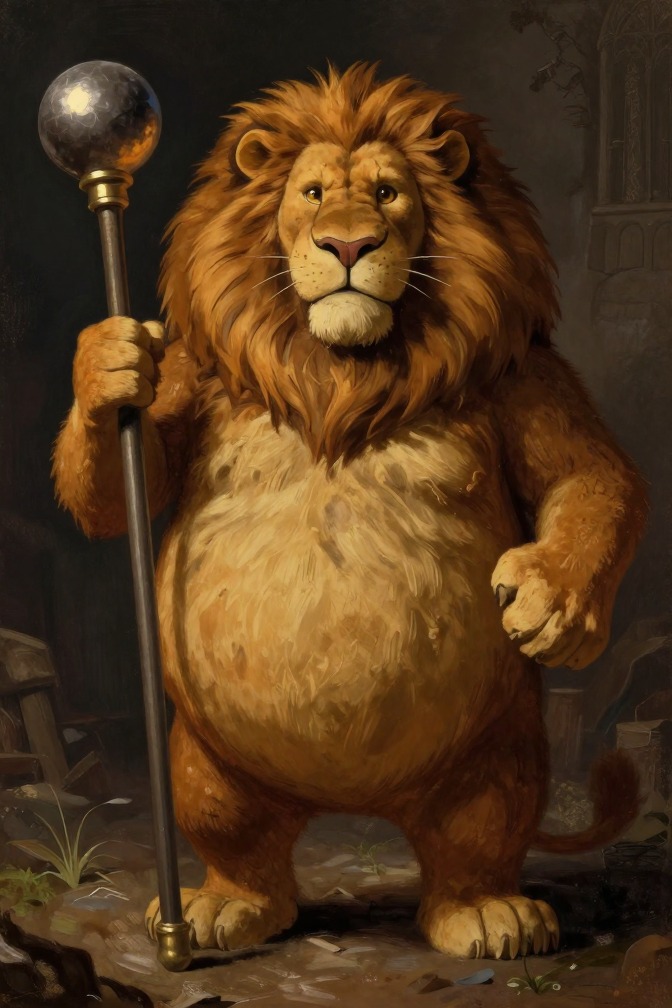
Giant Rumblebuffin's club is a massive wooden weapon used by the giant to break down the gates of the White Witch's castle, enabling Aslan's liberated army to march to the final battle.
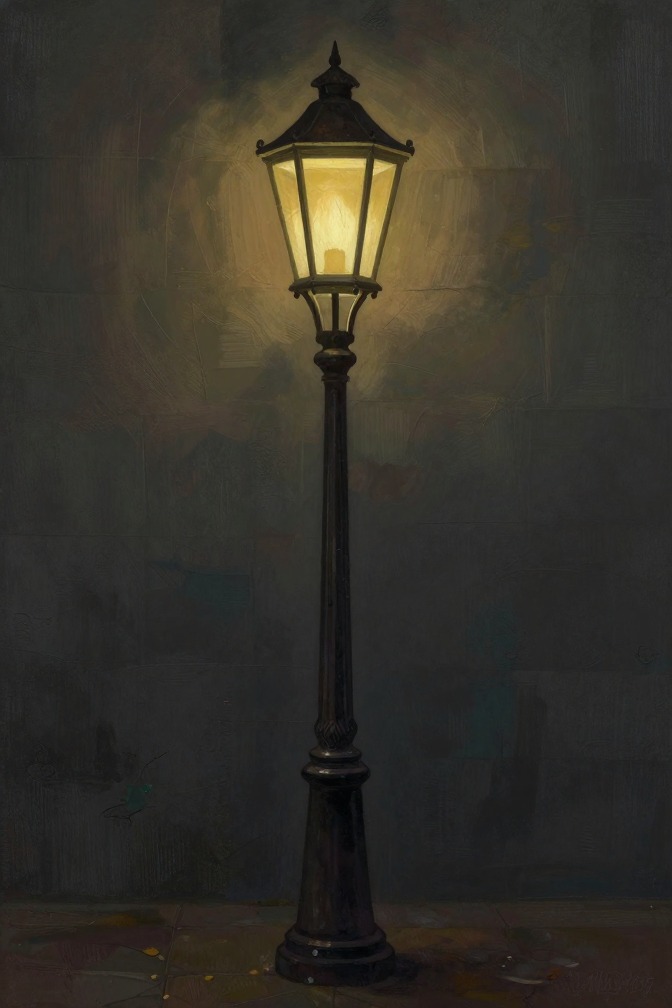
The Forest Lamp-post is the first landmark Lucy Pevensie encounters upon entering Narnia, a fixed point of light in the perpetual winter that marks the boundary between the human world and the magical realm, and later becomes the site of the children's final return home.
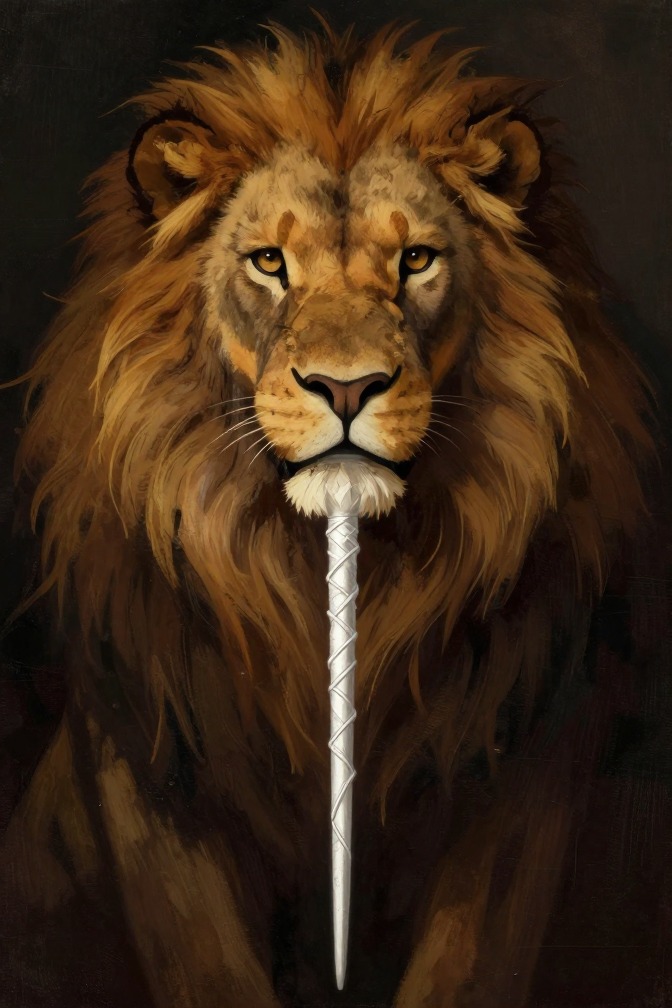
The White Witch's wand is a golden wand that serves as the primary instrument of her tyrannical power in Narnia, capable of instantly turning living beings into stone and enforcing the eternal winter that grips the land.
Aslan knights Peter Pevensie immediately after Peter's first battle, transforming the boy who had just killed the wolf Fenris Ulf into Sir Peter Fenris-Bane and formally inaugurating his martial kingship.
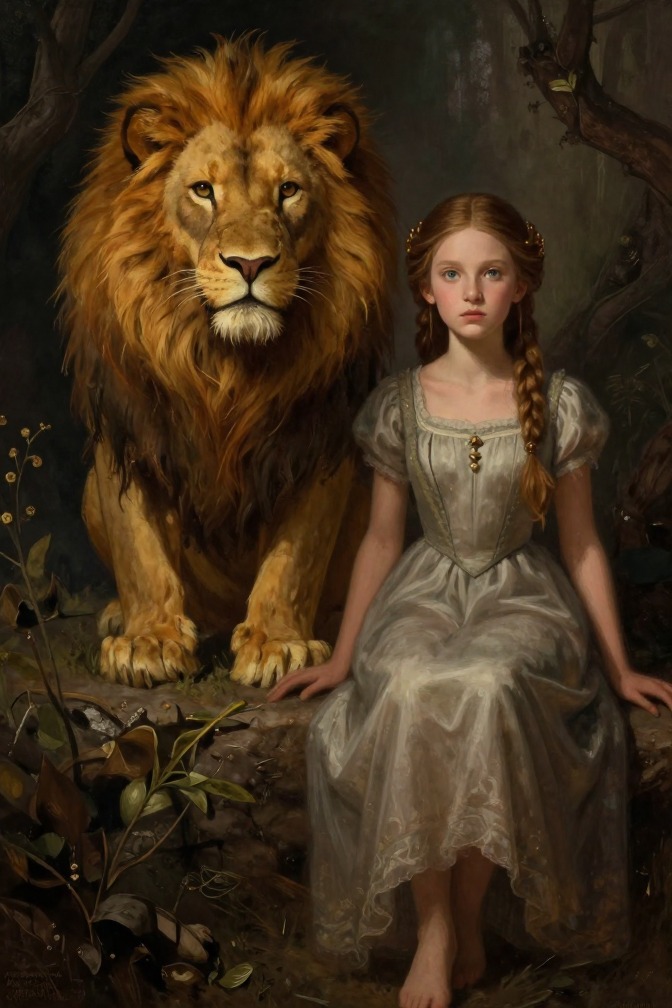
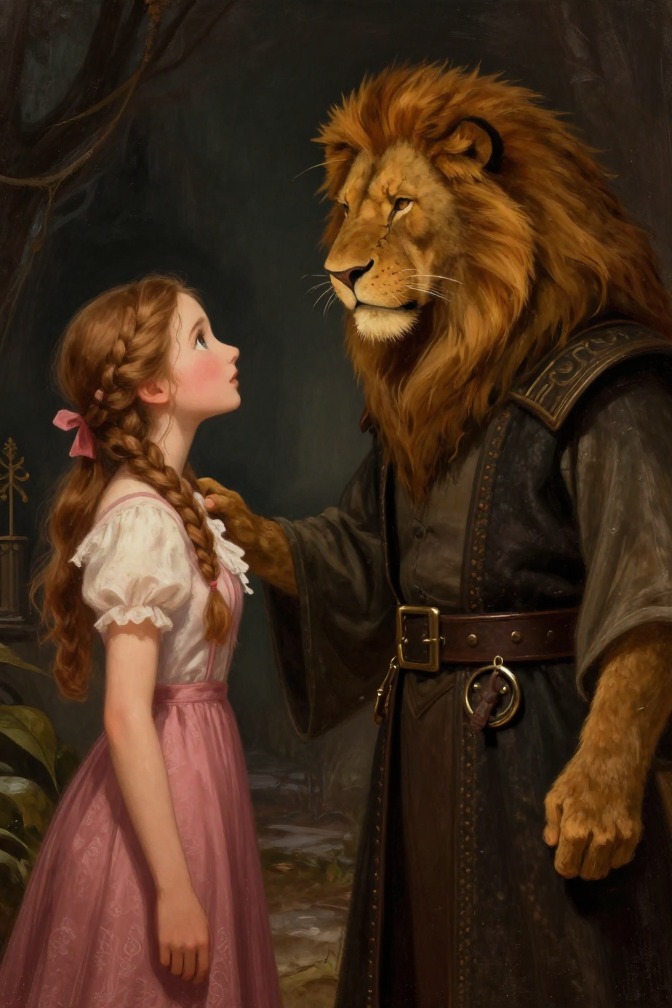
Aslan's welcome of Lucy Pevensie at the Stone Table marks the moment of her formal acceptance into the Narnian fellowship, confirming her role as a Daughter of Eve and a participant in the prophecy of the four thrones.