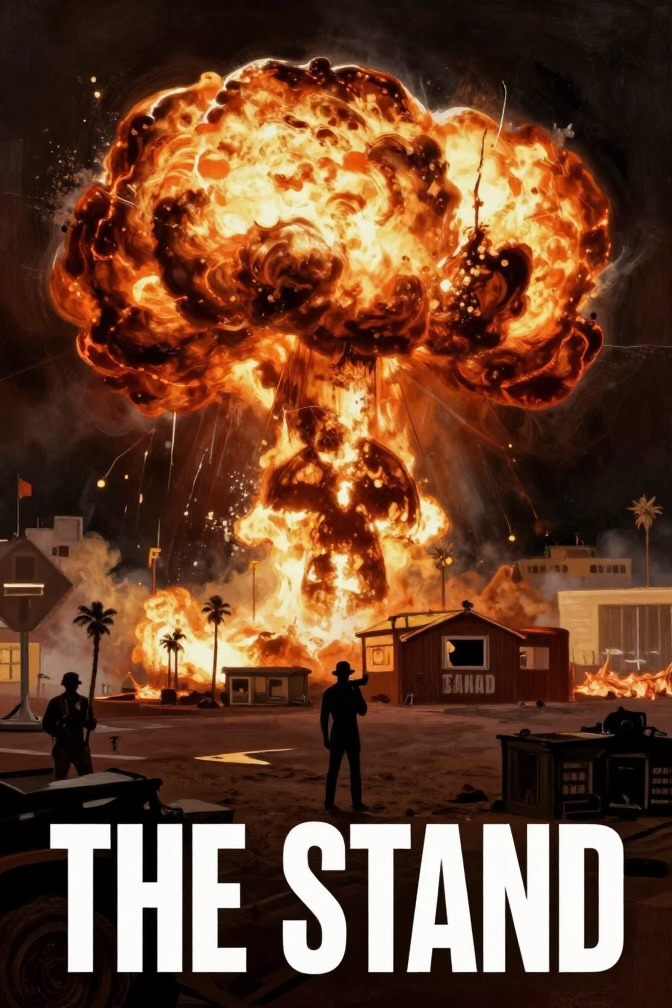
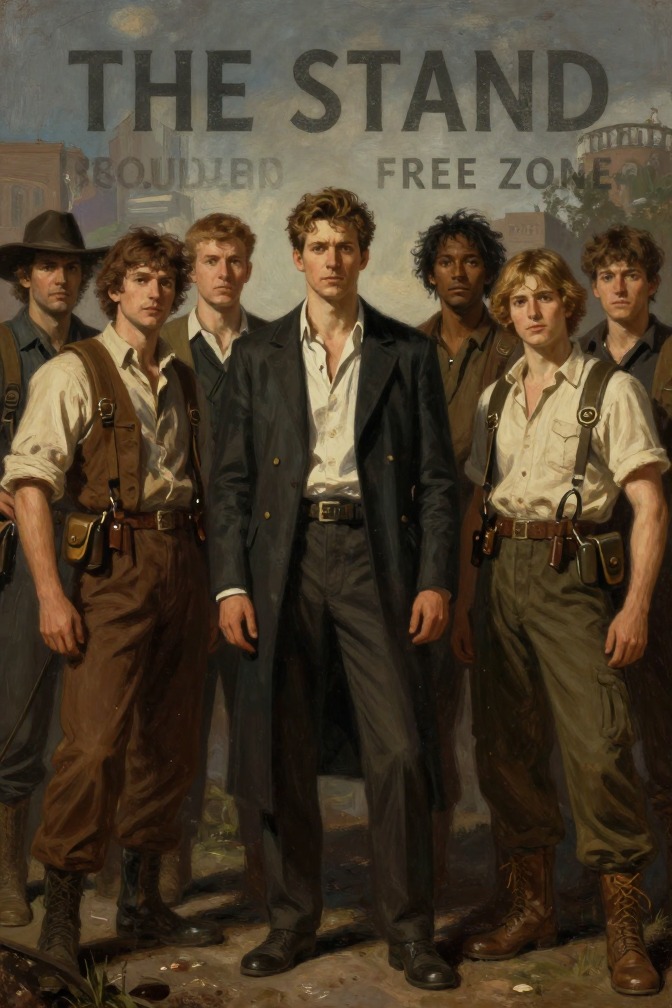
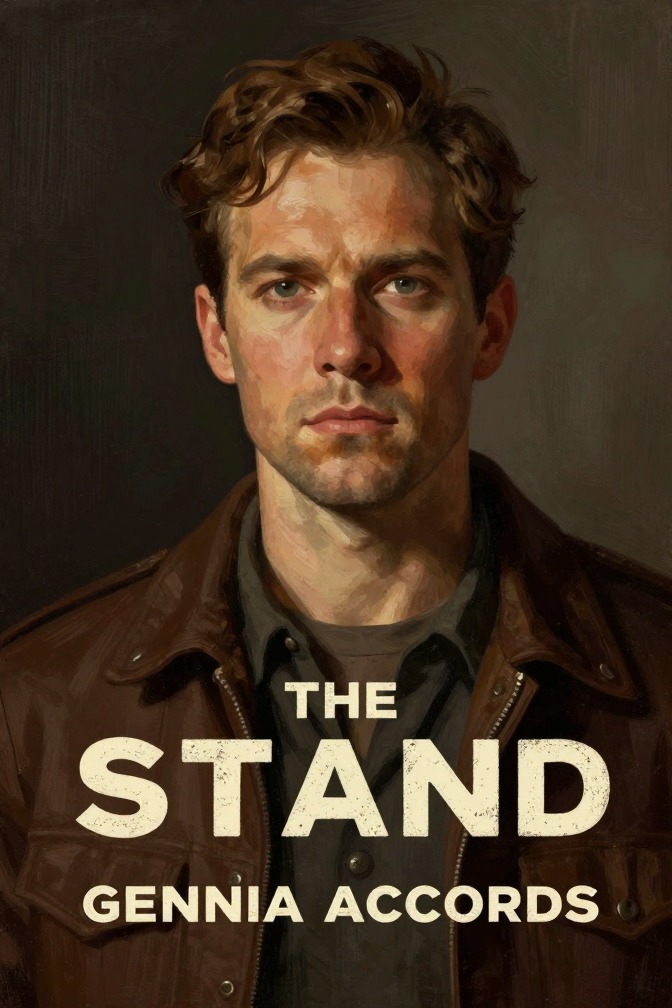
The Las Vegas nuclear explosion is the apocalyptic climax of Stephen King's The Stand, occurring on September 30, 1990, when the Trashcan Man, a deranged pyromaniac and weapons scavenger, delivers a stolen atomic warhead to Randall Flagg's stronghold at the MGM Grand Hotel. The detonation instantly vaporizes Flagg, his inner circle, and the entire Las Vegas community, while simultaneously killing the three Free Zone pilgrims—Larry Underwood, Ralph Brentner, and Glen Bateman—who had been captured and were about to be executed. The blast marks the definitive end of Flagg's nascent empire and the final, catastrophic act of the supernatural conflict that has driven the novel's plot.
The Project Blue accident is the catastrophic containment breach at a secret U.S. biological weapons facility under the California desert that releases a weaponized, constantly mutating influenza virus—coded 848-AB and later known as Captain Trips—into the general population, triggering the pandemic that wipes out 99.4% of the world's population and sets the stage for the apocalyptic confrontation between the Boulder Free Zone and Randall Flagg's Las Vegas society.
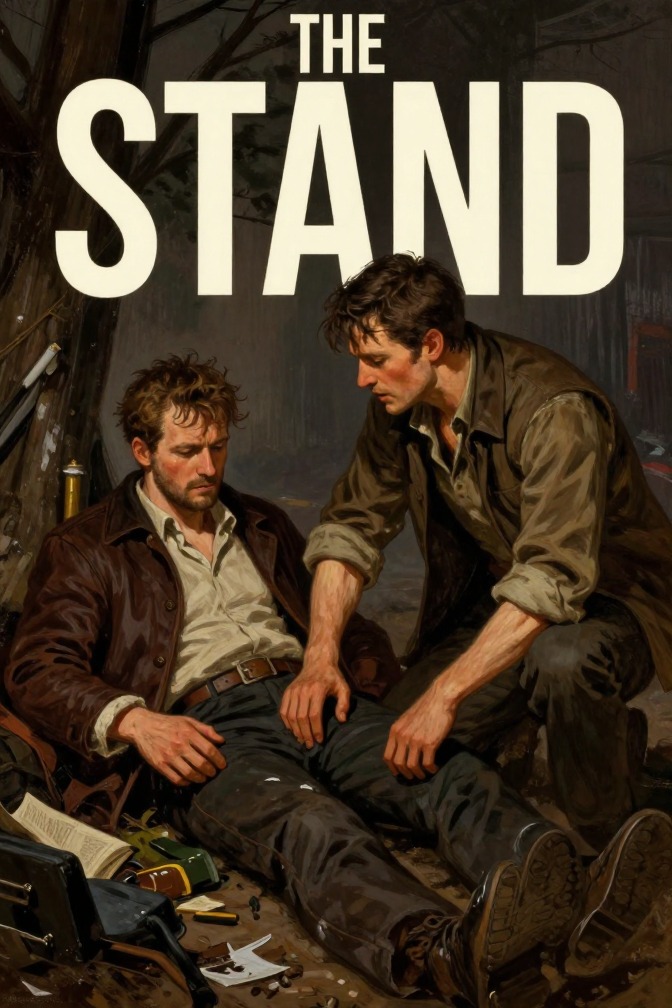
Stu Redman's accident and separation is the pivotal event in which Stu, while crossing a flash-flood washout on I-70 in Utah with Larry Underwood, Glen Bateman, and Ralph Brentner, falls and breaks his leg so badly that he cannot continue the walking quest to confront Randall Flagg in Las Vegas. The three others, following Mother Abagail's deathbed instructions to carry nothing and walk unarmed, are forced to leave him behind with a bottle of morphine-based pills and the dog Kojak, who chooses to stay. This separation fractures the quest party, places Stu's survival entirely in the hands of Tom Cullen's unexpected return, and sets the stage for the final confrontation in the West to be carried out by only three men instead of four.
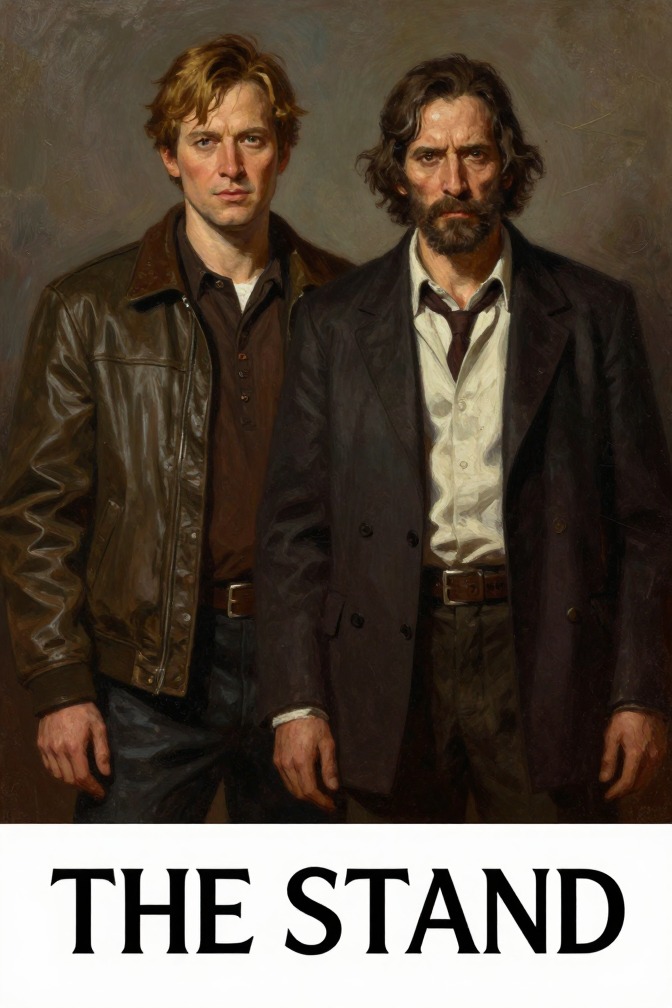
The dark man, also known as Randall Flagg, the Walkin Dude, and the man with no face, is the primary antagonist of The Stand, a supernatural embodiment of chaos and evil who rises to power in the post-plague American West, gathering a following of the wicked and the weak to oppose the free society forming in Boulder, Colorado.
The Hand of God is the climactic supernatural event in Stephen King's The Stand, in which a divine force intervenes to destroy Randall Flagg and his nascent Las Vegas empire at the moment of the Trashcan Man's nuclear detonation. Manifesting as a crackling blue ball of electricity that grows to the size of a hand, it simultaneously triggers the atomic warhead and annihilates Flagg, his followers, and the two prisoners Larry Underwood and Ralph Brentner, ending the immediate threat to the Boulder Free Zone and fulfilling Mother Abagail's prophecy that God would act if the four pilgrims had faith.
What would Harold do? is a recurring internal heuristic that Larry Underwood develops during his journey across the post-plague United States, using the imagined resourcefulness of Harold Lauder as a mental model for solving practical problems. The phrase crystallizes Larry's transformation from a self-centered, panicked survivor into a capable leader who can think around obstacles, and it reflects the novel's broader theme of learning from unlikely sources in a world stripped of old certainties.
The Kid's deuce coupe is a customized 1932 Ford that serves as the signature vehicle of a psychotic, diminutive killer from Shreveport, Louisiana, whom the Trashcan Man encounters on his journey west. The car is a parody of American automotive excess—flake-gold paint, hand-painted flames, a supercharger, a steel sharkfin, and the words THE KID raked across its sides—and its owner's reckless driving and violent temper make it a rolling instrument of terror. The deuce coupe ultimately becomes The Kid's coffin when wolves sent by Randall Flagg trap him inside it, and the Trashcan Man abandons him to die of thirst and heat.
The planchette is a triangular spirit-writing board that Nadine Cross uses in a desperate attempt to contact Randall Flagg, the dark man. It functions as a supernatural communication device that bypasses ordinary dreams and reveals Flagg's direct influence over her, marking a turning point where she consciously chooses to ally herself with the forces of evil.
The Boulder Free Zone is the democratic, cooperative society formed by survivors of the superflu pandemic in Boulder, Colorado, under the spiritual guidance of Mother Abagail. It stands as the primary organized opposition to Randall Flagg's authoritarian regime in Las Vegas, representing a deliberate attempt to rebuild civilization on principles of community, elected governance, and shared moral purpose.
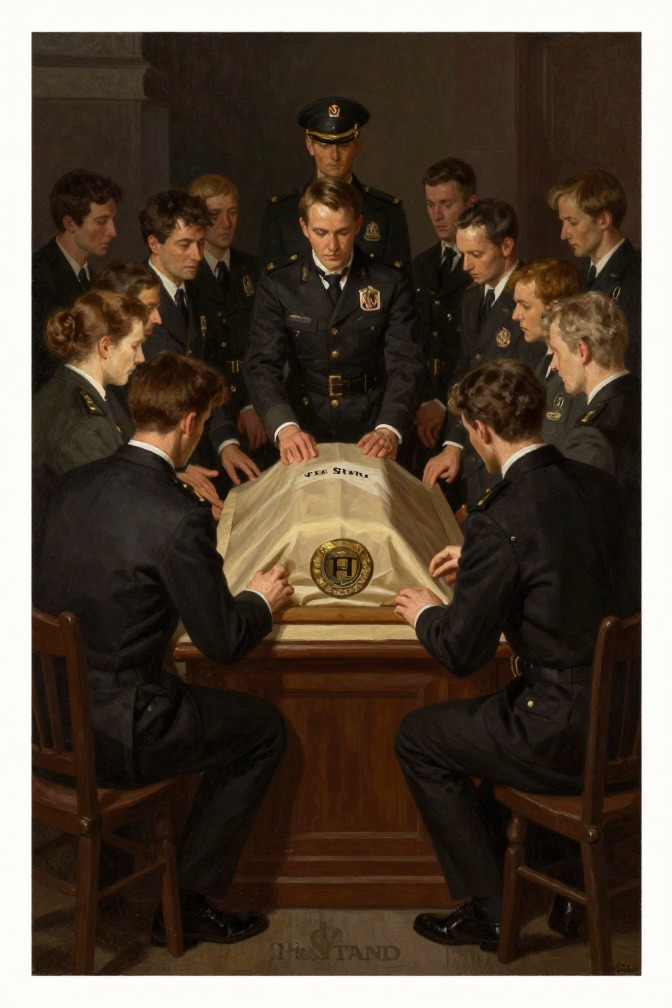
The Burial Committee was a volunteer body formed in the Boulder Free Zone in late August 1990 to dispose of the thousands of corpses left by the superflu epidemic. Chaired by Chad Norris, a former undertaker's assistant, the committee worked in rotating crews using dump trucks, plastic sheeting, and bulldozers to inter the dead in a stripmined area southwest of Boulder. The work was grueling and psychologically devastating, but the committee's efforts were widely regarded as essential to public health and community morale, and its members earned deep respect for undertaking the most unpleasant task in the Zone.
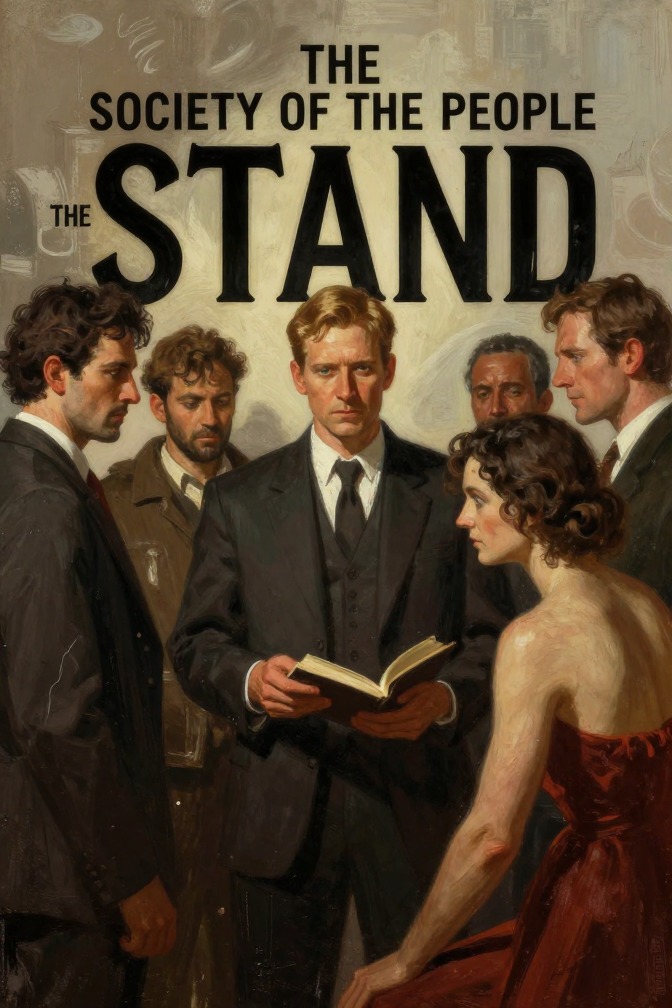
The Society of the People is the authoritarian political and social order established by Randall Flagg in Las Vegas following the superflu pandemic. It is defined by absolute obedience to Flagg, a rigid hierarchy, the use of terror and public execution to enforce conformity, and the systematic mobilization of all resources for a future war against the Boulder Free Zone. The Society represents the dark, totalitarian alternative to the democratic and communal ideals of the Free Zone, embodying the novel's central conflict between good and evil.
The relationship between Randall Flagg and the Trashcan Man is a dark master-servant bond built on Flagg's recognition of the Trashcan Man's unique, destructive talent for fire and weaponry, and the Trashcan Man's desperate need for purpose and belonging. Flagg draws the Trashcan Man to Las Vegas through shared dreams, promising him a high place in his army and a chance to burn. The Trashcan Man, in turn, offers his life and soul to Flagg, finding in him a master who values his madness. However, this bond is ultimately shattered when the Trashcan Man's instability leads him to sabotage Flagg's air force, forcing Flagg to order his execution. In a final, tragic act of atonement, the Trashcan Man returns to Las Vegas with a stolen atomic warhead, triggering the nuclear explosion that destroys Flagg's empire and seemingly the dark man himself.
The Geneva Accords, also referred to as the revised Geneva Accords, are a set of international treaties prohibiting biological and chemical warfare. In the world of The Stand, the U.S. government's secret Project Blue, which created the superflu virus, is a direct violation of these accords. The government's subsequent cover-up and the President's public denial of the violation form a central part of the novel's critique of institutional deception and the failure of rational, state-sponsored systems.
Tom Cullen's spy instructions are the set of travel rules, cover story, and post-hypnotic commands given to the mentally retarded Tom Cullen before he was sent west as a spy for the Boulder Free Zone. The instructions, delivered during a hypnotic trance by Stu Redman and Nick Andros, dictated that Tom travel only at night, sleep during the day, kill any single person who discovered him, flee from more than one, and return to Boulder when the moon was full. The rules were designed to exploit Tom's simplicity as a cover and his hypnotic susceptibility as a retrieval mechanism, making him a uniquely deniable intelligence asset.
The second epidemic, also called 'natural death' or 'those ole emergency room blues,' was a Darwinian final cut that followed the superflu pandemic, killing roughly 16 percent of survivors in technological societies like the United States but only about 3 percent in underdeveloped countries. It had no single name because its symptoms varied wildly from case to case, encompassing accidents, suicides, murders, medical incompetence, and sheer bad luck—a culling of the vulnerable that completed the superflu's work.
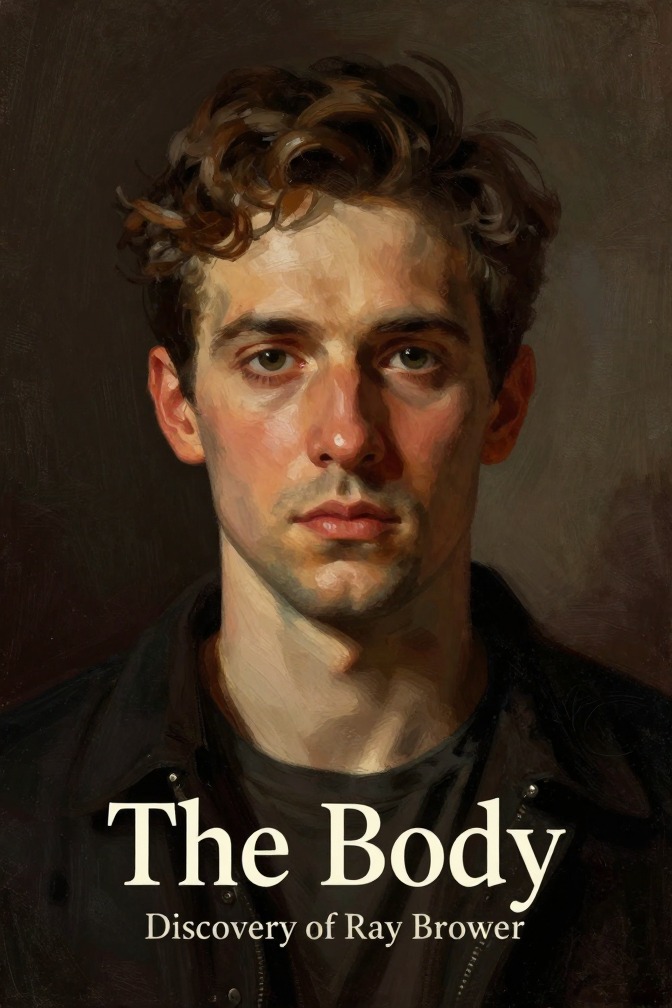
The Discovery of Ray Brower is the climactic event of the boys' journey, when they find the corpse of the missing boy from Chamberlain, killed by a train, in a boggy patch beside the GS&WM railroad tracks in Harlow. The discovery forces them to confront the reality of death, the fragility of life, and the moral weight of their adventure, setting off a confrontation with Ace Merrill's gang and ultimately shaping the rest of their lives.
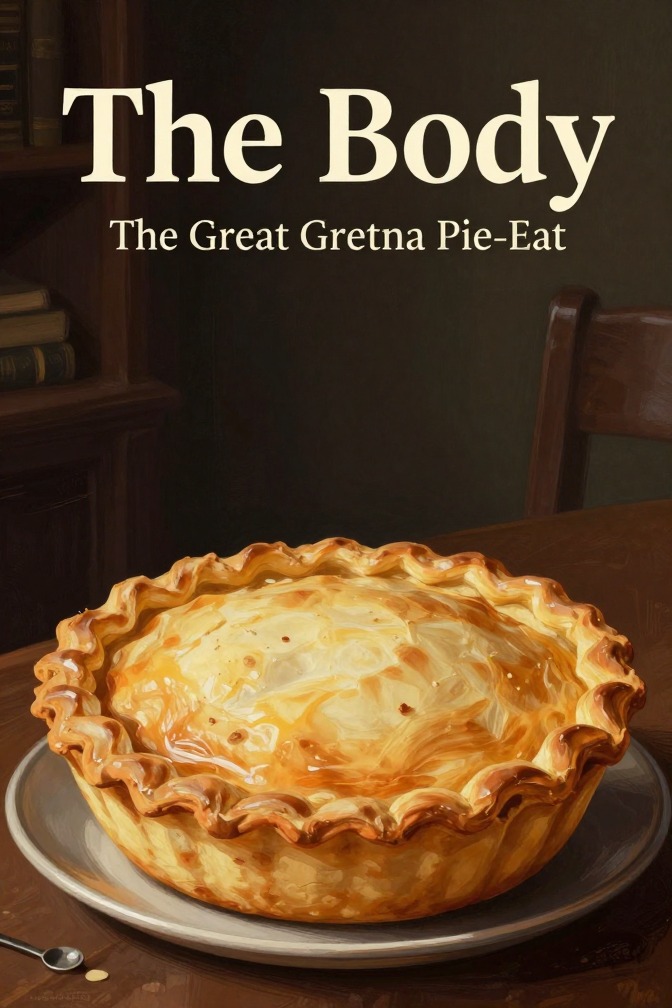
The Great Gretna Pie-Eat is the climactic event of Gordon Lachance's story "The Revenge of Lard Ass Hogan," a fictional tale he tells his friends during their hike. It is a grotesque and carnivalesque public contest in which the bullied fat boy, Lard Ass Hogan, deliberately triggers a chain-reaction vomiting spree by secretly drinking castor oil before the competition, achieving a spectacular, humiliating revenge on the entire town.
Ace Merrill is the leader of Castle Rock's juvenile delinquent gang, a violent and charismatic bully who terrorizes the younger boys and later, as an adult, becomes a faded regular at a local bar.
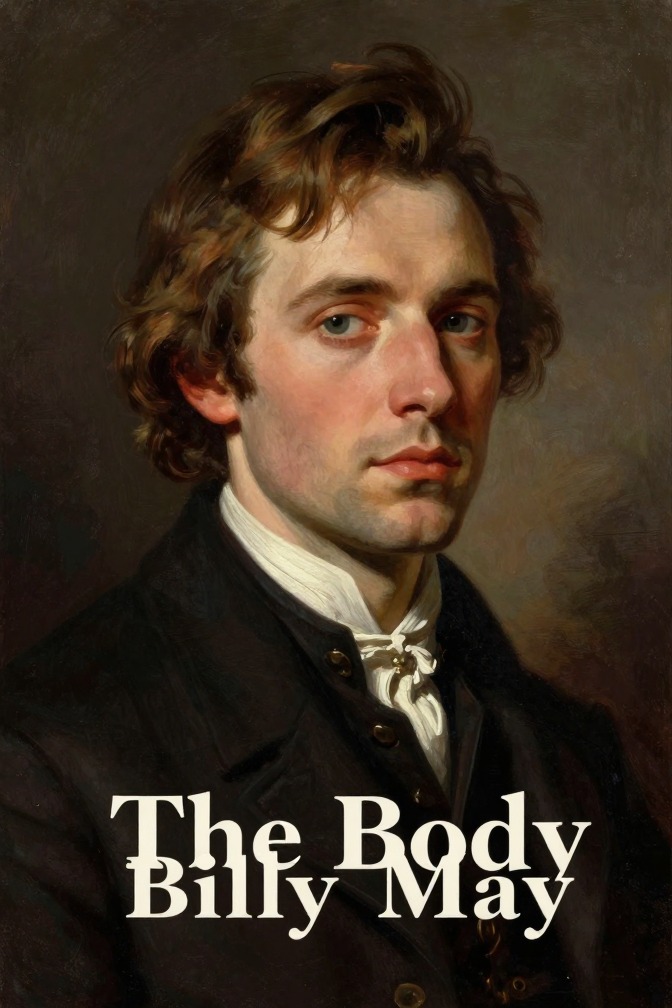
Billy May is a minor character in the embedded story "Stud City," the younger half-brother of the narrator Chico (Edward May) and the son of Sam May and his second wife Virginia. He appears as a frightened, vulnerable child caught in the violent domestic conflicts that erupt after his older brother Johnny's death, and his presence underscores the emotional wreckage left by the family's unspoken secrets.
Chopper is the feared guard dog of the Castle Rock Dump, owned by dump-keeper Milo Pressman. Though the subject of terrifying local legends that portray him as a half-breed hellhound capable of attacking specific body parts on command, Chopper is revealed to be a medium-sized black-and-white mongrel whose actual ferocity falls comically short of his mythic reputation. His encounter with the four boys—Gordon Lachance, Chris Chambers, Teddy Duchamp, and Vern Tessio—during their journey to find the body of Ray Brower exposes the gap between the town's monstrous stories and the dog's clumsy, ineffective reality, while also serving as a catalyst for Teddy Duchamp's explosive defense of his father's honor.
Chris Chambers is the toughest, smartest, and most morally complex member of the four-boy gang at the heart of Stephen King's novella "The Body." As the de facto leader of the group, he drives the quest to find the body of a missing boy, Ray Brower, and his fierce loyalty, hidden intelligence, and painful awareness of the town's low expectations for him define both the adventure and its aftermath. Chris's arc—from a boy burdened by his family's reputation and his own past theft, through a moment of armed brinkmanship against older bullies, to his eventual escape to college and tragic death—makes him the story's emotional and ethical center.
Dennis Lachance is the deceased older brother of narrator Gordon Lachance, whose death in a Jeep accident at Fort Benning, Georgia, in April 1960, casts a long shadow over the Lachance family and shapes Gordon's sense of invisibility and loss throughout the summer of the novel's central adventure.
Johnny is the deceased older brother of Chico (Edward May) in the embedded story "Stud City," a character whose death by a racing car at Oxford Plains Speedway haunts the narrative and shapes Chico's grief, guilt, and conflicted relationship with his stepmother Virginia.
Lard Ass Hogan is the protagonist of Gordon Lachance's embedded story "The Revenge of Lard Ass Hogan," a fat, bullied twelve-year-old who orchestrates a spectacular act of revenge during the Great Gretna Pie-Eat of 1960 by secretly drinking castor oil before the contest, then vomiting spectacularly on the other contestants and the crowd, triggering a chain-reaction of vomiting that disrupts the entire event and gives him a moment of perfect, if grotesque, satisfaction.
Milo Pressman is the dump-keeper of the Castle Rock Dump, a middle-aged man whose fearsome reputation—built largely on the legend of his dog Chopper—collapses into farce when the boys confront him, revealing a petty, blustering figure whose threats are hollow and whose authority is easily defied.
Mr. Chambers is the alcoholic, abusive father of Chris Chambers, whose violent rages and chronic drunkenness define the domestic terror that Chris must endure and ultimately escape. His presence in the story is felt through the bruises and broken bones Chris carries to school, the welfare checks that sustain the family, and the psychological weight of a town that expects Chris to become just like him.
Norman Duchamp is the father of Teddy Duchamp, a World War II veteran who stormed the beach at Normandy and later, in a psychotic episode, burned his son's ears on a cast-iron stove, leading to his institutionalization at Togus VA Hospital. His violent act and subsequent confinement define Teddy's identity and fuel the central conflict of the story, as Teddy's fierce loyalty to his father clashes with the town's perception of him as a 'loony.'
The Invisible Boy is a metaphor Gordon Lachance uses to describe his experience of being emotionally invisible within his own family after the death of his older brother Dennis, a concept that becomes central to his identity and his later development as a writer.
The magic corridor is a concept introduced by the adult Gordon Lachance to describe the ritualistic, transformative journey he and his friends undertook along the railroad tracks to find the body of Ray Brower. It represents a threshold between childhood and a deeper understanding of mortality, a passage that could not be taken by car but had to be walked, step by step, on the rails themselves.
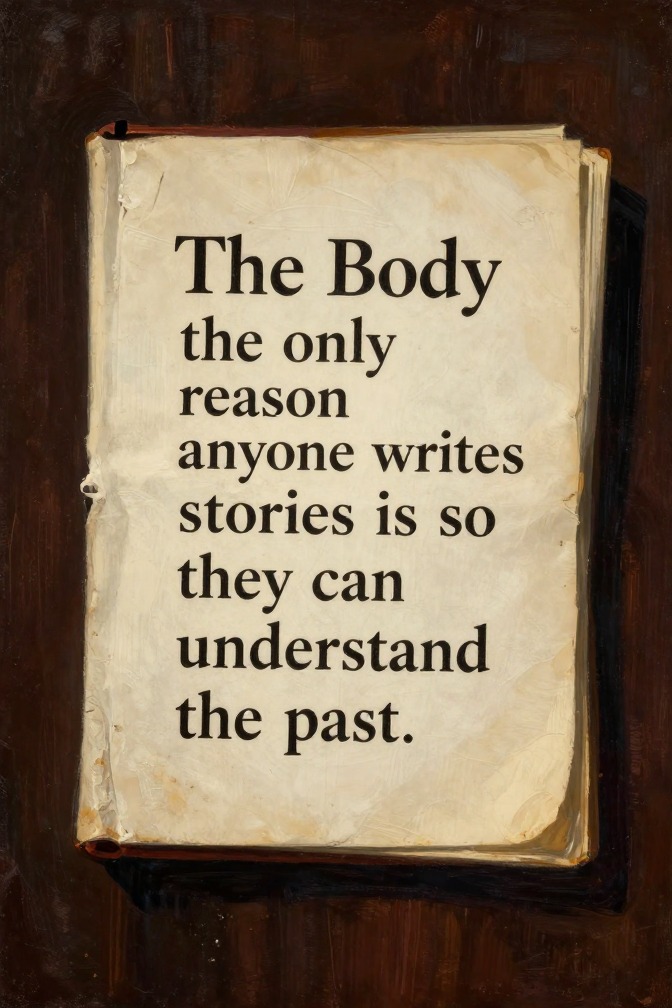
This concept, articulated by the adult Gordon Lachance, posits that the fundamental drive behind storytelling is the desire to comprehend the past and prepare for mortality. It is a meta-narrative principle that governs the entire memoir, explaining why Gordon revisits the traumatic events of 1960 and why he embeds his own early fiction within the account.