Chico's Buick is a dilapidated sedan that serves as the protagonist's primary mode of transportation in the embedded story "Stud City." Its persistent mechanical failures, from a grinding starter to a stalling engine, mirror Chico's own stalled life and his inability to escape the shadow of his dead brother, Johnny.
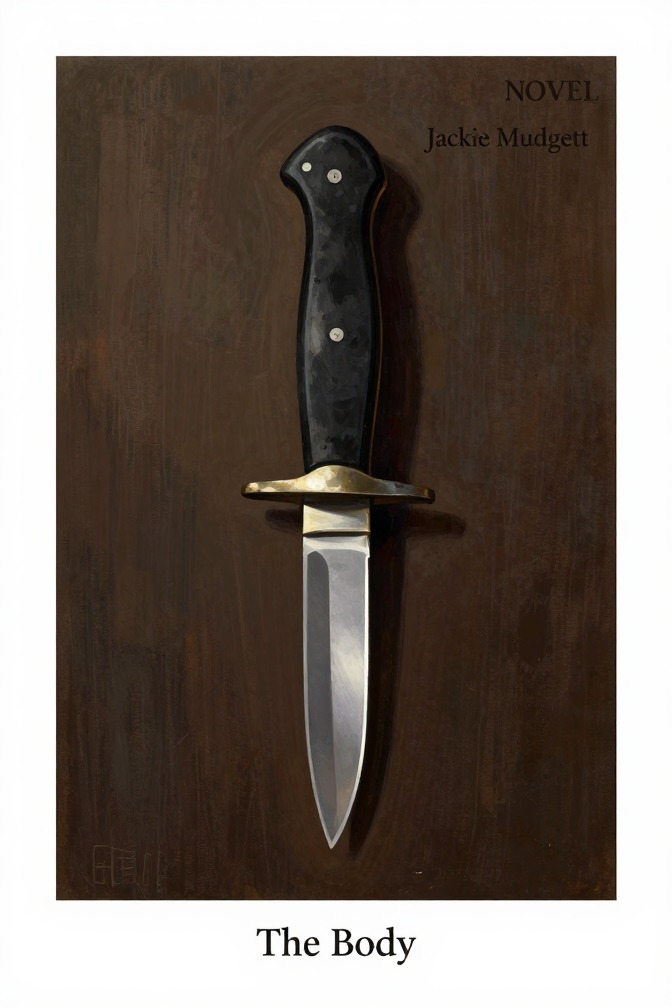
Jackie Mudgett's switchblade knife appears during the climactic confrontation over Ray Brower's body, where its sudden deployment escalates the threat from a schoolyard beating to potential lethal violence, marking the moment when the older boys' casual cruelty hardens into something far more dangerous.
Johnny's Dodge is a broken-down, up-on-blocks car that serves as the central symbol of loss, stalled ambition, and unresolved grief in the embedded story "Stud City" and in the memories of its narrator, Gordon Lachance. More than a vehicle, it is the material remnant of Johnny, the brother killed in a racing accident, and the object around which Chico's (and Gordon's) feelings of guilt, resentment, and the impossibility of escape coalesce.
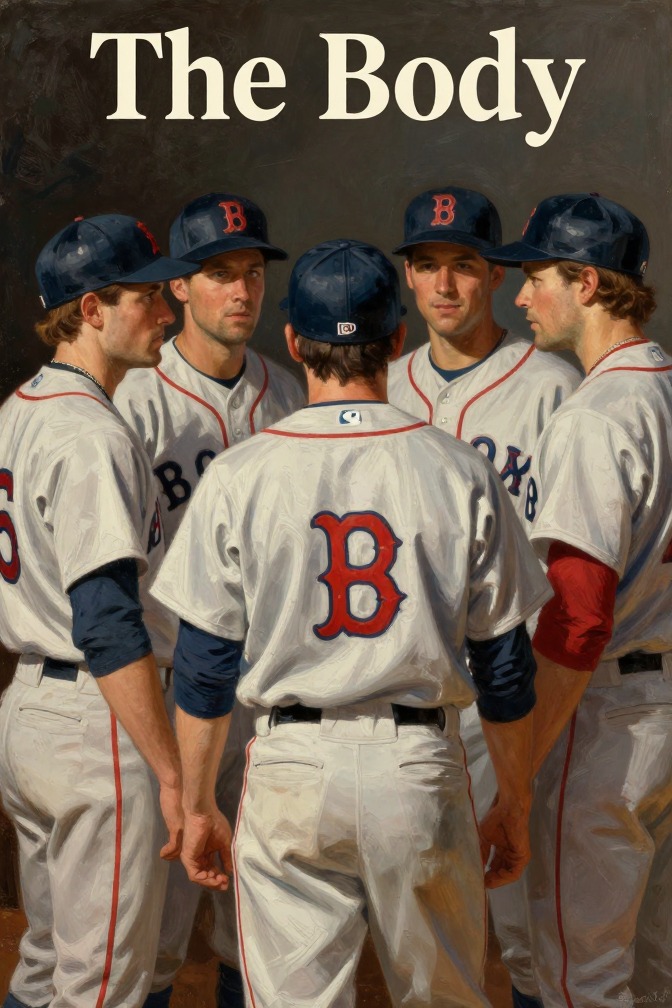
The Boston Red Sox are a professional baseball team that serves as a recurring cultural reference point in Stephen King's novella "The Body," anchoring the story in the specific summer of 1960 and providing a lens through which the narrator, Gordon Lachance, processes mortality, memory, and the passage of time.
The Boy Scouts of America appears in the narrative as a cultural benchmark against which the boys measure their own competence and social standing. The organization is mentioned dismissively by the narrator, Gordon Lachance, who notes that most of the kids in his gang considered the Scouts to be an organization made up mostly of "pussies." This offhand judgment reveals the boys' working-class, anti-institutional values and their preference for self-directed adventure over structured, adult-led activities. The Scouts also serve as a reference point for practical skills: when Chris Chambers proposes building a litter to carry Ray Brower's body, he invokes the Scout handbook as a source of authority, and the narrator later reflects on the ritualistic, almost ceremonial quality of their journey, comparing it to a rite of passage that the Scouts might formalize but which the boys experience organically.
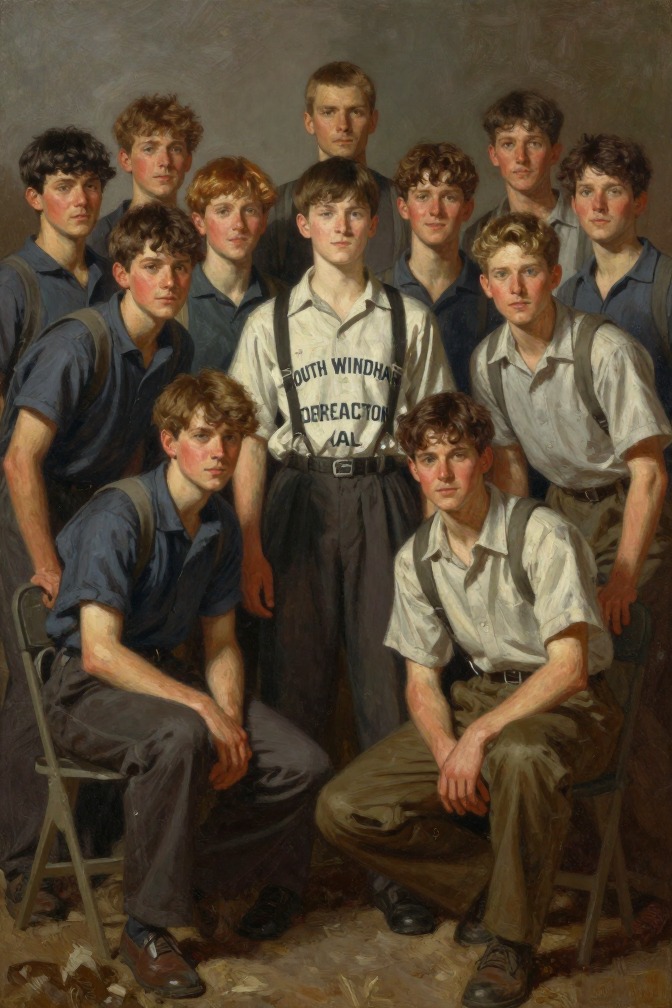
South Windham Boys' Correctional is a juvenile detention facility that looms as a threat over the boys of Castle Rock, representing the institutional punishment awaiting those who cross the line from mischief into delinquency. It is never visited in the story but functions as a constant, ominous possibility—a place where the town's expectations of failure could be made official.
The United States Navy appears in the novel as a destination for Frank Chambers, Chris Chambers's eldest brother, who runs away from home at seventeen, joins the Navy, and ends up serving a long prison sentence in Portsmouth for rape and criminal assault. The Navy also figures in Chris's desperate attempt to avoid arrest after being beaten by his brother Eyeball, when he uses a pay phone to call Mrs. McGinn collect and asks her to tell his mother to remove the lightbulb from the cellar socket—a coded instruction to destroy evidence that would implicate Eyeball in the assault. The Navy thus functions as a symbol of failed escape and as a background element in the story's exploration of how the Chambers family's reputation traps its members in cycles of violence and institutional punishment.
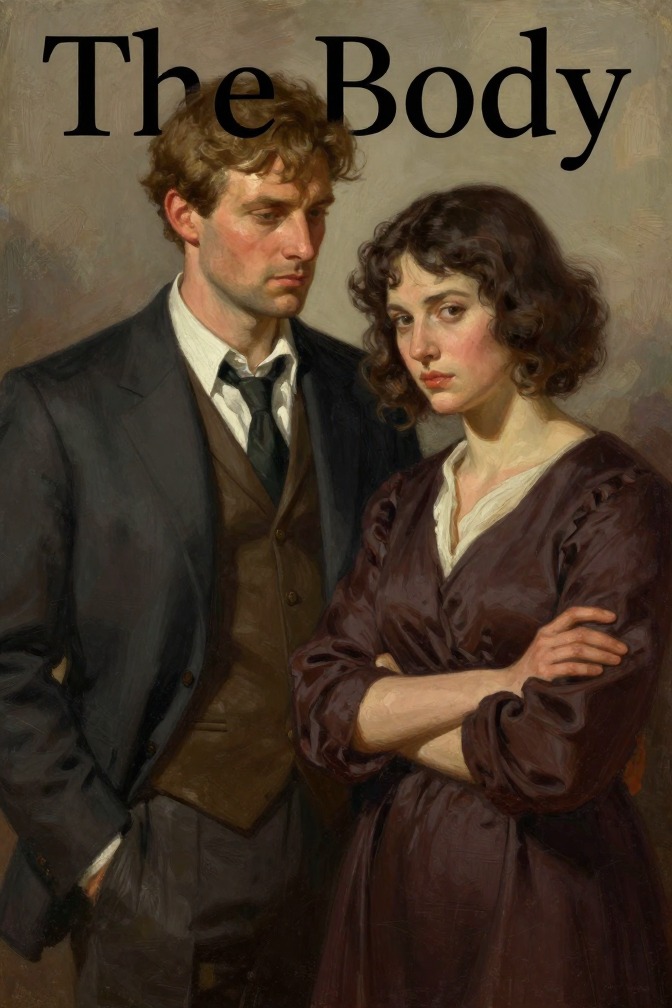
The friendship between Gordon Lachance and Chris Chambers is the emotional and moral center of the narrative, a bond forged in the shared hardships of childhood that becomes the primary vehicle for the story's exploration of class, aspiration, and the cost of growing up. Their relationship, tested by a grueling journey to find a dead boy's body and a violent confrontation with older bullies, ultimately defines the divergent paths their lives will take, with Chris's death in young adulthood marking a permanent loss that Gordon carries into his own successful but haunted middle age.
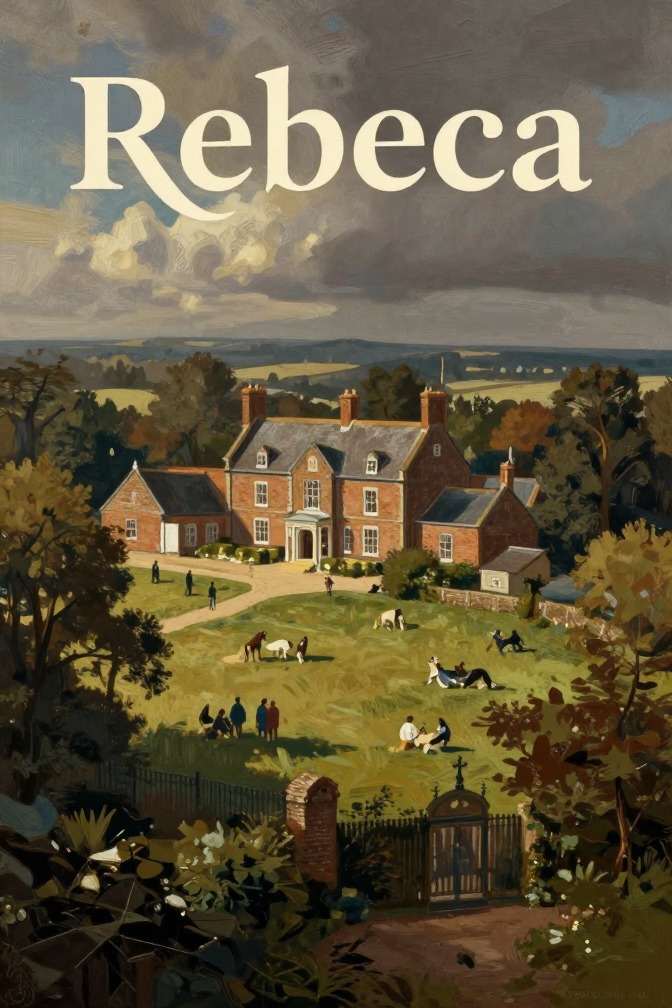
The Manderley fire is the final, catastrophic event of the novel, destroying the great house and symbolically ending the de Winters' connection to the past. As Maxim and the narrator drive back from their successful visit to Doctor Baker, they see a red glow on the horizon that Maxim identifies as Manderley burning. The fire consumes the house, the woods, and all the physical traces of Rebecca's reign, leaving only ashes and the salt wind from the sea.
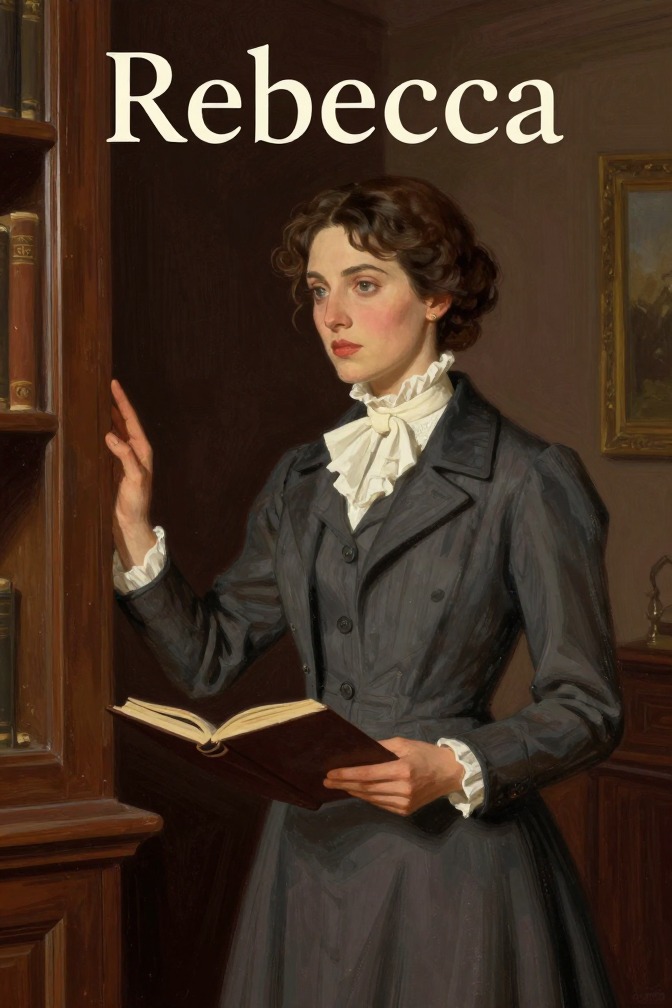
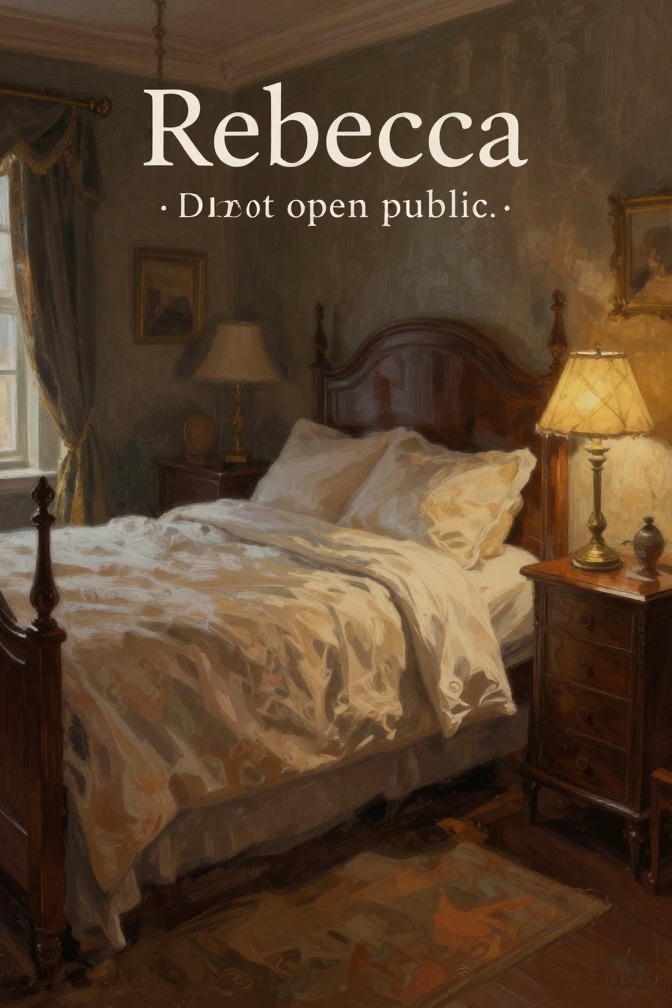
The narrator explores the west wing of Manderley for the first time, entering Rebecca's preserved bedroom under Mrs Danvers' watchful eye, an act that deepens her sense of inferiority and confirms Rebecca's lingering presence in the house.
Gran is the nearly blind, elderly grandmother of Maxim de Winter, a figure who embodies the living memory of Manderley's past and whose confused loyalty to Rebecca exposes the fragility of the second Mrs de Winter's position in the family.
James Tabb is the Kerrith boat-builder who converted Rebecca de Winter's French fishing boat into a yacht and whose testimony at the inquest into Rebecca's death—revealing that the boat had been deliberately scuttled with holes driven through her planking and the seacocks turned on—transformed the proceedings from a routine accident inquiry into a murder investigation, ultimately forcing Maxim de Winter to confess to killing his wife.
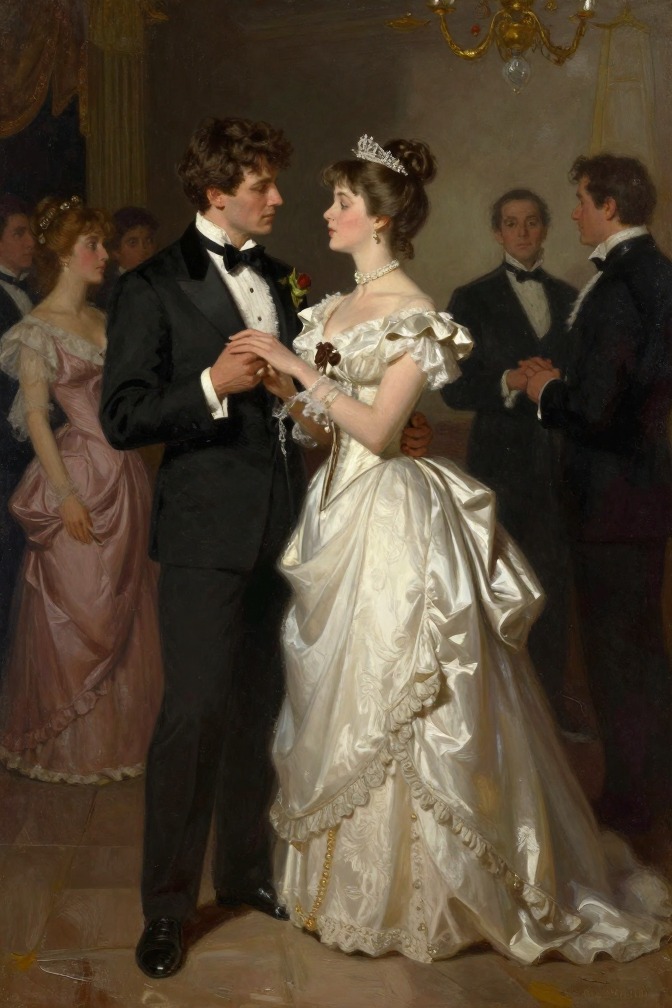
The Manderley fancy dress ball is a pivotal event in Daphne du Maurier's *Rebecca*, serving as the climax of the second Mrs de Winter's social anxiety and the catalyst for the revelation of Maxim's murder of his first wife. Planned as a celebration in the bride's honor, the ball becomes a site of psychological torment when the narrator, following the manipulative advice of Mrs Danvers, unwittingly appears in a costume identical to one worn by Rebecca at the previous ball, triggering Maxim's fury and exposing the fragile foundation of their marriage.
The bee is a minor but recurring natural motif in Rebecca, appearing in scenes of summer peace and drowsy contentment at Manderley, and its presence underscores the fragile, fleeting quality of the happiness the second Mrs de Winter briefly experiences.
Birds appear throughout *Rebecca* as recurring natural presences that mark the seasons, evoke memory, and reflect the emotional states of the characters, particularly the narrator and Maxim de Winter.
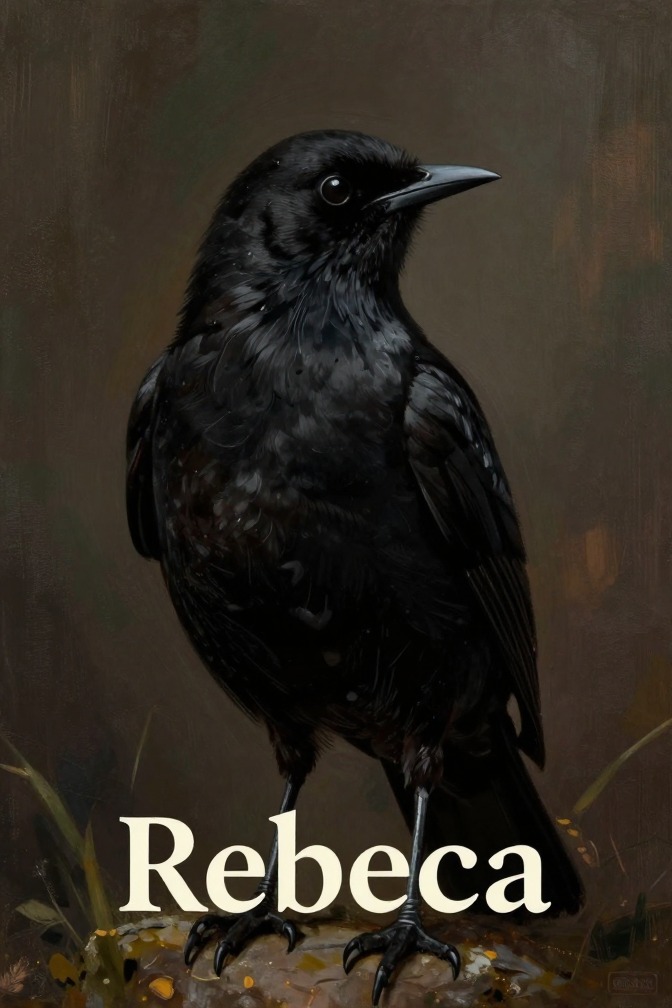
The blackbird is a recurring bird in the natural landscape of Manderley, whose song marks moments of beauty and peace in the narrator's experience, and whose presence becomes a symbol of the enduring, indifferent life of the estate that continues beyond human tragedy.
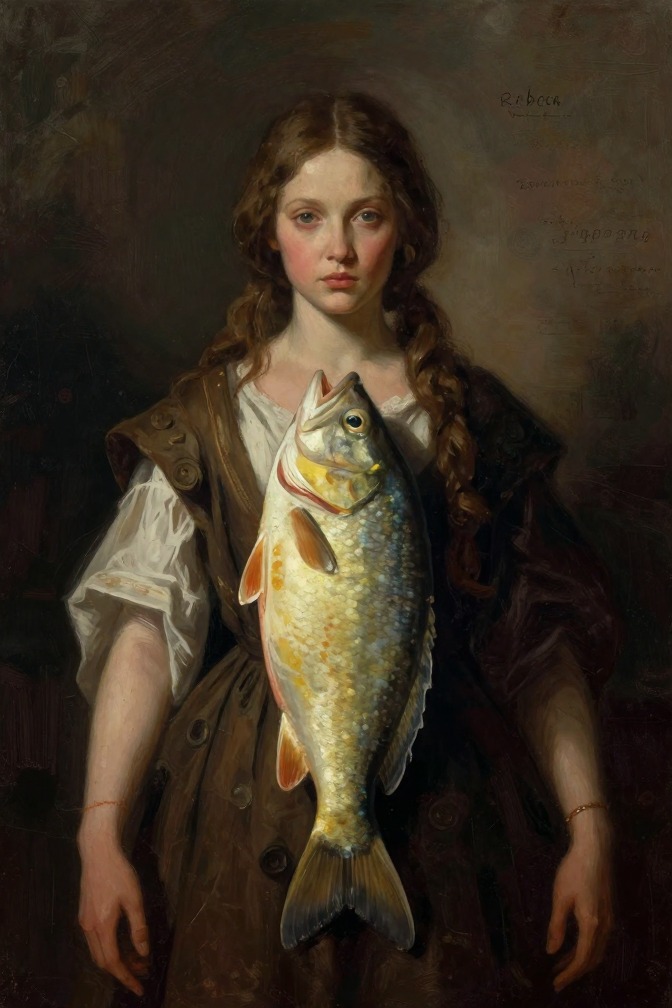
Fish appear in Rebecca as a minor but recurring motif, most notably in the context of the sea and the physical decay of Rebecca's body after her death. They are mentioned in passing during the narrator's daily life at Manderley and in a disturbing exchange with the mentally disabled man Ben, who speaks of fish having consumed Rebecca's body. The motif underscores the novel's themes of death, the passage of time, and the gruesome reality behind the romanticized memory of the first Mrs. de Winter.
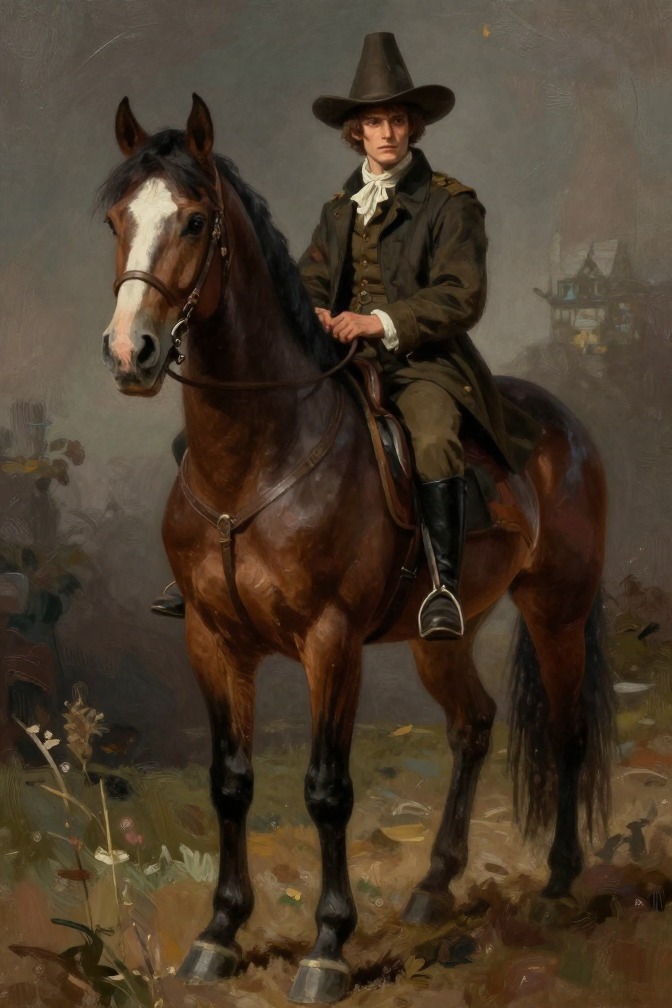
Horses appear in Rebecca as markers of class, vitality, and the reckless, untamed spirit that Rebecca de Winter embodied. They are not central to the plot but serve as recurring symbols of Rebecca's fearless, almost cruel nature, and of the country life from which the second Mrs de Winter feels excluded.
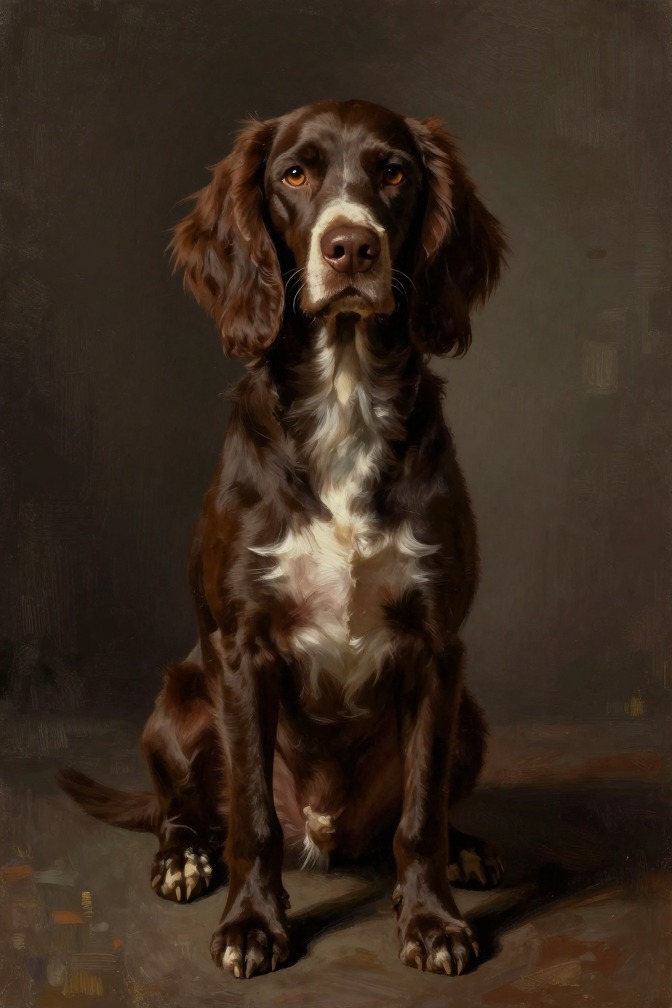
The spaniel Jasper is a central animal presence at Manderley, serving as a living link to Rebecca and a barometer of the household's emotional climate. His loyalty, habits, and the reactions he provokes in the narrator and Maxim reveal the lingering power of the dead first wife and the narrator's struggle to find her place.
The scent of the white azaleas is a recurring sensory motif in Daphne du Maurier's *Rebecca*, first encountered by the narrator on a handkerchief left in a mackintosh pocket and later identified as the same fragrance that clings to Rebecca's nightdress in the preserved west wing. It functions as a ghostly signature of the dead first wife, a tangible trace that collapses the boundary between past and present, and a key that unlocks the narrator's growing awareness of Rebecca's lingering presence at Manderley.
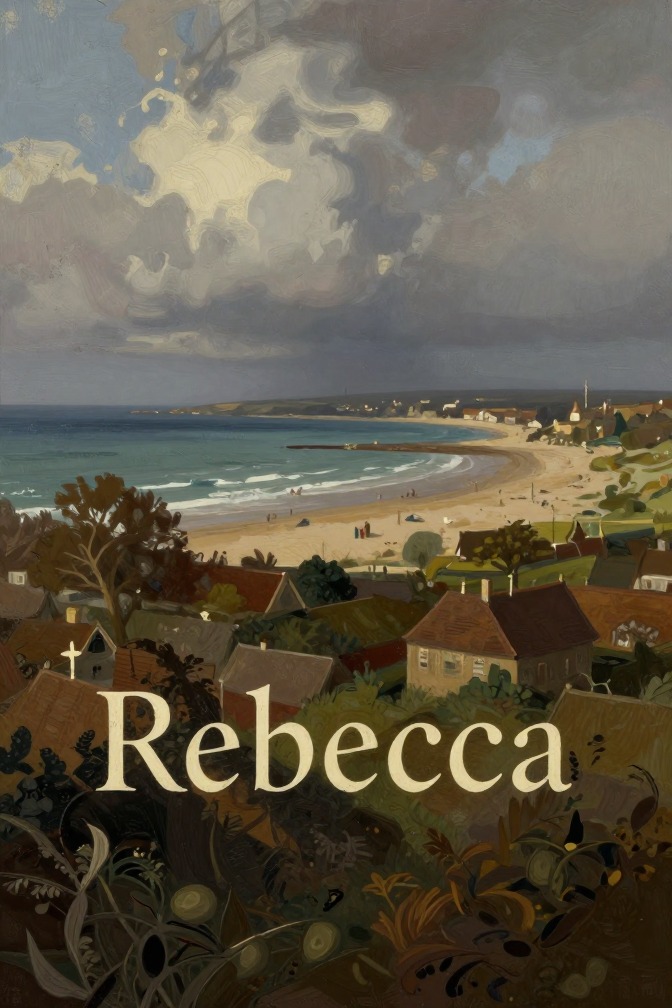
The bay at Manderley is the coastal inlet where Rebecca de Winter died and where her sunken boat, Je Reviens, is discovered a year later, triggering the novel's climactic revelations. It is both a site of beauty and a repository of the past's most violent secrets.
The crypt beneath the church at Manderley is the burial place of the de Winter family and becomes the site of a profound deception: for over a year it held the body of an unknown woman mistakenly identified as Rebecca de Winter, while Rebecca's actual remains lay preserved in the cabin of her sunken boat.
The east wing is the suite of rooms at Manderley that Maxim de Winter has redecorated and furnished for himself and his new bride, the second Mrs de Winter, after their marriage. Its selection over the west wing—Rebecca's former domain—is a deliberate spatial decision that shapes the narrator's experience of the house, marking her as an outsider in a space that was never meant for the mistress of the house.
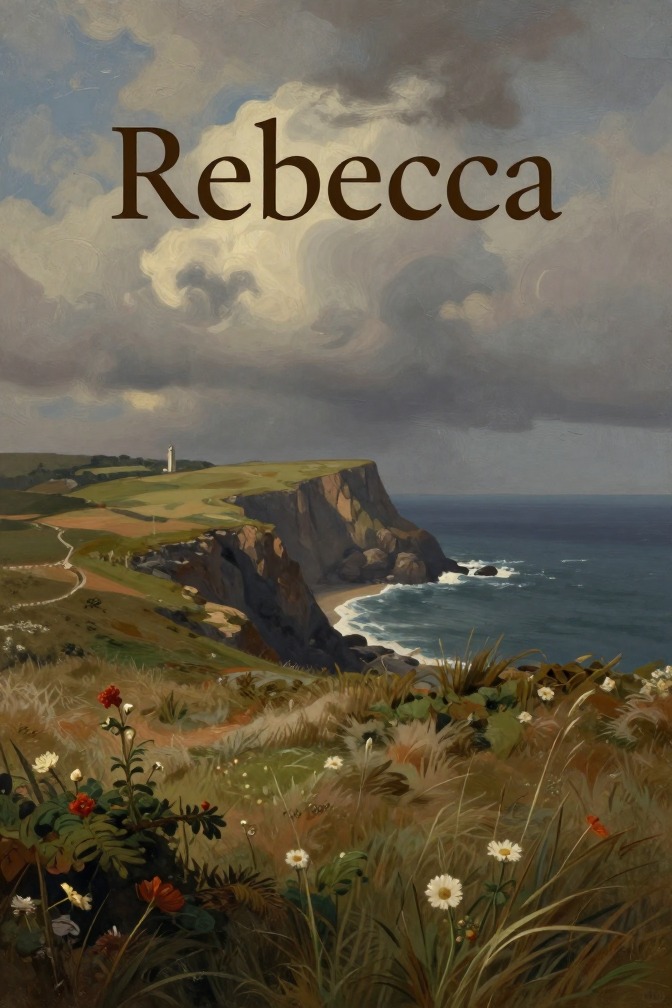
The headland is the rocky promontory that defines the western boundary of Manderley's bay, a place where Maxim de Winter once stood with Rebecca and where, in the present, the narrator watches the sea and the stranded ship, marking the boundary between the sheltered estate and the open, dangerous ocean.
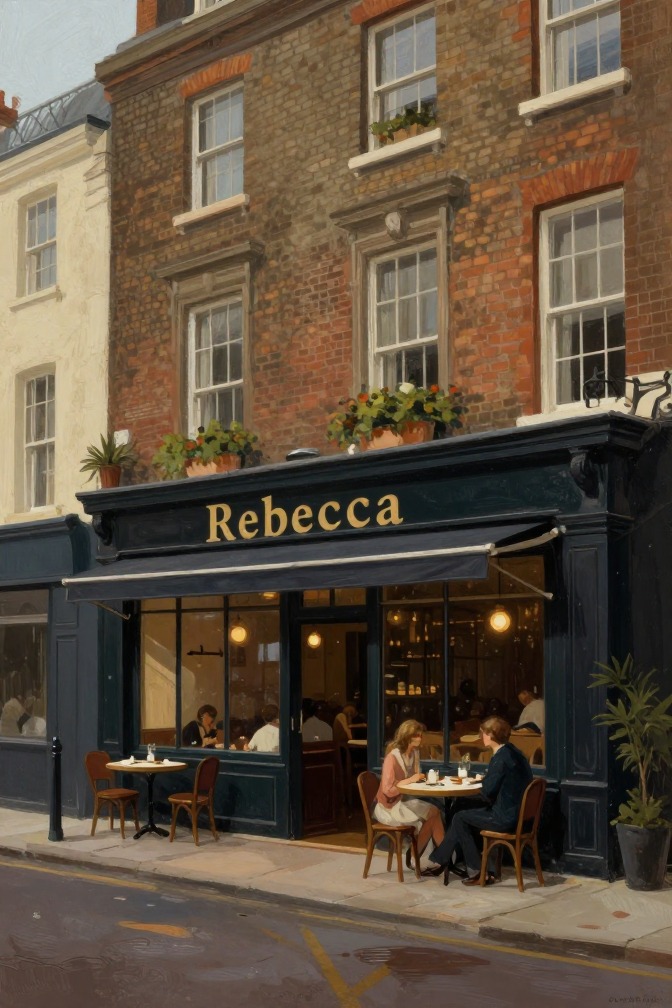
The restaurant in Soho is the quiet, dimly lit establishment where Maxim and the second Mrs de Winter stop for dinner after their visit to Doctor Baker, marking the moment of their greatest relief and the beginning of their tentative return to normal life.
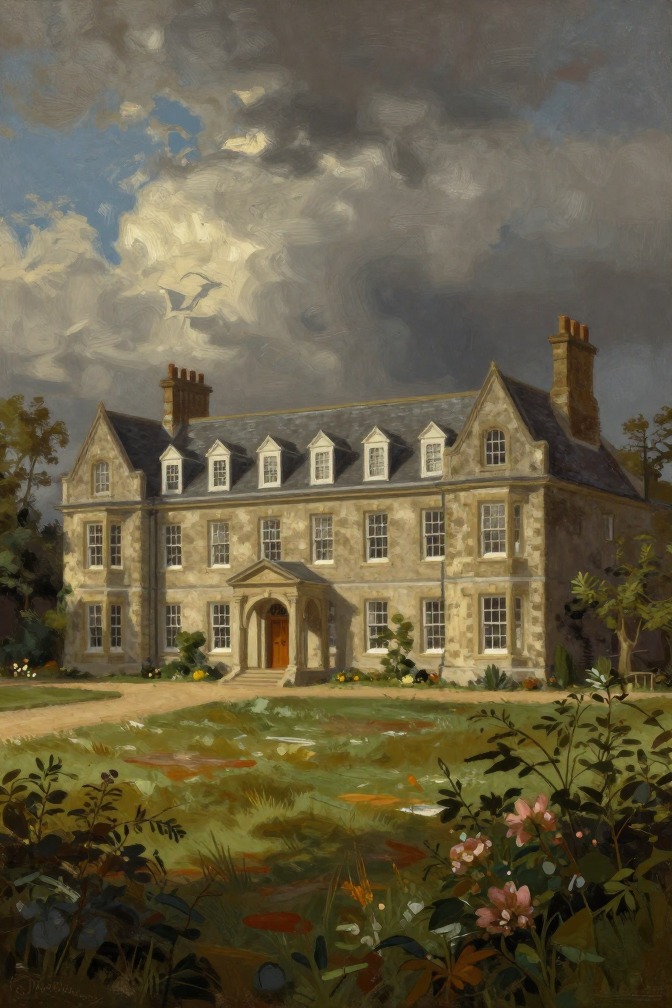
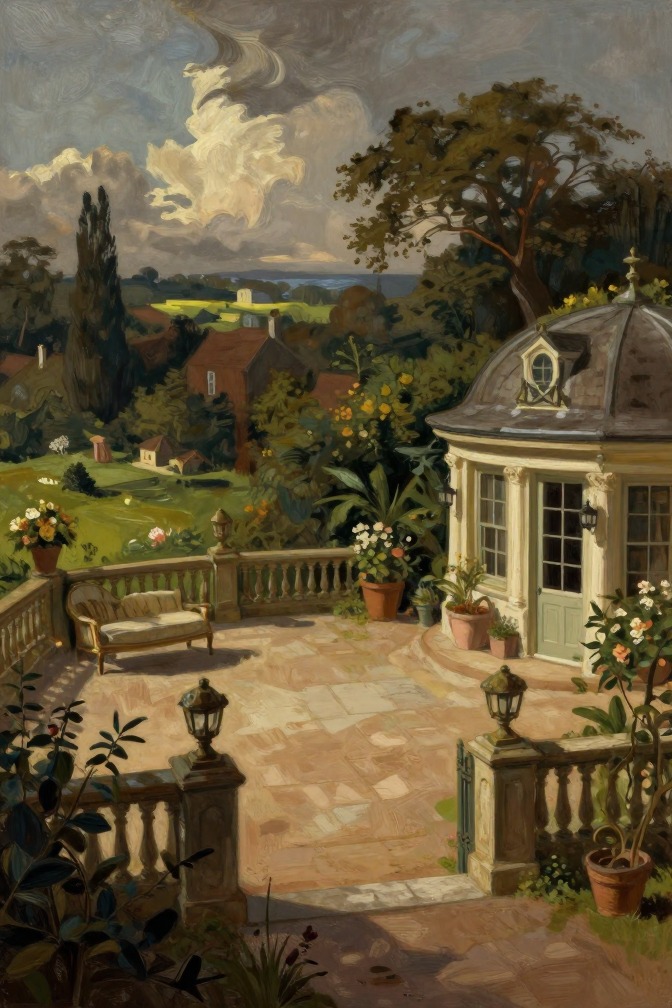
The terrace at Manderley is the broad stone platform that runs along the front of the house, separating the main building from the sloping lawns that lead down to the sea. It serves as the primary outdoor threshold between the domestic interior and the estate's gardens and coastline, and it is the site where the narrator first confronts the overwhelming physical reality of Manderley's beauty and the weight of its past. The terrace is also where the narrator experiences her most acute moments of social anxiety and where the final, devastating revelation of the Manderley fire is first perceived.
Trowchester is a neighboring county town mentioned in Daphne du Maurier's *Rebecca* as the location of Beatrice and Giles Lacy's home, situated about fifty miles from Manderley. It serves as a marker of the social and geographical distance between the narrator's new life at Manderley and the more conventional, hunting-oriented world of Maxim's sister, and it is the place from which Beatrice and Giles drive over to visit the newlyweds, bringing with them the first direct comparisons between the narrator and Rebecca.
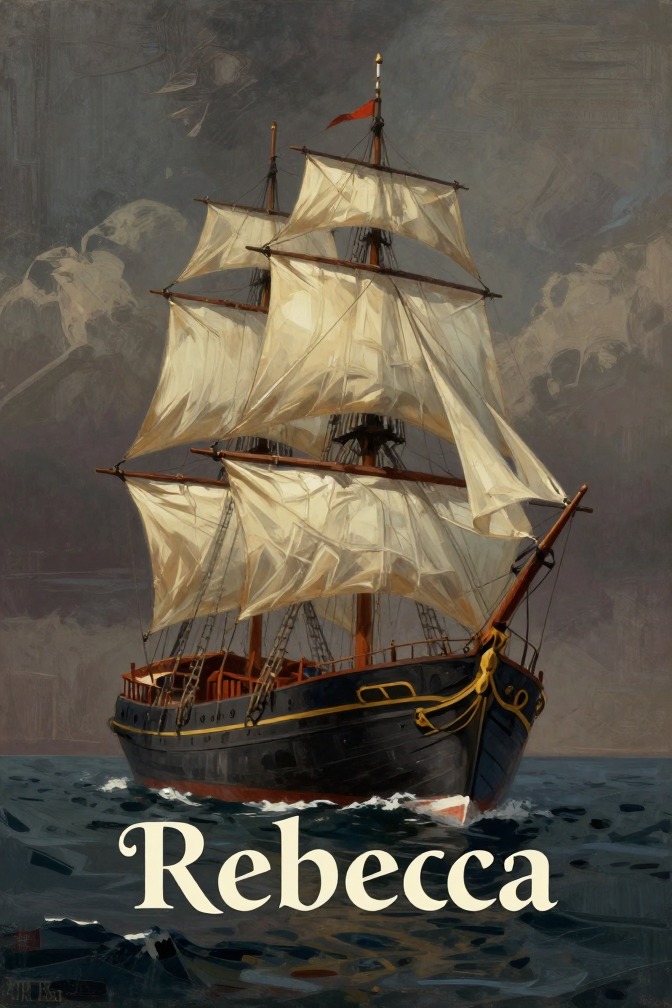
The stranded ship is a German or Dutch steamer that runs aground on the reef in the bay near Manderley during a dense fog, an event that triggers the discovery of Rebecca's sunken sailing boat and the body inside its cabin, thereby shattering the official story of her death and forcing Maxim's confession.
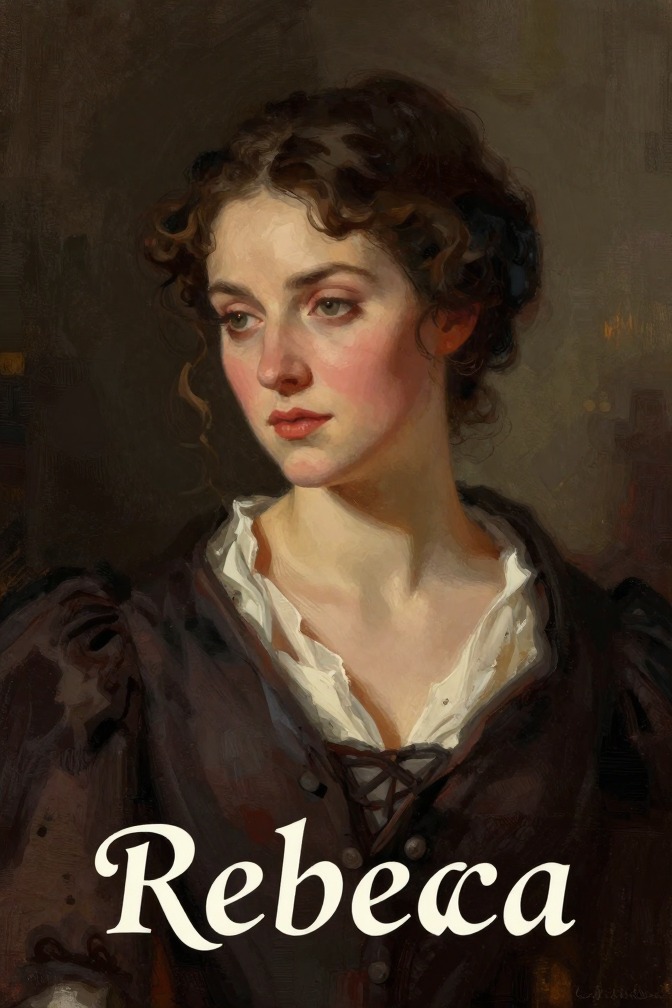
The relationship between the second Mrs de Winter and Mrs Danvers is one of profound, unrelenting hostility, rooted in Mrs Danvers' fanatical devotion to the late Rebecca de Winter and her perception of the new wife as an interloper and a usurper. From their first meeting, Mrs Danvers establishes a dynamic of cold contempt and psychological intimidation, which escalates into a campaign of manipulation and, ultimately, a direct incitement to suicide. This antagonism is a central source of the narrator's insecurity and misery at Manderley, and it embodies the oppressive, lingering power of Rebecca's memory over the house and its inhabitants.
The rule that bedrooms are not shown to the public at Manderley is a deliberate policy that preserves the most intimate spaces of the house from the gaze of visitors, and it becomes a key instrument of psychological torment when Mrs Danvers uses it to emphasize that the narrator is excluded from Rebecca's private domain.