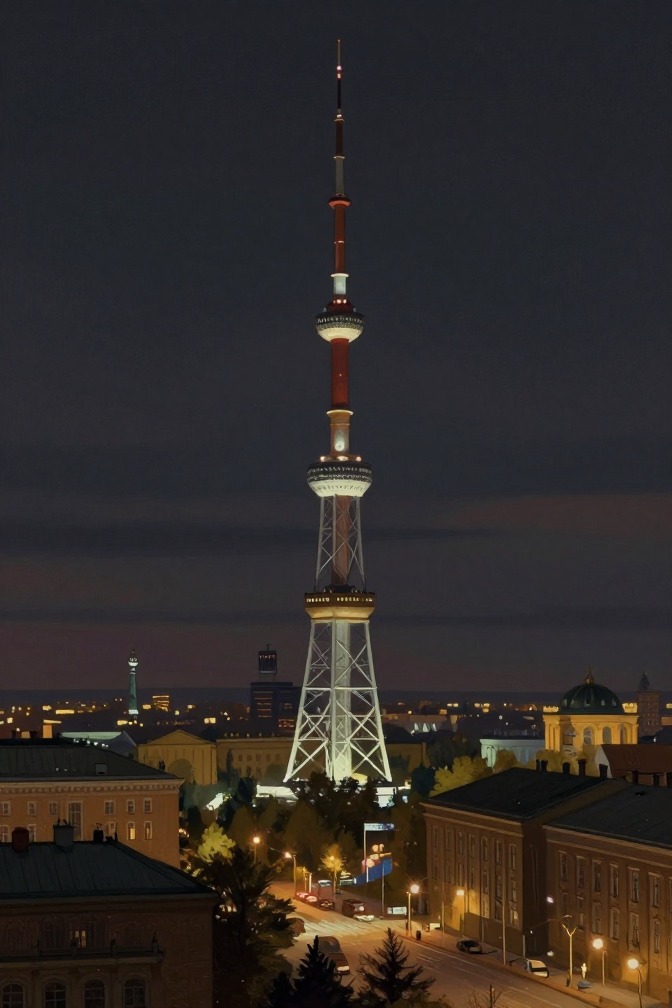
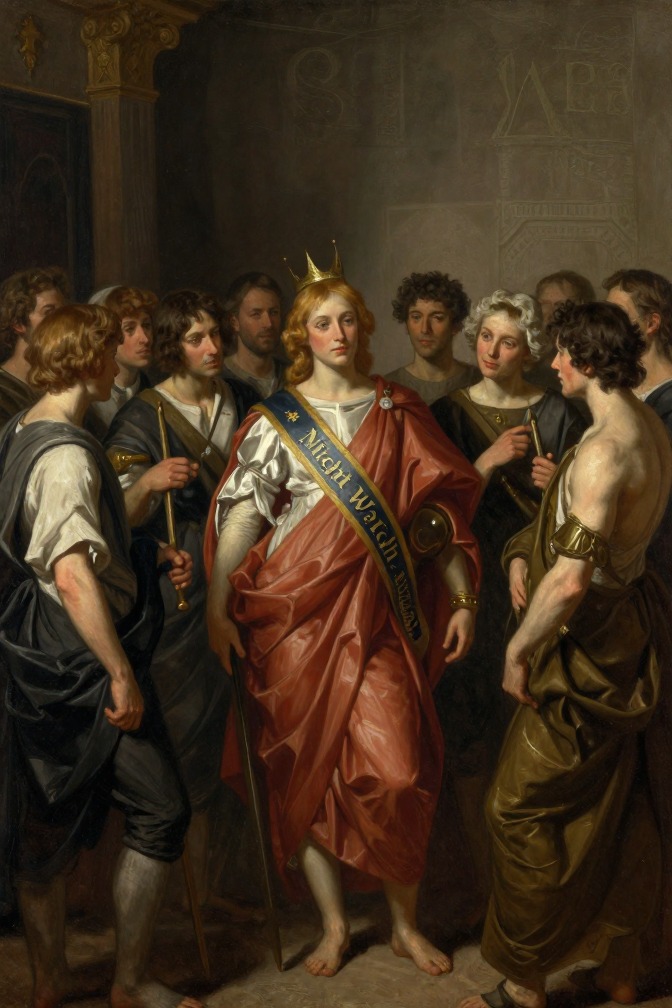
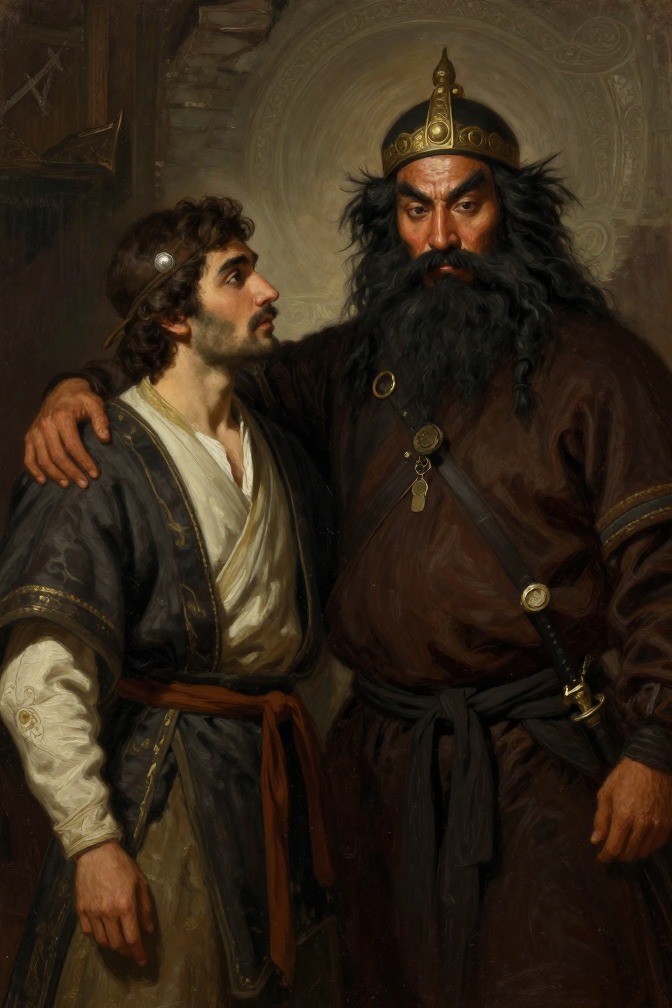
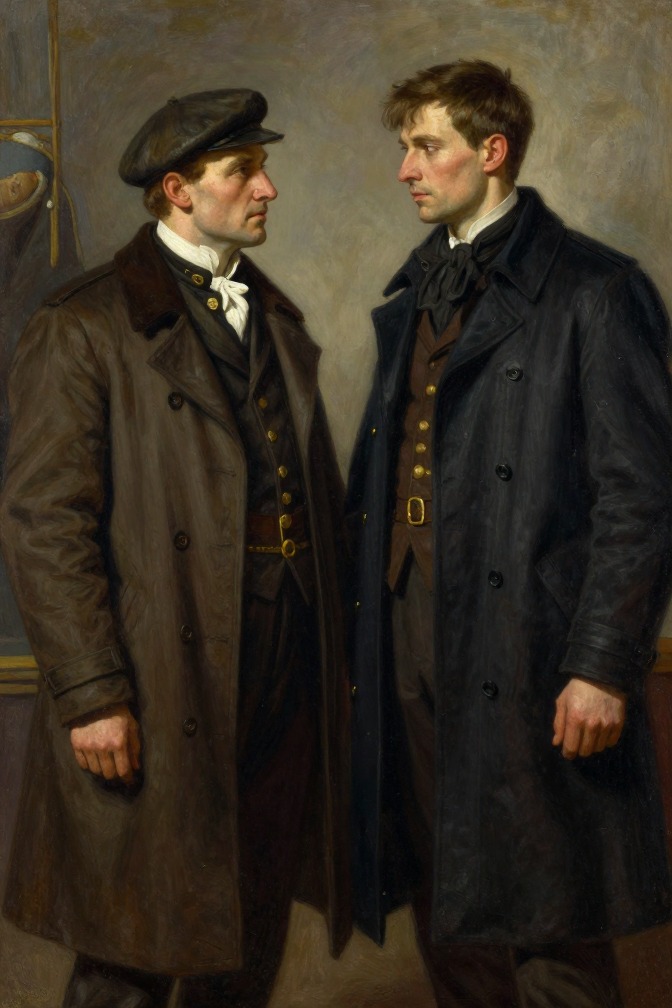
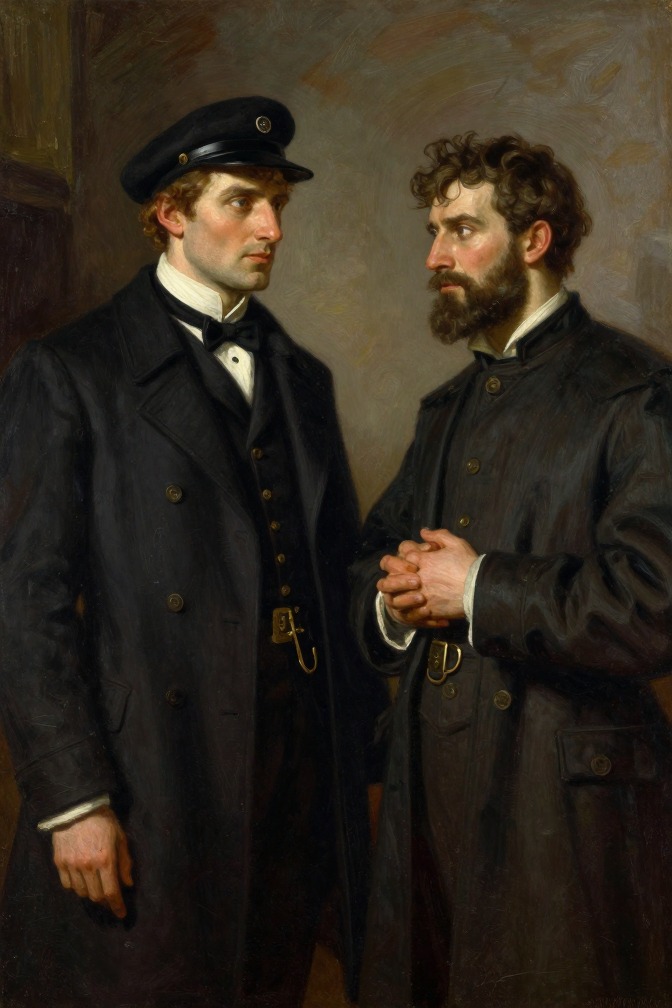
The Ostankino television tower is a key location in the second story of *The Night Watch*, serving as the field headquarters for the Day Watch during their hunt for Anton Gorodetsky. It is the site of a violent confrontation where Anton, disguised in a woman's body, infiltrates the enemy command center, kills a guard, and learns the true nature of the trap set against him, before escaping into the city.
The Bronze Hall is the ring-shaped restaurant on the observation level of the Ostankino television tower, used by the Day Watch as a field headquarters during the hunt for Anton Gorodetsky. Its rotating tables, computer terminals, and bar create a deceptively ordinary setting for a high-stakes magical operation, and it becomes the site where Anton infiltrates the enemy command post, observes the Light observer Tiger Cub, and learns the true nature of the trap set against him.
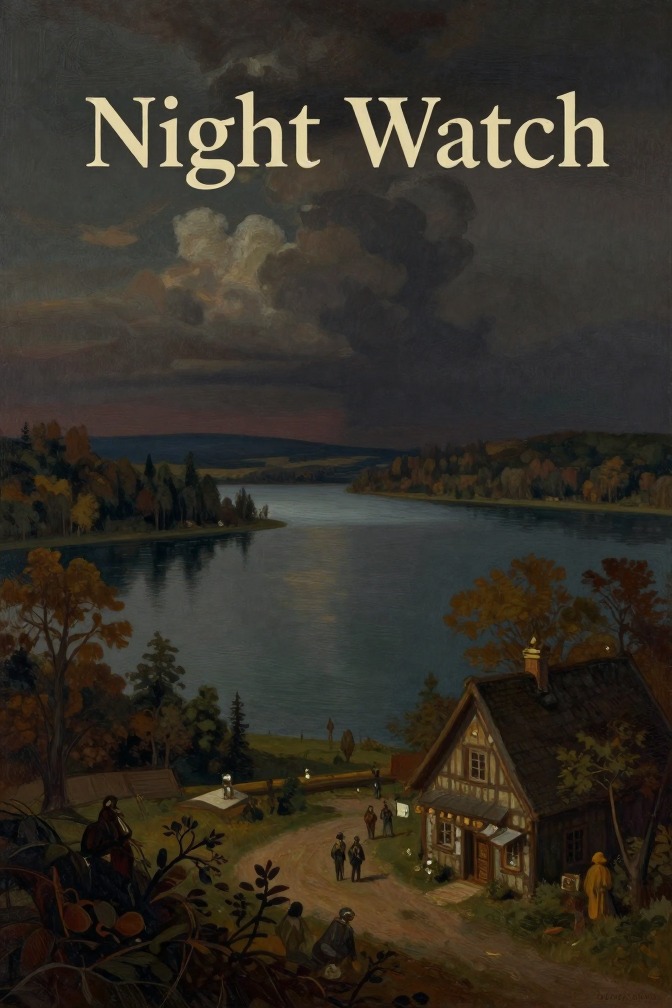
The lake is a secluded body of water located on the property of Tiger Cub's country house, serving as the central setting for the Night Watch's summer retreat in the second story of the novel. It functions as a space of temporary respite from the Watch's duties, yet becomes the backdrop for the deepening ideological and personal conflicts between Anton Gorodetsky and Svetlana Nazarova, as well as the revelation of Gesar's long-term plan to use Svetlana as a Great Sorceress to alter human destiny.
Tiger Cub's house is a secluded two-story brick dacha by a lake, hidden behind a magical mirage and a tall fence, serving as the private retreat of the shape-shifting combat magician Tiger Cub. It becomes the setting for a tense Watch vacation where personal conflicts, philosophical debates, and the hidden agenda behind Svetlana's accelerated training come to a head.
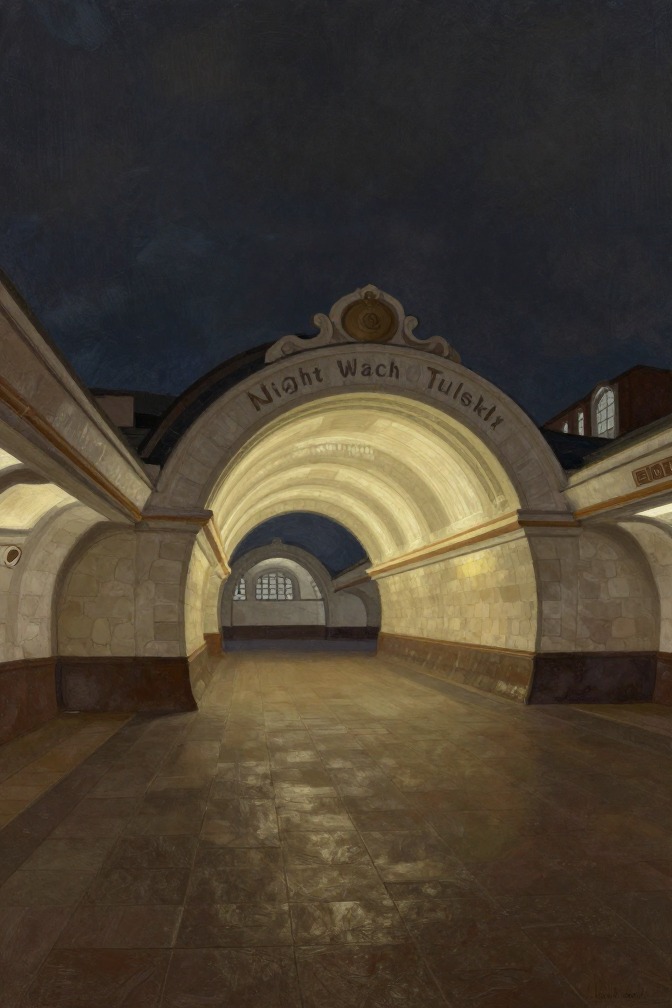
Tulskaya metro station is a key location in Anton Gorodetsky's investigation of the black Inferno vortex, serving as the starting point for his search and a site where he encounters the Day Watch and experiences the Twilight's altered perception of reality.
The Desert Eagle is a .44-caliber pistol loaded with explosive silver bullets, used by Anton Gorodetsky as a technological backup to his magical abilities. It represents the tension between modern weaponry and traditional magic in the Night Watch, and its use in key confrontations underscores Anton's reliance on technology when his magical powers are depleted or insufficient.
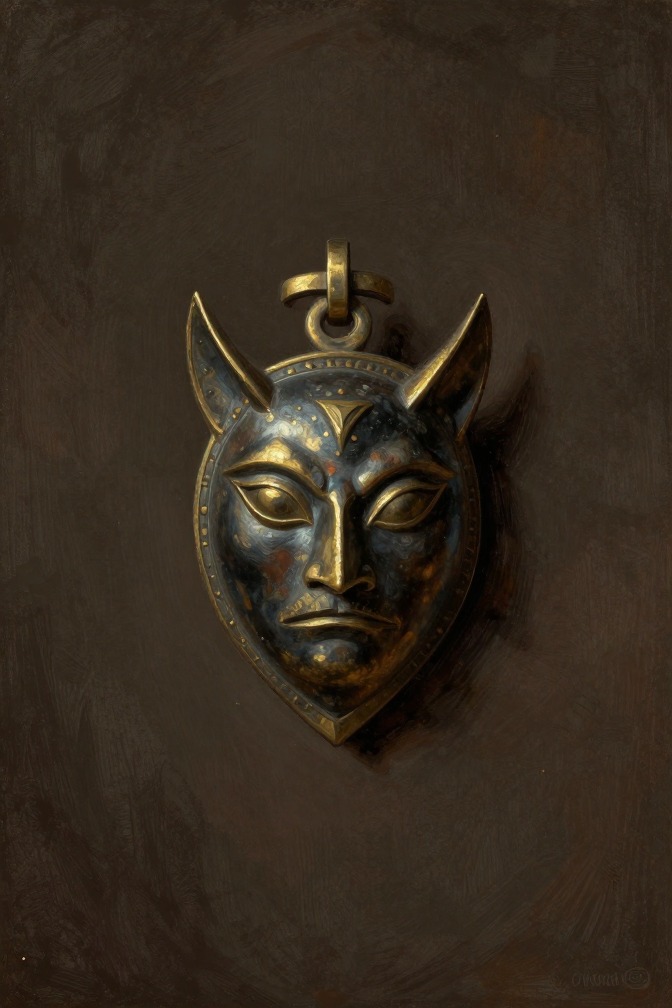
The Onyx amulet is a rechargeable magical artifact used by Night Watch agents to store and release concentrated energy, primarily for offensive or defensive purposes. It plays a critical role in Anton Gorodetsky's early field operations, most notably when he drains its charge in a failed attempt to neutralize a powerful black curse vortex, a decision that has far-reaching consequences for the balance of power in Moscow.
The Registration Tag is a magical seal implanted on the chest of every registered vampire in Moscow, serving as both a mark of legal status and an instrument of instant execution. It embodies the Night Watch's system of surveillance and control over the Dark Others, allowing licensed vampires to exist within the city while rendering them vulnerable to lethal punishment at a word from a Watch agent. The tag is a central symbol of the Treaty's compromise between Light and Darkness, exposing the moral cost of maintaining order through the threat of summary violence.
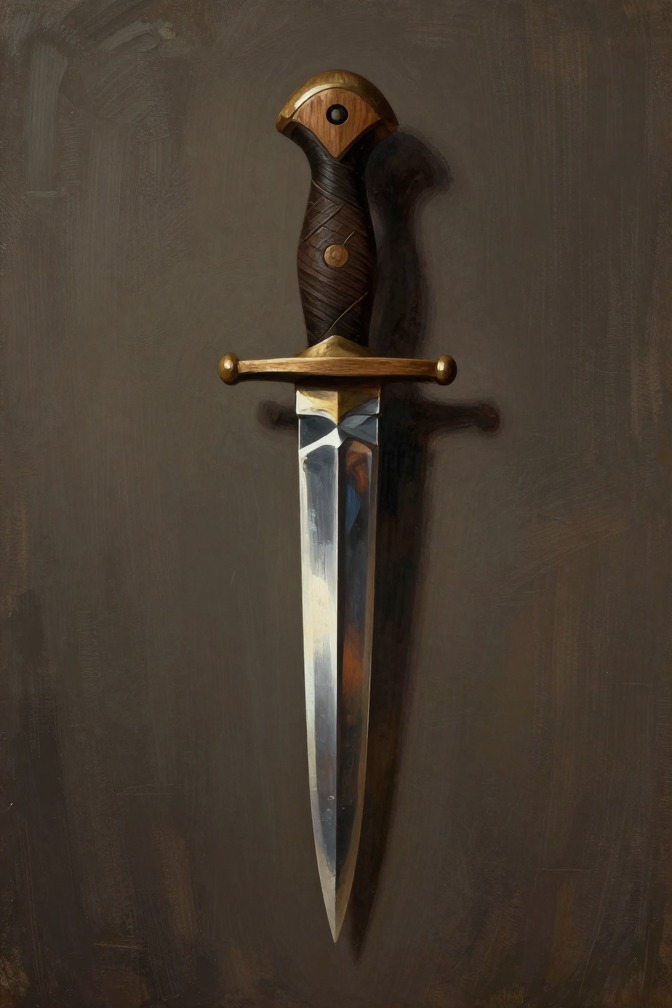
The wooden dagger is a seemingly crude childhood toy that becomes a uniquely lethal weapon in the hands of Maxim, a self-taught Light Magician who hunts Dark Ones. Carved by Maxim's childhood friend Petka during a game of knights, the dagger is later revealed to be a weapon of Darkness that kills only Dark Ones, leaving no physical wound on its victims. It serves as the central instrument of the Maverick's solitary war against Evil, a symbol of lost friendship and misguided purity, and ultimately a tool that nearly destroys Anton before being discarded when Maxim is confronted with the true complexity of the Light.
The Inquisition is the supra-organizational authority that stands above both the Night Watch and the Day Watch, tasked with monitoring, adjudicating, and punishing violations of the Great Treaty between Light and Darkness. It collects data on every Other, intervenes only in rare cases, and its strength lies more in secrecy than in fighting power. The Inquisition's existence enforces the balance of power by providing a neutral arbiter that can compel even the most powerful magicians to submit to its judgments, and it serves as the ultimate institutional mechanism through which the Watches' internal conflicts are resolved and their members disciplined.
The Tribunal is the supreme judicial body of the Others, standing above both the Night Watch and the Day Watch. It adjudicates violations of the Great Treaty, conducts memory readings, and can order the execution or dematerialization of any Other found guilty. Its authority is absolute and its procedures are feared by even the most powerful magicians.
Alisher Ganiev is a young Light Magician from Samarkand who becomes Gesar's pupil and a member of the Moscow Night Watch after his father, a devona courier, is killed by Day Watch agents. His arrival brings the Chalk of Destiny to Moscow, setting in motion the climactic attempt to rewrite Egor's fate.
Anton Gorodetsky's relationship with Boris Ignatievich (Gesar) is the central mentorship of the novel, evolving from a master-apprentice dynamic into a profound moral and philosophical conflict. Boris Ignatievich, a millennia-old Great Magician and head of the Moscow Night Watch, discovers Anton, a late-blooming Other, and trains him. However, their bond is tested when Anton discovers that his mentor's grand plans for Svetlana and the Chalk of Destiny involve manipulating human lives and sacrificing individual happiness for a perceived greater good. The relationship culminates in a formal break, with Anton rejecting Gesar's authority and choosing his own path, yet it remains defined by a deep, if contested, respect and a shared commitment to the Light.
Anton Gorodetsky and Ignat are colleagues in the Moscow Night Watch, bound by shared duty but divided by temperament and moral outlook. Ignat, a handsome and charming field operative, uses his seductive powers as a routine tool of the trade, while Anton, a former analyst turned field agent, struggles with the ethical compromises the work demands. Their relationship is marked by professional respect, personal friction, and a fundamental disagreement over the use of love and intimacy as instruments of the Light.
Anton Gorodetsky and Zabulon are locked in a personal and ideological enmity that escalates across the novel, rooted in their opposing allegiances to Light and Darkness and culminating in a direct confrontation on a Moscow rooftop.
A Dark One is an Other who has chosen the side of Darkness, drawing power from human suffering and acting primarily for personal gain, yet bound by the Great Treaty to coexist with the forces of Light under the watch of the Day Watch.
Destiny is a central, contested concept in the world of the Others, functioning as both a metaphysical reality and a political tool. It is not a fixed, unchangeable fate but a polyvariable field of probabilities that can be read, manipulated, and rewritten by powerful magicians, most notably through the Chalk of Destiny and the Book of Destiny. The concept is most dramatically explored through the character of Egor, whose 'undetermined destiny'—a shimmering, multi-colored aura—makes him a unique prize in the struggle between Light and Darkness, and through the climactic confrontation on the roof, where Svetlana Nazarova chooses to erase his destiny rather than rewrite it, asserting the ultimate right of individual choice over grand, pre-ordained plans.
The Great Sorceress is a rare and immensely powerful rank of Light Other, capable of wielding the Chalk of Destiny to rewrite human destinies through the Book of Destiny. In the Night Watch universe, achieving this status requires not only immense innate power but also a willingness to sacrifice one's own humanity and personal connections, as the role is tied to grand, often morally ambiguous experiments to reshape human society.
The Inferno eruption is a catastrophic magical event in which a black vortex of concentrated hatred, created by a mother's curse against her daughter Svetlana Nazarova, threatens to unleash a global cataclysm—potentially a nuclear, biological, or seismic disaster—unless it is neutralized. It represents the most extreme form of Dark magic in the novel, a self-sustaining curse that grows in power when fed by emotional turmoil and that can only be removed by its creator or by a Great Magician.
The Inferno vortex is a catastrophic magical phenomenon in Sergei Lukyanenko's *The Night Watch*, a black curse vortex that, if it erupts, threatens to destroy Moscow and kill millions. It is the central crisis of the first story, forcing Anton Gorodetsky to confront the limits of his power, the nature of the Treaty between Light and Darkness, and his own moral choices.
Initiation is the process by which a human being becomes an Other, gaining access to the Twilight and supernatural powers; it is a permanent transformation that can only occur by mutual consent and determines the initiate's alignment with Light or Darkness.
A Light One is an Other who has chosen to serve the forces of Light, dedicating their supernatural abilities to protecting ordinary people and maintaining the balance between Good and Evil as defined by the Great Treaty. This choice, made upon first entering the Twilight, is a permanent moral commitment that shapes every action and carries the burden of constant ethical scrutiny, as Light Ones must always consider the consequences of their interventions and the risk of empowering the Darkness through their deeds.
Transformation is the fundamental process by which Others physically alter their form, crossing the boundary between human and non-human states. In Sergei Lukyanenko's *The Night Watch*, transformation is not merely a display of power but a deeply consequential act that reveals an Other's nature, allegiance, and the moral cost of their abilities. It is a visible, often violent, manifestation of the internal choice between Light and Darkness, and a key mechanism in the ongoing struggle for balance.
The Decembrist uprising of 1825 is a historical event that serves as a personal memory for the ancient magician Olga, who recalls witnessing it, and functions as a marker of her immense age and the long span of the Others' hidden history.
The boiling water torture at Unzen was a method of persecution employed by the magistrate of Nagasaki, Takenaka Uneme, against captured Christians in the early 1630s, intended to force apostasy through prolonged, excruciating pain rather than immediate death.
The Martyrdom of the Twenty-Six at Nishizaka, which took place in February 1597, was the first mass execution of Christians by the Japanese state and a decisive turning point in the persecution that would eventually extinguish the visible Church in Japan. Twenty-six missionaries and Japanese converts were crucified on a cold winter morning near Nagasaki, an event that both horrified and inspired the Christian world and set the pattern for the state's escalating campaign of torture and execution.
Rodrigues' Trampling of the Fumie is the climactic act of apostasy in Shusaku Endo's *Silence*, in which the Portuguese missionary Sebastian Rodrigues, after prolonged psychological and physical pressure, places his foot on a bronze image of Christ to save the lives of Japanese Christians suspended in the pit. This single gesture shatters his priestly identity, redefines his relationship with God, and becomes the novel's most contested symbol of faith, weakness, and love.
The Pit Torture (Ana-tsurushi) is the most feared and effective method of inducing apostasy during the Tokugawa persecution of Christians in Japan, a slow, agonizing suspension that breaks the body and spirit through prolonged suffering and the silence of God.
Dainichi is the Japanese term for the cosmic Buddha Mahavairocana, which early Japanese Christians confused with the Christian God due to phonetic similarity between 'Deus' and 'Dainichi', a mistranslation that Ferreira later argues exemplifies how Christianity was fundamentally distorted in Japan.
The Face of Christ is the central devotional image and theological symbol in Shusaku Endo's Silence, representing Sebastian Rodrigues' ideal of divine beauty, love, and strength, which undergoes a profound transformation from a triumphant, kingly figure to a suffering, exhausted face that commands him to trample, ultimately redefining the nature of faith and love in the context of persecution and apostasy.