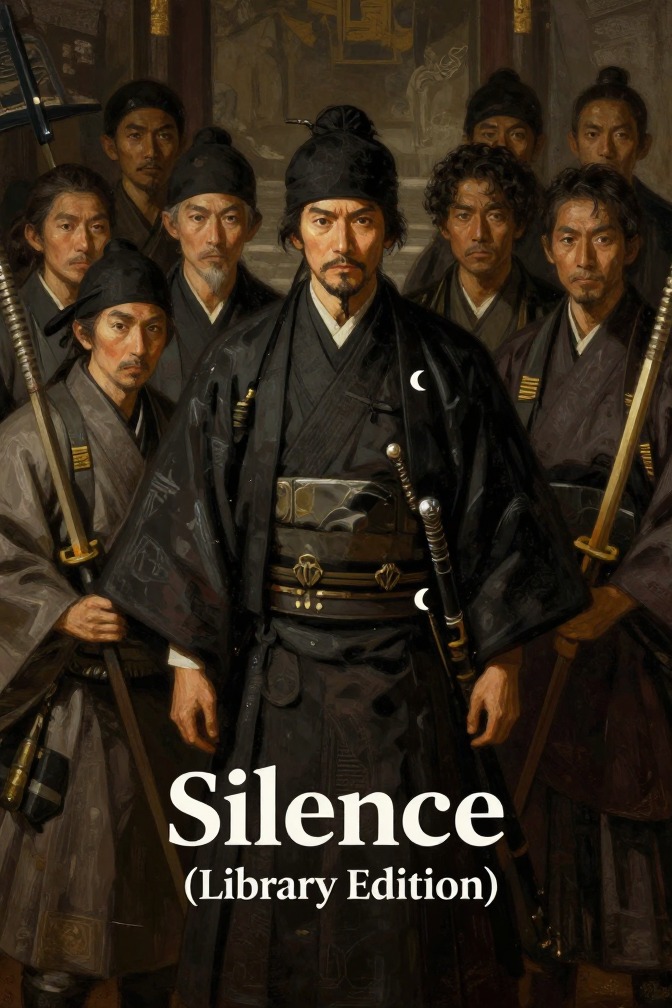
The Tokugawa Shogunate (Tokugawa Bakufu) was the military government that unified Japan in the early 17th century and, after initially tolerating Christian missionary work for trade, systematically persecuted Christianity through edicts, surveillance, torture, and execution, ultimately sealing the country from foreign influence and creating what the novel describes as a 'swamp' that absorbed and transformed the foreign faith.
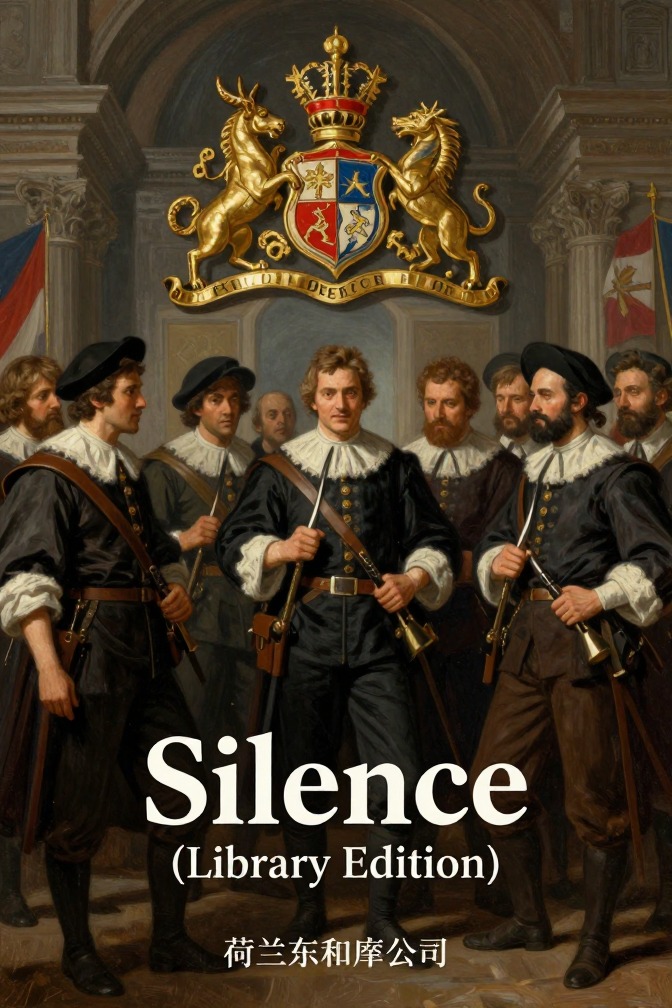
The Dutch East India Company (VOC) is a pivotal commercial and political entity in Shusaku Endo's Silence, whose presence in Japan fundamentally alters the balance of power for the Christian mission. As Protestant rivals to the Catholic Portuguese, the Dutch provide the Tokugawa Shogunate with both a strategic alternative for trade and a source of intelligence that deepens the regime's suspicion of Catholicism, ultimately contributing to the isolation of Japan and the persecution's escalation. Their role is not merely that of neutral merchants; they are active participants in the narrative of persecution, their ships and crews scrutinized for Catholic sympathies, and their testimony used to justify the regime's harsh policies.
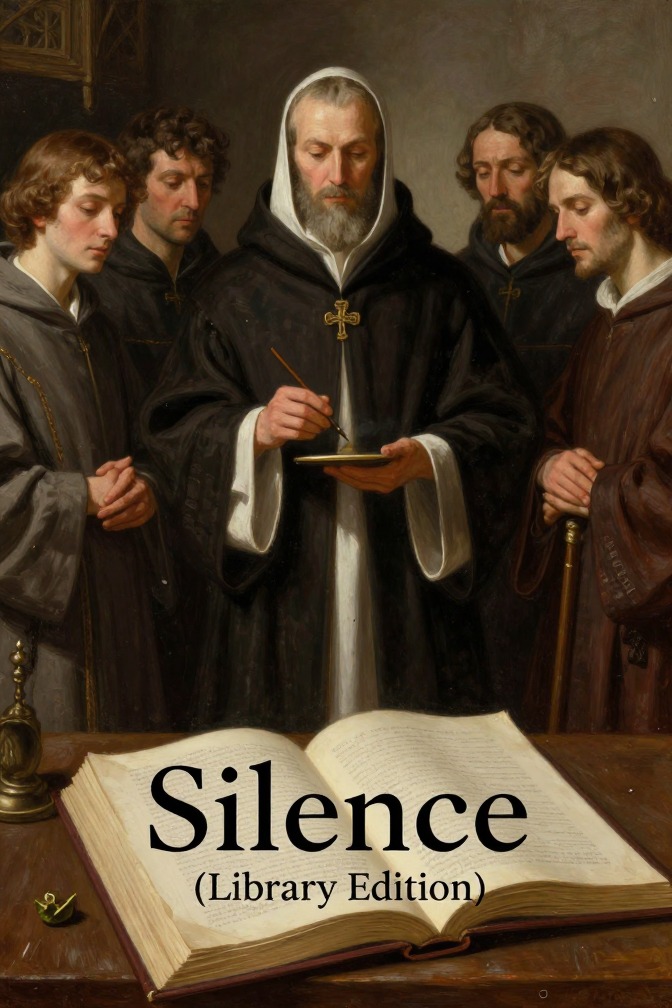
The Order of Saint Augustine (Augustinians) is a Catholic religious order that participated in the Japanese mission during the 'Christian century,' contributing missionaries who were captured, tortured, and martyred alongside members of other orders, and whose presence is referenced in the novel as part of the broader missionary effort that ultimately failed to take root in Japan.
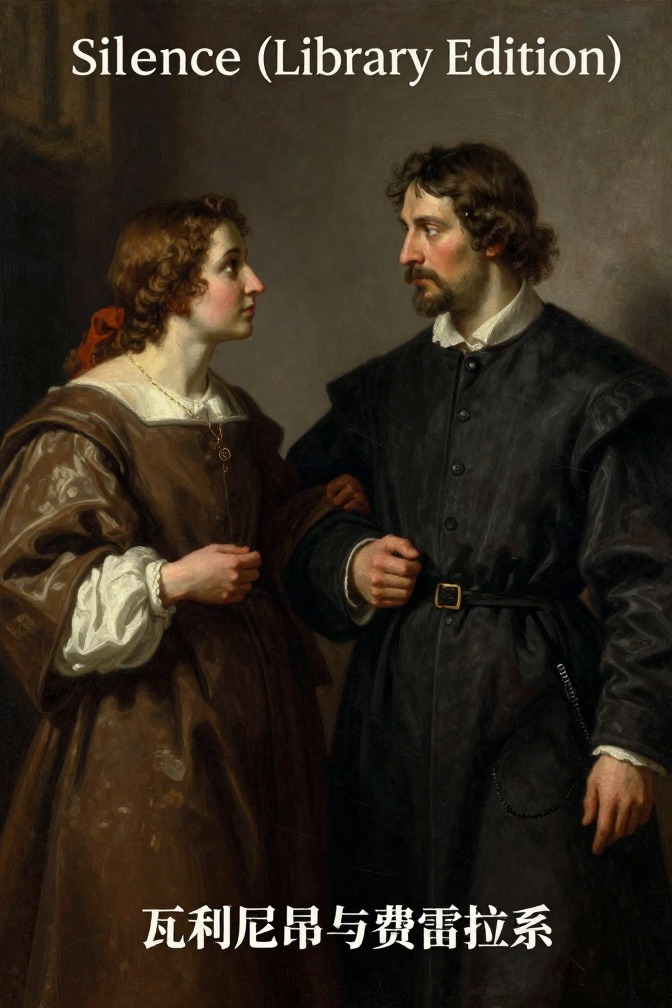
The Valignano-Ferreira relationship is a central offstage relationship in Silence, defined by Valignano's role as Ferreira's superior in Macao, his gradual loss of contact with Ferreira after 1633, and his guarded, reluctant disclosure of the rumors of Ferreira's apostasy to the younger missionaries Rodrigues and Garrpe. This relationship frames the novel's central mystery and embodies the crisis of authority and communication within the Japanese mission.
The relationship between Sebastian Rodrigues and Inoue, the Lord of Chikugo, is the central adversarial dynamic of the novel, embodying the clash between Western Christian faith and Japanese political power. Inoue, a former Christian himself, uses psychological cunning, philosophical argument, and the suffering of Japanese peasants to break Rodrigues, ultimately defeating him not through physical torture but by forcing him to confront the 'swamp of Japan' that he claims makes Christianity impossible.
The relationship between Sebastian Rodrigues and Juan, a one-eyed Christian peasant, is a brief but intense encounter that encapsulates the sacrificial dynamic of the mission: Juan, like other Japanese Christians, gives his life for his faith while Rodrigues, the priest meant to serve him, is forced to witness his death, deepening the priest's crisis of faith and his sense of complicity in the suffering of the weak.
The Garrpe-Monica relationship is a brief but decisive bond between the Portuguese missionary Francisco Garrpe and a Japanese Christian woman named Monica, defined by Garrpe's ultimate sacrifice in a failed attempt to save her life during a mass execution by drowning.
The relationship between Sebastian Rodrigues and Mokichi, a young Christian peasant of Tomogi, is one of the deepest bonds the priest forms in Japan, defined by Mokichi's unwavering faith, his role as a guide and protector, and his ultimate martyrdom, which shatters Rodrigues' romanticized vision of martyrdom and forces him to confront the silence of God.
The Rodrigues-Garrpe relationship is the central fraternal bond of the novel, a partnership of shared vocation, mutual support, and eventual separation that defines the moral and emotional trajectory of the mission to Japan. Their friendship, forged in seminary and tested by persecution, ultimately fractures under the weight of divergent fates, with Garrpe's heroic death and Rodrigues's apostasy marking the two poles of Christian witness in the novel.
The relationship between Sebastian Rodrigues and Monica, a Japanese Christian peasant woman, is defined by her acts of humble generosity, her steadfast faith in the face of persecution, and her tragic death, which becomes a profound source of guilt and spiritual crisis for Rodrigues.
The Year of the Cock marks the final year of Sebastian Rodrigues' life, the year in which he died after more than three decades of confinement in the Christian Residence in Edo, having lived under the Japanese name Okada San'emon since his apostasy.
February 1597 marks the first large-scale execution of Christians in Japan, when twenty-six missionaries and converts were crucified at Nishizaka in Nagasaki, an event that inaugurated a systematic persecution and became a foundational martyrdom in the novel *Silence*.
1635 is the year in which four priests gathered around Father Rubino in Rome to plan a secret mission to Japan, aiming to atone for the apostasy of Christovao Ferreira and to continue underground missionary work in a country where Christianity was being systematically persecuted.
The year 1637 marks the pivotal moment when the three young Portuguese priests—Sebastian Rodrigues, Francisco Garrpe, and Juan de Santa Marta—finally receive permission from their Superiors to embark on a dangerous secret mission to Japan, driven by the need to investigate the rumored apostasy of their revered teacher Christovao Ferreira and to minister to the persecuted Christians there.
November 1644 marks a period of routine commercial activity and heightened religious surveillance in Nagasaki, as recorded in the diary of Jonassen, a clerk at the Dutch firm on Dejima. The month is characterized by the arrival and departure of Chinese junks, the ongoing investigation into Christian imagery discovered in a citizen's house, and the active role of the apostate priests Sawano Chuan (Christovao Ferreira) and Okada San'emon (Sebastian Rodrigues) in assisting the magistrate's office with identifying forbidden Christian objects. This period also sees the execution of a man and his wife for their faith, a grim event witnessed by the apostate priests.
The Year of the Ram marks the period, approximately thirty years before the death of Okada San'emon (the former Sebastian Rodrigues), when he was first placed under the charge of Inoue, the Lord of Chikugo, after his apostasy and the beginning of his life in the Christian Residence in Edo.
The hour of the Monkey (3–5 PM) is the time of day recorded for the death of Okada San'emon, the Japanese name taken by the apostate priest Sebastian Rodrigues, marking the end of his long life in captivity and the final silence of his story.
September marks a period of profound psychological and spiritual crisis for Sebastian Rodrigues, as he is brought to a meeting with the apostate Christovao Ferreira at the temple Saishoji, an encounter that shatters his remaining certainties and directly precipitates his own apostasy.
The Feast of Saint James, July 25, marks the day in 1638 when the ship Santa Isabella, carrying Sebastian Rodrigues, Francisco Garrpe, and Juan de Santa Marta, rounded the Cape of Good Hope during their perilous voyage from Lisbon to Japan.
The Twelfth Year of Kanbun (1672) is the Japanese era year in which the novel's appendix records the final documented state of the Christian Residence in Edo, including the ration allowances, the list of relatives and visitors of the apostate priest Okada San'emon (formerly Sebastian Rodrigues), and the administrative framework that confined him until his death.
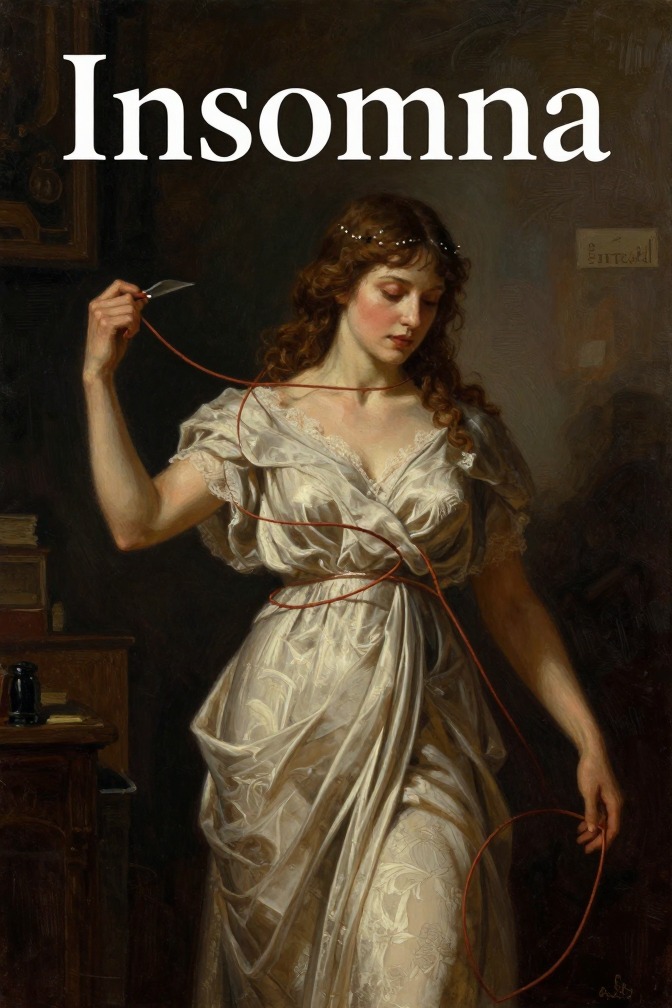
Atropos, the rogue agent of the Random, murders the stray dog Rosalie by severing her life-cord (balloon-string) with a rusty scalpel, an act that Ralph Roberts and Lois Chasse witness from a park bench in Strawford Park, marking a decisive escalation in their confrontation with the supernatural forces that have invaded Derry.
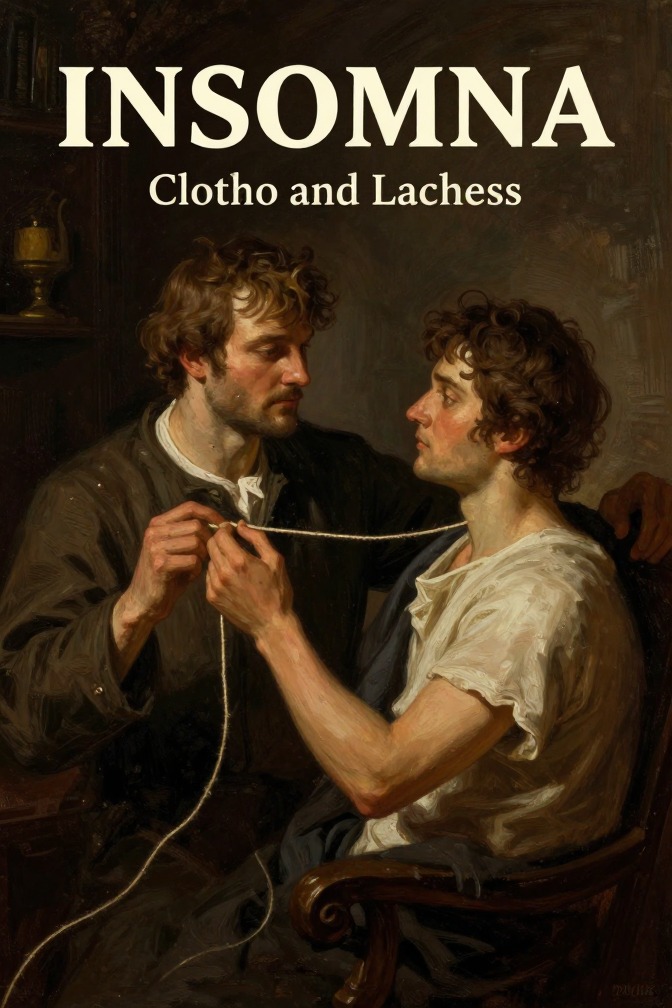
Clotho and Lachesis, the two little bald doctors who serve the Purpose, perform a ritual death on Jimmy Vandermeer in Room 315 of Derry Home Hospital, cutting his life-cord with scissors and kissing his forehead, an act that reveals them as physicians of last resort who release the dying with love and respect.
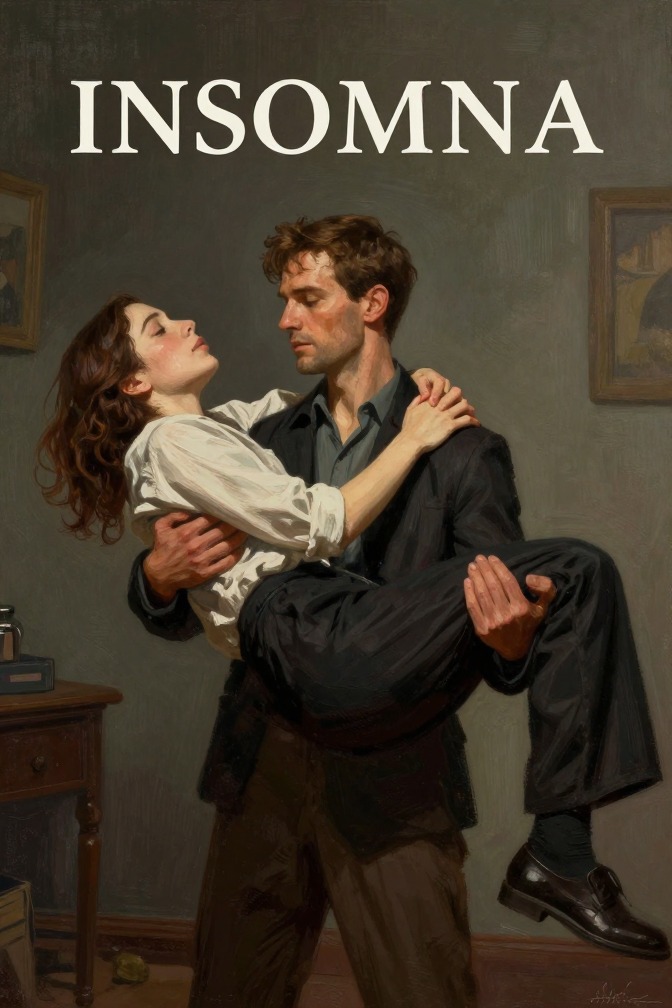
Ralph carries Carolyn after her seizure, a moment that crystallizes his grief and the ticking of the deathwatch.
Atropos, also known as Doc #3, is a rogue agent of the Random, a malevolent and insane little bald doctor who serves the Crimson King. Unlike his counterparts Clotho and Lachesis, who cut life-cords with love and purpose, Atropos kills for pleasure, collecting souvenirs from his victims and acting as a chaotic force that threatens the balance of existence. He is the primary antagonist who manipulates Ed Deepneau and directly causes the deaths of Bill McGovern and the dog Rosalie, ultimately forcing Ralph Roberts into a fatal sacrifice.
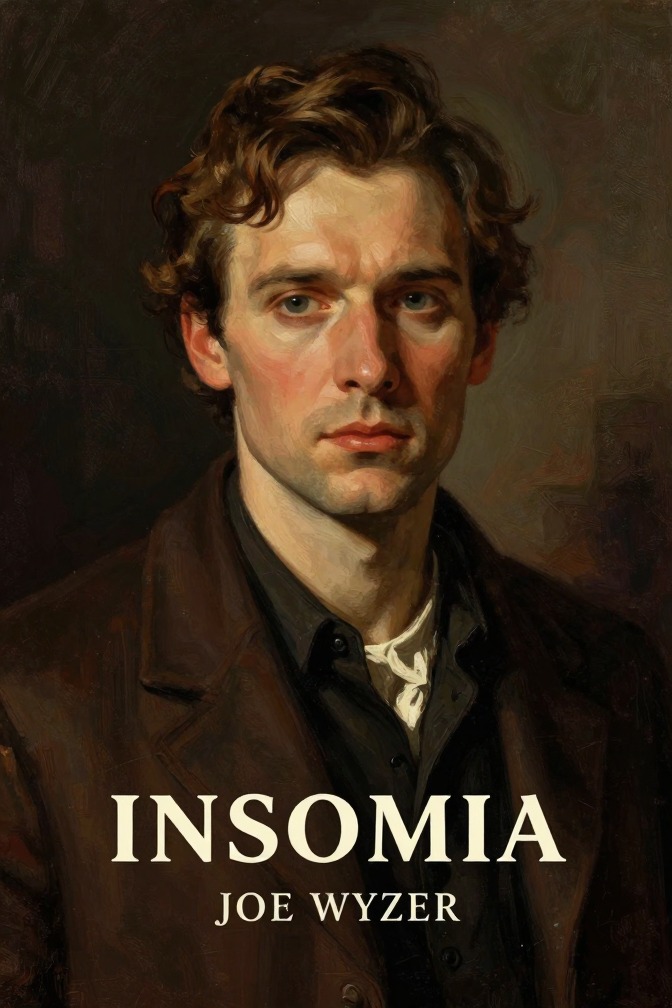
Joe Wyzer is the Rite Aid pharmacist who becomes Ralph Roberts's crucial ally during his insomnia crisis, introducing him to the concept of hyper-reality and connecting him with alternative treatments. His role expands from a friendly neighborhood druggist to a key figure in the supernatural events surrounding the abortion protests, as his pocket comb becomes one of Atropos's souvenirs and he later serves as Dorrance Marstellar's chauffeur, driving Ralph and Lois toward their final confrontation.
Lois Chasse is a sixty-eight-year-old widow living on Harris Avenue in Derry, Maine, who becomes Ralph Roberts's romantic partner and co-protagonist in the supernatural conflict surrounding Ed Deepneau. Initially presented as a cheerful, slightly gossipy neighbor whom Bill McGovern condescendingly calls 'Our Lois,' she reveals hidden depths of courage, loyalty, and perceptual sensitivity. As she and Ralph develop a deepening bond, Lois discovers she shares his ability to see auras and perceive the hidden world of the 'little bald doctors,' and she proves herself a formidable ally—shooting Atropos with a telekinetic bolt from her finger, helping to rescue women from the burning High Ridge shelter, and ultimately supporting Ralph's fatal sacrifice to save Natalie Deepneau. Her transformation from a lonely, self-doubting widow into a decisive, loving partner is one of the novel's central emotional arcs.
Ralph Roberts, a seventy-year-old widower from Derry, Maine, is the protagonist of Stephen King's novel *Insomnia*. His journey from a grieving, sleep-deprived retiree to a sacrificial hero forms the core of the narrative. After his wife Carolyn's death, Ralph's severe insomnia grants him the ability to perceive auras and supernatural entities, drawing him into a cosmic conflict between the forces of Purpose and Random. His courage and moral clarity ultimately lead him to sacrifice his own life to save a young girl, Natalie Deepneau, from a vengeful entity.
Susan Day is a prominent feminist author, political activist, and co-founder of the organization Sisters in Arms, whose planned speech in Derry becomes the focal point of violent conflict between pro-choice and pro-life factions, ultimately drawing Ralph Roberts and Lois Chasse into a supernatural struggle to prevent a mass-casualty event.
Ka is a central concept in Stephen King's *Insomnia*, representing a cosmic force of destiny, purpose, and interconnectedness that governs the lives of all beings, particularly those bound together as 'ka-tet'.
The death of Jimmy Vandermeer, an old friend and traveling companion of Ralph Roberts, is a pivotal event that demonstrates the compassionate work of the supernatural beings Clotho and Lachesis, who sever the life-cords of the dying as a purposeful act of release, and it deepens Ralph's understanding of the hidden world of auras and the forces of life and death.