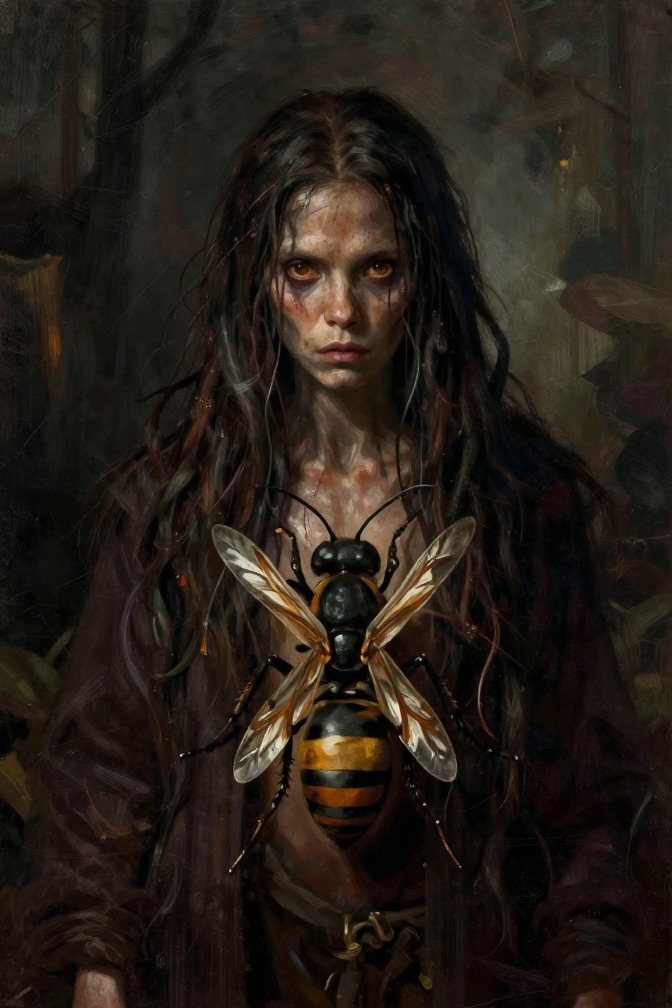
The wasps at the Overlook Hotel are a recurring physical and symbolic threat, first appearing as a dormant nest in the roof that Jack Torrance disturbs, then re-emerging in a terrifying second attack that stings Danny Torrance multiple times and exposes the hotel's growing malevolence. They function as a tangible manifestation of the hotel's capacity for harm, a symbol of Jack's uncontrollable temper and the destructive forces he carries within himself, and a direct link to the supernatural power of the Overlook, which seems to animate them beyond natural law.
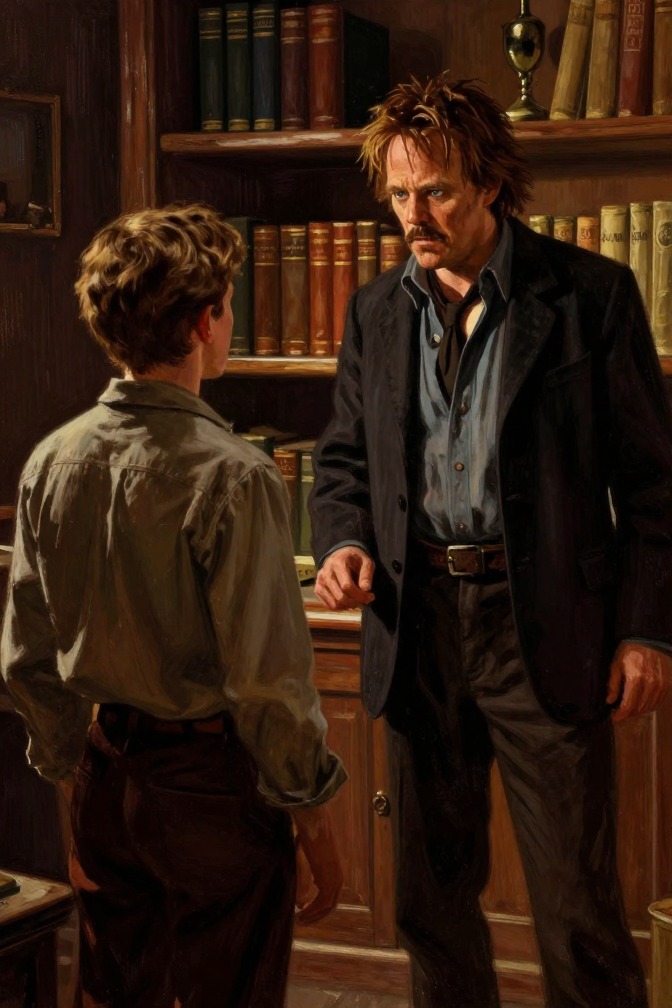
Danny Torrance confronts the hotel-possessed Jack on the third floor of the Overlook Hotel, using psychological insight and a desperate trick about the neglected boiler to break the entity's hold and trigger the final crisis.
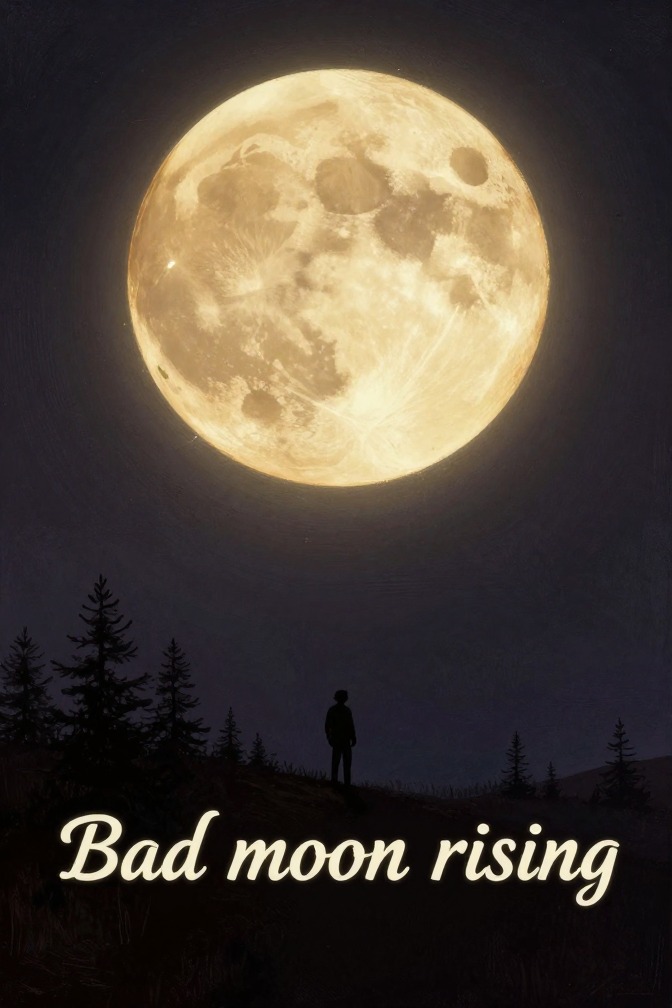
The song "Bad Moon Rising" by Creedence Clearwater Revival appears diegetically on the hotel truck's radio as Wendy and Danny drive down to Sidewinder, and its lyrics about trouble on the way become a direct, ironic foreshadowing of the escalating supernatural and psychological horrors that will soon engulf the Torrance family at the Overlook Hotel.
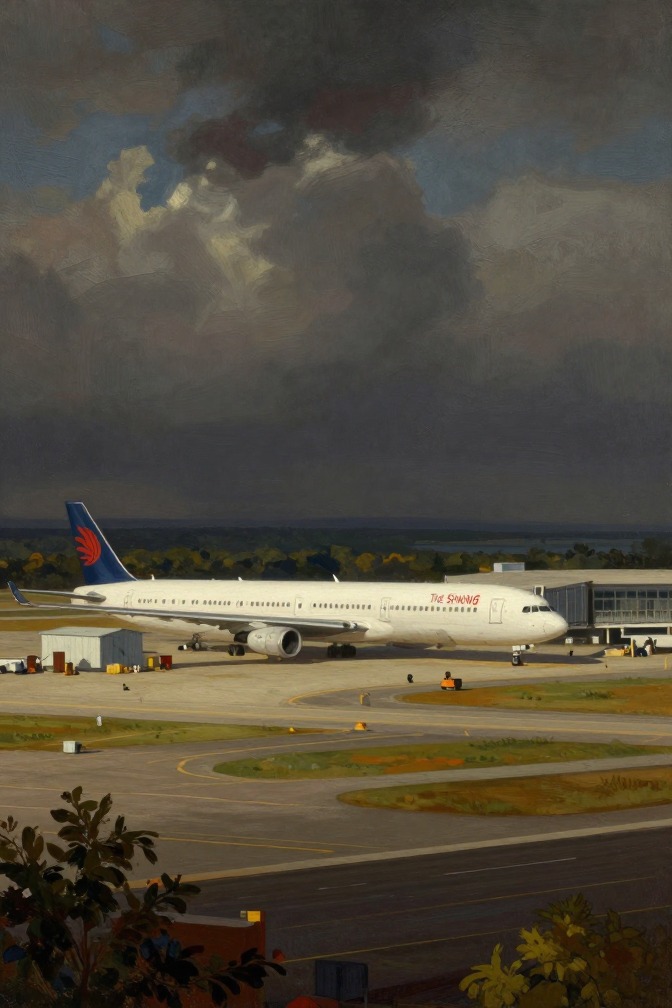
Stapleton International Airport in Denver serves as the critical transit point for Dick Hallorann's desperate journey to rescue the Torrance family from the Overlook Hotel, marking the intersection of his psychic call for help with the practical logistics of a cross-country rescue during a historic blizzard.
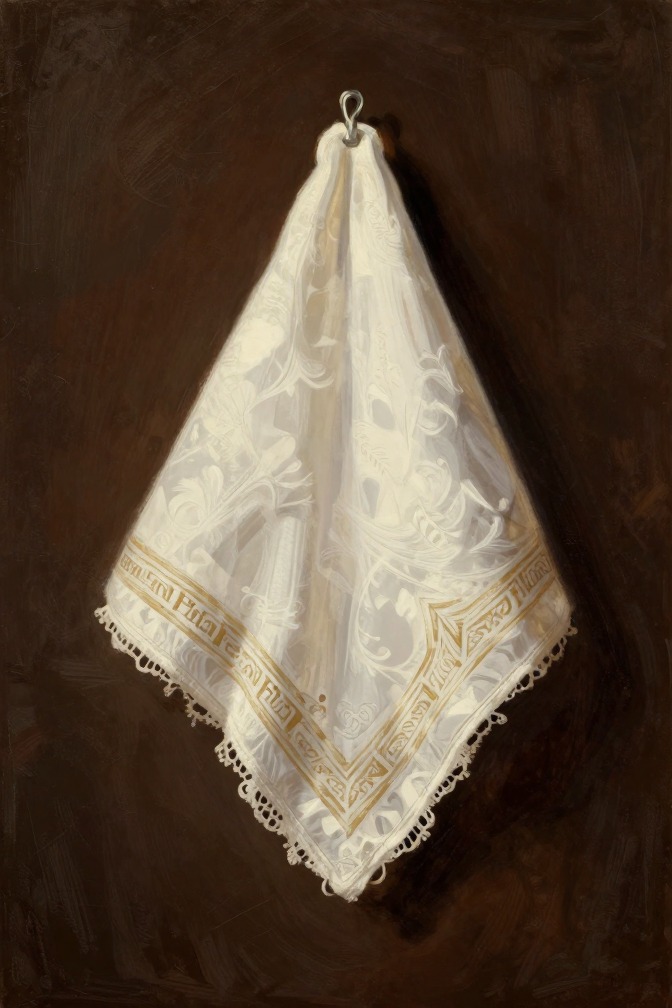
Jack Torrance's handkerchief is a recurring object in The Shining that functions as a physical marker of his psychological deterioration, appearing at moments of intense stress, suppressed craving, and emotional crisis throughout the novel.
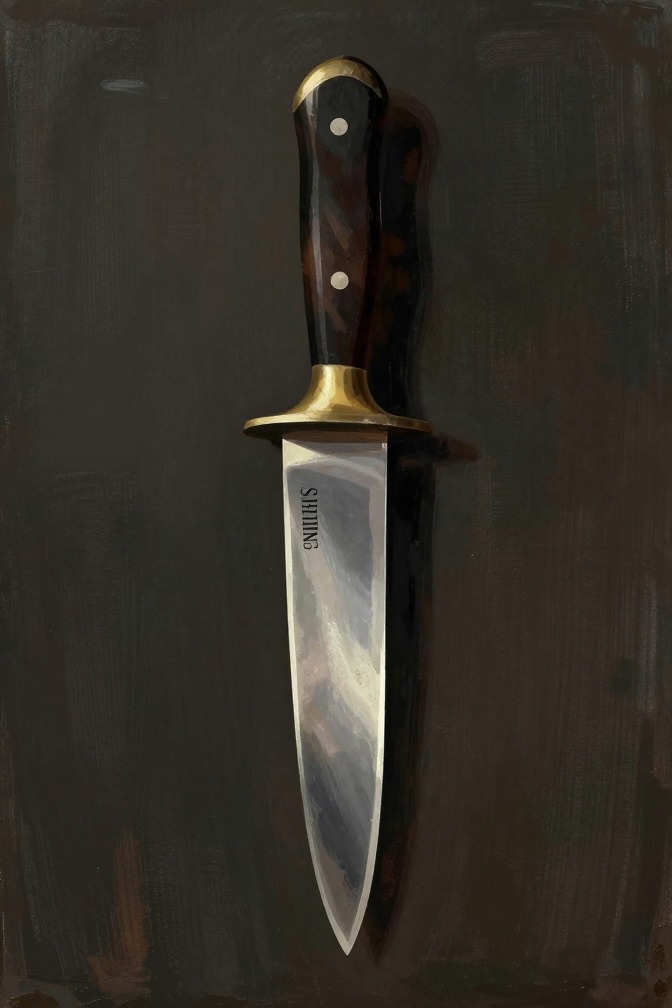
The kitchen knife is a domestic object that transforms into a weapon of survival when Wendy Torrance uses it to stab Jack Torrance in the back, ending his murderous attack and marking the final rupture of the family.
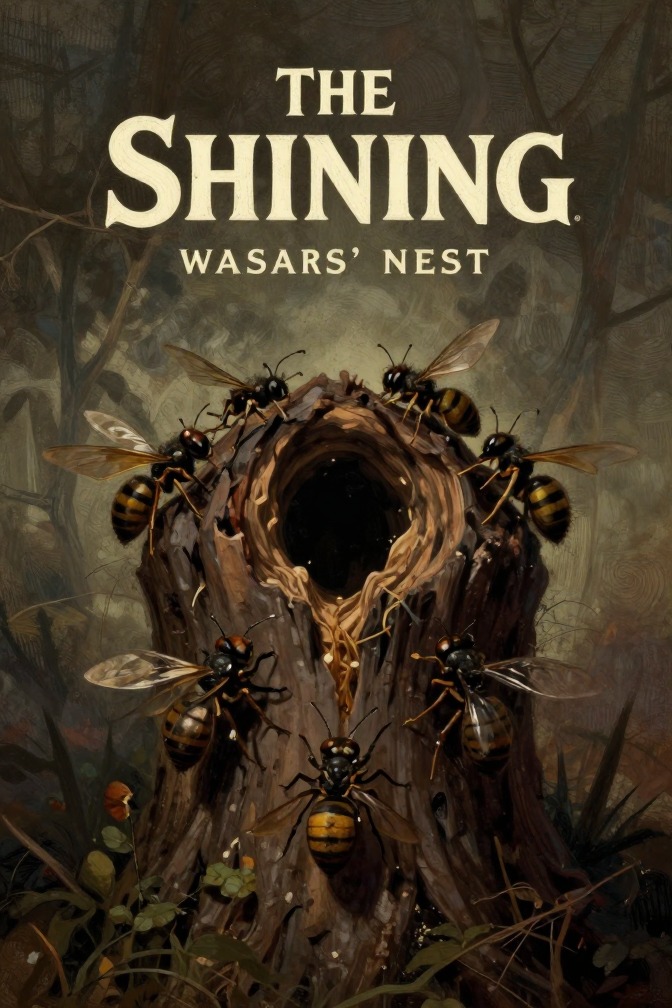
The wasps' nest is a recurring object and symbol in Stephen King's The Shining, first appearing as a physical hazard on the Overlook Hotel's roof and later as a source of supernatural horror when wasps that should have been killed by a bug bomb mysteriously return to attack Danny Torrance in his bed. The nest functions as a tangible manifestation of the hotel's malevolent influence, a symbol of Jack Torrance's own destructive impulses, and a key element in the escalating terror that isolates the family.
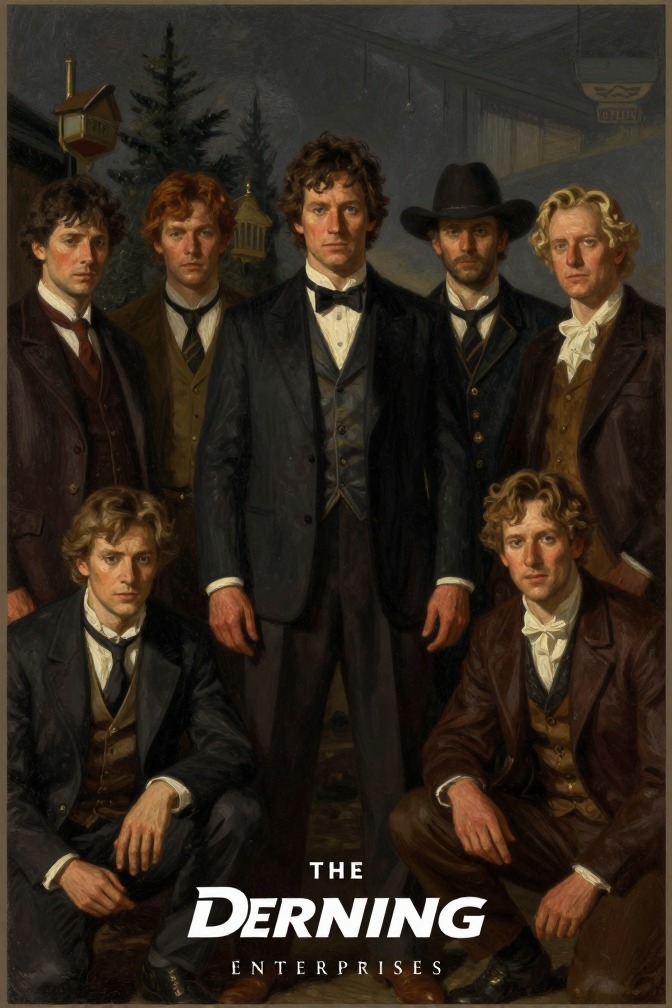
Derwent Enterprises is the monolithic conglomerate founded by Horace Derwent, a mysterious and ruthless millionaire whose ownership of the Overlook Hotel during the post-World War II era transformed it into a showplace while simultaneously entangling it with organized crime, scandal, and a legacy of violence that persists long after his formal departure.
The Organization is the shadowy criminal syndicate, often referred to as the Mafia or the Mob, that infiltrated the Overlook Hotel during the mid-1960s, transforming it from a legitimate resort into a key club for underworld figures and a site for money laundering, ultimately leading to a gangland murder that sealed the hotel's notorious reputation.
The relationship between Jack Torrance and Stuart Ullman is defined by mutual contempt, professional necessity, and a power imbalance that Jack bitterly resents. From their first interview, Ullman treats Jack with condescension and suspicion, openly stating he would not have hired him if given a free hand, while Jack privately seethes with hostility. Their dynamic escalates when Jack, after discovering the Overlook's sordid history in a basement scrapbook, telephones Ullman in Florida to confront him about the hotel's past, leading to a screaming argument that nearly costs Jack his job. Ullman's authority is ultimately checked by Al Shockley, the board member who secured Jack the position, but the relationship remains one of enforced tolerance rather than any genuine respect.
The Attic Prohibition is a rule established by Stuart Ullman and enforced by Jack Torrance that forbids Danny Torrance from entering the attic of the Overlook Hotel, a space designated for storing bric-a-brac and laying rattraps and poison bait against rats. The prohibition reflects the hotel management's concern for the boy's safety and becomes a point of tension as the Overlook's malevolent influence grows, ultimately contributing to the isolation and danger faced by the Torrance family during the winter.
The Heating Rotation Rule is a practical procedure mandated by Stuart Ullman for the Overlook Hotel's winter caretaker, requiring Jack Torrance to heat the hotel's three wings—west, central, and east—on a strict daily rotation to prevent freeze damage and manage the aging boiler's pressure.
The Return Date Rule is a strict administrative directive enforced by Stuart Ullman, the Overlook Hotel's manager, that governs the precise date on which seasonal staff and contractors must return to the hotel after the winter closure. It embodies Ullman's obsessive, bureaucratic control over every aspect of the hotel's operation and his deep-seated anxiety about the property's vulnerability during the harsh off-season.
The Great Depression is a historical period referenced in the backstory of the Overlook Hotel, marking a time when the hotel was closed for a decade and its ownership changed hands amid financial ruin, contributing to the hotel's accumulation of tragic history and decay.
Yozo's decision to marry Yoshiko represents a desperate, impulsive attempt to grasp at normal human happiness through the perceived purity of a virgin, a gamble that briefly lifts his spirits but ultimately leads to catastrophic suffering when her trustfulness is violated.
The First Morphine Injection marks a decisive turning point in Yozo's descent, when the pharmacist woman offers him morphine as a substitute for alcohol, and he eagerly injects it, believing it to be a harmless energy-builder. This single act replaces one addiction with another far more destructive, accelerates his physical and moral collapse, and seals his fate as a drug addict, leading directly to his institutionalization.
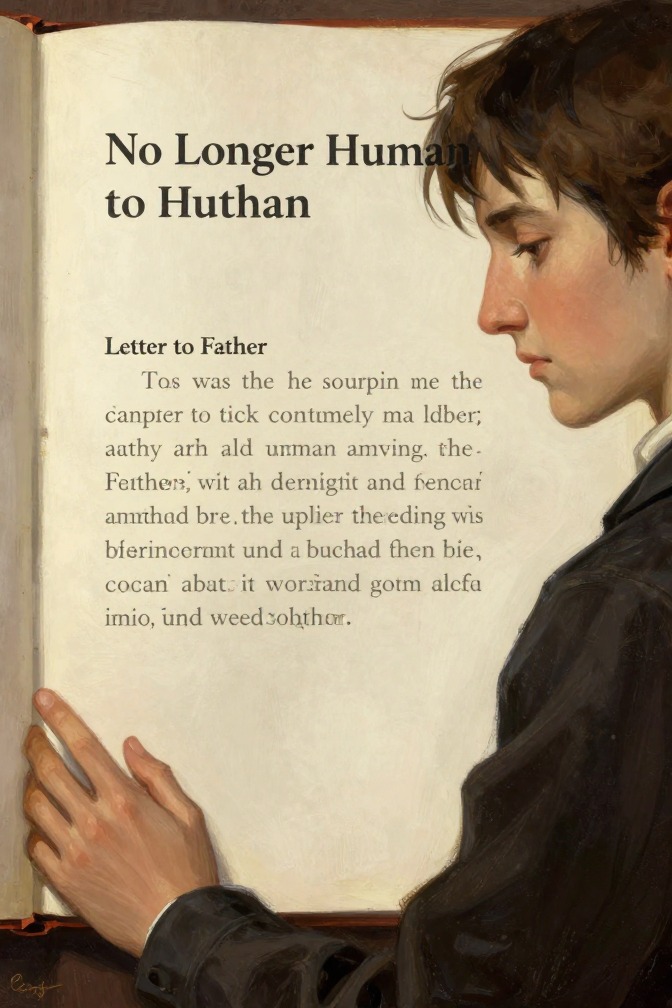
The Letter to Father is Yozo's final, desperate attempt to escape his morphine addiction and the inferno of his life by confessing his circumstances fully and accurately to his father, a gamble that fails when no answer comes, deepening his despair and accelerating his self-destruction.
The Lion Mask Incident is a pivotal childhood event in which Yozo, unable to express his true wishes to his father, secretly writes 'Lion Mask' in his father's notebook to restore his father's good humor, revealing the deep-seated fear, compulsive people-pleasing, and performative clowning that define his lifelong alienation.
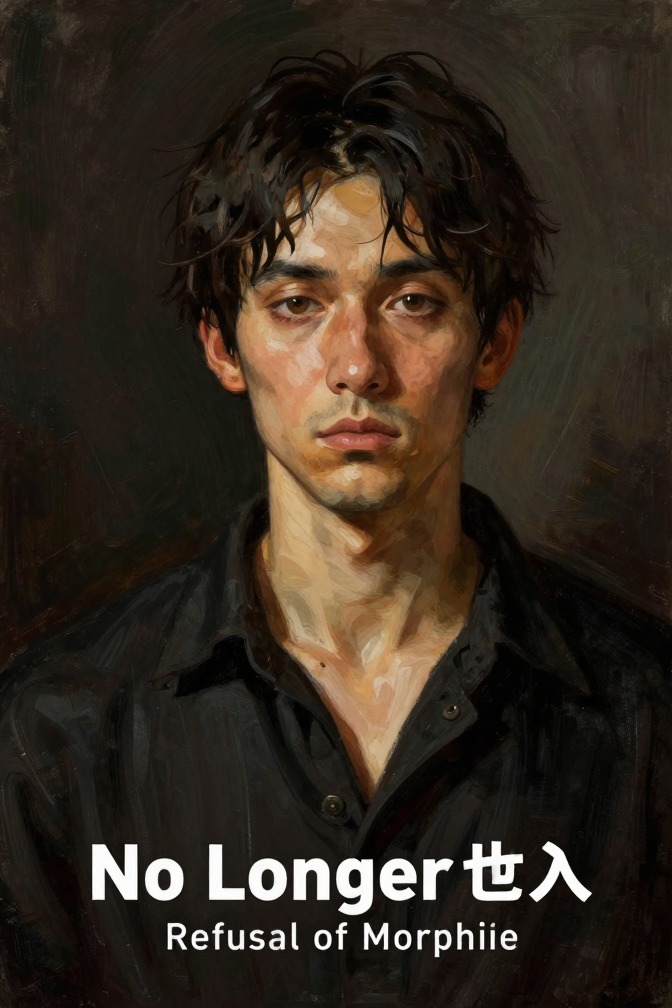
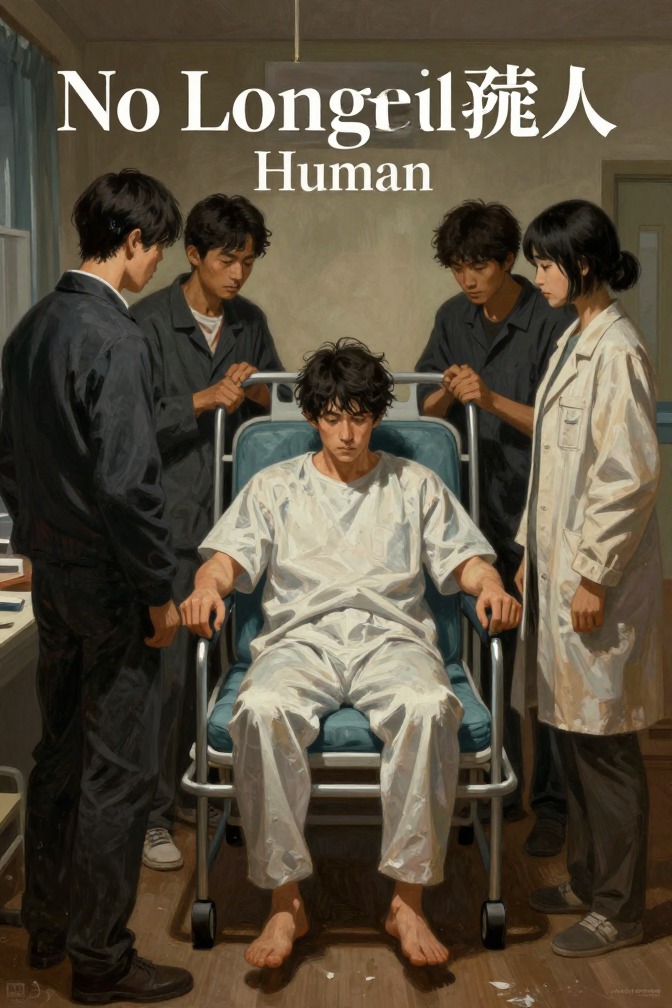
The Refusal of Morphine is the pivotal moment in Yozo's life when, upon being admitted to a mental hospital, he spontaneously declines the morphine he had desperately craved, an act that marks his first genuine refusal and signals his final surrender to the label of being disqualified as a human being.
Flatfish is a middle-aged antique dealer and a henchman of Yozo's father who becomes Yozo's reluctant guardian after the Kamakura suicide attempt, embodying the petty, self-important, and evasive side of the society that Yozo finds incomprehensible. His cautious, indirect manner of communication and his theatrical airs of importance directly contribute to Yozo's decision to run away, setting in motion a chain of events that deepens Yozo's alienation. Flatfish's transformation from a familiar, almost servile figure in Yozo's childhood to a stern, contemptuous jailer in adulthood illustrates the theme of human beings' capacity for sudden, inexplicable change, and his final appearance, escorting Yozo to a mental hospital, marks the completion of Yozo's social death.
The Landlord's daughter is a minor but persistent figure in Yozo's life during his college years, representing the suffocating, unreciprocated affection that he cannot escape and that contributes to his growing despair.
The Madam of the Kyobashi bar is a minor but pivotal character in Yozo's life, serving as a stable, pragmatic, and compassionate figure who provides him with shelter, employment, and emotional support during his most degraded period, and who ultimately preserves his notebooks and testifies to his essential goodness.
Shigeko is the five-year-old daughter of Shizuko, the woman journalist who becomes Yozo's keeper after his suicide attempt. She is the only character in the novel who offers Yozo a relationship of pure, uncomplicated affection, calling him 'Daddy' and trusting him completely. Her innocent presence provides a brief period of domestic happiness for Yozo, but her simple wish for her real father back reveals the impossibility of his ever truly belonging to a family, and her eventual fear of him marks the final collapse of his ability to connect with another human being.
Shizuko is the magazine journalist who becomes Yozo's first kept woman after his suicide attempt and flight from Flatfish, providing him with shelter, work, and a semblance of domestic stability that he ultimately abandons.
Yozo's elder brother is the family member who, after their father's death, takes responsibility for Yozo's future, arranging his release from a mental hospital and securing him a secluded life in the countryside, thereby acting as the final, distant authority that enforces Yozo's exile from society.
Yozo's father is a wealthy, powerful, and emotionally distant figure whose presence looms over Yozo's life as a source of fear, authority, and unattainable approval, and whose death marks the final collapse of Yozo's connection to the human world.
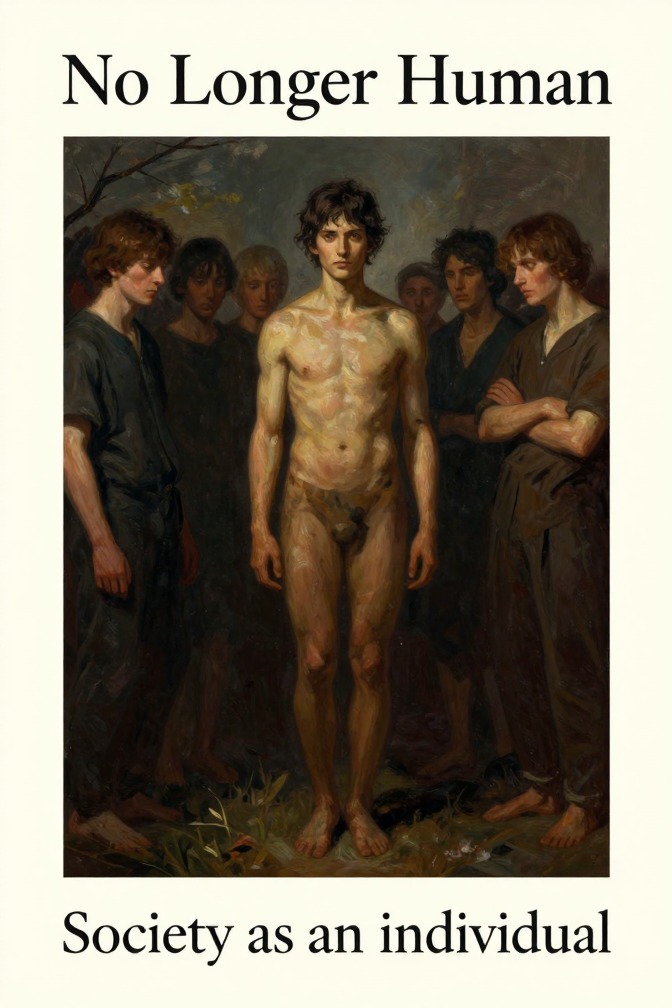
Society as an individual is a philosophical conviction that Yozo develops in No Longer Human, which redefines the abstract, terrifying force of 'society' as nothing more than a single human being. This insight allows him to act with greater self-will and less paralyzing fear, but it also exposes the bottomless horror of individual human relations and ultimately fails to save him from despair.
The antonym game is a private word game invented by Yozo and played with Masao Horiki on a summer night on the roof of Yozo's apartment, which serves as a coded expression of their mutual contempt and a vehicle for Yozo's deepening philosophical crisis about crime, punishment, and the nature of human society.
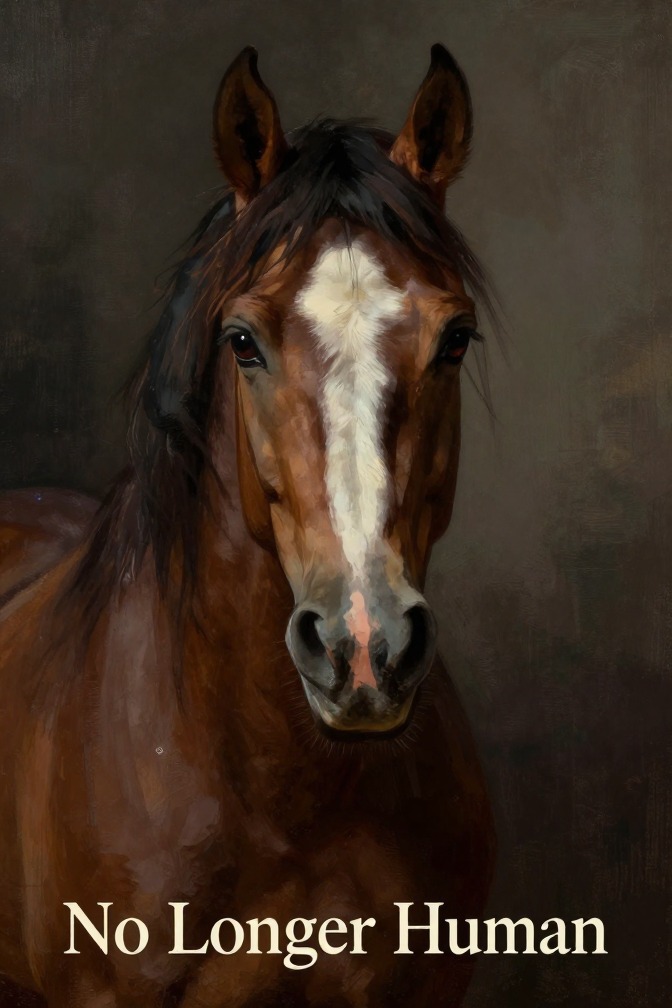
The horse appears in No Longer Human as a recurring image of monstrous otherness, first introduced when Takeichi compares a Modigliani nude to "a horse out of hell," then adopted by Yozo as a symbol for the kind of terrifying, ghostly art he aspires to create. Later, the horse's head attached to a human body in the prologue's third photograph becomes the ultimate emblem of Yozo's dehumanization, and the word "horse" itself echoes through the novel's final scenes of institutionalization and loss of identity.
Yozo is forcibly committed to a mental hospital after his morphine addiction and suicide attempt are discovered, an event that crystallizes his final transformation from a social outcast into a legally certified madman and completes his disqualification as a human being.