New Year in No Longer Human is not a festive occasion but a recurring marker of crisis, shame, and failed renewal. The two New Year references in Yozo's notebooks frame his two suicide attempts: the first, a love suicide with Tsuneko at Kamakura, occurs at the end of the year; the second, an overdose of Dial sleeping pills, also happens at the end of the year. Both times Yozo's actions disrupt the family's seasonal obligations, and both times he is rescued against his will, deepening his conviction that he is disqualified from human life. The holiday thus becomes a structural hinge in the narrative, a moment when the gap between social expectation and Yozo's inner desolation is most painfully exposed.
The boy's decision to go with the good guys marks the novel's final act of survival and hope, transforming him from a dependent child into the carrier of the fire. After his father's death, the boy, alone and grieving, chooses to trust a stranger who claims to be one of the good guys, thereby ensuring the continuation of the moral legacy his father instilled in him.
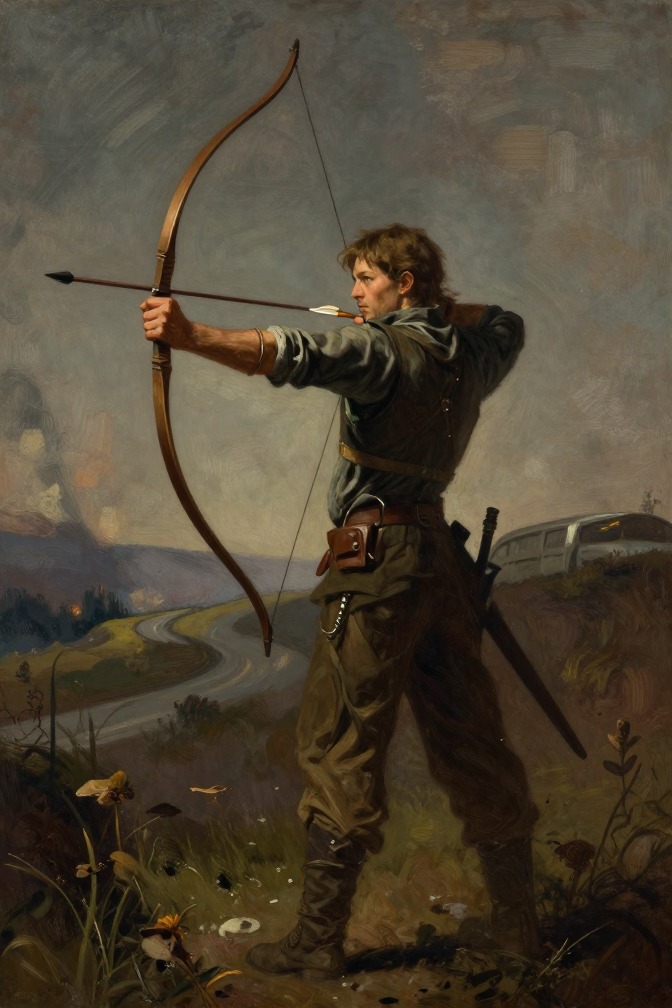
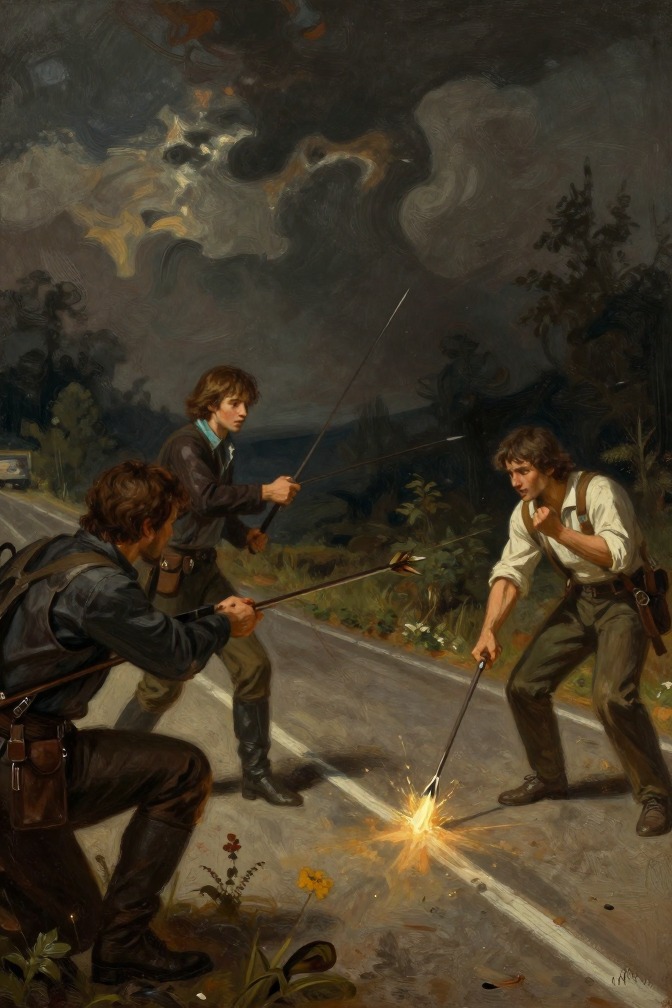
The archer is an unnamed assailant who ambushes the man and the boy from a window in a coastal town, wounding the man with an arrow and prompting a violent response with the flare gun. This event marks a rare instance of direct, armed conflict in the novel and underscores the constant threat of violence in the post-apocalyptic world.
The ash is the omnipresent, gray residue of a burned world in Cormac McCarthy's The Road, serving as both the physical aftermath of an unspecified catastrophe and the central symbol of the novel's desolation, the erasure of memory, and the slow violence of ecological collapse.
The boy's choice is the climactic moral and existential decision of Cormac McCarthy's The Road, where the orphaned boy, after his father's death, must decide whether to trust a stranger who claims to be one of the good guys. This choice represents the culmination of the boy's ethical development throughout the novel, as he moves from dependence on his father to independent moral agency, ultimately reaffirming the values of compassion, hope, and the carrying of the fire.
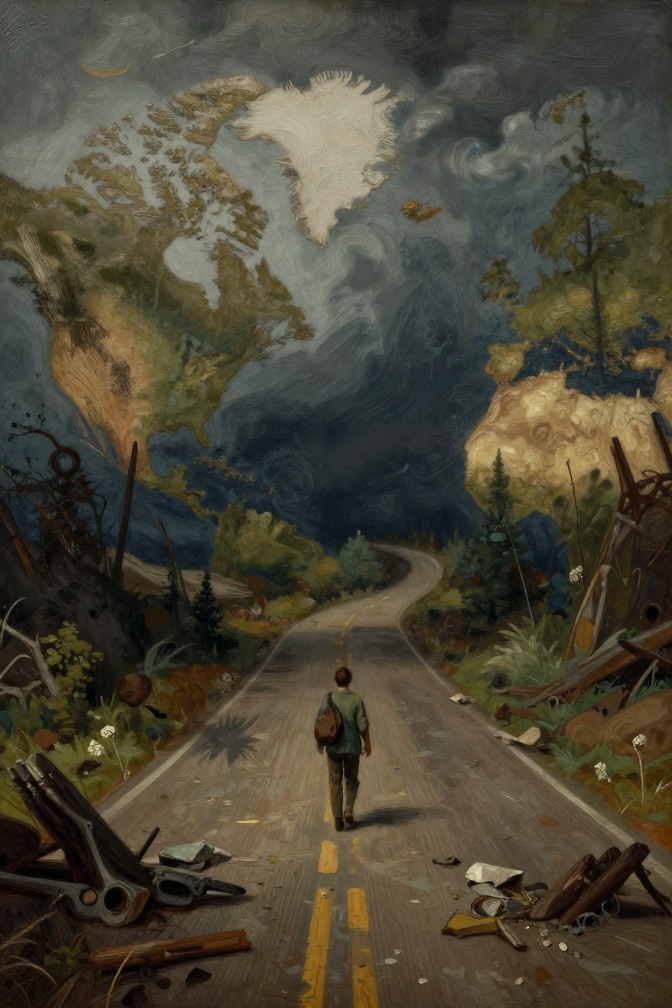
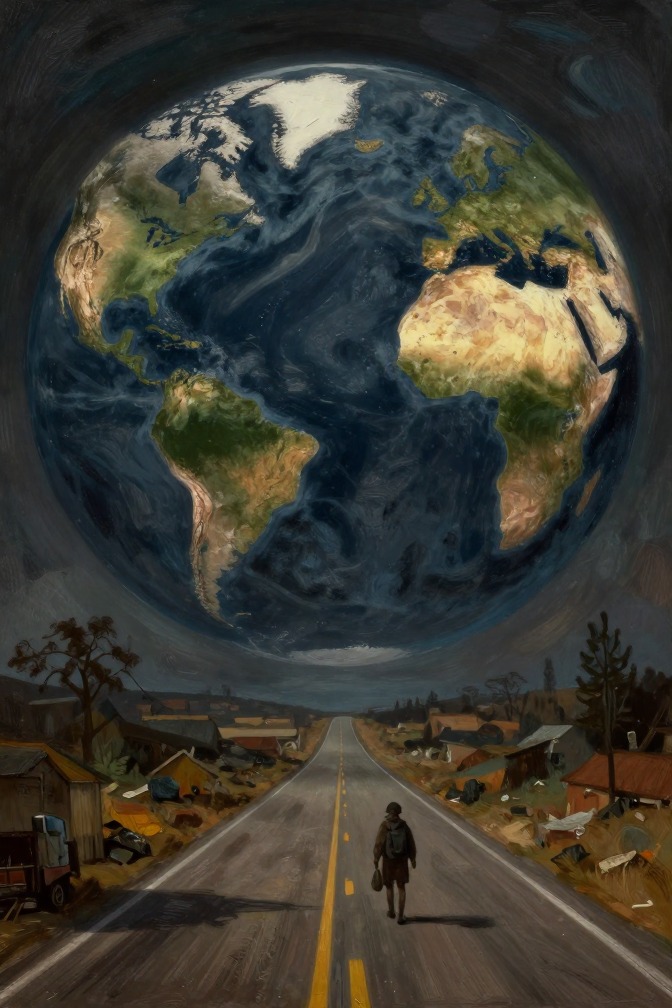
The condition of the world in Cormac McCarthy's *The Road* is a post-apocalyptic landscape of utter desolation, where civilization has collapsed, nature is dead or dying, and the few remaining humans are reduced to a brutal, scavenging existence. The world is characterized by perpetual grayness, cold, ash, and silence, with the sun obscured and all living things—from trees to birds to people—either gone or transformed into grotesque remnants. This condition is not merely a backdrop but the central, inescapable reality that shapes every action, thought, and relationship, forcing the man and the boy to confront the frailty of existence, the loss of meaning, and the possibility of goodness in a world that seems to have none.
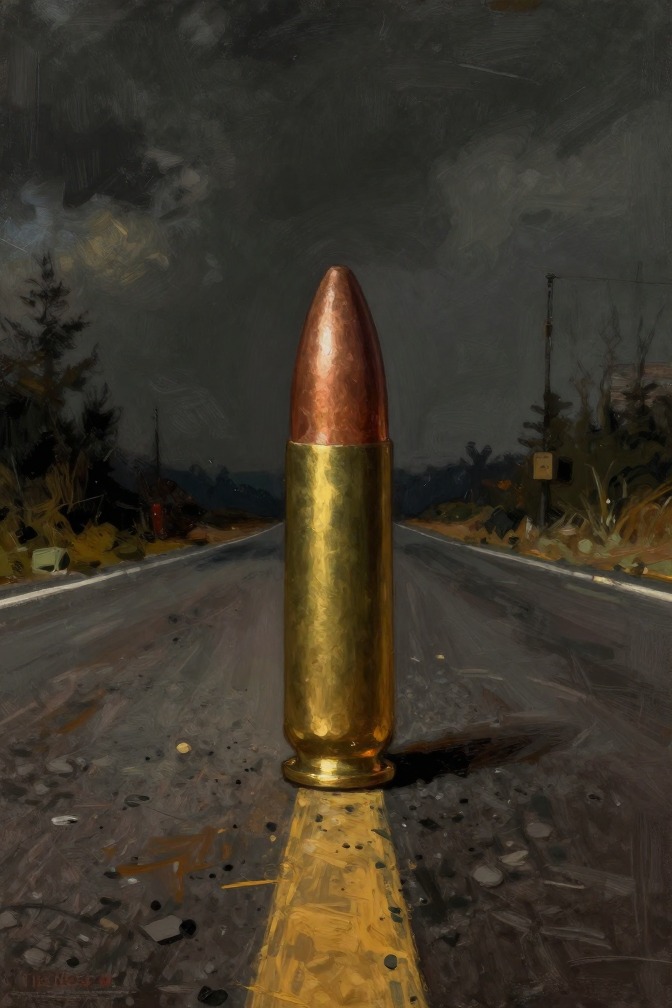
The last bullet is a recurring motif in Cormac McCarthy's The Road, representing the man's ultimate contingency plan to prevent the boy from being captured, tortured, or eaten by the marauding bands that roam the post-apocalyptic landscape. It is the physical embodiment of a promise—and a threat—that the man carries with him, a final act of mercy and violence that he is prepared to execute should the worst come to pass. The bullet's presence, its dwindling number, and the man's eventual inability to use it as planned form a central arc of tension and moral reckoning in the novel.
The old man Ely is a mysterious, nearly blind wanderer whom the man and the boy encounter on the road, a figure who embodies the moral and existential ambiguities of the post-apocalyptic world. He is a liar, a survivor, and a reluctant prophet, whose cynical philosophy and refusal to accept help or give thanks force the boy to confront the limits of his own compassion and the nature of goodness itself.
The world shrinking is a recurring conceptual motif in Cormac McCarthy's The Road, describing the progressive contraction of the man's cognitive and experiential universe as civilization collapses and memory fades. It manifests as a narrowing of attention to immediate survival, the loss of language and names, and the reduction of the world to a raw core of parsible entities.
In Cormac McCarthy's post-apocalyptic novel The Road, crows appear in a brief but resonant conversation between the man and the boy, serving as a measure of the world's emptiness and the boy's dawning comprehension of extinction. The exchange reveals that crows, like so much of the natural world, exist only in memory and in books, and it becomes a quiet meditation on loss, the limits of hope, and the boy's growing awareness that the world he inhabits is bereft of the life that once filled it.
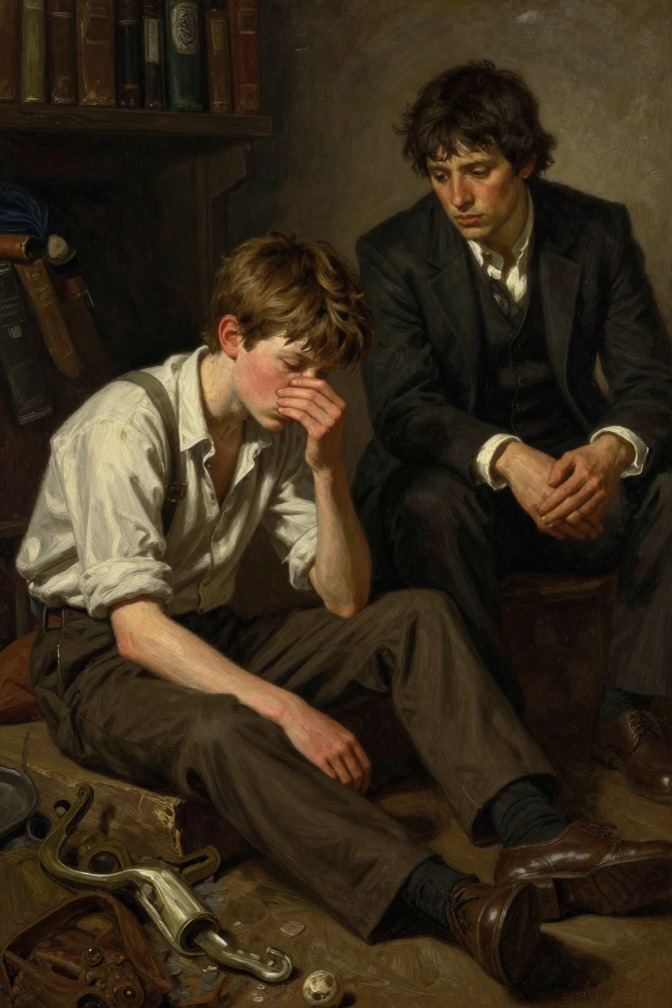
The boy falls gravely ill on the beach after the discovery of the shipwreck, and the man nurses him through a life-threatening fever, an ordeal that tests the limits of his devotion and forces him to confront the possibility of losing his son.
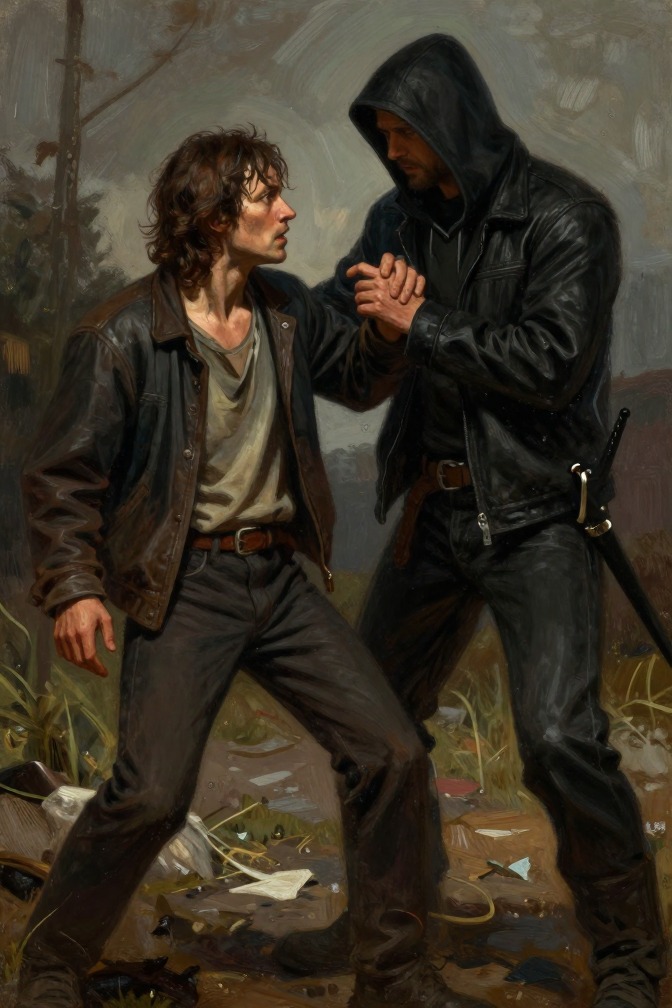
The man kills a roadagent who threatens the boy, a violent confrontation that tests the father's resolve and the boy's innocence.
The man is shot by an arrow while passing through a coastal town, forcing him to use the flare gun to drive off the attacker and then suture his own leg wound in a rear storeroom.
The thief steals the cart is a pivotal event in which the man and the boy, after days of feasting and recovery on the beach, return to their camp to find their grocery cart, blankets, food, water, and shoes all stolen by a desperate, starving man. The man tracks the thief, recovers the cart, and forces the thief to strip naked and leave his own clothes in the road, an act of retribution that deeply traumatizes the boy and exposes the moral chasm between survival and compassion.
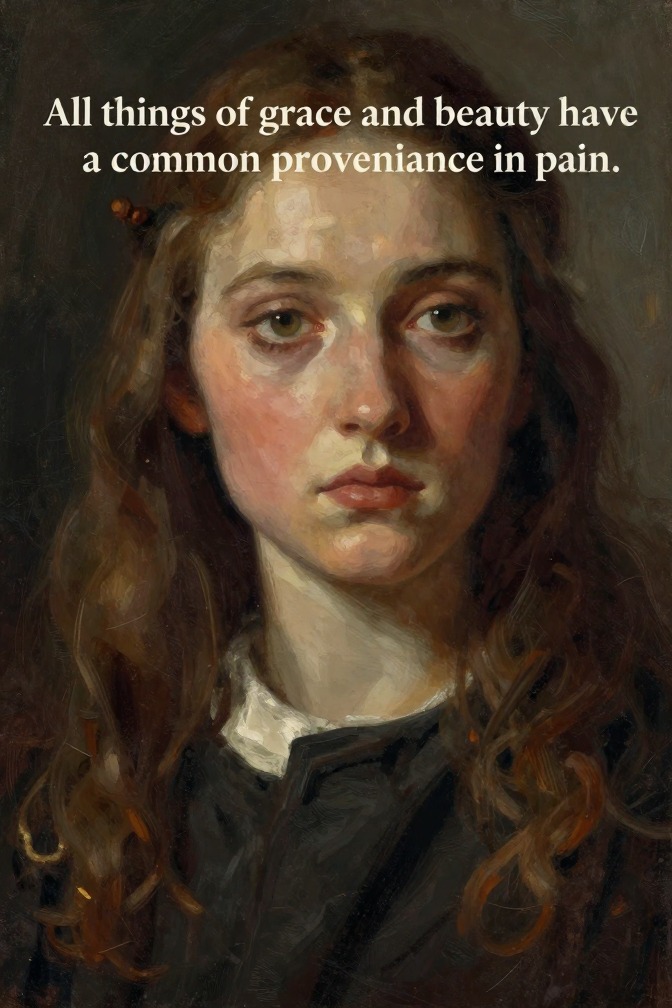
In Cormac McCarthy's *The Road*, the maxim "All things of grace and beauty have a common provenance in pain" crystallizes the novel's central paradox: that the only remaining sources of meaning, love, and moral clarity in a world reduced to ash and cannibalism are born directly from suffering, loss, and the relentless endurance of horror. The man whispers this truth to his sleeping son, framing their entire journey as a testament to the idea that grace is not an escape from pain but its most distilled product.
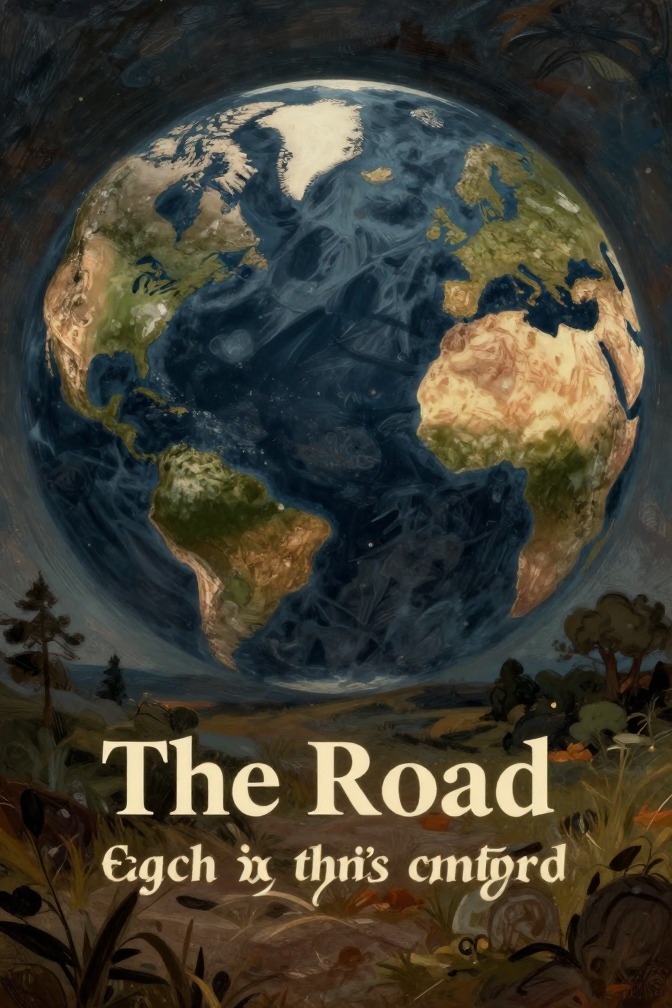
The phrase "each the other's world entire" encapsulates the total, reciprocal dependence between the man and the boy in Cormac McCarthy's *The Road*, defining their relationship as a self-contained universe of meaning in a world stripped of all other social, moral, and physical coordinates. It appears at the end of the novel's first full day of travel, after they have crossed a river and passed a gas station, and it recurs implicitly throughout the narrative as the emotional and existential ground of their journey. The phrase is not merely a description of intimacy but a statement of ontological necessity: in the absence of any other community, any other source of love, any other future, the man and the boy become for each other the entirety of what remains of the human world. This condition shapes every major action, every moral decision, and every moment of despair or hope in the book, and it is ultimately tested and transformed when the man dies and the boy must transfer his capacity for attachment to strangers.
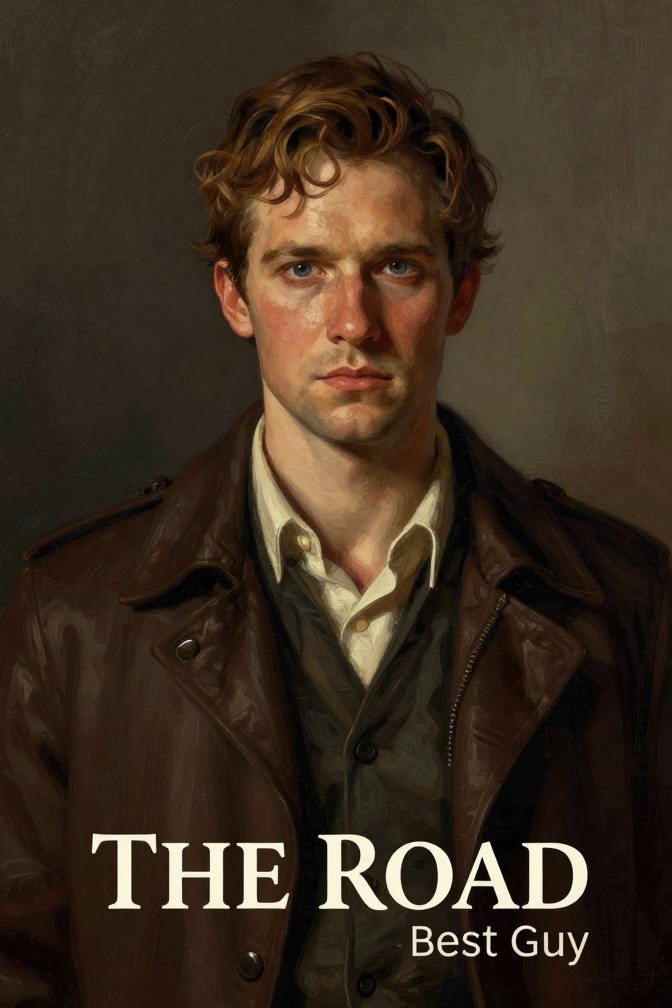
The phrase "the best guy" is the man's final, intimate declaration to his son, spoken as he lies dying. It condenses the entire moral and emotional architecture of the novel into a single, private epithet: the boy is not merely good but the best, the one who has carried the fire, kept faith, and forced his father to remain human. The words are the man's last gift, a benediction that names what the boy is and what he must continue to be.
The breath of God is a phrase used by the woman who adopts the boy after his father's death, representing a theological and existential claim that divine presence persists through human connection even in a world stripped of all traditional religious structures.
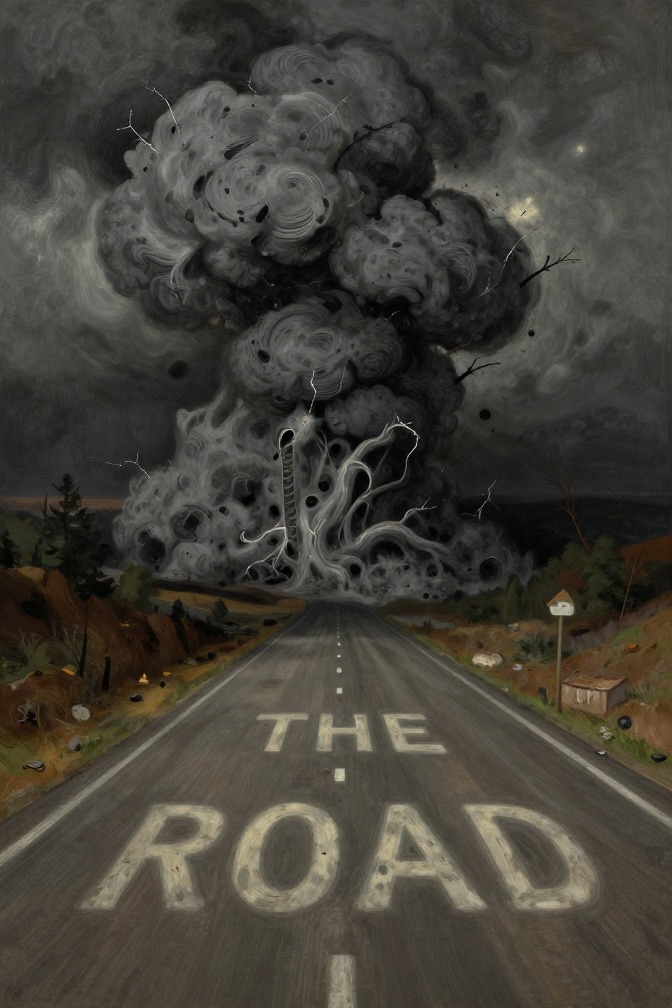
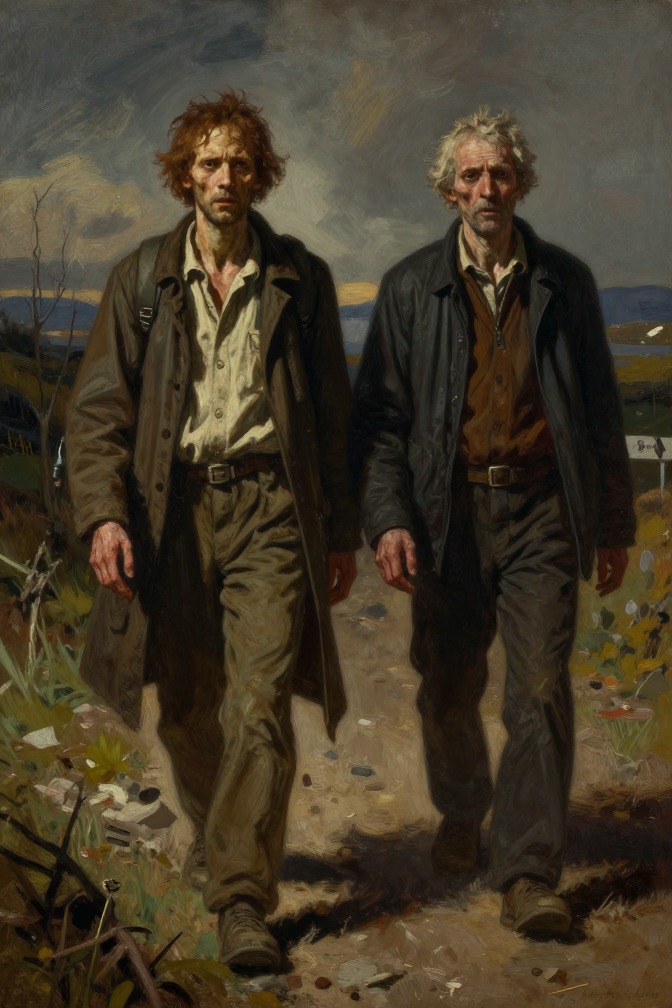
The road is the central physical and symbolic artery of Cormac McCarthy's novel, a blacktop highway that the man and the boy follow south through a post-apocalyptic wasteland. It is both a literal path of survival and a metaphysical stage for the novel's core themes of hope, despair, and the struggle to remain human in a world stripped of meaning.
The phrase 'the word of God' appears in the novel as the man's declaration that the boy is his warrant, and that if the boy is not the word of God, God never spoke. This identification of the child with divine speech is the novel's most explicit theological claim, and it recurs in the man's whispered prayers, his dreams, and his final instructions to the boy. The phrase anchors the man's belief that the boy carries a sacred significance that transcends the ruined world, and it is tested against the boy's own moral questions and the man's despair.
The Pájaro de Esperanza is a wrecked twin-masted sailboat discovered by the man and the boy on the coast near the end of their journey, a vessel that yields vital supplies, tools, and a flare gun, and whose discovery marks a turning point in their survival.
Apples are a rare and precious food source discovered by the man and the boy in an abandoned orchard, providing crucial sustenance during their journey south and symbolizing the dwindling remnants of the world's former abundance.
The boat, a twin-masted sailboat named Pájaro de Esperanza, is a wrecked vessel discovered by the man and the boy on the coast, which provides them with a crucial cache of supplies, tools, and a flare gun, but also deepens their sense of isolation and the finality of the world's end.
The gas stove is a small, portable two-burner appliance that the man and the boy salvage from the bunker and later from the wrecked sailboat, becoming a crucial tool for cooking hot meals and boiling water during their journey south. Its significance lies in how it transforms their survival from cold, raw subsistence to moments of warmth and nourishment, yet its fragility and eventual failure underscore the relentless scarcity and decay of their world.
The truck is a diesel-powered stakebed vehicle encountered by the man and the boy during their journey south, serving as a mobile base for a group of armed marauders and representing the most direct and violent threat to their survival in the novel.
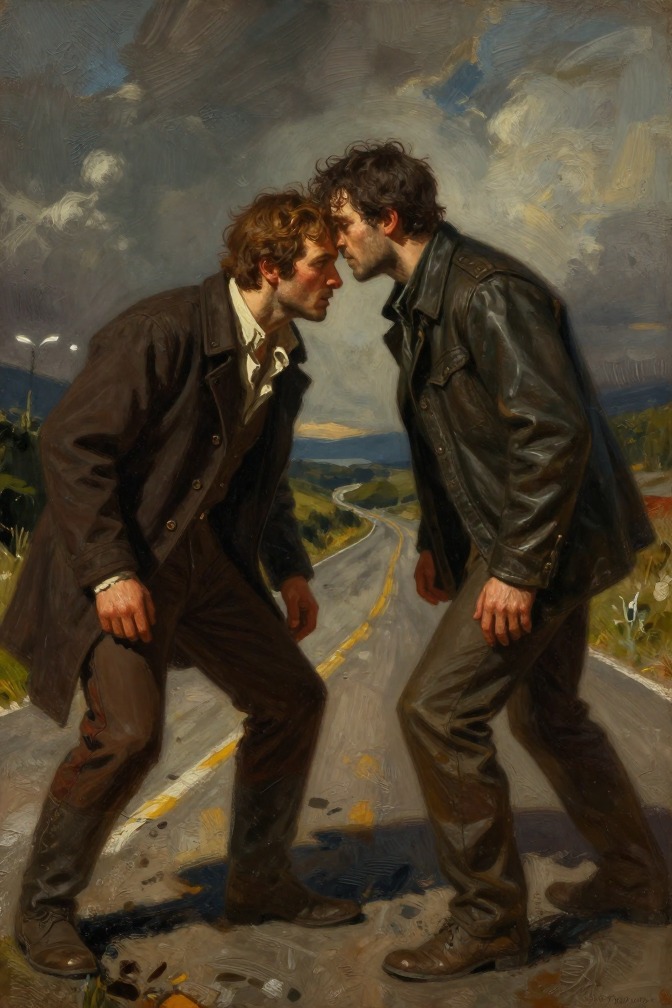
The conflict with the thief is a pivotal moral crisis in *The Road*, where the man and the boy confront a starving thief who has stolen their cart and supplies. The man's violent retribution—stripping the thief naked and leaving him to die—triggers the boy's profound ethical anguish, exposing the irreconcilable tension between survival and compassion that defines their journey.
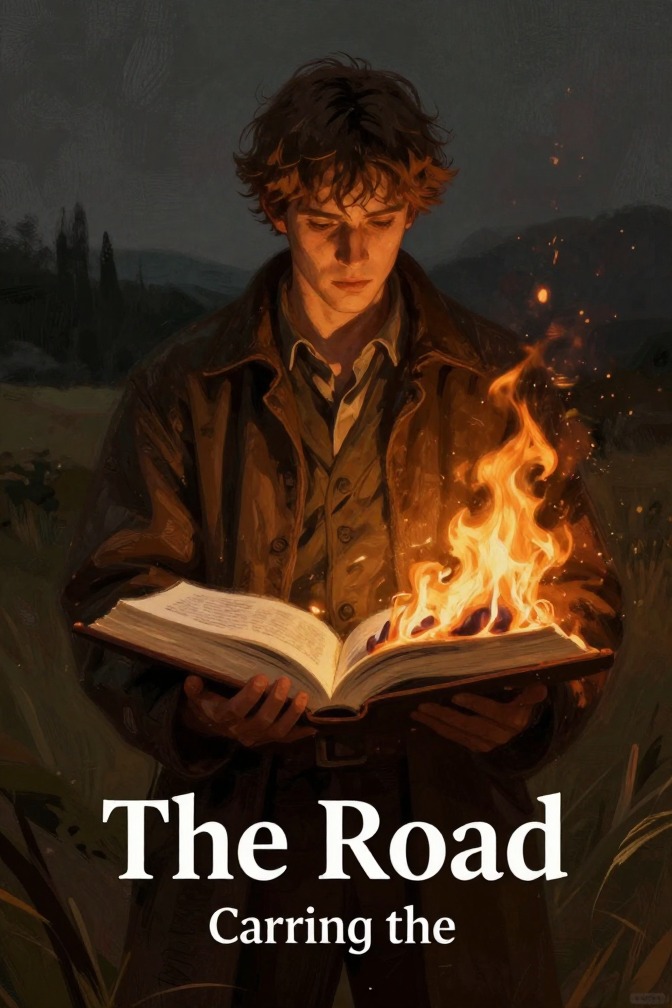
Carrying the fire is the central moral and existential principle in Cormac McCarthy's The Road, a metaphor for preserving humanity, goodness, and hope in a post-apocalyptic world reduced to ash and cannibalism. It functions as the boy's inherited creed, the measure of the good guys, and the only justification for continued survival.
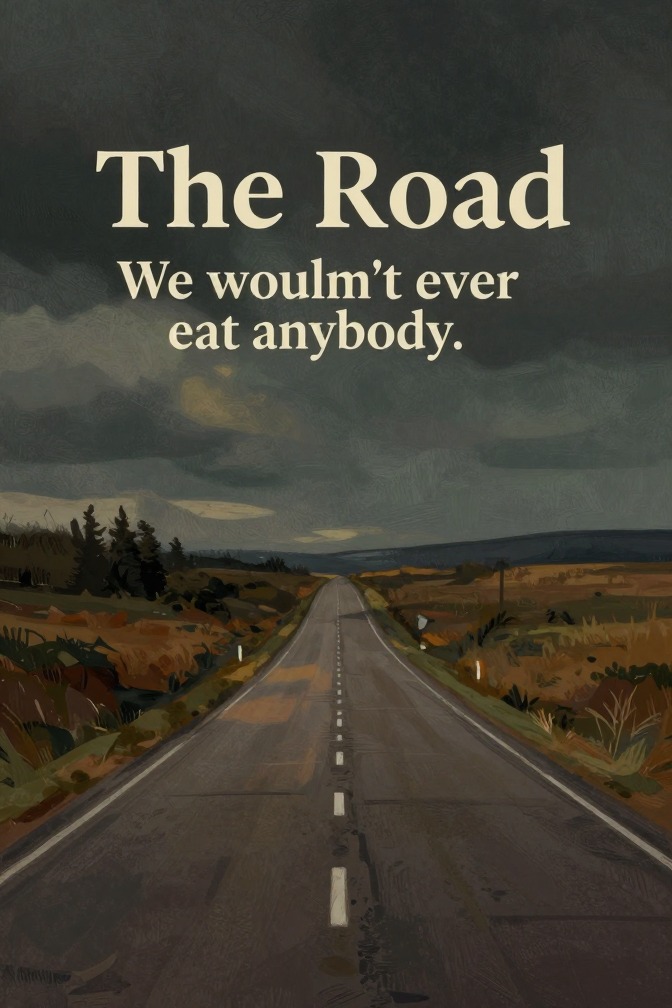
The rule "We wouldnt ever eat anybody" is the central ethical principle that defines the man and the boy as "the good guys" in Cormac McCarthy's *The Road*, a moral boundary that distinguishes them from the cannibalistic horrors of the post-apocalyptic world and is repeatedly tested through encounters with starving strangers, discovered victims, and their own desperate hunger.
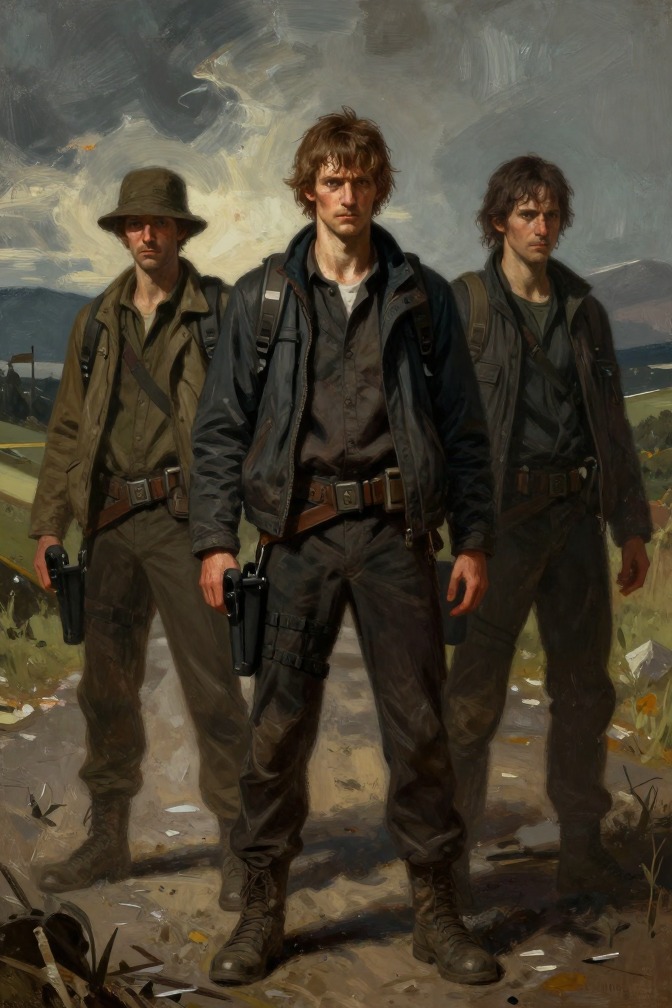
The bad guys are the marauding, cannibalistic survivors who populate the post-apocalyptic landscape of Cormac McCarthy's *The Road*, representing the moral antithesis of the man and the boy. They are defined by their organized violence, their consumption of human flesh, and their utter lack of the ethical code that the father and son struggle to uphold.
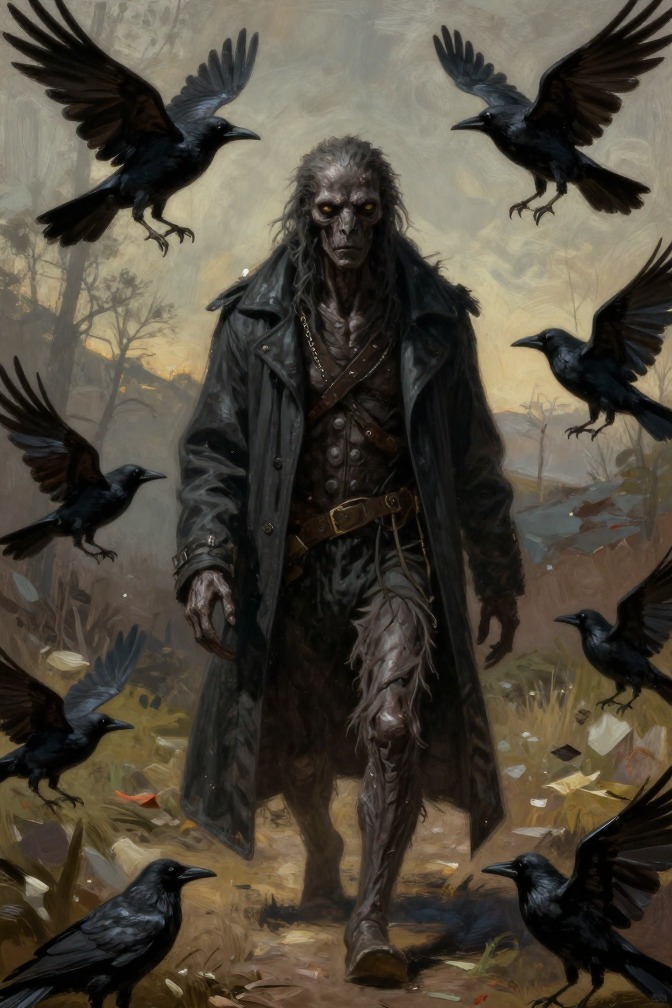
The walking dead is a state of existence in Cormac McCarthy's The Road, describing the condition of survivors who have lost all humanity and purpose, reduced to mere biological persistence in a post-apocalyptic world. This phrase, used by the man's wife to reject his claim that they are 'survivors,' encapsulates the novel's central tension between the will to endure and the recognition that such endurance may be meaningless.