Ismarus is the city of the Cicons in Thrace, the first land Odysseus and his crew sack after leaving Troy, an event that sets the pattern of loss and consequence for the entire voyage.
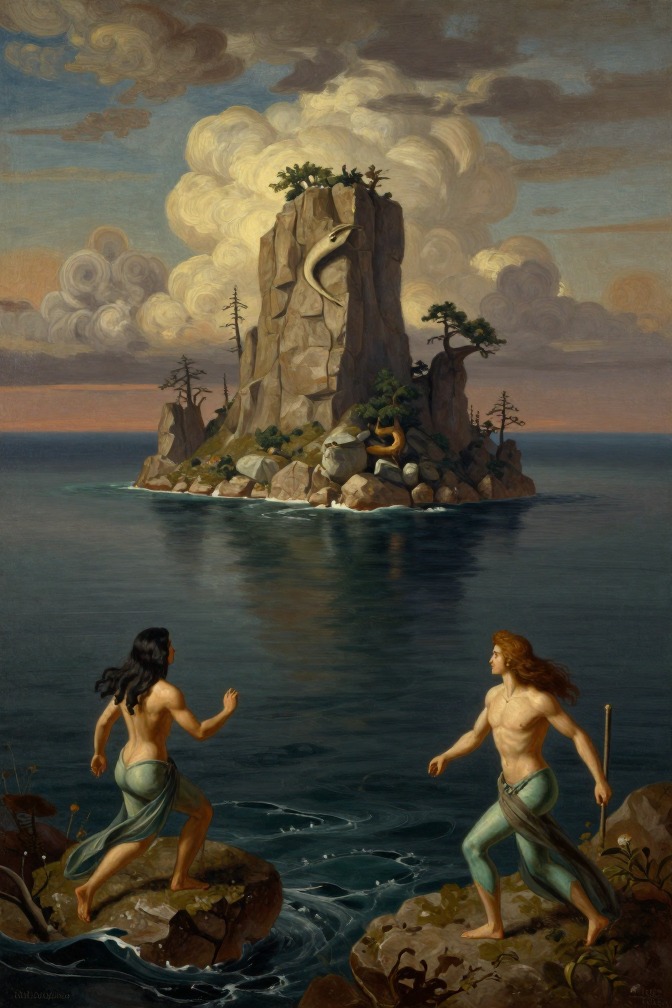
The Sirens' island is a perilous location in the Odyssey where the enchanting but deadly Sirens lure sailors to their deaths with irresistible song, a threat that Odysseus must navigate with cunning and restraint.
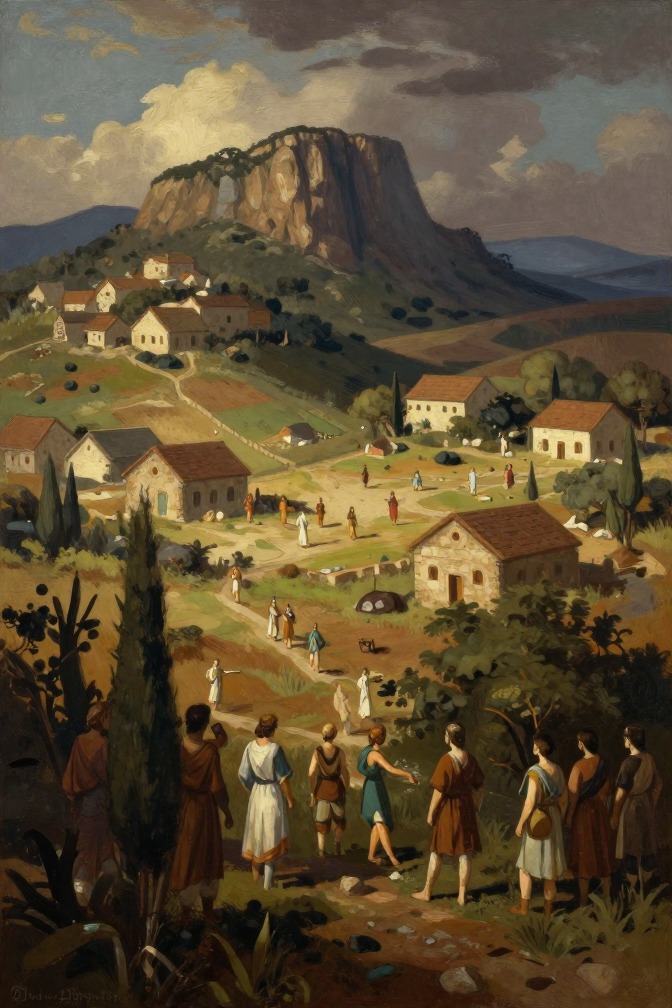
Taygetus is a mountain range in the Peloponnese, mentioned in the Odyssey as the setting for the goddess Artemis's hunting expeditions, and it serves as a geographical marker within the poem's broader Mediterranean landscape, contrasting with the idealized, fertile landscapes of Scheria and Calypso's island.
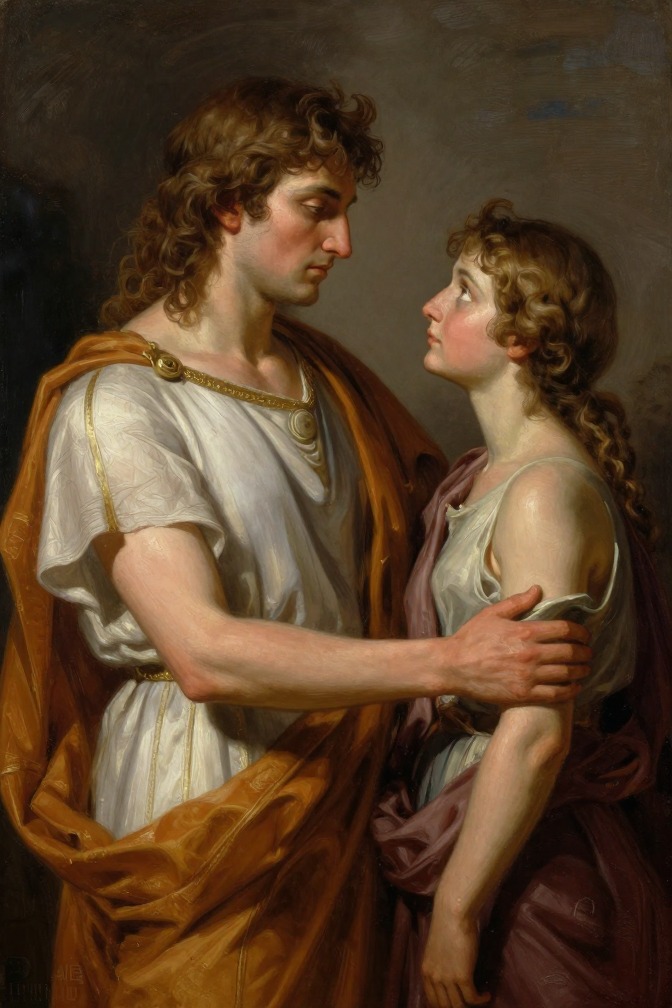
Odysseus and Anticlea (mother and son) is a relationship defined by profound mutual longing and grief, culminating in a poignant underworld encounter that reveals the emotional cost of Odysseus's prolonged absence and the nature of death in Homeric thought.
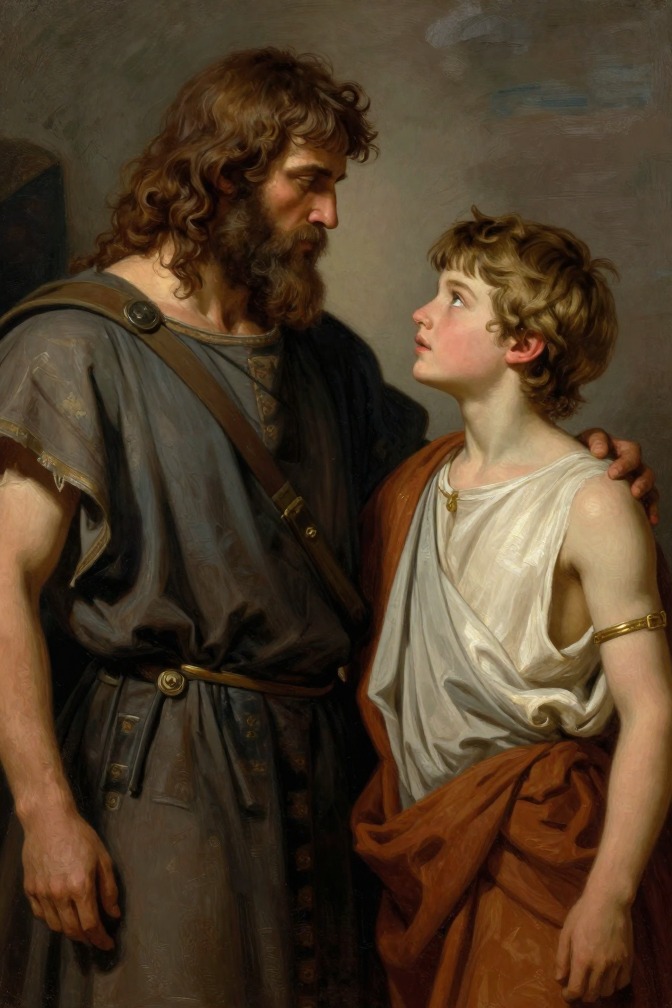
The relationship between Odysseus and Telemachus is the central father-son bond of the Odyssey, defined by a twenty-year separation, a gradual process of mutual recognition, and a strategic partnership that culminates in the violent reclamation of their household. Their reunion transforms Telemachus from a passive youth into an active avenger and restores Odysseus's identity as both king and father, anchoring the poem's themes of inheritance, maturation, and the restoration of order.
The relationship between Telemachus and Athena, who repeatedly appears in the guise of Mentor, is the central mentoring dynamic of the Odyssey, transforming a passive, despairing youth into a decisive agent of his own house. Athena's interventions—first as Mentes, then as Mentor—supply the courage, strategic counsel, and divine backing that Telemachus lacks, and her guidance directly sets in motion the poem's parallel plot of his maturation and his father's return.
Polyphemus's Curse is the prayer uttered by the Cyclops Polyphemus to his father Poseidon after Odysseus blinds him, which becomes the driving supernatural force behind Odysseus's prolonged wanderings and suffering at sea.
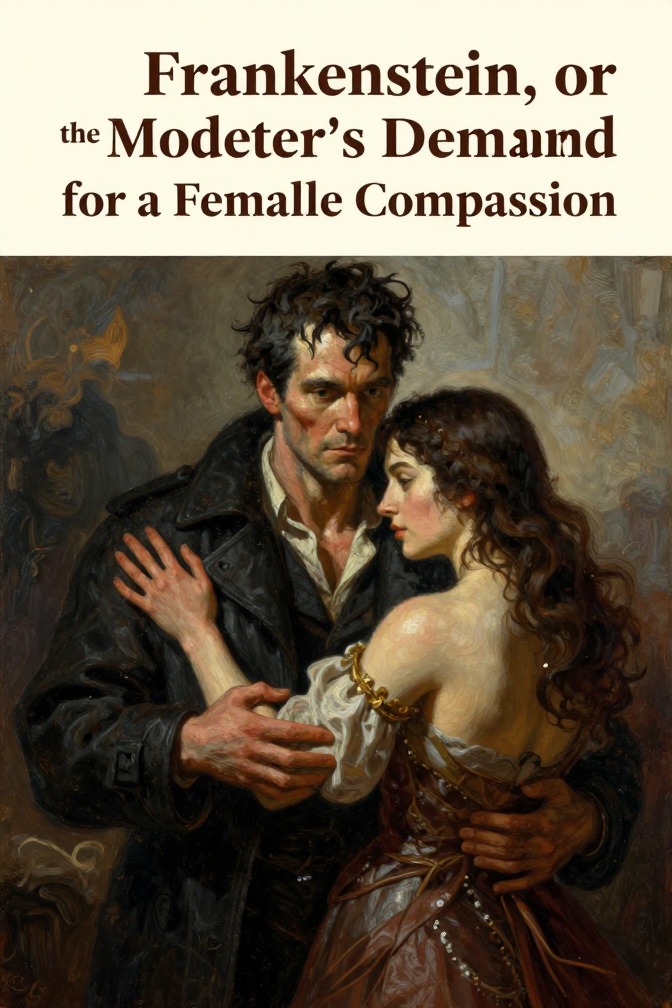
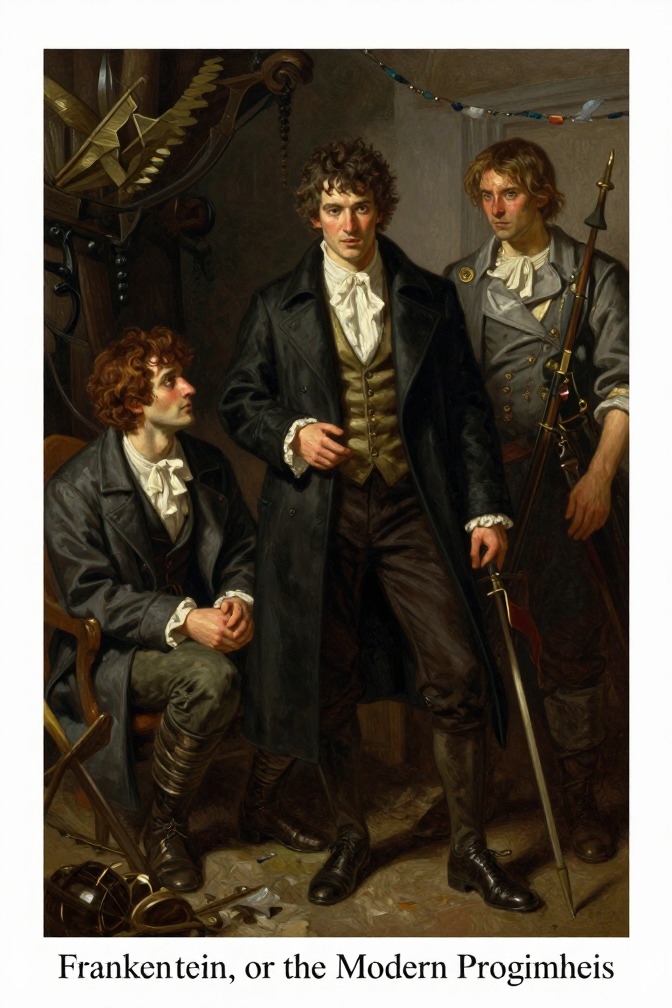
The monster confronts Victor Frankenstein on the glacier and demands that he create a female companion of equal hideousness, arguing that this is the only way to end his isolation and prevent further violence.
Victor Frankenstein agrees to create a female companion for the monster after a prolonged and harrowing confrontation on the glacier of Montanvert, a decision driven by the monster's persuasive narrative, threats against his remaining family, and Victor's own sense of duty as a creator, though the agreement is immediately shadowed by profound dread and moral uncertainty.
Elizabeth Lavenza is the adopted cousin and later wife of Victor Frankenstein, whose gentle, self-sacrificing nature makes her the emotional center of the Frankenstein family and, ultimately, the final victim of the monster's revenge.
Victor Frankenstein's imprisonment in Ireland follows the murder of Henry Clerval, whose body is discovered on the shore near the town where Victor lands after destroying the female creature. Victor is arrested, falls into a violent fever, and spends two months in a dungeon before being cleared by a grand jury that accepts his alibi of being on the Orkney Islands at the time of the murder. The episode deepens his guilt, isolates him further, and brings his father Alphonse to his side, but it also marks a turning point in which Victor's secret burden becomes almost unbearable.
The miniature portrait of Caroline Beaufort is a small painted likeness of Victor Frankenstein's mother that becomes a crucial piece of evidence in the wrongful conviction of Justine Moritz for the murder of William Frankenstein, and later serves as an object of the monster's vengeful desire and a symbol of the domestic happiness Victor has destroyed.
Ramallo is the elderly Fremen Reverend Mother of Sietch Tabr who, in her final act, transfers her life's memories and experiences to Lady Jessica during the Water of Life ceremony, transforming Jessica into a Reverend Mother and consecrating Chani as her successor.
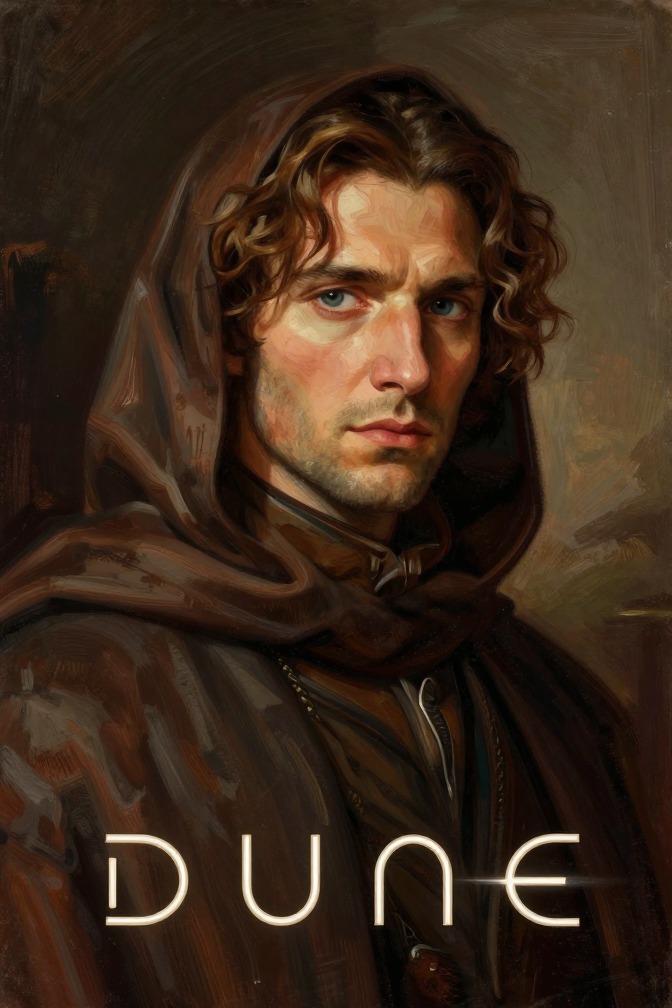
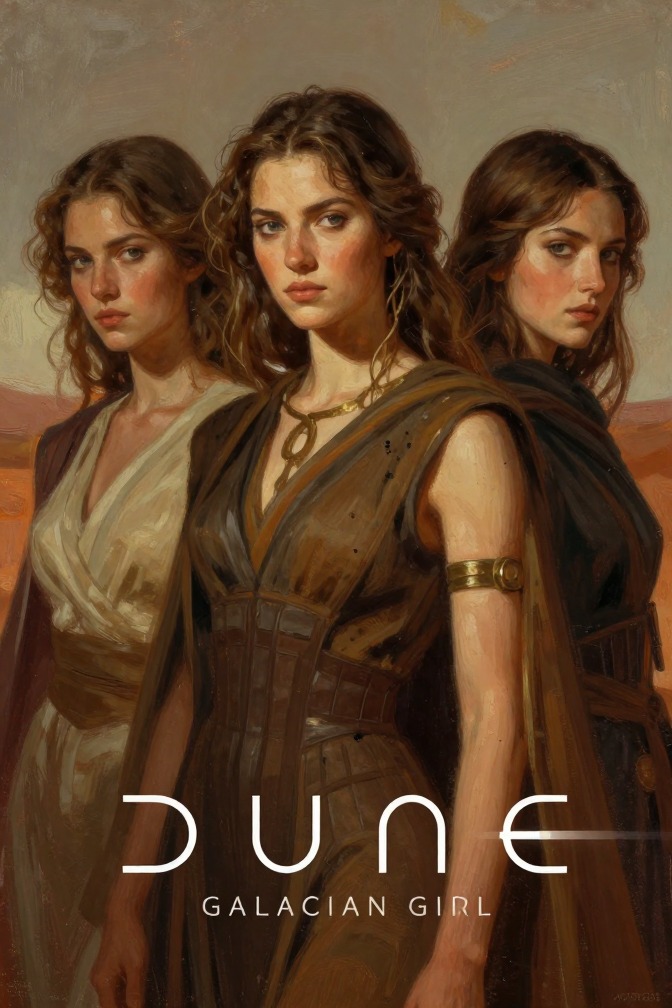
Galacian Girls is a bawdy folk song sung by Gurney Halleck in Frank Herbert's Dune, first performed in the training room of Castle Caladan as a comic interlude before the Atreides' departure for Arrakis. The song's lyrics contrast the romantic and mercenary nature of women from different planets, specifically mentioning Galacian girls, Arrakeen women, and Caladanin daughters. It serves as a marker of Gurney's character—his troubadour-warrior identity, his humor, and his role as a beloved companion-teacher to Paul Atreides—while also foreshadowing the cultural and environmental differences between Caladan and the desert planet Arrakis.
Caladan is the ancestral ocean world of House Atreides, a planet of seas, rivers, and green farmlands that stands in stark contrast to the desert planet Arrakis. It is the birthplace of Paul Atreides, who lives there for his first fifteen years, and the seat of Duke Leto's power for twenty-six generations. The planet's lush environment shapes the Atreides identity, their reliance on sea and air power, and their emotional connection to a home they must leave behind when the Emperor orders them to Arrakis.
Harmonthep is a planet mentioned in Frank Herbert's Dune as one of the stopping points in the forced migration of the Zensunni Wanderers, the ancestors of the Fremen. It is part of the historical and religious background that shapes the Fremen identity and their messianic legends, which are crucial to Paul Atreides' rise as Muad'Dib.
Wind Pass is a strategic mountain pass on the planet Arrakis, notable as the site of a key Fremen village and as a crucial defensive position during the Atreides campaign against the Harkonnens. Its significance lies in its role as a gateway through the Shield Wall, a place where the Fremen, under Paul-Muad'Dib, could launch attacks and control access to the desert, ultimately contributing to their victory.
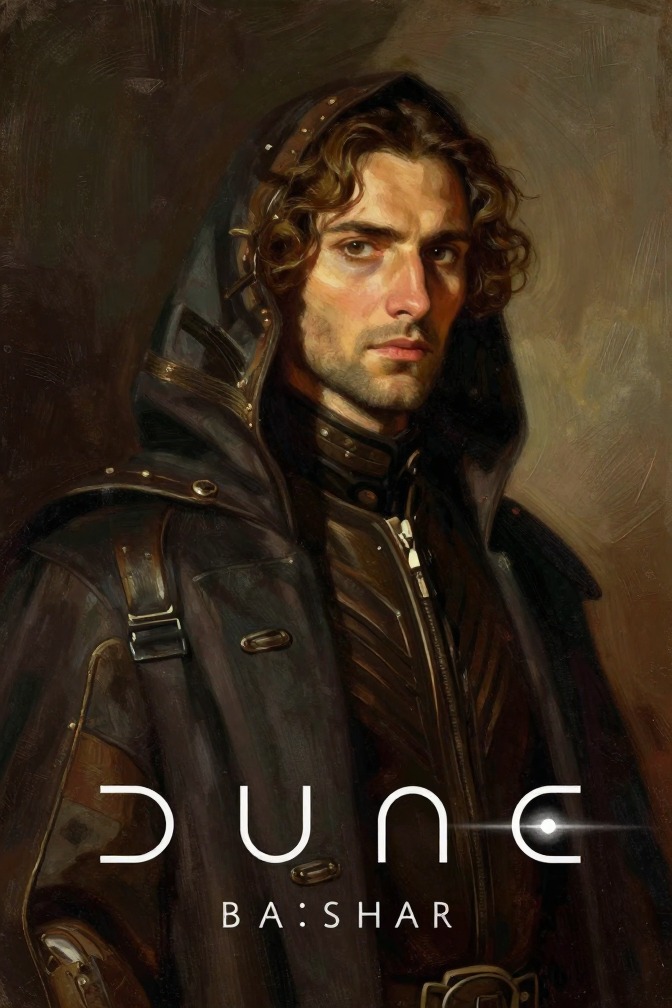
Colonel Bashar is a rank in the Sardaukar military hierarchy, positioned above Colonel and below Caid, and is the title of a specific Sardaukar officer who confronts Baron Vladimir Harkonnen after the fall of House Atreides. This officer embodies the Emperor's authority and the tension between the Imperial forces and the Baron, ultimately witnessing the Duke's death and reporting the events to the Padishah Emperor.
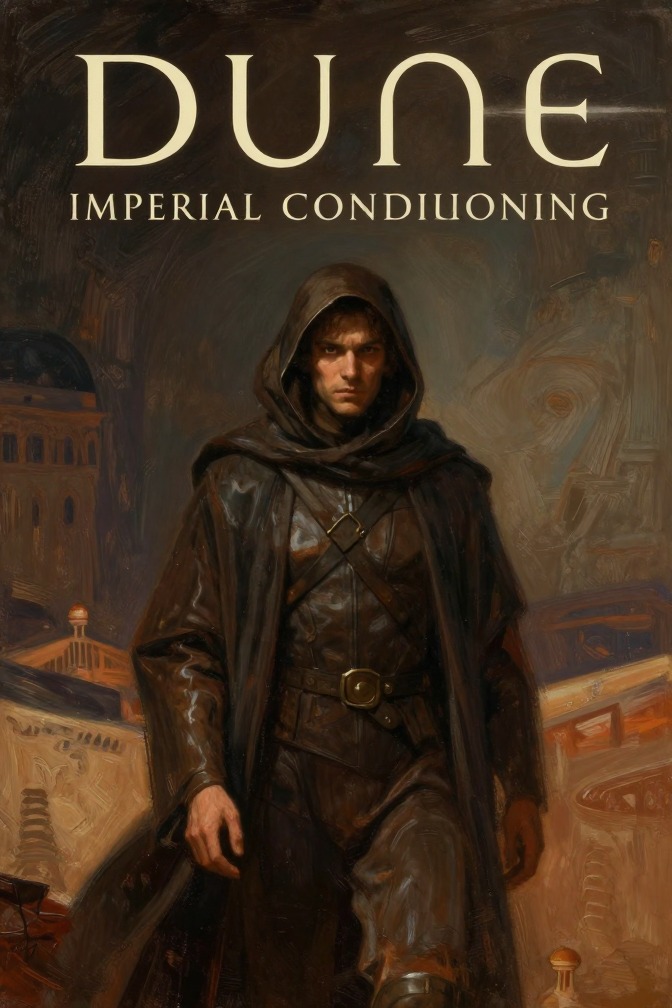
Imperial Conditioning is the highest form of behavioral control in the Imperium, a product of the Suk Medical Schools that renders its initiates incapable of taking human life. Marked by a diamond tattoo on the forehead and long hair bound in a silver ring, this conditioning is considered so absolute that it is trusted even by the Emperor. The entire plot of Dune hinges on its subversion: the Harkonnens, through the leverage of Dr. Wellington Yueh's captured wife, Wanna Marcus, find a way to break this supposedly unbreakable conditioning, turning a loyal Suk doctor into the instrument of Duke Leto Atreides's downfall. This event exposes the fragility of the Imperium's most trusted safeguards and sets the stage for the rise of Paul Muad'Dib.
The Mad Dog Tim Johnson event is a pivotal scene in which Atticus Finch, revealed to be the legendary marksman 'One-Shot Finch,' is forced by Sheriff Heck Tate to shoot a rabid dog, shattering his children's perception of him as feeble and redefining their understanding of courage and moral responsibility.
Finch's Landing is the ancestral home of the Finch family, a two-storied white house on the Alabama River that embodies the family's history, its patriarchal origins, and the social codes of the Old South, serving as the site of tense Christmas gatherings and a symbol of the family's deep roots in Maycomb County.
First Purchase African M.E. Church is the Black church in Maycomb where Calpurnia takes Jem and Scout one Sunday, revealing a community of faith, poverty, and resilience that stands in stark contrast to the white churches the children know, and deepening their understanding of racial injustice and the humanity of the Black community.
Maycomb is the fictional Alabama town where the novel is set, a small, insular, and deeply hierarchical community whose physical and social geography shapes every event in the story.
Miss Maudie's house is a central location in Maycomb, serving as a warm, welcoming neighbor to the Finch children and a site of both domestic comfort and dramatic destruction. Its burning in a winter fire becomes a pivotal community event that reveals hidden acts of kindness and tests the town's resilience.
The Meditations of Joshua S. St. Clair is a purple-covered book written by a mentally unstable Finch ancestor, introduced by Aunt Alexandra as a tool to instill family pride in Jem and Scout, but its legacy is undercut by Atticus's irreverent account of Cousin Joshua's attempted shooting of a university president.
Atticus Finch and Miss Maudie Atkinson share a friendship rooted in mutual respect, sharp wit, and a shared moral compass that sets them apart from much of Maycomb. Their bond is revealed through playful banter, quiet support during crises, and a deep, unspoken understanding of each other's character, making Miss Maudie one of the few adults who truly comprehends Atticus's principles and his approach to raising his children.
Atticus Finch and Simon Finch (descendant and ancestor) traces the lineage from the founding patriarch of the Finch family in Alabama to his great-grandson, the novel's moral center. Simon Finch, a self-made frontiersman, established Finch's Landing and a family fortune built on enslaved labor, while Atticus, a lawyer in the declining town of Maycomb, inherits not wealth but a name burdened by history. Their relationship is one of inheritance without direct contact—Atticus never knew Simon—yet the ancestor's choices echo through the generations, shaping the family's place in Maycomb's rigid caste system and informing Atticus's own understanding of honor, conscience, and what it means to be a Finch.
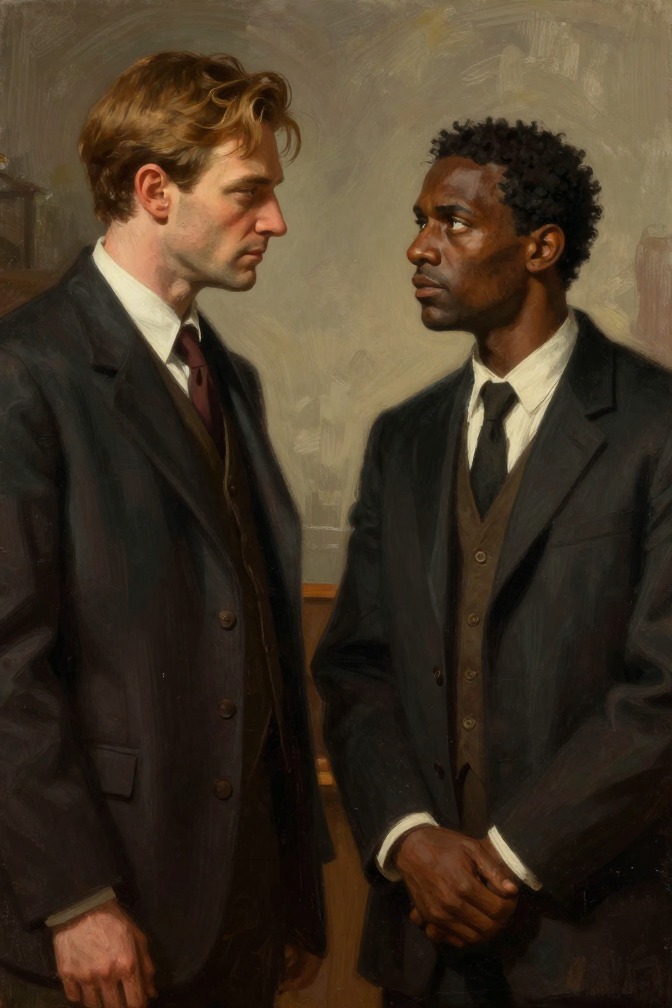
Atticus Finch and Tom Robinson (lawyer-client) is the central legal relationship in the novel, defining the moral conflict of Maycomb. Atticus, a white lawyer, agrees to defend Tom, a Black man falsely accused of raping a white woman, knowing the case is unwinnable in a racist court. This relationship exposes the deep racial divisions of the town, tests Atticus's integrity and his children's understanding of justice, and becomes the crucible through which the novel explores courage, conscience, and the failure of the legal system.
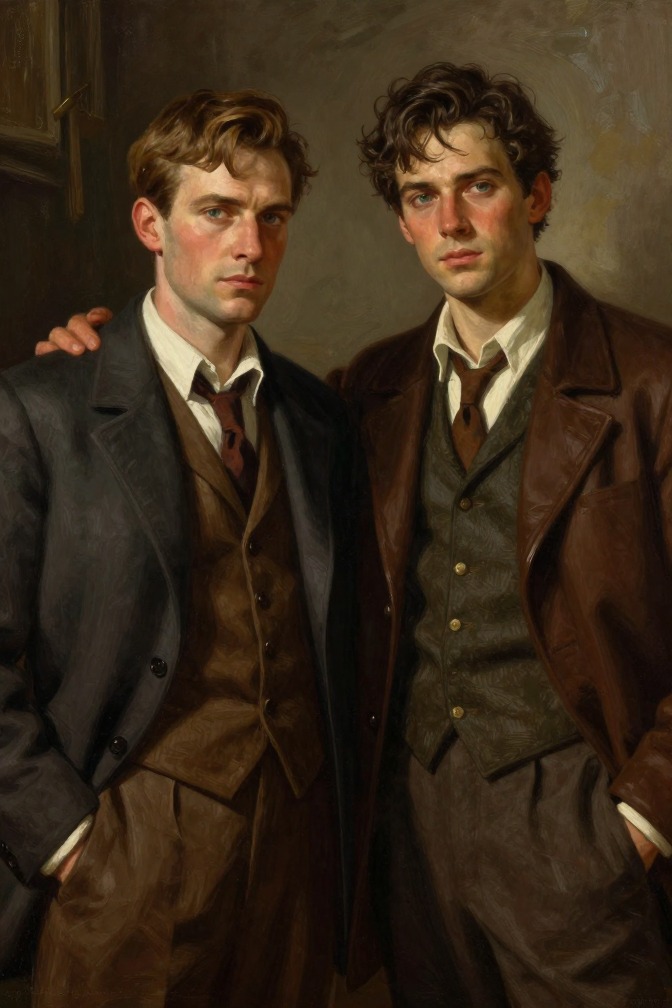
Atticus Finch and Uncle Jack Finch are brothers who share a close, affectionate bond, yet embody contrasting approaches to parenting and understanding children. Jack, the younger brother, is a doctor who visits Maycomb annually at Christmas, and his interactions with Scout and Jem reveal a man who is kind but initially lacks the deep, patient wisdom that defines Atticus. Their relationship serves as a foil, highlighting Atticus's unique philosophy of child-rearing and moral integrity.
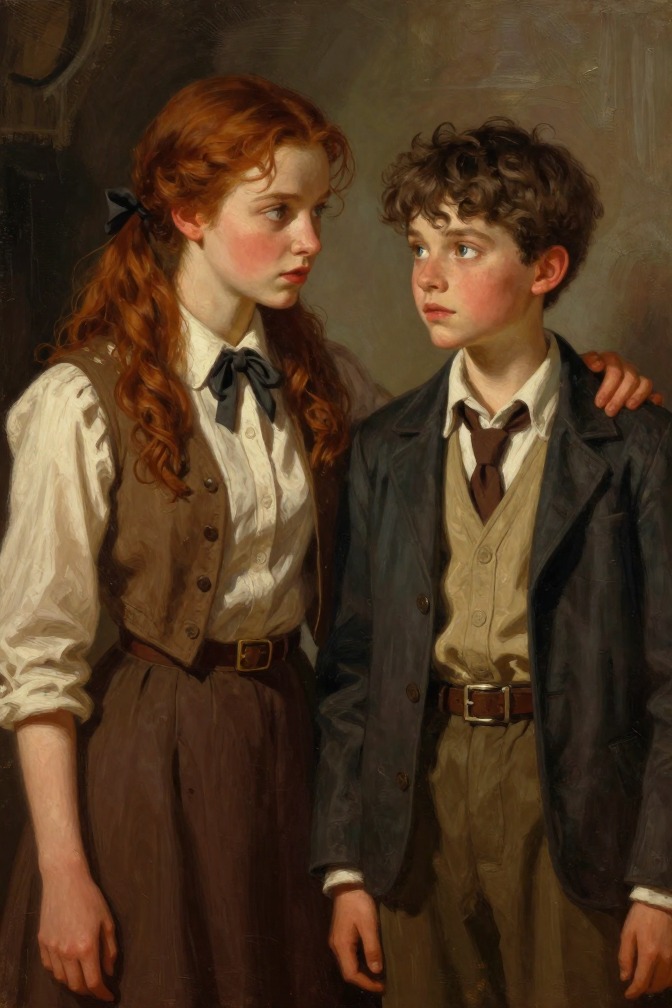
Scout Finch and Francis Hancock are cousins whose relationship is defined by mutual antagonism, class anxiety, and a violent confrontation over Atticus Finch's defense of Tom Robinson, exposing the family's internal divisions over race and respectability.