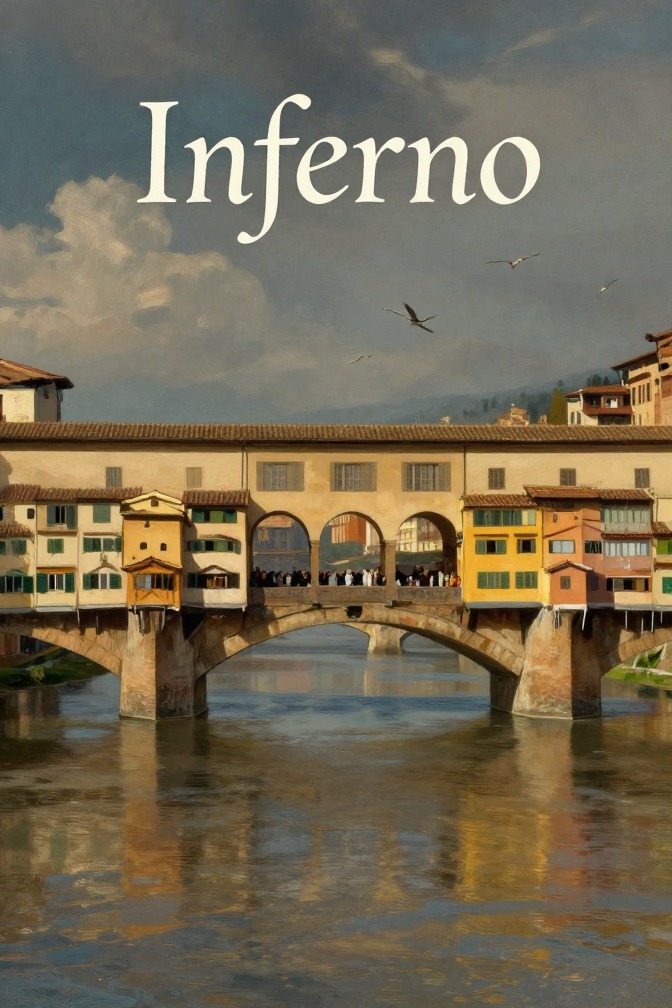
The Ponte Vecchio is a medieval stone bridge over the Arno River in Florence, serving as a pedestrian walkway and a key landmark in the novel's chase sequence. It is the site where Langdon and Sienna cross into the old city, and its historical associations with Dante's exile and the Vasari Corridor make it a symbolically charged location.
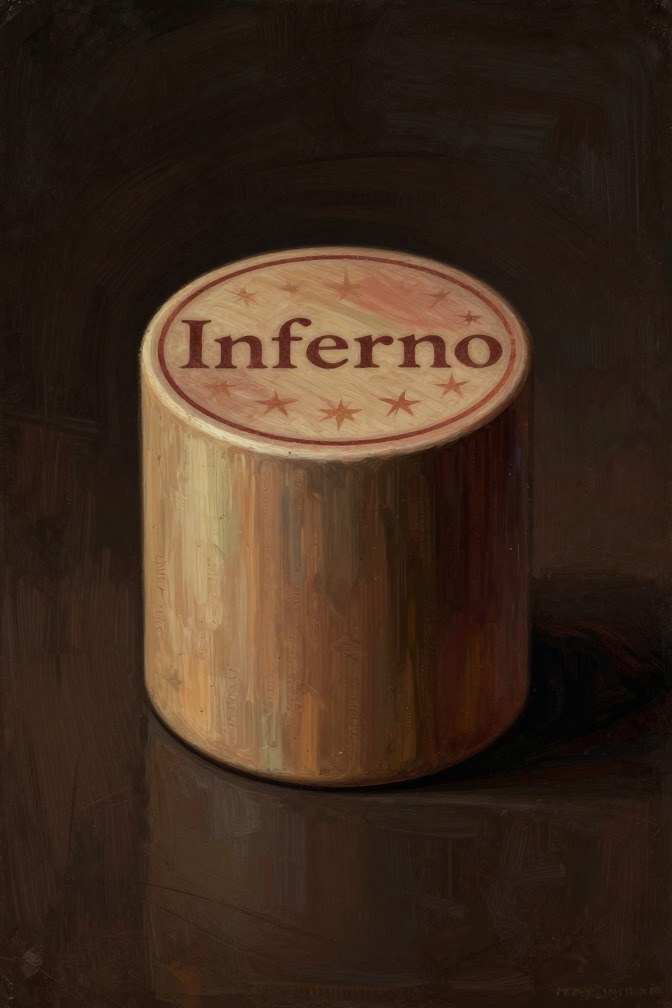
The cylinder seal is a carved bone artifact that serves as the central puzzle object in the novel, containing a hidden laser pointer that projects a modified version of Botticelli's Map of Hell, which leads to the discovery of Zobrist's plague.
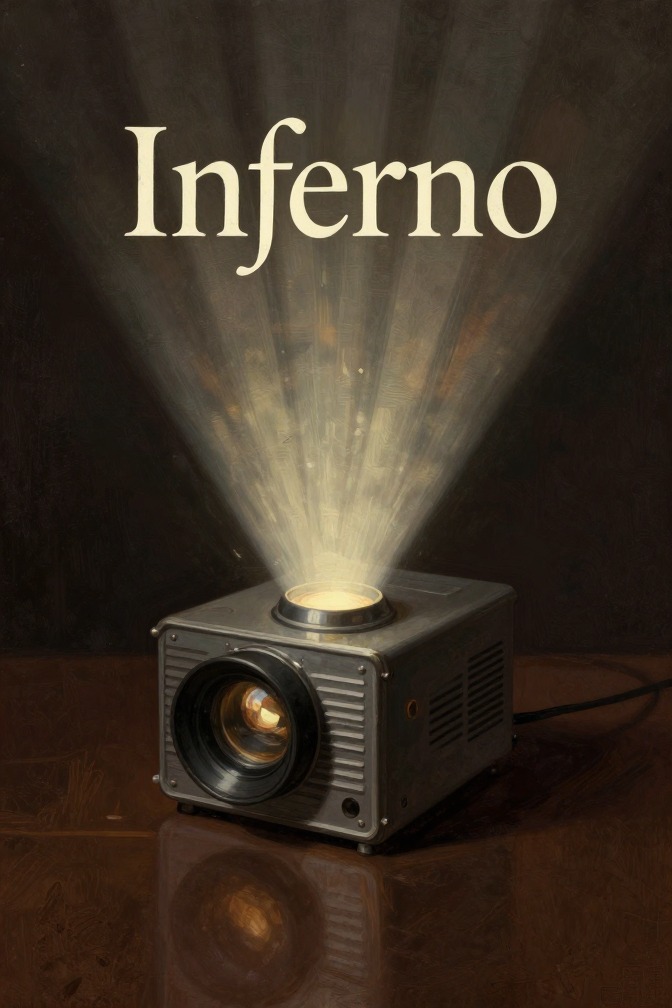
The projector is a small, high-tech device concealed within a carved bone cylinder seal, which projects a modified version of Botticelli's Map of Hell. It serves as the central clue that Langdon and Sienna must decipher, leading them on a chase through Florence and ultimately to the discovery of Zobrist's plague.
The Consortium is a secretive private organization that provides covert services—including safe havens, disinformation, and logistical support—to wealthy clients, operating under a strict ethical code of never breaking a promise and never lying. Its involvement with Bertrand Zobrist, a client who created a sterility plague, triggers a crisis that forces the organization to break its own protocols and ultimately leads to its exposure and collapse.
Be fruitful and multiply is the biblical commandment from Genesis that Bertrand Zobrist invokes as a twisted justification for his apocalyptic plan. In his video manifesto, Zobrist cites this divine directive to argue that humanity's unchecked reproduction has become a self-destructive force, and he presents his sterility plague, Inferno, as a necessary countermeasure—a way to fight fire with fire by using the very principle of multiplication against itself.
Protocol is king is the foundational operational doctrine of the Consortium, the secretive organization run by the Provost. It dictates that the Consortium must never break a promise or lie to a client, and that its employees must provide the agreed-upon service without asking questions, passing judgment, or inquiring into the client's true purpose. This rigid adherence to protocol, while the source of the Consortium's reputation for reliability, ultimately leads the organization to unwittingly facilitate Bertrand Zobrist's plan to release a sterility plague, creating a moral crisis that forces the Provost to break his own rules.
This quotation from Dante Alighieri's Inferno, which appears as the novel's epigraph and is later repeated by Bertrand Zobrist, serves as the central moral axiom of the story. It condemns inaction in the face of a moral crisis, framing neutrality as the gravest sin. The maxim is used by Zobrist to justify his catastrophic plan to cull the human population, and it ultimately challenges every major character—especially Robert Langdon, Elizabeth Sinskey, and Sienna Brooks—to confront their own complicity in the global denial of the overpopulation crisis.
The phrase "the truth can be glimpsed only through the eyes of death" is a cryptic inscription added to a digitally altered version of Botticelli's Map of Hell, serving as the central riddle that guides Robert Langdon and Sienna Brooks through a series of Dantean clues toward the location of a hidden plague.
Panic is a recurring psychological and collective state in Inferno, manifesting as both individual terror and mass hysteria. It drives the narrative's breakneck pace, from Langdon's personal fear responses to the catastrophic stampede in the Yerebatan Sarayi cistern, and serves as a thematic counterpoint to the novel's exploration of denial and rational action in the face of existential threats.
The Renaissance is the cultural and intellectual rebirth that followed the Black Death in Europe, a period of artistic, scientific, and philosophical flourishing that serves as the historical and thematic counterpoint to Bertrand Zobrist's apocalyptic vision in Inferno. Zobrist explicitly invokes the Renaissance as the justification for his own plan: he argues that the Black Death's mass culling cleared the way for this golden age, and that a similar catastrophe is necessary to save humanity from overpopulation and usher in a new era of rebirth.
Retrograde amnesia is the central cognitive condition affecting Robert Langdon throughout the novel, induced both by a chemically administered benzodiazepine and a physical head wound, which erases his short-term memory of the preceding two days and forces him to reconstruct events through fragmented visions, external clues, and the guidance of others.
The year 1326 marks the construction of the Porta Romana, the ancient stone gateway that once served as the primary entrance to the walled city of Florence, and it also provides the historical backdrop for the founding of the Baptistry of San Giovanni, the octagonal sanctuary where Dante Alighieri was baptized and where the novel's climactic discovery of the hidden message on his death mask takes place.
The 14th century is the historical period in which Dante Alighieri composed his epic poem The Divine Comedy, a work that provides the entire symbolic and narrative framework for Dan Brown's novel Inferno. The century's defining catastrophe, the Black Death, serves as the historical model for the novel's central threat—a modern plague designed to cull the human population—and its cultural aftermath, the Renaissance, is invoked as the hoped-for outcome of such a culling. The 14th century thus functions as both a literary source and a historical parallel, anchoring the novel's themes of death, rebirth, and moral crisis.
The year-long period during which the Consortium provided safe haven to Bertrand Zobrist, enabling him to work in secret on his catastrophic project, is a crucial temporal framework that shapes the novel's central conflict and the moral crisis faced by the Provost.
Tomorrow is the fixed date on which Bertrand Zobrist's creation, the plague he called Inferno, was scheduled to be released into the world. The date appears on the titanium plaque bolted to the floor of the submerged cavern, on the provost's calendar as a crazed red circle, and on the video Zobrist left with the Consortium for upload to the media. It is the day toward which the entire plot accelerates, the moment when the Solublon bag containing the pathogen was meant to dissolve and the world was to be changed forever. Yet the novel's central revelation is that the date on the plaque is not the release date but a global-saturation projection: the virus had already been released a week earlier, and tomorrow marks the mathematical point at which it will have infected every individual on earth.
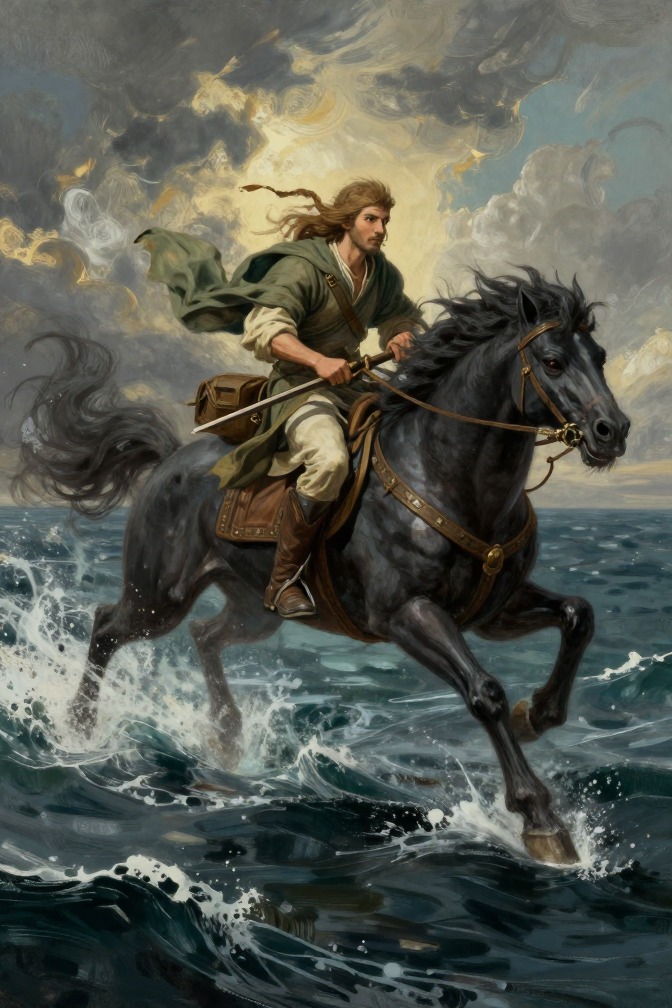
The Chase across the sea is the pivotal action sequence in which Ged, following Ogion's counsel to turn and hunt his hunter, summons the shadow on the open ocean and pursues it in a desperate, magical boat chase that reverses the roles of hunted and hunter, leading to a shipwreck and the first direct physical confrontation between them.
In the narrow sea-lane between the Hands, Ged turns to face the shadow that has pursued him, and in a desperate physical struggle he seizes it—only to find it has no substance he can hold. The encounter forges an unbreakable bond between them, transforming the chase into an inevitable convergence and leaving Ged with the knowledge that his task is not to undo what he did but to finish what he began.
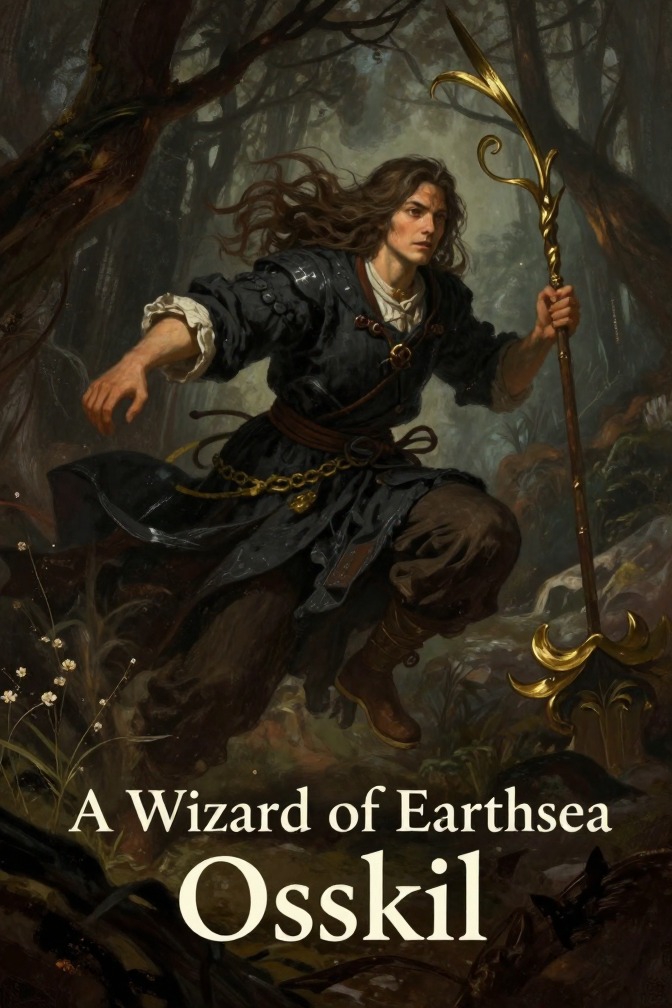
Ged and Serret flee the Court of the Terrenon after Ged refuses to serve the Old Power imprisoned in the stone, escaping through the enchanted gate and into the Osskil moors, where Ged finds his otak dead and transforms a blade of grass into a wizard's staff to fight the Stone's servants.
The Flight to Osskil is the desperate journey Ged undertakes after the dragon-battle on Pendor, when he finds himself unable to return to Roke and is driven by the pursuing shadow to seek refuge in the northern land of Osskil, a decision that leads him into a trap set by the Old Powers.
Ogion's restoration is the pivotal event in which the mage Ogion reverses Ged's self-imposed transformation into a hawk, returning him to human form and setting him on the path to confront the shadow he had loosed.
Jasper is a rival student at the School for Wizards on Roke whose mocking disdain provokes Ged into a disastrous act of summoning, and whose later appearance as a phantom during Ged's final confrontation reveals the shadow's power to exploit his pride.
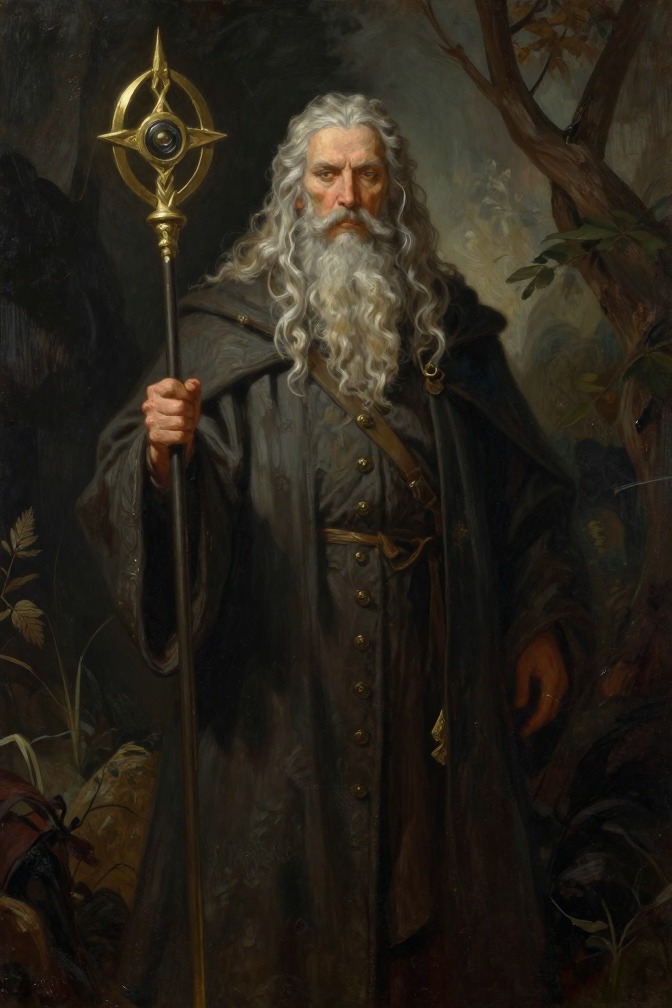
The Master Doorkeeper is the enigmatic, ancient guardian of the School for Wizards on Roke, who tests every entrant by demanding their true name and who later challenges Ged to earn his freedom by discovering the Doorkeeper's own name, a final trial that completes Ged's education and marks his passage from student to wizard.
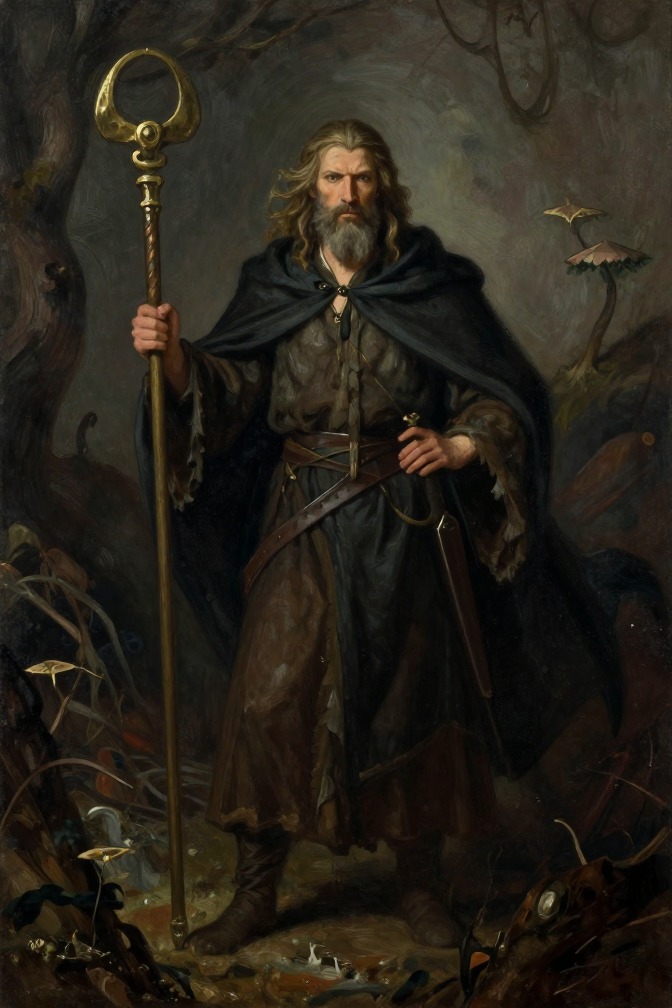
Ogion the Silent, the Mage of Re Albi on Gont, is the wise and patient mentor who names Ged, heals him after his first overreaching of power, and ultimately guides him to turn and face the shadow he loosed, embodying the principles of silence, patience, and true mastery.
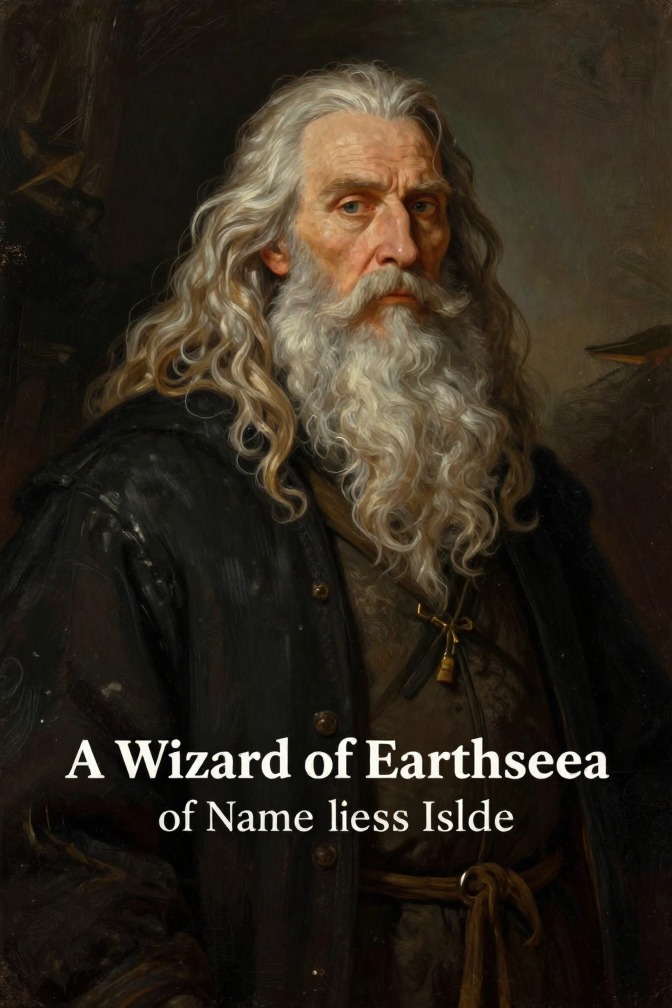
The Old Man of the Nameless Isle is one of two castaways living on a remote sandbar in the East Reach, a Kargish prince or noble who was exiled as a child and has spent decades in utter isolation, his mind shattered by trauma and his body aged by deprivation.
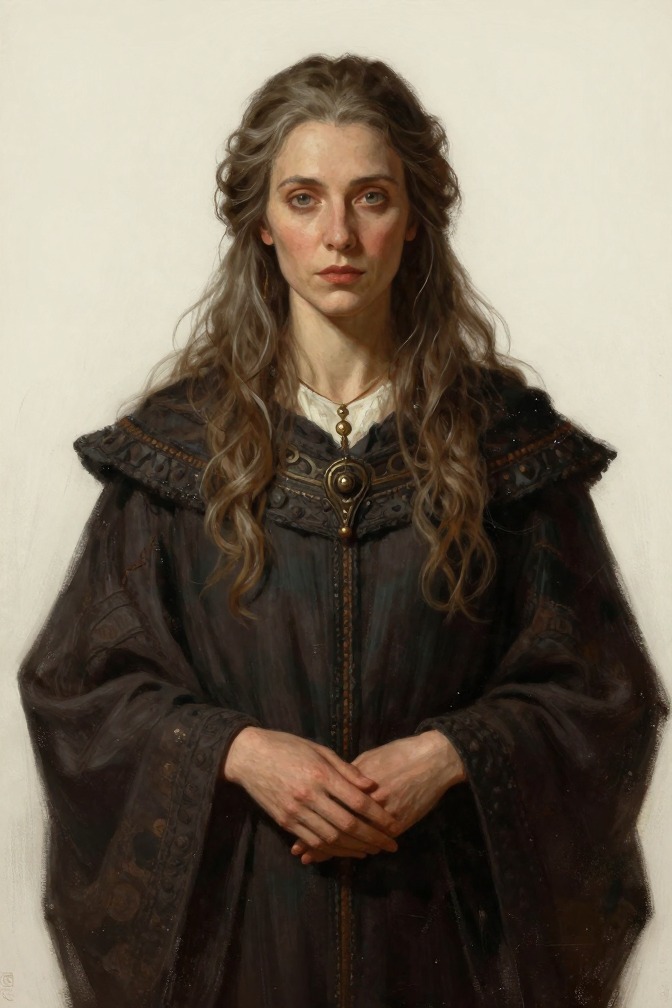
The Old Woman of the Nameless Isle is a Kargish castaway who, along with her companion, has lived for decades on a barren sandbar in the East Reach, forgotten by the world. She is a figure of profound desolation and silent yearning, whose encounter with Ged reveals a life stripped of all but the barest survival and a desperate, wordless clinging to a lost royal identity.
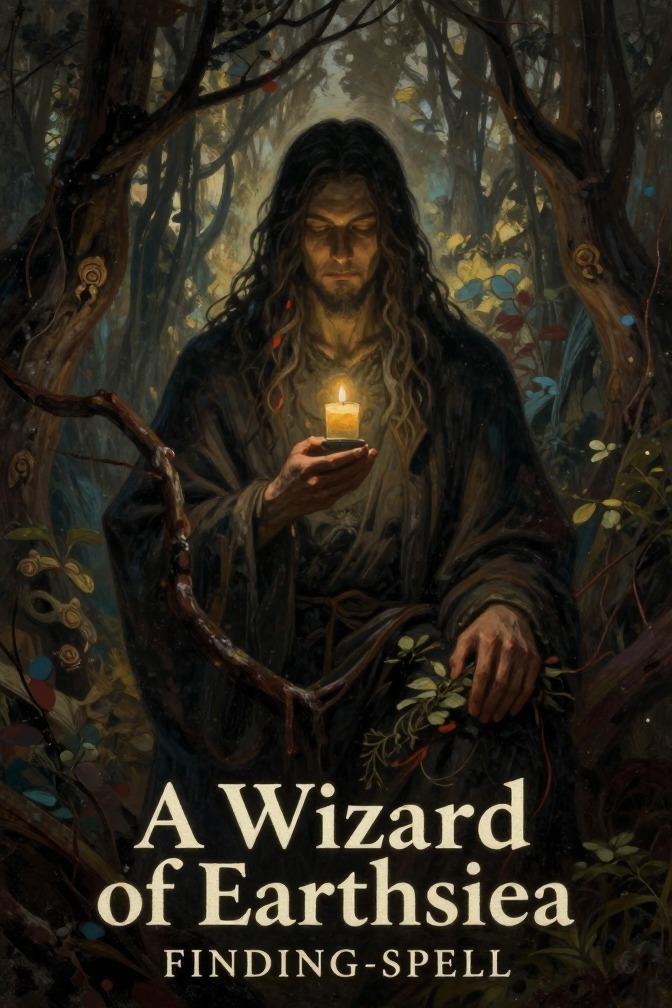
The Finding-spell is a fundamental magical technique in Earthsea that allows a wizard to locate lost objects, people, or places by speaking their true name. It is one of the first arts taught to young witches and wizards, and its mastery is essential for any practitioner of magic, from village healers to the greatest mages.
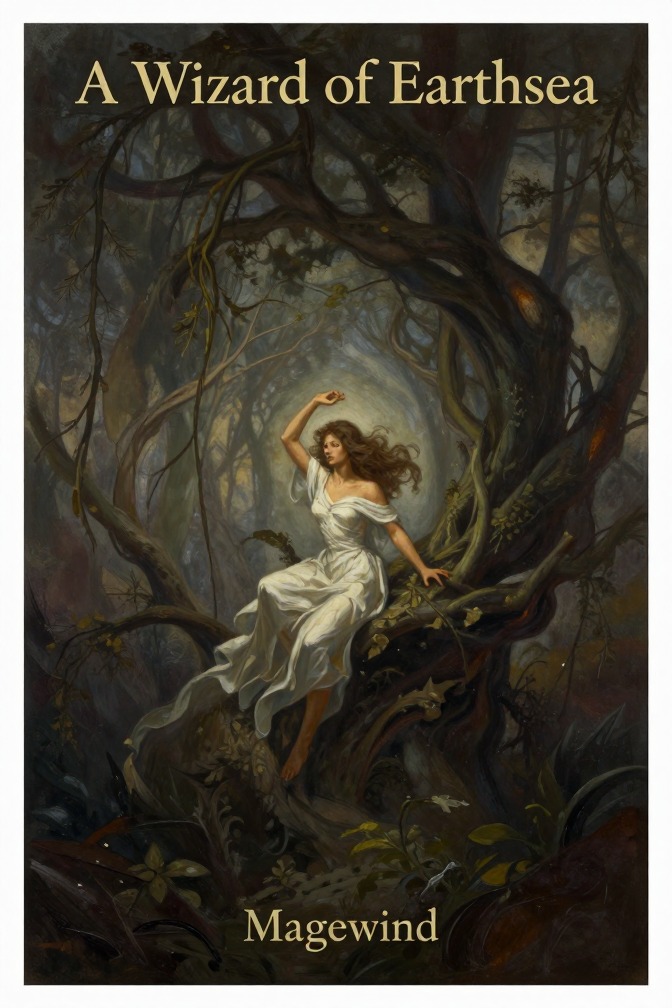
The Magewind is a magical wind raised by a wizard's spell, used to propel a boat independently of the natural wind. It is a key tool of weatherworking and seamanship, but its use is limited by the wizard's power and the need to maintain the spell, and it can be resisted by other magical forces.
The Master Namer is one of the Nine Masters of Roke, a reclusive figure who dwells in the Isolate Tower on the northernmost cape of Roke Island and whose domain is the exhaustive study and teaching of the true names of all things, places, and beings in the Old Speech, a discipline that forms the foundation of all true magic.
The Seamaster's art is a specialized branch of wizardry in Earthsea that governs navigation, the control of winds and currents, and the ability to guide a ship across the sea, often through the true naming of waters and the use of the magewind. It is a skill that combines practical seamanship with deep magical knowledge, and its mastery is considered essential for any wizard who would venture far from land.
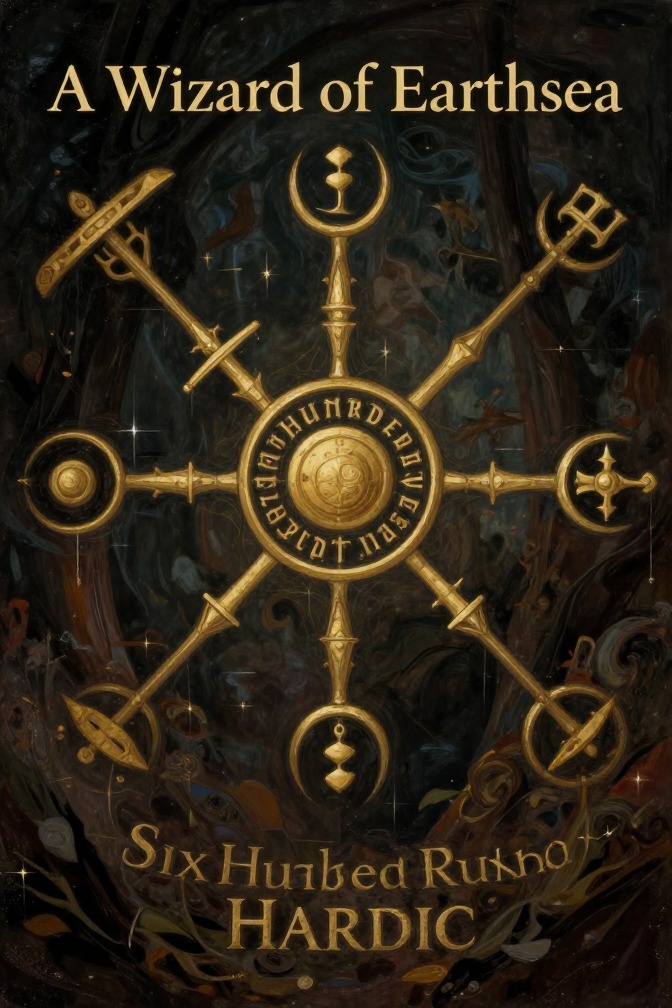
The Six Hundred Runes of Hardic are the foundational writing system of the Archipelago, a script whose study is the essential first step toward understanding the Old Speech and thus toward all true wizardry. They are not merely an alphabet but a repository of meaning that links the written word to the power of naming, and their mastery is a prerequisite for any mage.