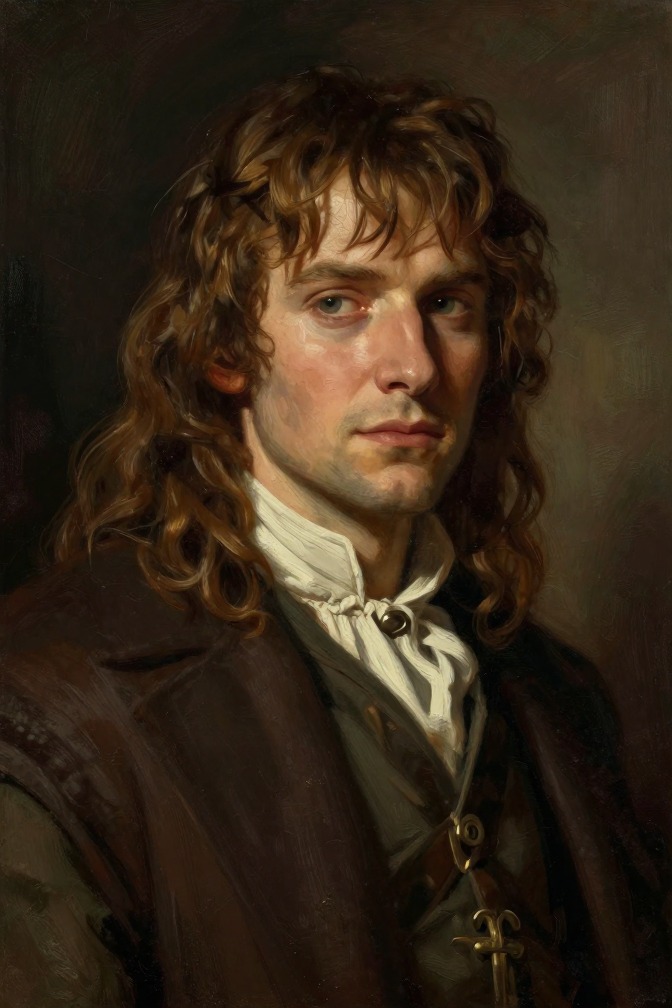
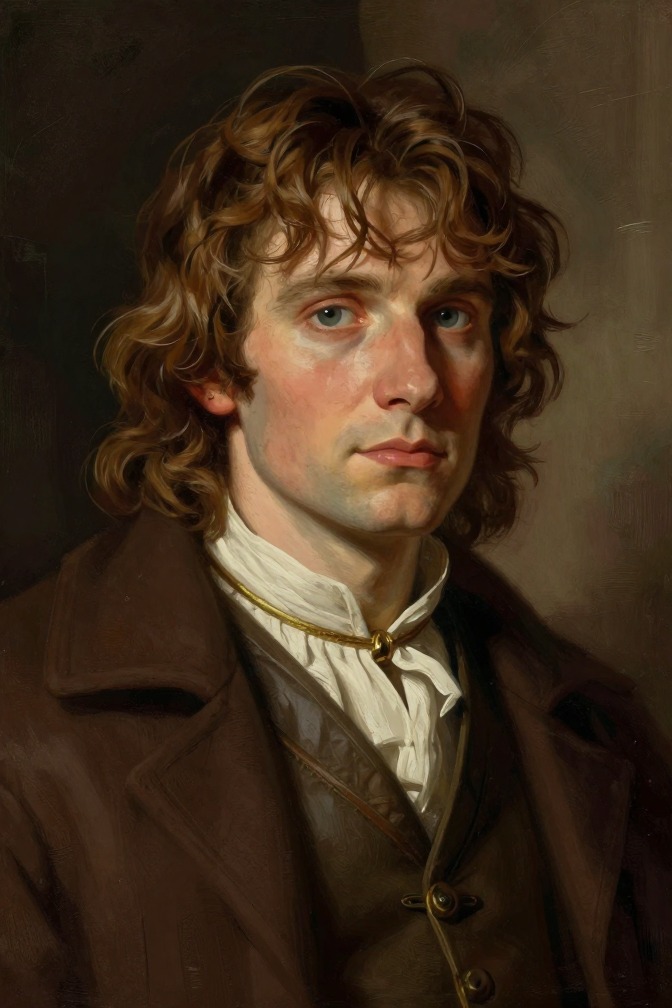
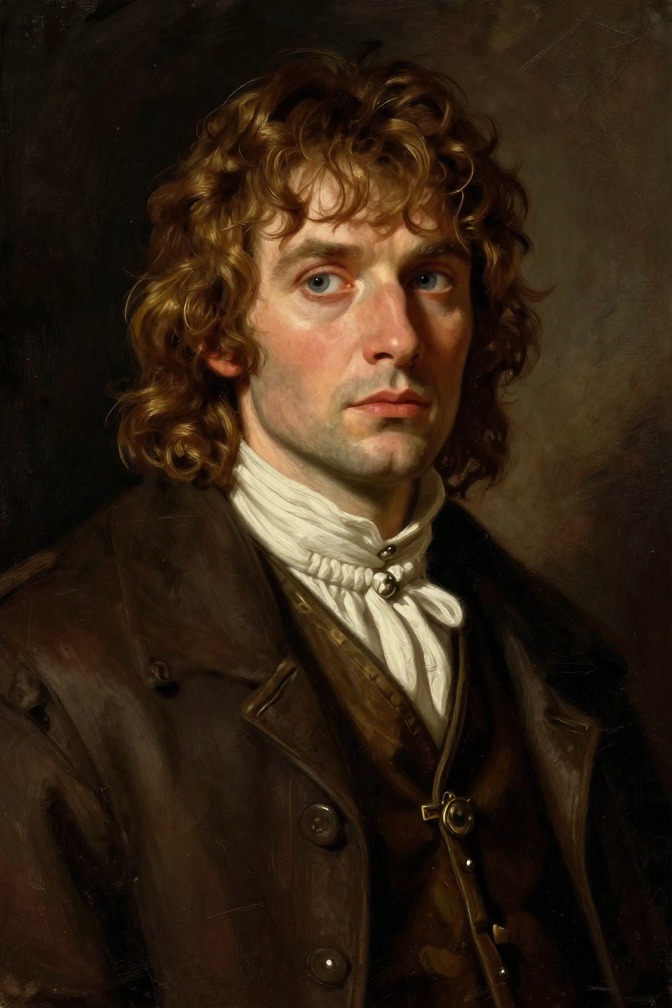
Kili is a young dwarf of Thorin Oakenshield's company, notable for his sharp eyes, youthful energy, and close bond with his brother Fili. He plays a key role in the quest to reclaim the Lonely Mountain, participating in scouting, combat, and the final battle.
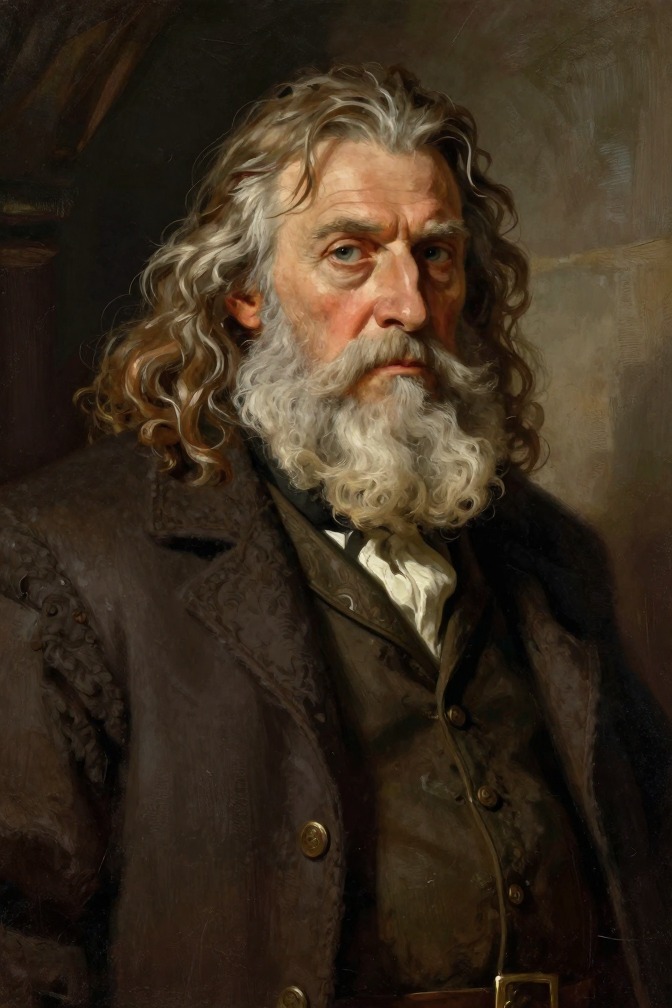
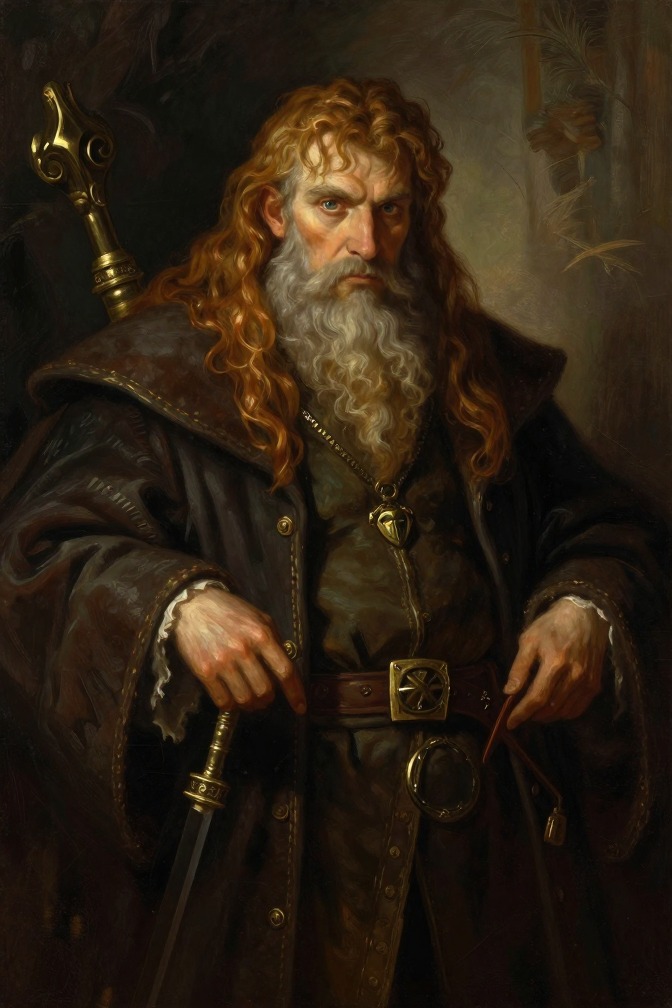
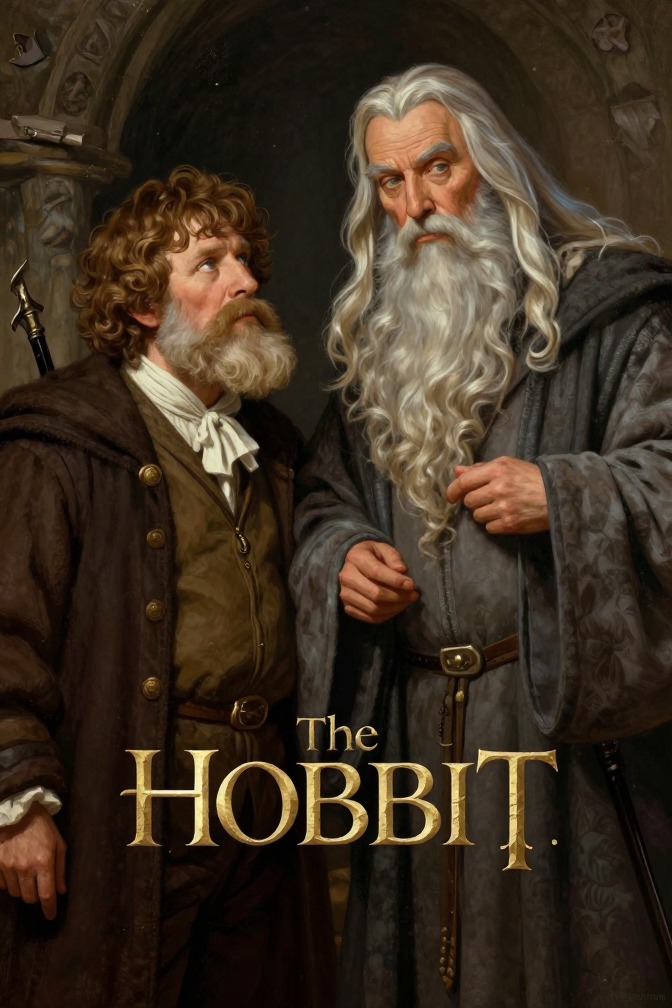
Old Took, the head of the Took clan and grandfather of Bilbo Baggins, is a legendary figure in Hobbiton whose adventurous reputation and connection to the wizard Gandalf set the stage for Bilbo's own unexpected journey, representing the wild, Tookish heritage that contrasts with the respectable Baggins side.
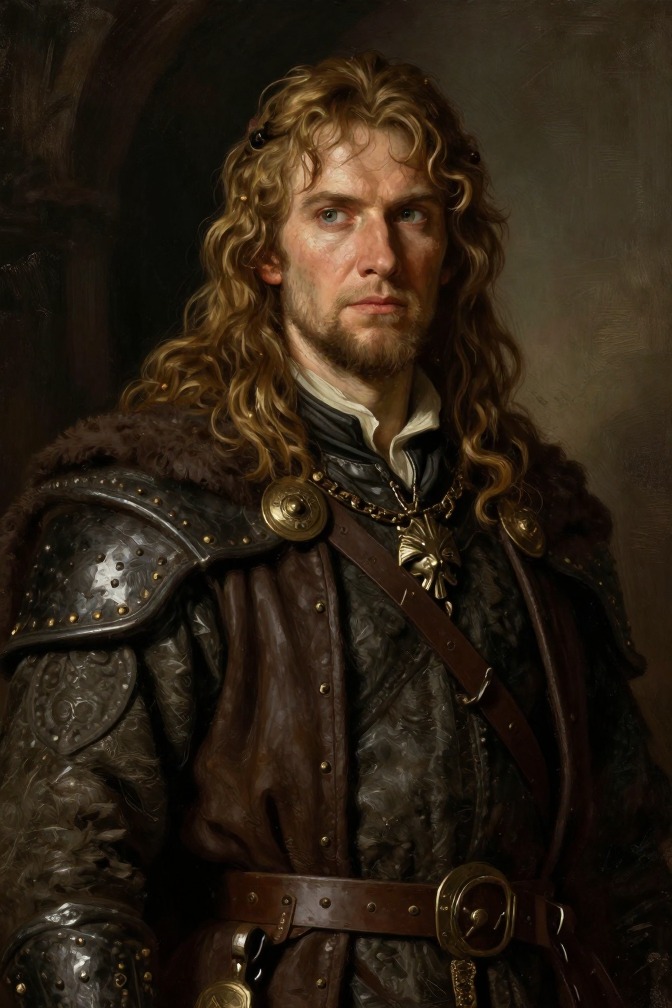
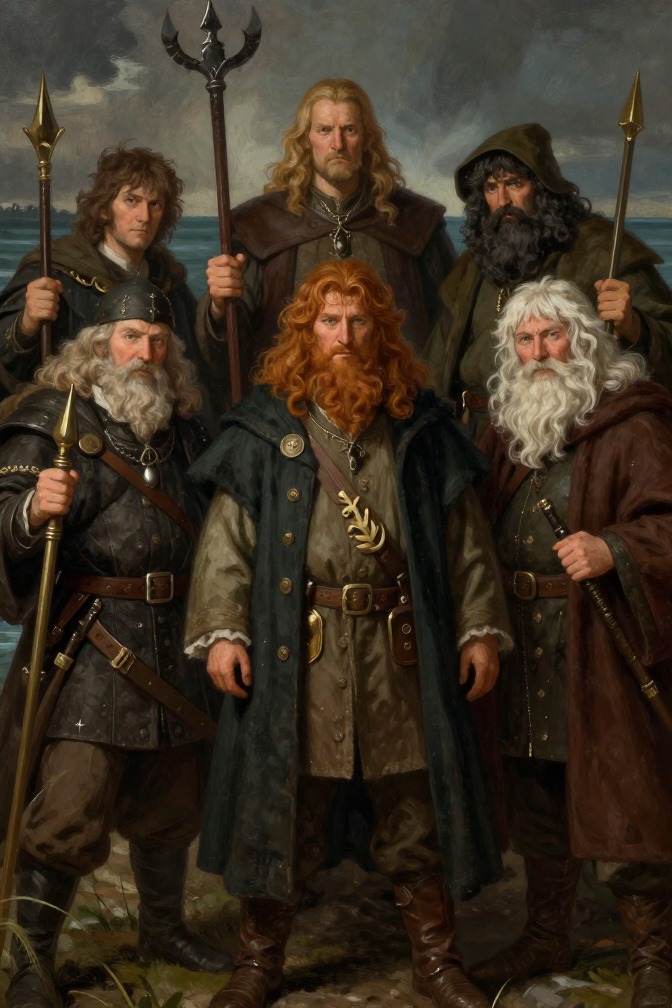
Thorin Oakenshield, the exiled heir of the King under the Mountain, leads a company of dwarves on a perilous quest to reclaim their ancestral treasure from the dragon Smaug, a journey that tests his pride, fuels his greed, and ultimately redeems him in a heroic death.
Tom is one of the three trolls encountered by Bilbo Baggins and the dwarves early in their journey, a dim-witted, gluttonous creature whose capture of the hobbit leads to the group's near-disaster and eventual rescue by Gandalf.
William is one of the three trolls encountered by Bilbo Baggins and the dwarves early in their journey. He is the largest and most argumentative of the trio, and his capture of Bilbo leads to the group's capture, but his greed and quarrelsomeness ultimately allow Gandalf to trick the trolls until dawn turns them to stone.
Elf-friend is a title and status granted to Bilbo Baggins by the Elvenking at the end of his adventure, signifying his enduring bond with the elven peoples and his transformation from a respectable hobbit into a figure of legend.
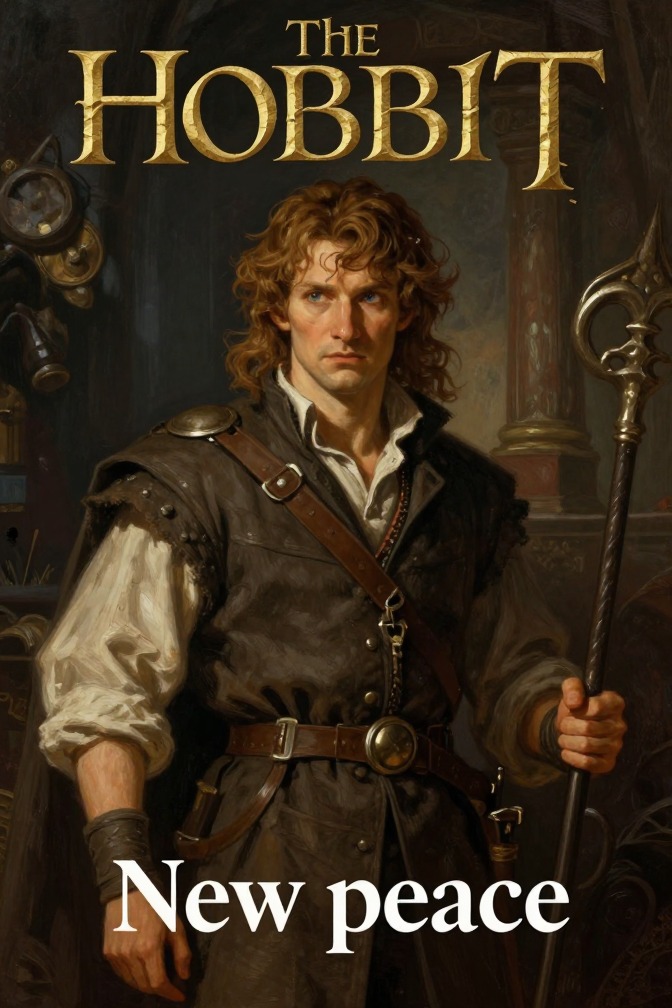
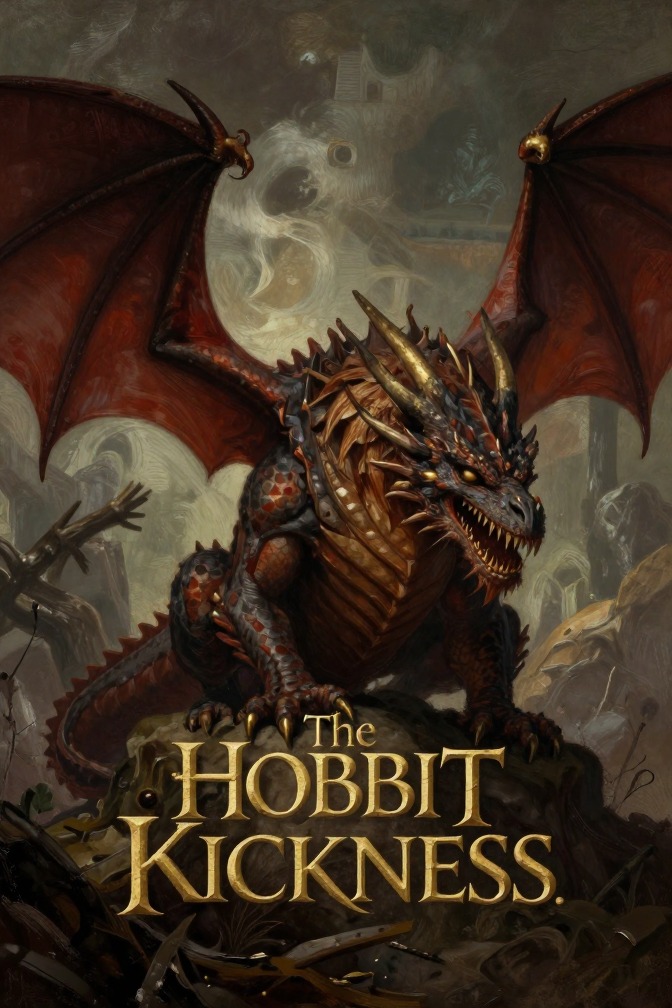
The New Peace is the restored order and prosperity that follows the destruction of Smaug, the defeat of the goblin and Warg armies in the Battle of Five Armies, and the reconciliation among dwarves, men, and elves. It marks the end of the Desolation of the Dragon and the beginning of a renewed era for the lands around the Lonely Mountain, Mirkwood, and the Misty Mountains, transforming the Wild into a safer, more settled region.
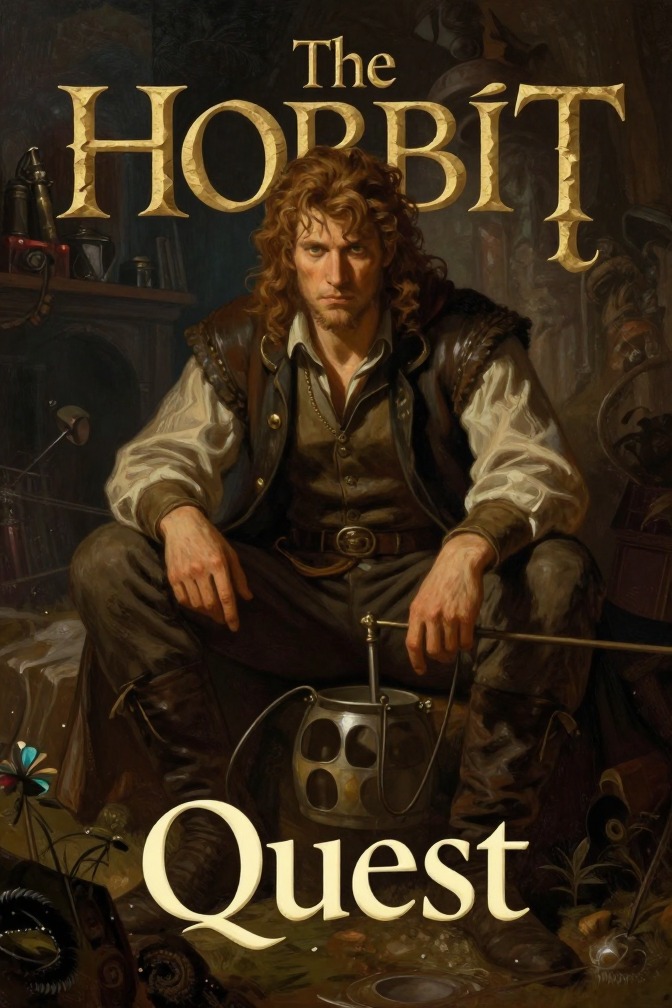
The Quest is the central organizing journey of The Hobbit, a perilous expedition undertaken by Thorin Oakenshield and his company of dwarves, with the reluctant hobbit Bilbo Baggins as their burglar, to reclaim the lost treasure of the dwarves from the dragon Smaug beneath the Lonely Mountain. It is the narrative engine that drives the entire plot, transforming Bilbo from a comfort-loving homebody into a resourceful adventurer and reshaping the political landscape of the Wild.
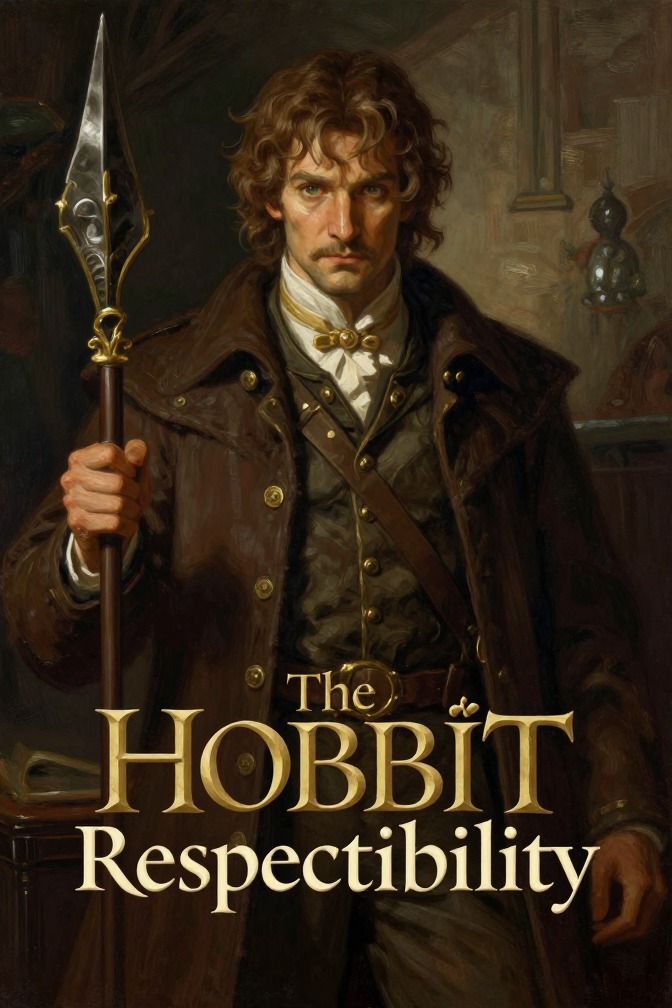
Respectability is a central social value in the Shire, defining the Baggins family's standing and contrasting sharply with the adventurous Tookish side. Bilbo Baggins's journey forces him to lose his neighbors' respect but gain a deeper, more meaningful life, ultimately redefining what it means to be respectable.
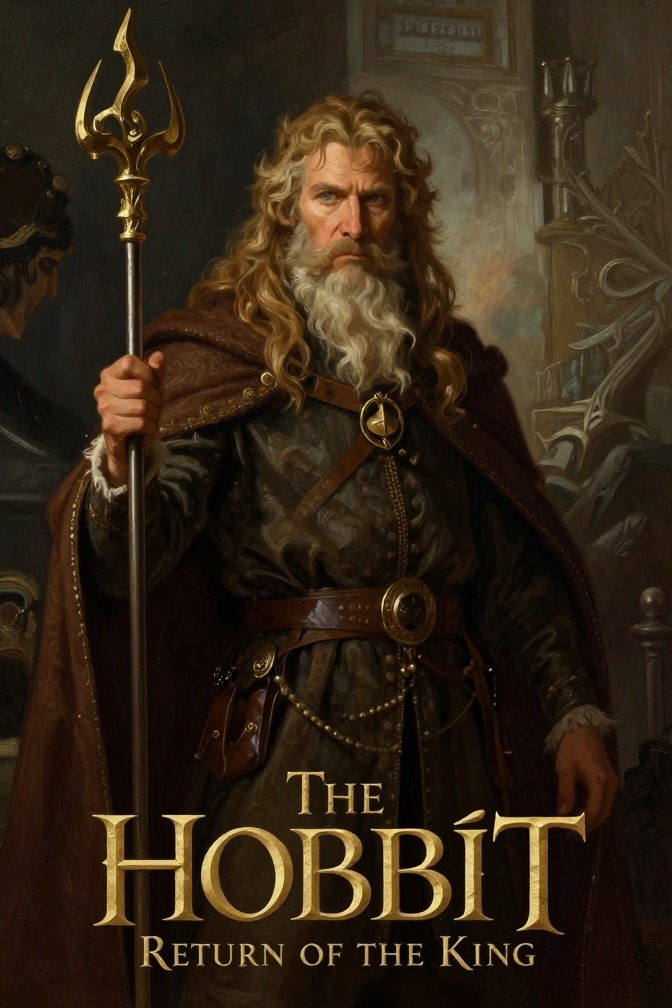
The Return of the King is the central prophecy and political concept in The Hobbit, referring to the restoration of the dwarven monarchy under the Lonely Mountain after the death of the dragon Smaug. It is a narrative of exile, reclaiming, and the ambiguous consequences of fulfilled prophecy, embodied by Thorin Oakenshield's brief, tragic reign and the subsequent establishment of Dain as King under the Mountain.
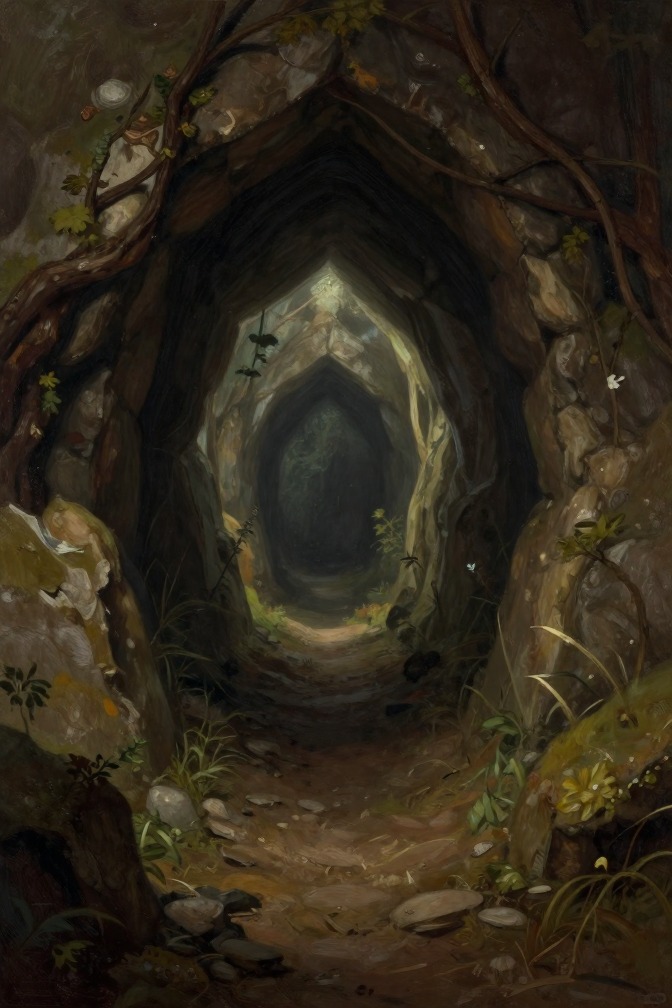
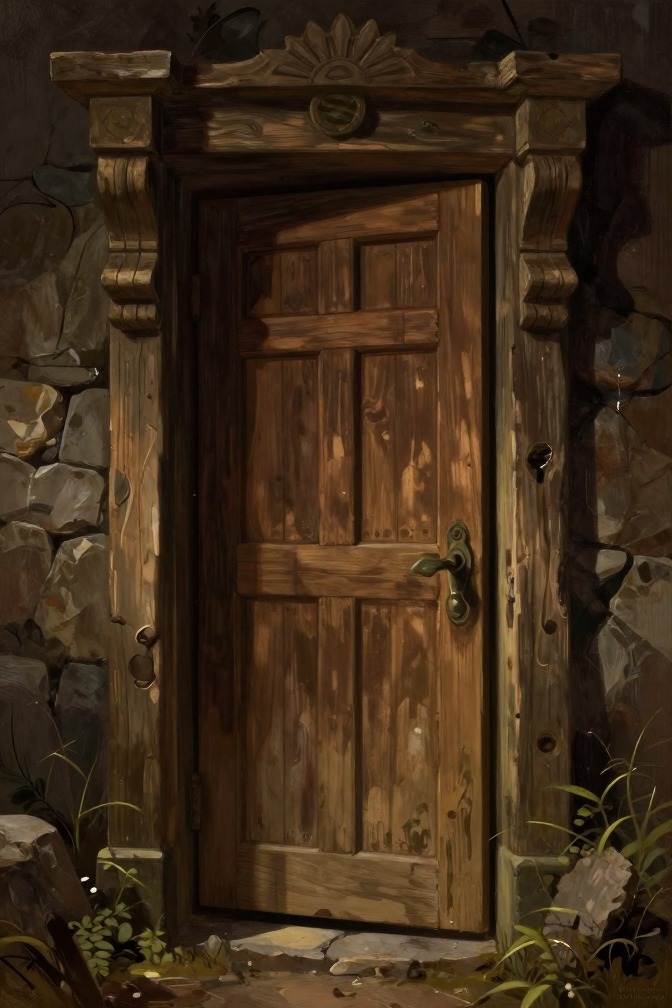
The Secret Passage is the hidden tunnel leading from the Lonely Mountain's western side into the great treasure hall of Thror, discovered through the moon-letters on Thror's Map and opened on Durin's Day. It is the crucial point of entry for Bilbo Baggins's burglary, the site of his first encounter with Smaug, and the only route by which the dwarves could approach the dragon's hoard without facing the Front Gate. Its discovery and use set in motion the central conflict of the quest, and its eventual destruction by Smaug's fury seals the company inside the Mountain, forcing them to find another way out.
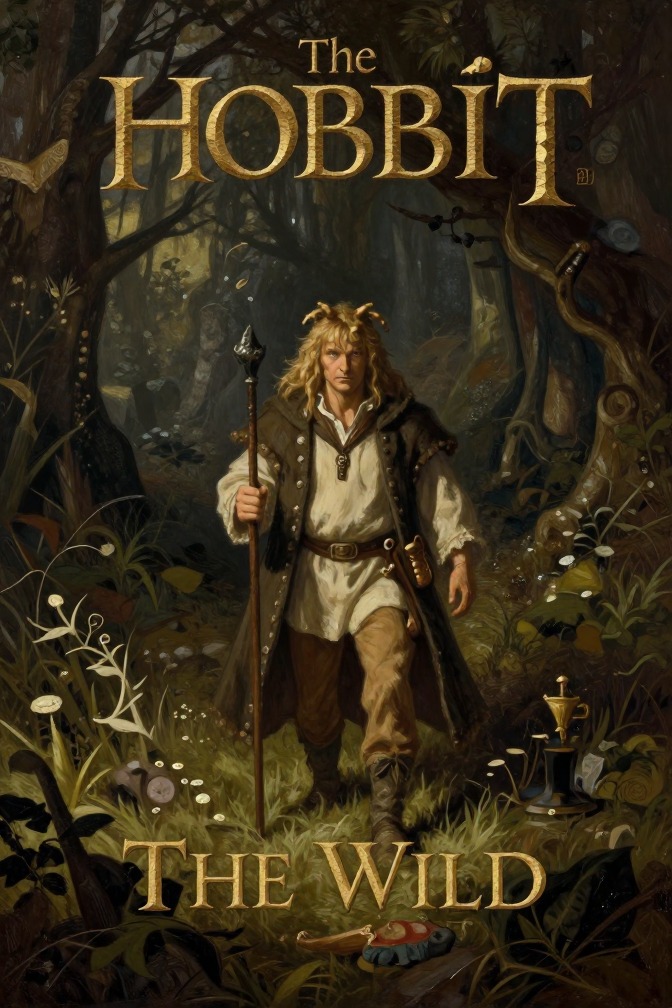
The Wild is the vast, untamed region beyond the borders of the Shire, a realm of increasing danger, ancient ruins, and lawless lands that the dwarves and Bilbo must cross to reach the Lonely Mountain. It represents the threshold between the comfortable, civilized world of the hobbits and the perilous, unknown East, and its crossing marks the true beginning of the adventure.
The Treasure of Thror is the vast hoard of gold, gems, and crafted objects amassed by the Dwarf-king Thror and his people in the Lonely Mountain, stolen by the dragon Smaug and later the object of Thorin Oakenshield's quest, a force that drives the plot and corrupts its pursuers.
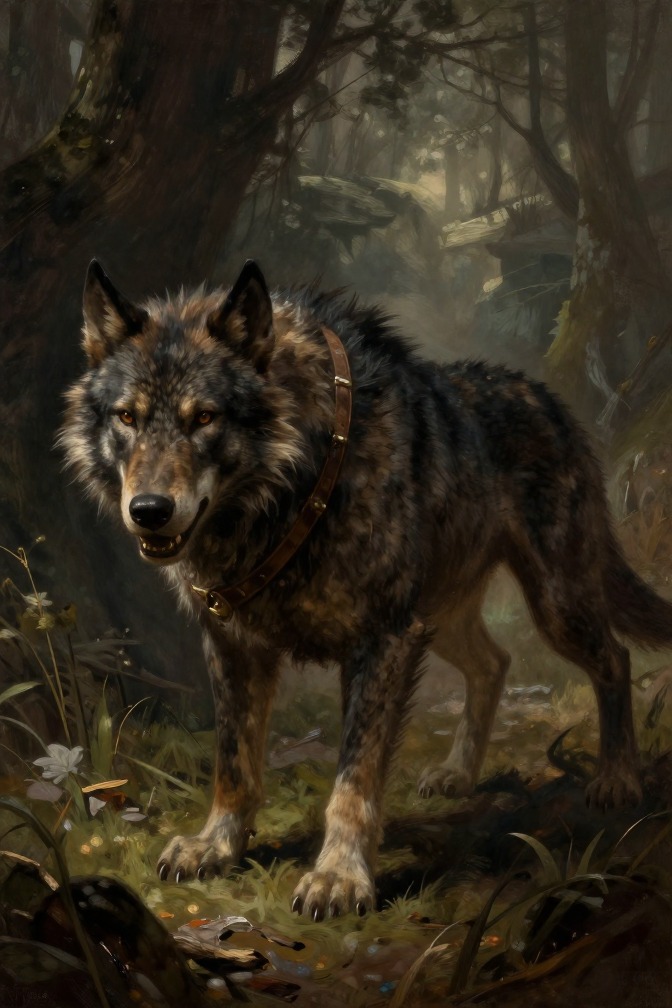
The Wargs are the evil wolves that inhabit the lands beyond the Edge of the Wild, serving as allies of the goblins and posing a constant threat to the company during their journey through the Misty Mountains and the Desolation of the Dragon.
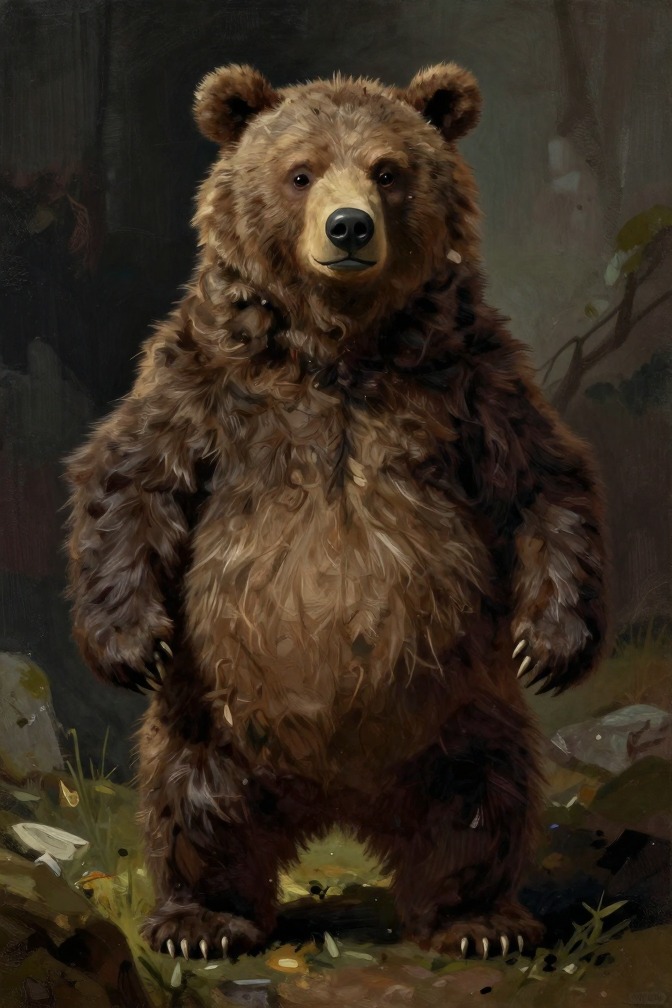
Bears in The Hobbit are not a single species but a category that includes the skin-changer Beorn, who can transform between human and bear forms, and the wild bears that dance around Beorn's house at night, serving as a protective force and a sign of his dual nature.
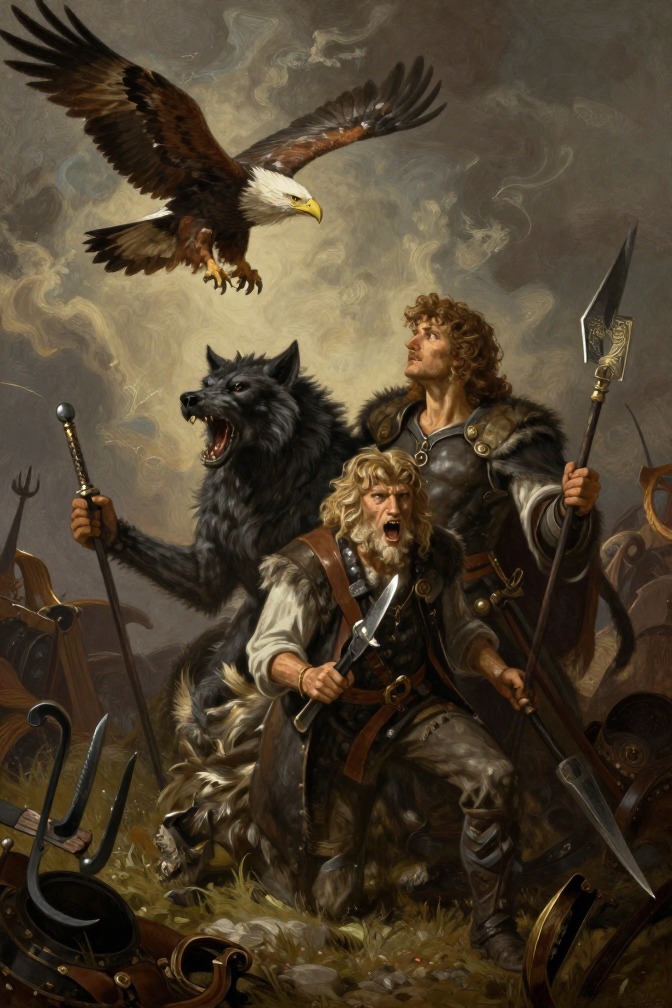
The Wargs and Eagles event is the climactic rescue of Thorin and Company from a combined Warg and goblin attack in the pine forests east of the Misty Mountains, orchestrated by Gandalf's fire-magic and completed by the sudden intervention of the Great Eagles, which lifts the company from certain death and carries them to safety.
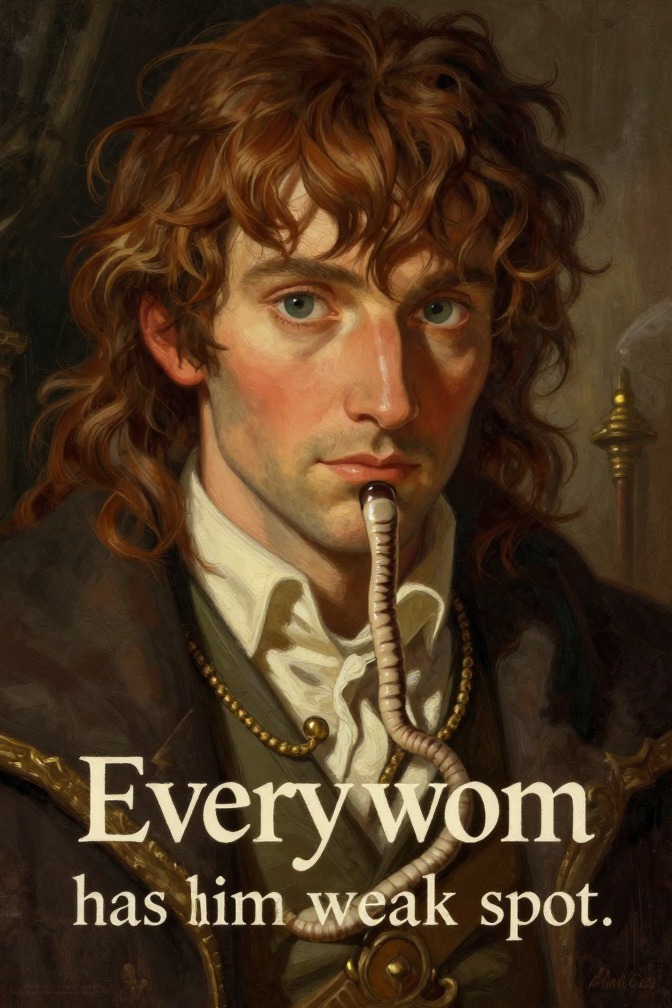
Bilbo Baggins recalls his father's saying, 'Every worm has his weak spot,' as a proverbial expression of the belief that even the most formidable adversary possesses a hidden vulnerability, a principle he applies directly to the dragon Smaug during their confrontation beneath the Lonely Mountain.
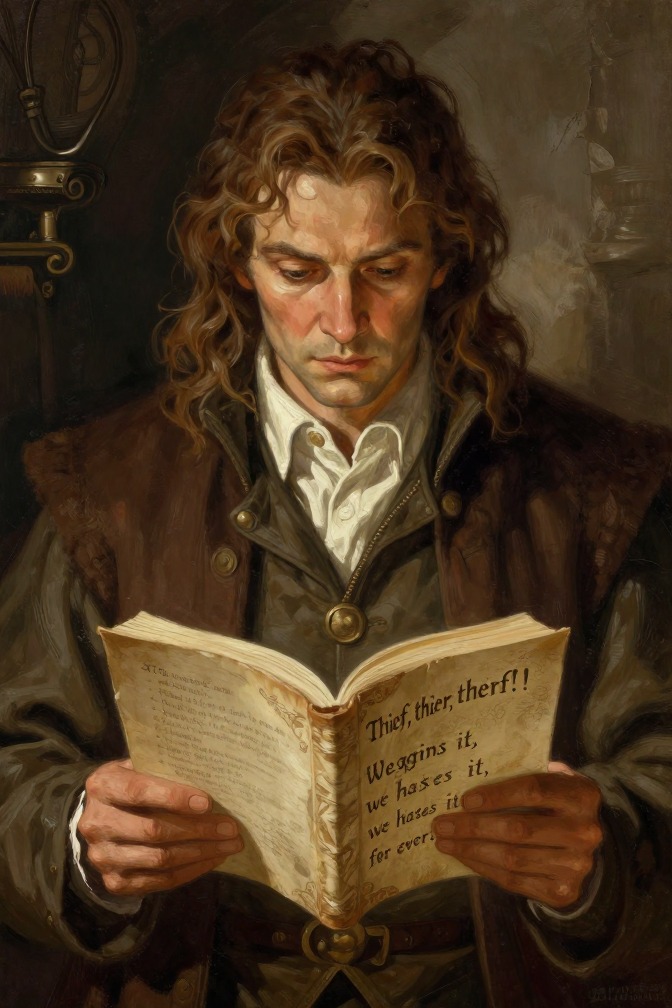
Gollum's curse, 'Thief, thief, thief! Baggins! We hates it, we hates it, we hates it for ever!', is the defining verbal expression of his hatred and despair after losing the One Ring to Bilbo Baggins, marking the irreversible rupture between the two characters and the birth of a relentless enmity that echoes through the rest of the story.
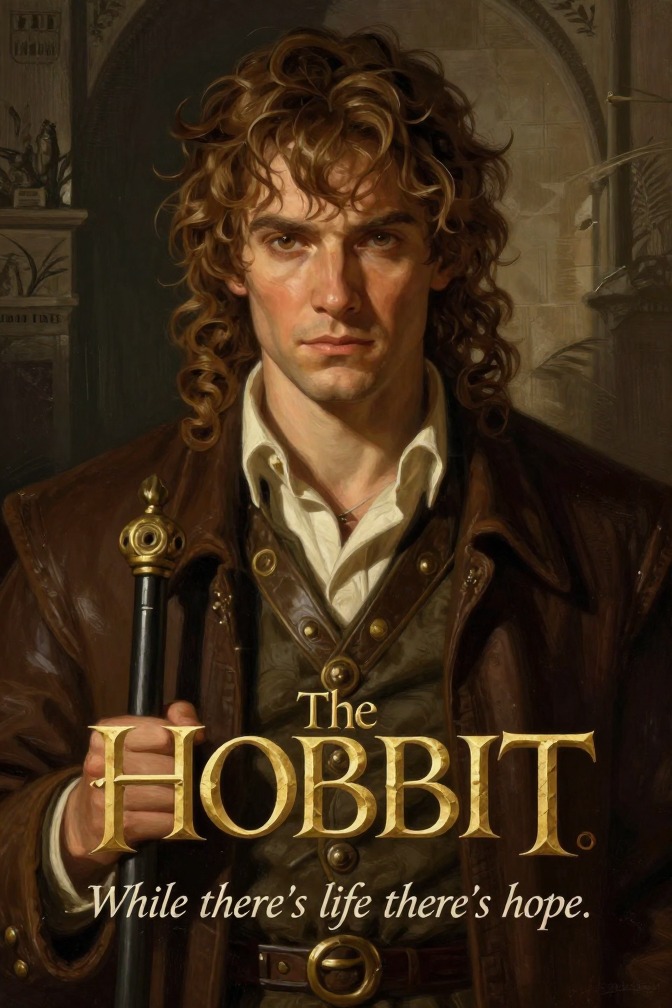
While there's life there's hope is a proverbial expression used by Bilbo Baggins at a moment of extreme despair, when the dwarves are trapped in the darkness of the Lonely Mountain after Smaug has sealed the secret door. The phrase crystallizes Bilbo's resilience and his role as the moral and practical anchor of the expedition, marking a turning point from passive endurance to active problem-solving.
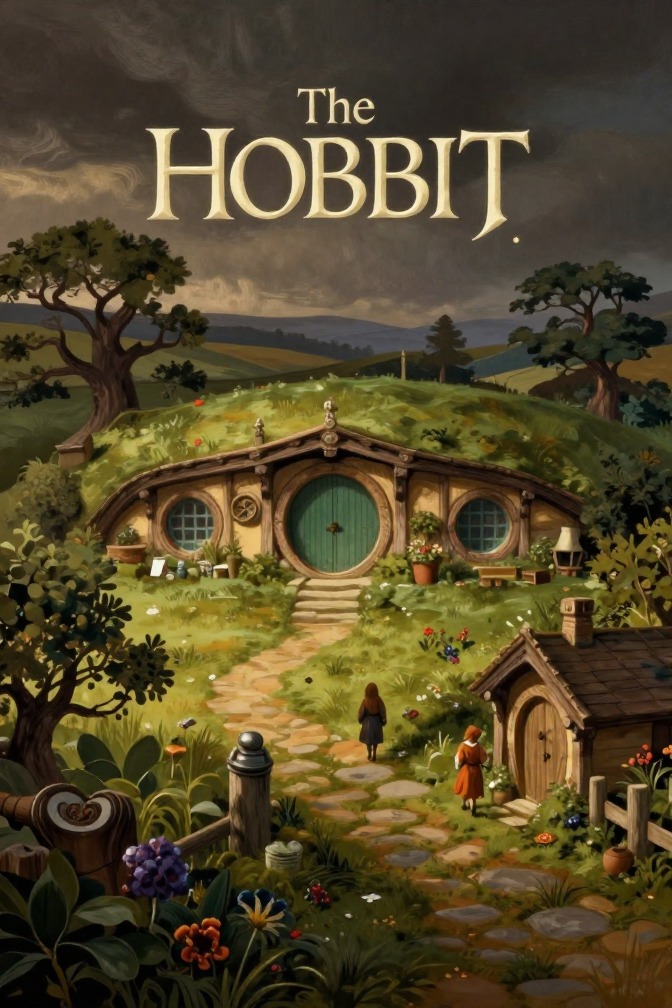
Hobbiton is the idyllic hobbit village in the Shire that serves as the starting point and emotional anchor of Bilbo Baggins's adventure, representing the comfortable, respectable, and adventure-averse world he leaves behind and ultimately returns to, transformed.
The Lake-men, also known as the Men of Esgaroth or Lake-town, are a hardy community of mortal men who dwell in a wooden town built on the Long Lake, living under the shadow of the Lonely Mountain and the dragon Smaug. They play a crucial role in the latter part of the quest, providing aid to Thorin and Company, suffering the dragon's devastating attack, and ultimately becoming key participants in the Battle of Five Armies and the subsequent reordering of the North.
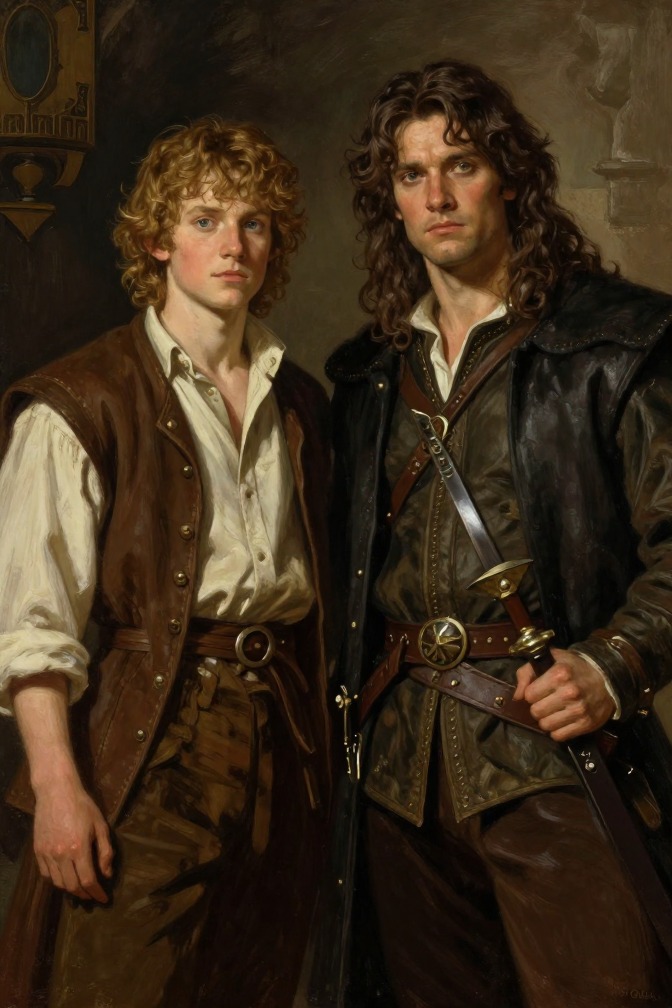
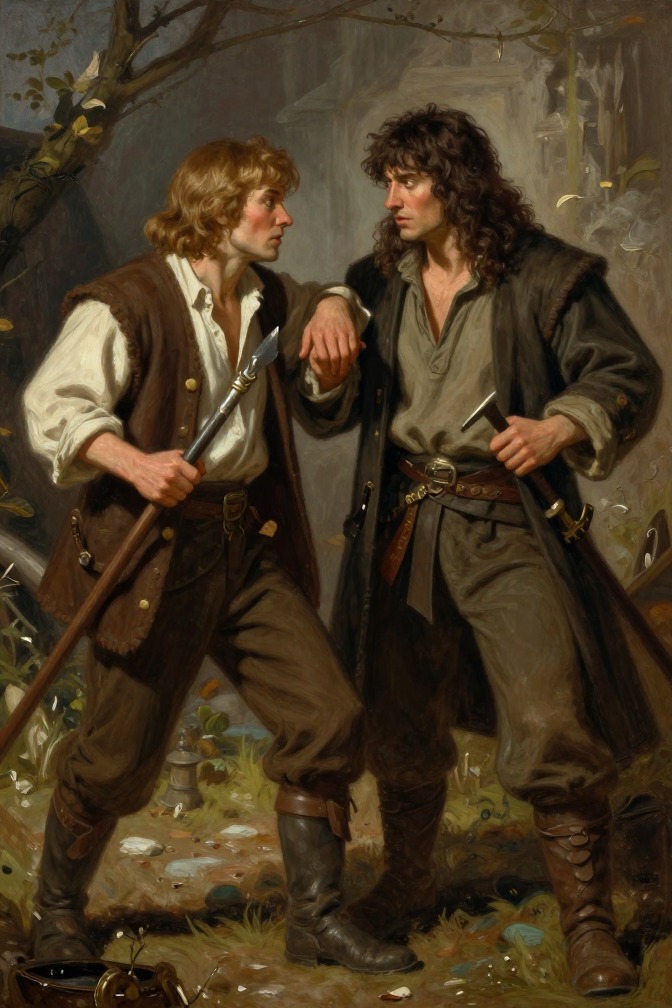
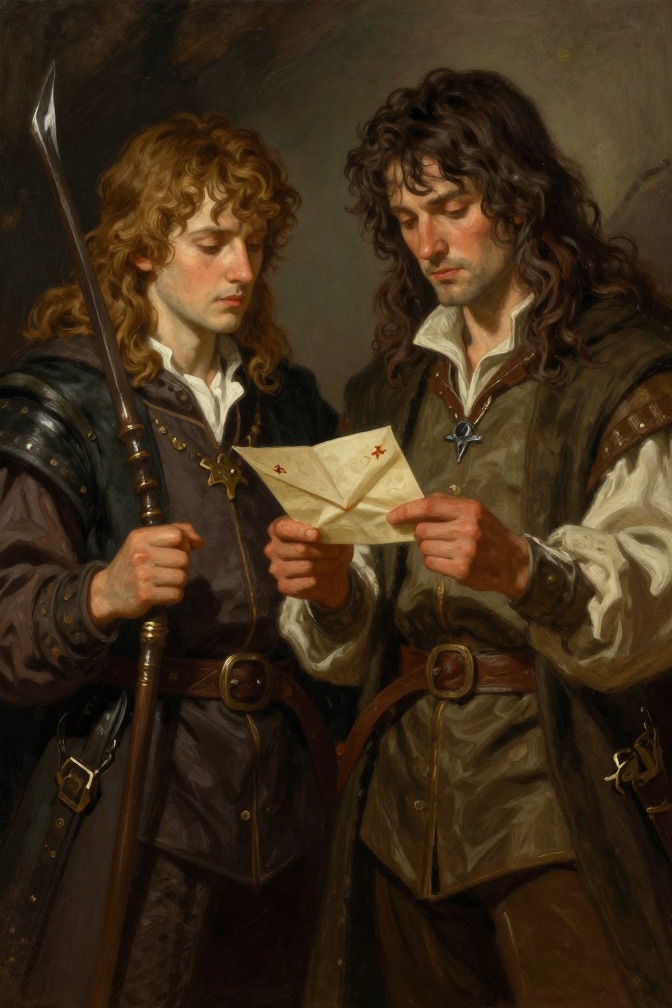
Fili and Kili are the young nephews of Thorin Oakenshield, the leader of the dwarven company in The Hobbit. Their relationship is defined by kinship, loyalty, and a shared fate that culminates in their heroic deaths defending their uncle in the Battle of Five Armies.
The relationship between the Lake-men and Thorin and Company begins with enthusiastic mutual aid and celebration, but rapidly deteriorates into bitter conflict over the dragon's treasure, culminating in a siege and near-battle before the common threat of the goblin army forces a temporary, uneasy alliance.
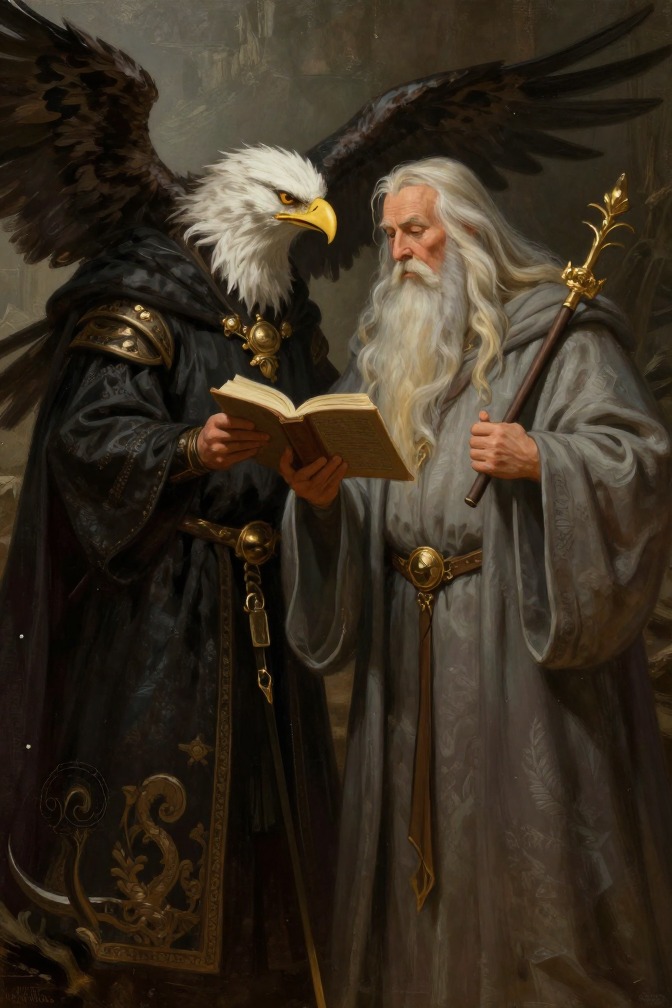
The Lord of the Eagles and Gandalf share a friendship rooted in a past service, which leads to the Eagles' crucial rescue of the wizard and the dwarves from the Wargs and goblins, and later to their participation in the Battle of Five Armies.
The friendship between Old Took and Gandalf is a foundational relationship in Bilbo Baggins's world, established long before the events of the quest. It is through this old bond that Gandalf gains access to the hobbit community and ultimately selects Bilbo for the adventure, and it provides a key reference point for understanding Gandalf's history in the Shire and the Took family's adventurous streak.
The old thrush, a survivor of the ancient breed that once lived in Dale, plays a crucial role in the downfall of Smaug by delivering vital information about the dragon's weak spot to Bard the Bowman during the attack on Lake-town.
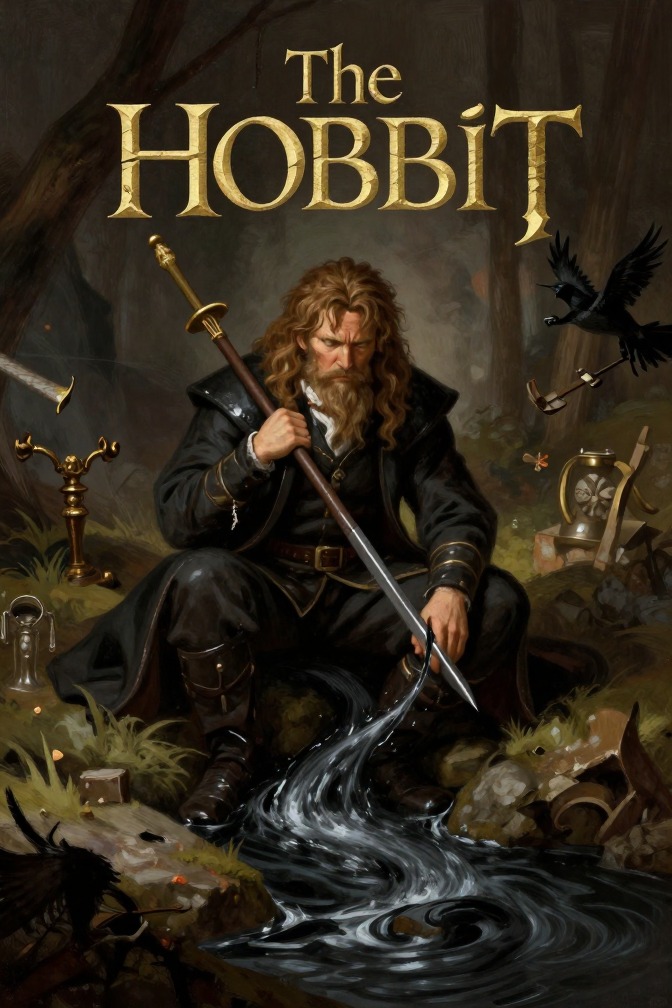
The Black stream prohibition is a crucial rule encountered by Thorin and Company during their journey through Mirkwood, forbidding them from drinking or bathing in a specific enchanted stream that crosses their path, as it carries a dangerous enchantment of drowsiness and forgetfulness.
The secret door condition is a set of specific requirements that must be met to open the hidden entrance to the Lonely Mountain, as revealed by the moon-letters on Thror's Map.
Dragon-sickness is a moral and psychological affliction that overtakes those who come under the spell of a dragon-guarded treasure, manifesting as an obsessive, possessive greed that distorts judgment, erodes loyalty, and ultimately leads to ruin. In *The Hobbit*, it afflicts Thorin Oakenshield after the death of Smaug, transforming him from a proud but honorable leader into a paranoid, war-mongering figure who values gold above friendship and life itself. The sickness also claims the Master of Lake-town, who steals gold meant for his people and dies alone in the Waste. Bilbo Baggins, by contrast, resists the sickness, choosing modest reward and home over hoarded wealth, a choice that defines his moral victory.
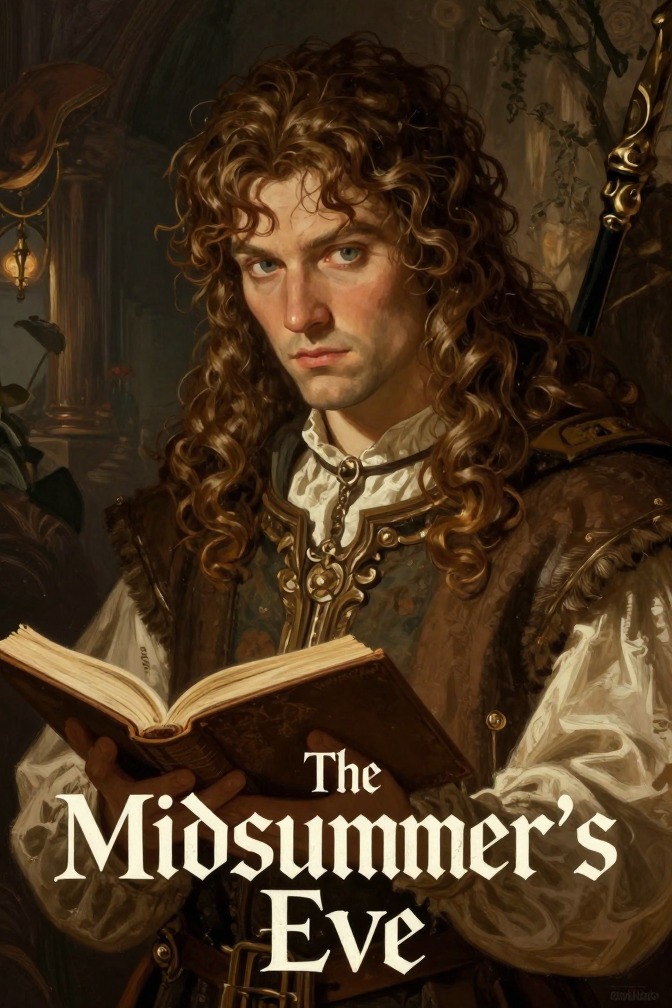
Midsummer's Eve is a recurring temporal marker in The Hobbit, associated with the revelation of moon-letters on Thror's Map, the departure of Thorin and Company from Rivendell, and the festive fireworks of Gandalf. It functions as a threshold between the ordinary world and the heroic quest, and as a moment of hidden knowledge and seasonal transition.