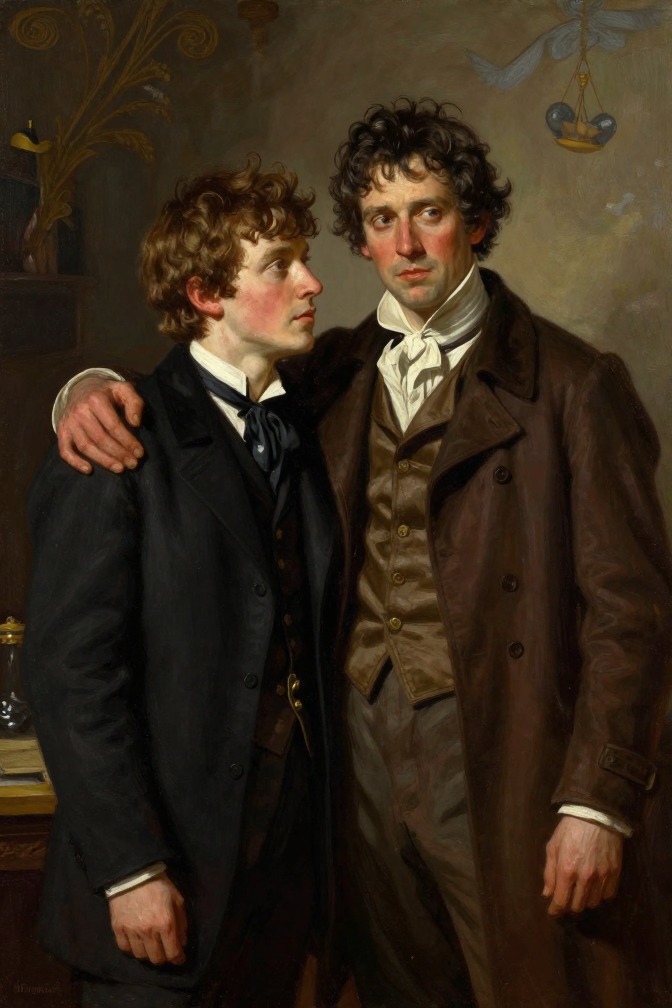
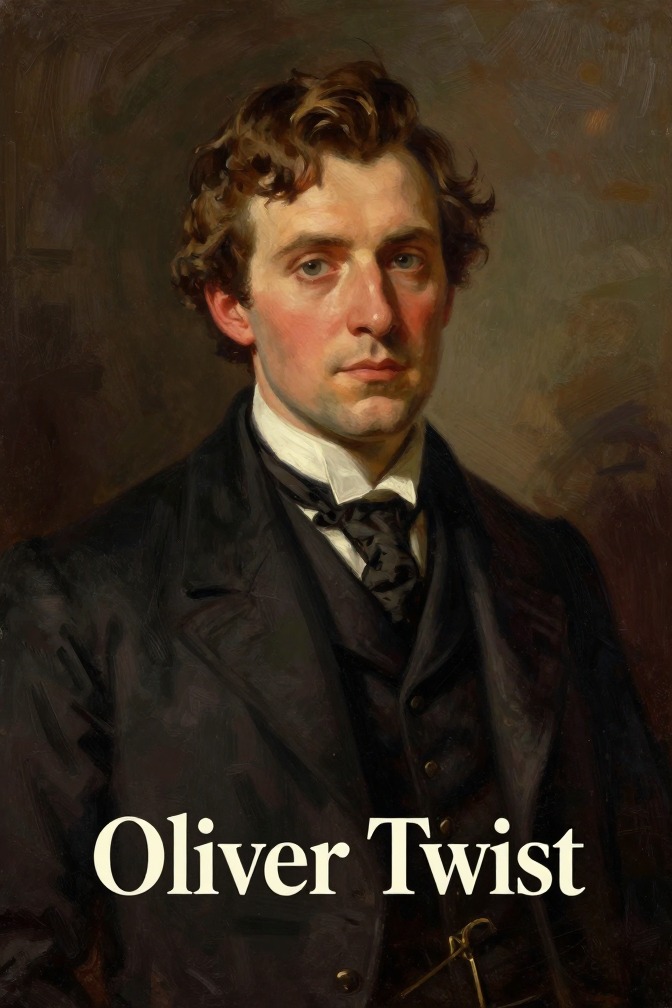
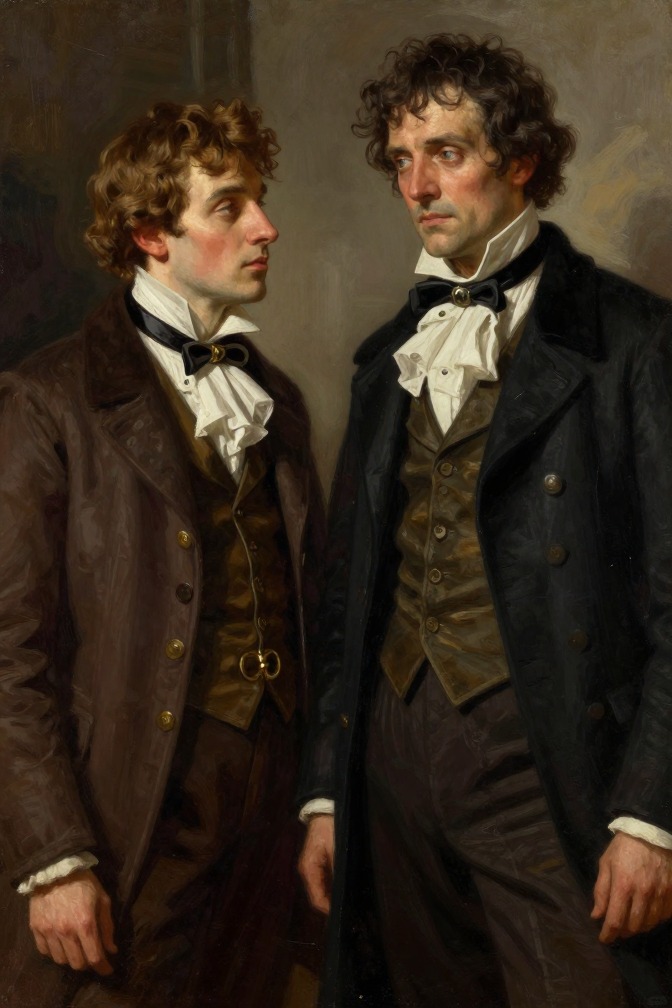
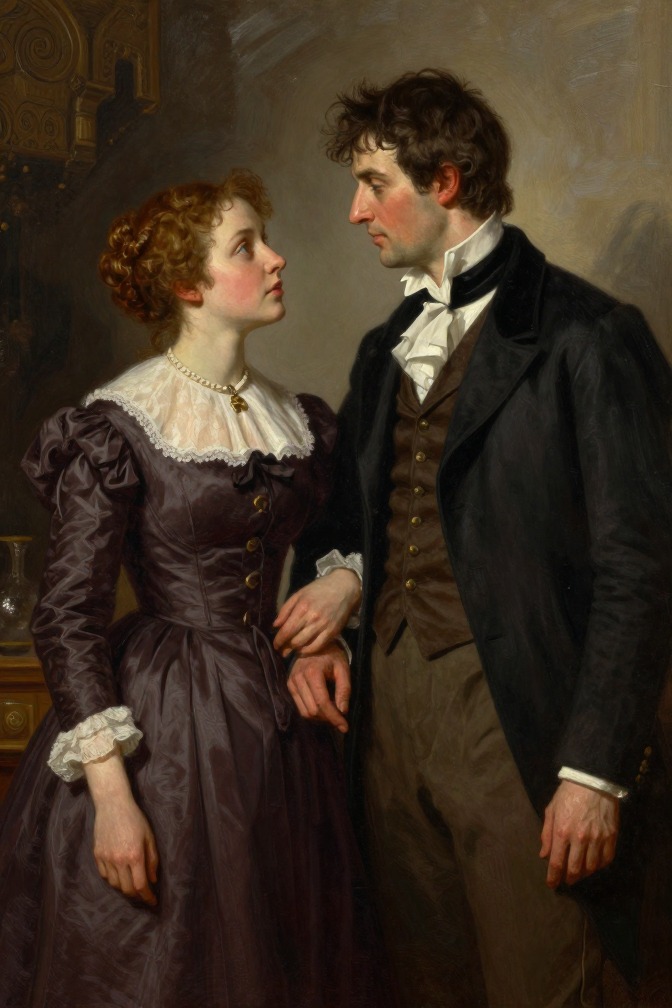
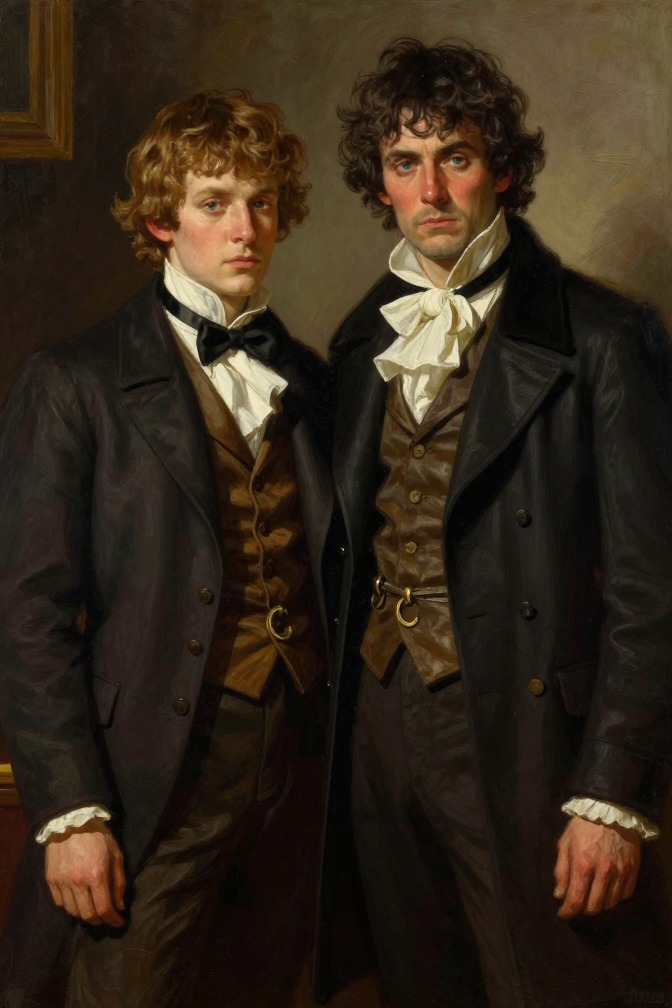
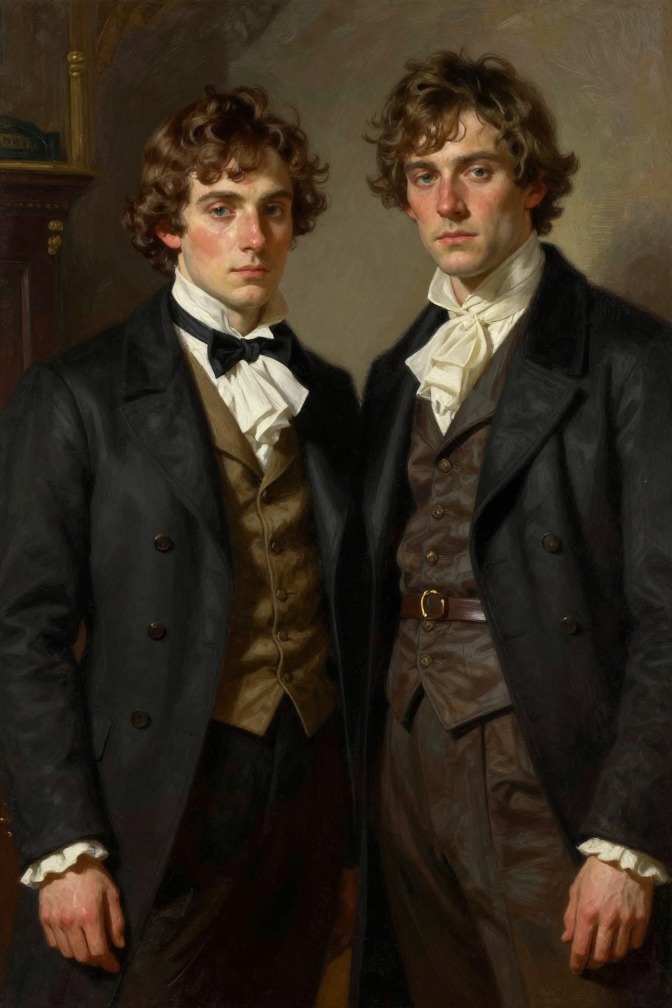
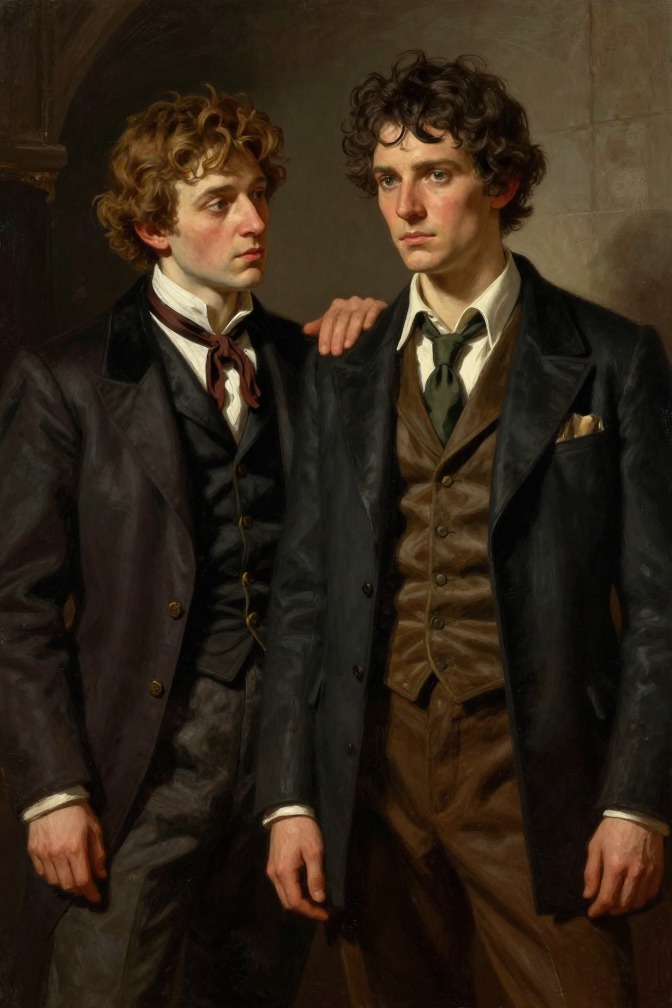
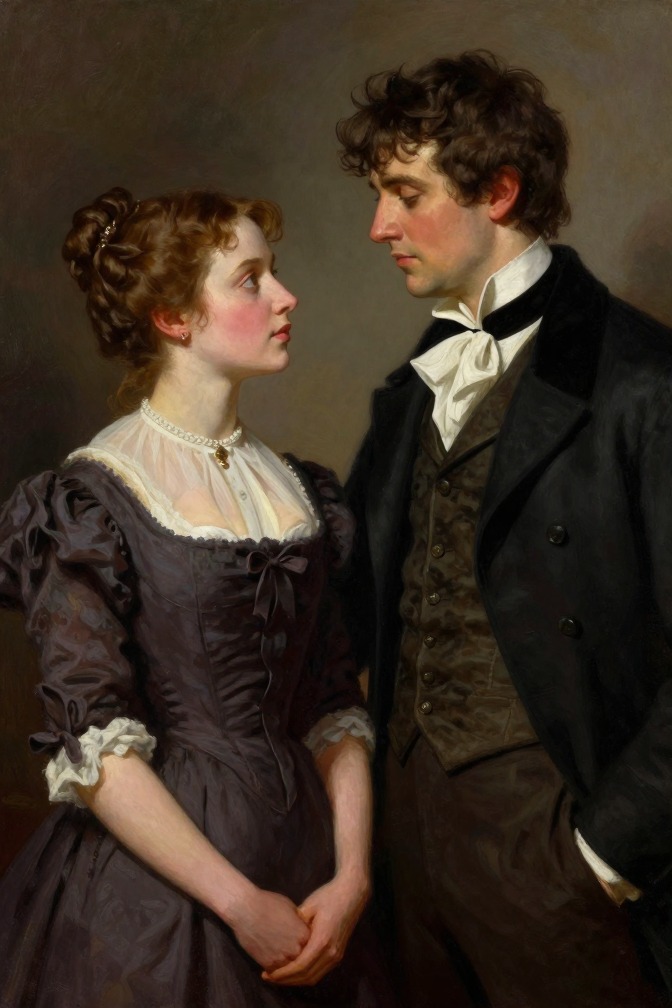
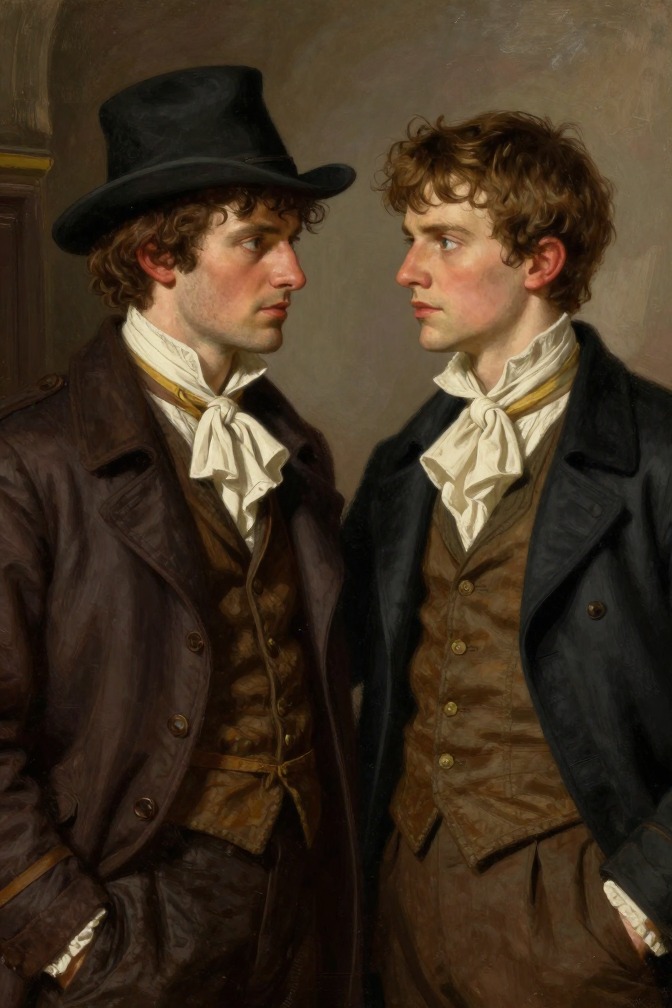
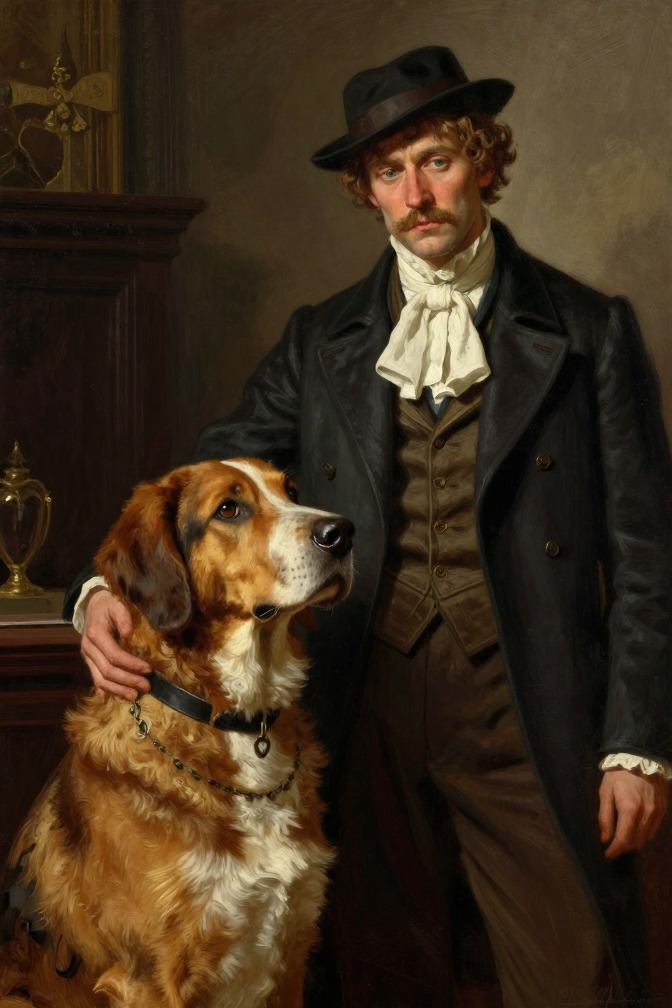
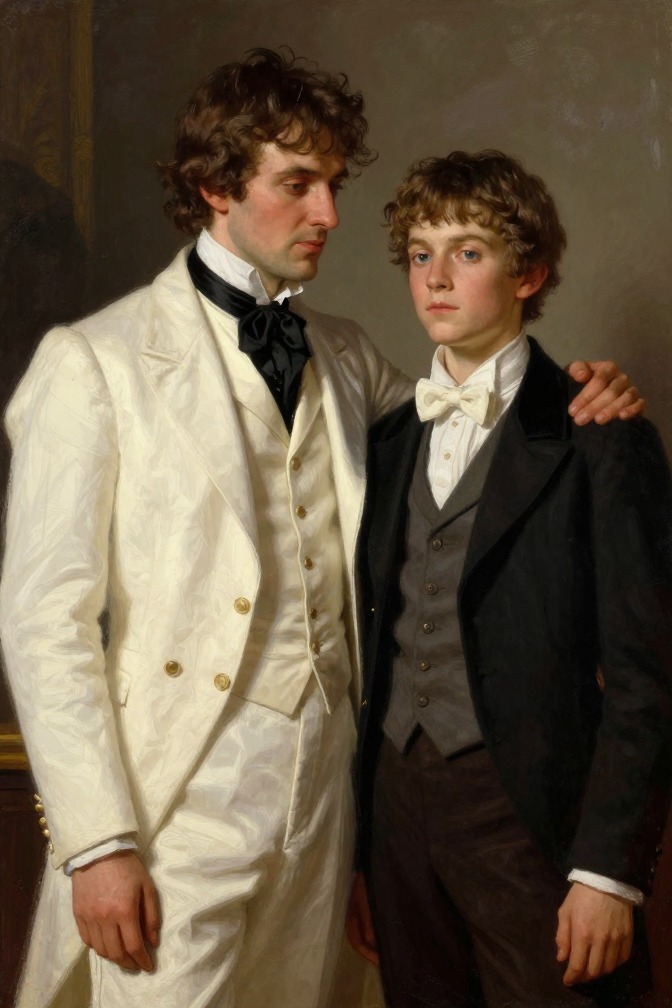
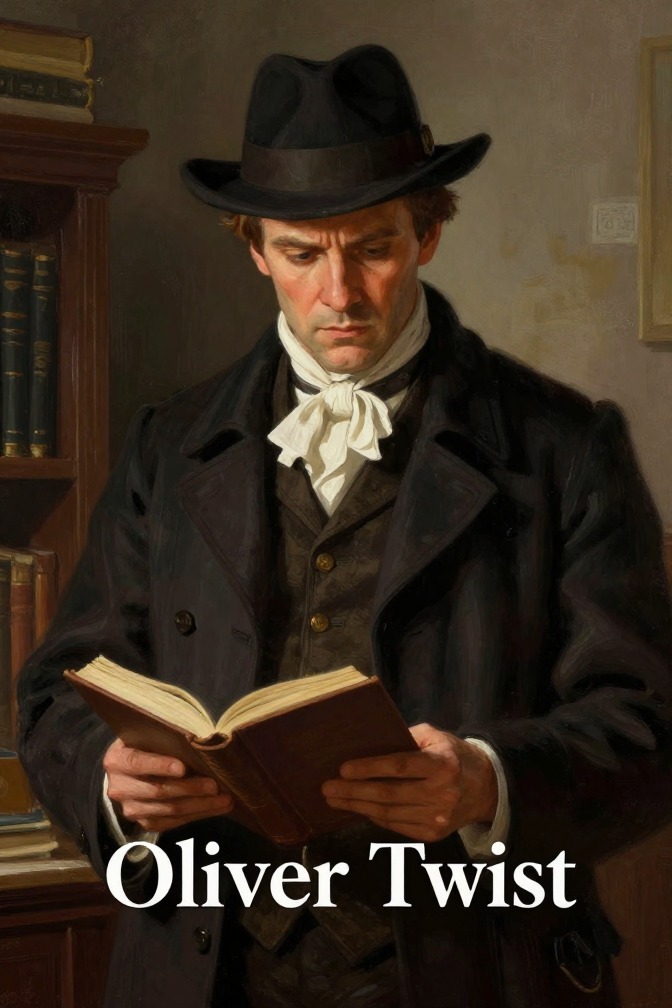
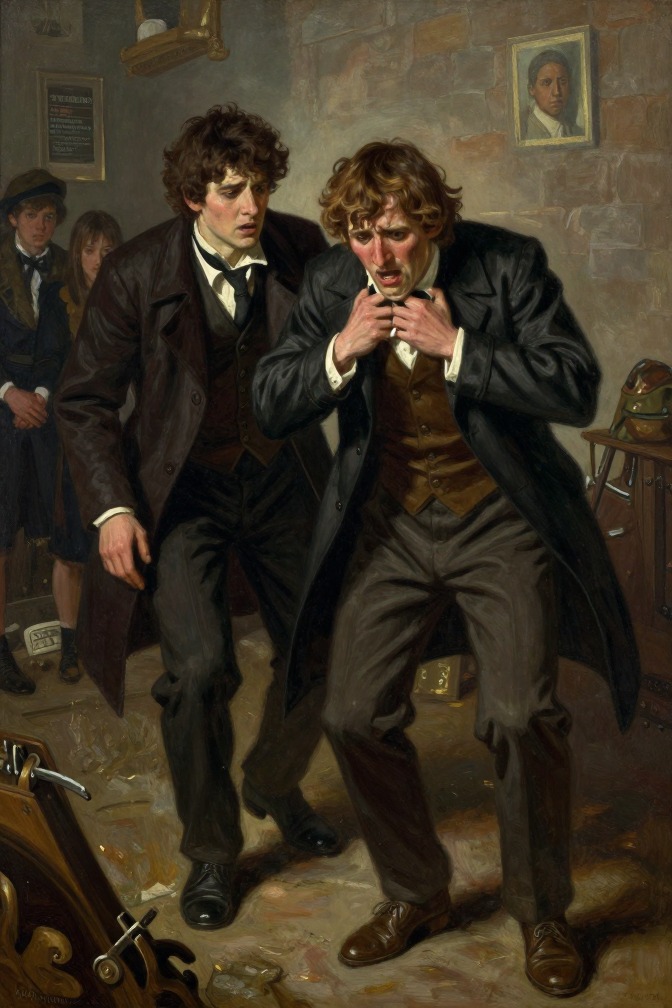
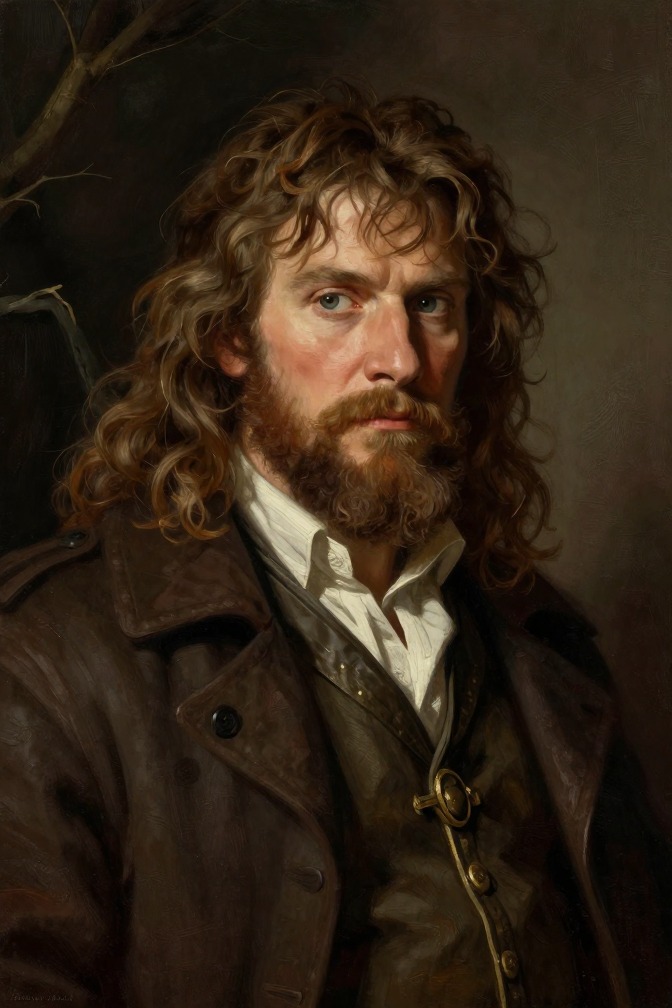
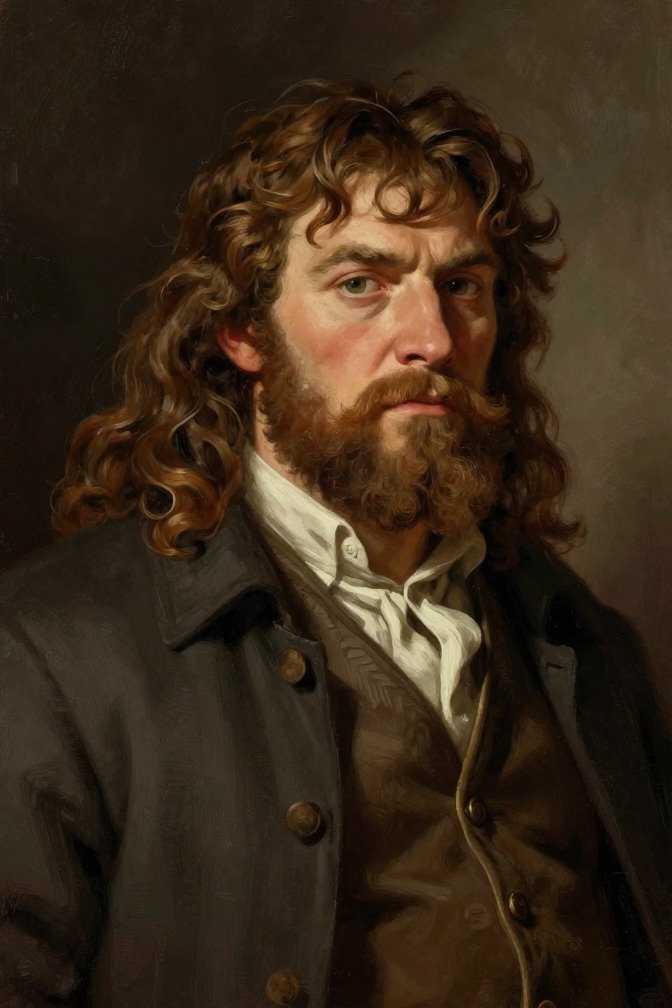
The revelation of Oliver Twist's parentage is the novel's climactic resolution, transforming the orphaned parish boy into the legitimate heir of a substantial fortune and the beloved nephew of Rose Maylie, while exposing the criminal conspiracy of his half-brother Monks and the villainous Fagin.
Number one is a recurring philosophical maxim in Charles Dickens's Oliver Twist, articulated most explicitly by Fagin to his new recruit Noah Claypole. It encapsulates the principle of radical self-interest that governs the criminal underworld: every individual's primary duty is to look after himself, and all alliances are merely instruments for serving that single end. The phrase functions as a cynical counter-gospel to the novel's overt moral scheme, exposing the logic that binds Fagin's gang together even as it ultimately justifies betrayal and isolation.
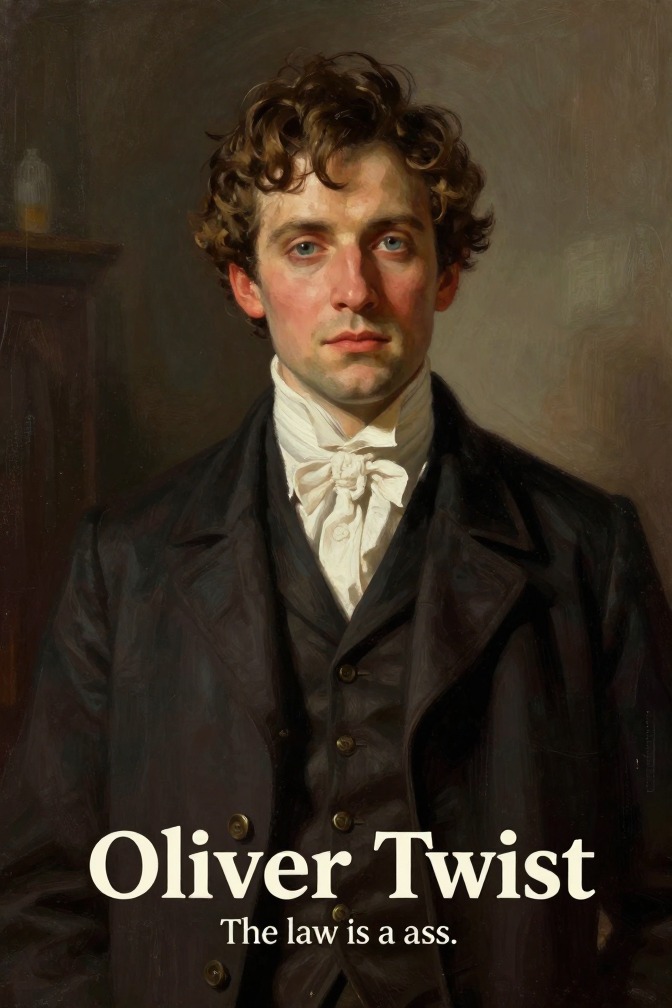
Mr. Bumble's exclamation "the law is a ass" is the novel's most famous indictment of legal positivism, crystallizing the gap between the Poor Law's abstract rules and the concrete suffering they produce. Uttered when Mr. Brownlow tells Bumble that the law holds a husband responsible for his wife's actions, the phrase exposes the absurdity of a system that imputes agency to those who have none while denying it to those who do. The line recurs in the novel's legal episodes—from Mr. Fang's kangaroo court to the Bow Street officers' farcical investigation—as a running critique of a justice system that punishes the poor for being poor and lets the guilty hide behind procedure.
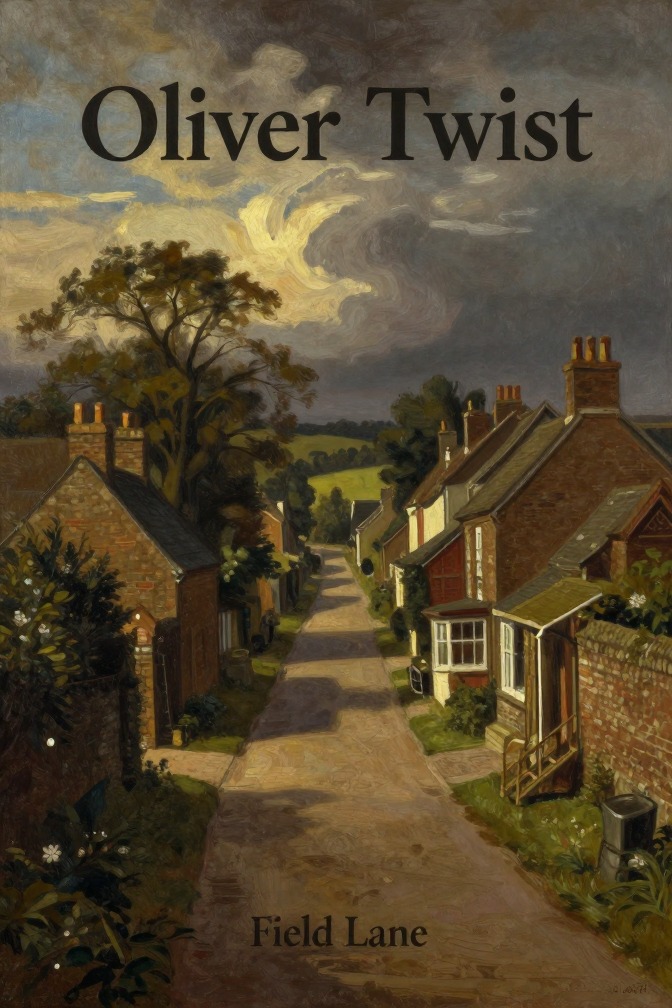
Field Lane is a narrow, filthy alley in London's Saffron Hill district, serving as the commercial hub for the trade in stolen goods and the operational base of Fagin's criminal gang. It is the setting where Oliver Twist is first brought into the underworld, and its squalid, dangerous character epitomizes the urban poverty and crime that Dickens relentlessly exposes.
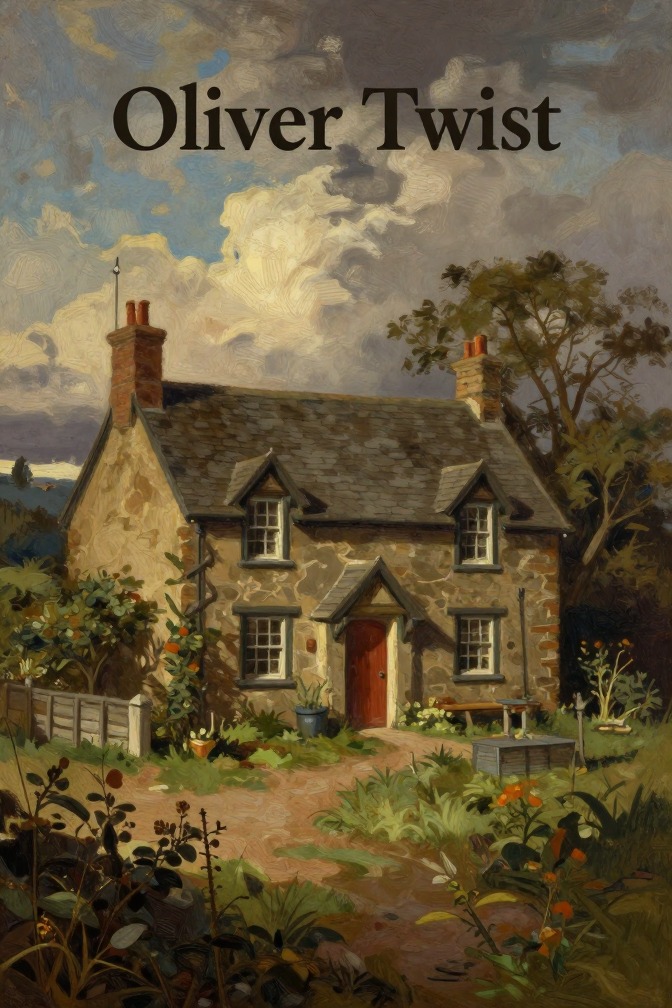
The cottage is the rural home of Mrs. Maylie and Rose Maylie, where Oliver Twist is taken to recover after being shot during the burglary at Chertsey. It becomes the setting for Oliver's first experience of sustained peace, kindness, and domestic happiness, and the site of Rose's life-threatening fever, Harry Maylie's return, and the final confrontation with Fagin and Monks. The cottage functions as the novel's primary symbol of the safe, loving home that the orphan has never known, and its violation by the reappearance of the criminals marks the last intrusion of the criminal world into Oliver's new life.
The Advertisement for Oliver Twist is a printed notice offering a reward for information about the missing boy, which functions as a crucial plot device that brings Mr. Bumble to London to slander Oliver's character and later appears as a public notice that spreads news of the crime, ultimately contributing to the novel's themes of surveillance, reputation, and the power of print media in Victorian society.
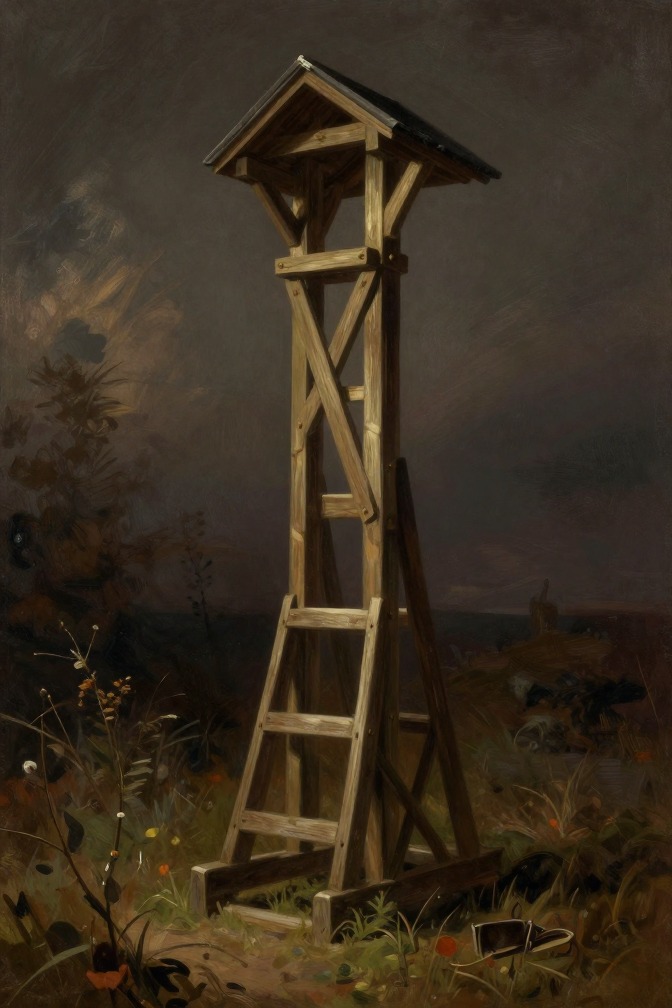
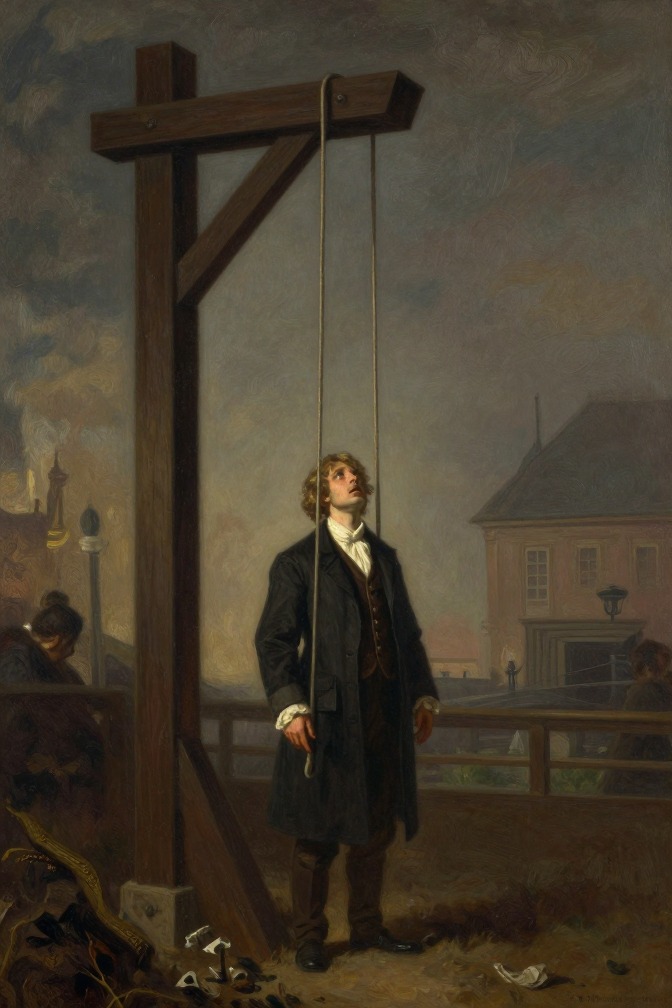
The Gallows is the central symbol of state-sanctioned death in Oliver Twist, representing the ultimate threat that looms over the criminal underworld and the novel's moral universe. It functions both as a literal instrument of execution and as a pervasive metaphor for the inescapable consequences of a life of crime, shaping the fates of Fagin, Bill Sikes, and the gang, and casting a shadow over the entire narrative.
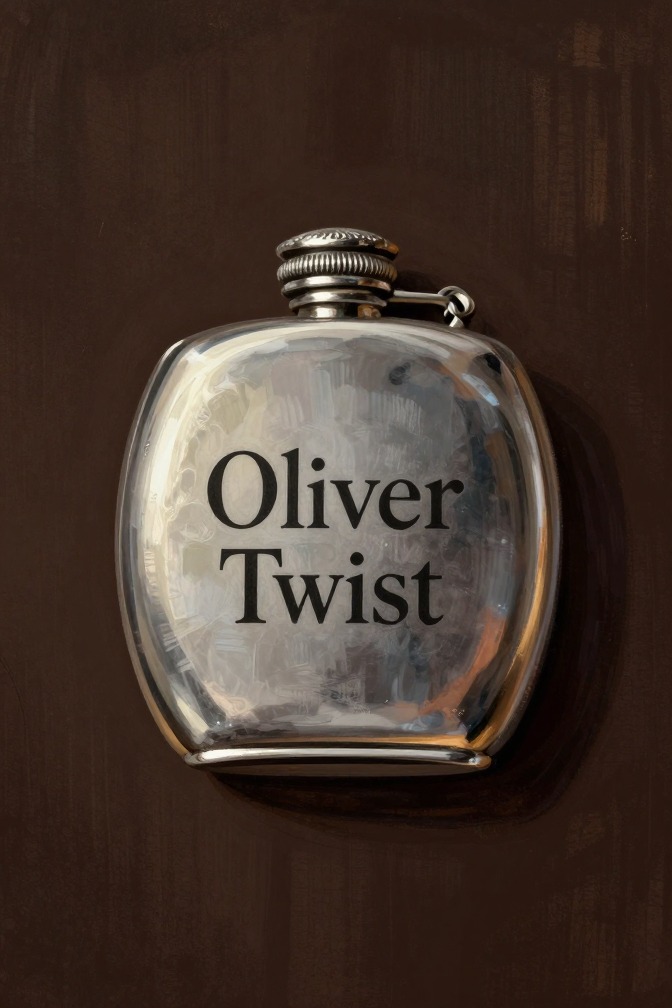
The silver snuff-box is a small, engraved personal possession that becomes a crucial piece of evidence in the trial of the Artful Dodger, leading to his conviction for pickpocketing and transportation. Its appearance in the narrative serves as a concrete example of the gang's petty theft and the legal system's swift, often harsh, judgment against them.
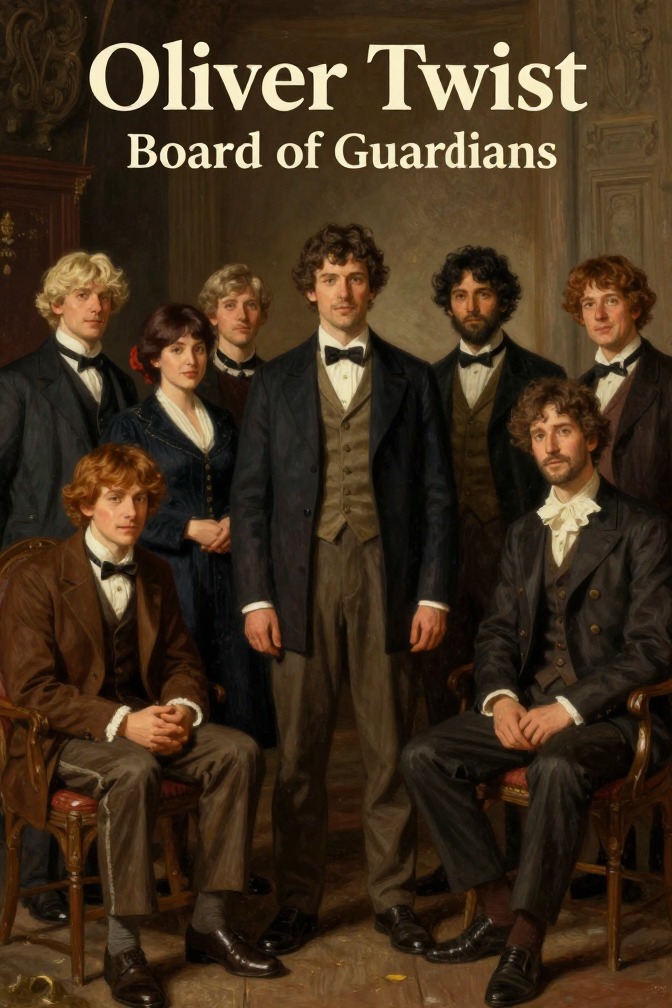
The Board of Guardians is the parochial authority that governs the workhouse and administers the Poor Law in Oliver Twist's birthplace. Composed of self-important, hypocritical, and cruel men, the Board makes the decisions that shape Oliver's early life, from his "farming" out to Mrs. Mann and his near-apprenticeship to the chimney sweep Mr. Gamfield, to the infamous incident where he asks for more gruel. The Board embodies the institutionalized callousness and flawed philosophy of the English Poor Law system, prioritizing cost-cutting and moralistic punishment over genuine charity.
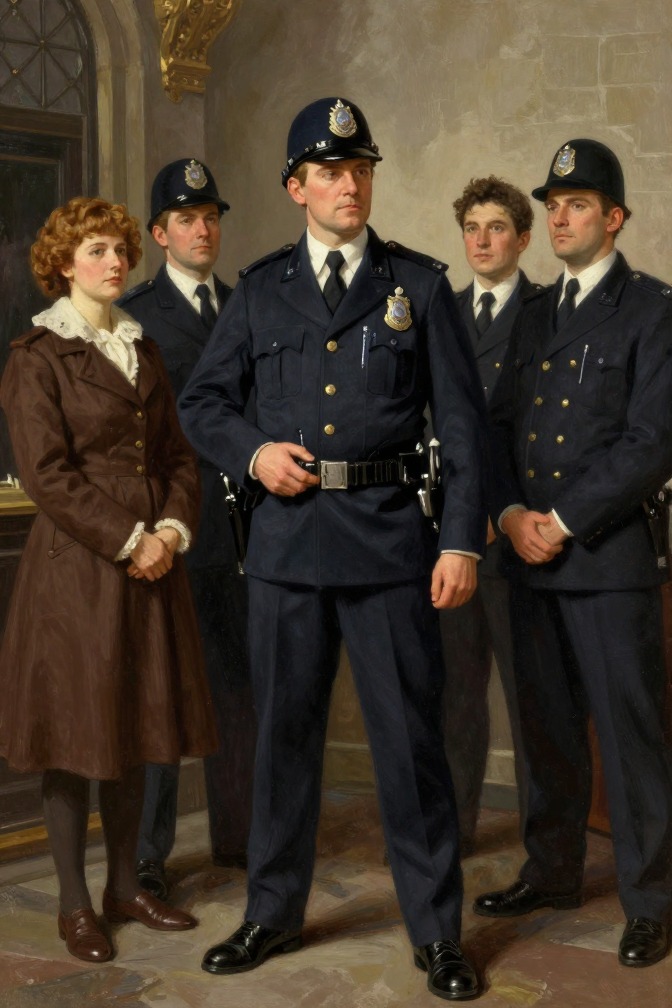
The Police Office in Oliver Twist functions as a corrupt and summary instrument of the law, where magistrates like Mr. Fang dispense arbitrary justice, the Bow Street Runners investigate crimes, and the public's thirst for punishment is on display; it is a place where Oliver is nearly condemned for a crime he did not commit, where rewards are advertised for his capture, and where the machinery of the state ultimately processes Fagin for execution.
The marriage of Mr. Bumble and Mrs. Corney is a central relational arc in Oliver Twist, tracing the beadle's rapid rise to workhouse master through a calculated courtship, followed by his swift and humiliating fall into domestic subjugation. Their union, founded on mutual self-interest and a cold exchange of status for comfort, becomes a satirical microcosm of the novel's critique of institutional power, greed, and the inversion of authority within the domestic sphere.
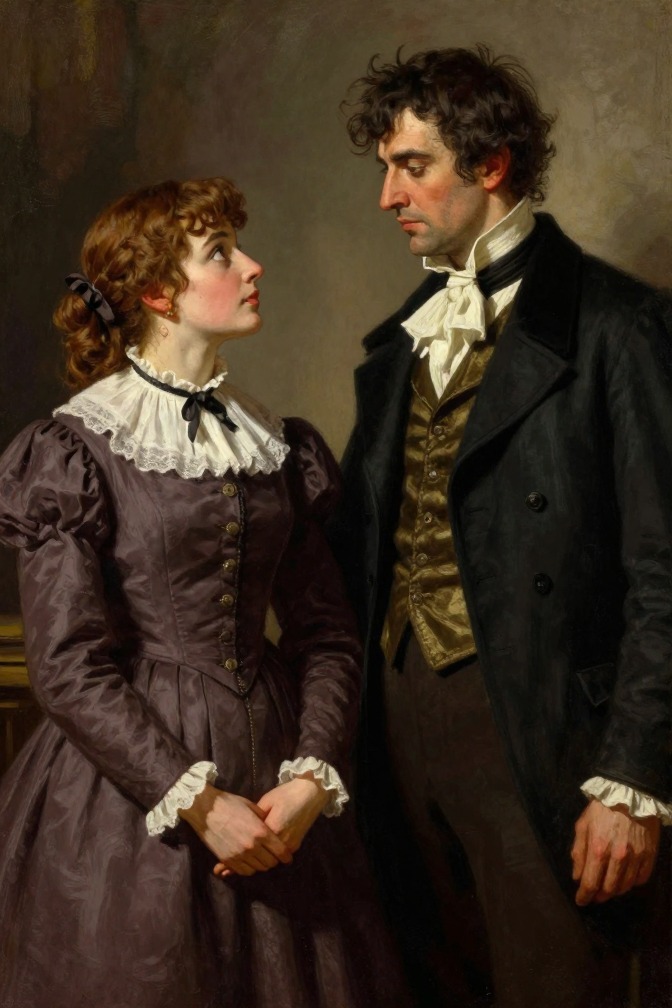
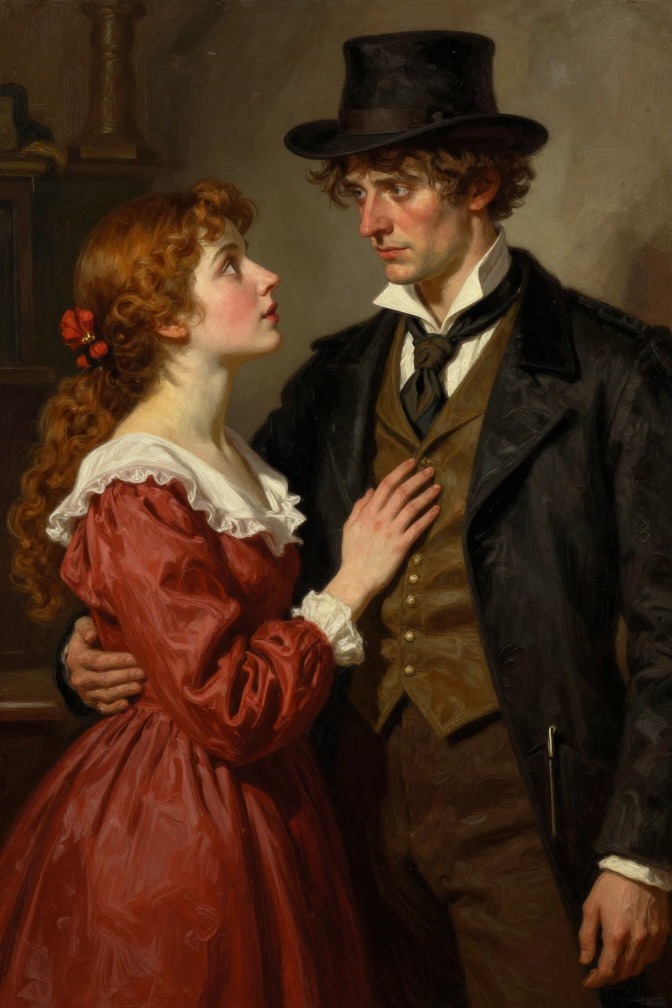
Fagin and Nancy share a relationship of criminal exploitation and emotional manipulation, in which Fagin uses Nancy as a trusted operative while she struggles between loyalty to the gang and her own moral awakening.
Mr. Brownlow and Mr. Grimwig are close friends whose relationship is defined by affectionate contradiction, mutual respect, and a shared commitment to Oliver Twist's welfare, with Grimwig's habitual skepticism serving as a foil to Brownlow's trusting nature.
Mrs. Bedwin, Mr. Brownlow's housekeeper, becomes Oliver Twist's devoted nurse and surrogate mother during his recovery from a life-threatening fever, offering him the first sustained kindness and domestic stability he has ever known. Her unwavering faith in his goodness, expressed through tender care and fierce loyalty, provides a crucial emotional anchor that helps restore Oliver to health and later reunites him with his benefactor.
Oliver Twist and Bill Sikes are bound by a relationship of pure coercion: Sikes, a brutal housebreaker, uses the threat of immediate death—backed by a loaded pistol, a trained dog, and his own violent reputation—to force Oliver into participating in a burglary at Chertsey. The relationship is one-sided, built on terror rather than any pretense of loyalty or mutual interest, and it ends only when Sikes himself dies, hanged by his own rope during the pursuit that follows Nancy's murder.
Oliver Twist and Edwin Leeford are father and son, a relationship that remains hidden for most of the novel and is only fully revealed in the climactic unmasking of Oliver's parentage. Edwin Leeford, a gifted but unhappy man trapped in a forced marriage, fell in love with the young Agnes Fleming and fathered Oliver out of wedlock. His premature death in Rome, his written confessions and will, and the subsequent destruction of those documents by his legal wife and son Monks, set in motion the central mystery of Oliver's identity and the conspiracy to destroy him.
The relationship between Oliver Twist and Fagin is one of systematic exploitation and psychological coercion, in which the elderly Jewish criminal mastermind uses hunger, isolation, threats, and staged criminal training to bind the orphan to his gang, while Oliver remains a reluctant and morally resistant captive throughout.
Rose Maylie and Harry Maylie are lovers whose relationship is tested by Rose's sense of duty and the stigma of her uncertain birth, ultimately culminating in marriage after Harry renounces his worldly ambitions.
The Artful Dodger (Jack Dawkins) is Oliver Twist's first guide into London's criminal underworld, acting as a recruiter, trainer, and corrupting influence who introduces Oliver to Fagin's gang and the trade of pickpocketing, while also embodying the novel's critique of how the social system turns children into hardened criminals.
The relationship between Bill Sikes and his dog, Bull's-eye, is a brutal and symbiotic bond that mirrors Sikes's own violence and paranoia, ultimately serving as a key narrative device in his pursuit and death.
The gentleman in the white waistcoat is a minor but symbolically potent antagonist in Oliver Twist, whose repeated, self-fulfilling prophecy that Oliver will be hanged embodies the dehumanizing prejudice of the parish authorities and the novel's critique of a system that condemns the poor before they have a chance to prove themselves.
The rule that the beadle should be stern and inflexible is a satirical principle of parochial governance in Oliver Twist, articulated by the narrator to expose the absurdity of institutional authority. It holds that a beadle, as a public functionary, must embody the sternest and most inflexible demeanor, a standard that Mr. Bumble both performs and subverts through his personal weaknesses, revealing the gap between official dignity and human fallibility.
The gallows' death threat is a pervasive and recurring state in Oliver Twist, representing the ultimate legal and social punishment that looms over the lives of the poor, the criminal, and the innocent alike. It functions as a tool of terror, a narrative climax, and a moral barometer, shaping the actions of characters from Fagin to Oliver and culminating in the novel's most harrowing scenes of execution and suicide.
Nancy's inner conflict is the moral and psychological struggle that defines her character in Oliver Twist, as she is torn between her loyalty to the criminal gang led by Fagin and her growing compassion for the innocent Oliver Twist. This conflict ultimately drives her to betray her associates in a desperate attempt to save Oliver, leading to her violent death at the hands of Bill Sikes. Her internal war between ingrained vice and a flickering sense of virtue represents one of the novel's most complex and tragic explorations of human nature, redemption, and the possibility of change within a corrupting environment.
Sikes's flight and fear describes the psychological and physical ordeal of Bill Sikes after murdering Nancy, as he is haunted by guilt, paranoia, and the specter of the dead woman, ultimately leading to his desperate, self-destructive flight and death.
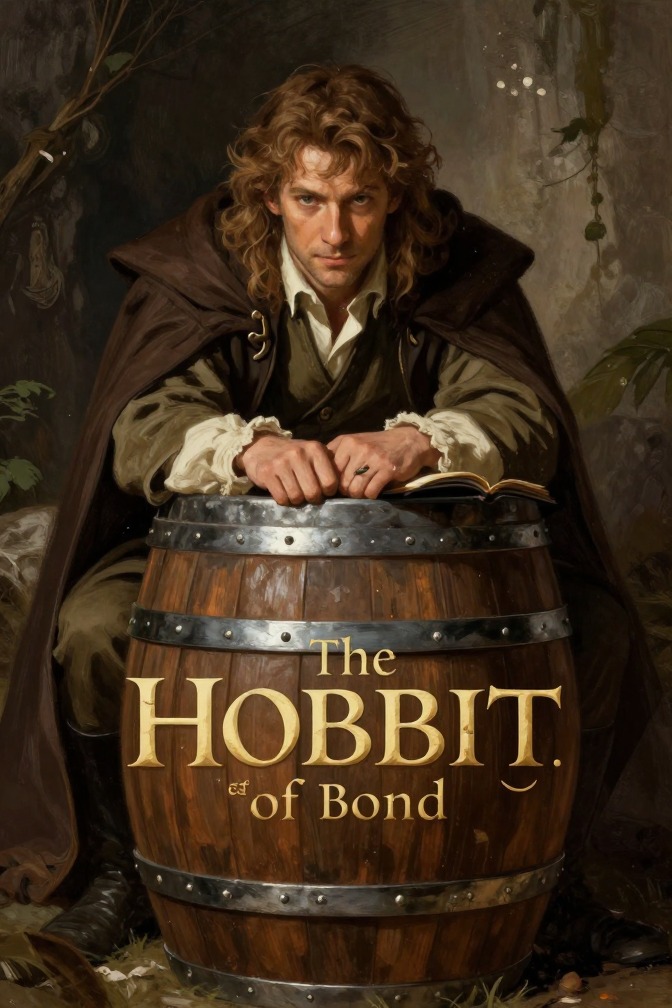
The Barrels Out of Bond is the pivotal escape sequence in which Bilbo Baggins, using his ring and quick wits, frees the twelve imprisoned dwarves from the Elvenking's halls and smuggles them out of Mirkwood hidden inside empty wine barrels, floating down the Forest River toward Lake-town. This action marks the climax of Bilbo's maturation as a burglar and leader, transforming him from a reluctant tagalong into the decisive figure who saves the quest.
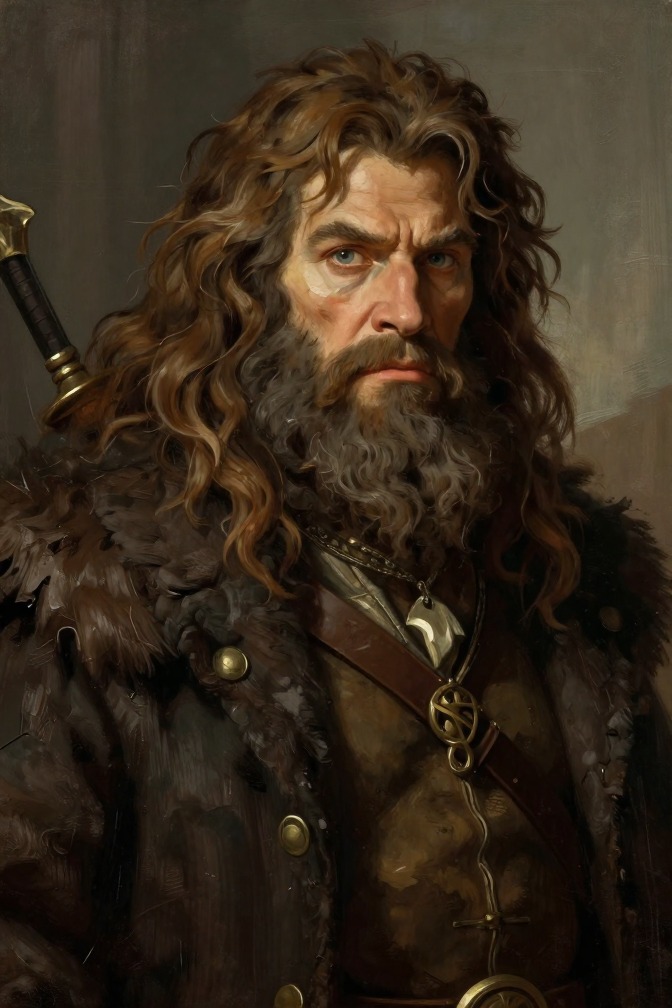
Beorn is a powerful skin-changer who lives in a wooden house near the Carrock, a solitary figure who can transform between a huge black bear and a great strong black-haired man. He provides crucial aid to Thorin and Company after their escape from the Misty Mountains, offering them food, shelter, and guidance for their journey through Mirkwood, and later appears at the Battle of Five Armies in bear shape to turn the tide against the goblins.
Bert is one of the three trolls encountered by Bilbo Baggins and the dwarves early in their journey. He is a large, crude, and quarrelsome creature who, along with William and Tom, captures the entire company before being turned to stone by the rising sun, a fate orchestrated by Gandalf's trickery.
Bofur is a dwarf of Thorin and Company, a member of the expedition to reclaim the Lonely Mountain from the dragon Smaug. Though not a leader, he is a loyal and capable companion who participates in all the major adventures, from the unexpected party at Bag-End to the Battle of the Five Armies, and survives to see the treasure reclaimed.
Bombur is one of the thirteen dwarves of Thorin and Company, notable for his immense size and weight, his constant hunger and love of food, and his tendency to fall into enchanted sleeps. Though often a source of comic relief and a burden to his companions, he survives the entire quest and remains with Dain in the Lonely Mountain after the Battle of Five Armies.