Readify
  • Blog
  • Books
Start Listening Free
Download App

  • Product

    • iOS App
    • Android App
    • Web App
    • Chrome Extension
    • Download Android APK
  • Company

    • About
    • Contact
    • Blog
    • Resources
    • Pricing
  • Legal

    • Privacy
    • Terms
  • Books

    • East of Eden
    • A Dance with Dragons
    • The Odyssey
    • The Count of Monte Cristo
    • A Game of Thrones

  • Free Ebook Converter

  • Free Doc Converter

  • Free Audio Converter

  • Free Text to Speech

The Reading Brief

A monthly note on reading, voices and the long form.


Readify
© 2026 Readify. All rights reserved.

Hot Entries(19016)

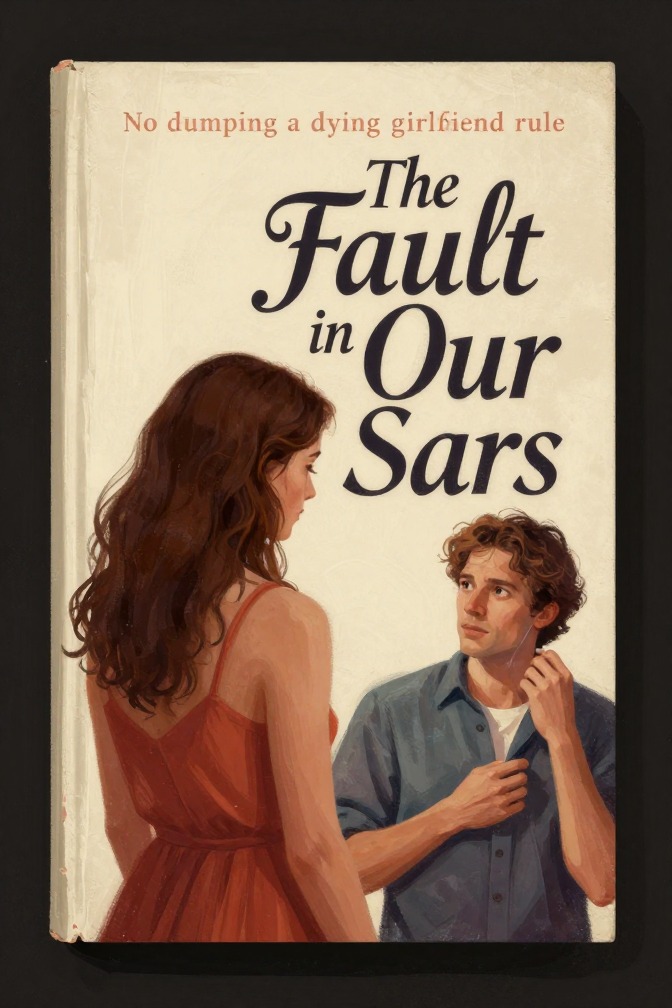
No dumping a dying girlfriend rule, a rule from "The Fault in Our Stars". The 'No dumping a dying girlfriend rule' is an unwritten social and ethical code that Augustus Waters invokes to explain why he stayed with his ex-girlfriend….
No dumping a dying girlfriend ruleThe Fault in Our Stars · Rule

The 'No dumping a dying girlfriend rule' is an unwritten social and ethical code that Augustus Waters invokes to explain why he stayed with his ex-girlfriend Caroline Mathers during her terminal brain cancer, even as her personality was transformed by the tumor. The rule encapsulates the moral dilemma of abandoning someone who is suffering and dying, and it reverberates through Hazel's own fears of becoming a burden and Augustus's later experience of being the one who is dying.

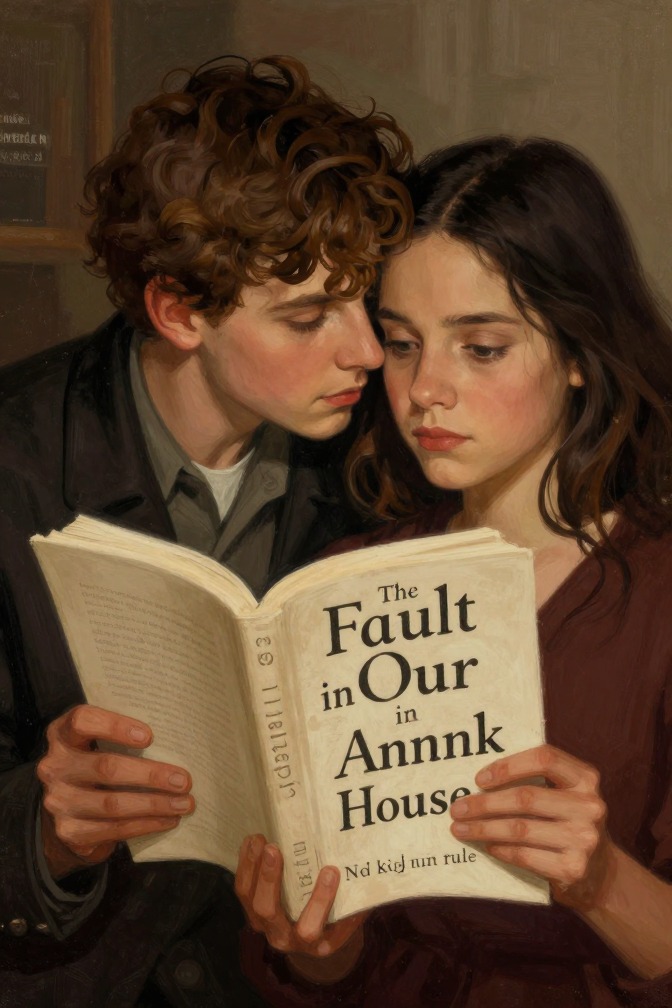
No kissing in Anne Frank House rule, a rule from "The Fault in Our Stars". The No kissing in Anne Frank House rule is a social and situational norm that Hazel and Augustus consciously acknowledge and then deliberately break during….
No kissing in Anne Frank House ruleThe Fault in Our Stars · Rule

The No kissing in Anne Frank House rule is a social and situational norm that Hazel and Augustus consciously acknowledge and then deliberately break during their visit to the Anne Frank House in Amsterdam, transforming the prohibition into a moment of defiant intimacy that receives unexpected applause from other visitors.

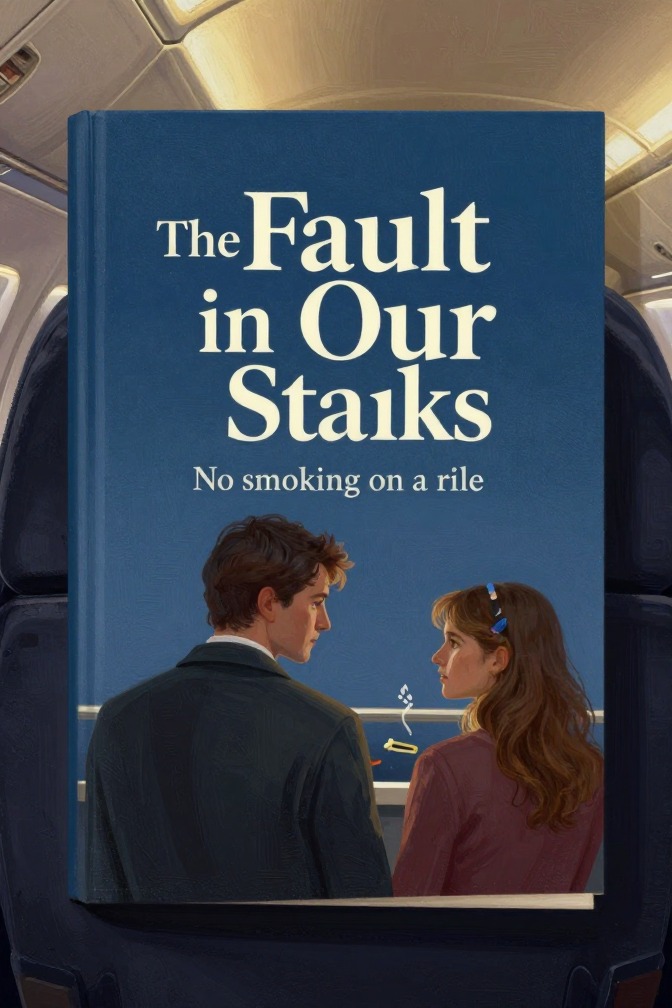
No smoking on planes rule, a rule from "The Fault in Our Stars". The No Smoking on Planes Rule is a federal regulation that prohibits smoking aboard commercial aircraft, which Augustus Waters encounters when he places an….
No smoking on planes ruleThe Fault in Our Stars · Rule

The No Smoking on Planes Rule is a federal regulation that prohibits smoking aboard commercial aircraft, which Augustus Waters encounters when he places an unlit cigarette in his mouth during a flight to Amsterdam, leading to a confrontation with a stewardess who enforces the rule.

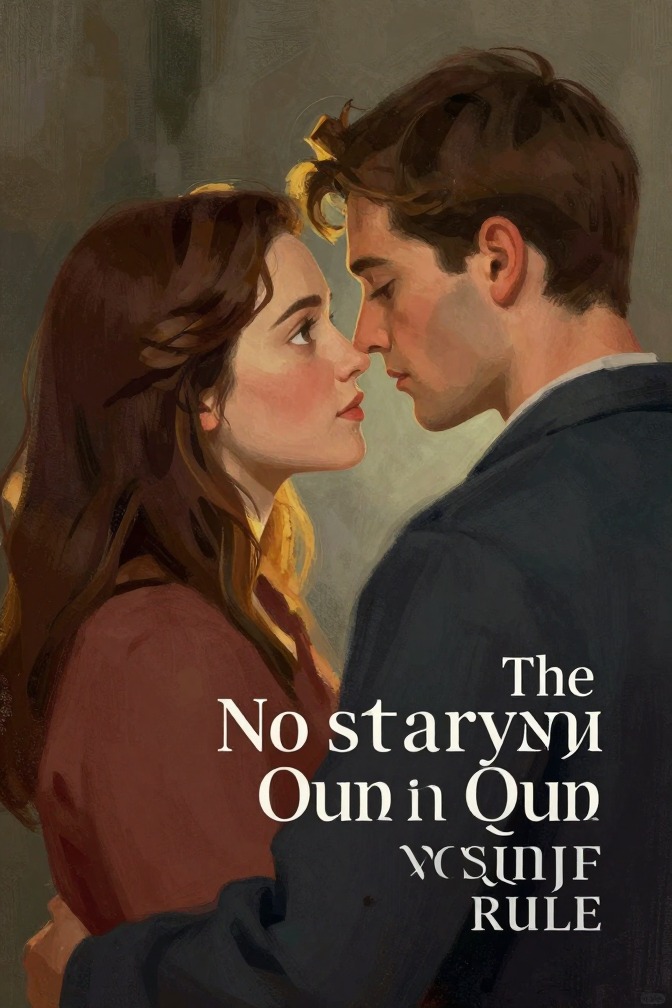
No starving yourself rule, a rule from "The Fault in Our Stars". The No Starving Yourself Rule is a domestic rule enforced by Hazel's mother in the aftermath of Augustus Waters's death, when Hazel refuses to eat dinner and….
No starving yourself ruleThe Fault in Our Stars · Rule

The No Starving Yourself Rule is a domestic rule enforced by Hazel's mother in the aftermath of Augustus Waters's death, when Hazel refuses to eat dinner and declares she is "aggressively unhungry." The rule emerges from a confrontation in which Hazel's mother physically blocks her from leaving the table, insisting that Hazel must eat even though she is dying, and it crystallizes the tension between a mother's desire to keep her daughter alive and a daughter's grief-stricken rejection of that care. The rule is ultimately upheld not through force but through a painful, honest conversation about what it means to be a mother to a child who will die.

NEC, a state from "The Fault in Our Stars". NEC, an acronym for "No Evidence of Cancer," is a state of remission in the world of The Fault in Our Stars, representing a temporary reprieve from the disease….
NECThe Fault in Our Stars · State

NEC, an acronym for "No Evidence of Cancer," is a state of remission in the world of The Fault in Our Stars, representing a temporary reprieve from the disease that is both a coveted milestone and a fragile, often misleading, status.

Bastille Day, a time from "The Fault in Our Stars". Bastille Day, July 14, is celebrated by Hazel Grace Lancaster's mother as a festive occasion, culminating in a family picnic at Holliday Park that becomes a….
Bastille DayThe Fault in Our Stars · Time

Bastille Day, July 14, is celebrated by Hazel Grace Lancaster's mother as a festive occasion, culminating in a family picnic at Holliday Park that becomes a moment of quiet reflection on life, death, and the universe's desire to be noticed.

March twenty-ninth, a time from "The Fault in Our Stars". March twenty-ninth is the date of Hazel Grace Lancaster's thirty-third half-birthday, a celebration her mother insists upon with characteristic enthusiasm….
March twenty-ninthThe Fault in Our Stars · Time

March twenty-ninth is the date of Hazel Grace Lancaster's thirty-third half-birthday, a celebration her mother insists upon with characteristic enthusiasm, marking the midpoint between her sixteenth and seventeenth birthdays and serving as a counterpoint to the novel's pervasive themes of mortality and the counting of time.

May seventh, a time from "The Fault in Our Stars". May seventh is the scheduled return date of Hazel and Augustus's trip to Amsterdam, a date that marks the end of their brief but transformative journey….
May seventhThe Fault in Our Stars · Time

May seventh is the scheduled return date of Hazel and Augustus's trip to Amsterdam, a date that marks the end of their brief but transformative journey together and the beginning of Augustus's final decline.

May third, a time from "The Fault in Our Stars". May third is the departure date for Hazel Grace Lancaster, Augustus Waters, and her mother's trip to Amsterdam, a journey funded by Augustus's Wish from the….
May thirdThe Fault in Our Stars · Time

May third is the departure date for Hazel Grace Lancaster, Augustus Waters, and her mother's trip to Amsterdam, a journey funded by Augustus's Wish from the Genie Foundation to meet the reclusive author Peter Van Houten and learn the unwritten fate of characters from his novel *An Imperial Affliction*.

the Holocaust, a time from "The Fault in Our Stars". The Holocaust is a historical genocide that serves as a profound backdrop in *The Fault in Our Stars*, shaping the characters' understanding of suffering….
the HolocaustThe Fault in Our Stars · Time

The Holocaust is a historical genocide that serves as a profound backdrop in *The Fault in Our Stars*, shaping the characters' understanding of suffering, memory, and the meaning of individual lives within vast, impersonal historical forces. It is referenced directly during Hazel and Augustus's visit to the Anne Frank House in Amsterdam, where they confront the scale of the tragedy and the fragility of life, and it informs their broader philosophical reflections on oblivion, heroism, and the desire to be remembered.

the Night of the Broken Trophies, a time from "The Fault in Our Stars". The Night of the Broken Trophies is a pivotal event in which Isaac, reeling from his impending blindness and the breakup with his girlfriend Monica, unleashes….
the Night of the Broken TrophiesThe Fault in Our Stars · Time

The Night of the Broken Trophies is a pivotal event in which Isaac, reeling from his impending blindness and the breakup with his girlfriend Monica, unleashes his rage by destroying Augustus Waters's basketball trophies, an act that crystallizes the novel's central themes of pain, loss, and the need for catharsis.

Lucy Enters Narnia, a action from "The Lion, the Witch and the Wardrobe". Lucy Pevensie discovers the magical land of Narnia by stepping through a wardrobe in the spare room of an old Professor's house, beginning her first adventure….
Lucy Enters NarniaThe Lion, the Witch and the Wardrobe · Action

Lucy Pevensie discovers the magical land of Narnia by stepping through a wardrobe in the spare room of an old Professor's house, beginning her first adventure in a snow-covered wood where she meets the Faun Mr. Tumnus.

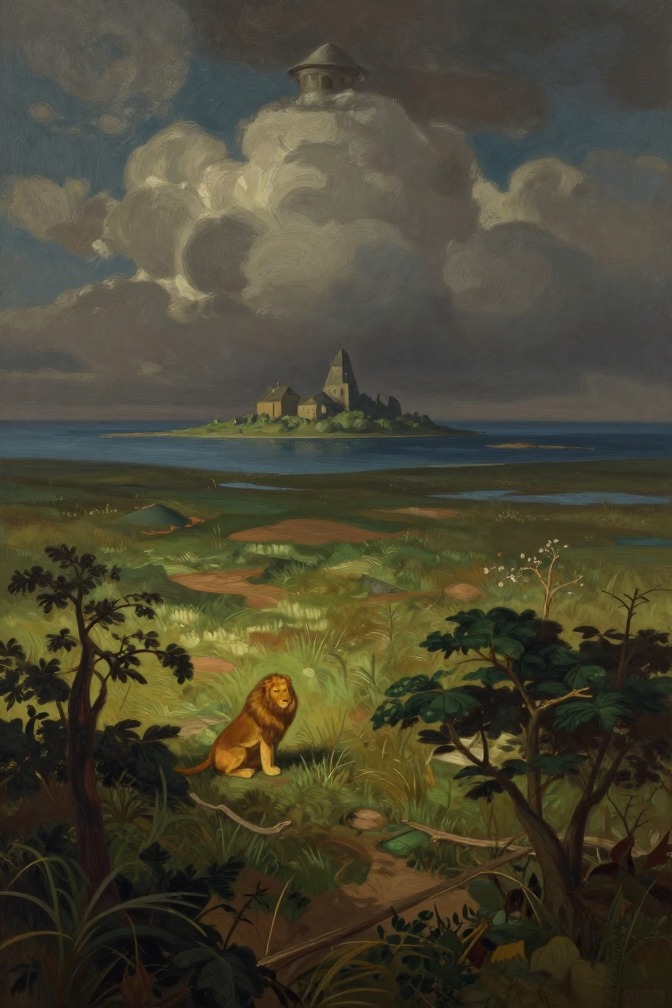
Cair Paravel, a concept from "The Lion, the Witch and the Wardrobe". Cair Paravel is the great castle on the eastern coast of Narnia, the seat of the four thrones whose occupation by two Sons of Adam and two Daughters of Eve is….
Cair ParavelThe Lion, the Witch and the Wardrobe · Concept

Cair Paravel is the great castle on the eastern coast of Narnia, the seat of the four thrones whose occupation by two Sons of Adam and two Daughters of Eve is prophesied to end the White Witch's reign and her life.

Ettin, a creature from "The Lion, the Witch and the Wardrobe". The Ettin is a monstrous creature that appears among the forces summoned by the White Witch to fight against Aslan and his allies, representing the most….
EttinThe Lion, the Witch and the Wardrobe · Creature

The Ettin is a monstrous creature that appears among the forces summoned by the White Witch to fight against Aslan and his allies, representing the most grotesque and terrifying elements of her army.

Rabbit, a creature from "The Lion, the Witch and the Wardrobe". The Rabbit is a minor creature in Narnia who appears only as a stone statue in the White Witch's courtyard, later restored to life by Aslan's breath, and then….
RabbitThe Lion, the Witch and the Wardrobe · Creature

The Rabbit is a minor creature in Narnia who appears only as a stone statue in the White Witch's courtyard, later restored to life by Aslan's breath, and then carried into battle on the back of a lion.

Edmund's First Visit to Narnia, a event from "The Lion, the Witch and the Wardrobe". Edmund Pevensie's first visit to Narnia is a pivotal event in which he enters the magical land through the wardrobe, encounters the White Witch, and is seduced….
Edmund's First Visit to NarniaThe Lion, the Witch and the Wardrobe · Event

Edmund Pevensie's first visit to Narnia is a pivotal event in which he enters the magical land through the wardrobe, encounters the White Witch, and is seduced by enchanted Turkish Delight, setting in motion his betrayal of his siblings and the central conflict of the story.

Peter's First Battle, a event from "The Lion, the Witch and the Wardrobe". Peter's First Battle is the pivotal event in which Peter Pevensie kills the wolf Fenris Ulf, the Captain of the White Witch's Secret Police, thereby earning….
Peter's First BattleThe Lion, the Witch and the Wardrobe · Event

Peter's First Battle is the pivotal event in which Peter Pevensie kills the wolf Fenris Ulf, the Captain of the White Witch's Secret Police, thereby earning his knighthood and proving himself as a warrior and leader in Narnia.

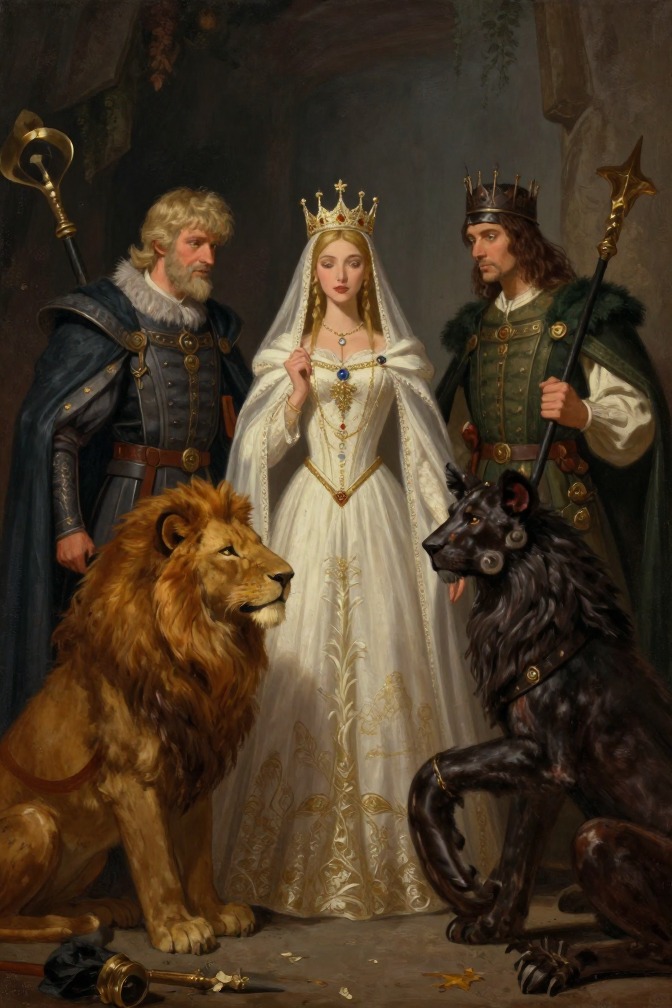
The Coronation of the Four, a event from "The Lion, the Witch and the Wardrobe". The Coronation of the Four is the climactic ceremony in which Aslan crowns Peter, Susan, Edmund, and Lucy as the rightful Kings and Queens of Narnia in the….
The Coronation of the FourThe Lion, the Witch and the Wardrobe · Event

The Coronation of the Four is the climactic ceremony in which Aslan crowns Peter, Susan, Edmund, and Lucy as the rightful Kings and Queens of Narnia in the Great Hall of Cair Paravel, fulfilling the ancient prophecy and establishing a new golden age for the land.

The Four Children Enter Narnia Together, a event from "The Lion, the Witch and the Wardrobe". The four Pevensie children—Peter, Susan, Edmund, and Lucy—enter Narnia together for the first time when they are forced to hide in the wardrobe to avoid being….
The Four Children Enter Narnia TogetherThe Lion, the Witch and the Wardrobe · Event

The four Pevensie children—Peter, Susan, Edmund, and Lucy—enter Narnia together for the first time when they are forced to hide in the wardrobe to avoid being discovered by Mrs. Macready and a party of sightseers. This event marks the true beginning of their collective adventure in Narnia, as they emerge from the wardrobe into a snowy forest and immediately confront the reality of Lucy's earlier claims, the disappearance of Mr. Tumnus, and the threat of the White Witch.

The Resurrection of Aslan, a event from "The Lion, the Witch and the Wardrobe". The Resurrection of Aslan is the pivotal event in which Aslan, after being killed on the Stone Table by the White Witch in Edmund's place, returns to life….
The Resurrection of AslanThe Lion, the Witch and the Wardrobe · Event

The Resurrection of Aslan is the pivotal event in which Aslan, after being killed on the Stone Table by the White Witch in Edmund's place, returns to life through a Deeper Magic from before the dawn of time, breaking the Stone Table and reversing death itself, thereby transforming the story's despair into hope and enabling the final defeat of the Witch.

He's not a tame lion, a expression from "The Lion, the Witch and the Wardrobe". The phrase "He's not a tame lion" is a defining description of Aslan in C. S.
He's not a tame lionThe Lion, the Witch and the Wardrobe · Expression

The phrase "He's not a tame lion" is a defining description of Aslan in C. S. Lewis's *The Lion, the Witch and the Wardrobe*, encapsulating his wild, untamable nature while affirming his fundamental goodness. It is first spoken by Mr. Beaver to the Pevensie children, and it becomes a key thematic statement about the nature of divine or kingly power in Narnia.

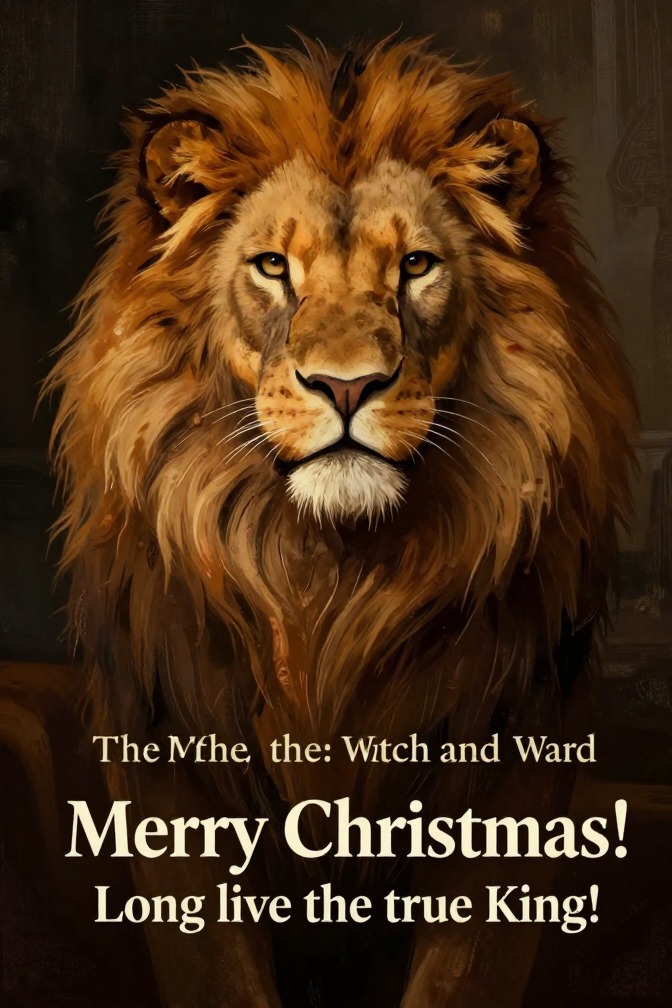
Merry Christmas! Long live the true King!, a expression from "The Lion, the Witch and the Wardrobe". The exclamation "Merry Christmas! Long live the true King!" is the climactic cry of Father Christmas as he appears in Narnia, marking the first tangible breach….
Merry Christmas! Long live the true King!The Lion, the Witch and the Wardrobe · Expression

The exclamation "Merry Christmas! Long live the true King!" is the climactic cry of Father Christmas as he appears in Narnia, marking the first tangible breach in the White Witch's eternal winter and heralding the arrival of Aslan, the true King, whose presence will undo the Witch's magic and restore the natural order.

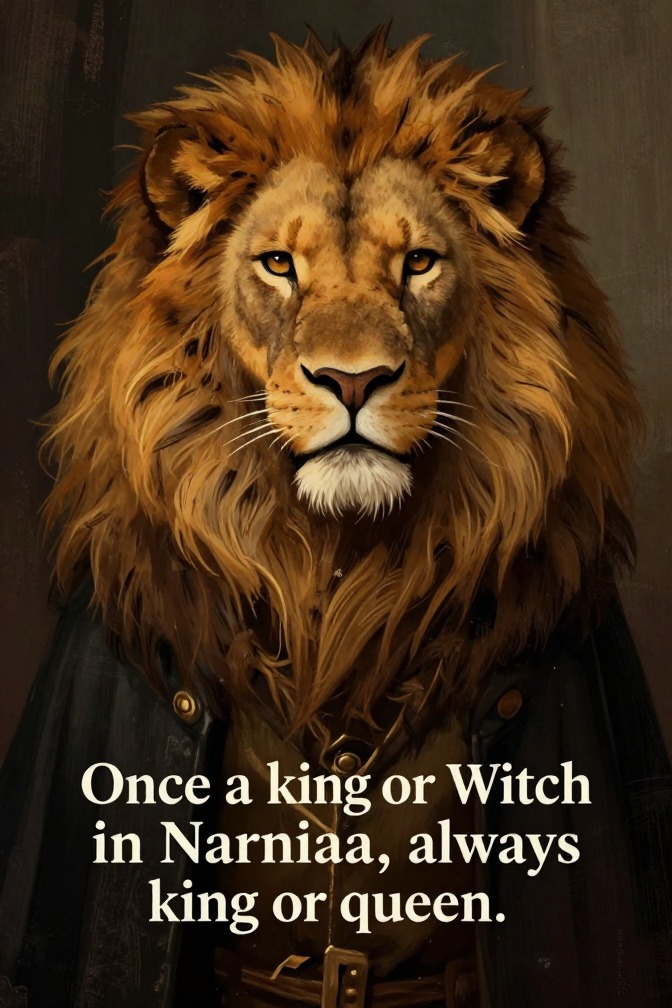
Once a king or queen in Narnia, always a king or queen, a expression from "The Lion, the Witch and the Wardrobe". Aslan's declaration that "Once a king or queen in Narnia, always a king or queen" is the foundational principle of Narnian sovereignty, establishing that the….
Once a king or queen in Narnia, always a king or queenThe Lion, the Witch and the Wardrobe · Expression

Aslan's declaration that "Once a king or queen in Narnia, always a king or queen" is the foundational principle of Narnian sovereignty, establishing that the four Pevensie children's royal identity is permanent and transcendent, independent of their physical presence in Narnia.

Lone Islands, a location from "The Lion, the Witch and the Wardrobe". The Lone Islands are a distant archipelago under the nominal rule of the Narnian crown, claimed by the White Witch as part of her imperial title and later….
Lone IslandsThe Lion, the Witch and the Wardrobe · Location

The Lone Islands are a distant archipelago under the nominal rule of the Narnian crown, claimed by the White Witch as part of her imperial title and later integrated into the Pevensies' kingdom.

Forest Lamp-post, a object from "The Lion, the Witch and the Wardrobe". The Forest Lamp-post is the first landmark Lucy Pevensie encounters upon entering Narnia, a fixed point of light in the perpetual winter that marks the….
Forest Lamp-postThe Lion, the Witch and the Wardrobe · Object

The Forest Lamp-post is the first landmark Lucy Pevensie encounters upon entering Narnia, a fixed point of light in the perpetual winter that marks the boundary between the human world and the magical realm, and later becomes the site of the children's final return home.

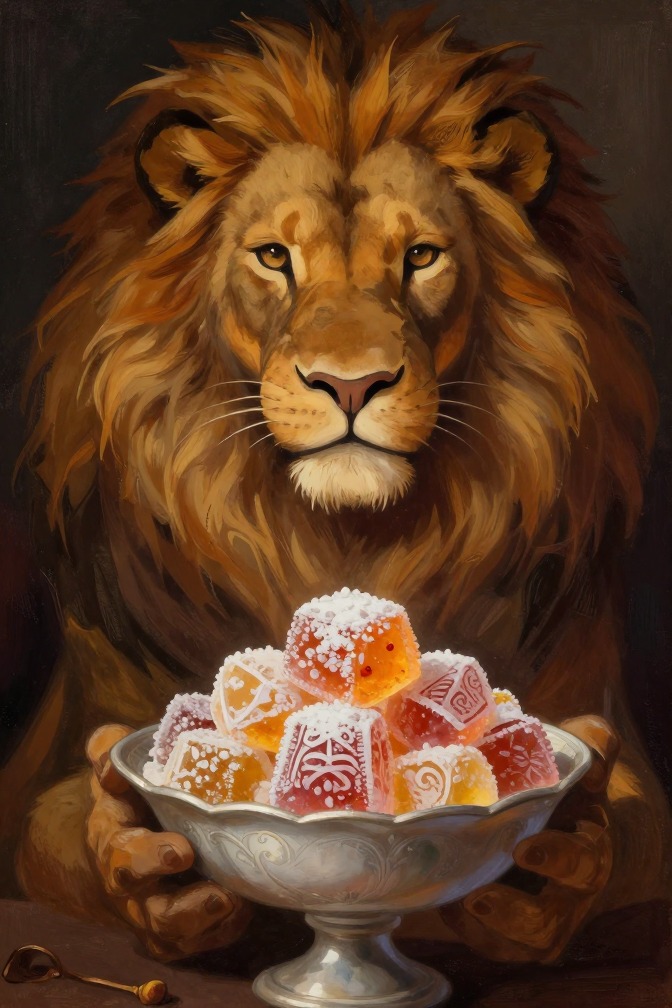
Enchanted Turkish Delight, a rule from "The Lion, the Witch and the Wardrobe". The Enchanted Turkish Delight is a magical confection used by the White Witch to enslave Edmund Pevensie's will, creating an addictive craving that drives his….
Enchanted Turkish DelightThe Lion, the Witch and the Wardrobe · Rule

The Enchanted Turkish Delight is a magical confection used by the White Witch to enslave Edmund Pevensie's will, creating an addictive craving that drives his betrayal of his siblings and aligns him with her cause.

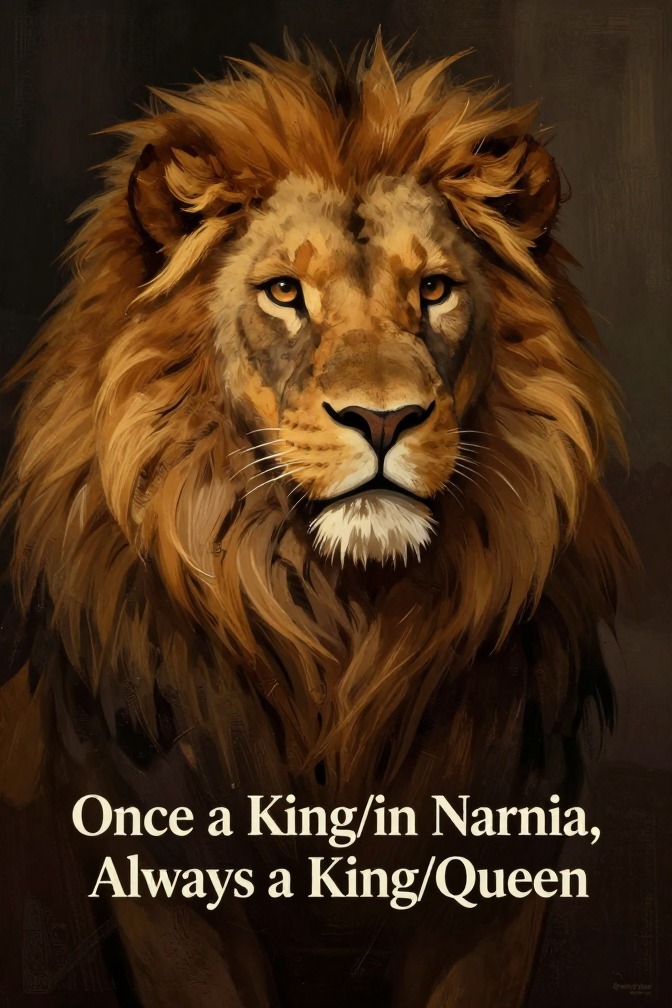
Once a King·Queen in Narnia, Always a King·Queen, a rule from "The Lion, the Witch and the Wardrobe". Once a King/Queen in Narnia, Always a King/Queen is a foundational rule of Narnian kingship, decreed by Aslan at the coronation of the four Pevensie children….
Once a King·Queen in Narnia, Always a King·QueenThe Lion, the Witch and the Wardrobe · Rule

Once a King/Queen in Narnia, Always a King/Queen is a foundational rule of Narnian kingship, decreed by Aslan at the coronation of the four Pevensie children and reaffirmed by the Professor after their return to England. It establishes that the royal identity conferred in Narnia is permanent and transcendent, persisting across worlds and regardless of time or circumstance.

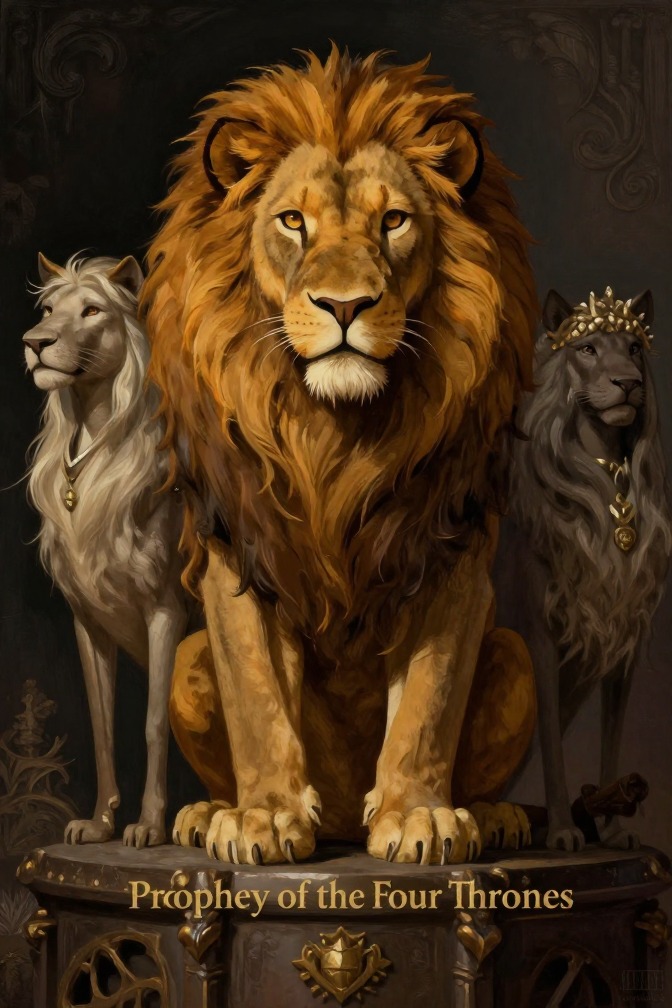
Prophecy of the Four Thrones, a rule from "The Lion, the Witch and the Wardrobe". The Prophecy of the Four Thrones is a foundational magical law in Narnia, foretelling that when two Sons of Adam and two Daughters of Eve sit on the four….
Prophecy of the Four ThronesThe Lion, the Witch and the Wardrobe · Rule

The Prophecy of the Four Thrones is a foundational magical law in Narnia, foretelling that when two Sons of Adam and two Daughters of Eve sit on the four thrones at Cair Paravel, the White Witch's reign and her life will end. It drives the entire plot, motivating the Witch's hunt for the Pevensie children and shaping Aslan's sacrificial strategy.

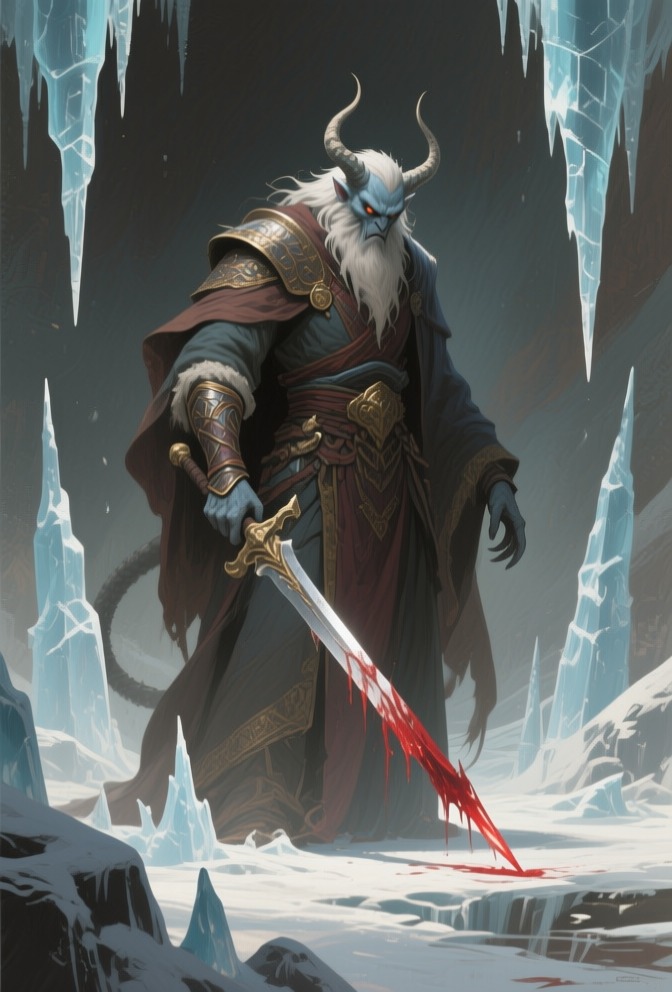
Icicle kills Manek, a action from "Wicked". In a moment of cold fury, Elphaba causes an icicle to fall and kill Manek, Fiyero and Sarima's cruel middle son, after he had nearly drowned Liir in the….
Icicle kills ManekWicked · Action

In a moment of cold fury, Elphaba causes an icicle to fall and kill Manek, Fiyero and Sarima's cruel middle son, after he had nearly drowned Liir in the fishwell. The death is both a punishment for Manek's relentless bullying and a demonstration of Elphaba's emerging, ambiguous power—an act that the household interprets as witchcraft, deepening her isolation and her guilt.

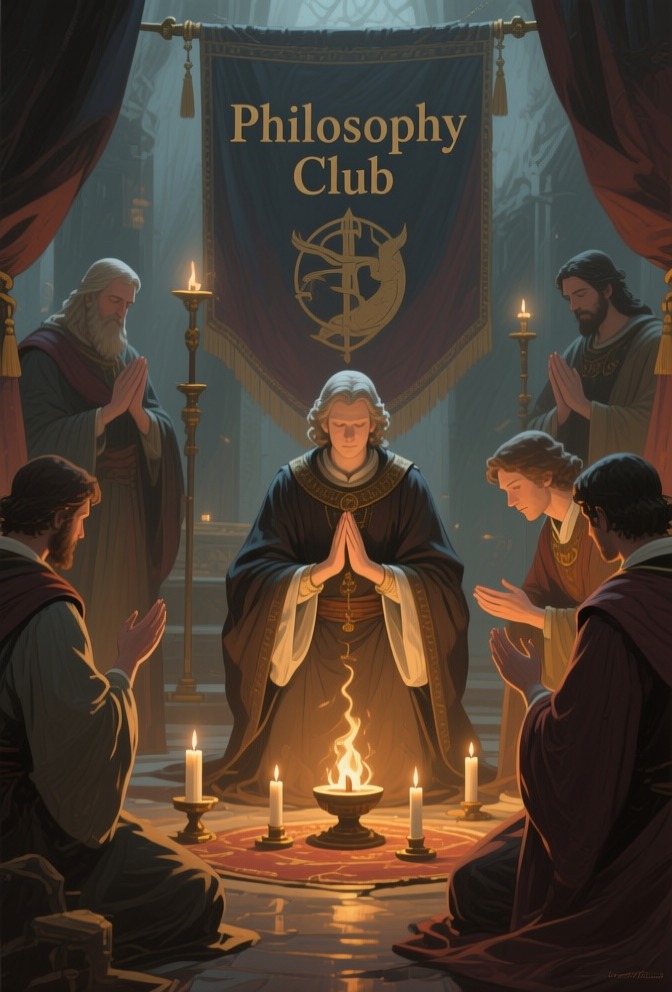
Philosophy Club ritual, a action from "Wicked". The Philosophy Club ritual is a clandestine, decadent orgy held in a Shiz basement, where a dwarf master of ceremonies orchestrates a symbolic sexual tableau….
Philosophy Club ritualWicked · Action

The Philosophy Club ritual is a clandestine, decadent orgy held in a Shiz basement, where a dwarf master of ceremonies orchestrates a symbolic sexual tableau involving a Tiger, a bound man, and a woman, framed as a philosophical equation to explore the nature of the Kumbric Witch and the unknown.

  • Previous
  • 1
  • More pages
  • 521
  • 522
  • 523
  • More pages
  • 634
  • Next