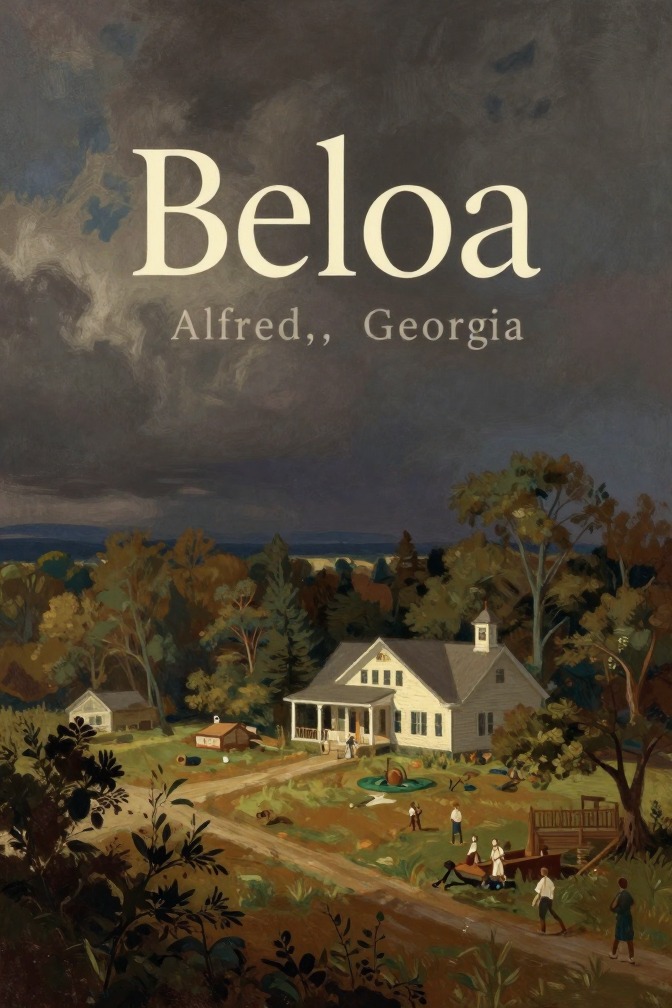
Alfred, Georgia, is the site of the brutal chain gang prison camp where Paul D is sent after attempting to kill Brandywine, the man schoolteacher sold him to. It is a place of profound dehumanization, where men are chained together, forced to work in a quarry, and confined to underground boxes. The experience at Alfred, Georgia, breaks Paul D's spirit, drives him to the brink of madness, and shapes his understanding of manhood, freedom, and the limits of human endurance.
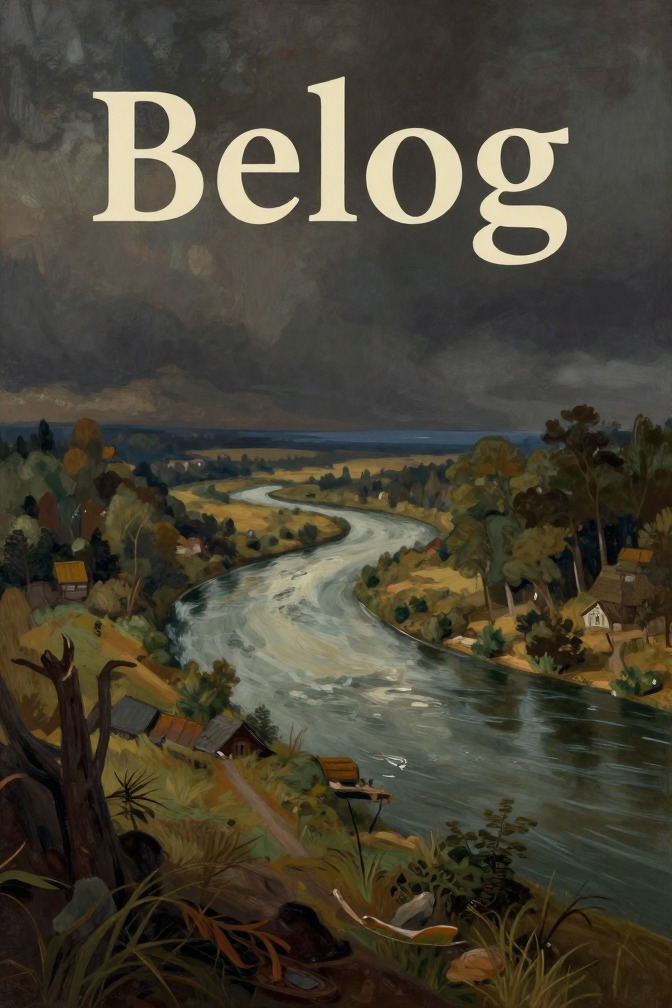
The Licking River is a river in Kentucky that flows into the Ohio River near Cincinnati, serving as a boundary and a site of memory and trauma in Toni Morrison's Beloved. It is where Paul D, after escaping from the chain gang in Alfred, Georgia, hears the restless spirits of the dead Miami people who are disturbed by the encroachment of roads and houses. The river is also associated with the broader landscape of slavery and freedom, as it marks the edge of the slave state Kentucky and the free state Ohio, and it is where Stamp Paid finds a red ribbon knotted around a curl of woolly hair, a haunting reminder of the violence inflicted on Black people.
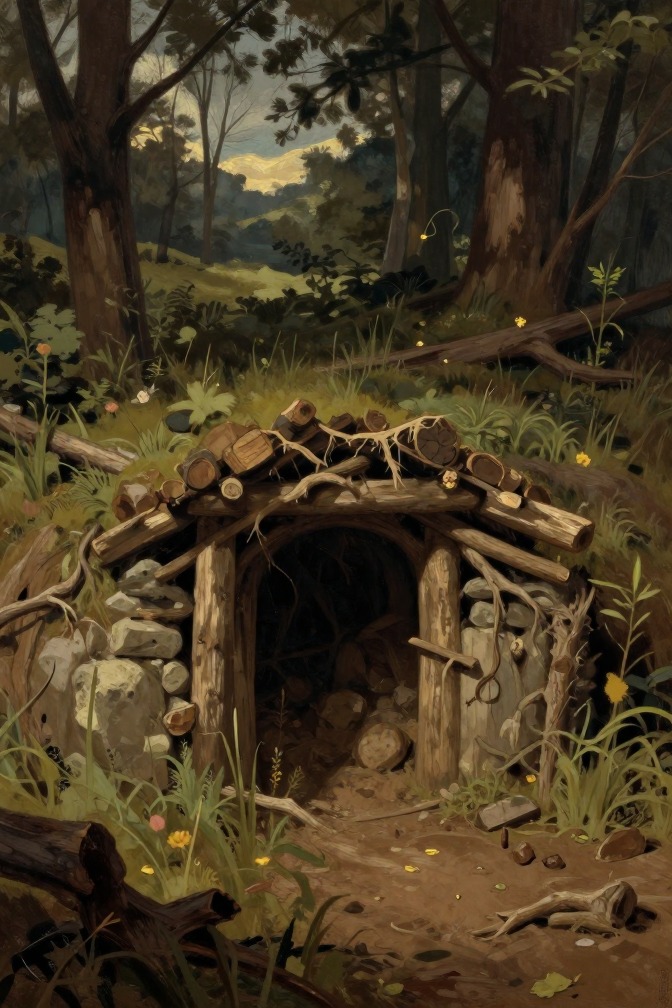
The root cellar is a small, dark underground space at 124 Bluestone Road, mentioned in Toni Morrison's Beloved as the place where Amy Denver was once imprisoned by her master, Mr. Buddy, and where she was forced to work off her mother's passage. It is a site of confinement and suffering, but also of resilience, as Amy's experience there shapes her determination to escape to Boston. The cellar is also the place where Sethe, after her escape from Sweet Home, is hidden by Stamp Paid, and where she gives birth to Denver with Amy's help. It symbolizes the hidden, oppressive spaces of slavery and the endurance of those who survive them.
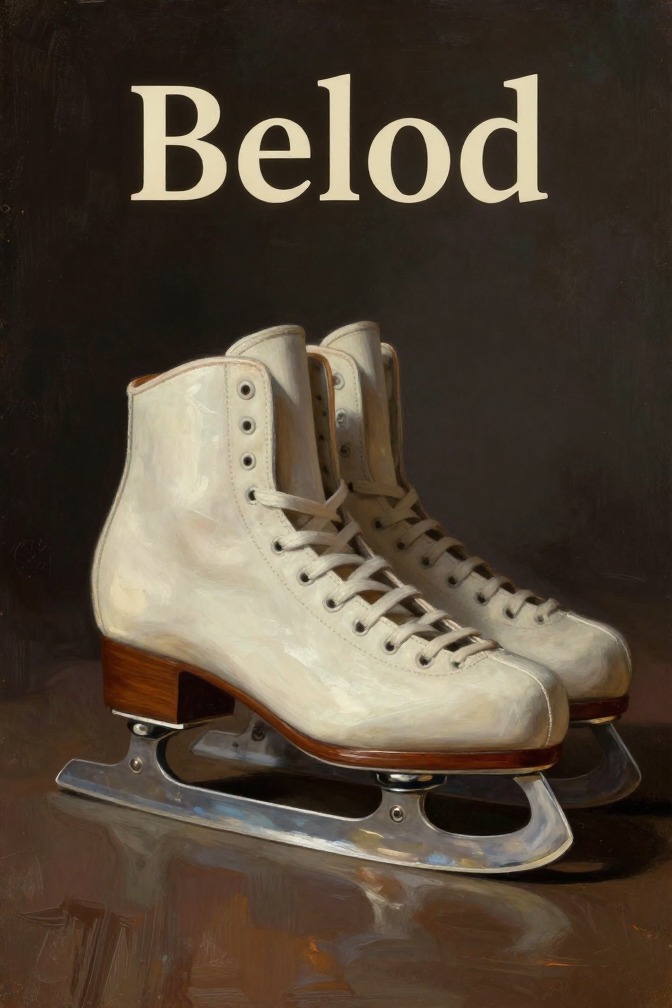
The ice skates in Toni Morrison's Beloved are a pivotal object that enables a rare moment of communal joy and physical freedom for Sethe, Denver, and Beloved, and later serve as a haunting reminder of the past and the family's fractured state.
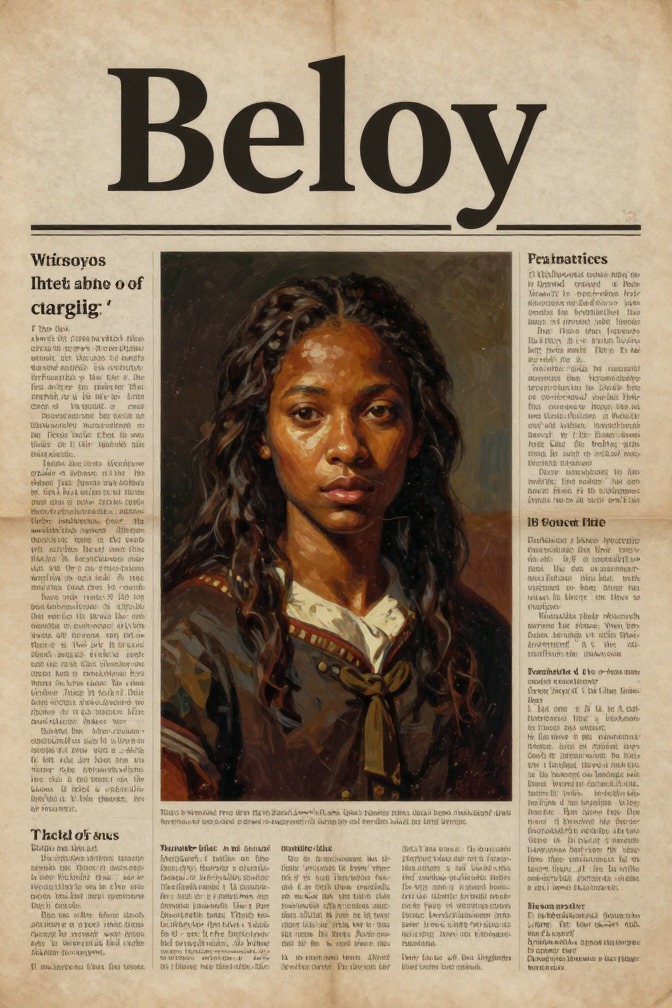
The newspaper clipping is a pivotal object in Toni Morrison's Beloved, a printed account of Sethe's infanticide that Stamp Paid shows to Paul D, shattering his understanding of Sethe and driving him from 124 Bluestone Road. It embodies the community's judgment, the power of written records over oral testimony, and the novel's meditation on how stories are told, remembered, and passed on.
The skiff is a small, stolen boat that carries Sethe across the Ohio River during her escape from Sweet Home, marking the climax of her flight and the birth of Denver. It is a fragile vessel, riddled with holes and equipped with a single oar, yet it becomes the instrument of Sethe's deliverance and the site of Denver's birth, symbolizing both the peril and the possibility of freedom.
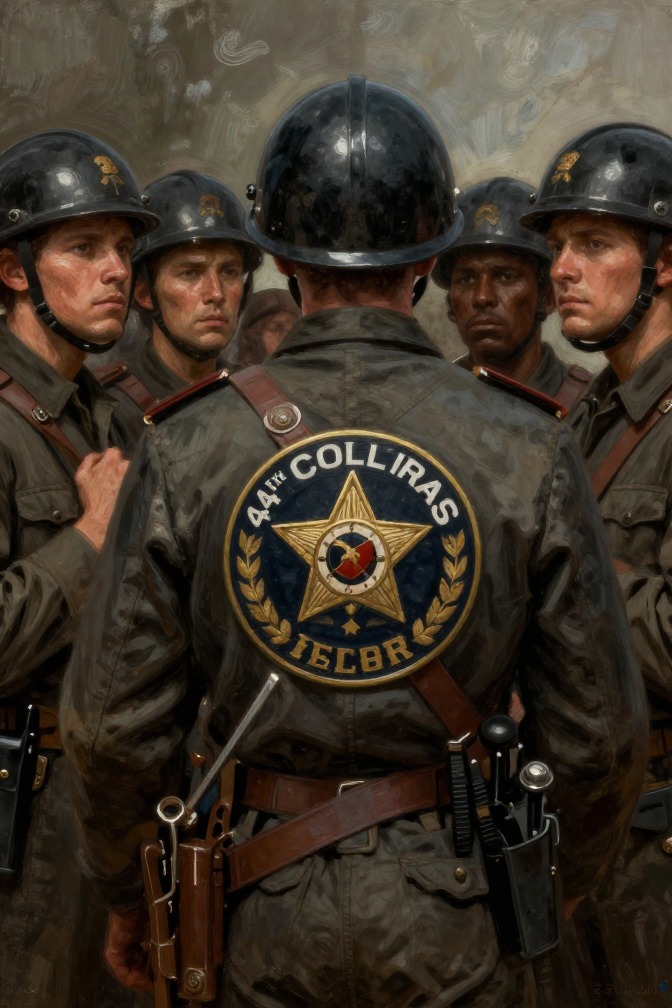
The 44th Colored Regiment is a Union Army unit that Paul D briefly joins during the American Civil War, only to find it falling apart before it can fight, a failed escape that deepens his sense of displacement and sets the pattern for his later wanderings.
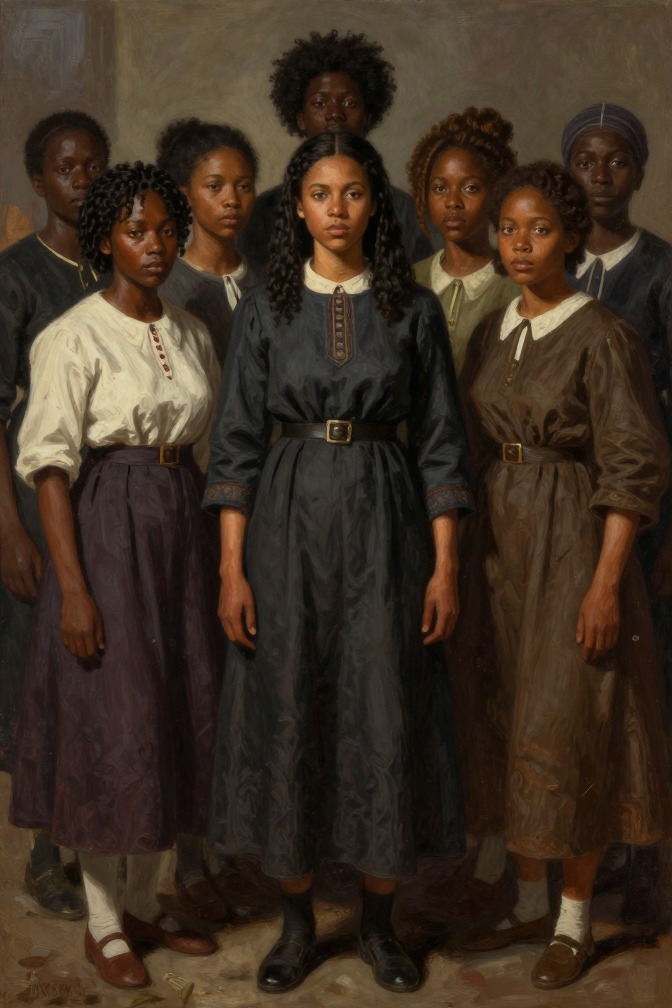
The Colored Ladies of Delaware, Ohio, is a charitable organization of Black women in the novel Beloved that intervenes at a crucial moment to save Sethe from execution after she kills her baby daughter, embodying the community's collective moral judgment and its capacity for both condemnation and mercy.
Amy Denver and Sethe form one of the most consequential and unexpected relationships in Toni Morrison's Beloved: a brief, intense alliance between a runaway slave and a ragged white girl that enables Sethe's escape from Sweet Home and the birth of her daughter Denver. Their encounter on the banks of the Ohio River, where Amy nurses Sethe's swollen feet, names the chokecherry tree on her back, and helps deliver her baby in a stolen boat, becomes the origin of Denver's name and a recurring touchstone of Sethe's memory. The relationship embodies the novel's themes of unexpected kindness, the physicality of suffering and healing, and the possibility of connection across the deepest social divides.
The relationship between Paul D and Beloved is a central antagonism in Toni Morrison's Beloved, marked by mutual suspicion, a coercive sexual encounter, and a struggle for Sethe's affection and the soul of 124. Paul D, the last of the Sweet Home men, instinctively distrusts the mysterious young woman who appears at 124, while Beloved, the embodiment of Sethe's dead daughter, works to expel him from the household. Their conflict culminates in Beloved's seduction of Paul D in the cold house, an act that breaks his will and drives him from the home, only for him to return after her disappearance to reclaim his place beside Sethe.
Sethe and Paul D are former fellow slaves from Sweet Home whose reunion in 1873 rekindles a deep, complicated bond. Their relationship moves from tentative courtship to intimate partnership, is shattered by Paul D's discovery of Sethe's infanticide, and is finally rebuilt through mutual acknowledgment of their shared trauma and individual worth.
The Fugitive Slave Law, also called the Fugitive Bill, is the legal instrument that drives the central catastrophe of Toni Morrison's Beloved. It is the law that empowers schoolteacher and the four horsemen to cross into Ohio and reclaim Sethe as property, triggering her infanticide, her imprisonment, and the haunting of 124 Bluestone Road. The novel portrays the law not as abstract justice but as a concrete, predatory force that reaches into free territory, converts human beings into chattel, and shapes the lives of every character, from Sethe's escape to the community's final exorcism.
1856 is the year Paul D endures eighty-three consecutive days of trembling while chained in a box in Alfred, Georgia, a period that marks the shattering of his former self and the beginning of his long, fragmented journey toward 124 Bluestone Road.
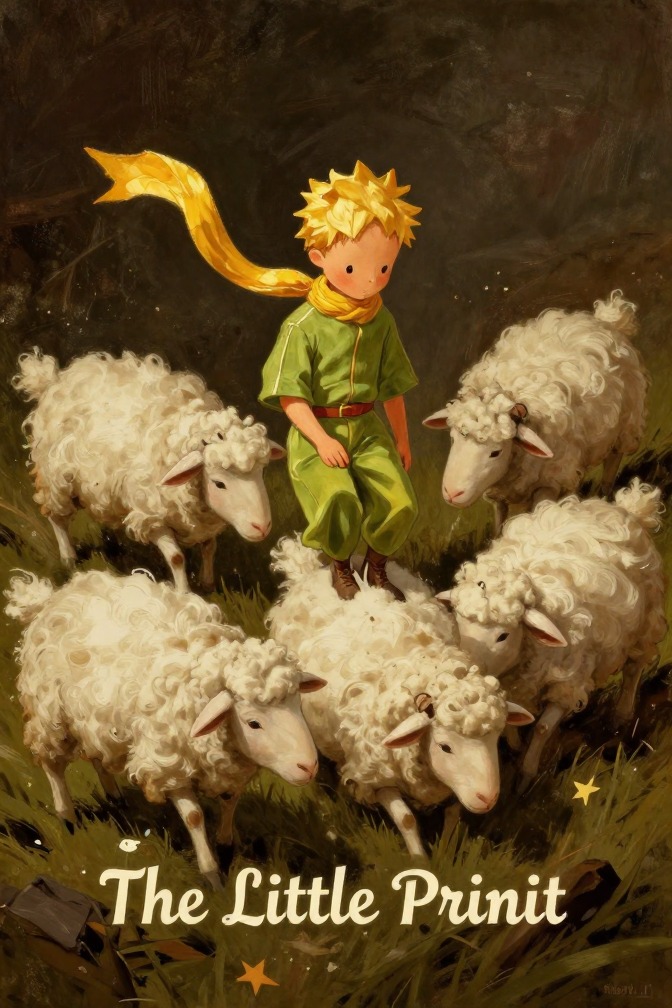
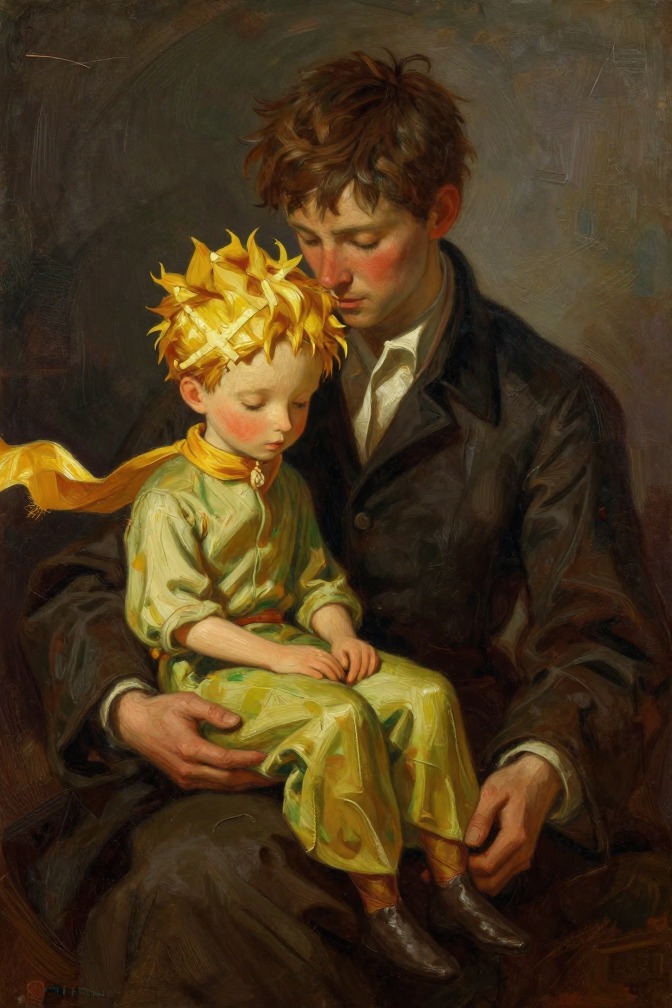
The Little Prince's appearance on Earth is the pivotal event of the narrative, marking his arrival in the African desert and his subsequent disappearance, which frames the narrator's grief and the story's central mystery.
The Sheep escaping is a hypothetical event in The Little Prince that haunts the narrator after the little prince's departure. The narrator's failure to draw a leather strap on the muzzle he gave the little prince means the sheep may have been able to eat the rose, creating an unresolved uncertainty that transforms the stars from bells to tears and becomes the story's central mystery.
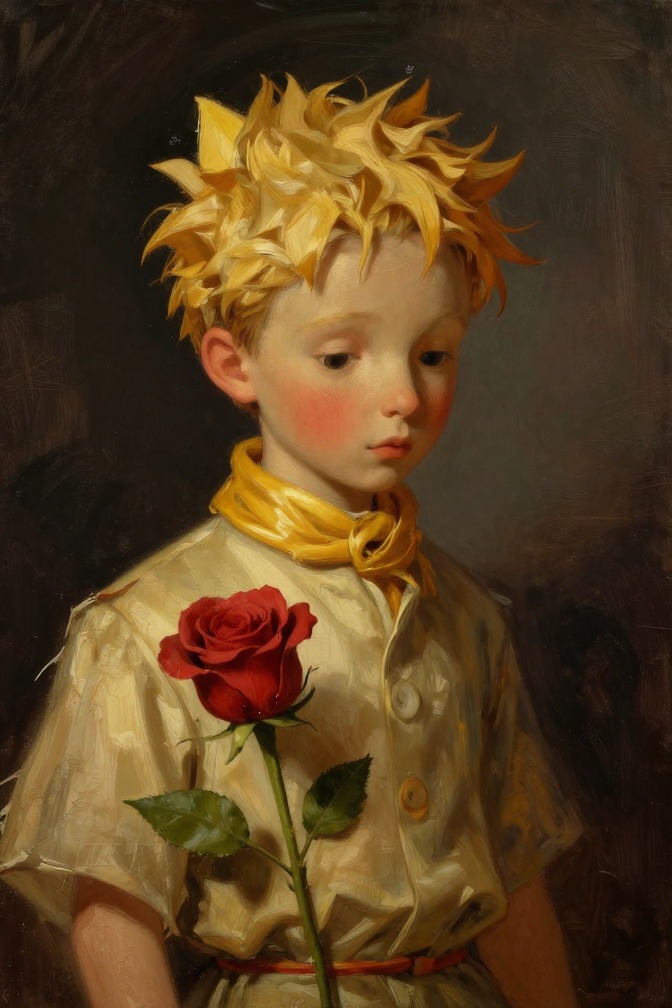
The Rose is the Little Prince's beloved flower on his home planet, a fragile and proud being whose fate after his departure becomes the central unresolved mystery of the story, shaping the Narrator's alternating hope and grief.
The glass globe is a protective object used by the Little Prince to shield his rose from harm, and its potential neglect becomes a central source of anxiety for the Narrator, symbolizing the fragility of love and responsibility.
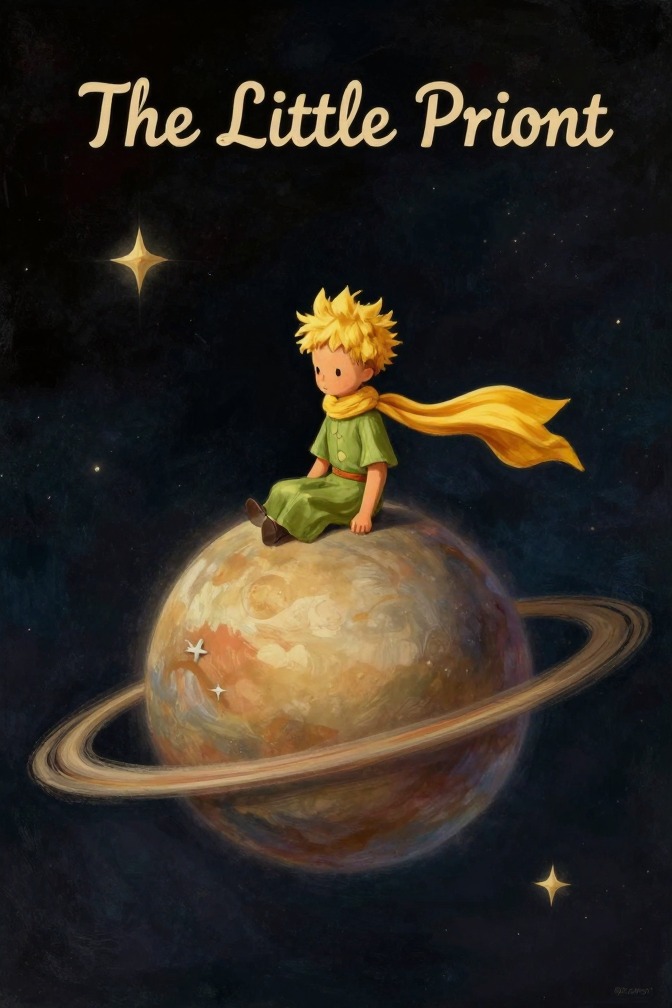
The little prince's planet is the distant, tiny home world of the Little Prince, the place he left to travel the universe and the destination he returns to at the story's end. Its significance lies in being the locus of the Little Prince's love for his flower and his sheep, and the source of the narrator's enduring anxiety about whether the sheep has eaten the rose. The planet's unseen fate becomes a central mystery that transforms the narrator's perception of the cosmos, turning stars into bells or tears.
The Narrator and the Little Prince is the central relationship of Antoine de Saint-Exupéry's tale, a bond forged in the African desert and defined by loss, memory, and the narrator's enduring uncertainty about the prince's fate. Their connection transforms the narrator's perception of the universe, turning the stars into bells or tears depending on whether the sheep has eaten the rose.
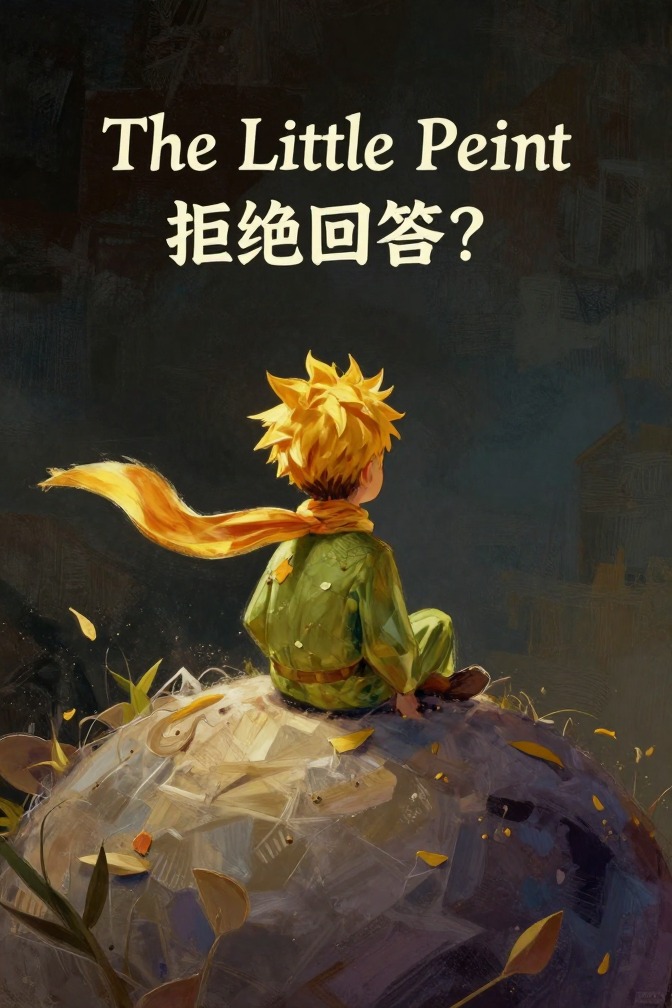
Refuse to answer questions is a defining trait of the Little Prince, first described in the narrator's final appeal to readers. It marks the prince as a being of mystery and wonder, resistant to adult interrogation, and it becomes a key to the story's central enigma—whether the sheep has eaten the rose. This trait underscores the prince's childlike, philosophical nature and the profound, unanswerable questions at the heart of the tale.
McFate is the personified force of destiny that Humbert Humbert invokes to explain the uncanny coincidences, thwarted plans, and ironic reversals that shape his pursuit of Lolita. Part classical fate, part malicious trickster, McFate operates as a narrative device that both frustrates and enables Humbert's desires, ultimately orchestrating the tragic outcome he claims to resist.
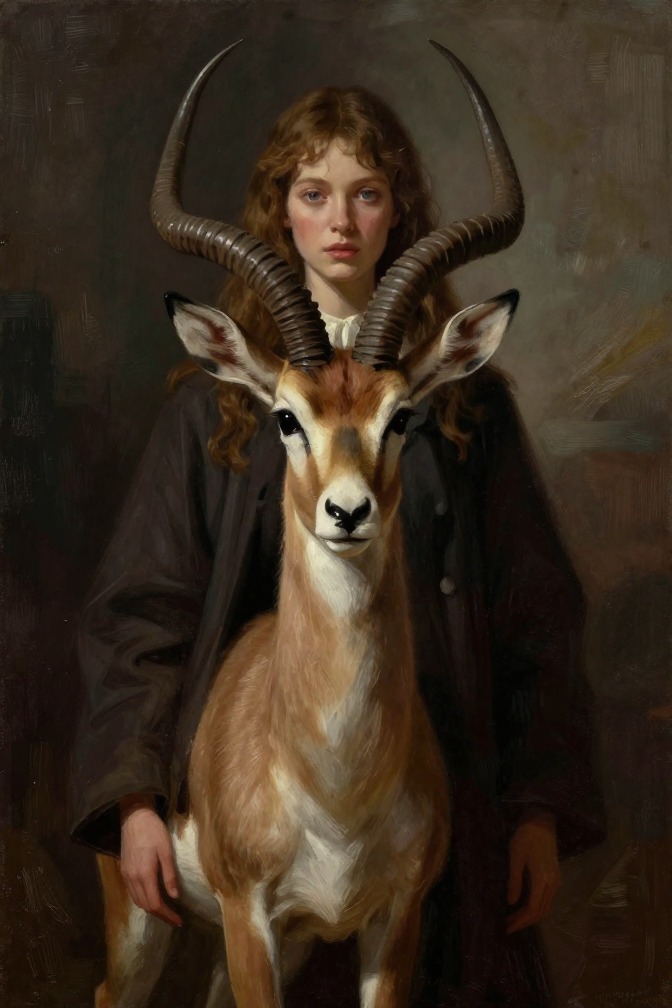
The antelope appears in Humbert Humbert's memoir as a brief but resonant image during the cross-country road trip with Lolita, when he records seeing a herd of antelopes in a wildlife refuge. This fleeting encounter, embedded in the vast catalog of American landscapes and tourist attractions they consume, underscores the tension between Humbert's obsessive, predatory gaze and the natural world that remains indifferent to his drama.
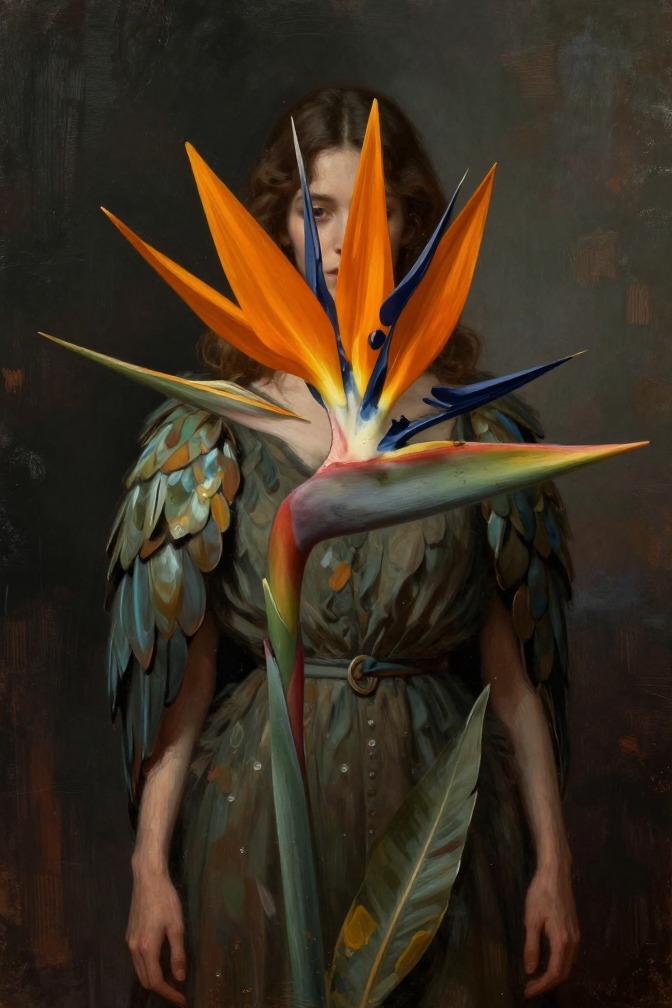
The bird of paradise appears in Humbert Humbert's imagined murals for the dining room of The Enchanted Hunters, where a tiger pursues it, serving as a vivid emblem of the predatory, aestheticized violence that pervades his narrative.
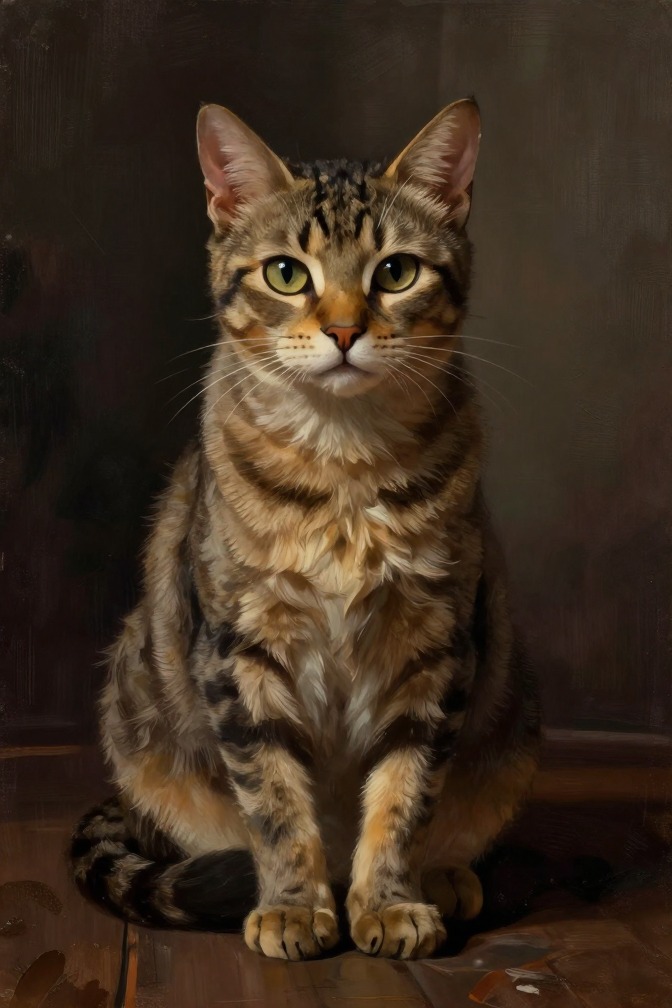
The cat appears in Humbert Humbert's memoir as a minor but recurring motif, associated with moments of interruption, domestic tension, and the intrusion of ordinary life into his obsessive world. Its appearances are brief but strategically placed, often coinciding with critical junctures in his pursuit of Lolita.
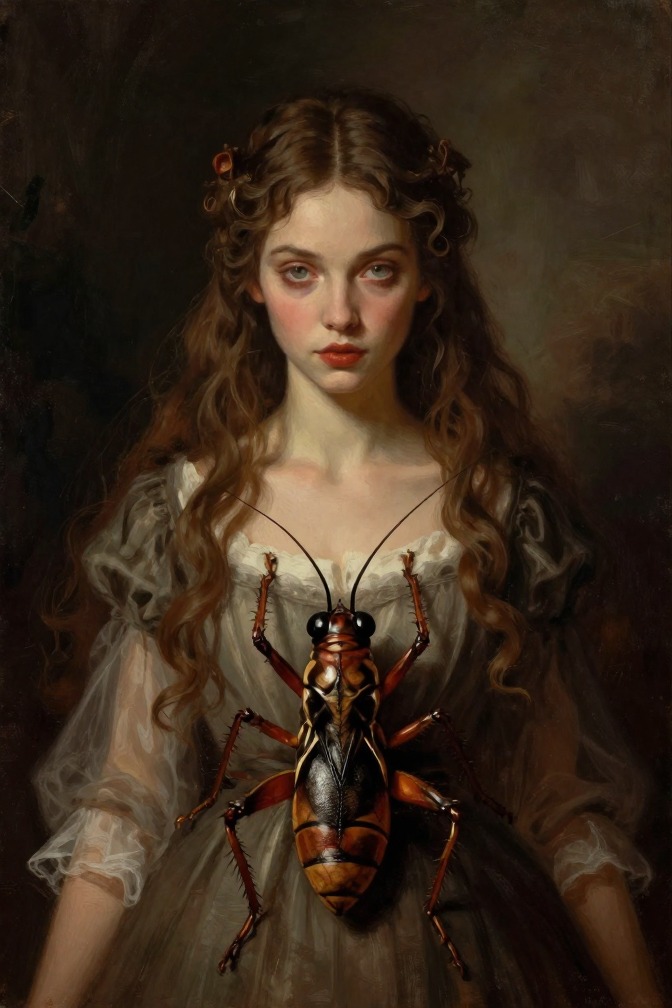
The cricket appears as a single, poignant auditory image in the final pages of Humbert Humbert's confession, where it becomes a symbol of the lost, ordinary world of childhood from which Lolita has been irrevocably severed.
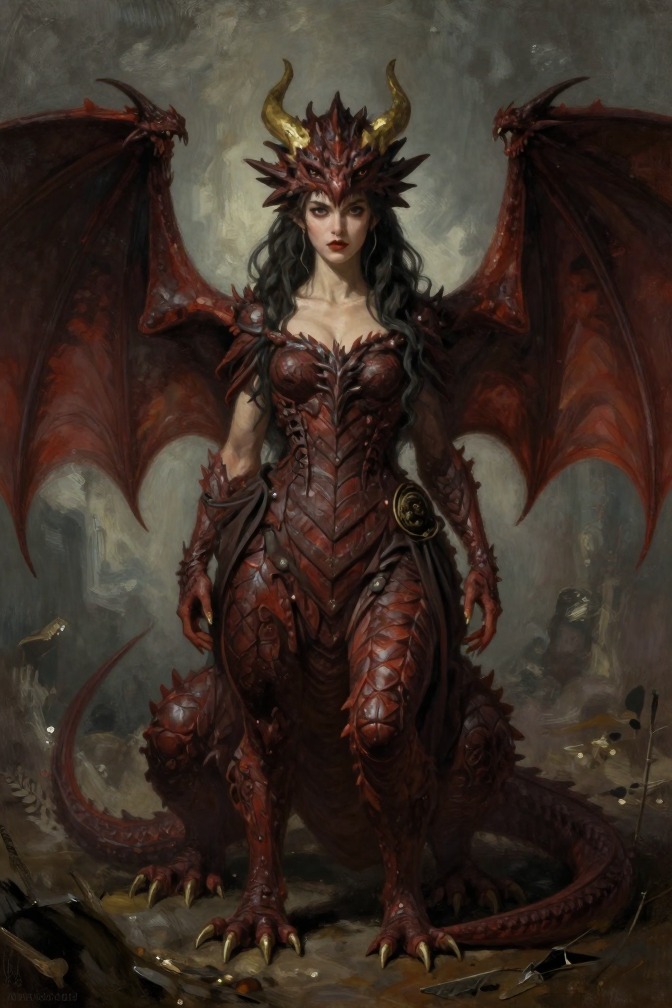
In Vladimir Nabokov's Lolita, dragons appear only as a passing simile in the narrator's complaint about the practical difficulties of outdoor lovemaking in the American wilderness, where he claims that the landscape is so inhospitable that it seems to harbor 'semi-extinct dragons' alongside snakes and stinging insects. The reference is brief, ironic, and entirely metaphorical, serving to underscore Humbert Humbert's frustrated sense that the natural world refuses to cooperate with his romantic and predatory designs.
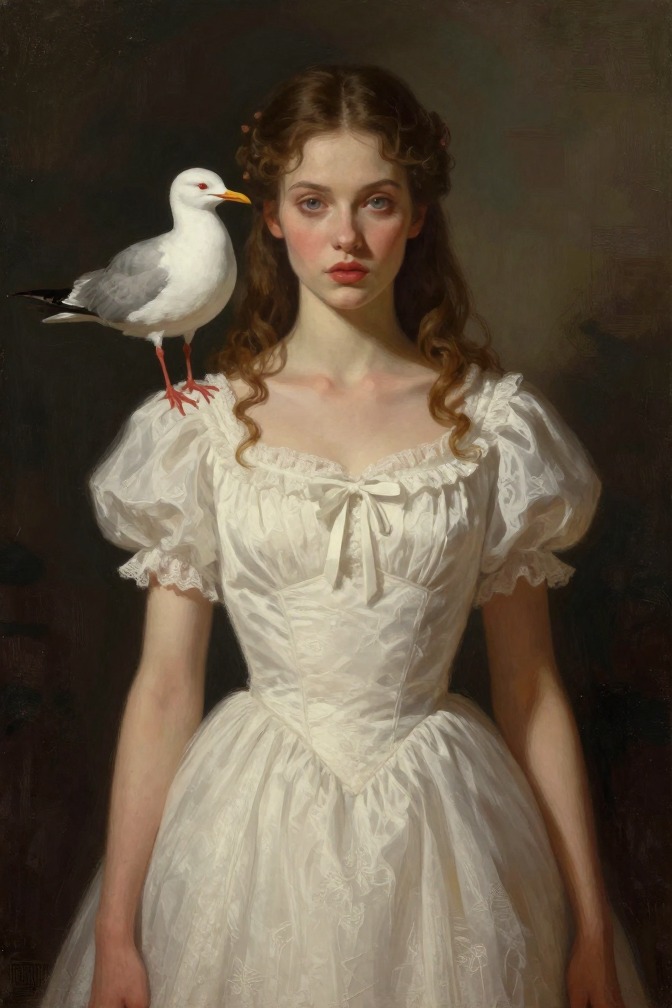
The gull appears as a brief but resonant image in Humbert Humbert's cross-country narrative, a creature glimpsed in the margins of his obsessive journey with Lolita. Its presence, though fleeting, crystallizes the tension between the natural world's indifferent beauty and the narrator's predatory, solipsistic gaze.
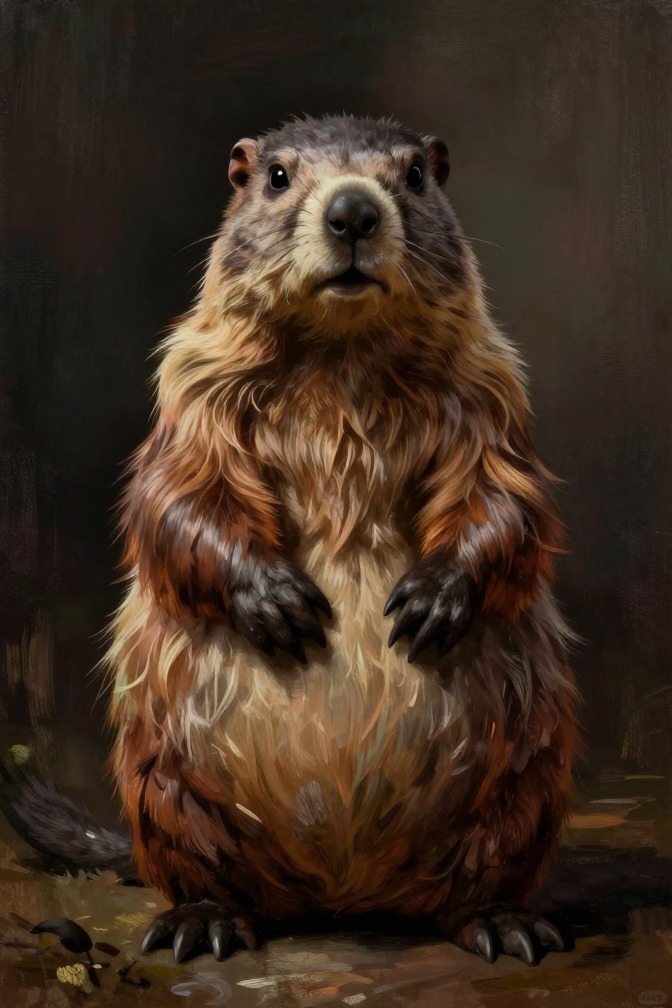
The marmot appears in a single, vivid scene during Humbert and Lolita's cross-country journey, serving as a brief but resonant marker of the natural world's indifference to human transgression. Whistling and withdrawing as the couple trespasses into a secluded alpine spot, the animal punctuates a moment of false pastoral security that immediately collapses into near-discovery, exposing the fragility of Humbert's paradise.
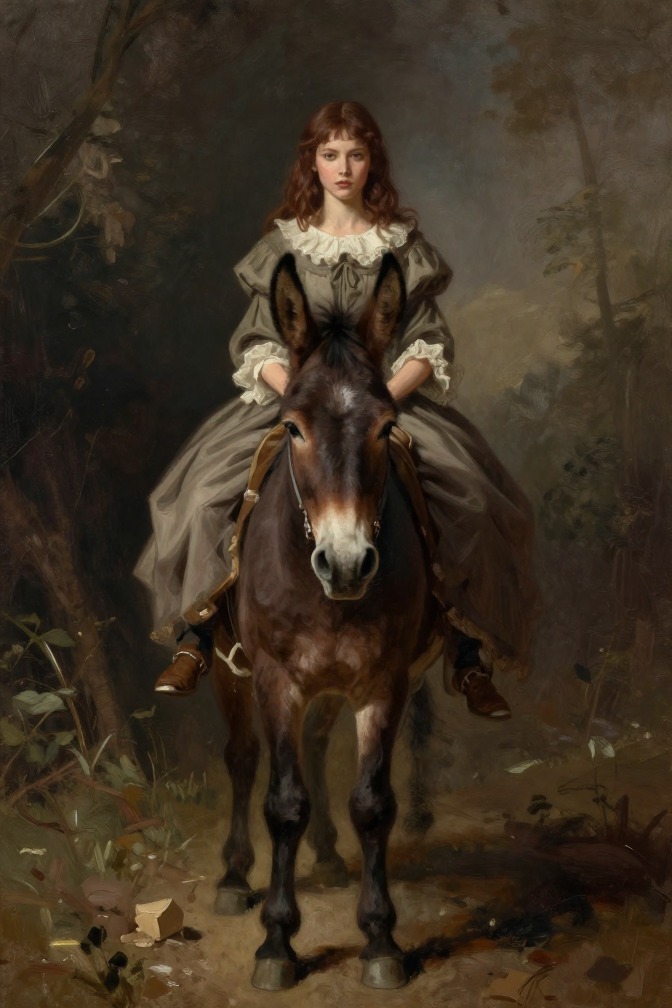
The mule appears in a single, brief mention during Humbert Humbert's final visit to Elphinstone, where it is glimpsed grazing in a pasture within the town's neat, model-like layout, serving as a minor detail in the landscape that underscores the surreal, dreamlike quality of his desperate search for Lolita.
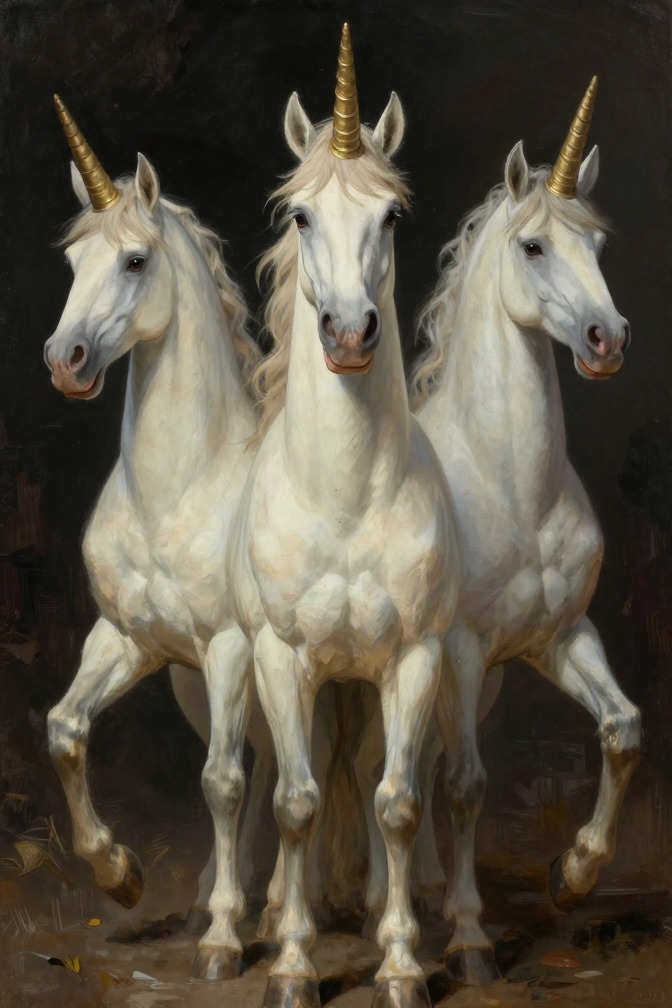
Unicorns appear in Lolita as a fleeting, ironic image within the narrator's description of the American landscape, specifically in the town of Elphinstone, where Humbert Humbert, in a state of drunken despair after Lolita's escape from the hospital, perceives a unicorn grazing in a pasture, blending the mythical creature with the mundane reality of a small Western town.