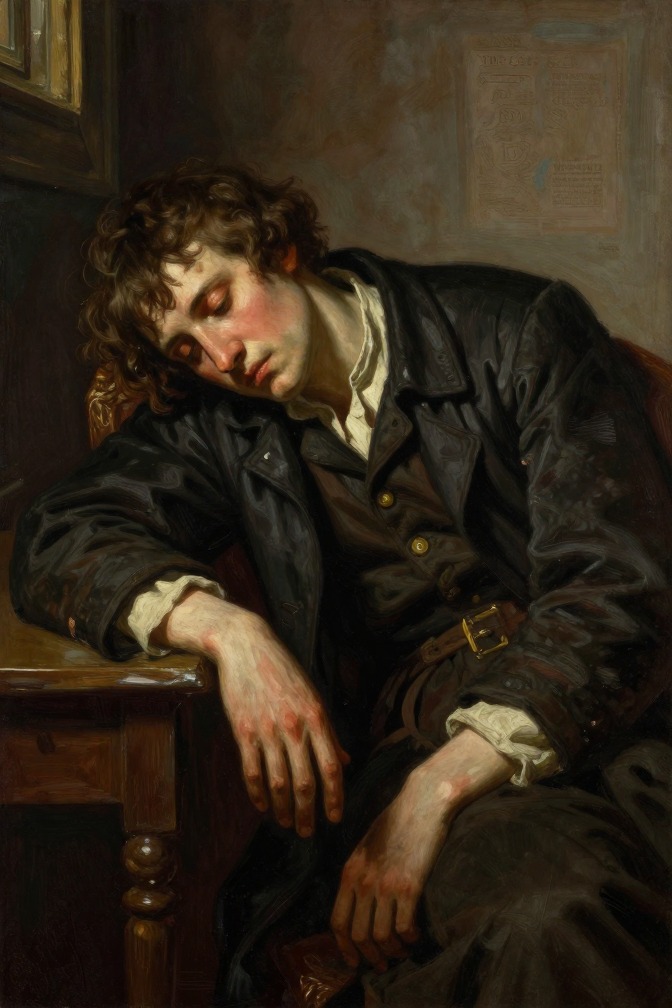
Exhaustion is a pervasive and defining state in Franz Kafka's *The Castle*, shaping K.'s perception, actions, and ultimate failure. From his arrival, K. is overwhelmed by physical and mental fatigue, which intensifies as he navigates the village's bureaucratic labyrinth. This exhaustion is not merely personal but reflects a systemic condition, contrasting with the officials' serene, purposeful tiredness. It leads to critical missteps—his inability to seize opportunities, his neglect of Frieda, and his final collapse—underscoring the novel's themes of alienation and the futility of striving against an incomprehensible authority.
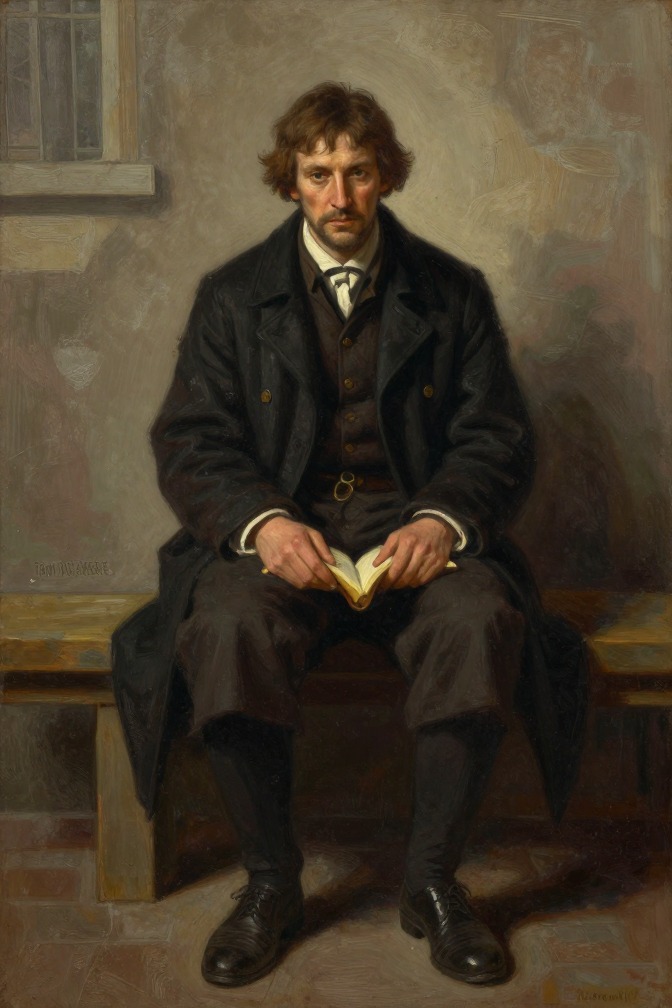
Waiting is a pervasive and defining state in Franz Kafka's The Castle, shaping K.'s experience from his arrival to his final scenes. It is both a literal activity—K. waits for Klamm, for Barnabas, for permits, for decisions—and a metaphysical condition that reflects the novel's themes of inaccessibility, bureaucratic absurdity, and the elusive nature of authority. Waiting exposes the power dynamics between the individual and the castle, revealing how the system controls through delay and uncertainty, and how hope and despair are intertwined in the act of waiting.
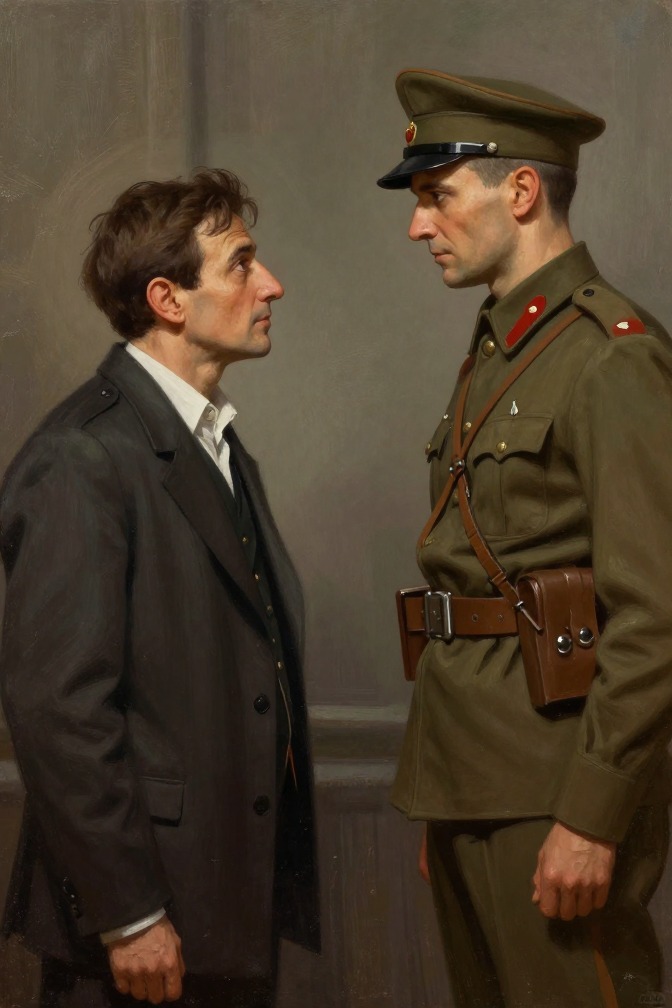
Baba confronts a Russian soldier at a checkpoint during the family's escape from Kabul in March 1981, risking his life to defend the honor of a fellow refugee and demonstrating the uncompromising moral code that defines his character.
Dr. Rosen is the fertility specialist who treats Amir and Soraya Taheri for their unexplained infertility in the late 1980s and early 1990s, a minor but symbolically charged figure whose clinical language and failed treatments mark the couple's deepening disappointment and the limits of medical intervention.
Omar Faisal is the Pakistani immigration lawyer who advises Amir on the legal obstacles to adopting Sohrab, offering a realistic assessment of the near-impossible process while ultimately supporting Amir's quest.
Sofia Akrami is the deceased mother of Amir, a highly educated woman from a royal lineage who taught classic Farsi literature at the university in Kabul, and whose death in childbirth casts a long shadow over Amir's relationship with his father Baba.
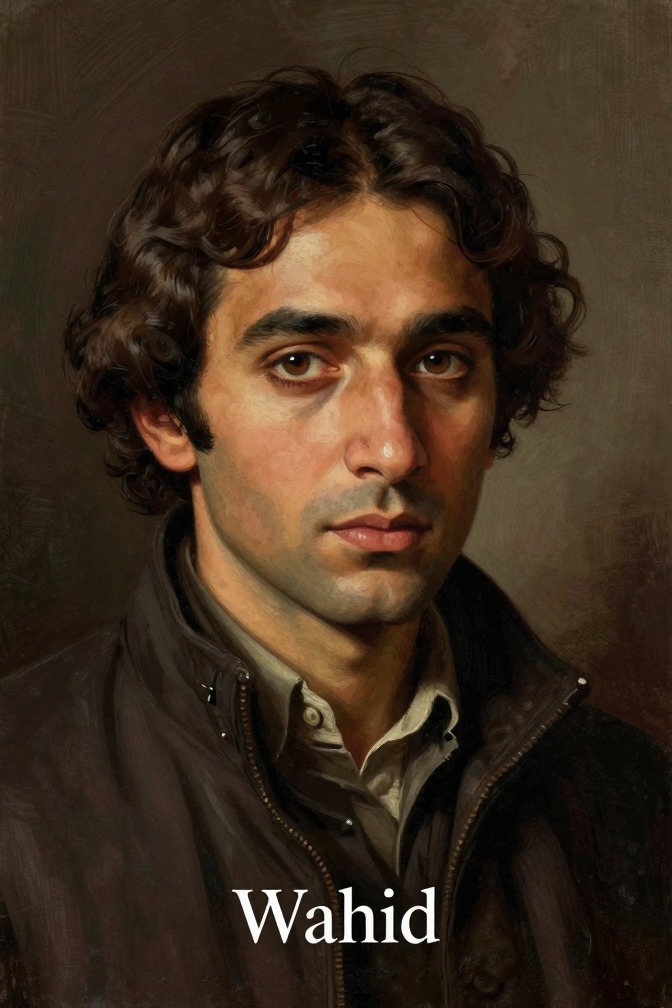
Wahid is Farid's older brother, a dignified and hospitable man living in a dilapidated house near Jalalabad, who offers Amir shelter on his journey to Kabul and embodies the honor and generosity of traditional Afghan culture even amid extreme poverty.
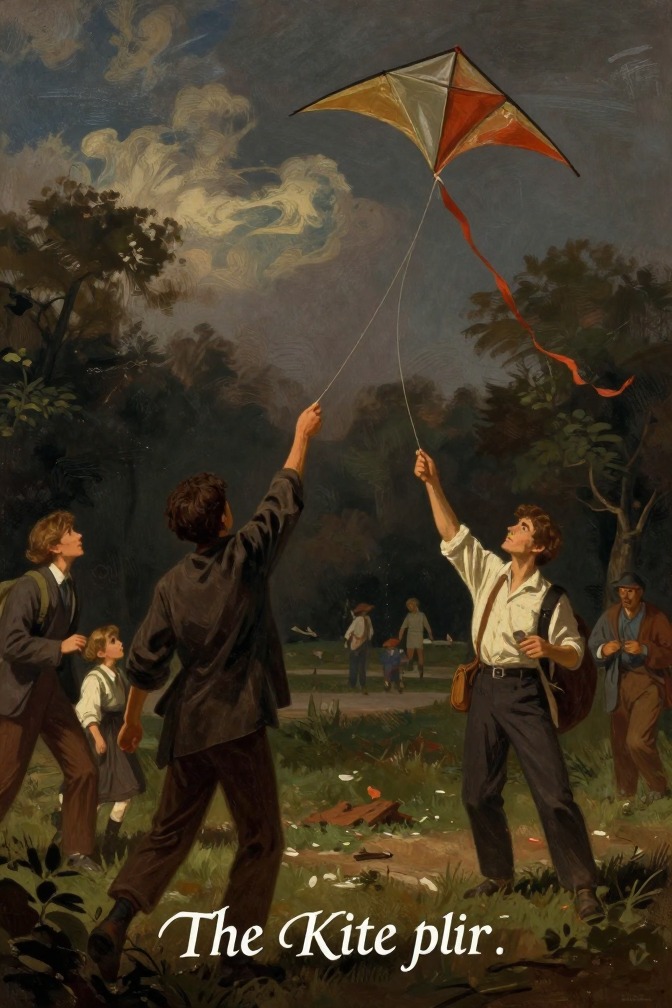
In March 2002, at a Nowruz gathering in Fremont's Lake Elizabeth Park, Amir buys a yellow kite and, after a quarter-century, flies it again. He teaches Sohrab the old lift-and-dive trick Hassan used, cuts down a green kite, and sees the first flicker of a smile on Sohrab's face since his suicide attempt. Amir then runs the fallen kite for Sohrab, whispering Hassan's old promise, "For you, a thousand times over."
This expression, spoken by Baba to Rahim Khan about his son Amir, encapsulates Baba's core anxiety about masculinity, self-defense, and moral integrity. It becomes a haunting prophecy that defines Amir's childhood cowardice and his eventual quest for redemption, and is later echoed by Rahim Khan to spur Amir into action.
Ahesta boro ("Go slowly, my lovely moon") is an old Afghan wedding song that recurs throughout The Kite Runner as a motif of love, loss, and the passage of time, first heard sung by a drunken Russian soldier at a checkpoint and later played at Amir and Soraya's wedding.
The phrase "Blood is a powerful thing" is a recurring thematic assertion in Khaled Hosseini's *The Kite Runner*, most explicitly voiced by General Iqbal Taheri during a family discussion about adoption. It encapsulates the novel's central tension between the inherited bonds of lineage and the chosen bonds of love, loyalty, and moral responsibility, and it is repeatedly tested and ultimately redefined by the actions of the protagonist, Amir.
Toophan agha, or "Mr. Hurricane," is the famous nickname of Baba, Amir's father in Khaled Hosseini's The Kite Runner, coined by his friend Rahim Khan to capture his overwhelming, forceful personality. The nickname encapsulates Baba's identity as a towering, unstoppable force of nature—a man who dominates every room, wrestles bears, builds orphanages with his own blueprints, and imposes his black-and-white moral code on the world, yet whose inner torment and secret guilt ultimately define his legacy.
The Arg, the royal palace in Kabul, is the symbolic and political center of Afghan monarchy and power, whose changing occupants and the events surrounding it mark the decisive shifts in the country's modern history as experienced by the characters in The Kite Runner.
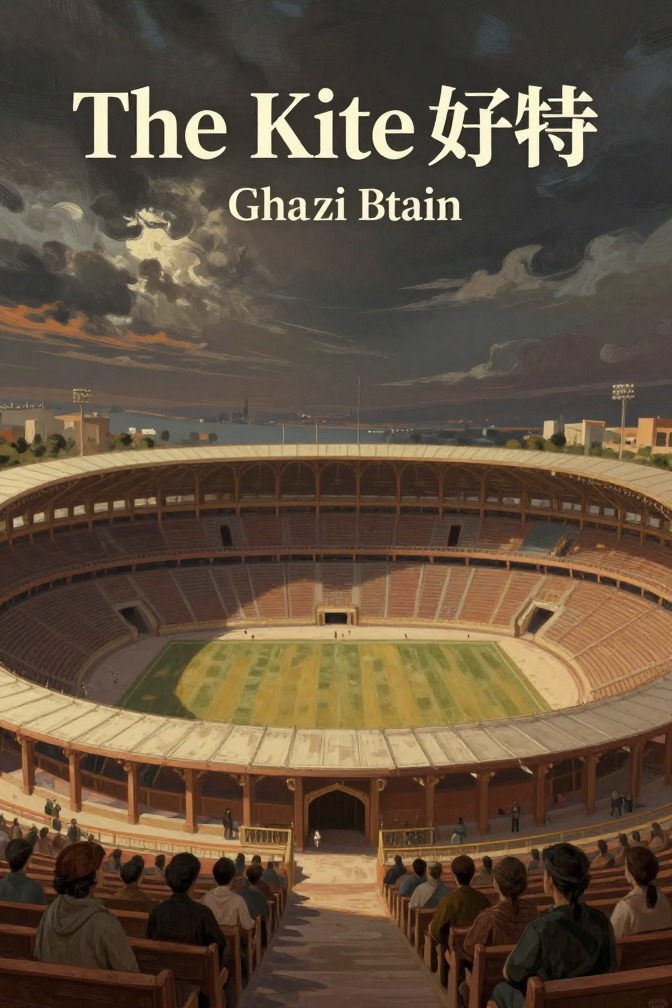
Ghazi Stadium in Kabul is the site where the Taliban regime staged public executions, and where Amir witnesses a stoning that confirms the regime's brutality and leads him to the man who holds Sohrab.
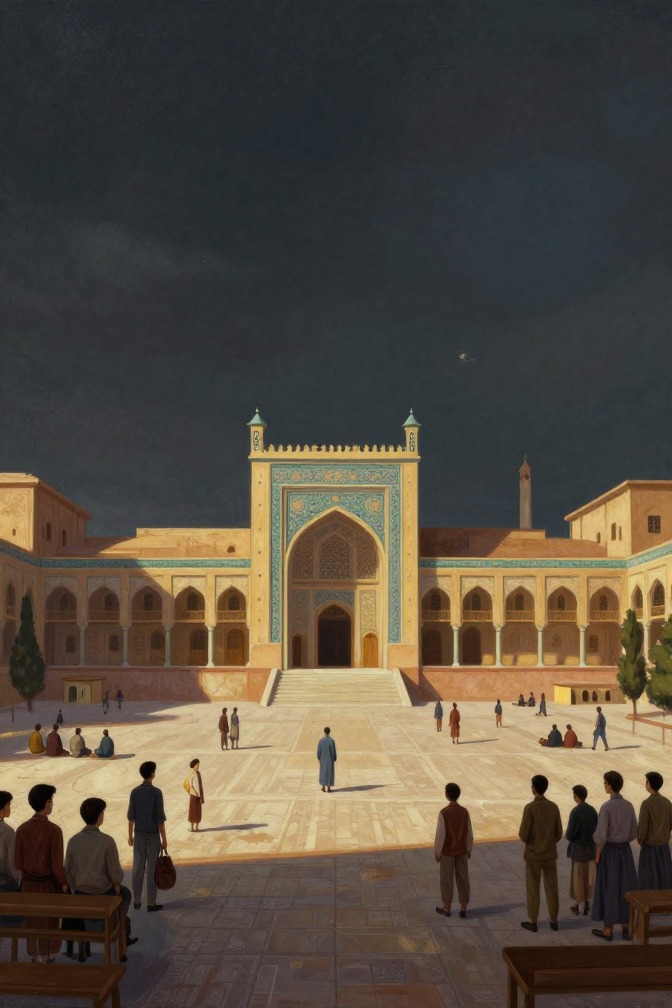
Istiqlal Middle School is a landmark in Kabul that appears in Amir's memories as a shortcut to forbidden adventures, a site of ethnic humiliation, and a symbol of the lost world of his childhood.
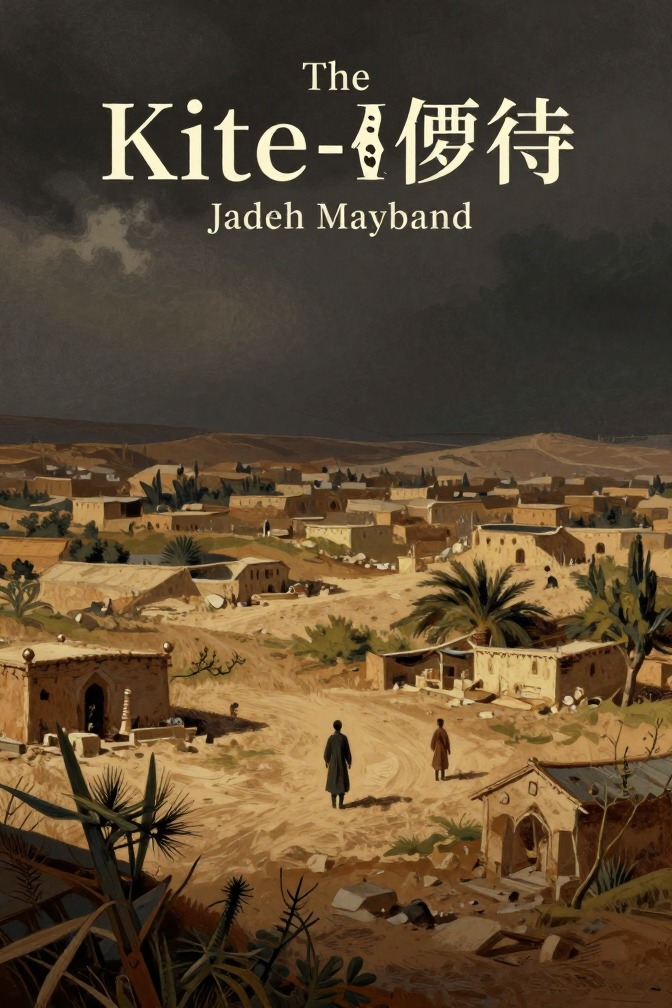
Jadeh Maywand is the central commercial artery of old Kabul, a crowded street south of the Kabul River that once housed Saifo's famous kite shop, the orphanage built by Baba, and the bustling bazaar life of pre-war Afghanistan; by the time of Amir's return in 2001, it has been reduced to a rubble-strewn wasteland of collapsed buildings, beggars, and Taliban patrols, serving as the novel's most concentrated symbol of the destruction of an entire way of life.
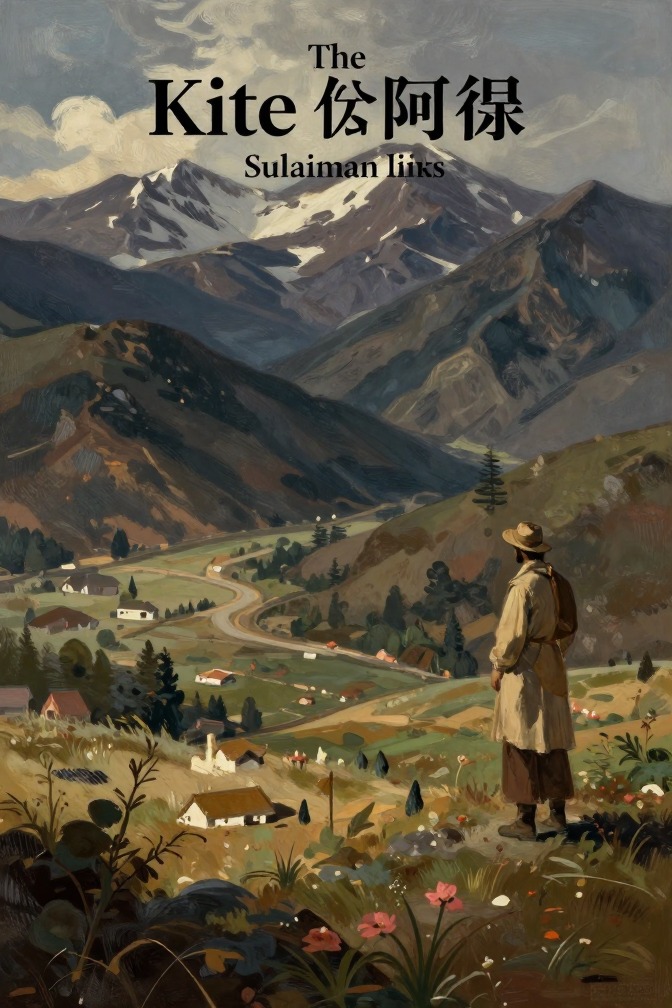
The Sulaiman Mountains, a range in Baluchistan, serve as the mythic setting for Baba's legendary bare-handed wrestling match with a black bear, a story that defines his larger-than-life persona and becomes a recurring symbol of the struggle between father and son, courage and cowardice, throughout the novel.
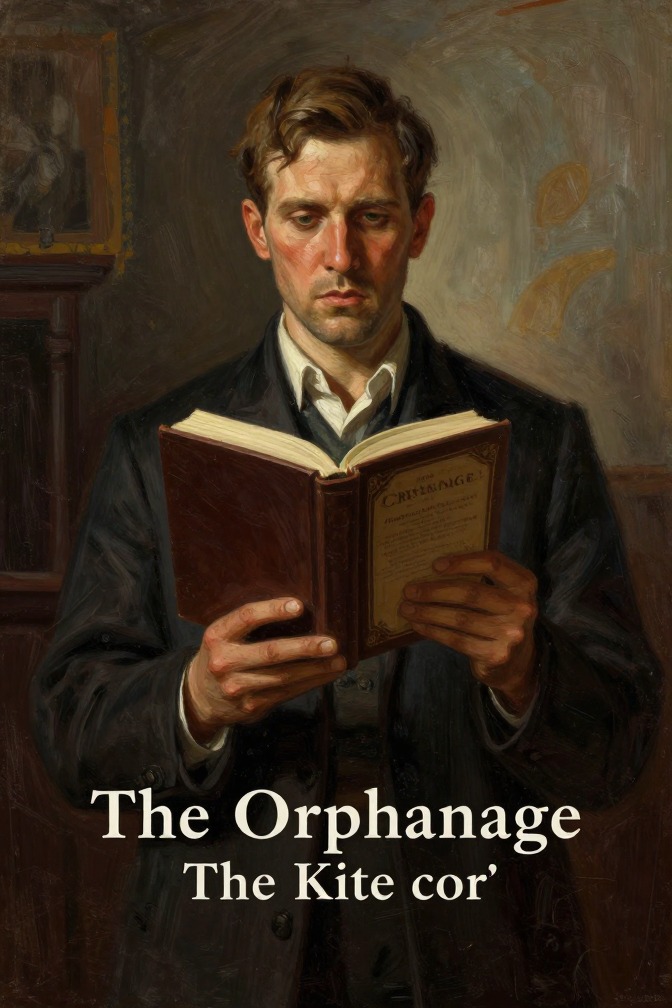
Baba's Orphanage is a two-story building in Kabul's old city, designed and funded entirely by Baba as a personal act of charity, which becomes a symbol of his public redemption and later a site of wartime destruction.
1995 is a year of deepening tragedy and resilience within the walls of Baba's house in Wazir Akbar Khan, Kabul. It marks the final year of Sanaubar's life, the continued growth of Sohrab under the care of Hassan and Rahim Khan, and the intensification of the Afghan civil war that surrounds their fragile haven. The year encapsulates the coexistence of domestic tenderness and the brutal reality of a city under siege, setting the stage for the Taliban's rise and the ultimate destruction of this family.
1996 marks a pivotal year in Afghanistan's history as depicted in The Kite Runner, when the Taliban seized control of Kabul, initially welcomed as peacemakers after years of civil war, but soon imposing a brutal regime that banned kite fighting, oppressed Hazaras, and shattered the remnants of the old way of life.
1998 was a year of catastrophic violence and deepening oppression in Afghanistan under Taliban rule, marked by the massacre of Hazaras in Mazar-i-Sharif, the formal ban on kite fighting, and the escalating persecution that would soon lead to the murder of Hassan and Farzana. The year crystallizes the Taliban's genocidal campaign against the Hazara minority and the systematic destruction of Afghan cultural life, forming the dark backdrop against which Amir's quest for redemption unfolds.
Eid Al-Adha, or Eid-e-Qorban, is the Islamic festival commemorating the prophet Ibrahim's willingness to sacrifice his son. In *The Kite Runner*, the ritual slaughter of a sheep during this holiday becomes a recurring symbol of sacrifice, guilt, and the acceptance of fate, most powerfully echoing the sexual assault of Hassan in the alley.
Jadi is the first month of winter in the Afghan calendar, whose first night, Yelda, is the longest night of the year and is traditionally marked by staying awake, telling stories, and eating watermelon to ward off thirst in the coming summer.
July 17, 1973, is the date of the bloodless coup in Kabul that ended King Zahir Shah's forty-year reign and brought his cousin Daoud Khan to power, marking the beginning of the end of the Afghanistan Amir and Hassan knew as children. The coup's gunfire and explosions terrified the boys, and the political shift emboldened the racist bully Assef, who confronted them the next day with a vision of ethnic cleansing. This single night set in motion the unraveling of the old order, foreshadowing the Soviet invasion, the civil wars, and the Taliban regime that would eventually destroy their world.
March 1991 marks a pivotal moment in Amir and Soraya's marriage, when the couple's prolonged struggle with infertility reaches a crisis point. After months of failed medical treatments, including in vitro fertilization, Soraya breaks the news to her parents during a family gathering in their backyard, and the conversation reveals the deep cultural and personal tensions surrounding adoption, bloodlines, and the couple's future.
March 2002 is the month in which the novel's final, redemptive scene takes place: at a Nowruz gathering in Fremont's Lake Elizabeth Park, Amir flies a kite with Sohrab and, for the first time since his suicide attempt, sees the boy smile.
New Year's Day in Afghanistan, the first day of spring, is marked by the annual Buzkashi tournament, a violent national sport. For Amir, this day becomes a recurring symbol of his childhood trauma, his father's disappointment, and the lost innocence of his homeland.
The summer of 1976 was a pivotal period of cooling relations between Amir and Baba, marked by the aftermath of Amir's betrayal of Hassan and the gradual erosion of the brief, illusory closeness they had shared after the kite tournament. It was also Afghanistan's "next to last summer of peace and anonymity," a season of quiet decay before the Soviet invasion that would shatter the country forever.
The summer of 1984, when Amir turned twenty-one, marked a period of profound transformation and deepening guilt. During this season, Baba sold his Buick and bought a dilapidated Volkswagen bus, and the two of them began working the garage sale and flea market circuit in the Bay Area. It was at the San Jose flea market that Amir first saw Soraya Taheri, the woman who would become his wife, and began a courtship shadowed by his unconfessed past. The summer also saw Amir grappling with the aftermath of his betrayal of Hassan, a guilt that the new rhythms of American life could not erase.
The winter of 1975 is the pivotal season in Amir's childhood, during which he wins the annual kite-fighting tournament in Kabul but then witnesses and fails to stop the rape of his friend Hassan, an act of cowardice that shapes his identity and drives the novel's central conflict of guilt and redemption.