Vaughan & Penrose Real Estate is the dominant real estate agency in Amity, Long Island, owned and operated by Mayor Larry Vaughan. The firm's economic interests are deeply intertwined with the town's summer tourism, and its financial pressures—ultimately revealed to be tied to mob-linked debt—drive Vaughan's relentless campaign to suppress news of the shark attacks and keep the beaches open, placing him in direct conflict with Police Chief Martin Brody.
Larry Vaughan and Tino Russo's business relationship is a secret partnership that drives the mayor's desperate campaign to keep Amity's beaches open despite the shark attacks, revealing how organized crime infiltrated the town's real estate market and corrupted its political leadership.
The marriage of Martin Brody and Ellen Brody is a central relationship in the novel, marked by a deep, enduring love that is strained by social class differences, Ellen's midlife crisis, and the external pressures of the shark attacks. Their union, born from a chance encounter and a cross-class romance, becomes a source of both comfort and conflict as Ellen grapples with nostalgia for her privileged past and Brody struggles with feelings of inadequacy and jealousy, particularly regarding Matt Hooper. The crisis of the shark ultimately forces a reckoning, leading Ellen to a renewed appreciation for her husband and their life together.
The relationship between Martin Brody and Matt Hooper is a central antagonism in the novel, defined by class resentment, professional rivalry, and a deep personal suspicion that culminates in a violent confrontation and a shared, doomed hunt for the great white shark.
The beach closure order in Amity is a contested emergency measure issued by Police Chief Martin Brody to protect swimmers from a great white shark, repeatedly challenged by economic interests and political pressure.
The Selectmen's removal power over the police chief is a provision in Amity's town charter that grants the Board of Selectmen the authority to dismiss the elected chief of police for "good and sufficient cause," a mechanism that Mayor Larry Vaughan threatens to use against Chief Martin Brody to force him to keep the beaches open after a series of fatal shark attacks.
Quint's monomania is the obsessive, personal vendetta that drives the shark hunter after the death of Matt Hooper, transforming his professional hunt into a suicidal crusade that ultimately destroys him and his boat, the Orca.
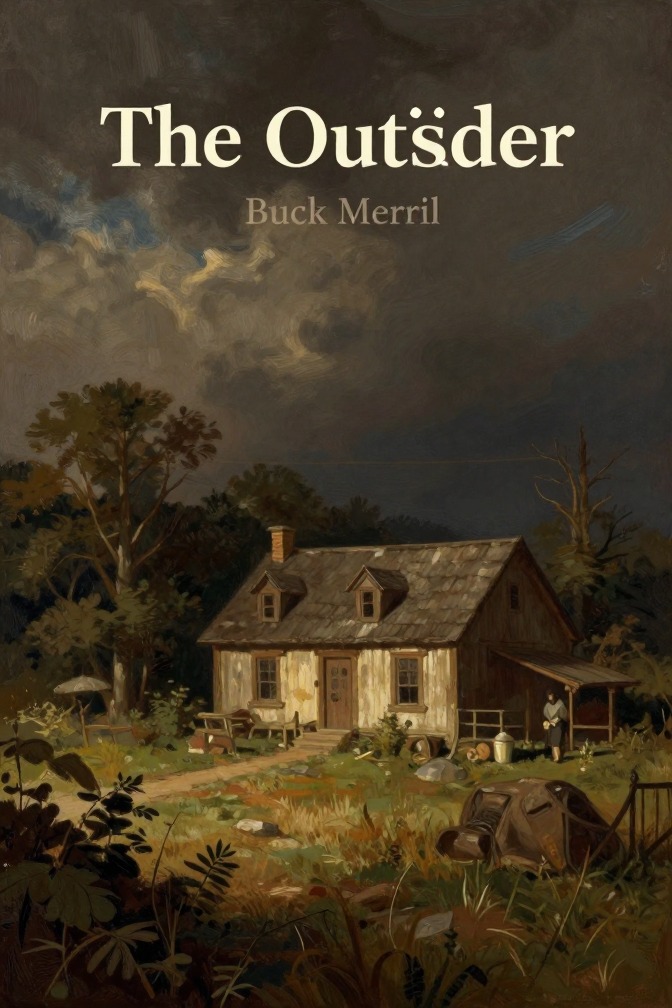
Buck Merril is a rodeo partner and associate of Dallas Winston, a bootlegger and race-fixer who provides the gun, money, and hideout instructions that enable Ponyboy Curtis and Johnny Cade to flee after Bob Sheldon's murder.
Dallas Winston, known as Dally, is the toughest, most hardened member of the greaser gang, a product of a brutal childhood in New York City and a life of crime that has left him cold, bitter, and fiercely loyal to his friends, especially Johnny Cade.
Jerry Wood is a schoolteacher who witnesses the church fire rescue and becomes a compassionate ally to Ponyboy, Johnny, and Dallas, helping to humanize them to the authorities and the public.
Johnny Cade is the gang's pet, a sensitive and abused sixteen-year-old whose violent act of self-defense against a Soc sets the novel's central tragedy in motion, and whose final message of hope and beauty becomes the moral heart of the story.
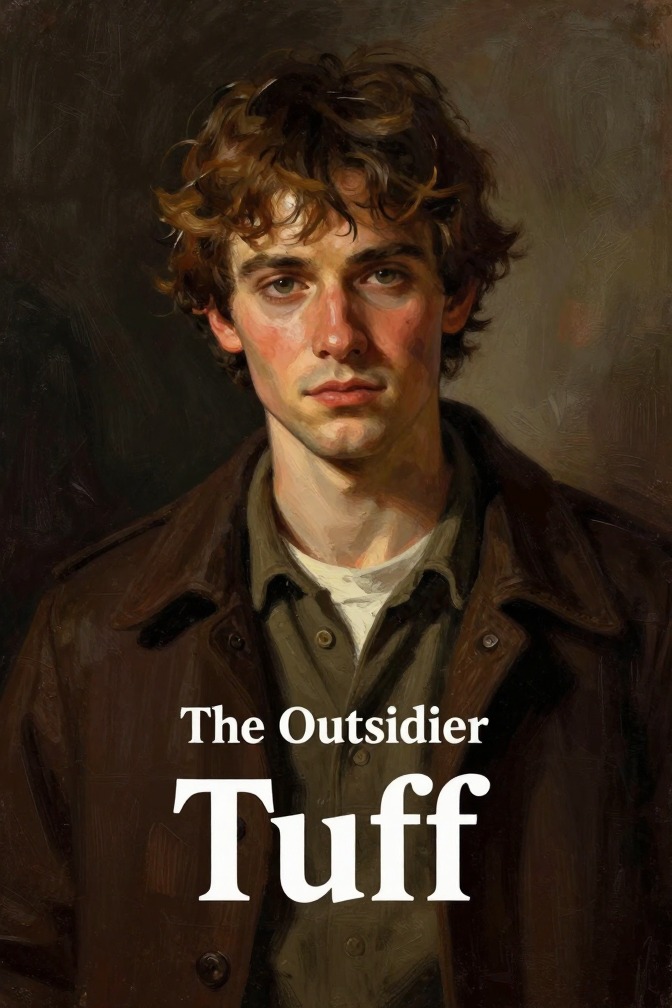
Tuff is a slang term used by the greasers in The Outsiders to mean cool, sharp, or admirable, distinct from the word tough which means rough or hard. It functions as a key marker of greaser identity and values, appearing in descriptions of cars, records, and personal style, and is contrasted with the Socs' world.
Johnny's beating by four Socs in a blue Mustang is the traumatic event that transforms him from a nervous but law-abiding greaser into a haunted, knife-carrying boy who will kill the next person who jumps him, setting the entire plot of The Outsiders in motion.
Johnny Cade's death in the hospital, moments after learning the greasers won the rumble, is the emotional climax of the novel, crystallizing the costs of the greaser-Soc conflict and triggering the final tragedy of Dallas Winston's suicide-by-cop.
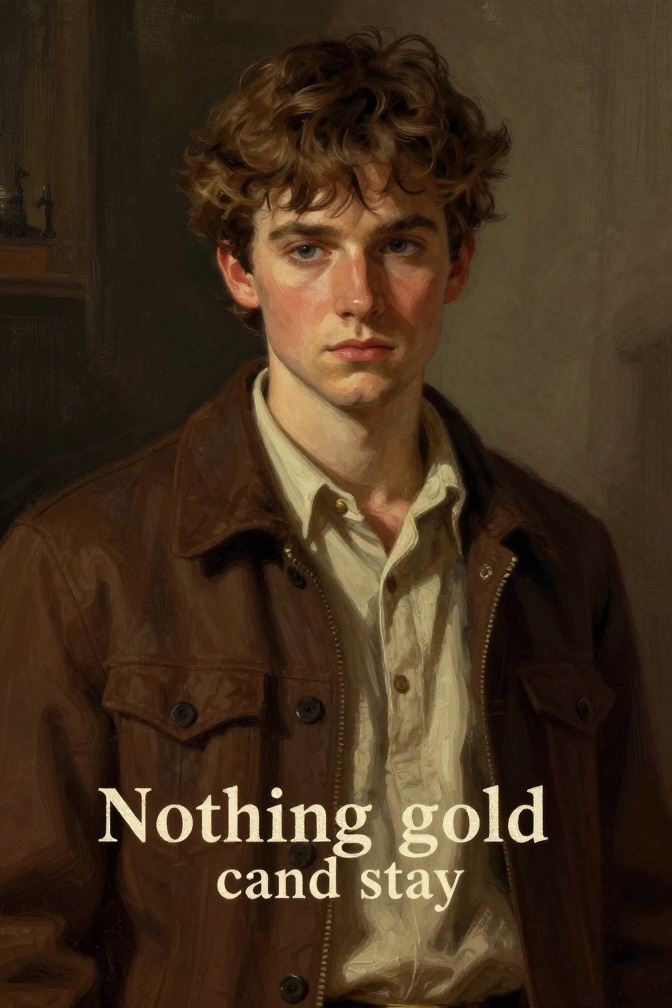
Nothing gold can stay is a poem by Robert Frost that Ponyboy Curtis recites to Johnny Cade while they are hiding in the abandoned church on Jay Mountain. The poem becomes a central motif in The Outsiders, representing the fleeting nature of innocence, beauty, and youth, and it culminates in Johnny's dying words to Ponyboy: "Stay gold."
Buck Merril's place is a rowdy, alcohol-fueled rodeo cowboy's home that serves as a crucial hideout and resource hub for the greaser gang, particularly Dallas Winston, and is the location where Ponyboy and Johnny seek help after Bob Sheldon's murder.
Jay's is a greaser hangout in the novel, a drive-in restaurant on the East Side where the gang socializes and where the social divide between greasers and Socs is reinforced through territory and reputation.
The Nightly Double is the largest drive-in movie theater in town, a central hangout for greasers and the site of the pivotal meeting between Ponyboy, Johnny, and the Soc girls Cherry Valance and Marcia, which sets in motion the chain of events leading to Bob Sheldon's death.
The Tasty Freeze is a neighborhood grocery store and grease hang-out in The Outsiders, serving as a site of casual social gathering and a tense confrontation between Ponyboy Curtis and three Socs after the rumble.
The church on Jay Mountain is the abandoned rural hideout where Ponyboy Curtis and Johnny Cade take refuge after Johnny kills Bob Sheldon, and it becomes the site of a transformative fire rescue that redefines their identities from fugitives to heroes.
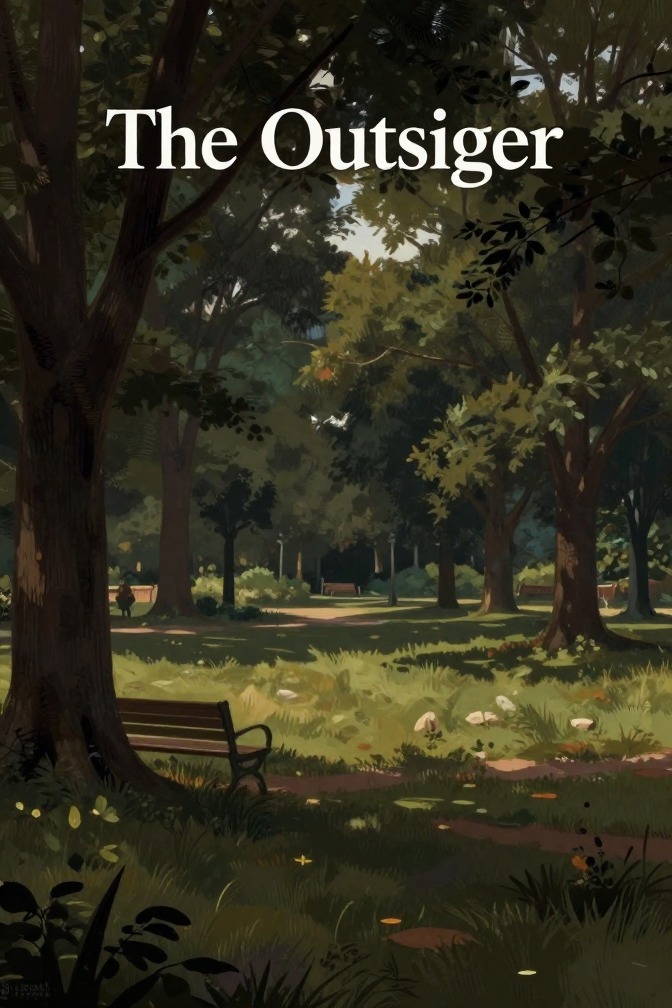
The park is a central location in The Outsiders, serving as the site of Bob Sheldon's murder and a recurring symbol of the violent conflict between the greasers and the Socs. It is a small, two-block square park with a fountain and a swimming pool, located on the East Side, and it becomes the stage for the novel's most pivotal and tragic events.
Baloney is a recurring food item in S. E. Hinton's The Outsiders, symbolizing the deprivation and monotony of the greasers' lives during their hideout in Windrixville, and later becoming a trigger for Ponyboy's traumatic memories.
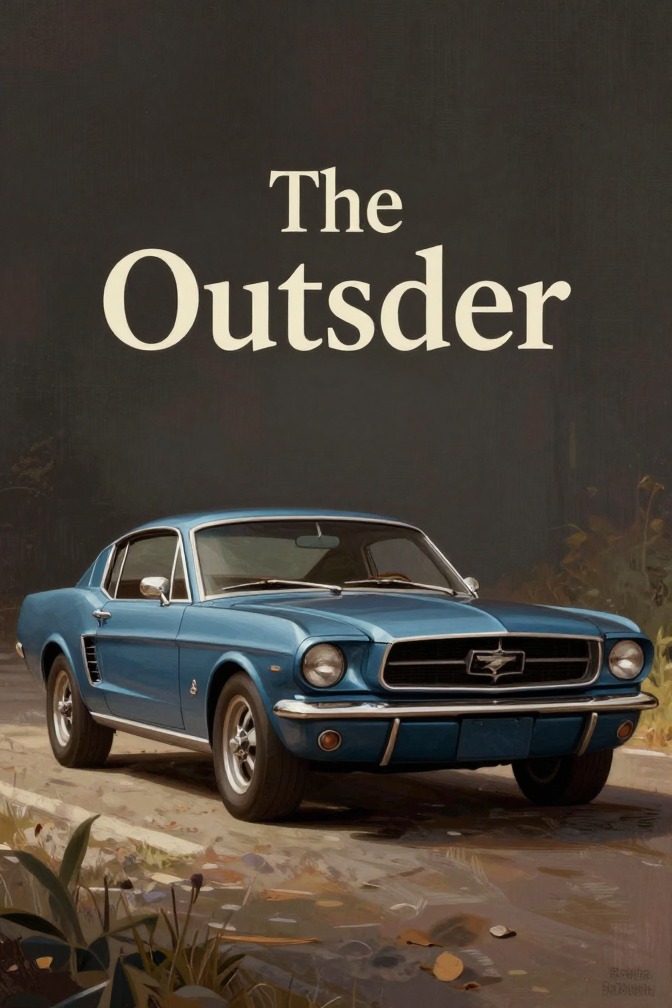
The blue Mustang is a recurring symbol of the Socs' wealth, power, and menace in S. E. Hinton's The Outsiders. It first appears as the vehicle from which Johnny Cade is brutally beaten, and later returns as the car carrying Bob Sheldon and his friends on the night of Bob's murder, cementing its association with violence and class conflict.
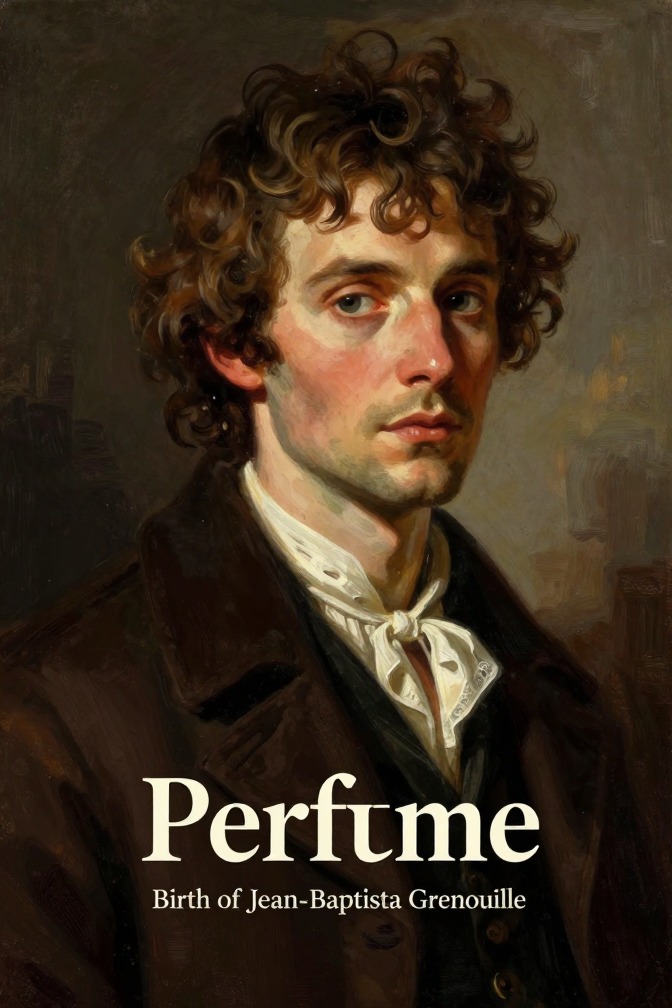
Jean-Baptiste Grenouille is born on the most putrid spot in Paris, the Cimetière des Innocents, on 17 July 1738. His mother, a fishwife, gives birth under a gutting table and attempts to let the infant die, as she had with her four previous stillbirths. The child's cry exposes her, leading to her arrest, confession, and execution for multiple infanticide. This event establishes Grenouille's origin in filth and rejection, his mother's indifference, and the legal and social machinery that immediately sets him adrift.
Antoine Richis is the second consul of Grasse, a fabulously wealthy wholesaler of scents and spices, and the father of Laure Richis, whose murder by Jean-Baptiste Grenouille triggers the novel's final crisis. A man of analytical intelligence and dynastic ambition, Richis correctly deduces the murderer's systematic method and idealistic motive, devises an elaborate plan to save his daughter, and after her death undergoes a bewildering reversal when Grenouille's perfume compels him to adopt the killer as his son.
Gabriel Tagliasco is the captain of the guard at the Porte du Cours in Grasse whose deposition leads to the arrest of Jean-Baptiste Grenouille for the murders of twenty-five young women.
Madame Arnulfi is the shrewd, black-haired widow of the Grasse perfumer Honoré Arnulfi, who runs the family workshop with a tight grip on finances and a pragmatic reliance on her first journeyman, Dominique Druot, whom she later marries. She embodies the commercial acumen of the Grasse perfume trade, balancing frugality with sharp business instincts, and her workshop becomes the setting where Grenouille perfects the cold-enfleurage techniques he needs for his ultimate project.
Runel is the most prestigious perfumer in Montpellier, whose laboratory Grenouille commandeers to create the artificial human scent that allows him to pass as a normal person for the first time in his life.
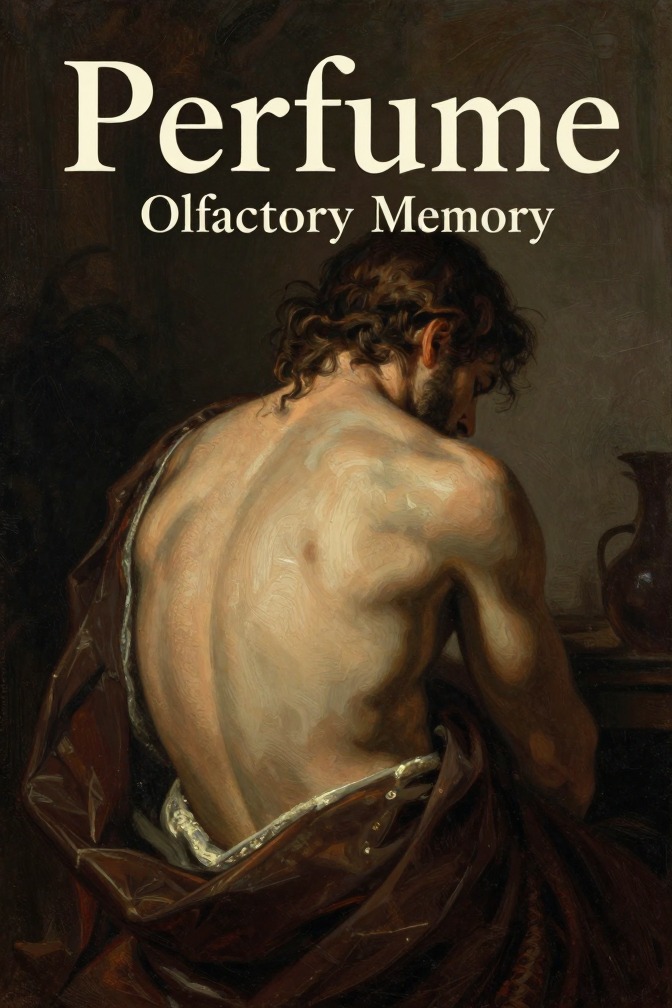
Olfactory Memory is the extraordinary capacity of Jean-Baptiste Grenouille to store, recall, and recombine tens of thousands of distinct odours with perfect fidelity, a faculty that functions as his primary mode of cognition and the foundation of his genius as a perfumer.
On 1 September 1753, during the fireworks celebrating the King's coronation at the Pont-Royal, Jean-Baptiste Grenouille, a twenty-year-old tanner's apprentice with an extraordinary sense of smell, caught a scent so exquisite that it became the defining obsession of his life. Following the fragrance across the Seine and through the dark streets of Paris, he discovered its source: a young red-haired girl sitting alone in a courtyard, cleaning plums. In a moment that fused artistic revelation with murder, Grenouille strangled her, not out of cruelty but to possess her scent, an act that marked his transformation from a mere survivor into a self-proclaimed genius of perfumery and set him on a path of serial killing.