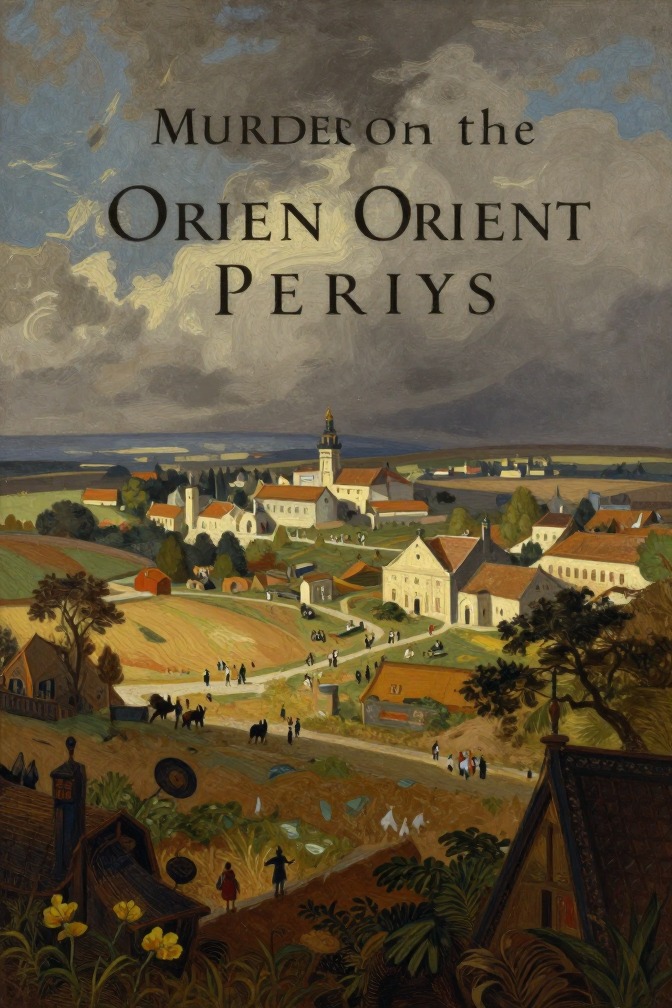
America is the country of origin for the victim Samuel Edward Ratchett (alias Cassetti), the setting of the Armstrong kidnapping tragedy that motivates the murder, and the homeland of several key passengers, including the detective Hardman and the secretary MacQueen. Its legal system's failure to convict Cassetti forms the central injustice that drives the entire plot.
The Athens-Paris coach is a sleeping-car attached to the Simplon Orient Express at Belgrade, serving as a secondary but strategically important space within the snowbound train. It provides accommodation for M. Bouc and Dr. Constantine, becomes the new compartment for Mrs. Hubbard after the murder, and functions as a quiet retreat for the train's director, while its near-empty condition underscores the deliberate crowding of the Stamboul-Calais coach by the conspirators.
Baghdad is a city in Mesopotamia (modern-day Iraq) that serves as a key point of origin for several characters in Murder on the Orient Express, most notably Mary Debenham, who has been working there as a governess before boarding the Taurus Express for her journey to Europe. The city is also the starting point for Colonel Arbuthnot's overland route from India, and it is where the two first meet, sharing a convoy car from Kirkuk to Nissibin. Baghdad's significance lies in its role as the place where the initial connections among the conspirators against Ratchett were formed, and as a geographical anchor for the elaborate plot that culminates in the murder on the Orient Express.
Chicago is the American city most closely associated with the criminal past of Samuel Edward Ratchett (alias Cassetti) and with several of the passengers on the Orient Express, serving as a key geographical link in the murder conspiracy.
Jugo-Slavia is the country through which the Orient Express is traveling when it becomes snowbound, creating the locked-room setting for the murder of Samuel Edward Ratchett and the subsequent investigation by Hercule Poirot.
Lausanne is a Swiss city that serves as a key destination for two passengers on the Orient Express—M. Bouc, a director of the Compagnie Internationale des Wagons Lits, who is traveling there on business, and Greta Ohlsson, a Swedish missionary nurse who plans to visit her sister there. The city's significance in the novel lies in its role as a planned stop that is never reached, as the train becomes snowbound in Jugo-Slavia, trapping the passengers and the murderer together and forcing the investigation to take place entirely within the closed space of the stalled train.
London is the ultimate destination of Hercule Poirot's journey on the Orient Express, the city where his professional obligations and the resolution of the murder case converge, and it serves as the narrative anchor for the detective's return from the East.
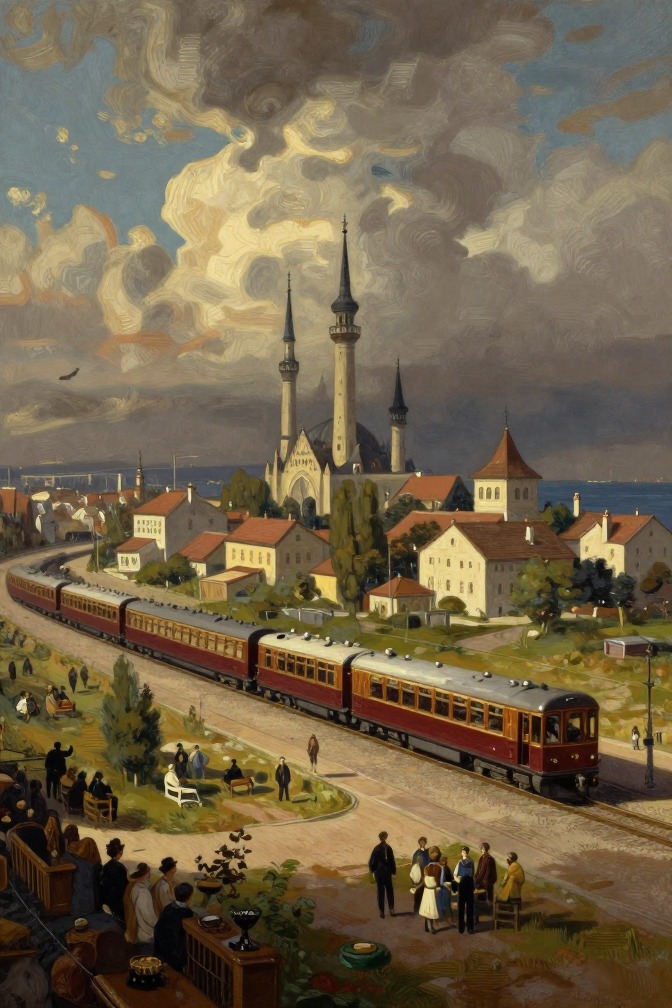
The Orient Express is the legendary luxury train on which the central murder of Agatha Christie's novel takes place, becoming both the setting and a crucial element of the plot. Its isolation in a snowdrift transforms it from a means of travel into a locked-room mystery, forcing the passengers and detective Hercule Poirot to confront the crime within a confined, inescapable space.
Persia is a country in the Middle East that serves as a key setting in the backstory of several characters in Murder on the Orient Express, most notably as the place where Hector MacQueen first met Samuel Edward Ratchett and accepted employment as his secretary, and as the source of the antique pottery and tiles that formed part of Ratchett's business correspondence.
The Stamboul-Calais coach is the central location of the murder of Samuel Edward Ratchett on the Orient Express, a locked-room space that confines the investigation and the conspirators together after the train is snowbound.
Switzerland is a European country that serves as a key destination for several passengers on the Orient Express, including Greta Ohlsson, who plans to visit her sister in Lausanne, and M. Bouc, who has business there. The country is also referenced in the context of the Armstrong family's international connections and the broader European setting of the novel.
The Tokatlian Hotel in Constantinople (Stamboul) is the pivotal location where Hercule Poirot first encounters the murdered man, Samuel Edward Ratchett, and where the detective's decision to board the Simplon Orient Express sets the entire investigation in motion.
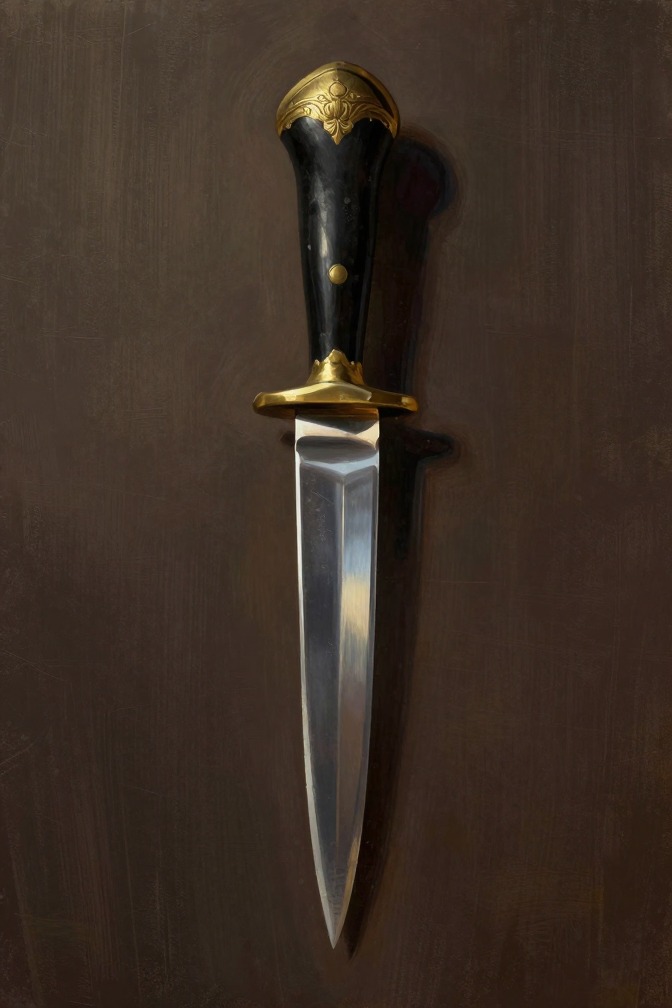
The dagger is the murder weapon used to kill Samuel Edward Ratchett, a cheap, sham Oriental blade discovered in Mrs. Hubbard's sponge-bag after the crime, and its multiple, inconsistent wounds become the central clue that leads Poirot to the solution of a conspiracy.
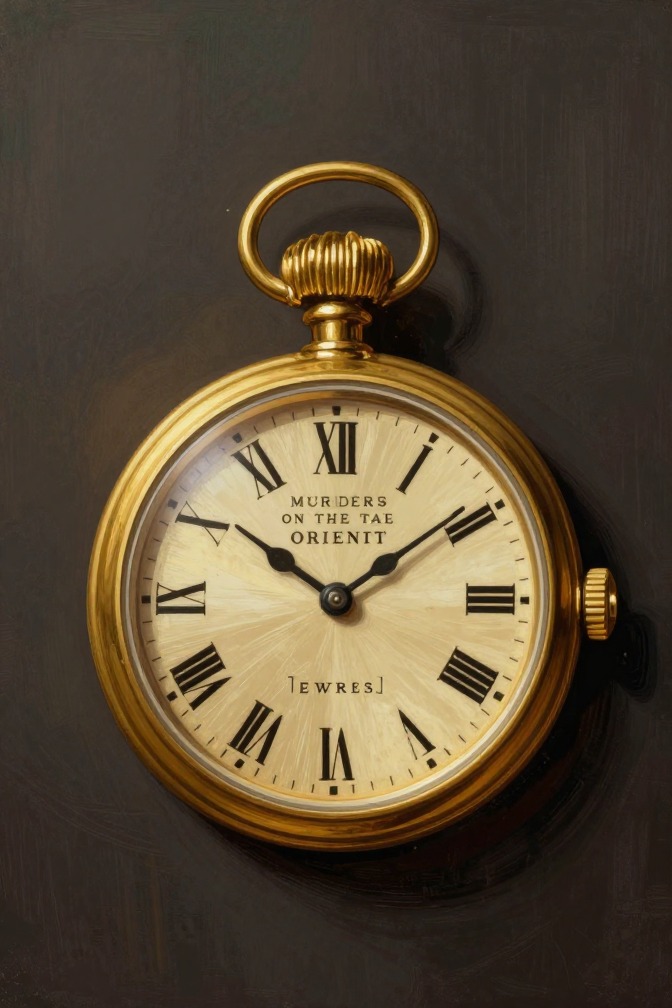
The gold watch found in Samuel Edward Ratchett's pyjama pocket is a crucial piece of evidence in the murder investigation, its dented case and stopped hands appearing to fix the time of the crime at 1:15 AM, but Hercule Poirot ultimately concludes that the watch was deliberately tampered with to mislead the investigation.
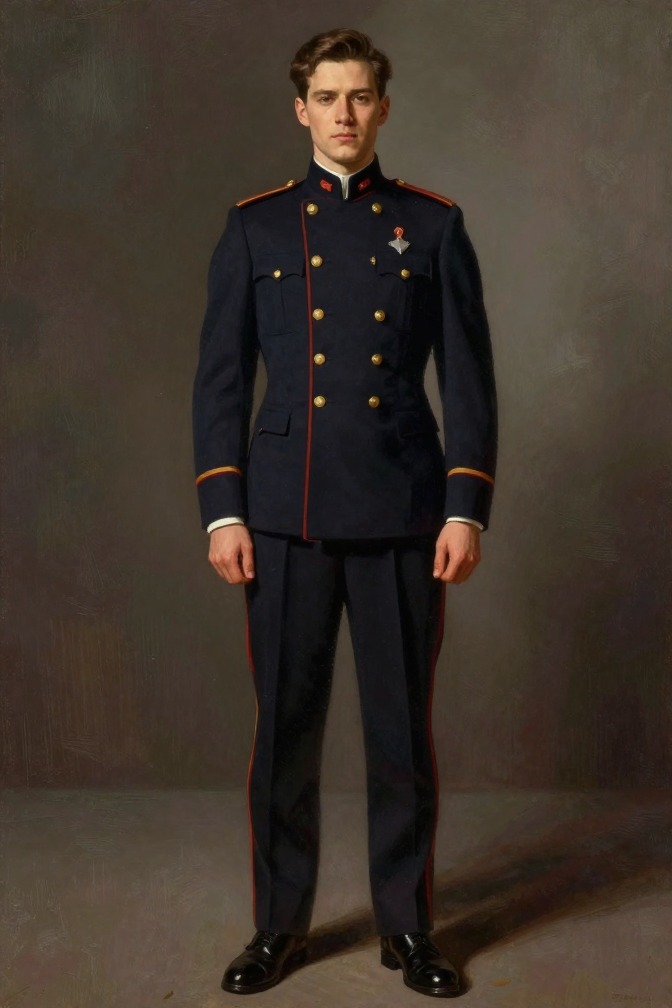
The Wagon Lit Uniform is a crucial piece of physical evidence in the murder of Samuel Edward Ratchett, serving as a key component of the conspirators' plan to frame an outside assailant and later revealing the extent of the plot when discovered in Hildegarde Schmidt's luggage.
Basil Hallward's murder by Dorian Gray is the pivotal act of irreversible violence in Oscar Wilde's novel, transforming Dorian from a passive consumer of sensation into an active criminal and sealing his moral damnation. The killing occurs on the night of November 7, Dorian's thirty-second birthday eve, after Basil confronts him with the rumors of his corrupting influence and demands to see his soul. Dorian, in a fit of hatred and pride, leads Basil to the locked schoolroom where the portrait is hidden, reveals its hideous transformation, and then stabs him to death with a knife. The murder marks the culmination of Dorian's long descent from aesthetic fascination into absolute evil, and its aftermath—the disposal of the body, the blackmail of Alan Campbell, and the eventual destruction of the portrait—drives the novel's final act.
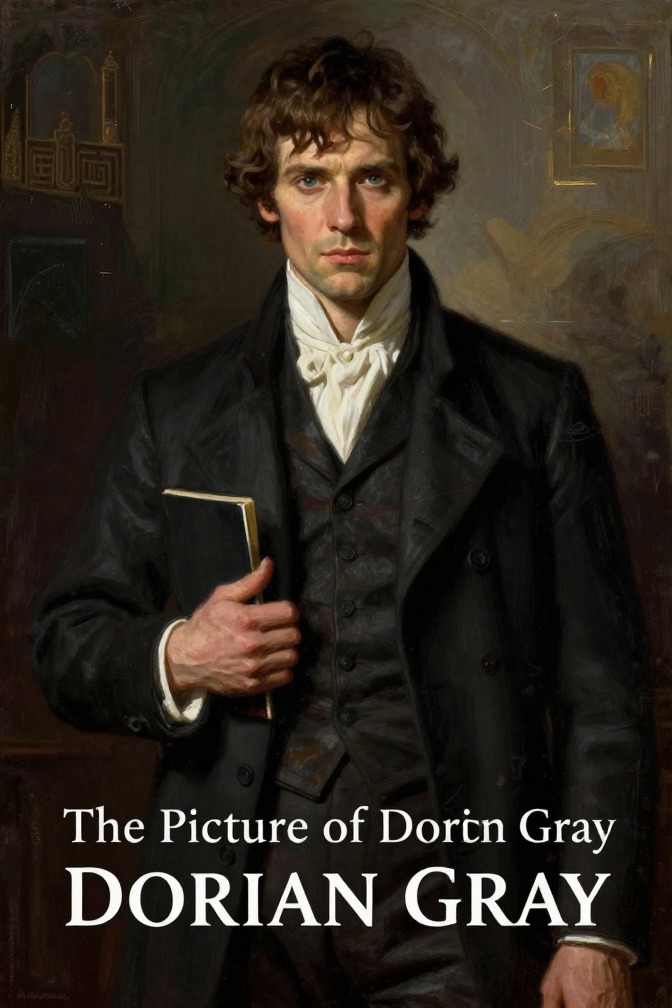
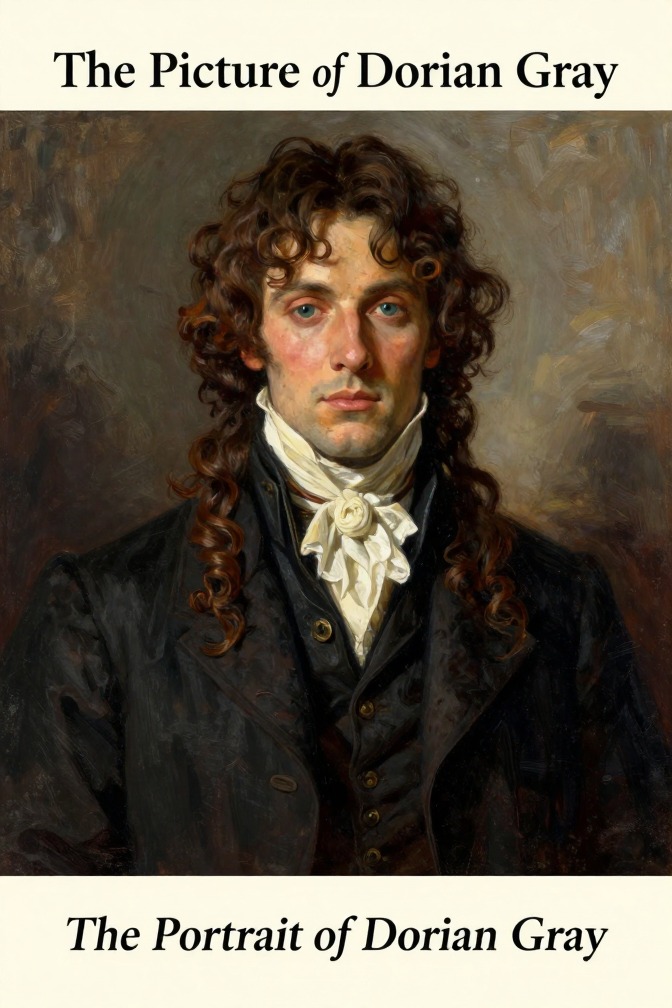
The Portrait of Dorian Gray is the enchanted painting that bears the burden of its subject's sins and aging, serving as the central supernatural mechanism and moral symbol of Oscar Wilde's novel.
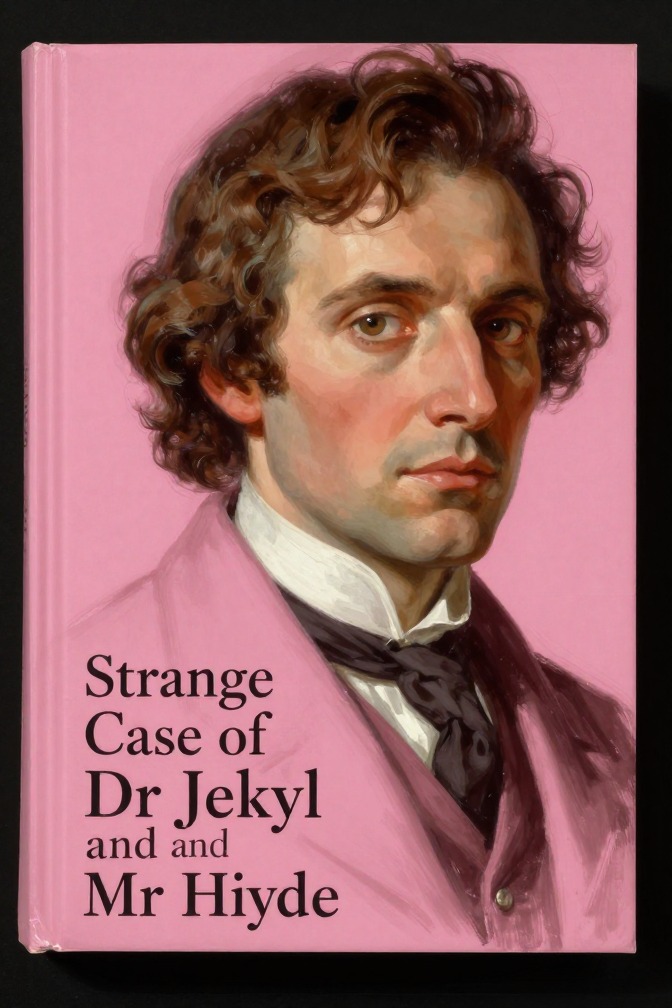
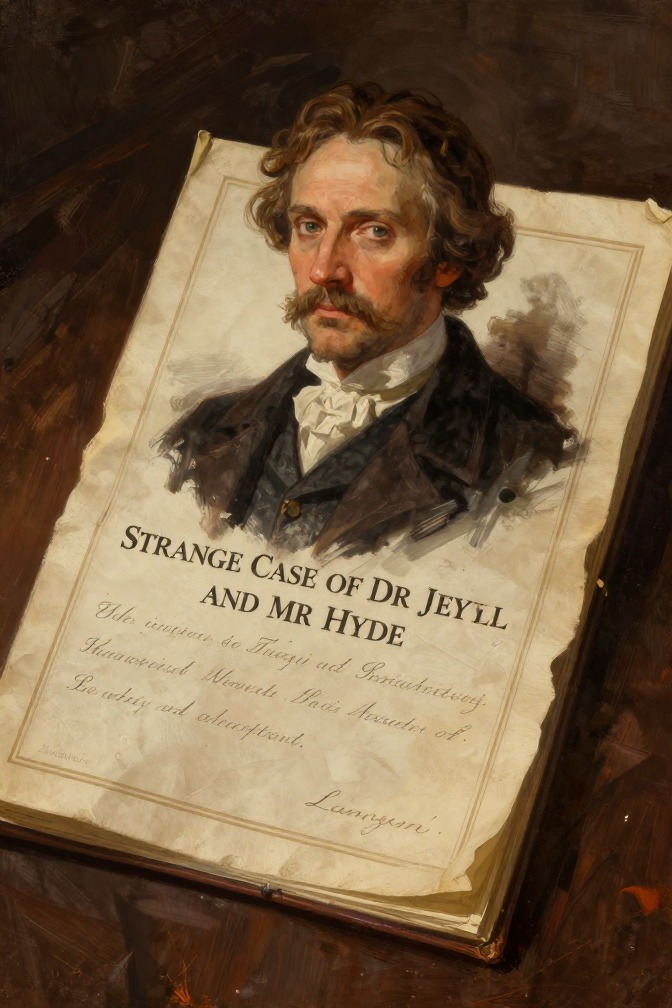
The cut and dry apothecary is a minor character in Robert Louis Stevenson's *Strange Case of Dr Jekyll and Mr Hyde*, a physician who witnesses the aftermath of Edward Hyde's trampling of a young girl and whose visceral reaction of murderous hatred underscores the universal revulsion Hyde inspires.
The phrase "the very pink of the proprieties" is used by Mr. Richard Enfield in Robert Louis Stevenson's Strange Case of Dr Jekyll and Mr Hyde to describe the public reputation of the man who signed the cheque compensating the family of the child Hyde trampled, a figure Enfield later reveals to be Dr. Henry Jekyll. The expression encapsulates the stark contrast between Jekyll's esteemed social standing and the sordid, criminal affair in which his name is implicated, serving as a key piece of evidence in the novel's exploration of Victorian respectability and hidden vice.
The Jekyll's will disappearance clause is a legal provision in Henry Jekyll's will that transfers his entire estate to Edward Hyde if Jekyll disappears or is absent without explanation for more than three calendar months, a condition that alarms Mr. Utterson and foreshadows the story's central mystery.
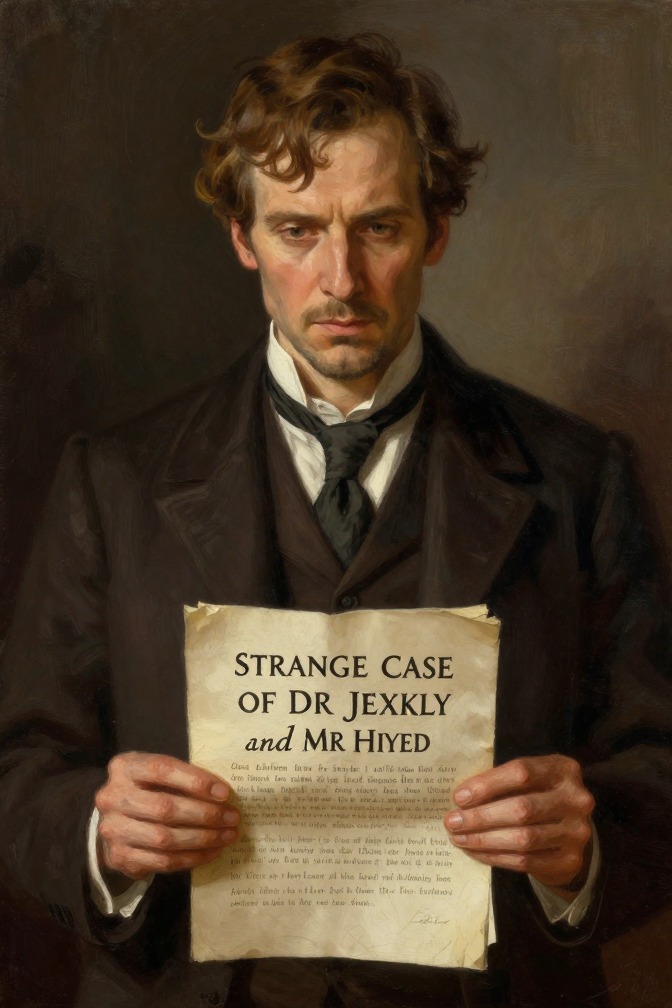
Lanyon's sealed instruction is a document that Dr. Hastie Lanyon leaves for Mr. Utterson after his death, containing a narrative that is only to be opened upon the death or disappearance of Dr. Henry Jekyll, and which ultimately reveals the truth about Jekyll's dual identity and the transformative drug.
The bargain is the tacit agreement of silence between Mr. Utterson and Mr. Richard Enfield, established after Enfield recounts the story of Mr. Hyde trampling a child, whereby both men pledge never to speak of the matter again, a pact that shapes the novel's atmosphere of secrecy and foreboding.
The State of Henry Jekyll is the original, composite identity of the novel's protagonist, a respected and wealthy London doctor whose public persona of benevolence and high achievement conceals a long-suppressed, pleasure-seeking nature. This state represents the 'normal' self from which Jekyll seeks escape through his transformative experiments, yet it is also the identity he desperately struggles to preserve as his darker half, Edward Hyde, grows increasingly dominant. The state is defined by its inherent duality, its gradual weakening, and its ultimate tragic dissolution.
Oliver Twist is formally apprenticed to Mr. Sowerberry, the parochial undertaker, marking his first entry into a trade and his removal from the workhouse to a new life of servitude, hunger, and exposure to death.
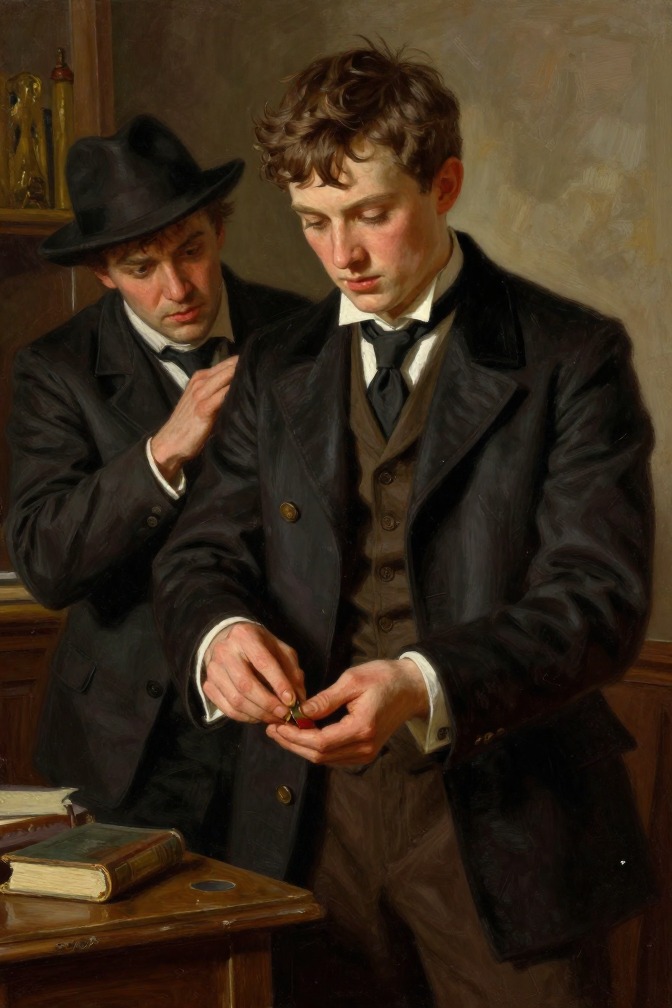
Oliver Twist is arrested for pickpocketing after being wrongly identified as the thief who stole Mr. Brownlow's handkerchief, and is brought before the notoriously harsh magistrate Mr. Fang, where a bookstall keeper's timely testimony secures his discharge and leads to his rescue by Mr. Brownlow.
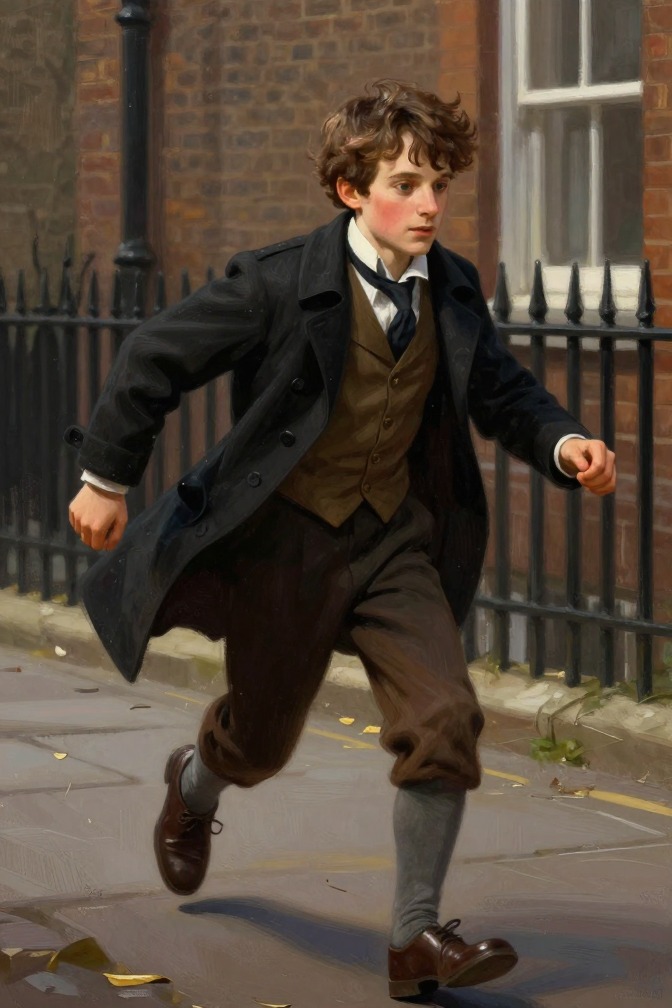
Oliver Twist runs away to London after being abused by Noah Claypole and the Sowerberry household, setting off a chain of events that leads him into the criminal underworld of Fagin and his gang.
Oliver taken to Fagin's den is the pivotal event in which the Artful Dodger leads the exhausted and trusting Oliver Twist from the town of Barnet into the heart of London's criminal underworld, delivering him to the aged fence Fagin. This arrival marks Oliver's first immersion into a world of pickpockets and thieves, setting the stage for his moral trial, his arrest, and his eventual rescue by Mr. Brownlow.
The phrase "Parish boy's progress" serves as the subtitle of Charles Dickens's *Oliver Twist* and encapsulates the novel's central narrative arc: the journey of a workhouse orphan through a series of trials, degradations, and rescues, ultimately culminating in his social and moral elevation. The term is a pointed parody of John Bunyan's *The Pilgrim's Progress*, substituting a secular, social critique for a spiritual allegory. It frames Oliver's life not as a quest for salvation but as a passage through the institutional cruelties of the Victorian Poor Law, the criminal underworld, and the redemptive power of middle-class benevolence. The phrase thus functions as a thematic key, signaling Dickens's satirical intent and his exploration of whether a child born into the lowest parish can achieve any form of progress in a society that systematically oppresses him.
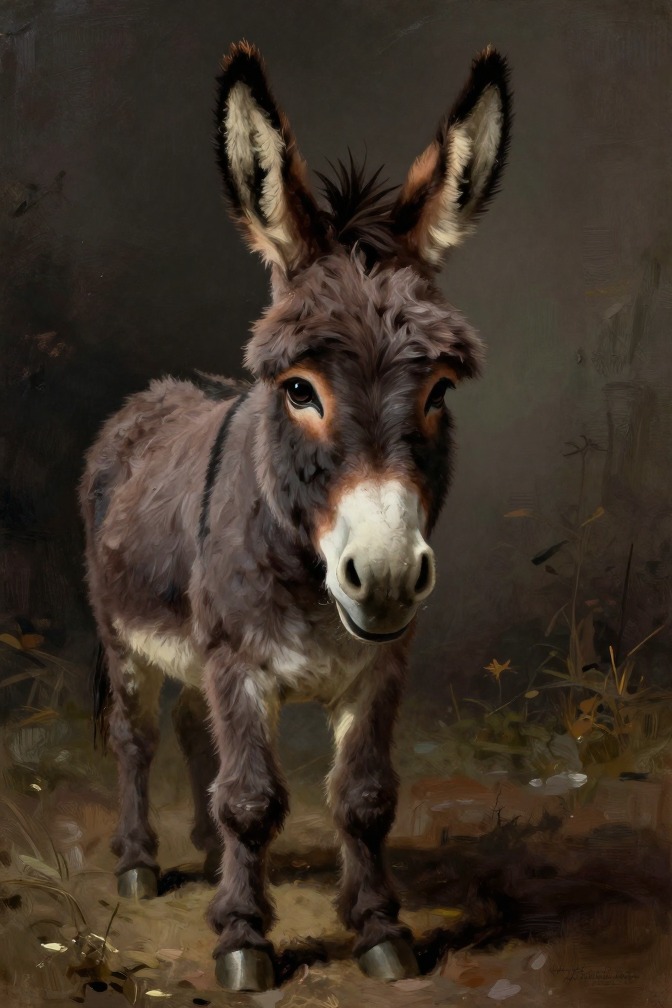
The donkey in Oliver Twist is a minor but recurring creature whose appearances—from Mr. Gamfield's abused beast to the pack animals of Smithfield market and the stray dogs of Jacob's Island—serve as a consistent emblem of the casual cruelty, poverty, and social neglect that pervade the novel's world.
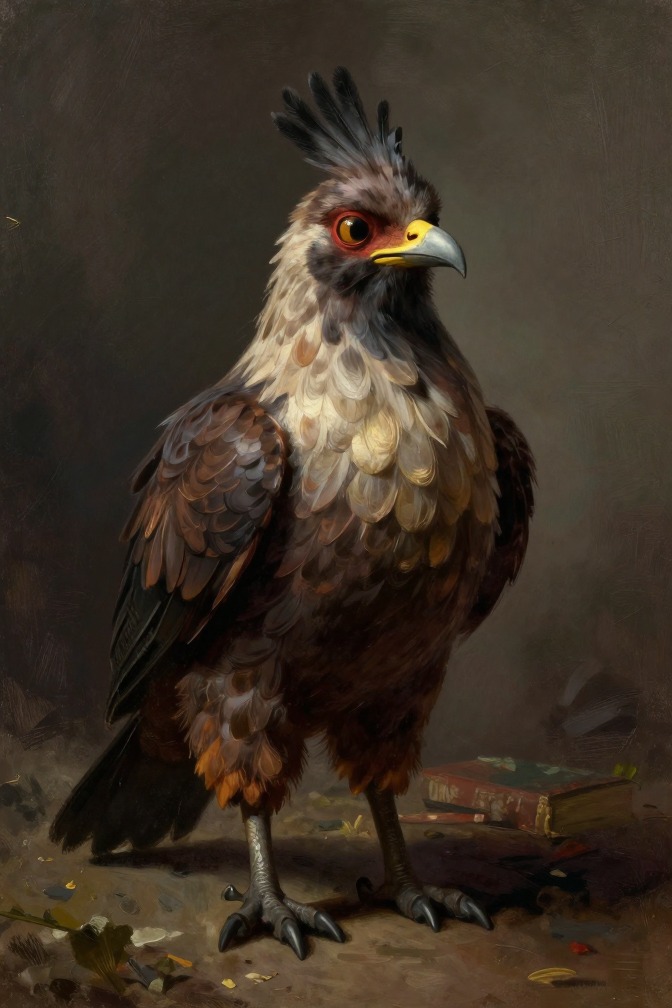
Fowl appear in Oliver Twist as background elements of the urban and rural landscape, their presence often underscoring the poverty, violence, and moral decay of the environments through which the protagonist moves.