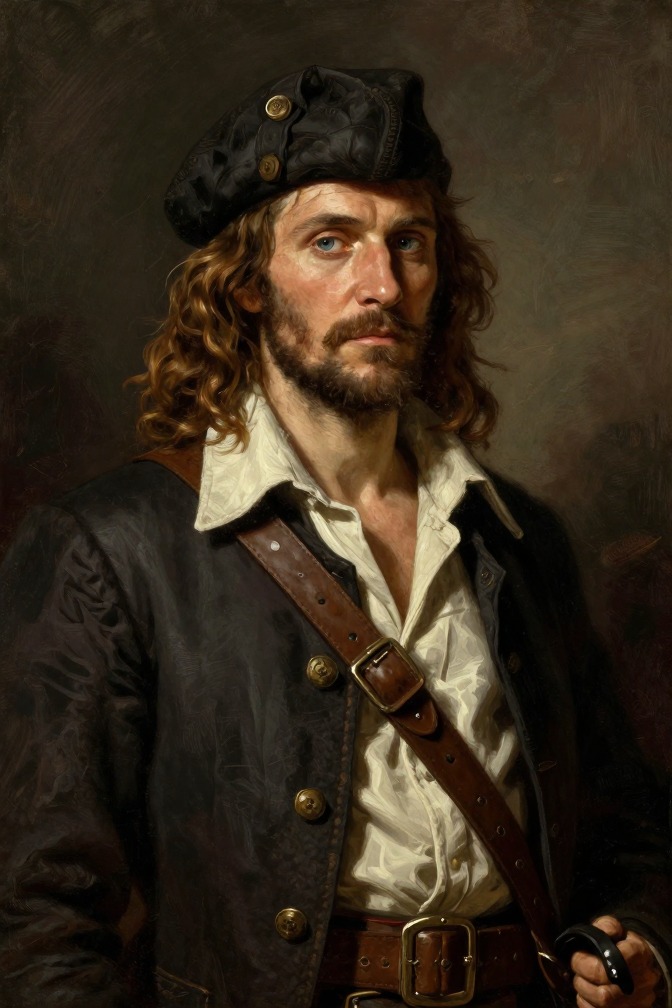
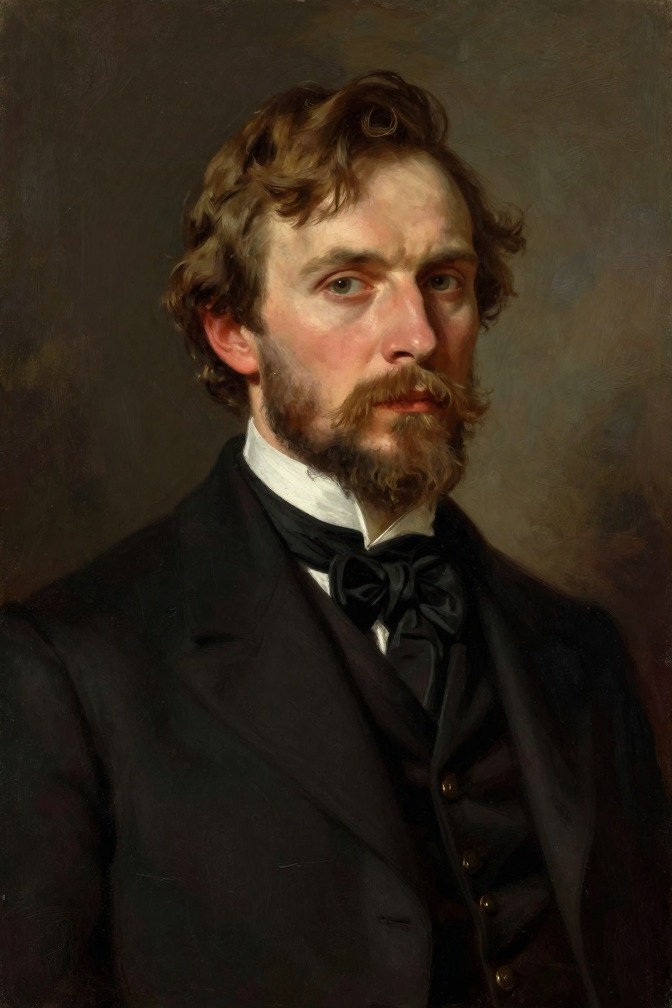
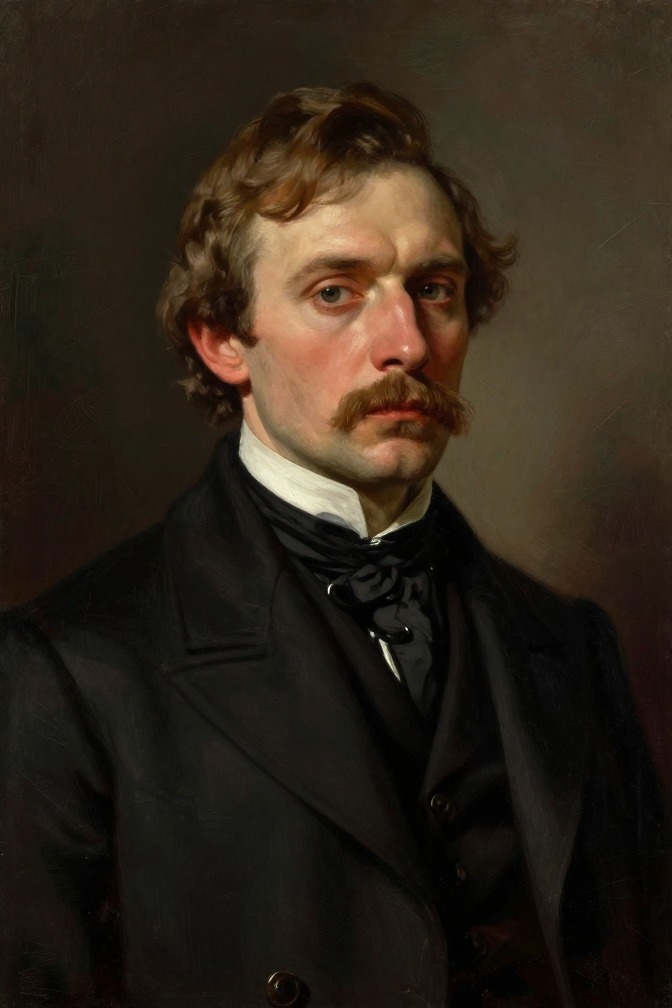
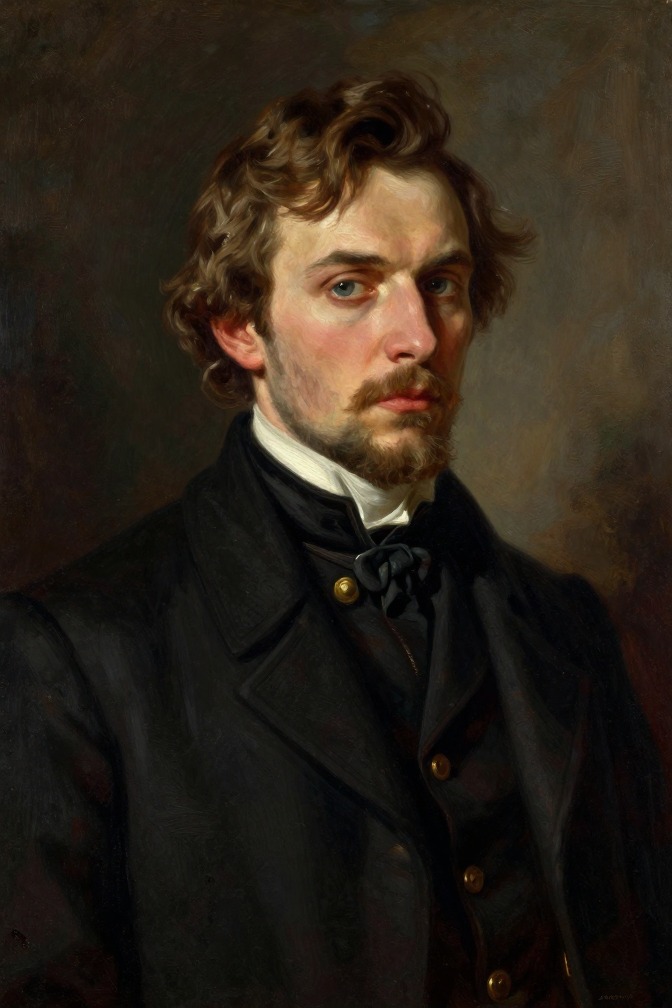
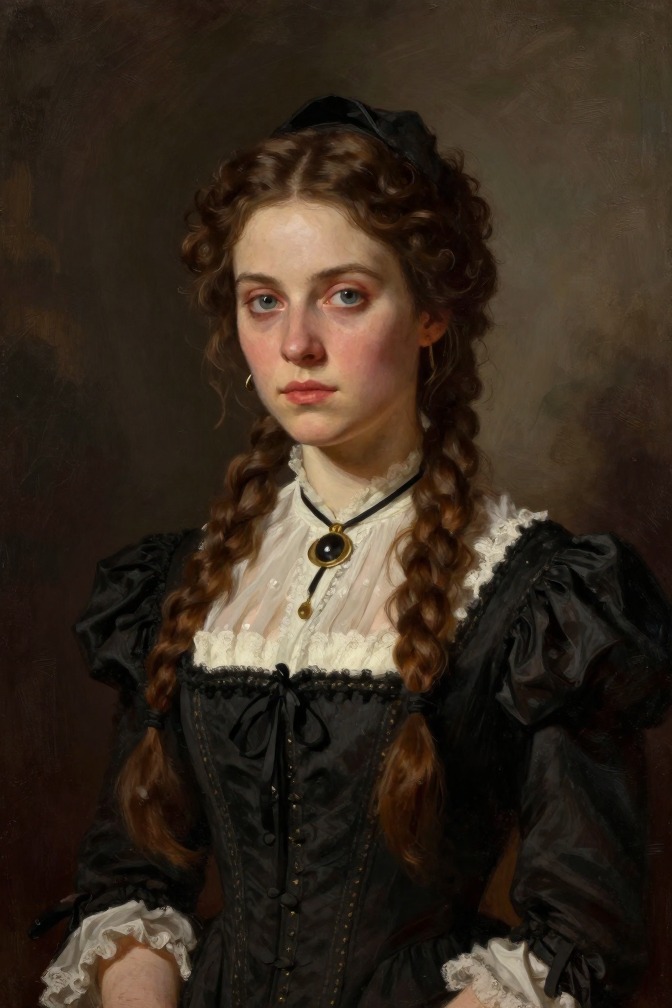
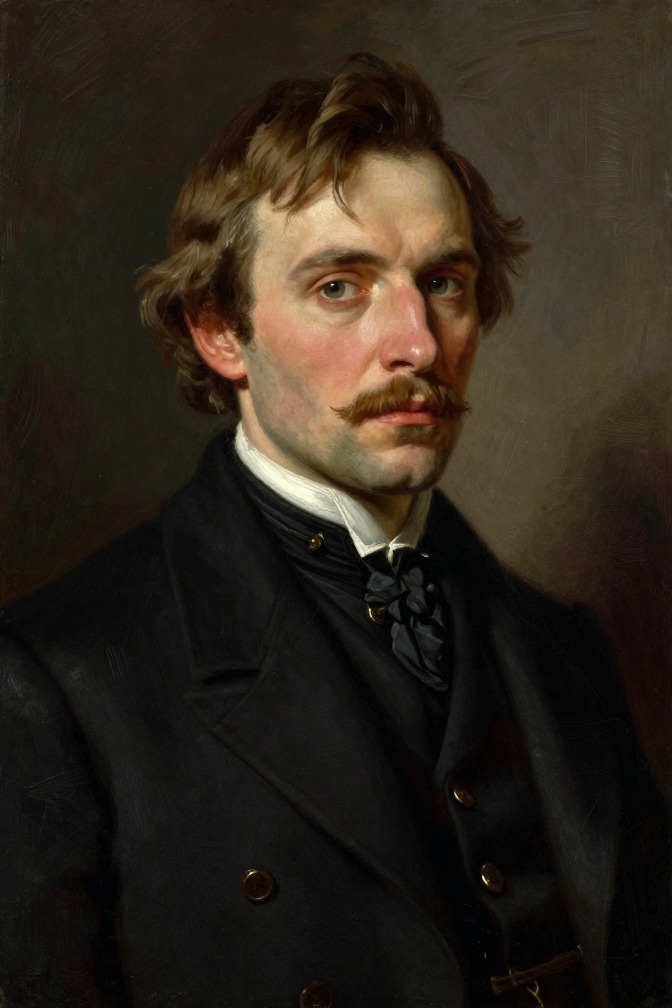
Tom Morgan is a minor but recurring pirate in Robert Louis Stevenson's Treasure Island, first seen at Long John Silver's Spy-glass Tavern in Bristol and later among the mutineers on the island. He is an old, grey-haired, mahogany-faced sailor who serves as a loyal follower of Silver, though he is notably superstitious and easily frightened. Morgan's appearances trace the arc of the pirate crew from recruitment to defeat, and his fate—left behind on Treasure Island—underscores the grim consequences of the treasure hunt.
Sea lions are large, harmless marine mammals that appear briefly but memorably in Robert Louis Stevenson's Treasure Island, when Jim Hawkins, adrift in Ben Gunn's coracle, encounters them on the rocky shore near Haulbowline Head. Their terrifying appearance and barking sounds reinforce the island's wild, inhospitable nature and mark a turning point in Jim's sea adventure.
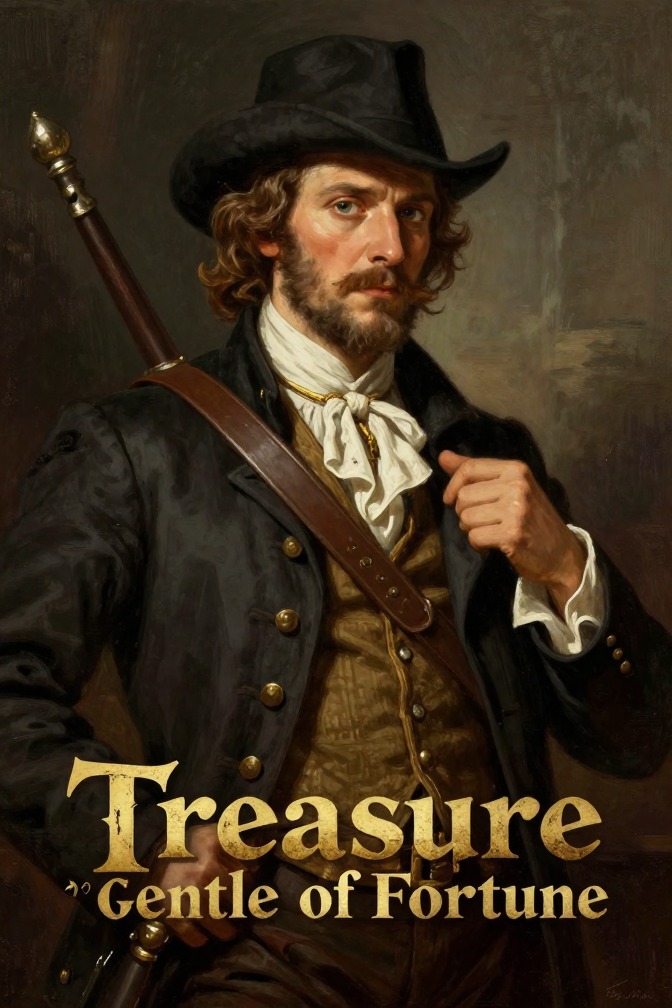
Gentleman of Fortune is the pirates' euphemistic self-designation in Treasure Island, denoting a common pirate who lives rough, risks hanging, and shares plunder according to a rough code. The term is central to Long John Silver's rhetoric, used to recruit, control, and manipulate his crew, and it contrasts sharply with the honest men's values, ultimately underscoring the novel's moral divide.
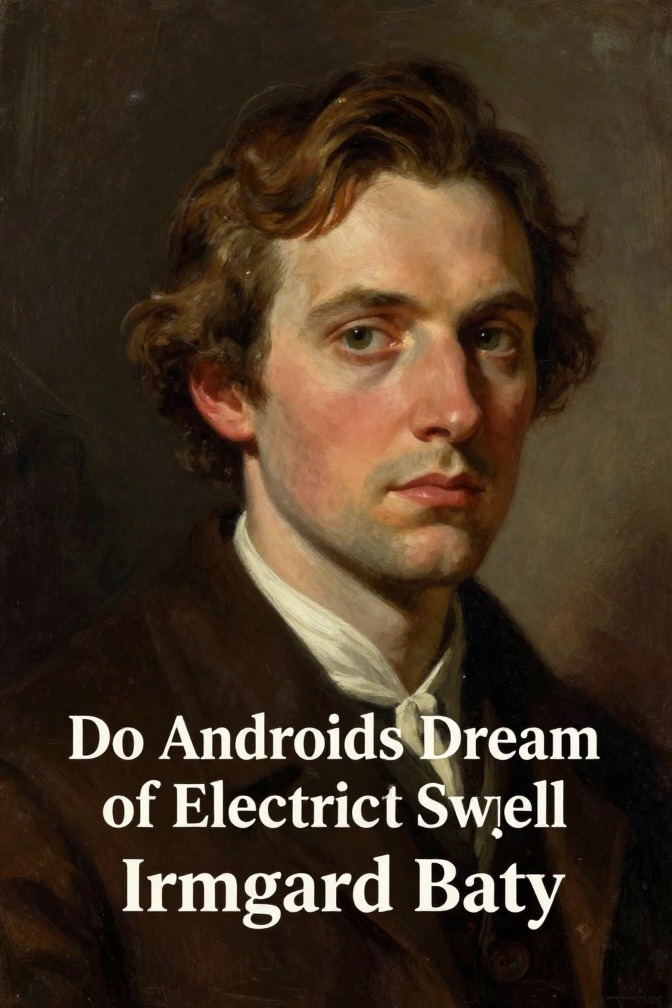
The retirement of Irmgard Baty is the final killing Rick Deckard performs in his marathon hunt of the eight escaped Nexus-6 androids, a moment that completes his physical mission but deepens his moral exhaustion. After he has already killed Pris Stratton—a duplicate of Rachael Rosen—and cornered Roy and Irmgard Baty in John Isidore's apartment, Irmgard attempts a decoy ambush, but Deckard shoots her before she can fire. Her death, together with Roy's, ends the last of the illegal android group, yet the act leaves Deckard hollow, confirming his growing conviction that he has become an instrument of entropy rather than justice.
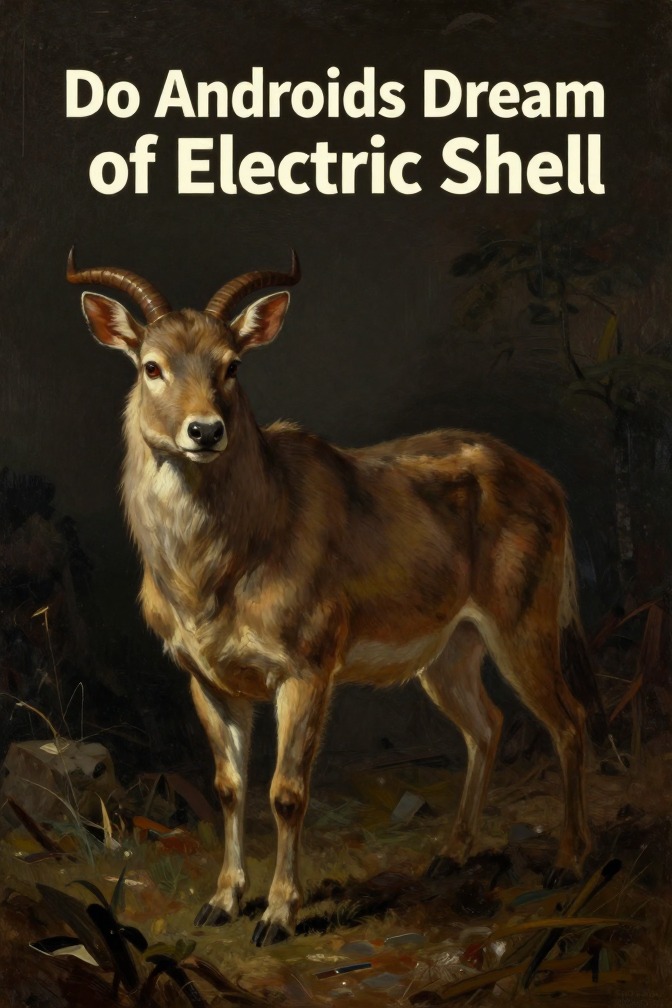
The electric animal is a central concept in Philip K. Dick's novel, representing a technologically produced ersatz creature that mimics a living animal but is composed of circuitry and machinery. It serves as a status symbol, a source of social anxiety, and a profound philosophical challenge to the definitions of life, empathy, and reality in a post-apocalyptic world where genuine animals are nearly extinct.
Radioactive dust is the pervasive, slow-acting environmental contamination left by World War Terminus that drives the novel's central conflicts: it forces mass emigration, creates a class of genetically damaged 'specials,' makes real animals nearly extinct, and shapes the moral and economic landscape of a dying Earth.
The synthetic memory system is a technology used by the Rosen Association to implant false personal histories into Nexus-6 androids, enabling them to believe they are human and thus evade detection by empathy-based tests like the Voigt-Kampff scale. Its existence blurs the line between authentic human experience and programmed identity, raising profound questions about selfhood, memory, and the nature of consciousness in the novel.
Animal Row is a district of pet shops in San Francisco where Rick Deckard repeatedly confronts his desire for a real animal and the economic impossibility of obtaining one, serving as a concrete symbol of the post-apocalyptic world's obsession with living creatures and the moral compromises that obsession forces.
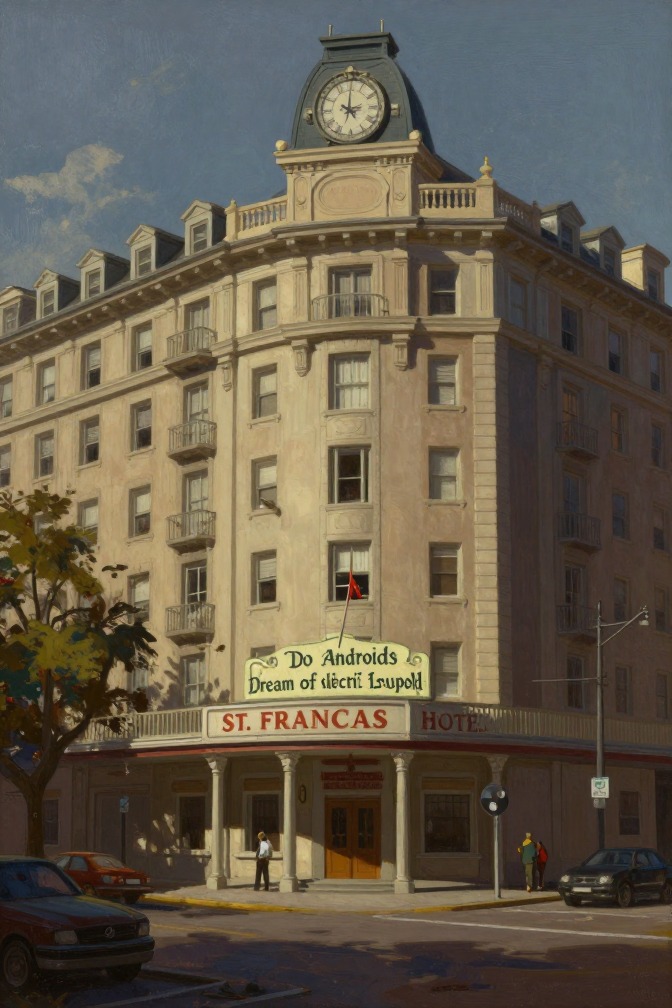
The St. Francis Hotel is the only halfway decent hotel still operating in the Bay Area in the post-apocalyptic world of 1992, serving as the setting for Rick Deckard's pivotal meeting with Rachael Rosen, where their sexual encounter fundamentally alters his ability to continue as a bounty hunter.
The War Memorial Opera House in San Francisco serves as the primary setting for Rick Deckard's confrontation with the Nexus-6 android Luba Luft, a pivotal encounter that tests the limits of the Voigt-Kampff empathy test and forces Deckard to confront his own humanity.
The bounty hunter is a professional killer employed by police departments to track down and 'retire' (kill) escaped androids, operating under a system that pays a bounty per android and relies on the Voigt-Kampff empathy test to distinguish androids from humans. This role is central to the novel's exploration of empathy, humanity, and the moral cost of violence, as protagonist Rick Deckard's encounters with Nexus-6 androids force him to confront the ethical implications of his work.
The 1960s serve as a crucial historical reference point in Philip K. Dick's novel, representing a pre-apocalyptic era of cultural and industrial abundance that stands in stark contrast to the post-World War Terminus world of 1992. The decade is invoked to mark the last period of normalcy before the radioactive dust and mass extinction, and its cultural artifacts—particularly American automobiles and Hollywood filmmaking—become touchstones for measuring the scale of loss.
August 1991 marks the initial release of the specifications and performance charts for the Nexus-6 brain unit, the most advanced android brain ever produced by the Rosen Association, which immediately triggered widespread protest from police agencies across Earth who recognized that existing detection methods might be inadequate against this new generation of humanoid robots.
Interspace Horizons Day is a recurring promotional event in the post-apocalyptic world of Do Androids Dream of Electric Sheep?, used by the United Nations to celebrate the founding of the New America colony on Mars and to encourage emigration from contaminated Earth. The day is marked by relentless government-sponsored television broadcasts that extol the benefits of colonial life, including the promise of a free android servant, while simultaneously reinforcing the stigma against those who remain on Earth, particularly "specials" like John Isidore. The event serves as a key instrument of the U.N.'s colonization propaganda, framing emigration as the only rational choice for "regulars" and deepening the social and existential divide between Earth and the colonies.
Agraphena Petrovna is the former lady's maid of Nekhludoff's mother, who becomes his housekeeper after her mistress's death. She is a stout, middle-aged woman in mourning, with the appearance and manners of a lady, having spent nearly ten years abroad with Nekhludoff's mother. She has known Dmitri Ivanovitch since he was a child, calling him "little Mitinka." She is perceptive about his personal affairs, particularly his relationship with Princess Mary Korchagin, and she disapproves of his plan to marry Katerina Maslova, considering it unnecessary and impractical. She is practical, loyal, and deeply attached to the Nekhludoff family, but ultimately leaves his service when he decides to simplify his life.
Aksutka Bousovkin is the young daughter of the exiled prisoner Bousovkin, who travels with the gang of convicts to Siberia after her mother dies of typhus in Tomsk. She becomes a focal point of compassion among the political prisoners, especially Mary Pavlovna and Katerina Maslova, and her presence highlights the cruelty of the penal system toward innocent children.
Gourkevitch is a political prisoner mentioned in Tolstoy's *Resurrection* whose case illustrates the arbitrary cruelty of the Tsarist legal system and the moral urgency of Nekhludoff's efforts to intercede for the imprisoned.
Markel Kondratieff is a political prisoner and factory worker who becomes a devoted follower of Novodvoroff, representing the revolutionary potential of the working class in Tolstoy's *Resurrection*.
Matrona Kharina is the aunt of Katerina Maslova, a village midwife and illicit spirit-seller who played a crucial role in the fate of Maslova's infant child. She embodies the harsh, pragmatic, and morally compromised survival strategies of the rural poor, and her testimony to Nekhludoff reveals the brutal reality of how illegitimate children were disposed of in Tsarist Russia.
Nepomnishy is a tramp and convict who, together with Vasiliev, is flogged by order of the prison governor after a rebellion in the solitary cells, an event that reveals the brutality of the prison system and the dehumanization of its inmates.
Okhotin is a minor but memorable criminal prisoner whom Nekhludoff encounters during his journey with the convict gang to Siberia. A gifted, humorous thief, Okhotin embodies the wasted human potential produced by a society that systematically neglects and corrupts its most vulnerable members.
Petroff is a minor but symbolically charged figure in the prison system of Resurrection, a jailer whose physical strength and brutality are deployed to suppress prisoner resistance, most notably during the flogging of Vasiliev and Nepomnishy. His presence crystallizes the novel's indictment of a penal apparatus that reduces men to instruments of violence and dehumanizes both the punished and those who carry out the punishment.
Prince Ivan Korchagin is a wealthy, retired military officer and the father of Princess Mary Korchagin (Missy), whose family expects Nekhludoff to marry his daughter. He embodies the sensual, self-satisfied, and morally indifferent aristocracy that Nekhludoff comes to reject.
Princess Mary Korchagin, called Missy, is the aristocratic young woman whom Nekhludoff is expected to marry, and her role in the novel crystallizes the moral emptiness of the high society he ultimately rejects.
Selenin is a former university friend of Dmitri Nekhludoff who becomes a high-ranking public prosecutor in St. Petersburg. He is a man of integrity and intelligence, but his life is marked by a deep inner contradiction: he has compromised his youthful ideals by accepting a career, a marriage, and a religious faith that he does not truly believe in, all for the sake of social position and comfort. His encounter with Nekhludoff in the Senate, where he argues against Maslova's appeal, forces him to confront the falseness of his existence, and his subsequent letter to Nekhludoff, confessing the injustice of the case and enclosing the commutation order, represents a rare, painful act of honesty that momentarily breaks through the lies he lives by.
Simeon Kartinkin is a peasant waiter at the Hotel Mauritania who, together with Euphemia Botchkova and Katerina Maslova, is accused of poisoning the merchant Therapont Emelianovich Smelkoff and stealing his money and ring. His shifting testimony—first confessing to the theft and the supply of poison, then retracting—makes him a pivotal figure in the trial, and his eventual conviction to eight years of penal servitude in Siberia underscores the novel's critique of a judicial system that punishes the weak while the truly guilty remain untouched.
Sophia Ivanovna is one of Nekhludoff's two maiden aunts, the kinder and more poetically inclined sister who stood godmother to Katusha Maslova as an infant and raised her as a half-servant, half-ward. Her gentle, old-fashioned household on the Panovo estate provides the setting for Nekhludoff's first innocent love for Katusha and, later, for his betrayal of her. Sophia Ivanovna's character embodies the benevolent but ultimately passive complicity of the landed gentry in the social structures that destroy women like Maslova.
Theodosia Birukoff is a young peasant woman who, after being forced into marriage at sixteen, attempts to poison her husband, is sentenced to hard labor in Siberia, but undergoes a profound transformation during her imprisonment and journey, ultimately reconciling with her husband and becoming a devoted wife and mother figure within the convict community.
Therapont Emelianovich Smelkoff is a wealthy Siberian merchant of the Second Guild from Kourgan whose sudden death by poisoning in the Hotel Mauritania on 17 January 188- sets the central legal case of the novel in motion. Though he appears only through the testimony of others, his corpse, and the indictment, Smelkoff functions as a catalytic figure: his lavish spending, his trust in the prostitute Katerina Maslova, and his violent temper create the circumstances that lead to his death and to Maslova's wrongful conviction for murder and theft. His physical remains—described in grotesque, clinical detail during the trial—become a symbol of the degradation that links the merchant's carousing, the prison system, and Nekhludoff's own moral corruption.
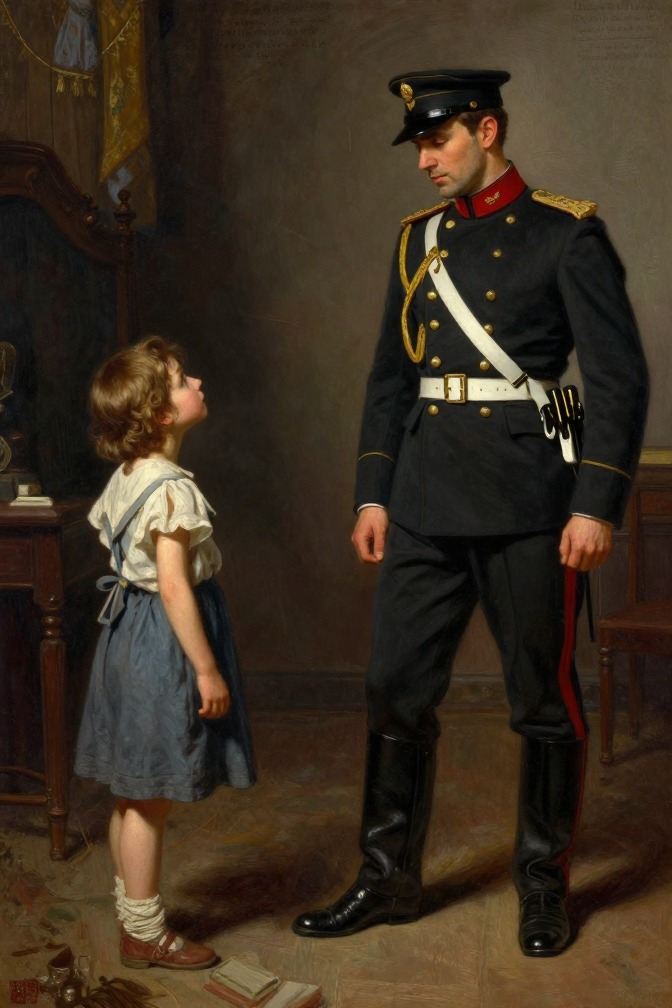
The convoy officer beats a convict who is carrying his small daughter, triggering a protest from the political prisoners and a confrontation with Simonson.