Tiktokism is a belief system in Oz that elevates mechanical and clockwork creations—tiktok creatures—to objects of quasi-religious veneration, representing a hollow, spectacle-driven alternative to both traditional unionist faith and the pleasure faith. It is characterized by its reliance on mechanical contrivances rather than spiritual or magical agency, and is associated with the Wizard's regime as a tool for social control and the erosion of traditional labor and moral values.
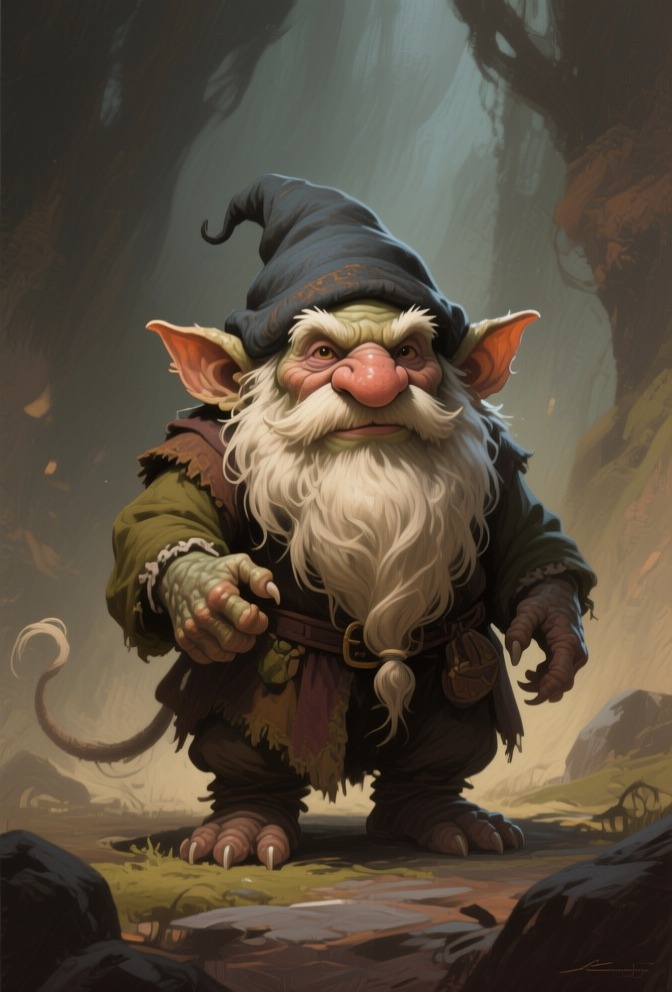
Dwarves are a distinct non-human race in Oz, often associated with the Clock of the Time Dragon and its handler, a dwarf who acts as a guardian of the Grimmerie and a manipulator of events. They are depicted as cunning, immortal, and deeply involved in the political and magical machinations of the land, serving as intermediaries between worlds and agents of prophecy.
The Red Bears are a family of smallish Red Bears—a mother, father, and toddler—who appear as prisoners in a schoolyard in the Emerald City, where they are held under the Wizard's repressive Banns on Animal Mobility. Their brief but harrowing appearance crystallizes the regime's brutality: the cub is struck down by a Gale Force soldier's cudgel, and the family's helpless terror exposes the systematic violence behind the Wizard's policies against Animals.
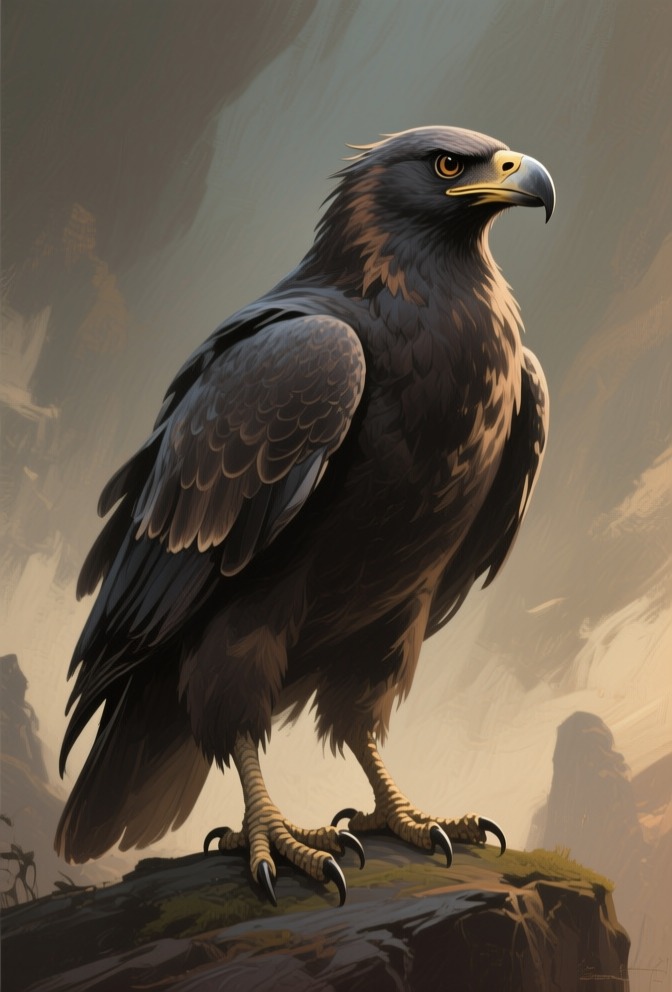
The Roc is a colossal, predatory bird of Oz, appearing in the narrative primarily as a means of transportation and as a symbol of the natural world's power and indifference. It is used by Glinda to travel quickly to the site of Nessarose's death and is mentioned in the context of the Wizard's potential escape, but it also serves as a destructive force, devouring messenger crows sent by Elphaba. The Roc embodies the untamed, non-human forces that exist alongside and often intersect with the political and personal dramas of the characters.
Tiktok refers to the clockwork mechanical beings that populate Oz, ranging from the bronze servant Grommetik at Crage Hall to the industrial laborers of Shiz. They occupy a liminal category between tool and entity, their ambiguous status raising questions about consciousness, labor, and the boundaries of the living in a world where Animals are being stripped of rights and humans are increasingly mechanized.
Dorothy Gale, accompanied by the Cowardly Lion, the Tin Woodman, and the Scarecrow, arrives at Kiamo Ko, the mountain stronghold of the Arjiki tribe, where the Wicked Witch of the West has been living in self-imposed exile. The encounter, which begins with a tense welcome from the Witch's household and a shared meal, culminates in a confrontation on the parapet where Dorothy, acting on the Wizard's orders to kill the Witch, instead begs for forgiveness for the accidental death of Nessarose. In a moment of panic, Dorothy throws a bucket of water at the Witch, causing the Witch to melt away, an event that will be celebrated as a political assassination and help topple the Wizard's regime.
The arrival of the Clock of the Time Dragon in the hamlet of Rush Margins is a pivotal event that shatters the authority of the unionist minister Frexspar, exposes the community's vulnerability to spectacle and cruelty, and directly precipitates the traumatic birth of Elphaba under a curse of green skin, setting the entire novel's plot in motion.
The Attack on Fiyero is the brutal, off-stage climax of Fiyero's affair with Elphaba, in which Gale Force soldiers ambush him in her hideout on Lurlinemas Eve, beating him into unconsciousness and likely killing him, an event that shatters Elphaba, drives her into a seven-year retreat at a mauntery, and becomes the central, unhealed wound of her adult life.
The Audience with the Wizard is a pivotal event in which Elphaba and Glinda, as young students from Shiz University, travel to the Emerald City to confront the Wizard of Oz about the murder of Doctor Dillamond and the oppression of Animals, only to be met with a terrifying, theatrical display of power and a cryptic dismissal that leaves Elphaba disillusioned and determined to go underground.
Nessarose, the armless younger sister of Elphaba and the self-styled Wicked Witch of the East, is killed when a tornado drops a house on her during a religious ceremony in Center Munch, an event that triggers political upheaval in Munchkinland and sets in motion the final confrontation between Elphaba and the Wizard.
After the failed audience with the Wizard of Oz and the death of Ama Clutch, Elphaba abruptly leaves Glinda at the Emerald City carriage and disappears into the city's underworld, cutting off all contact with her former life for five years. This event marks her definitive break from Shiz University, her family, and conventional society, and the beginning of her life as a fugitive and underground activist.
Elphaba's first word, 'Horrors,' is spoken at nearly two years old during an autumn evening in the yard of the minister's lodge near Rush Margins, and it immediately reveals her uncanny perception of a future catastrophe—the arrival of a stranger king and the fall of the House of Ozma—which Turtle Heart confirms through his prophetic glass, marking the moment when Elphaba's latent clairvoyance and her role as a witness to political and cosmic evil first emerge.
Elphaba's visit to Colwen Grounds, her ancestral home in Munchkinland, is a pivotal reunion with her aging father Frex and her sister Nessarose, now the powerful and tyrannical Eminent Thropp. The visit forces Elphaba to confront her family's painful past, her own role as a failed revolutionary, and the political crisis of Munchkinland's secession, ultimately deepening her alienation and setting the stage for her final confrontation with the Wizard.
Nessarose, Elphaba's younger sister, arrives at Shiz University to enroll at Crage Hall, accompanied by her elderly Nanny. Her arrival is necessitated by the mental collapse of Glinda's chaperone, Ama Clutch, which leaves Glinda and Elphaba without supervision. Nessarose is armless and strikingly beautiful, a contrast to her green-skinned sister. Her arrival reshapes the social dynamics at Crage Hall, as she is installed in the room vacated by the incapacitated Ama Clutch, and her presence introduces a new, intensely religious, and demanding personality into the circle of friends.
Crage Hall is the women's college at Shiz University where Elphaba, Glinda, and Nessarose study, and it serves as the primary setting for their university years, functioning as a microcosm of Oz's social hierarchies and political tensions.
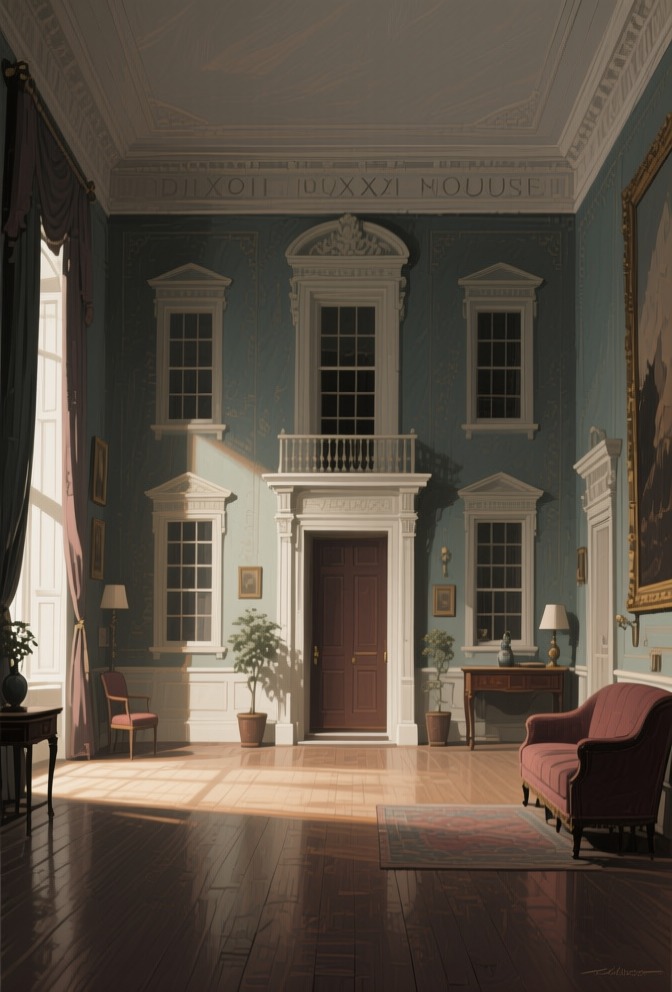
Dixxi House is a way station and transfer point on the railway line between Frottica and Shiz, where passengers change trains for the final leg of their journey. It serves as the setting for a significant encounter between Galinda and Doctor Dillamond, the Goat professor, whose conversation about the Wizard's proposed Banns on Animal Mobility introduces the novel's central political conflict and marks the beginning of Galinda's education beyond the classroom.
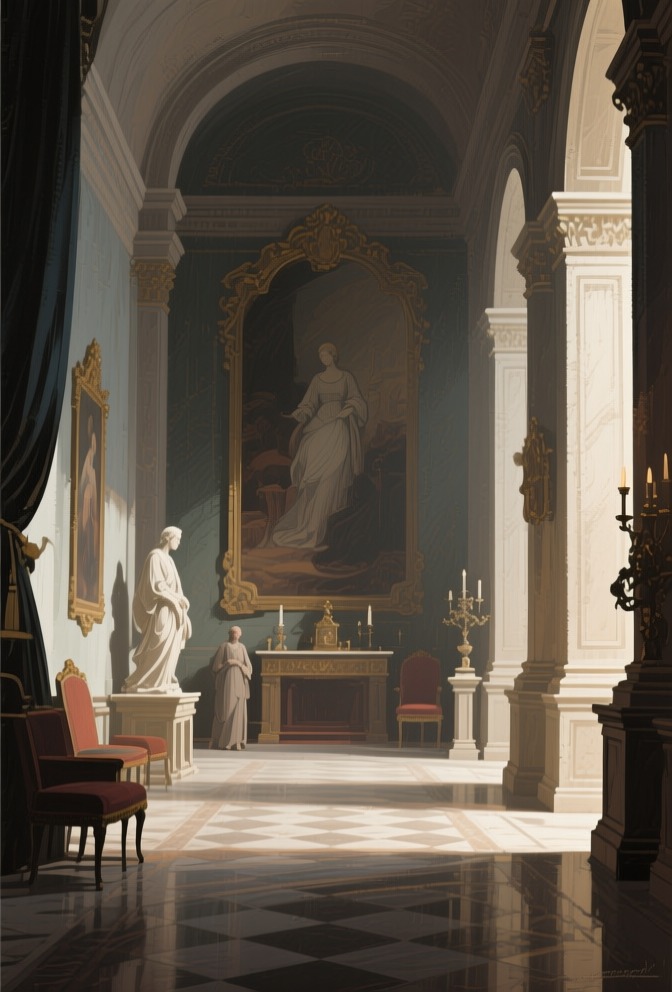
The Emerald City Palace is the seat of the Wizard of Oz's authoritarian rule, a labyrinthine complex of antechambers and a cavernous throne room where the Wizard manifests as a terrifying, weather-controlling apparition. It serves as the central symbol of political power, deception, and oppression in Oz, the site where Elphaba and Glinda's youthful idealism confronts the regime's cynical reality, and where the Wizard's true nature as a manipulative, otherworldly charlatan is gradually revealed.
Far Applerue is the site of a massacre in Munchkinland, a key atrocity that fueled the secessionist movement led by Nessarose against the Wizard of Oz.
Glikkus is a disputed border region between Gillikin and Munchkinland, known for its emerald mines and canals, and referenced as a source of miners' boots and a place of origin for some travelers.
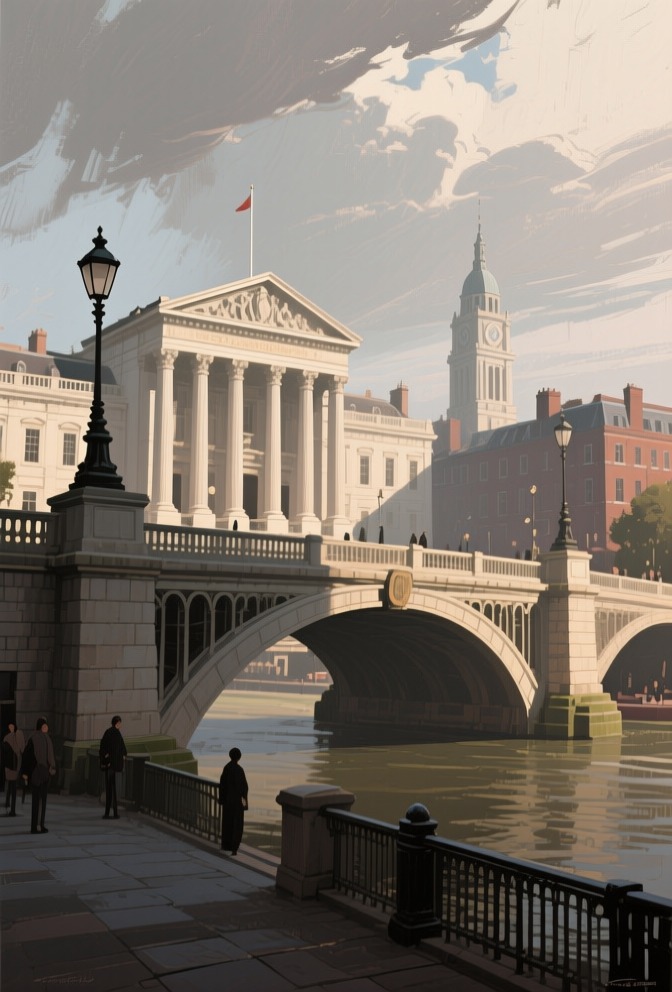
Law Courts Bridge is a bridge in the Emerald City that Elphaba crosses during her surveillance mission on Lurlinemas Eve, marking a key moment in her failed assassination attempt against Madame Morrible.
The Lower Quarter is the seedy, clandestine district of the Emerald City where Nanny, on behalf of Melena, procures illegal medicinal capsules from a fortune-telling crone named Yackle, an act that ties the city's underworld to the Thropp family's fate and introduces the mysterious figure who will later shadow Elphaba's life.
Madame Teastane's Female Seminary is a school adjacent to the Lady's Mystique theatre in the Goldhaven district of the Emerald City, where a group of schoolgirls unexpectedly burst out on Lurlinemas Eve, disrupting Elphaba's planned assassination of Madame Morrible by crowding the street and forcing her to abort the attack.
Qhoyre is a small, low-lying town in Quadling Country where Elphaba spent part of her childhood during her father Frex's missionary work. It is a place of boggy ground, canals, and oppressive humidity, where the local people resisted conversion to unionism with polite but passive hospitality. The town later became a site of destruction when the Wizard's army conducted a slash-and-burn mission there.
Rush Margins is the impoverished Munchkinlander fishing hamlet where Elphaba is born and where the Clock of the Time Dragon first arrives, precipitating the family's ruin and Frex's public humiliation.
Three Dead Trees is a village in the Wend Hardings district of Munchkinland, notable as the site where Frexspar the Godly successfully held a two-week mission that restored his reputation after the humiliation at Rush Margins, and as a landmark on the route to Kiamo Ko in the Vinkus.
The Fishwell is a deep, dark well in the basement of Kiamo Ko, the Arjiki mountain stronghold, that serves as a source of fish for the castle's inhabitants and becomes the site of a near-fatal drowning and a mysterious encounter with a talking golden carp.
The Silver Shoes are a pair of enchanted footwear that first appear as a gift from Frex to his younger daughter Nessarose, later enhanced by Glinda's sorcery to grant Nessarose the ability to stand and walk independently despite her congenital armlessness. After Nessarose's death in a tornado, Glinda gives the shoes to Dorothy, setting off a conflict with Elphaba that culminates in the Witch's death. The shoes function as a nexus of paternal love, magical empowerment, political symbolism, and contested inheritance throughout the novel.
The marriage of Frex and Melena is a central relationship in the novel, defined by a profound mismatch between Frex's ascetic religious devotion and Melena's worldly, sensual nature, set against the backdrop of rural poverty and political upheaval in Munchkinland. Their union, born of Melena's desire to escape her privileged family, becomes a crucible of disappointment, resentment, and unspoken secrets, shaping the childhood of their daughter Elphaba and the family's tragic trajectory.
The Quadlings' oppressed state is a systematic condition of dispossession, cultural erasure, and violent exploitation imposed by the Wizard's regime, driven by the discovery of ruby deposits in their homeland and enforced through military occupation, forced displacement, and the destruction of their traditional way of life.
Elphaba's green skin is the defining physical and symbolic trait that marks her as an outsider from birth, shaping her identity, her relationships, and her role as the Wicked Witch of the West. It is a constant source of shame, fear, and social ostracism, yet also becomes a badge of defiance and a tool of power, inextricably linked to the novel's themes of prejudice, otherness, and the construction of evil.