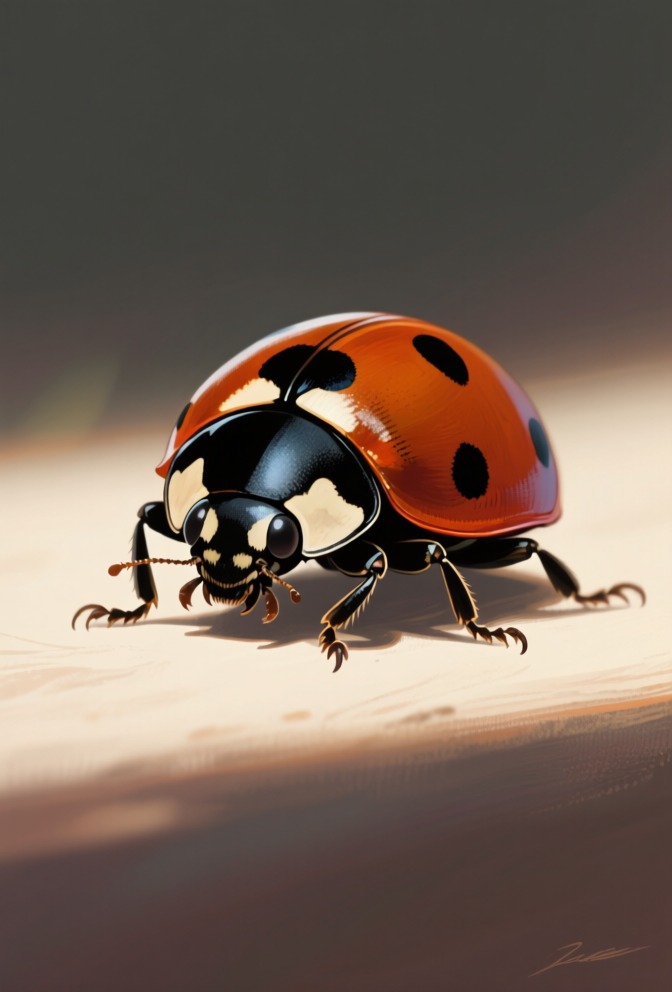
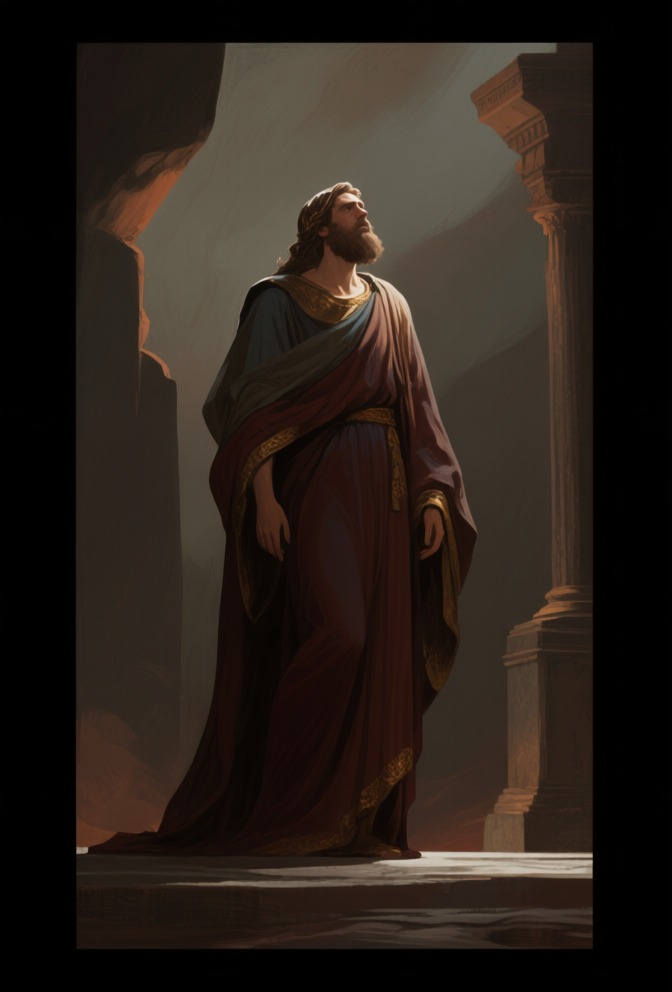
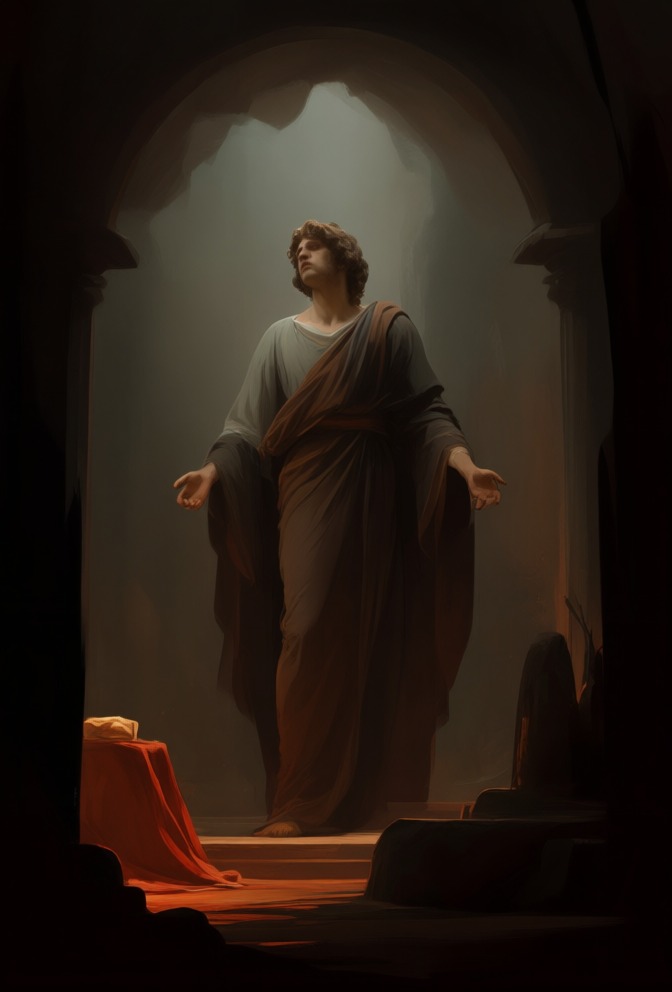
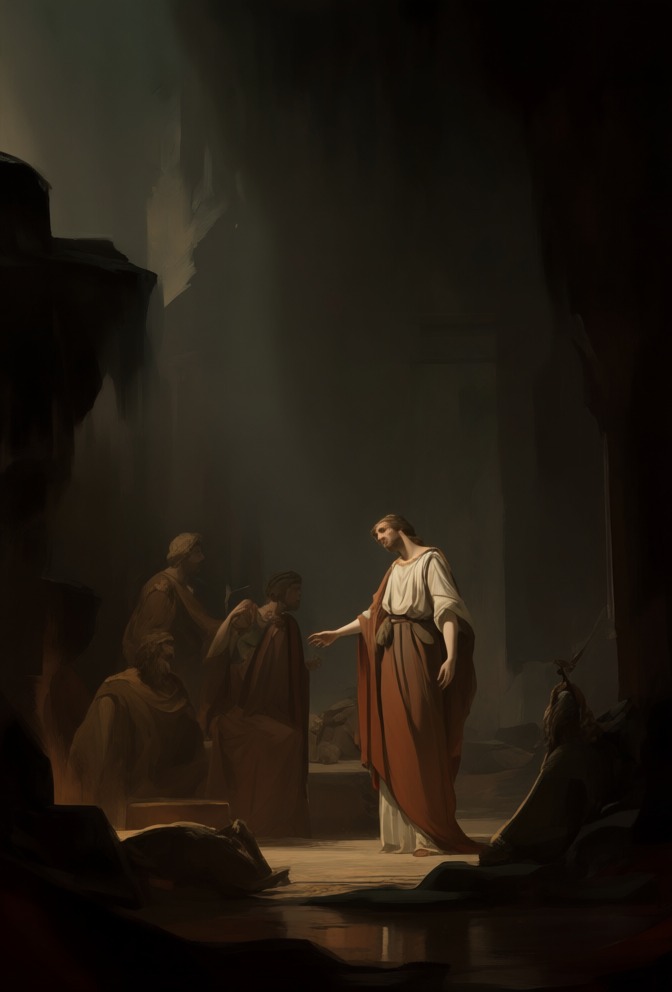
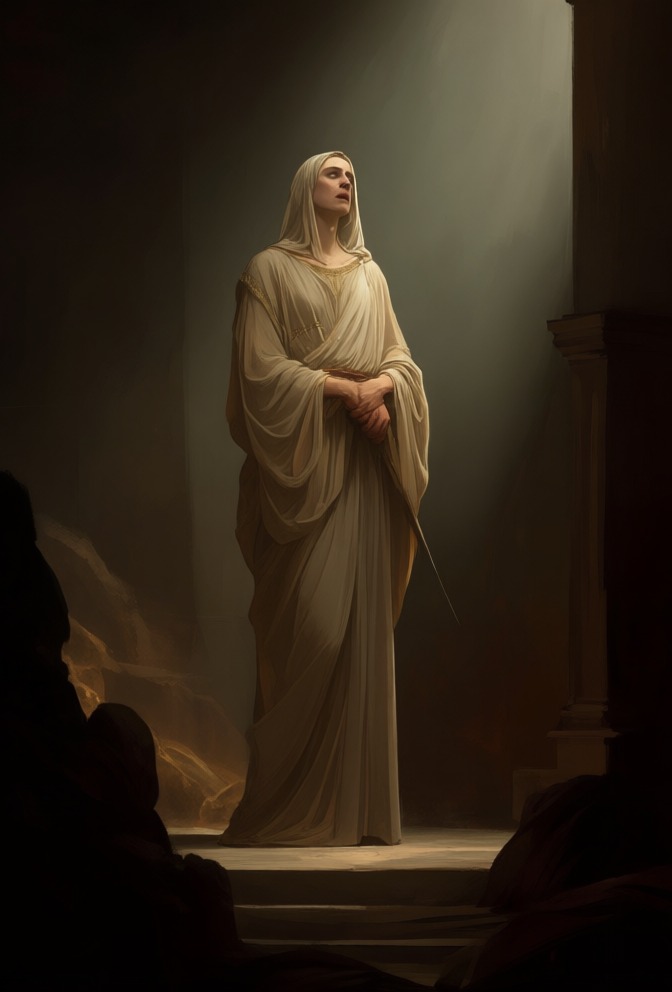
The ladybug is a small insect that appears in a single, vivid scene during Tom Sawyer's solitary morning on Jackson's Island, where he tests its credulity with a traditional rhyme, revealing his playful, superstitious nature and his deep attunement to the natural world.
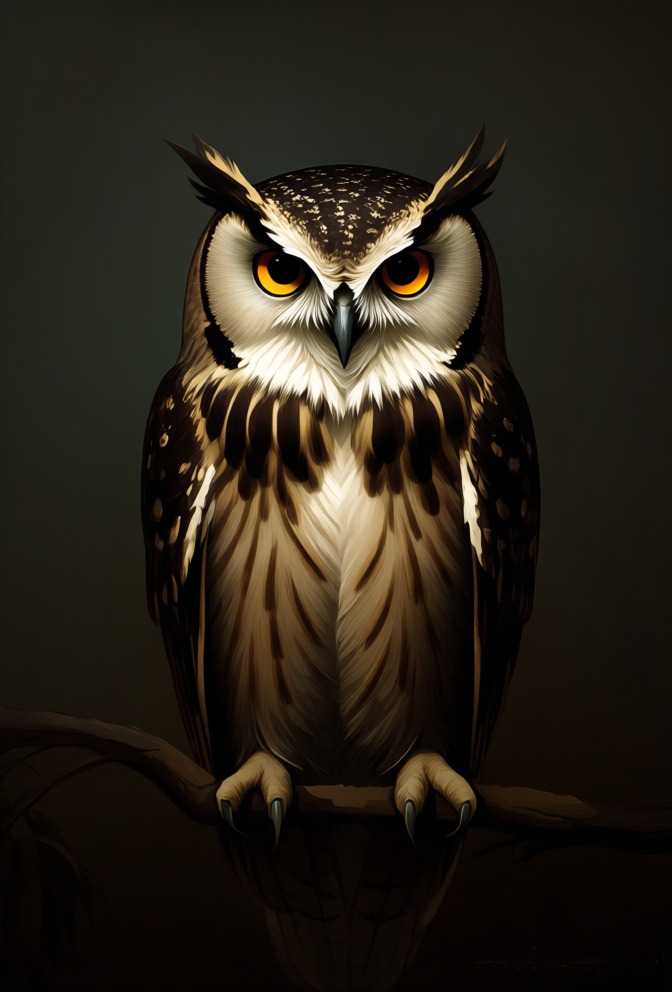
The owl appears in The Adventures of Tom Sawyer as a recurring auditory symbol of dread, solitude, and supernatural foreboding, its hooting marking the graveyard, the haunted house, and the cave as spaces of mortal danger and psychological terror.
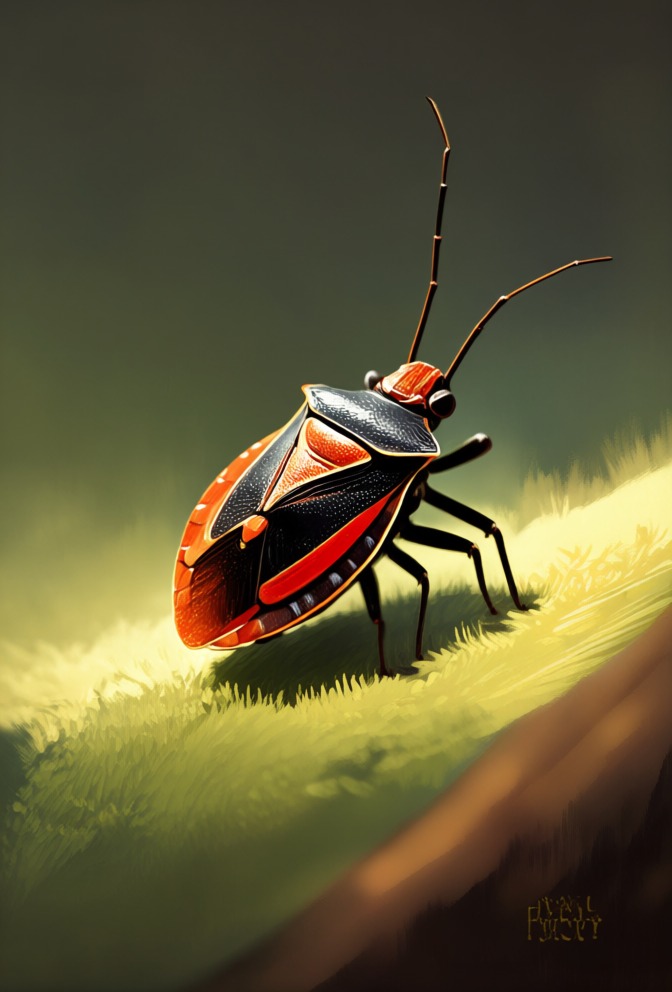
The pinchbug is a large black beetle with formidable jaws that Tom Sawyer brings to church in a percussion-cap box, where it escapes and causes a chaotic disruption during the sermon, becoming a memorable comic object that exposes the tension between boyish mischief and religious solemnity.
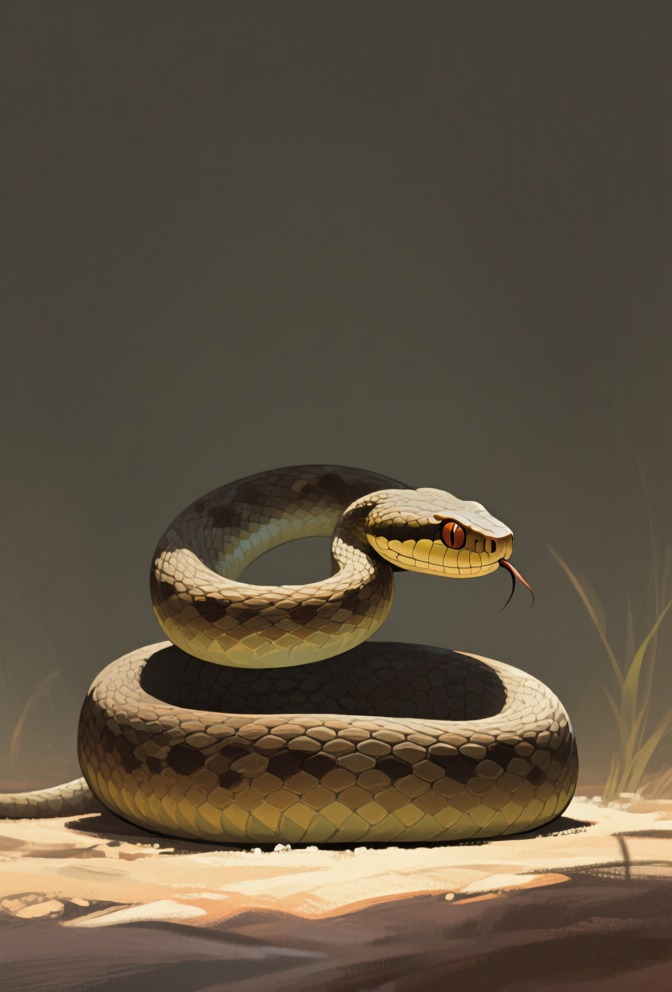
The rattlesnake appears in *The Adventures of Tom Sawyer* as a minor but symbolically charged creature, whose rattles are used by Tom as a superstitious charm against cramp during his pirate adventure on Jackson's Island.
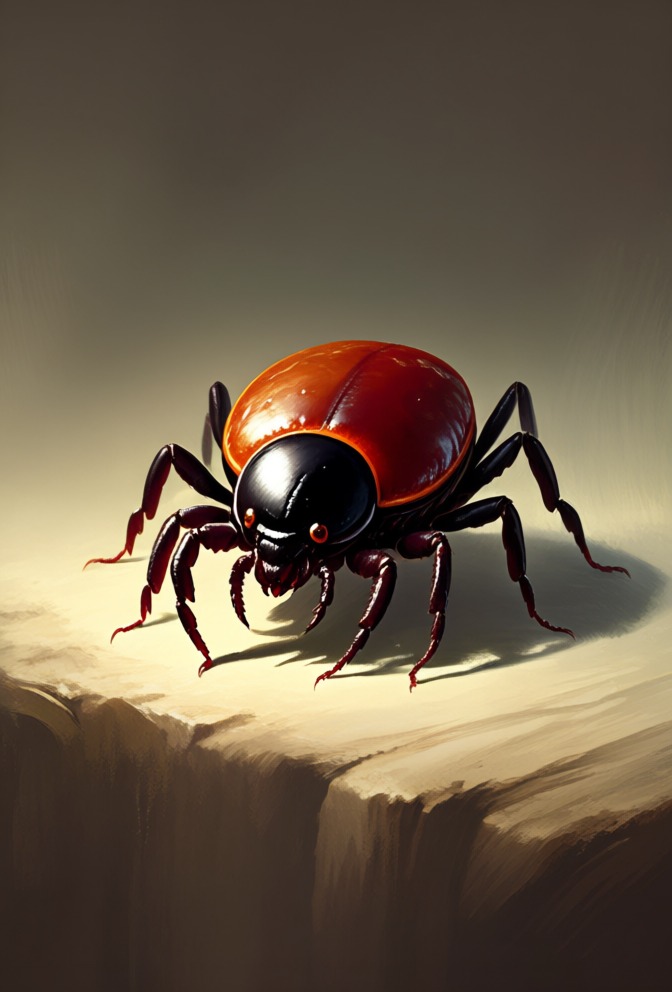
The tick is a small parasitic creature that appears in Tom Sawyer's hands as a traded object and a source of entertainment, serving as a medium for boyish commerce, a tool for classroom mischief, and a symbol of the value system that governs the children's world of exchange and play.
Injun Joe dies of starvation in McDougal's Cave after Judge Thatcher seals the entrance with a boiler-iron door, ending the reign of the murderous half-breed whose revenge-driven rampage had terrorized St. Petersburg.
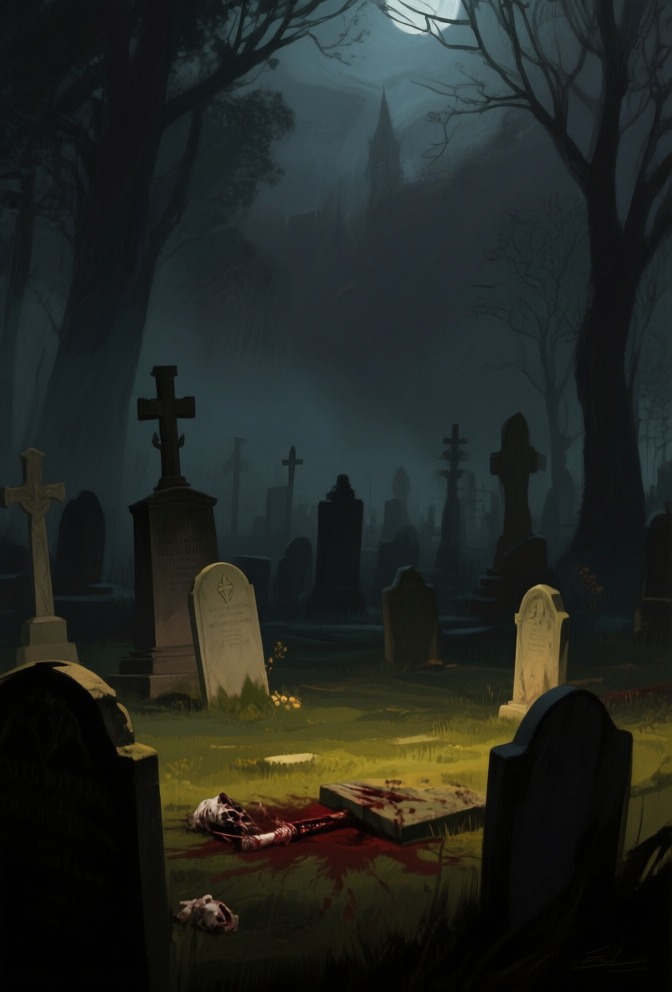
The Graveyard Murder is the pivotal event in which Tom Sawyer and Huckleberry Finn witness Injun Joe murder Doctor Robinson and frame the innocent Muff Potter, setting in motion the central moral crisis of the novel and the boys' long struggle with conscience, secrecy, and fear.
Huck's Adoption by Widow Douglas marks the decisive transition of Huckleberry Finn from a free, outcast boy living by his own rules into the constraints of civilized society, a change that brings him wealth, education, and a home but also profound misery and a longing to escape.
Buffalo Gals is a popular 19th-century American folk song that appears in The Adventures of Tom Sawyer as a marker of the carefree, musical atmosphere of the village of St. Petersburg and as a symbol of the idyllic, prelapsarian world of boyhood.
Patrick Henry's famous revolutionary cry, 'Give me liberty or give me death,' is recited by Tom Sawyer during the school Examination evening, where his performance collapses into a humiliating failure, marking a key moment of social performance and its undoing in the novel.
Old Hundred is the hymn tune sung at the climax of the boys' own funeral service in St. Petersburg, marking the triumphant return of Tom Sawyer, Joe Harper, and Huckleberry Finn and representing the proudest moment of Tom's life.
Spare the rod and spile the child is a proverbial expression that appears in the opening chapter of Mark Twain's *The Adventures of Tom Sawyer*, uttered by Aunt Polly as she wrestles with her conscience over disciplining her mischievous nephew. The phrase encapsulates the central tension of the novel between the stern moral duty to punish and the affectionate impulse to forgive, and it serves as a thematic key to Aunt Polly's character and the book's broader exploration of childhood, authority, and moral growth.
Spunk-water is a folk remedy for warts described in the novel, involving rainwater collected from a rotten stump and a specific midnight ritual with a spoken charm.
The Big Missouri is the steamboat personated by Ben Rogers in a vivid imaginative game that becomes the catalyst for Tom Sawyer's most famous exploit—the whitewashing of the fence. Ben's elaborate performance as the steamboat, complete with engine-bell commands and wheel motions, draws him into Tom's trap, and the desire to play at being the Big Missouri leads Ben to trade his apple for the privilege of whitewashing, setting off a chain of trades that transforms Tom's punishment into a triumph.
The cross is a candle-smoke mark on a rock deep within McDougal's Cave that serves as the decisive signpost for the hidden treasure, transforming the boys' superstitious dread into practical certainty and enabling the recovery of the gold.
The great law of human action is a principle of desire and motivation discovered by Tom Sawyer during the whitewashing episode, which holds that making a thing difficult to attain is the surest way to make someone covet it.
The Model Boy is a recurring social type in St. Petersburg, personified by Willie Mufferson, whom Tom Sawyer loathes and against whom he defines his own rebellious identity.
The Spirit of the Storm is the imaginary black-hulled pirate ship that Tom Sawyer envisions commanding during his daydream of running away to become a pirate, a vessel that embodies his romanticized ideal of outlaw freedom and heroic notoriety.
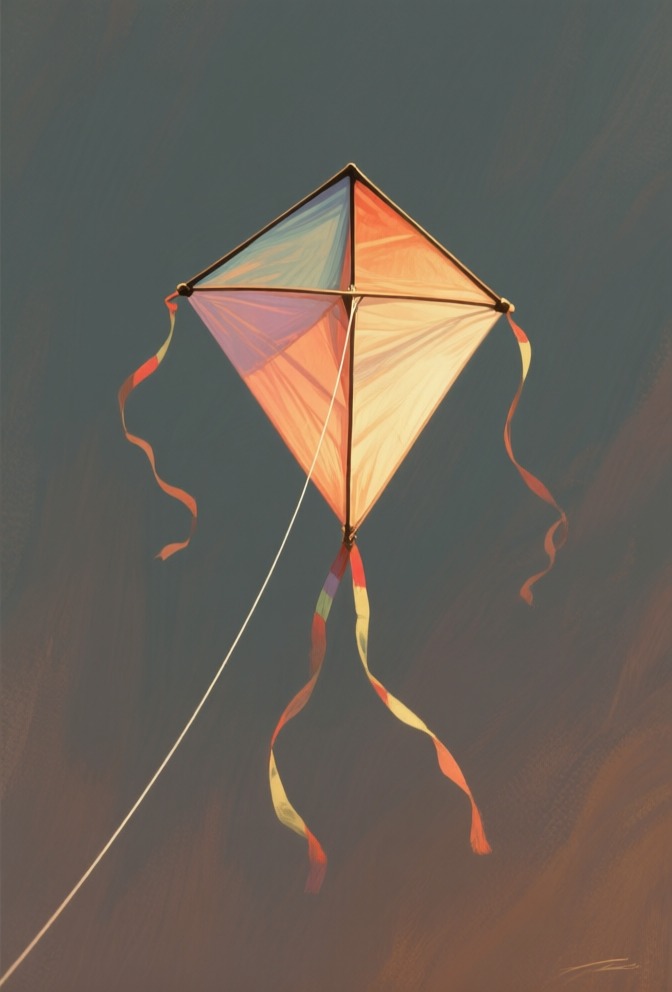
The kite-line is a practical object that Tom Sawyer uses during his and Becky Thatcher's ordeal in McDougal's Cave, serving as a lifeline for navigation and exploration in the dark labyrinth.
Injun Joe and Muff Potter are two men whose relationship is defined by a stark power imbalance, with the cunning and ruthless half-breed manipulating the simple, alcoholic Potter into becoming the unwitting fall guy for a murder that Joe himself commits. Their bond, forged in the shared labor of grave-robbing, is shattered in an instant of violence, after which Joe coolly frames his partner and maintains a facade of loyalty to ensure his own escape, leaving Potter to face the gallows alone.
Red-Handed is the pirate alias adopted by Huckleberry Finn during the Jackson's Island adventure, a title that reflects his role in the trio's outlaw fantasy and his distinctive, unwashed identity within the gang.
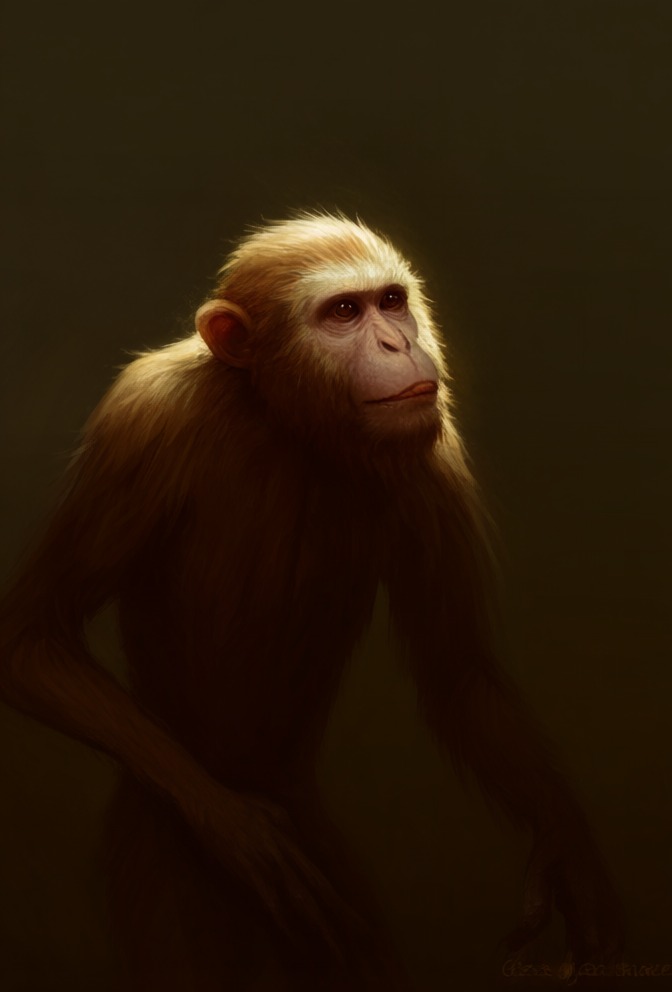
Monkeys appear briefly in the narrative as part of the natural landscape of Murree, Pakistan, where Tariq tells Laila that monkeys can still be spotted hopping from branch to branch in the wooded hills near Kashmir Point, offering a glimpse of a wild, untamed world that contrasts with the characters' war-torn past.
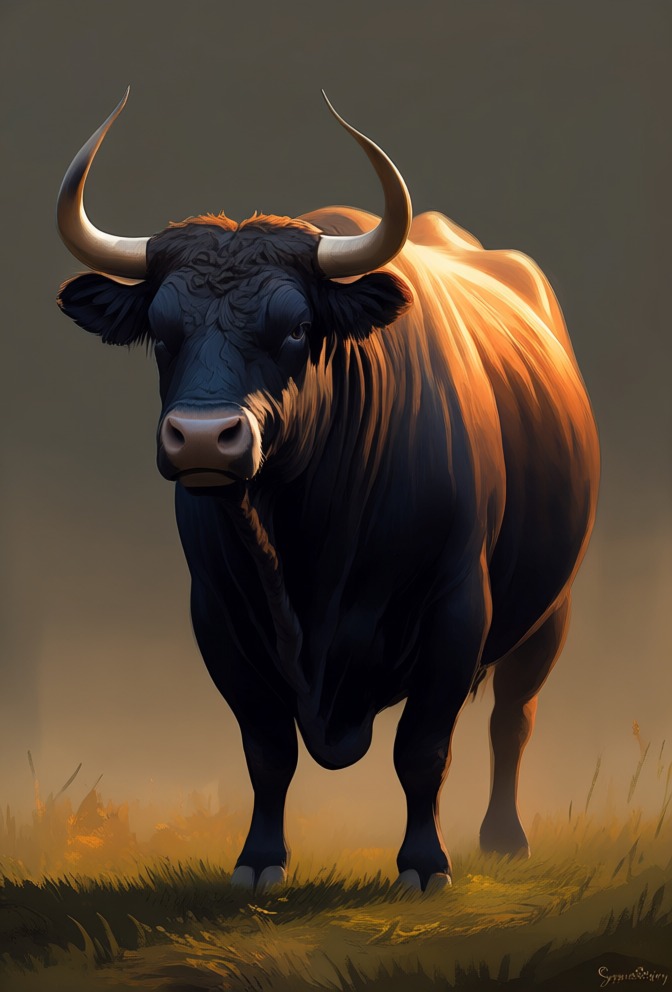
Cattle appear throughout the novel as a marker of rural subsistence, economic hardship, and the precariousness of life in Afghanistan. They are present in the daily routines of the kolba, in the pastoral landscape of Gul Daman, and later as a symbol of the drought's devastation, when farmers lose their livestock and are forced to migrate to Kabul.
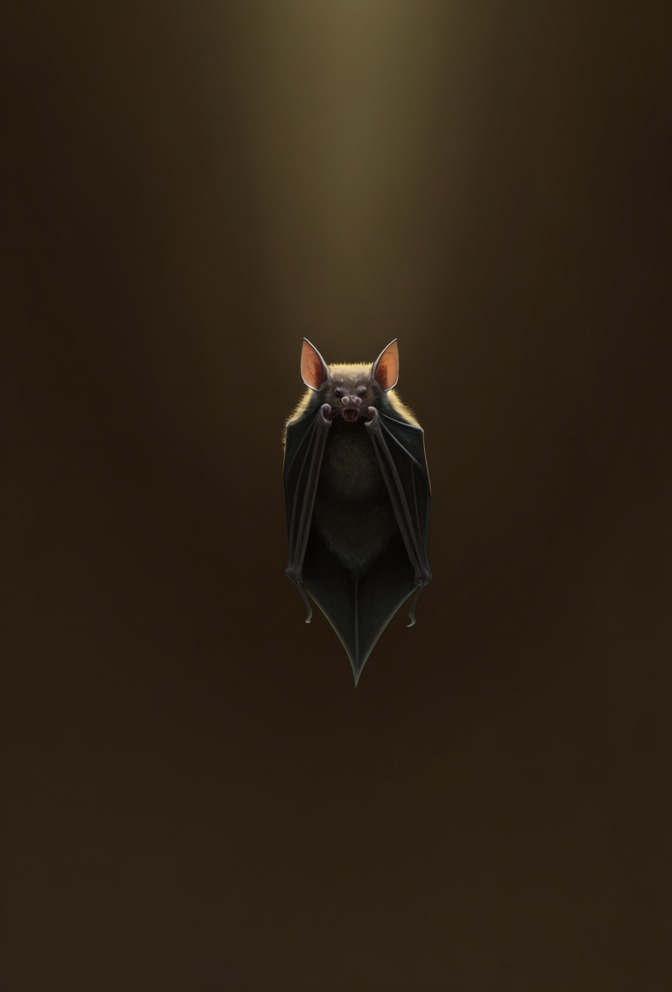
The bat appears as a minor but symbolically resonant creature in Khaled Hosseini's *A Thousand Splendid Suns*, appearing in two distinct contexts: as a nocturnal inhabitant of the abandoned kolba where Mariam spent her childhood, and as a creature associated with the dark, confined spaces that define the lives of the novel's female protagonists.
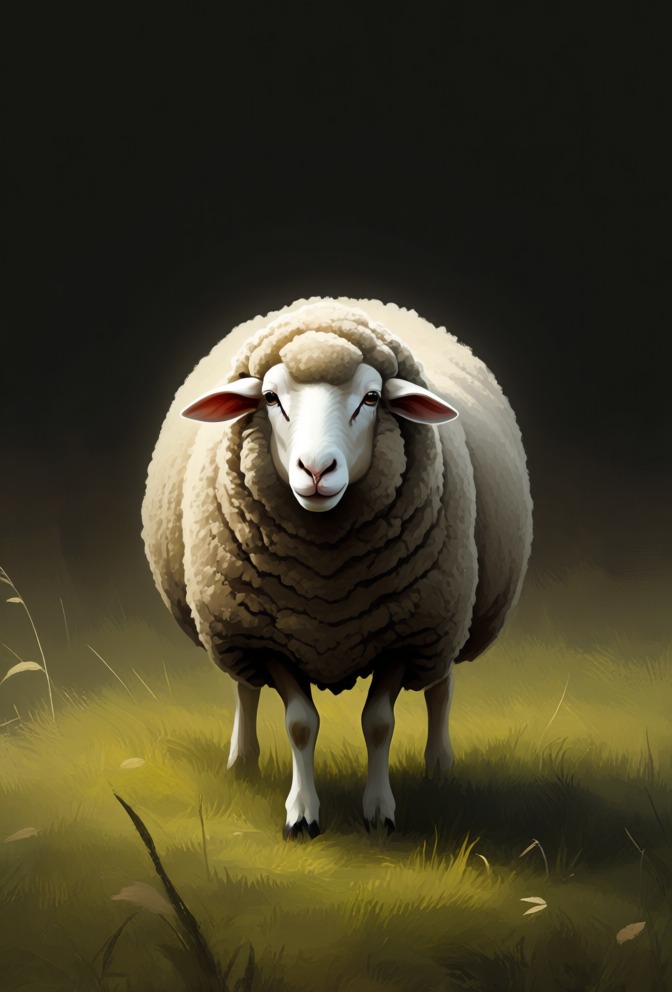
Sheep appear throughout A Thousand Splendid Suns as a recurring element of rural Afghan life, symbolizing livelihood, pastoral tradition, and the harsh realities of survival. They are present in Mariam's early life at the kolba, in the landscape of the Bamiyan Valley, and in the desperate migrations caused by drought, serving as a quiet but persistent marker of the characters' connection to the land and their vulnerability to its changes.
Babaloo is a bedtime prayer ritual that Laila performs with her son Zalmai, a nightly incantation meant to ward off the night-terror figure Babaloo. The ritual, which involves reciting the Bismallah a set number of times and a casting-away gesture, becomes a site of grief and deception after Rasheed's murder, as Laila must lie to Zalmai about his father's disappearance while performing the familiar prayer.
The whistling is the sound of an incoming rocket or mortar shell, a recurring auditory motif in the novel that embodies the terror of random, impersonal violence during the civil war in Kabul. It becomes a central symbol of the psychological trauma endured by Laila and the other characters, representing the unbearable suspense between the start of the sound and the moment of impact, and the constant, unpredictable threat of death that defines their daily existence.
Deh-Mazang is a south-western district of Kabul where Rasheed's house is located, serving as the primary domestic setting for the second half of the novel. It is the site of Mariam's married life, Laila's forced marriage, and the central struggles of both women under Rasheed's rule, making it a symbol of confinement, endurance, and eventual resistance.
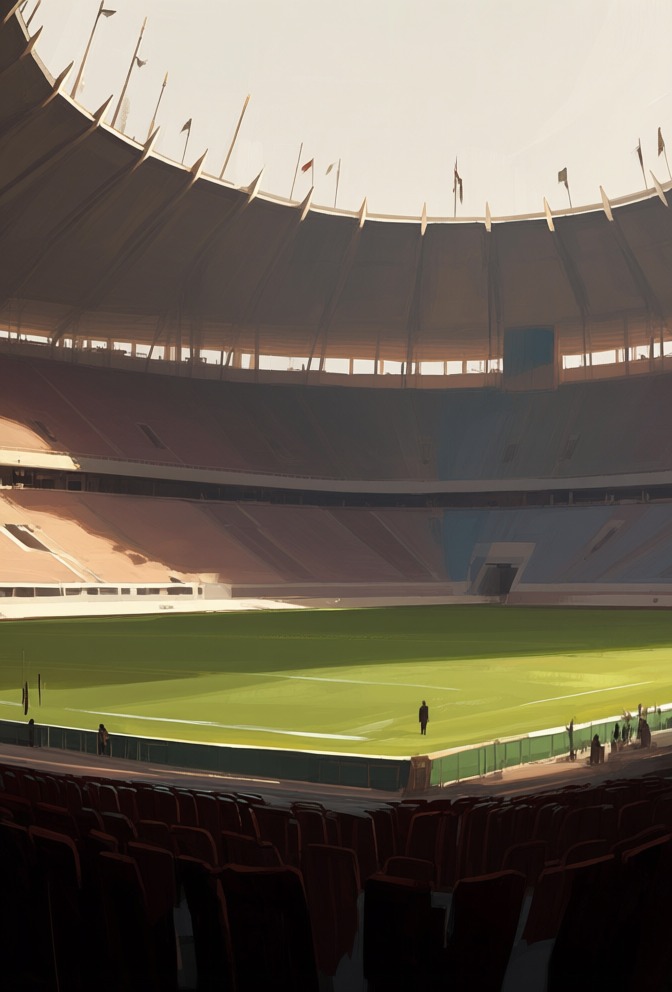
Ghazi Stadium in Kabul is the site where the Taliban regime carried out its most public and brutal punishments, including the execution of Mariam, and where Rasheed attended spectacles of lashings, hangings, and beheadings, making it a central symbol of state-sanctioned violence and the erasure of women's autonomy under Taliban rule.
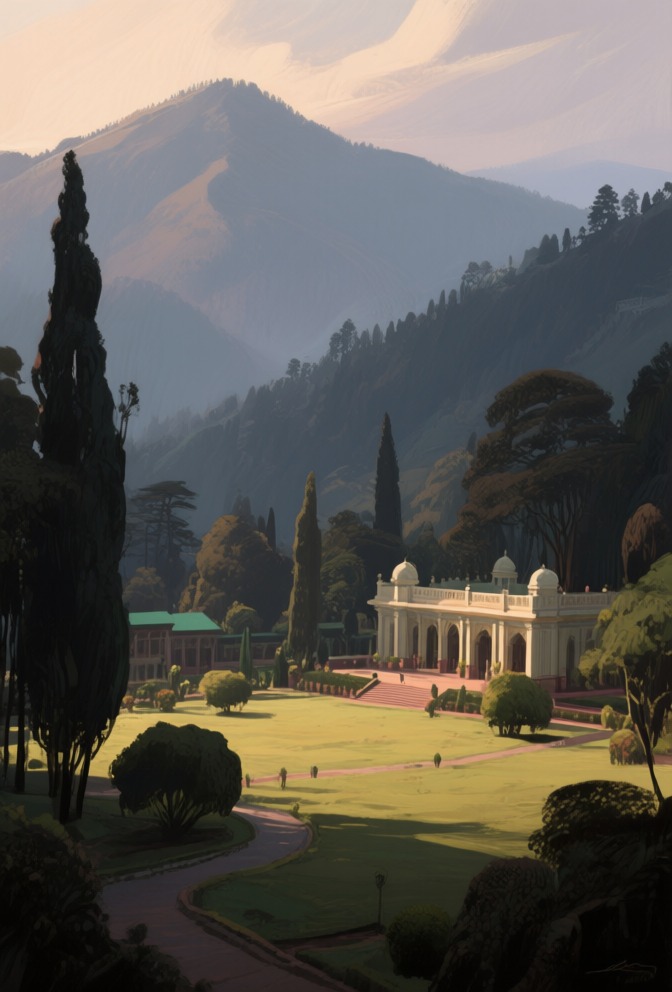
Murree is a hill station in Pakistan where Laila, Tariq, and their children find refuge after escaping Kabul, a place of safety and new beginnings that contrasts sharply with the violence of their past.