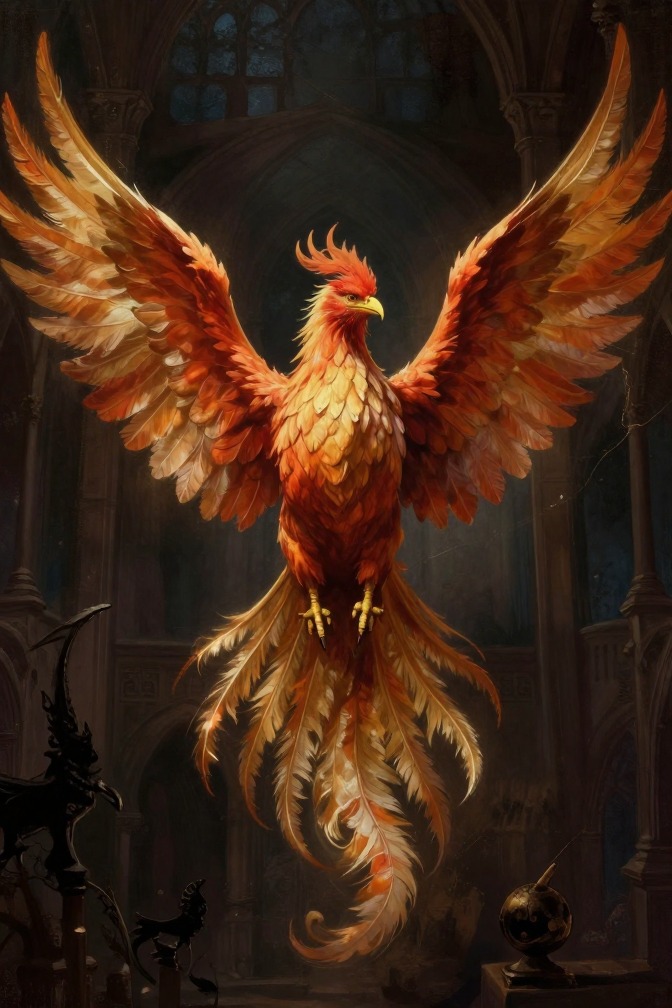
The phoenix is a legendary magical bird of great power and significance, serving as a loyal companion and messenger to Albus Dumbledore. Its tears possess healing properties, its song brings comfort in times of grief, and its life cycle of burning and rebirth symbolizes hope and renewal. In Harry Potter and the Half-Blood Prince, the phoenix Fawkes plays a crucial role, from his silent presence in Dumbledore's office to his mournful lament after Dumbledore's death, marking the end of an era and the beginning of Harry's solitary quest.
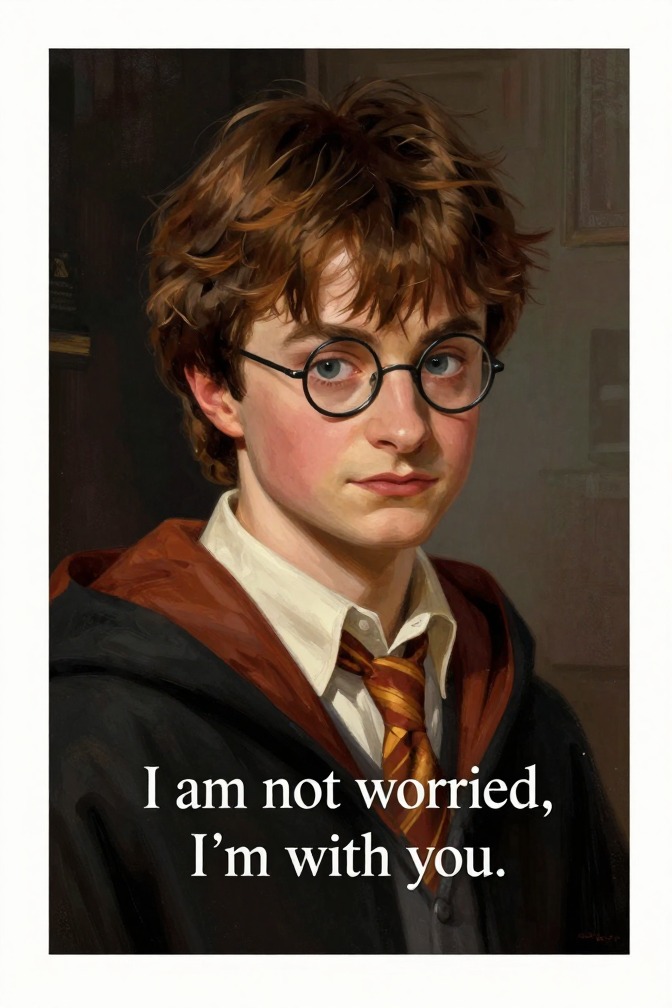
This expression is spoken by Albus Dumbledore to Harry Potter in the cave after Dumbledore has drunk the deadly potion guarding the fake Horcrux. It encapsulates Dumbledore's complete trust in Harry and his unwavering faith in the power of their companionship, even in the face of mortal danger. The line is a profound statement of solidarity and courage, marking a pivotal moment in their relationship and in Harry's journey toward accepting his destiny.
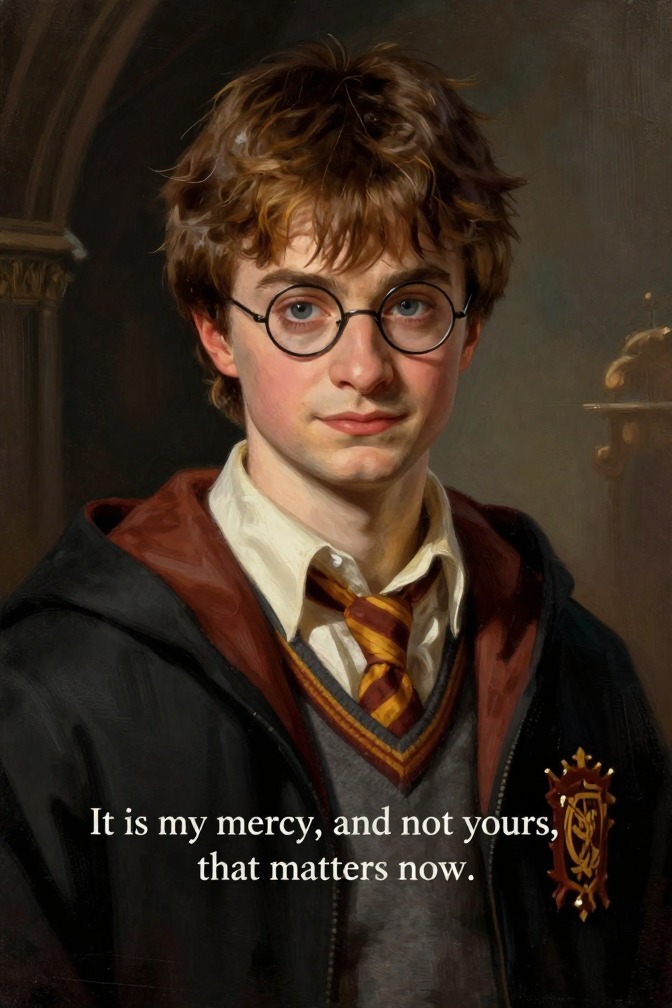
This line, spoken by Albus Dumbledore to Draco Malfoy on the Astronomy Tower moments before his death, encapsulates the novel's central ethical reversal: the powerless old wizard, not the armed young assailant, holds the true moral authority. It transforms a scene of imminent murder into a final lesson about choice, mercy, and the nature of power.
The Hospital Wing at Hogwarts School of Witchcraft and Wizardry serves as the central medical facility for students and staff, a site of healing, crisis, and emotional reckoning throughout the sixth year. It is where Ron Weasley recovers from near-fatal poisoning, where Harry Potter is treated for a cracked skull, and where the aftermath of the Battle of the Astronomy Tower unfolds — including Bill Weasley's disfigurement by Fenrir Greyback and the confirmation of Albus Dumbledore's death. The wing functions as a threshold space where physical recovery intersects with grief, revelation, and the forging of new alliances.
The Quidditch Pitch at Hogwarts School of Witchcraft and Wizardry is the central arena for the school's inter-house Quidditch matches, a site of athletic competition, team identity, and personal triumph, but also a stage for dangerous accidents, strategic manipulation, and the emotional highs and lows of its players, particularly during Harry Potter's tenure as Gryffindor Captain in his sixth year.
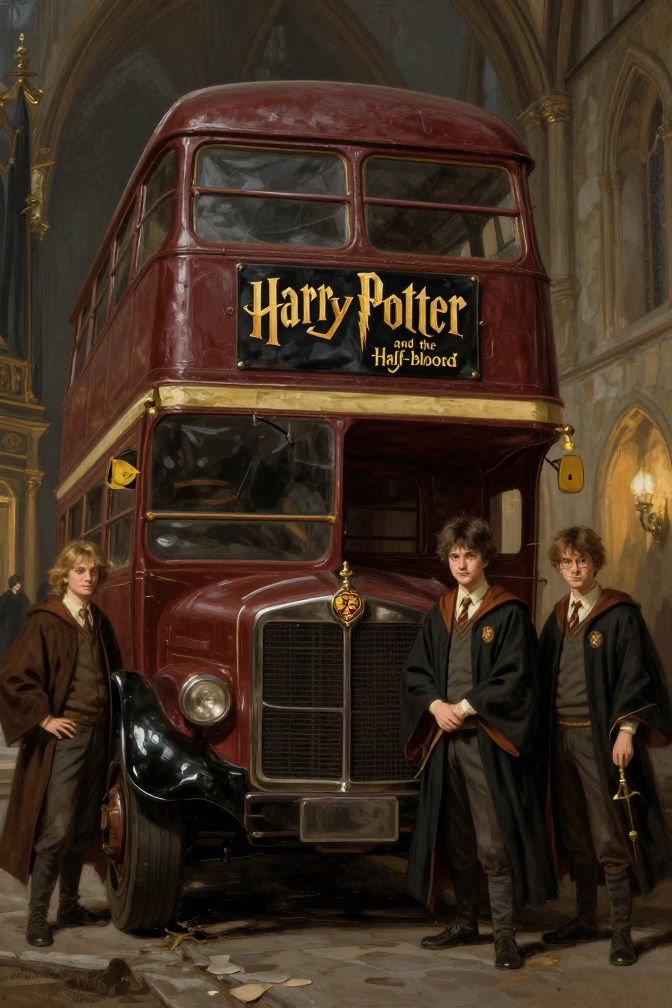
The Knight Bus is a magical triple-decker purple-and-crimson vehicle that transports stranded witches and wizards through Muggle Britain, operated by the Ministry of Magic and known for its erratic driving and low-cost fares. Its conductor, Stan Shunpike, becomes a controversial figure in the sixth year when he is arrested on suspicion of Death Eater activity, an event that highlights the Ministry's panicked and often unjust security measures during the Second Wizarding War.
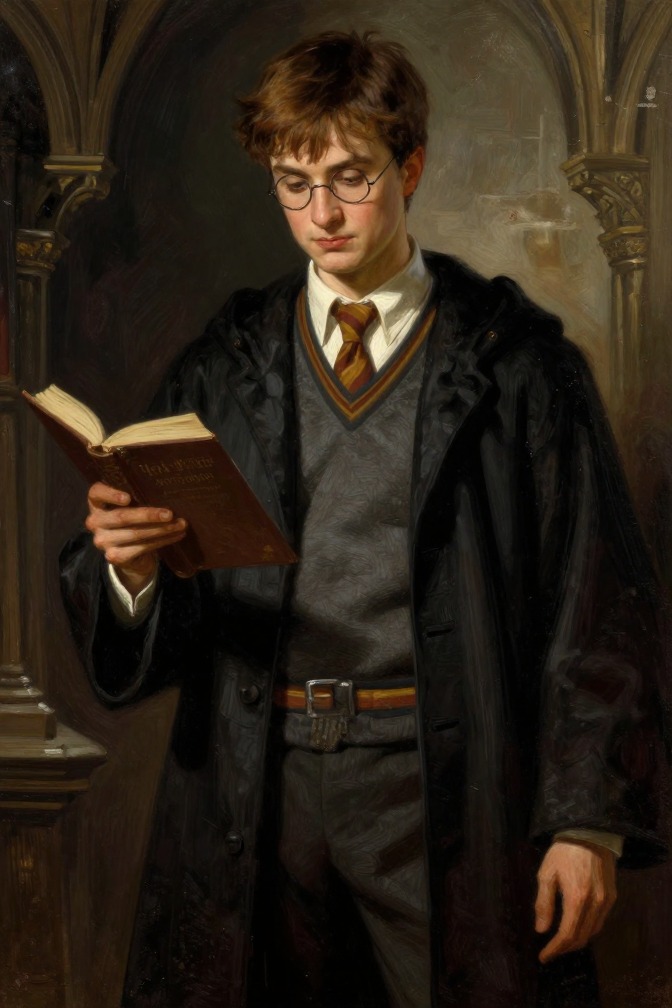
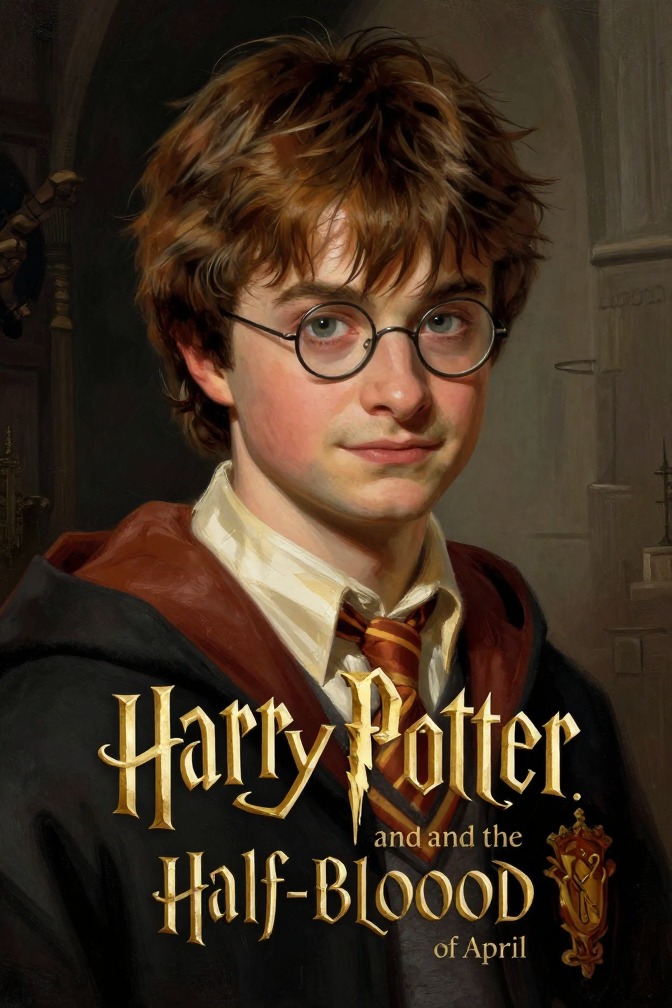
Harry Potter's relationship with the Half-Blood Prince's potions textbook is a central, transformative, and ultimately tragic arc in his sixth year at Hogwarts. The book, an old copy of Advanced Potion-Making filled with handwritten corrections and invented spells, elevates Harry from a mediocre potion-maker to Slughorn's star pupil, but its true owner—Severus Snape—and the dark nature of its most powerful spell, Sectumsempra, lead to a catastrophic confrontation that shatters Harry's trust and contributes directly to Dumbledore's death.
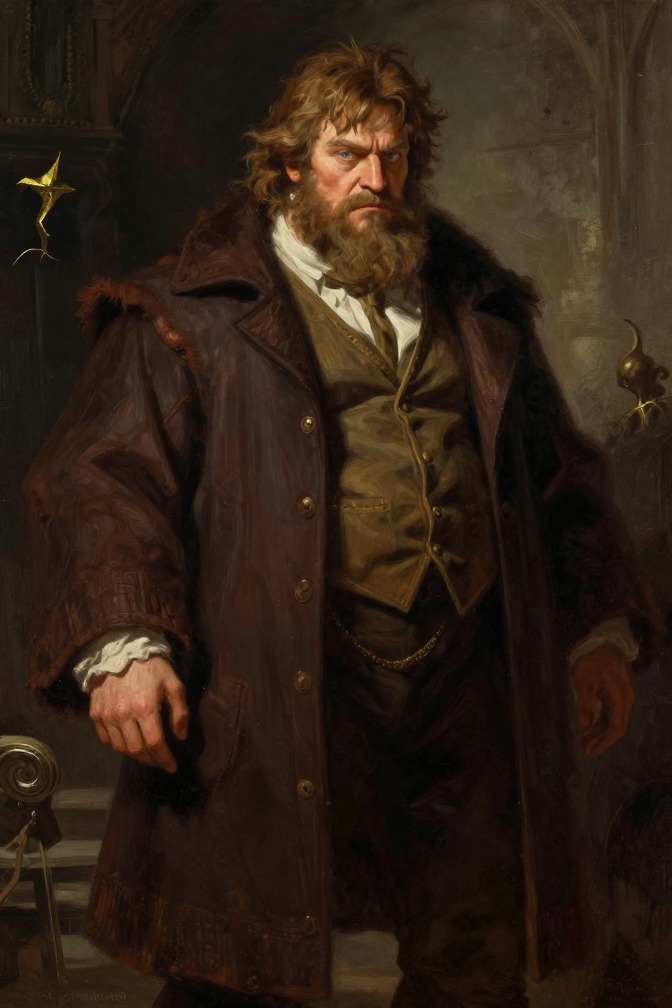
Half-giant is a biological and social category in the wizarding world, referring to individuals who are the offspring of a giant and a human wizard. The most prominent half-giant in the series is Rubeus Hagrid, whose hybrid nature defines his physical stature, his social marginalization, and his unique role as a bridge between the magical and giant communities. Hagrid's half-giant status is a source of both prejudice and strength, shaping his life from his school days to his position as Hogwarts gamekeeper and a key member of the Order of the Phoenix.
An Occlumens is a wizard or witch who practices the magical art of Occlumency, the systematic closing of the mind against external magical intrusion, particularly Legilimency. In the world of Harry Potter, Occlumency is a rare and highly advanced skill that allows its practitioner to shield their thoughts, emotions, and memories from being read or influenced by others, making it a crucial tool for spies, double agents, and anyone who must keep dangerous secrets from Lord Voldemort and his followers.
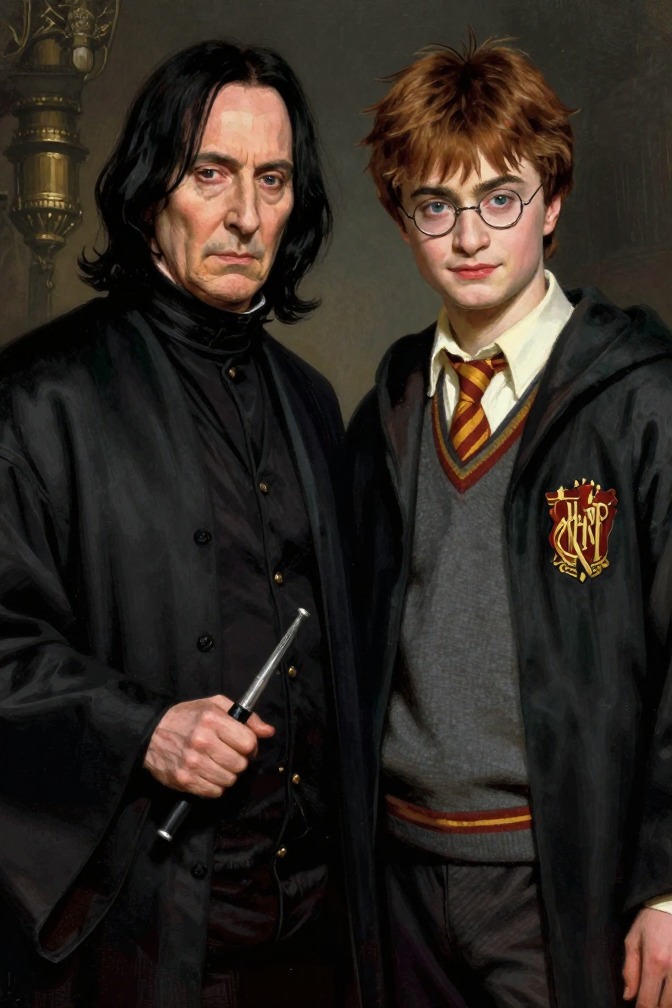
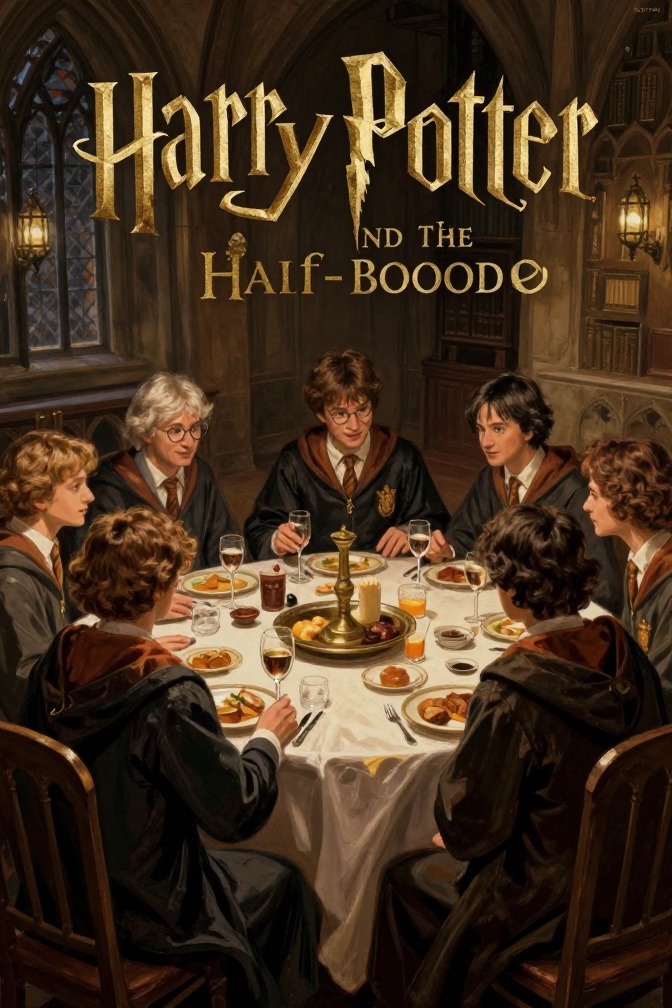
The start-of-term feast is the ceremonial meal that opens each academic year at Hogwarts School of Witchcraft and Wizardry, serving as the occasion for the Sorting of new students, the headmaster's address, and the announcement of key staff changes and school-wide warnings. In Harry Potter and the Half-Blood Prince, the feast marks the public revelation that Severus Snape has finally achieved the Defense Against the Dark Arts post while Horace Slughorn returns as Potions master, and it provides the platform for Albus Dumbledore's grave acknowledgment that Lord Voldemort and his Death Eaters are once more at large and gaining strength.
The twenty-first of April is the first scheduled date for the Apparition Test at Hogwarts, a milestone that marks the earliest opportunity for eligible sixth-year students to take their official Ministry examination in magical transportation, and it becomes a focal point for Ron Weasley's anxieties about his magical competence and his strained relationships with Hermione Granger and Lavender Brown.
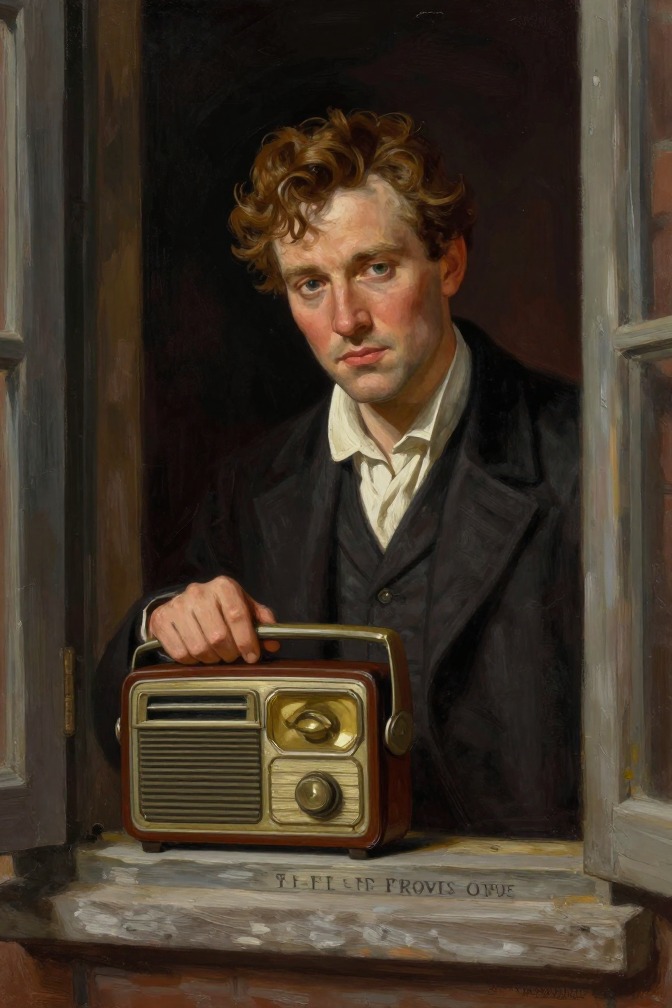
Stanley Throws Radio Out Window is a violent, climactic action in Scene Three of A Streetcar Named Desire, where Stanley Kowalski, enraged by the music and his wife's defiance, snatches the radio and hurls it out the window, precipitating a physical assault on Stella and the collapse of the poker night.
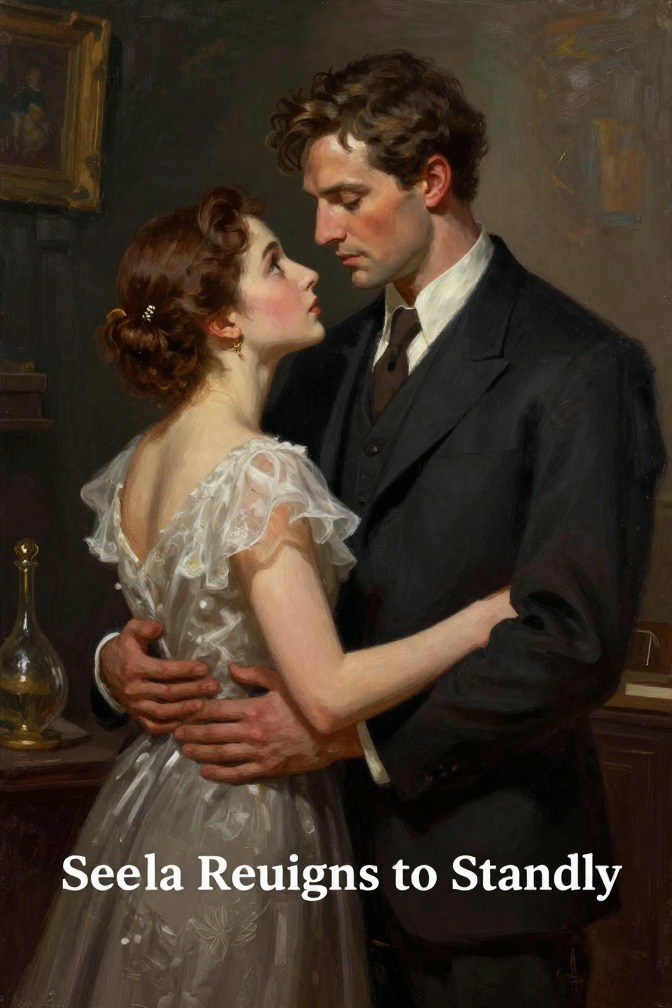
Stella Returns to Stanley is the pivotal moment in Scene Three of A Streetcar Named Desire when, after Stanley Kowalski has drunkenly struck her during the poker night, Stella Kowalski leaves her sister Blanche DuBois upstairs at Eunice Hubbell's apartment and descends to rejoin her husband, an act that reveals the depth of her sexual and emotional bond with him and decisively undermines Blanche's attempt to rescue her from what Blanche sees as a brutal marriage.
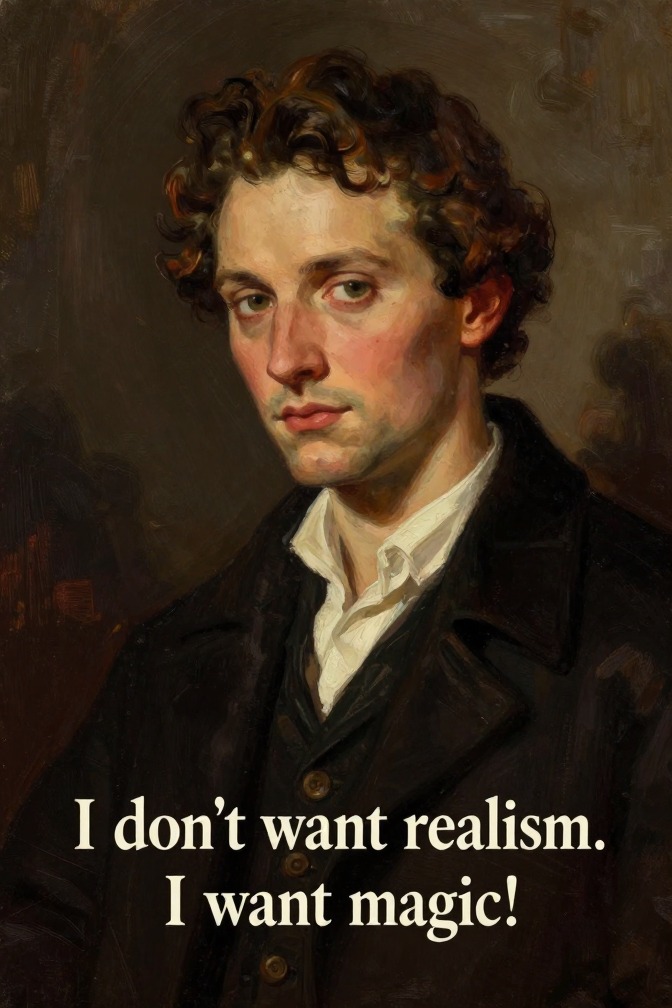
Blanche DuBois's declaration "I don't want realism. I want magic!" crystallizes her defining psychological strategy: a willed retreat from the brutal facts of her past and present into a world of illusion, soft lighting, and romantic pretense. This line, spoken during her final confrontation with Mitch, serves as the philosophical key to her character, revealing the existential stakes of her struggle against the harshness of Stanley Kowalski's world and the traumatic memories that haunt her.
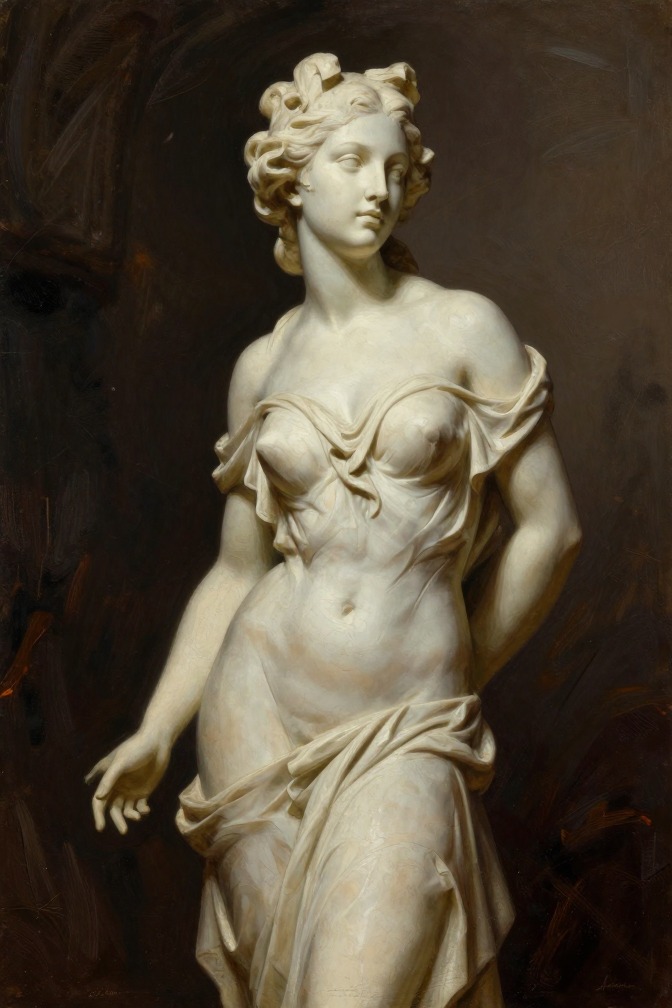
The plaster statuette of Mae West is a carnival prize won by Harold Mitchell (Mitch) during his date with Blanche DuBois at an amusement park on Lake Pontchartrain, and it serves as a poignant symbol of the fragile, artificial romance they attempt to build and the inevitable collapse of their relationship under the weight of truth.
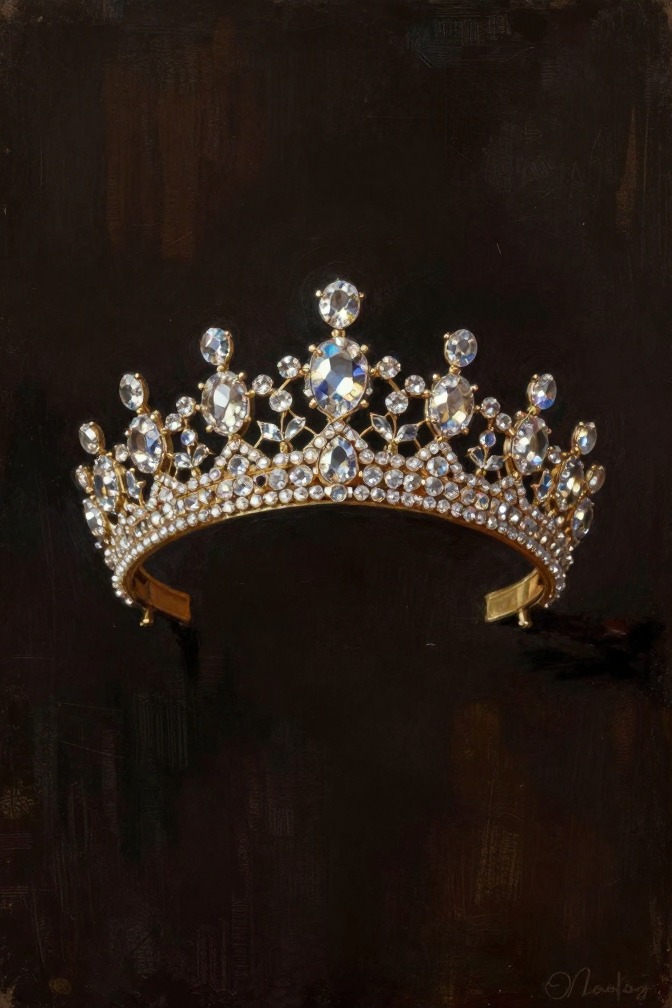
The rhinestone tiara is a costume jewelry crown worn by Blanche DuBois in Tennessee Williams's A Streetcar Named Desire. It functions as a central symbol of her self-deception and desperate clinging to a romanticized identity, appearing at key moments of crisis and exposure.
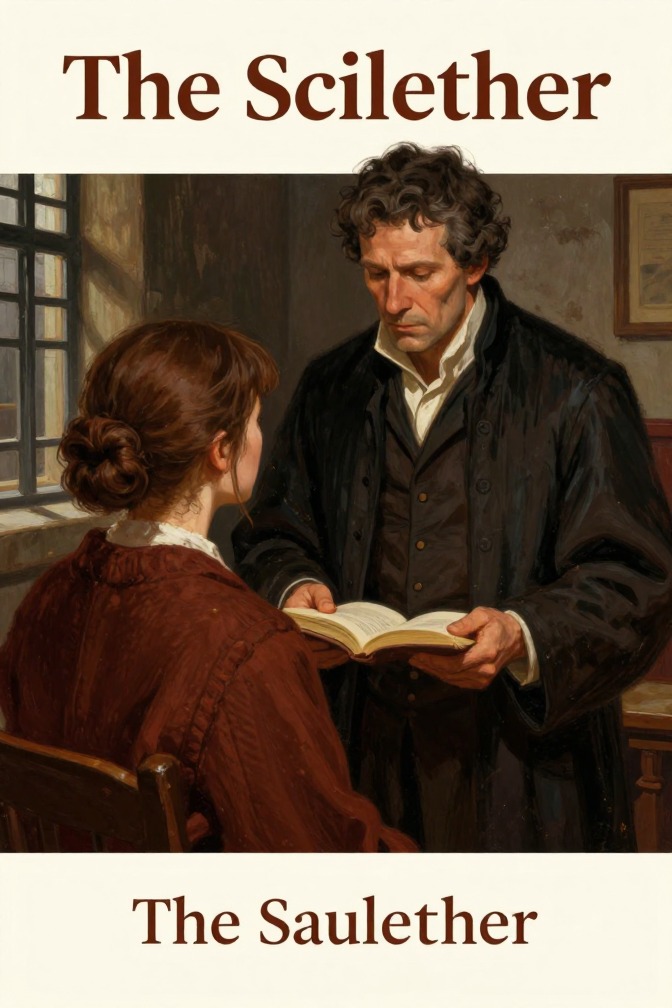
Chillingworth's Interview with Hester in Prison is the first private confrontation between Hester Prynne and her husband, Roger Chillingworth, after her public shaming, during which he extracts a vow of secrecy, reveals his intention to discover her lover, and establishes the terms of his disguised identity as a physician.
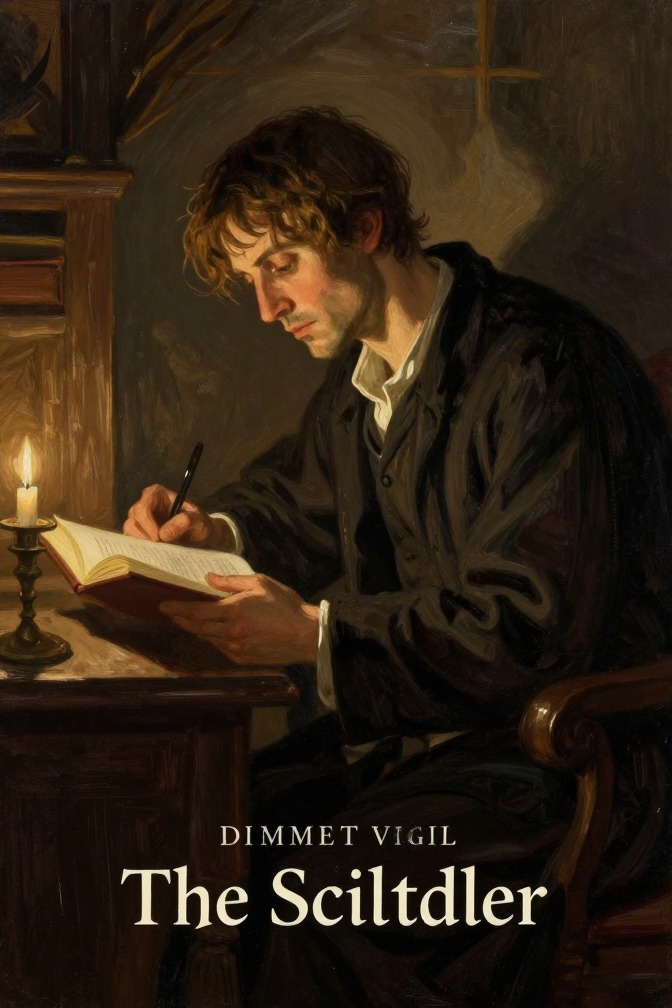
Dimmesdale's Midnight Vigil is a pivotal nocturnal event in which the Reverend Arthur Dimmesdale, driven by unbearable guilt, secretly ascends the scaffold where Hester Prynne was publicly shamed seven years earlier, experiencing a profound psychological crisis, a supernatural meteor, and a reunion with Hester and Pearl that foreshadows his eventual public confession.
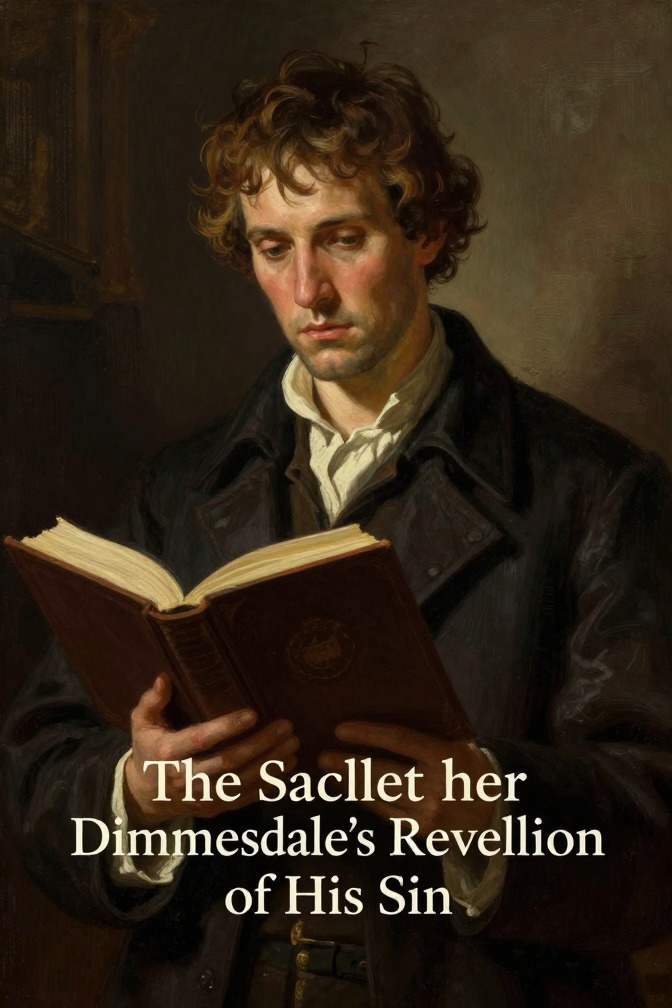
Dimmesdale's Revelation of His Sin is the climactic scene of The Scarlet Letter, in which the Reverend Arthur Dimmesdale, after delivering the Election Sermon, ascends the scaffold, reveals a scarlet letter imprinted on his own breast, confesses his guilt, and dies in Hester Prynne's arms, finally achieving truth and liberation.
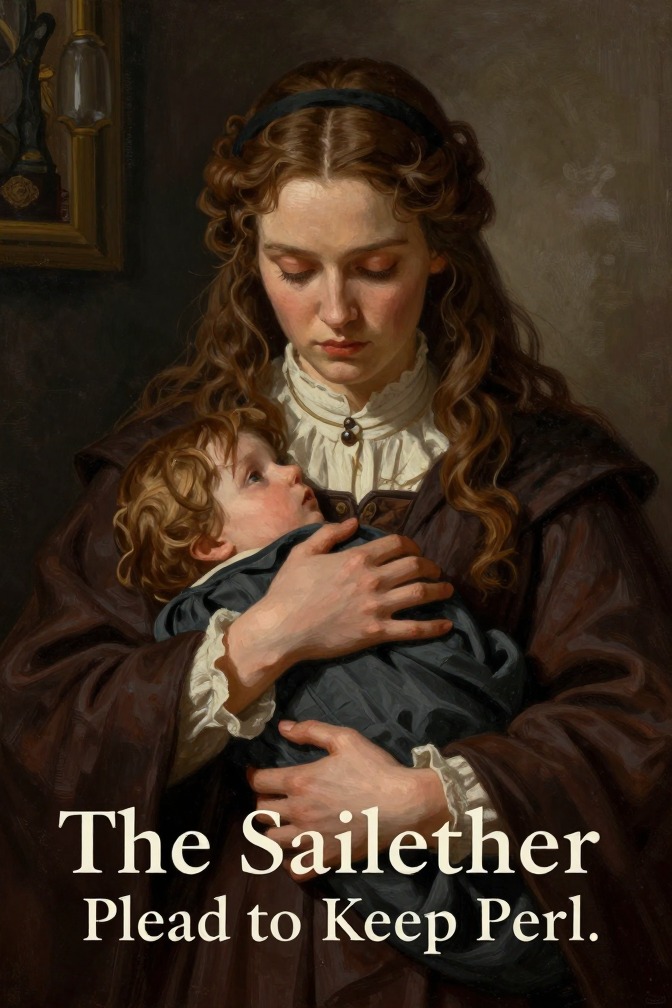
Hester Prynne, facing the threat of losing her daughter Pearl to the Puritan authorities, makes a desperate and impassioned plea before Governor Bellingham, John Wilson, and Arthur Dimmesdale, ultimately securing the child's custody through the minister's unexpected defense.
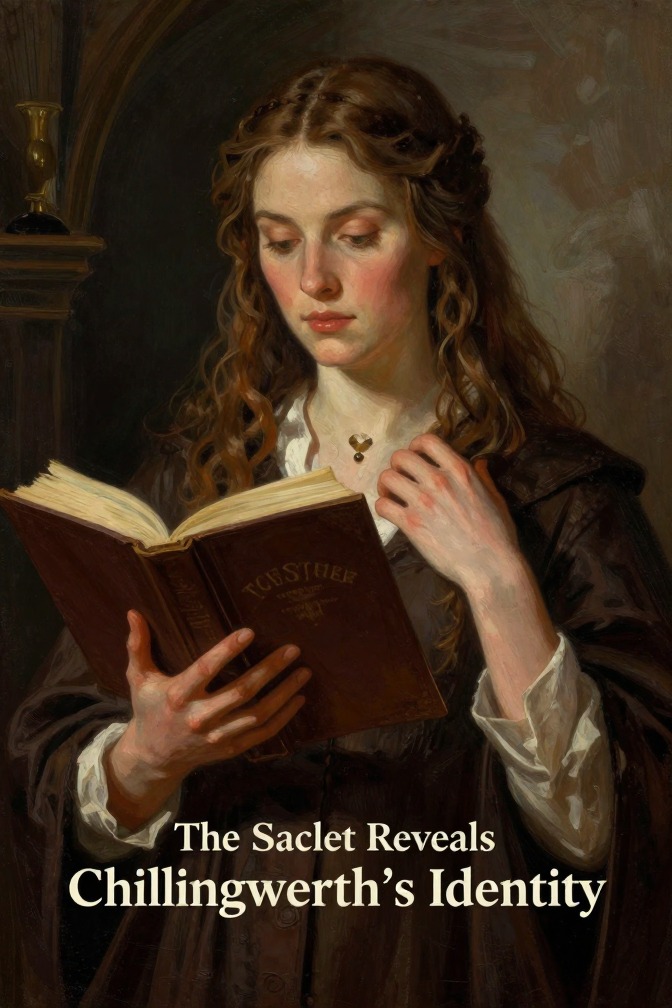
Hester Prynne reveals to Arthur Dimmesdale that Roger Chillingworth, the physician who has insinuated himself into the minister's life, is actually her long-lost husband, a disclosure that shatters Dimmesdale's remaining composure and forces the couple to confront the full extent of Chillingworth's vengeful scheme.
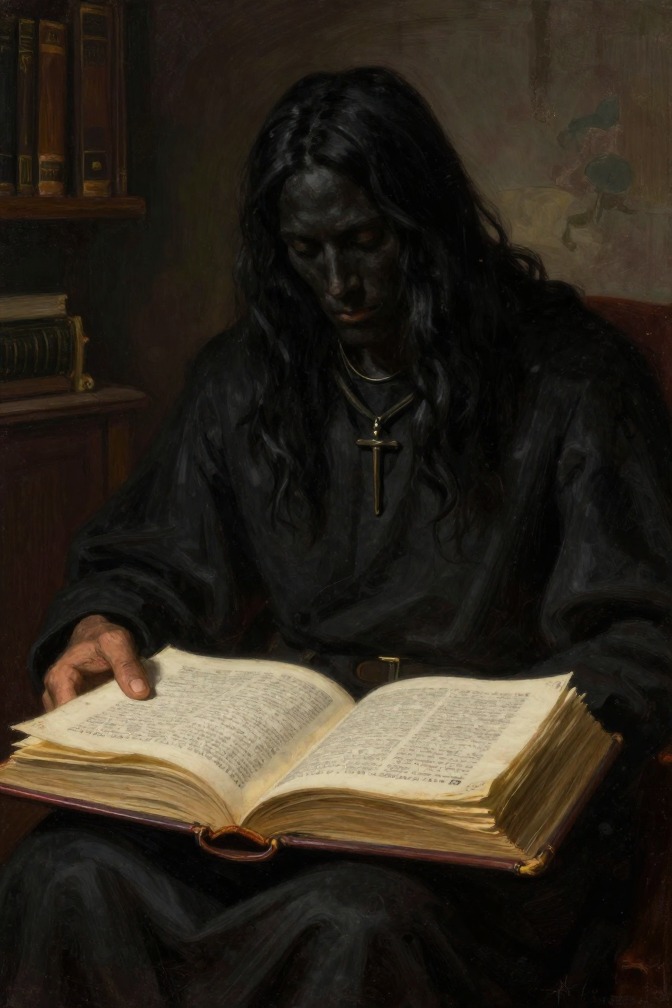
The Black Man's Book is a supernatural ledger in Puritan folklore, symbolizing the pact between sinners and the devil, which appears in the novel as a folkloric motif that Hester Prynne and Arthur Dimmesdale confront, representing the temptation to sign away one's soul and the hidden mark of sin.
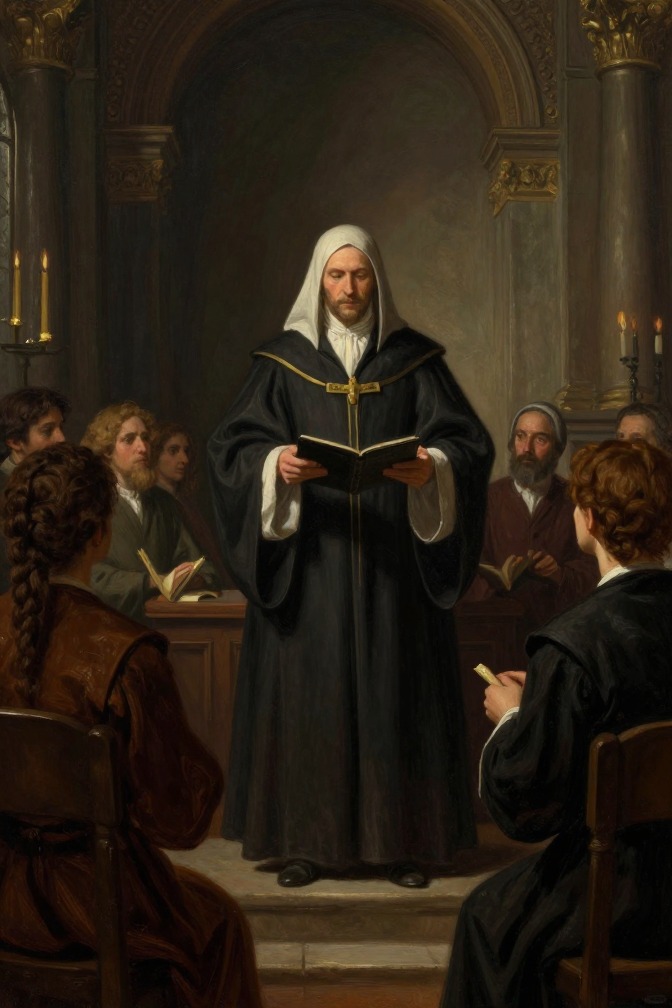
The Election Sermon is the climactic public oration delivered by Arthur Dimmesdale on the day a new governor is installed, an event that becomes the stage for his final, devastating revelation of his own sin and the scarlet letter burned into his flesh.
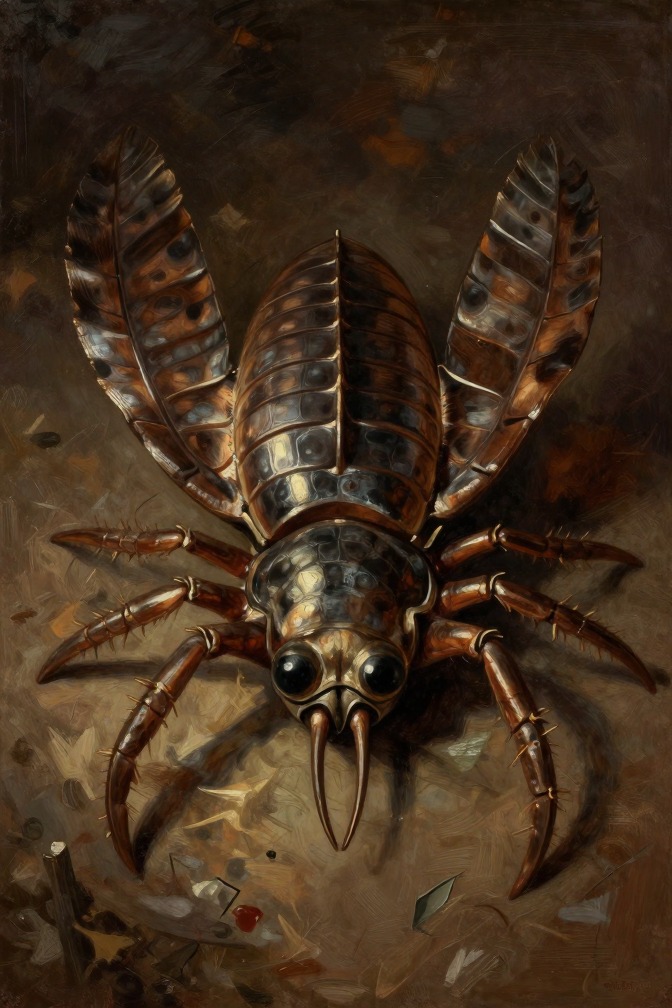
The leech is the epithet for Roger Chillingworth, the physician who systematically torments Arthur Dimmesdale under the guise of medical care, embodying the novel's exploration of revenge, hidden sin, and moral corruption.
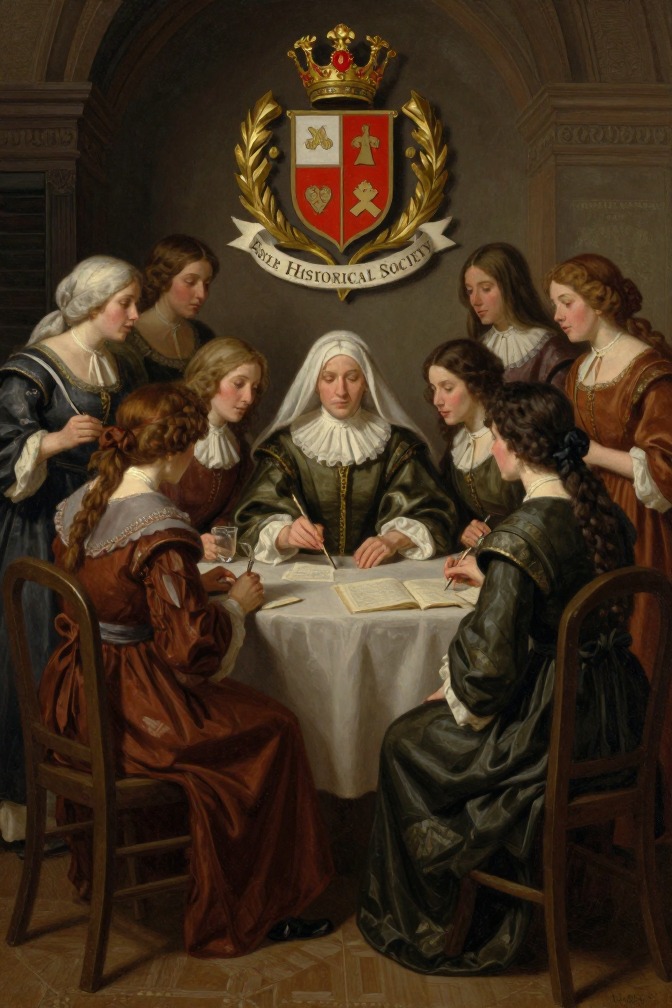
The Essex Historical Society is a scholarly institution mentioned in Nathaniel Hawthorne's "The Scarlet Letter" as the intended repository for the historical documents and artifacts discovered by the narrator in the Custom-House, including the scarlet letter itself and Surveyor Pue's manuscript, thereby serving as a bridge between the fictional narrative and the framework of historical authenticity.
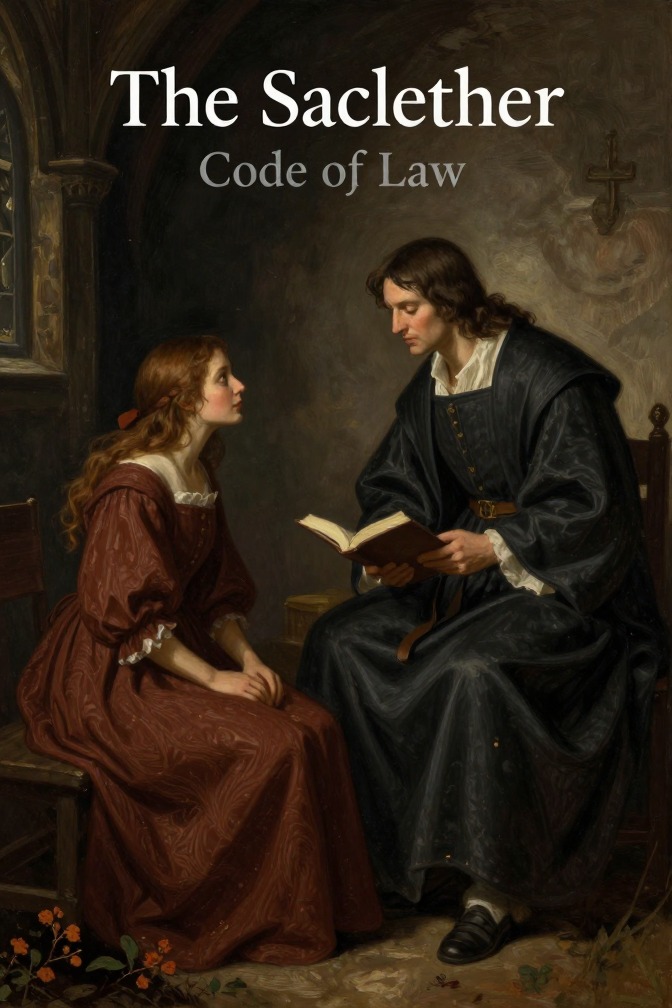
The Puritanic Code of Law in Nathaniel Hawthorne's *The Scarlet Letter* is the rigid, theocratic legal and moral system of seventeenth-century Boston that governs every aspect of public and private life, fusing religious doctrine with civil authority to enforce communal purity through public shaming, severe punishment, and relentless surveillance.
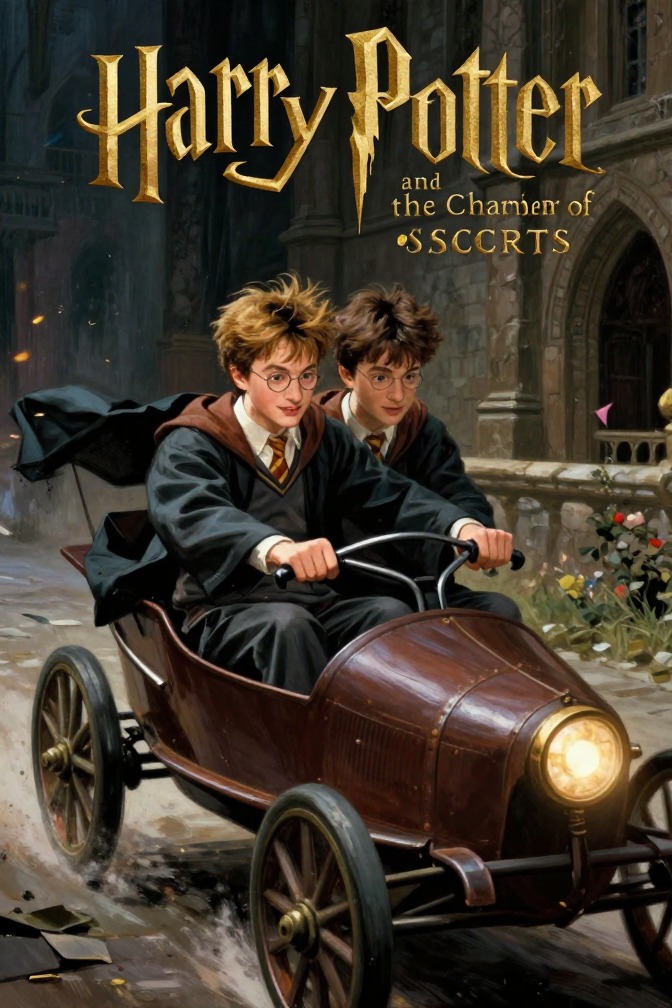
The Flying Car Rescue is the pivotal event in Harry Potter and the Chamber of Secrets where Ron Weasley, along with his twin brothers Fred and George, flies their father's enchanted Ford Anglia to 4 Privet Drive to rescue Harry from the Dursleys' imprisonment. This daring act not only frees Harry from his abusive relatives but also sets off a chain of consequences that includes a crash into the Whomping Willow, a near-expulsion, and the revelation of Arthur Weasley's illegal car enchantment, ultimately shaping the entire second year at Hogwarts.
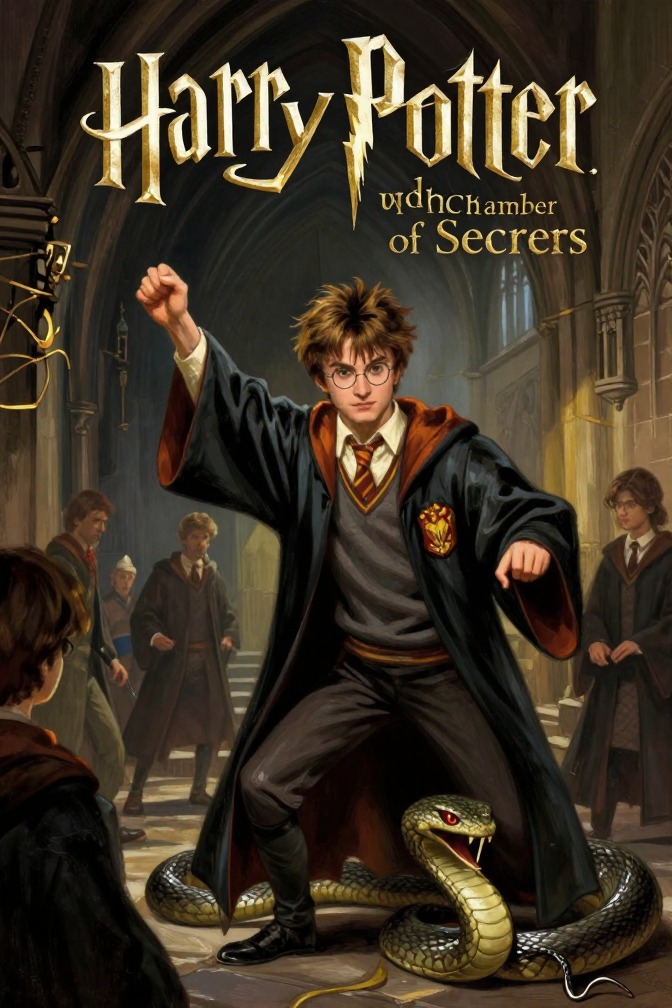
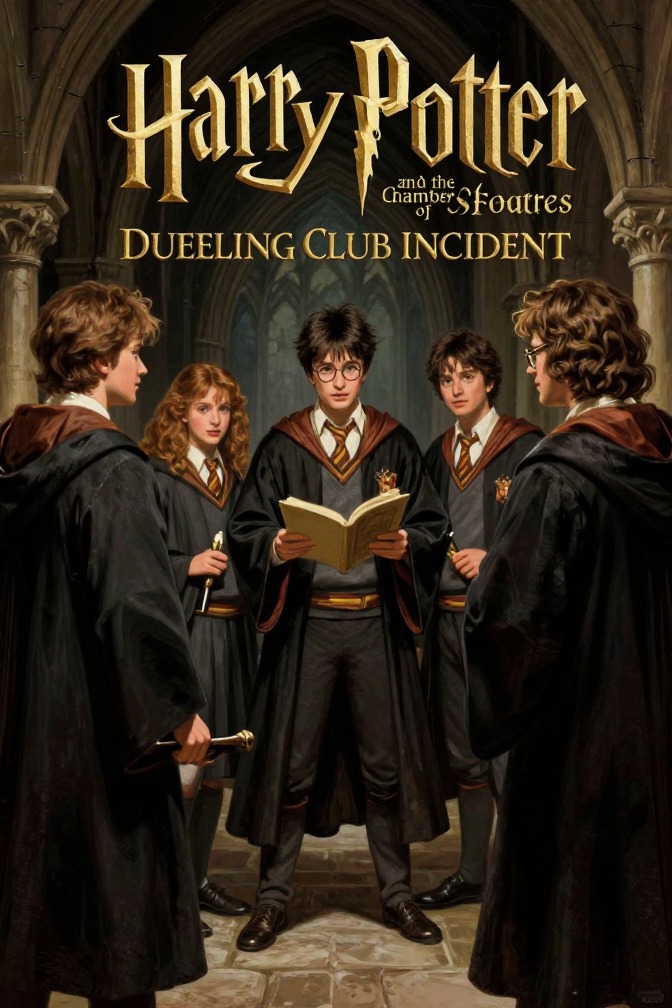
At the Dueling Club, Gilderoy Lockhart's incompetence as a teacher is exposed when he fails to control a snake conjured by Draco Malfoy, leading to a public demonstration of Harry Potter's Parseltongue ability that fuels suspicion he is the Heir of Slytherin.
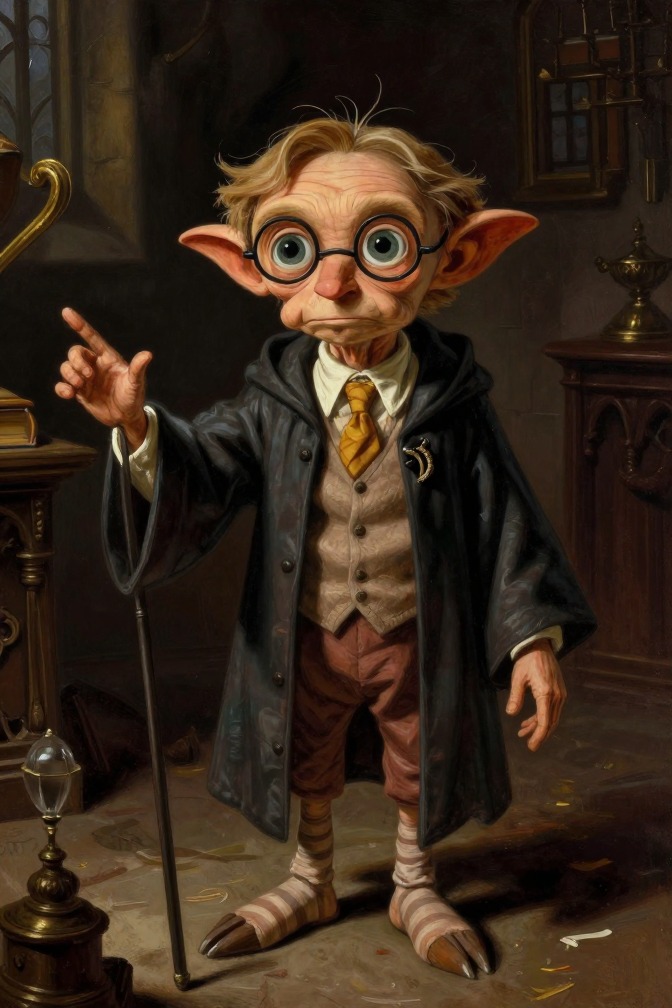
Dobby's Warning is the pivotal event in which the house-elf Dobby appears in Harry Potter's bedroom at 4 Privet Drive to warn him not to return to Hogwarts, revealing a plot to make terrible things happen at the school and confessing that he has been intercepting Harry's letters from his friends.
The Dueling Club Incident is a pivotal event in Harry Potter and the Chamber of Secrets where Gilderoy Lockhart and Severus Snape demonstrate dueling, and Harry Potter inadvertently reveals his Parseltongue ability by commanding a snake, leading to widespread suspicion that he is the Heir of Slytherin.