Bear Island is a remote, cold, and poor island in the northern seas, ruled by House Mormont and sworn to Winterfell. It is the ancestral home of Ser Jorah Mormont, whose dishonor brought shame to the north, and of his father Jeor Mormont, the Lord Commander of the Night's Watch. The island's harsh conditions and its people's fierce loyalty define its narrative significance as a symbol of northern honor, hardship, and the weight of family disgrace.
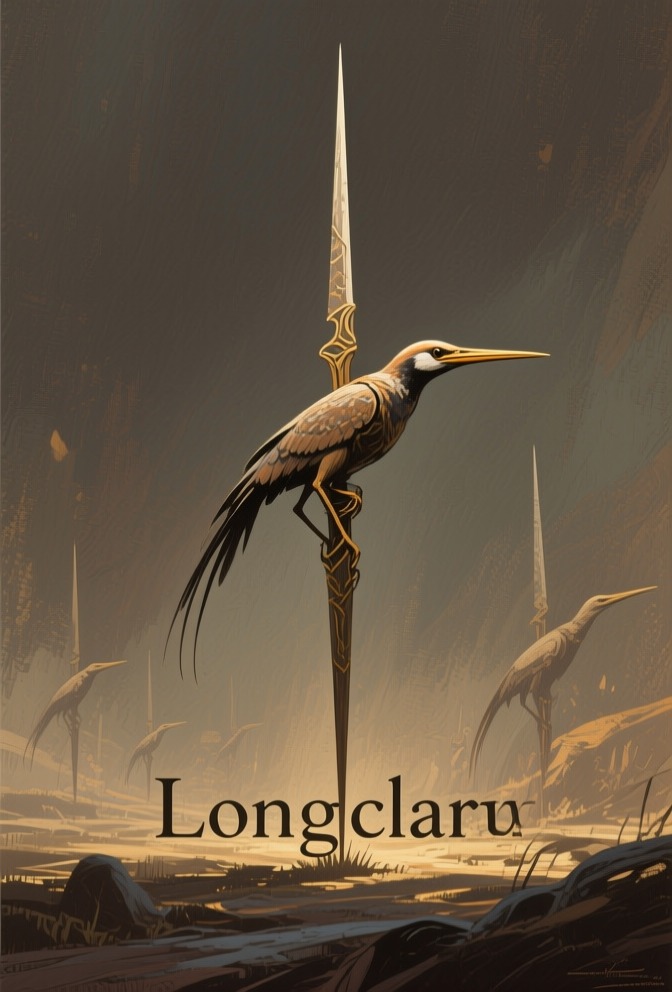
Longclaw is the ancestral Valyrian steel hand-and-a-half sword of House Mormont, given by Lord Commander Jeor Mormont to Jon Snow after Jon saved his life from a wight attack. The blade, originally named Longclaw and passed down through five centuries of Mormont lords, was reforged with a new wolf's-head pommel to suit its new bearer, symbolizing Jon's acceptance into the Night's Watch and his bond with his direwolf Ghost.
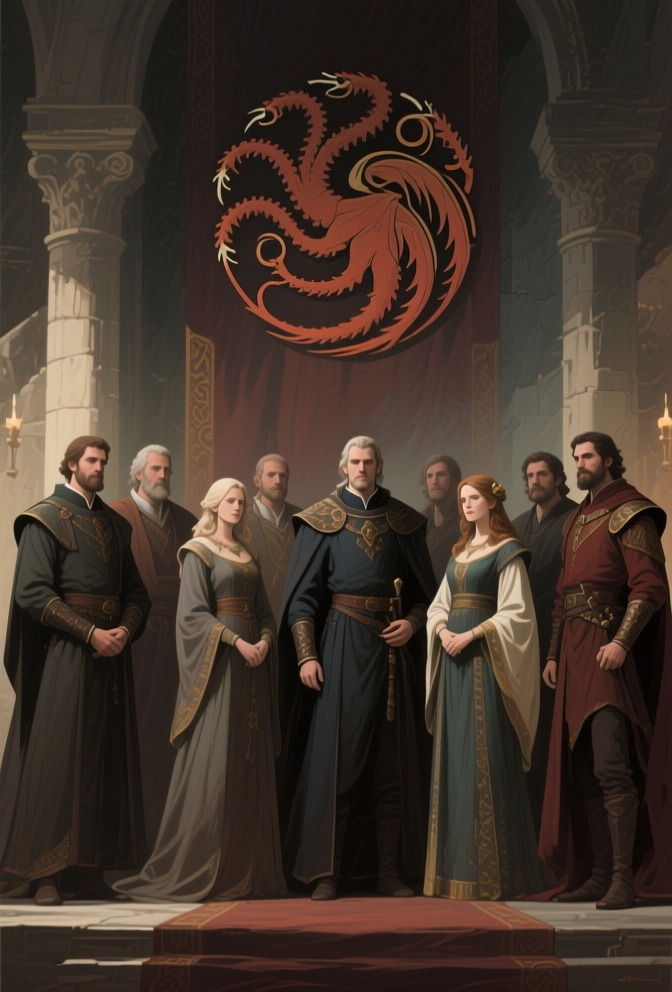
House Targaryen is the deposed royal dynasty of Westeros, whose surviving members—the exiled siblings Viserys and Daenerys—seek to reclaim the Iron Throne through alliance with the Dothraki, while their ancient legacy of dragons, incestuous marriage, and prophetic destiny shapes the story's central conflict over legitimate rule.
Trial by combat is a legal institution in the Seven Kingdoms that allows an accused person to demand judgment by the gods through armed combat, a right invoked by Tyrion Lannister at the Eyrie and referenced in the legal framework surrounding Eddard Stark's execution and other judicial proceedings.
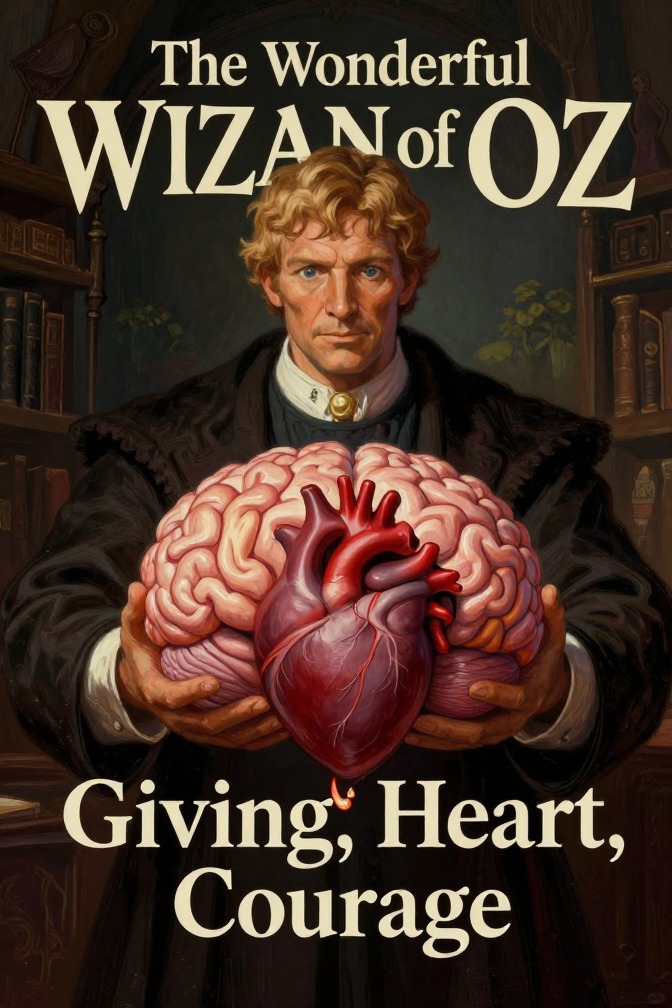
Oz, the Great and Terrible, reveals himself as a humbug and then fulfills his promises to the Scarecrow, the Tin Woodman, and the Cowardly Lion by giving them brains, a heart, and courage, respectively, through a series of symbolic and material acts that satisfy each character's deepest desire.
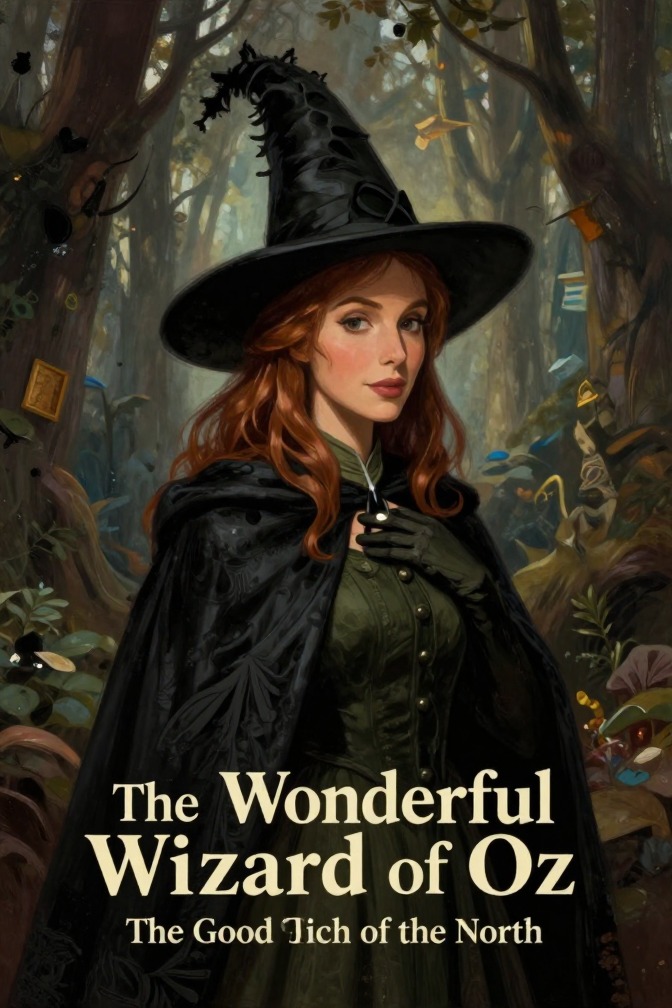
The Good Witch of the North is a benevolent magical figure who appears at the beginning of Dorothy's journey in Oz, providing crucial guidance, protection, and the initial impetus for the quest to the Emerald City.
Ada is a key operative in the Mayday resistance network who orchestrates the escape of Daisy (Nicole) from Toronto after the murder of her adoptive parents, Neil and Melanie. A tough, resourceful woman with a personal history rooted in the borderlands of Gilead, Ada serves as a guide, trainer, and protector, embodying the practical ruthlessness and deep loyalty required to fight the regime from the outside.
Becka, later known as Aunt Immortelle, is a deeply traumatized young woman whose childhood sexual abuse at the hands of her father, Dr. Grove, drives her to a desperate suicide attempt rather than face an arranged marriage. Her story becomes a crucial catalyst for the downfall of Gilead, as her hidden suffering is weaponized by Aunt Lydia to destroy Dr. Grove and to bind Agnes and Nicole together in their escape.
Captain Mishimengo is the stocky, sixty-year-old captain of the cod schooner *Nellie J. Banks*, a vessel operating under a flag of convenience from Lebanon and engaged in grey-market trade. He plays a crucial role in the escape of Agnes Jemima and Nicole from Gilead, transporting them by sea from the Penobscot River toward Canada. A man of few words and practical action, he is connected to the Mayday resistance through Ada and is motivated by a mix of personal history, financial gain, and a willingness to defy Gilead's authority.
Commander Saunders is a minor but pivotal figure in Gilead's elite, whose murder by his Handmaid sets off a scandal that reveals the regime's hidden violence, the complicity of his wife Paula, and the brutal fate of Handmaids who resist.
Garth is a young Texan member of the Mayday resistance who trains Nicole (Daisy) in self-defense and street survival before she infiltrates Gilead as a false convert, and later helps rescue her during the escape to Canada.
Ofkyle, whose original name was Crystal, was the Handmaid assigned to Commander Kyle's household after the death of his first wife, Tabitha. She became pregnant and died in childbirth, delivering a healthy son, Mark, but her own life was sacrificed in the process. Her death and the circumstances surrounding it left a profound and lasting impression on Agnes Jemima, who later discovered Crystal's true name in the Bloodlines Genealogical Archives and never forgot her.
The Lory is a quarrelsome, pedantic bird who appears among the creatures in the Pool of Tears and participates in the Caucus-race, distinguished by its insistence on seniority and its quick offense at Alice's questions.
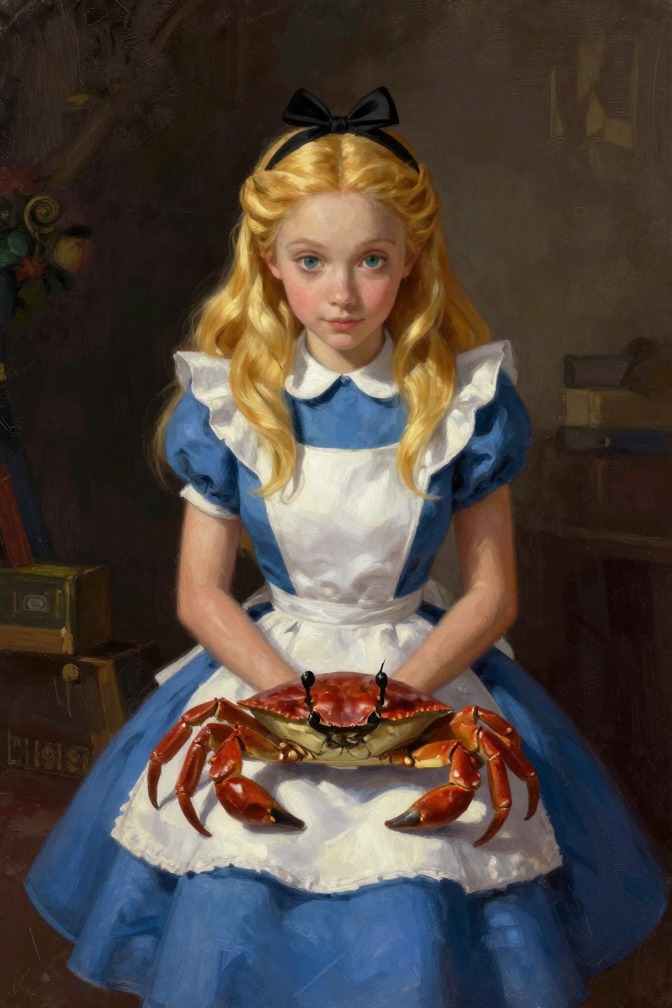
The Old Crab is a minor character in Alice's Adventures in Wonderland who appears briefly during the Caucus-race episode, embodying the pedantic and self-righteous parenting that pervades the absurd logic of Wonderland.
The Crab is a minor character in Alice's Adventures in Wonderland, appearing in two brief but revealing episodes that underscore the arbitrary, illogical, and often absurd nature of Wonderland's social order. In the first, an Old Crab offers a moralizing lesson to her daughter after the Mouse's angry departure, only to be sharply rebuked; in the second, a Crab is among the creatures who, during the trial of the Knave of Hearts, laugh at the King's pun, participating in the chaotic courtroom dynamics. Though the Crab has no individual plot arc, its appearances crystallize the book's themes of generational conflict, the failure of conventional wisdom, and the pervasive madness that governs all interactions in Wonderland.
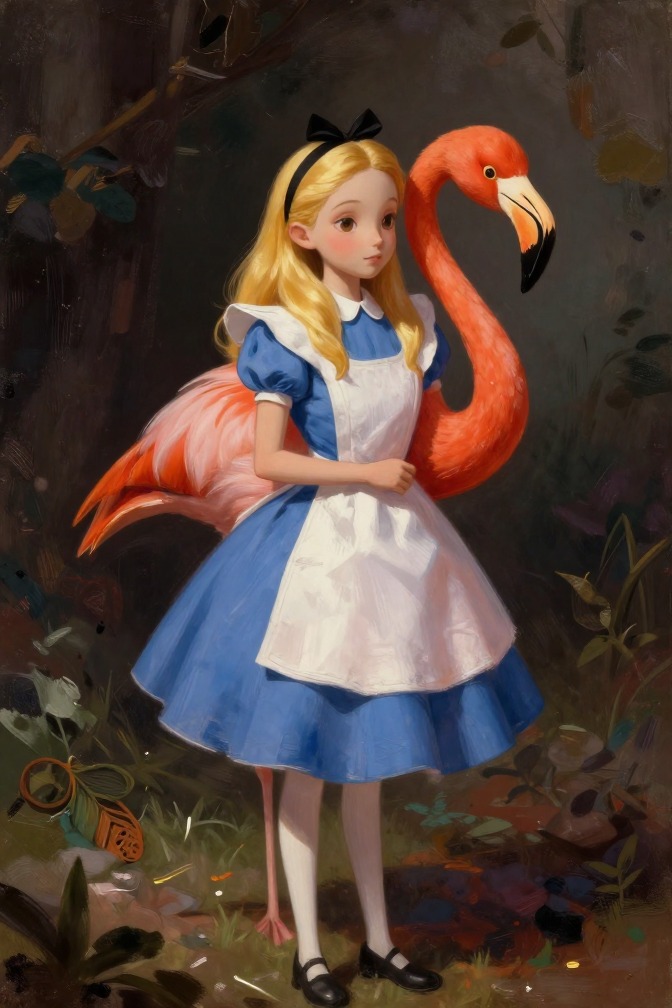
The Flamingo is a living creature used as a mallet in the Queen of Hearts' croquet game, embodying the absurdity and unpredictability of Wonderland's logic through its stubborn refusal to cooperate with Alice.
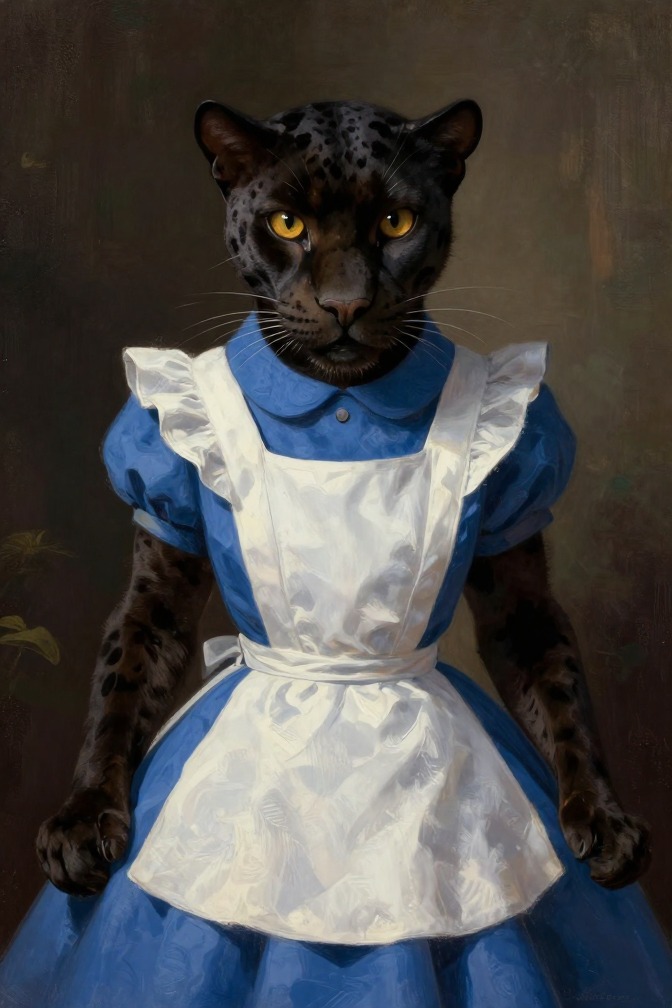
The Panther is a minor but memorable creature in Alice's Adventures in Wonderland, appearing only in the garbled verses Alice recites at the Gryphon's command, where it shares a pie with the Owl in a scene that exemplifies the story's playful distortion of language, logic, and natural order.
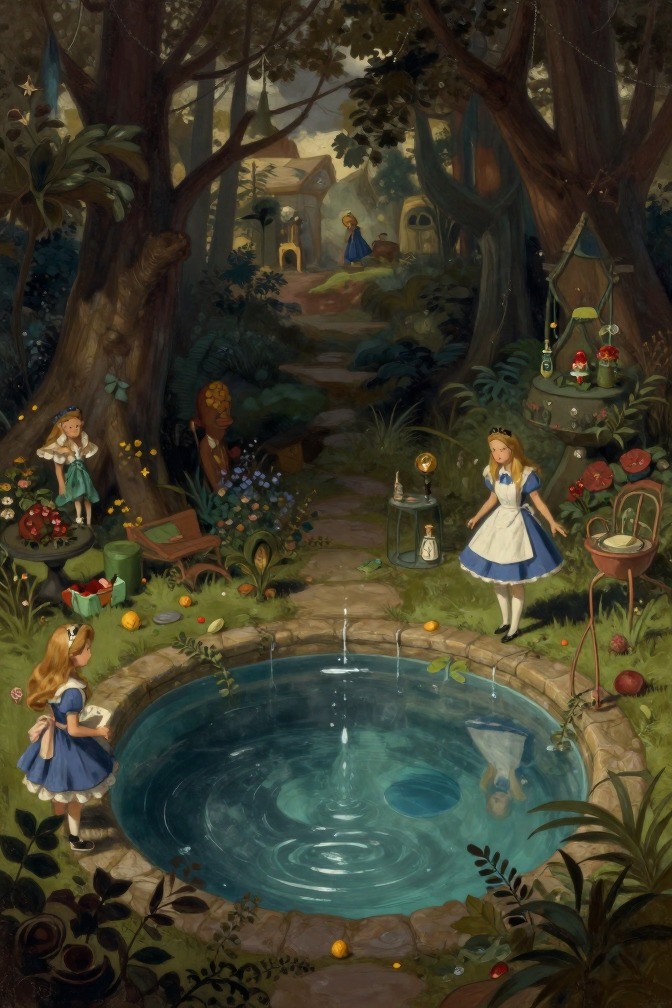
The pool of tears is a saltwater body formed by Alice's own weeping after she grows to nine feet tall, and it becomes the setting for her first sustained encounter with Wonderland's creatures, including the Mouse, Duck, Dodo, Lory, and Eaglet. It marks a crucial early phase of Alice's emotional and physical instability, as her tears literally create the environment she must then navigate, and it introduces the pattern of absurd, rule-governed activities—such as the Caucus-race—that define Wonderland's logic.
The Hatter's watch is a peculiar timepiece that tells the day of the month but not the hour, and its malfunction—stopped at six o'clock forever—is the direct consequence of the Hatter's quarrel with Time himself, making it the central object that explains the Mad Tea-Party's eternal tea-time and the Hatter's mournful, arrested existence.
Dante's Attempt to Climb the Hill is the opening action of the Divine Comedy, in which the protagonist, lost in a dark forest, tries to ascend a sunlit mountain but is driven back by three beasts, precipitating his journey through the afterlife.
Aruns is a soothsayer from Etruscan Luni, punished in the Fourth Bolgia of Malebolge for the sin of attempting to foresee the future, his body twisted backward as a contrapasso for his forward-looking presumption.
Barbariccia is the leader of the Malebranche, the demonic squadron that guards the Fifth Bolgia of Malebolge in Dante's Inferno, where barrators are punished in boiling pitch. He orchestrates the devils' escort of Dante and Virgil across the broken bridge, commands his troop with a grotesque trumpet signal, and later intervenes to prevent the demons from attacking the pilgrims, embodying a disciplined yet monstrous authority within the infernal bureaucracy.
Brunetto Latini, a Florentine scholar and statesman whom Dante revered as a teacher, appears in the Seventh Circle of Hell among the sodomites, where he walks on the burning sand under a rain of fire. Their encounter is one of the most poignant in the Inferno, blending intellectual gratitude with the horror of damnation, and Latini's prophecy of Dante's exile shapes the poet's understanding of his own fate.
Buoso degli Abati is a minor but memorable figure in Dante Alighieri's Inferno, appearing in the seventh Bolgia of the Eighth Circle, where thieves are punished. He is one of five Florentine thieves whom Dante encounters in Canto XXV, and his role is defined by a grotesque metamorphosis: he is transformed into a serpent and then back into human form, embodying the contrapasso of the fraudulent. His presence underscores the poet's condemnation of Florentine corruption and the theme of identity dissolution through sin.
Caiaphas, the high priest who counseled the Pharisees to sacrifice one man for the people, is punished in the Sixth Bolgia of Malebolge among the Hypocrites, crucified to the ground with three stakes and forced to bear the weight of every passing soul.
Calcabrina is one of the Malebranche, the twelve demons who guard the Fifth Bolgia of Malebolge in Dante's Inferno, where barrators are punished by being submerged in boiling pitch. He is notable for his role in the chaotic and violent quarrel among the devils that follows the escape of the sinner Ciampolo, a scene that underscores the demons' own capacity for discord and their ultimate failure as guardians.
Cerberus is the monstrous three-headed dog who guards the Third Circle of Hell, where the gluttonous are punished. As a hybrid beast with red eyes, a black and greasy beard, a large belly, and clawed hands, he embodies the brutal, animalistic nature of divine retribution, rending and flaying the souls submerged in the eternal, filthy rain of hail, snow, and water. His role is not merely to torment but to enforce the contrapasso of the gluttons, who in life were voracious and are now themselves torn apart, their howling mirroring his own barking. Virgil's act of throwing earth into Cerberus's three gullets to quiet him demonstrates the power of reason and divine will over even the most savage infernal guardians, establishing a pattern for how the poets will navigate the rest of Hell.
Constantine is the Roman emperor whose Donation of Constantine is condemned by Dante as the source of the Church's temporal wealth and corruption, and whose reign is invoked as a model of proper imperial authority separate from papal power.
Emperor Trajan is a Roman emperor depicted in the Purgatorio as a model of justice and humility, whose sculpted image on the First Terrace of Purgatory illustrates the virtue of humility through a legendary act of compassion toward a poor widow, and whose soul is later revealed in the Heaven of Jupiter as one of the righteous rulers who, though a pagan, was saved through divine grace.
Ephialtes is a giant from classical mythology whom Dante and Virgil encounter in the frozen ninth circle of Hell, where he is bound in chains as punishment for his rebellion against the gods. His presence underscores the theme of prideful defiance against divine authority and the ultimate futility of such rebellion.