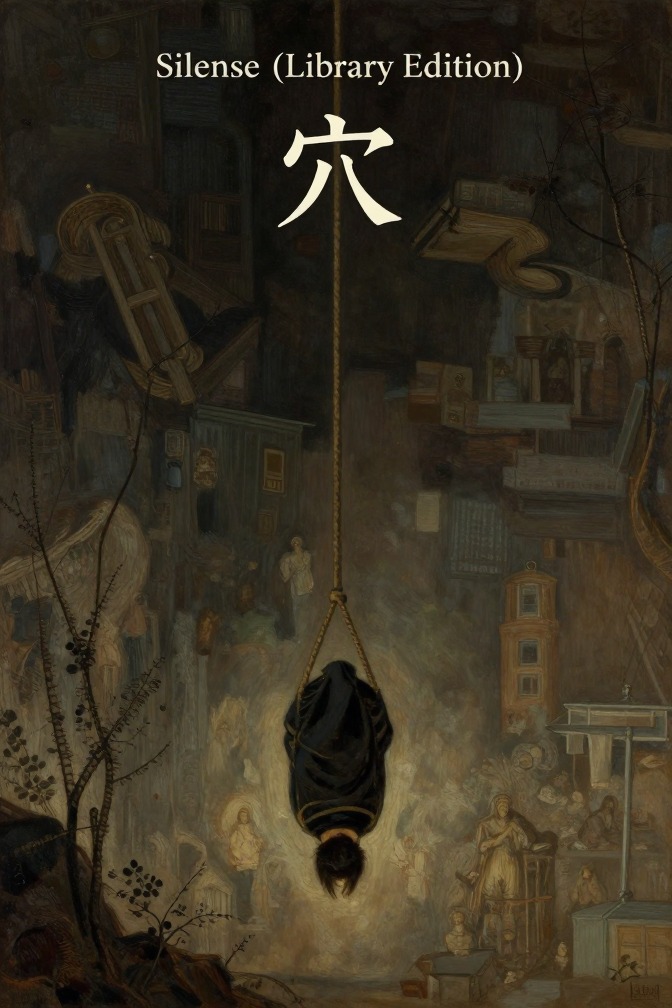
The pit torture (ana-tsurushi) is the most feared and effective method of inducing apostasy employed by the Tokugawa Shogunate against Christians in 17th-century Japan, a technique that physically breaks the body while psychologically exploiting the victim's compassion for fellow sufferers, ultimately leading to the apostasy of both Christovao Ferreira and Sebastian Rodrigues.
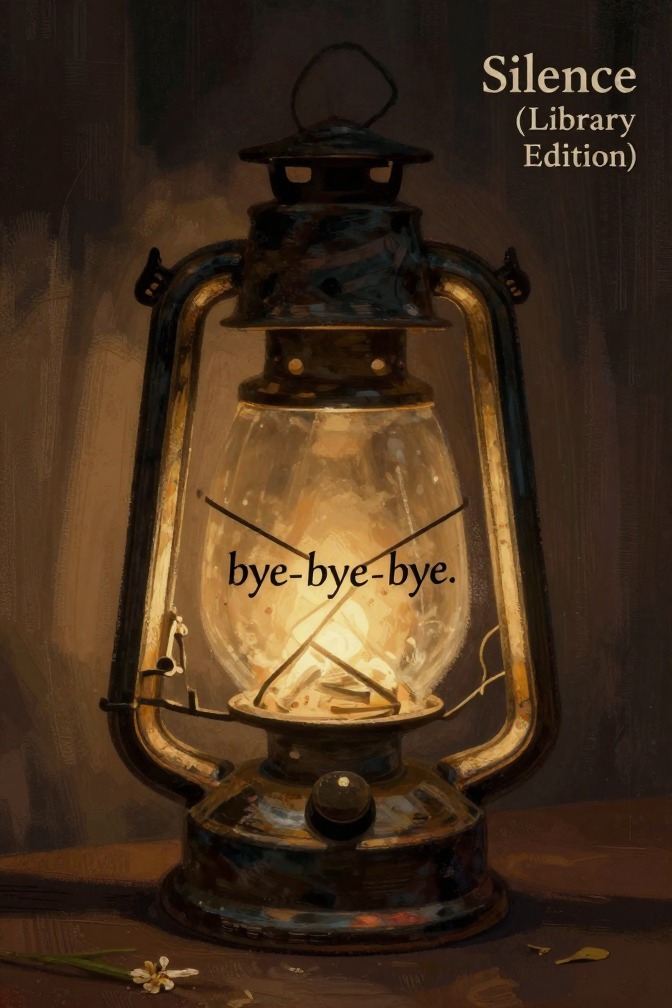
The children's song 'O lantern, bye-bye-bye' is a recurring motif in Shusaku Endo's novel Silence, sung by children during the Urabon (Bon Festival) in Nagasaki. Its plaintive melody and lyrics about the withering of a hand that throws a stone at a lantern echo the novel's central themes of suffering, silence, and the persistence of faith amidst persecution.
Inoue, the Lord of Chikugo, uses the metaphor of 'the persistent love of an ugly woman' to characterize the Christian mission in Japan as an unwanted, burdensome imposition that the country, like a man, finds intolerable and ultimately rejects.
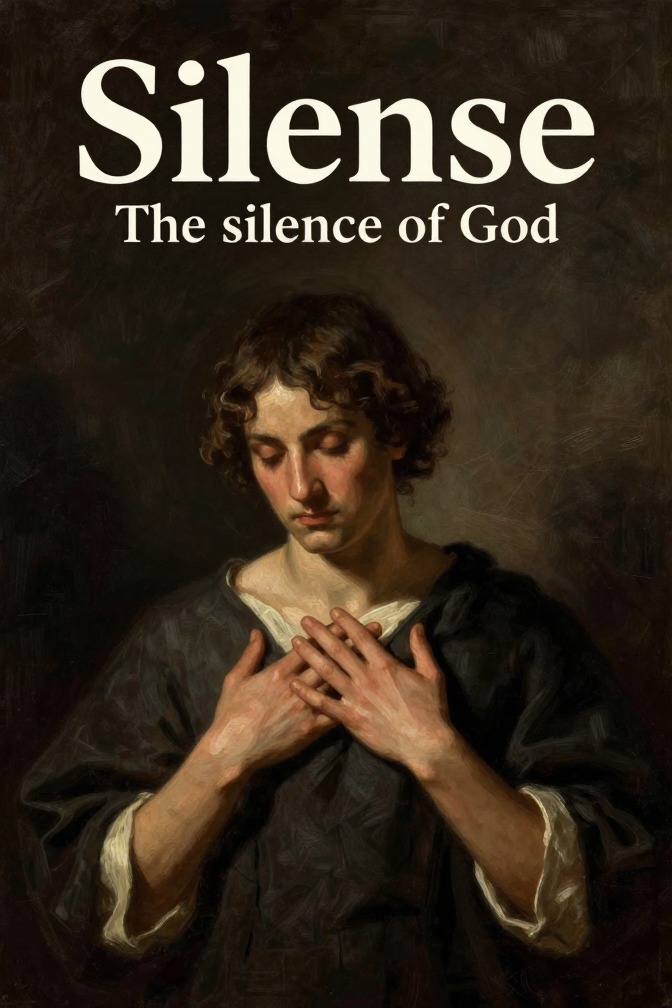
The silence of God is the central theological and existential crisis in Shusaku Endo's novel Silence, representing the perceived absence of divine response to the suffering of Japanese Christians and missionaries during the Tokugawa persecution. This silence becomes the primary source of doubt and anguish for the protagonist, Sebastian Rodrigues, and ultimately shapes his understanding of faith, love, and the nature of Christ.
The swamp of Japan is a central metaphor in Shusaku Endo's novel Silence, representing the cultural and spiritual environment that absorbs, distorts, and ultimately destroys the transplanted sapling of Western Christianity. The phrase is first articulated by the apostate missionary Christovao Ferreira, who tells Sebastian Rodrigues that Japan is a swamp where the roots of Christianity rot and the leaves wither. It is later echoed by the persecutor Inoue, who declares that Rodrigues was not defeated by him but by the swamp itself. The metaphor encapsulates the novel's core thesis: that a Hellenized, Western form of Christianity cannot take root in Japan's cultural soil, and that the faith must adapt radically or perish.
Arima is a location in Kyushu, Japan, that served as a major center for Jesuit missionary activity during the Christian century, hosting a seminary and witnessing large-scale conversions before the Tokugawa persecution eradicated its Christian community.
Dozaki is a village on the Goto Islands where Sebastian Rodrigues ministered to hidden Christians, and it exemplifies the tension between Western Christianity and Japanese culture that Shusaku Endo explores in Silence.
Kobinatacho is the Edo district where Inoue arranges for Sebastian Rodrigues to live after his apostasy, a house that once belonged to Inoue himself, symbolizing Rodrigues' final absorption into Japanese society and his permanent separation from his former life as a missionary.
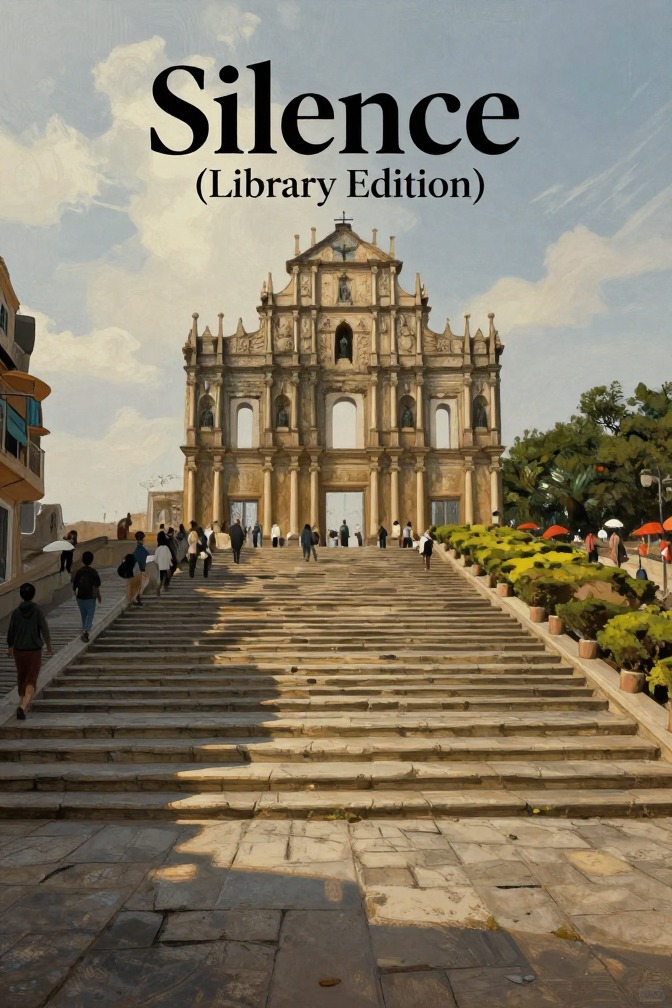
Macao is the Portuguese colonial port city in southern China that serves as the final staging ground for Sebastian Rodrigues and Francisco Garrpe before their secret mission to Japan, and it functions throughout the novel as a symbol of the institutional Church's distance from the brutal realities of the Japanese mission field.
Muryoin Temple is the Buddhist temple in Koishikawa, Edo, where the remains of the apostate priest Sebastian Rodrigues—known in Japan as Okada San'emon—were cremated and interred after his death in 1680, marking the final disposal of a body that the Tokugawa authorities had kept under surveillance for thirty years.
The Prison of Suzuda in Omura was a notorious detention facility used by the Tokugawa Shogunate to hold captured Christian missionaries and believers during the persecution of Christianity in Japan. It was a place of extreme physical and psychological suffering, where prisoners were subjected to harsh conditions, torture, and the relentless pressure to apostatize. The prison symbolizes the brutal effectiveness of the state's campaign to eradicate Christianity and the profound crisis of faith it induced in its victims, most notably the missionary Sebastian Rodrigues, who was held there before his own apostasy.
The River Tagus is the river in Portugal from which the Indian fleet carrying Sebastian Rodrigues, Francisco Garrpe, and Juan de Santa Marta departed on March 25, 1638, setting out on their missionary journey to Japan. Its waters mark the point of departure from Europe and the beginning of the arduous sea voyage that would take them around Africa to India and ultimately to the persecuted Christian communities of Japan.
Shimabara is the site of the 1637–1638 Shimabara Rebellion, a catastrophic uprising of oppressed Christian peasants and ronin against the Tokugawa shogunate, which was brutally suppressed and led to the final closure of Japan to the outside world. In Shusaku Endo's novel *Silence*, Shimabara functions as a historical and symbolic pivot: the rebellion's aftermath justifies the regime's intensified persecution of Christians, deepens the despair of the missionaries, and becomes a key reference point for the argument that Christianity cannot take root in the 'swamp' of Japan.
The Study is a recurring interior space in Shusaku Endo's novel *Silence*, serving as the site of Sebastian Rodrigues's most intense private meditations, his confrontation with the face of Christ, and his eventual apostasy. It is both a physical location within the magistrate's compound and a symbolic arena where the priest's faith is tested, his identity dissolved, and his relationship with the divine redefined through the act of trampling the fumie.
The amulet-case is a small container worn around the neck that becomes a crucial piece of evidence in the surveillance of the Christian Residence in Edo, revealing the persistence of hidden faith among the apostate priests' attendants and triggering a wave of investigations and tortures.
The hut is a central object in Shusaku Endo's *Silence*, serving as the primary hiding place for the priests Sebastian Rodrigues and Francisco Garrpe during their underground mission in Japan. More than a mere shelter, the hut becomes a charged space that concentrates the physical hardships, psychological strain, and spiritual crises of the missionaries, and its successive transformations—from a concealed refuge to a dismantled hiding spot to a remembered site of loss—trace the arc of the priests' doomed enterprise.
The letter is a central narrative device in Shusaku Endo's Silence, serving as the primary medium through which the protagonist Sebastian Rodrigues documents his journey, his observations of the Japanese Christian community, and his internal spiritual crisis. The letters, addressed to his superiors and fellow clergy in Europe, function as both a historical record and a confessional space, revealing the gradual erosion of Rodrigues' faith and his confrontation with the silence of God.
The palanquin is a recurring object in Shusaku Endo's novel *Silence*, serving as a vehicle of transport, a symbol of the protagonist's loss of agency, and a marker of the shifting power dynamics between the Japanese authorities and the captive Portuguese priest Sebastian Rodrigues.
The Christian Residence in Edo was the institution where the apostate Portuguese priest Sebastian Rodrigues, renamed Okada San'emon, was confined for the last thirty years of his life, serving as a controlled site of surveillance, forced labor, and the state's final victory over Christianity in Japan.
The Society of Jesus (Jesuits) is the Catholic religious order that organized the mission to Japan, sent missionaries like Christovao Ferreira, Sebastian Rodrigues, and Francisco Garrpe, and whose efforts were ultimately defeated by persecution and the cultural 'swamp' of Japan, leading to the apostasy of its leaders and the transformation of its teachings.
Kichijiro's relationship with his family is defined by his apostasy during their collective martyrdom, an act that severs him from them and becomes the haunting secret that drives his cowardice, his betrayals, and his desperate, repeated returns to the sacraments throughout the novel.
The relationship among Kichijiro, Mokichi, and Ichizo is a central moral and emotional triangle in the novel, contrasting the weak apostate with two steadfast martyrs and exposing the cruel lottery of persecution that separates the strong from the weak.
The Inoue-Ferreira relationship is the central axis of apostasy in Shusaku Endo's Silence, defining the psychological and theological defeat of the Christian mission in Japan. Inoue, the magistrate who once sought Christian baptism, becomes the architect of Ferreira's collapse, and their bond—built on Inoue's cunning patience and Ferreira's broken submission—serves as the template for Rodrigues's own fall.
The relationship between Sebastian Rodrigues and Omatsu, a widow from the village of Tomogi, is defined by her unwavering practical support and devotion during his time in hiding, which contrasts with the broader cultural and theological tensions of the novel. Omatsu, along with her niece Sen, provides food and care to Rodrigues and Francisco Garrpe, and later demonstrates profound loyalty during the martyrdom of Mokichi and Ichizo, embodying the simple, enduring faith of the Japanese peasants.
The fumie test was a state-mandated ritual in Tokugawa Japan requiring suspected Christians to trample on an image of Christ or the Virgin to prove their apostasy, serving as the regime's primary instrument of religious surveillance and the central moral crisis of the novel.
The Ninth Year of Enpo (1681) marks the death of Okada San'emon, the former Portuguese priest Sebastian Rodrigues, after decades of enforced residence in Edo, concluding his long arc of apostasy and quiet endurance under Tokugawa surveillance.
Christmas is a recurring liturgical feast in the novel, celebrated by the secret Christian communities in Japan as a marker of their hidden faith and as a time of clandestine worship, prayer, and communal gathering despite the threat of persecution.
The year 1579 marks the first visit of Alessandro Valignano to Japan, a pivotal moment in the Christian mission that shaped the country's religious landscape and set the stage for the conflicts depicted in Shusaku Endo's novel.
July 24, 1587, marks the moment when the Japanese regent Toyotomi Hideyoshi, in a sudden and violent rage, issued an expulsion decree against Christian missionaries, a pivotal act that initiated the systematic persecution of Christianity in Japan and set the stage for the century of suffering, apostasy, and cultural conflict depicted in Shusaku Endo's novel.
The year 1637 marks the pivotal moment when the three young Portuguese priests—Sebastian Rodrigues, Francisco Garrpe, and Juan de Santa Marta—finally receive permission from their Superiors to embark on a dangerous secret mission to Japan, driven by the need to investigate the rumored apostasy of their revered teacher Christovao Ferreira and to minister to the persecuted Christians there.