The Gulf of Suez is the northernmost arm of the Red Sea, a narrow body of water that separates the Sinai Peninsula from the African mainland and serves as the maritime gateway to the Suez Canal. In Twenty Thousand Leagues Under the Sea, it is the site of the Nautilus's final approach to the Arabian Tunnel, the underwater passage that Captain Nemo discovered connecting the Red Sea to the Mediterranean. The gulf is also the location where the captain reveals his knowledge of the biblical crossing of the Israelites and where the Nautilus, after passing the signal light of Suez, submerges to enter the tunnel, marking a pivotal transition in the voyage from the Indian Ocean to European waters.
The Gulf Stream is a powerful, warm ocean current that functions as a distinct river within the Atlantic, playing a central role in the Nautilus's northward journey, the novel's climatic storm, and the thematic exploration of nature's overwhelming force and the interconnectedness of global systems.
The Cape of Good Hope is a major geographical landmark in the southern Atlantic Ocean, repeatedly referenced in Twenty Thousand Leagues Under the Sea as a navigational waypoint, a boundary between oceans, and a symbolic threshold separating the known world from the unknown polar and southern seas. It marks the southern tip of Africa and serves as a crucial point of passage for ships traveling between the Atlantic and Indian Oceans.
Cape Ras Mohammed is the southernmost tip of the Sinai Peninsula, a prominent headland that separates the Gulf of Suez from the Gulf of Aqaba. It serves as a key geographical landmark in the Red Sea, marking the entrance to the Strait of Jubal and the Gulf of Suez, and is closely associated with the biblical Mount Sinai. The Nautilus passes this cape during its journey through the Red Sea, and it is also the site where Captain Nemo makes a dramatic claim of sovereignty over the South Pole, linking the cape to themes of exploration and dominion.
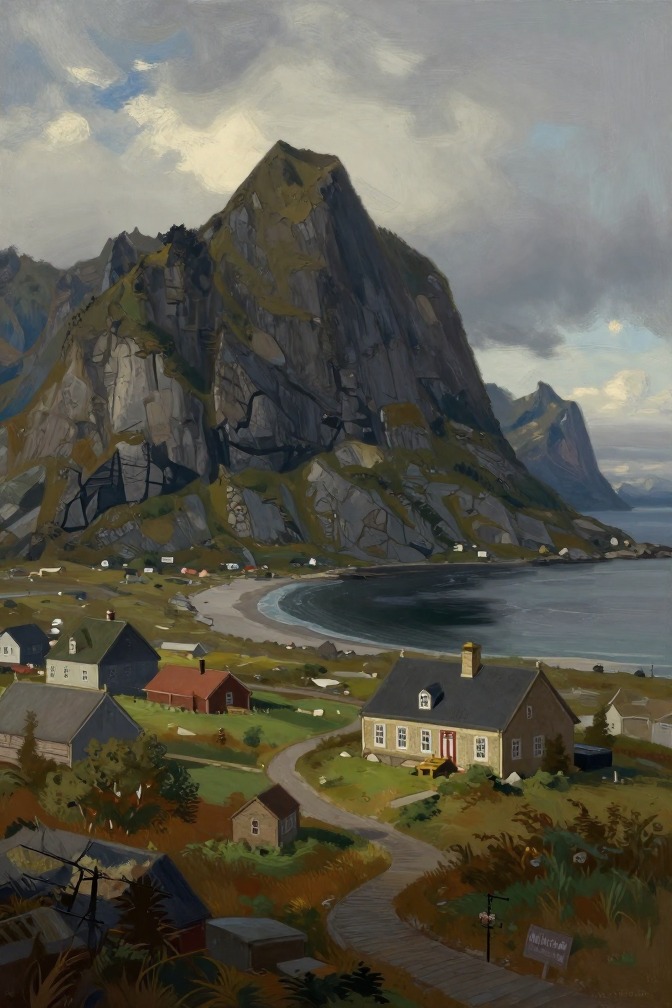
The Lofoten Islands, a Norwegian archipelago off the northwestern coast of Norway, serve as the final refuge for Professor Pierre Aronnax, Conseil, and Ned Land after their harrowing escape from the Nautilus and the Maelstrom. This remote and rugged location, known for its treacherous waters and dramatic peaks, becomes the site where the three men are rescued by local fishermen and where Aronnax composes the narrative of their ten-month, 20,000-league underwater voyage, bringing the story to its conclusion.
The Indian Ocean is the third major body of water traversed by the Nautilus during its underwater tour of the world, serving as the setting for some of the most dramatic and revealing episodes of the voyage, including the shark attack at the Ceylon pearl fisheries, the passage through the Arabian Tunnel, and the discovery of the sunken treasure in the Bay of Vigo. It is within this ocean that Captain Nemo's complex character—his bravery, his philanthropy, and his implacable hatred—is most starkly illuminated, and where the Nautilus's unique capabilities are demonstrated through both natural wonders and human history.
The Kuroshio, also known as the Black Current, is a powerful warm ocean current in the Pacific that serves as the Nautilus's first major navigational route after its departure from Japanese waters, marking the beginning of the underwater voyage and providing a vivid setting for the initial display of the submarine's capabilities and the wonders of the deep.
Long Island, a narrow island off the coast of New York, serves as the final geographical marker of the civilized world that the Nautilus approaches before Captain Nemo's climactic act of vengeance and the protagonists' desperate escape. It is the last landmass sighted by Professor Aronnax before the Nautilus plunges into a devastating storm and then sinks a warship, marking the irreversible rupture between Nemo and humanity.
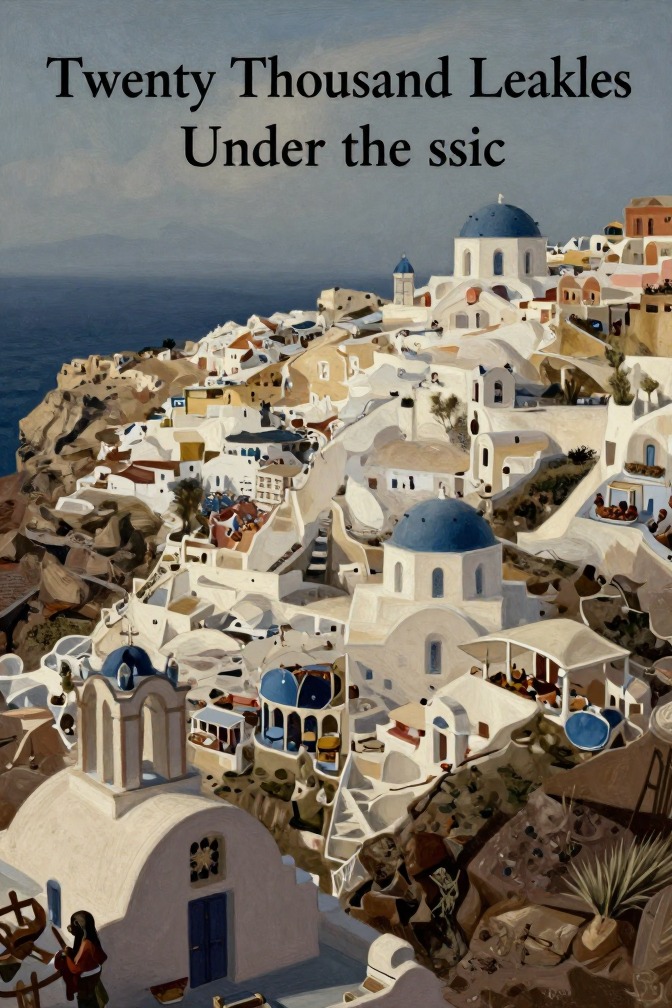
Santorini, the volcanic Greek island in the Aegean Sea, serves as the setting for one of the Nautilus's most dramatic and scientifically revealing episodes, where Captain Nemo demonstrates his intimate knowledge of submarine volcanic processes and his willingness to expose his passengers to extreme natural phenomena.
Timor is a large island in the Malay Archipelago that the Nautilus passes in the Timor Sea on January 13, 1868, during its journey from the Torres Strait toward the Indian Ocean. The island is notable for its rajahs, who claim descent from crocodiles, and for the brief glimpse Professor Aronnax gets of it as the chief officer takes his noon sighting. The Nautilus's passage near Timor marks a key navigational point as the vessel turns southwest toward the Indian Ocean, and the island's association with sacred crocodiles and its women's reputation for beauty in Malaysian markets are mentioned in passing.
Imprisonment is the central, defining condition of the three protagonists aboard the Nautilus, transforming them from honored guests into permanent captives and driving the novel's core tension between scientific wonder and the longing for freedom.
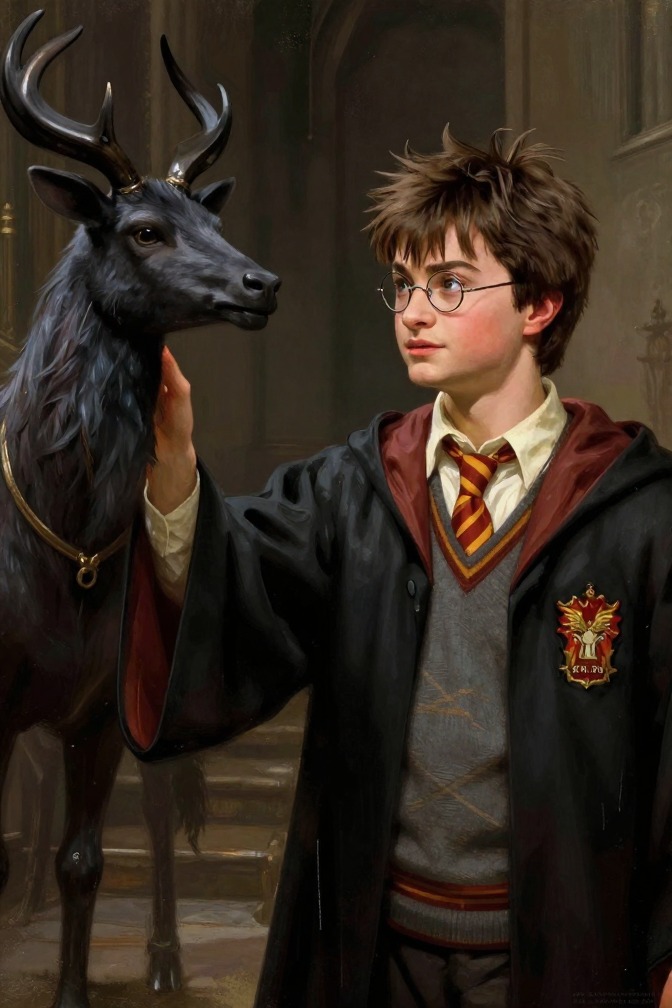
Harry Potter conjures the stag Patronus, a fully materialized silver stag, during the climax of the third year, an act that simultaneously saves Sirius Black, Hermione Granger, and himself from a mass Dementor attack and reveals that the figure he glimpsed across the lake was not his dead father but his own future self, completing a closed time loop and confirming his identity as the true heir of his father's Animagus form, Prongs.
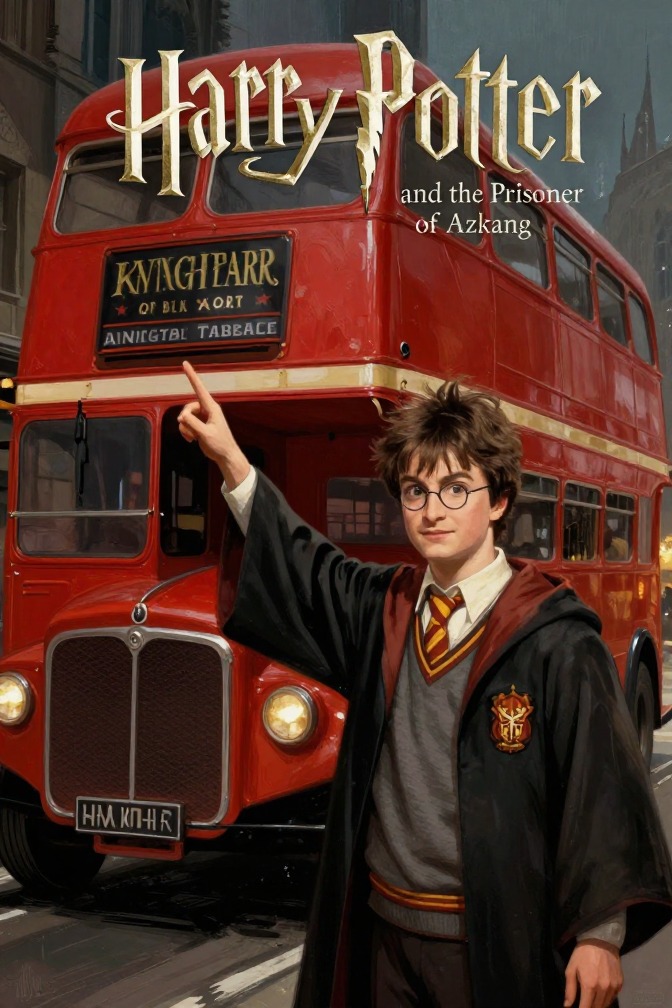
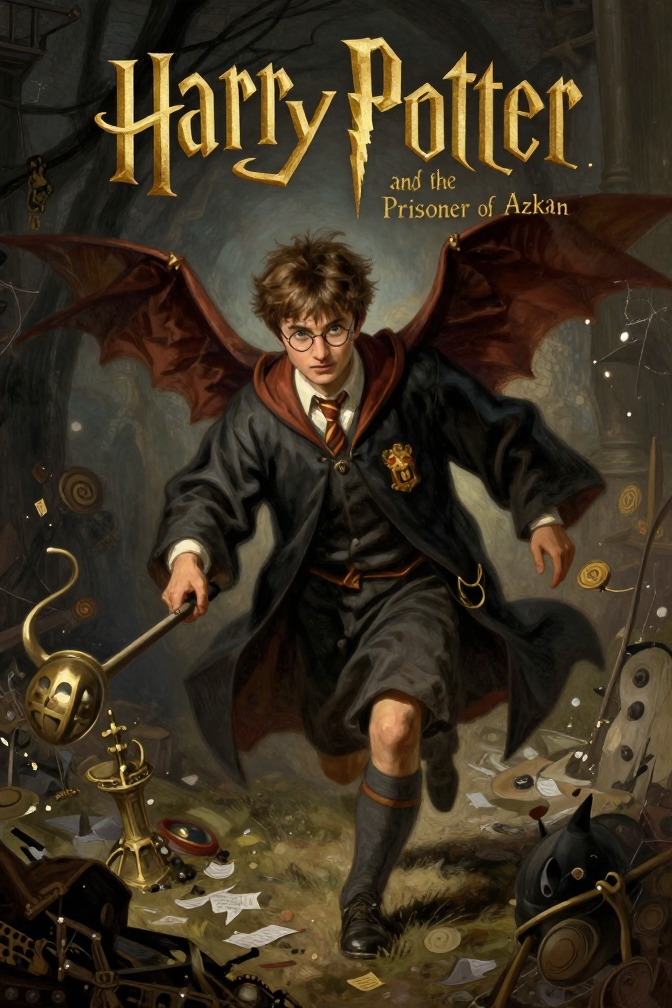
After inflating his Aunt Marge and fleeing the Dursleys' home, Harry Potter, stranded and alone in the Muggle world, flags down the Knight Bus, a magical triple-decker emergency transport for stranded witches and wizards, which takes him to London and the Leaky Cauldron, setting in motion a chain of events that reveals the Ministry of Magic's unusual leniency toward him and the true reason for his newfound freedom: Sirius Black's escape from Azkaban.
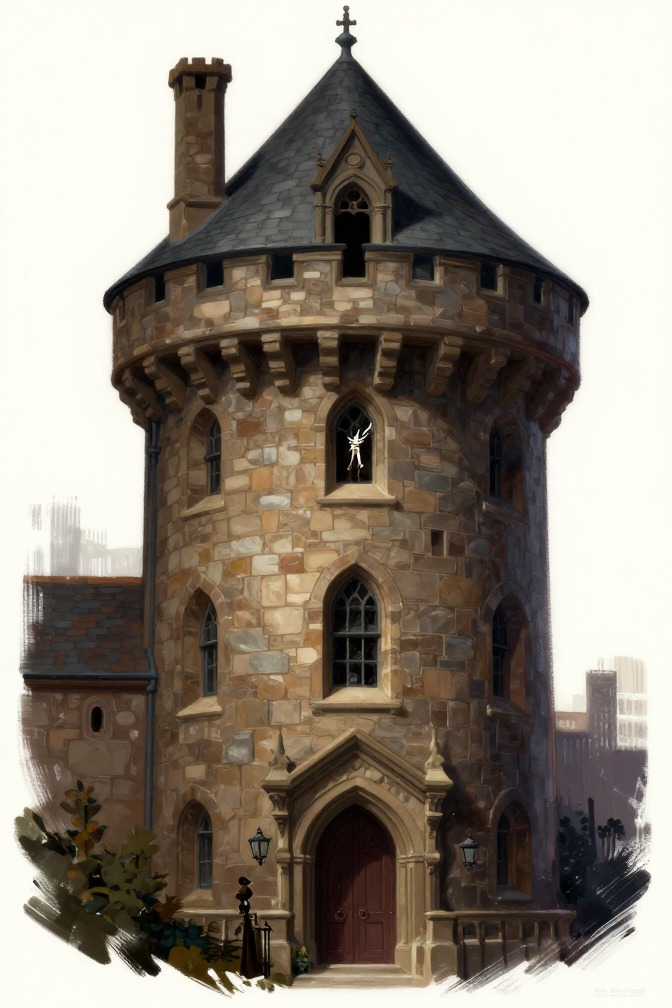
Harry Potter, riding the Hippogriff Buckbeak, rescues his godfather Sirius Black from the topmost tower of Hogwarts Castle, moments before the Dementors are to administer the fatal Kiss, thereby saving an innocent man and enabling his escape.
Peter Pettigrew transforms back into human form in the Shrieking Shack, revealing that Ron Weasley's pet rat Scabbers is actually the long-presumed-dead wizard who betrayed Harry's parents to Lord Voldemort.
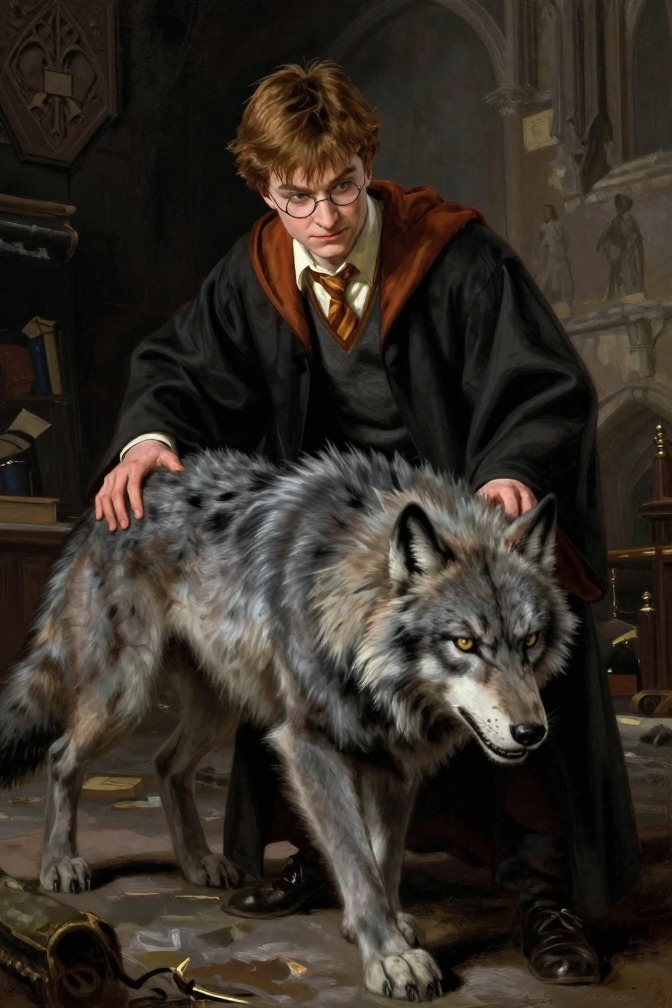
Remus Lupin's transformation into a werewolf under the full moon is the climactic revelation of his hidden identity and the central crisis of the Shrieking Shack confrontation, shattering the trust of Harry, Ron, and Hermione and forcing the truth about Sirius Black's innocence and Peter Pettigrew's survival into the open.
Sirius Black breaks into Gryffindor Tower on the night of the Gryffindor victory party, slashing Ron Weasley's bed curtains with a knife before fleeing, an event that exposes Neville Longbottom's loss of the passwords and triggers a tightening of school security.
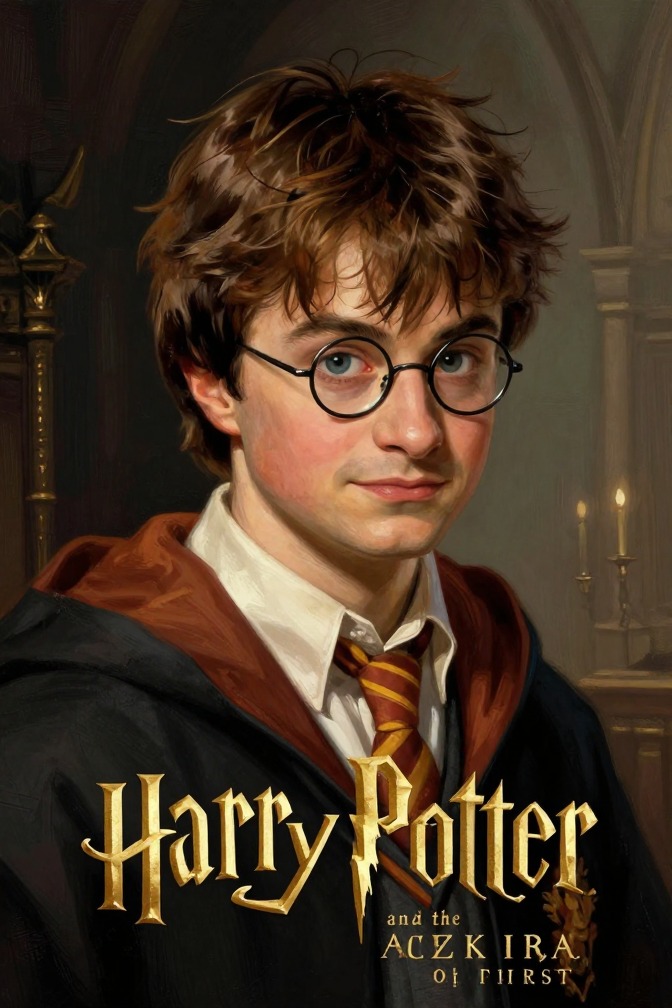
The Order of Merlin is a prestigious wizarding award granted by the Ministry of Magic, conferred in three classes to recognize exceptional achievement, heroism, or service to the magical community. In Harry Potter and the Prisoner of Azkaban, the Order of Merlin serves as a marker of official recognition, a source of bitter rivalry, and a symbol of how the Ministry's judgments can be manipulated by political influence and personal grudges.
Prophecy in Harry Potter and the Prisoner of Azkaban is a rare and genuine act of divination that dramatically alters the story's trajectory. Unlike the theatrical and often fraudulent predictions of Sybill Trelawney, this prophecy is delivered in a trance state and reveals the imminent return of Lord Voldemort through his servant, Peter Pettigrew. It functions as a crucial plot device, introducing a new layer of existential threat and setting the stage for the series' escalating conflict.
Quidditch is the most popular sport in the wizarding world, a high-speed, dangerous game played on broomsticks that serves as a central arena for competition, character development, and thematic conflict throughout Harry Potter and the Prisoner of Azkaban.
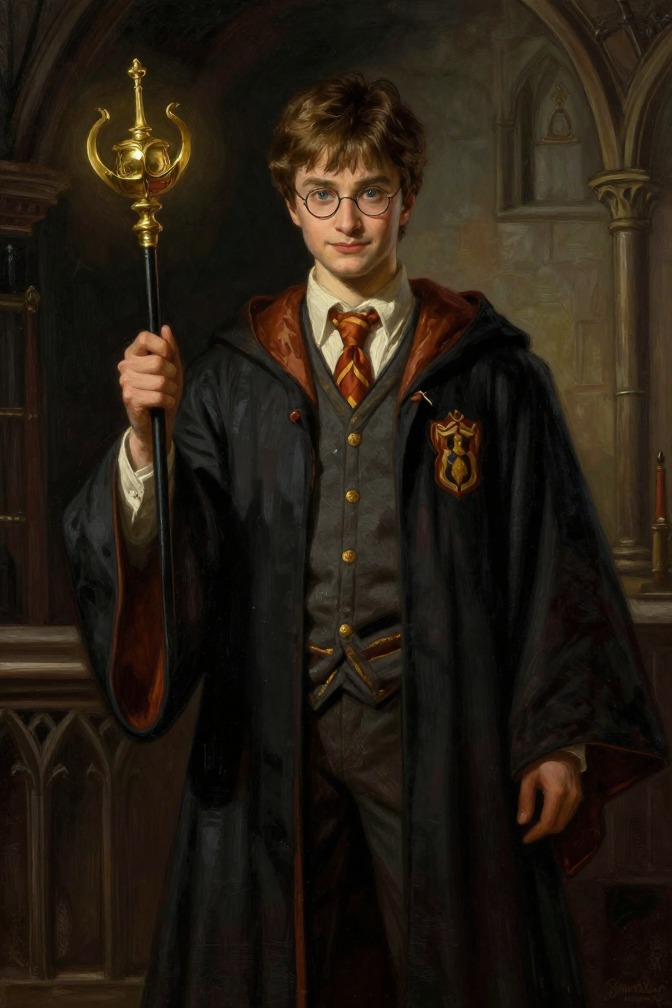
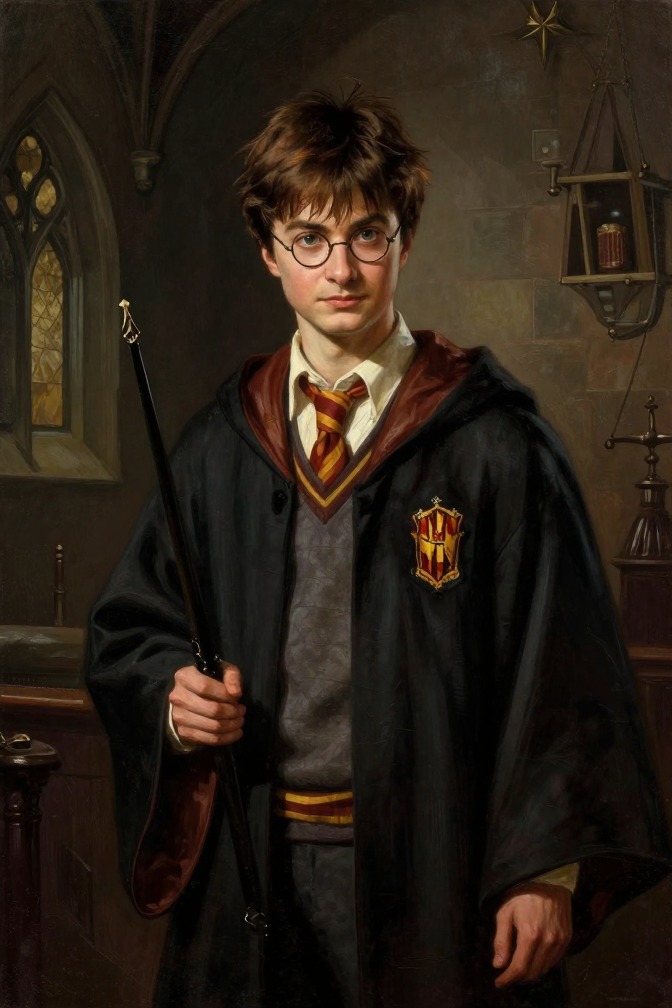
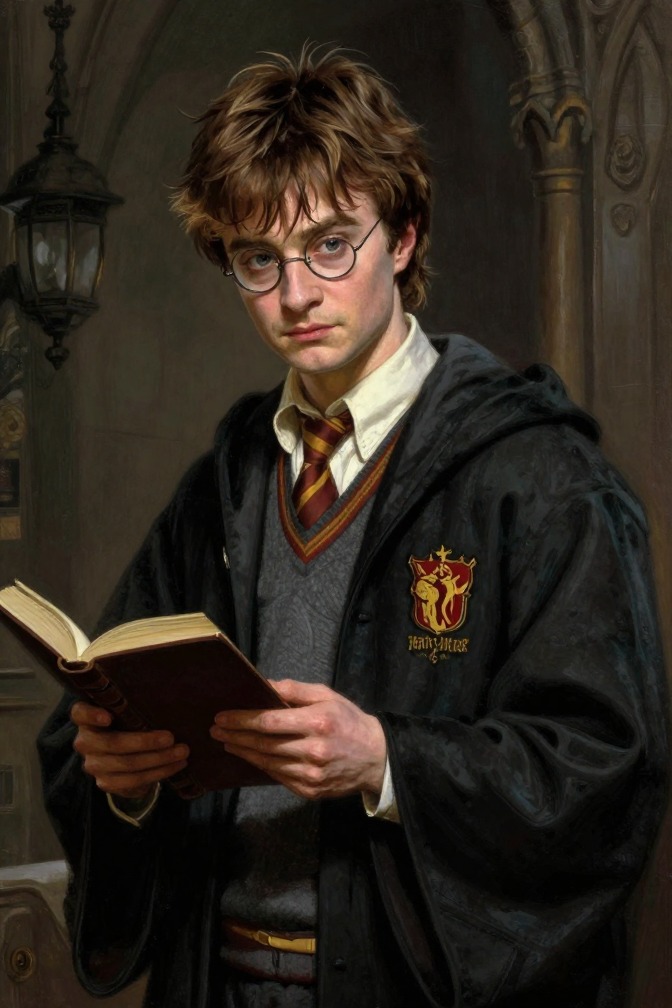
Expecto Patronum is the incantation for the Patronus Charm, a highly advanced defensive spell that conjures a positive, silver guardian to repel Dementors. Harry Potter learns this charm from Remus Lupin over several sessions, initially struggling because the Dementors force him to relive his parents' murder. He first produces a formless silver mist, then a cloudy Patronus, and finally, during a Quidditch match and later at the lake, a fully corporeal silver stag—the same animal his father, James Potter, became as an Animagus. The charm requires the caster to concentrate on a single, very happy memory, and its success is a measure of inner strength and hope.
Mischief managed is the deactivation phrase for the Marauder's Map, a magical document that reveals the entire Hogwarts castle and grounds, including the movements of every person within it. Uttered while tapping the parchment with a wand, the phrase instantly erases all the map's ink markings, returning it to the appearance of a blank, innocuous piece of parchment, thereby concealing its true nature from anyone who might confiscate it.
The Fidelius Charm is an immensely complex and powerful magical spell that conceals a secret within a single living soul, making it impossible to find unless the chosen Secret-Keeper voluntarily divulges the information. In Harry Potter and the Prisoner of Azkaban, the charm is central to the backstory of his parents' deaths, as their Secret-Keeper, Peter Pettigrew, betrayed them to Lord Voldemort, an act that set the entire plot of mistaken identity, pursuit, and redemption into motion.
Harry Potter's Hogsmeade ban is a central restriction in Harry Potter and the Prisoner of Azkaban, imposed by the Dursleys' refusal to sign a permission form and upheld by the Ministry of Magic and Hogwarts staff due to the threat from Sirius Black. This ban isolates Harry from his peers, fuels his resentment, and drives him to break school rules by using the Marauder's Map to visit Hogsmeade illegally, ultimately leading to his discovery of the truth about Black and Pettigrew.
Remus Lupin's lycanthropy is a central secret and driving force in Harry Potter and the Prisoner of Azkaban, shaping his past friendships, his present vulnerability, and his eventual resignation from Hogwarts. It explains his monthly disappearances, his shabby health, the creation of the Marauders, and the deep enmity with Severus Snape, while also serving as a powerful symbol of societal prejudice and the burden of a stigmatized identity.
September the first is the fixed date on which the Hogwarts Express departs from King's Cross Station, Platform Nine and Three-Quarters, at eleven o'clock, marking the official start of each new school year at Hogwarts School of Witchcraft and Wizardry. This date functions as the story's primary temporal anchor, a threshold that separates the Muggle summer world from the wizarding school year, and it is the occasion for the Sorting of new students, the return of returning students, and the first gathering of the entire school community in the Great Hall.
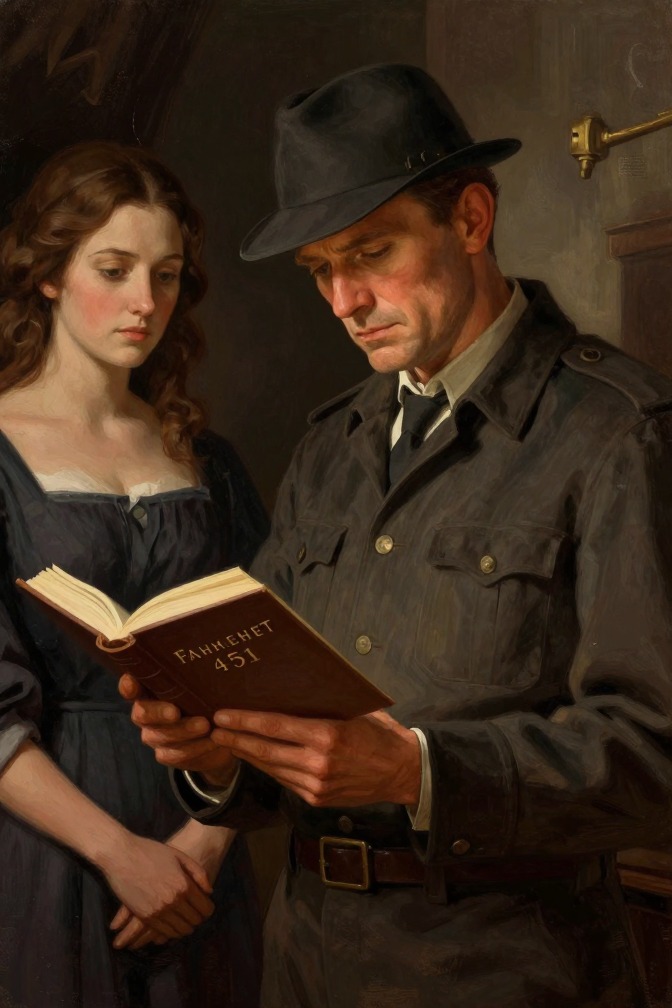
Montag reads Matthew Arnold's "Dover Beach" to his wife Mildred and her friends Mrs. Phelps and Mrs. Bowles, an act that shatters the evening's enforced gaiety and exposes the emotional emptiness beneath the society's compulsive happiness.
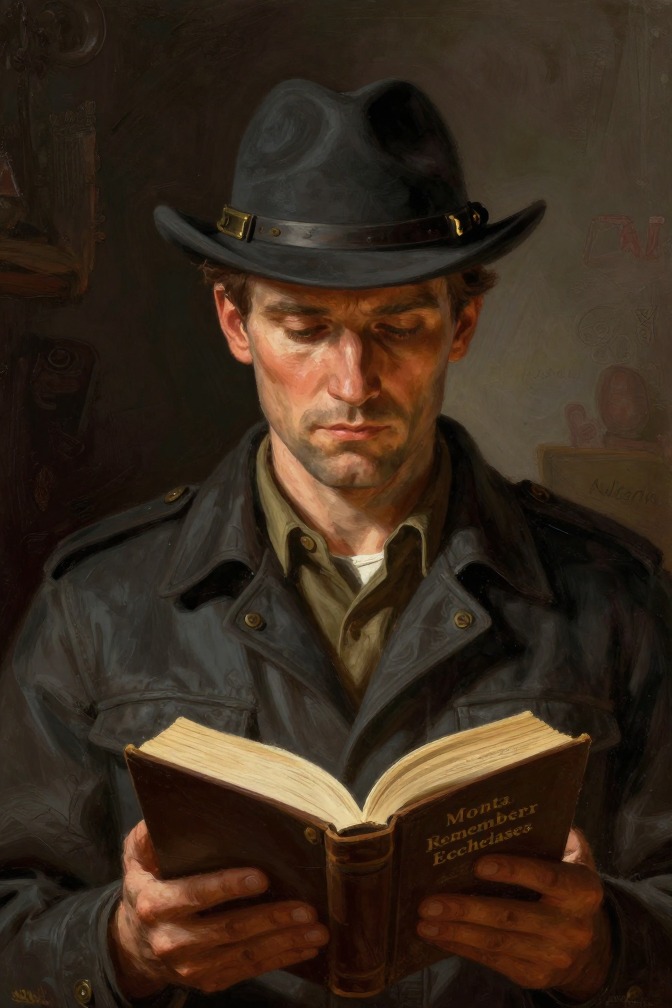
Montag remembers Ecclesiastes is a pivotal action in which Guy Montag, after the bombing of the city, recovers the text of the Book of Ecclesiastes from his memory, transforming him from a fugitive fireman into a living repository of forbidden knowledge and marking his final integration into Granger's group of book-people.
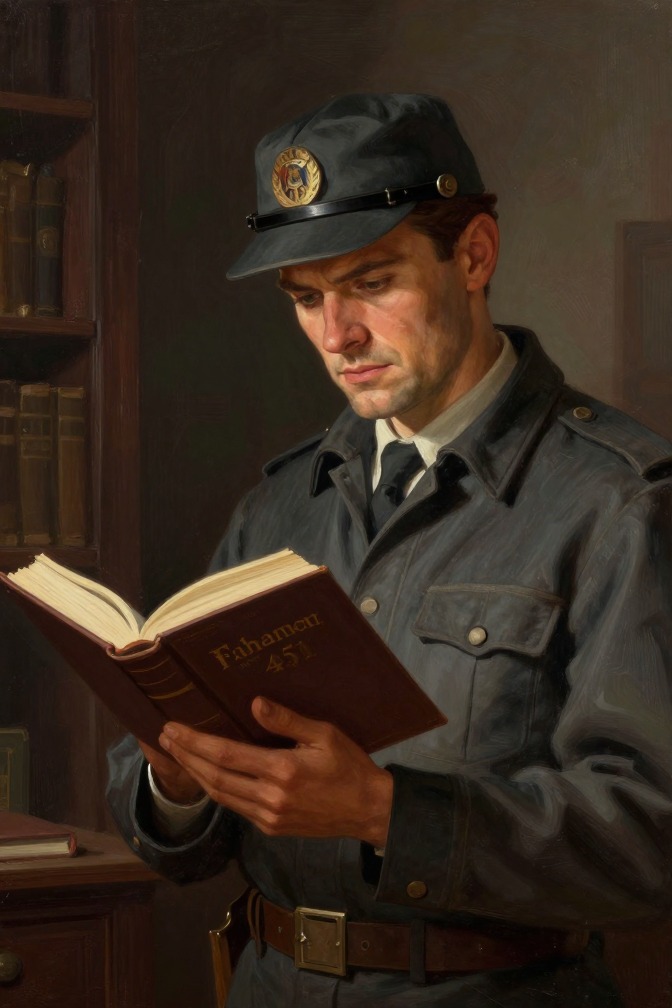
Montag steals a book during a fire raid, an impulsive act that marks his first concrete step toward rebellion and sets the entire plot of Fahrenheit 451 in motion.
Captain Beatty is the erudite and cynical fire chief who serves as the primary antagonist in Fahrenheit 451, embodying the intellectual and moral contradictions of a society that has outlawed books in the name of happiness. A voracious reader himself, Beatty uses his knowledge not to enlighten but to enforce conformity, making him a uniquely dangerous figure who understands the very thing he destroys.