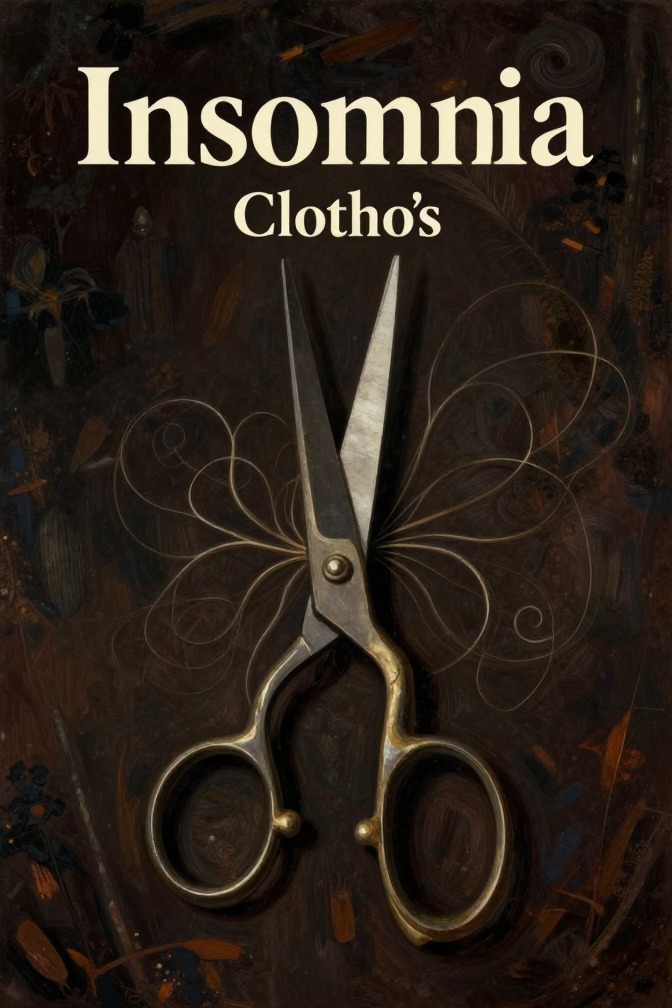
Clotho's Scissors are the long-bladed shears carried by the little bald doctor Clotho, one of the two agents of the Purpose who serve as physicians of last resort. They are the instrument by which he and his partner Lachesis sever the balloon-strings (life-cords) of those whose time has come, performing purposeful death with love and respect. The scissors also become the medium through which a higher power ratifies Ralph Roberts's bargain to trade his life for Natalie Deepneau's, and after Ralph's death, they absorb a remnant of his aura, allowing Clotho and Lachesis to give Lois a final vision of peace.
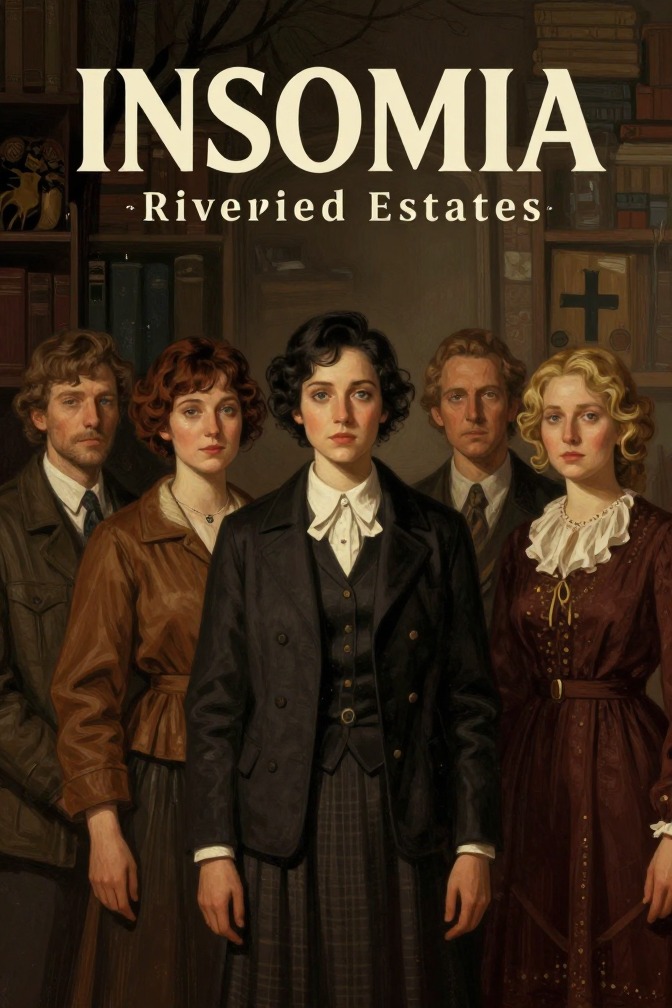
Riverview Estates is a retirement home in Bangor, Maine, that becomes a symbol of the loss of autonomy and the institutionalization of old age in Stephen King's Insomnia. It is the place Lois Chasse's son and daughter-in-law try to pressure her into moving to, using a doctor's breach of confidentiality as leverage.
Argus Filch is the cantankerous, Squib caretaker of Hogwarts School of Witchcraft and Wizardry, whose bitter enforcement of school rules and reliance on his cat, Mrs. Norris, make him a figure of both menace and pathos in a world of magic he cannot access.
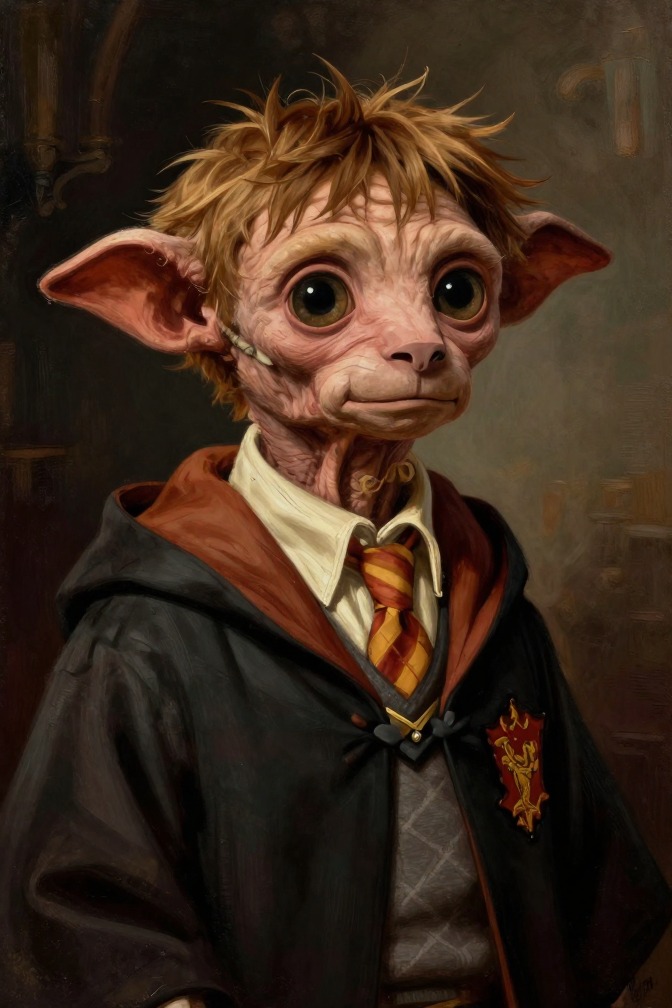
Dobby is a free house-elf who, after being freed from the Malfoy family, becomes a loyal and courageous ally to Harry Potter, ultimately sacrificing his life to save Harry and his friends.
Gawain Robards is the Head of the Auror Office who succeeds Cornelius Fudge as Minister of Magic, a position he uses to attempt to co-opt Harry Potter as a symbol of Ministry authority while simultaneously pursuing a hardline security agenda that includes the controversial detention of Stan Shunpike.
Gregory Goyle is a Slytherin student at Hogwarts, a constant but dim-witted sidekick to Draco Malfoy, whose primary role in the sixth year is to serve as a lookout and, under Polyjuice Potion, a disguised guard for Malfoy's secret activities in the Room of Requirement.
Peter Pettigrew, also known as Wormtail, is a former friend of James Potter, Sirius Black, and Remus Lupin who betrayed them to Lord Voldemort, becoming a Death Eater and the secret-keeper who framed Sirius for his own crimes. His cowardice and servility define his role in the sixth year, where he is reduced to a menial assistant to Severus Snape, living in fear of his master's displeasure while his past treachery continues to shape the present conflict.
Uncle Vernon Dursley, Harry Potter's Muggle uncle, is a blustering, prejudiced, and authoritarian figure who provides Harry with a miserable home but grudgingly maintains the magical protection of his mother's sacrifice by allowing him houseroom until he comes of age.
Centaurs are a sentient, half-human, half-horse species inhabiting the Forbidden Forest at Hogwarts, known for their deep connection to astronomy, divination, and a strict code of non-interference in human affairs. In Harry Potter and the Half-Blood Prince, they serve as a powerful counterpoint to human-centric magic, embodying a form of wisdom that is both ancient and alien, and their actions—particularly their attack on Dolores Umbridge and their silent tribute at Albus Dumbledore's funeral—underscore the novel's themes of prejudice, the limits of power, and the natural world's response to tyranny.
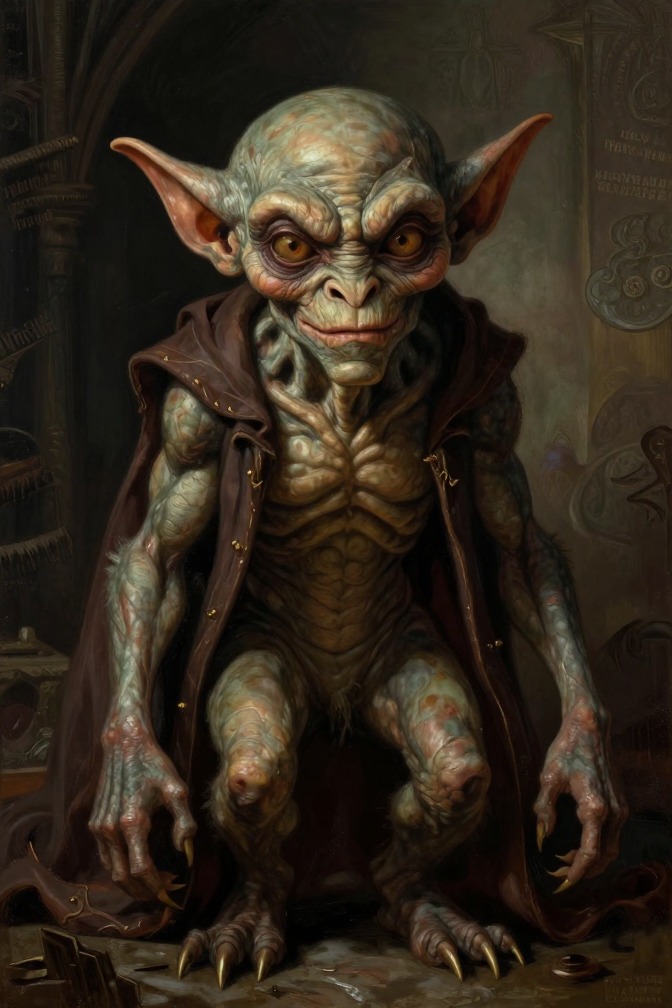
Goblins are a highly intelligent, gold-obsessed, and fiercely independent magical race in the wizarding world, who control the wizarding bank Gringotts and maintain a tense, often adversarial relationship with the wizarding authorities, a dynamic that becomes increasingly significant in the escalating conflict of the sixth year.
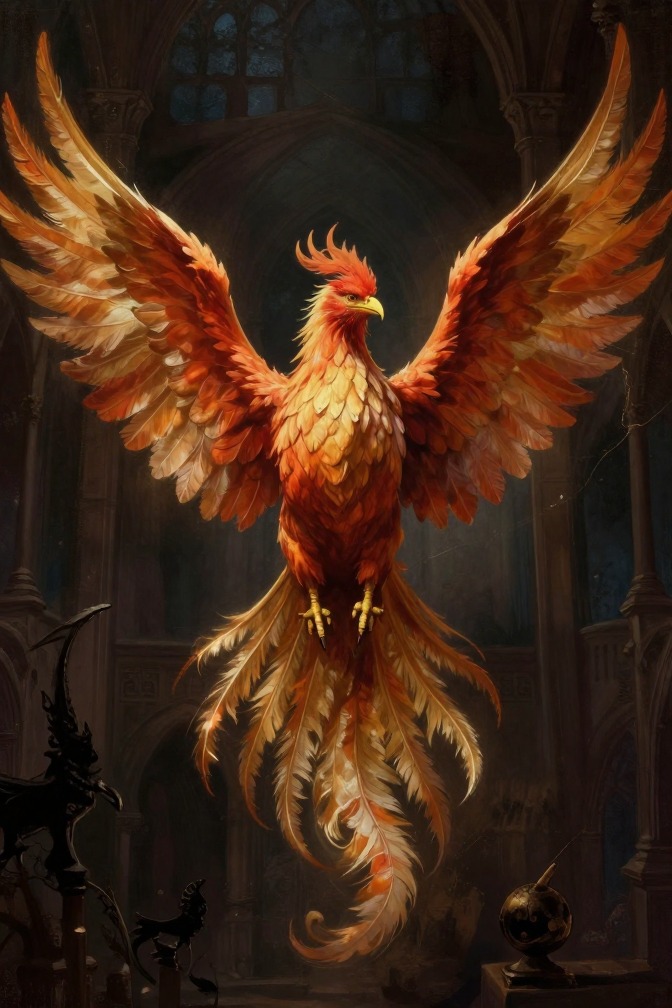
The phoenix is a legendary magical bird of great power and significance, serving as a loyal companion and messenger to Albus Dumbledore. Its tears possess healing properties, its song brings comfort in times of grief, and its life cycle of burning and rebirth symbolizes hope and renewal. In Harry Potter and the Half-Blood Prince, the phoenix Fawkes plays a crucial role, from his silent presence in Dumbledore's office to his mournful lament after Dumbledore's death, marking the end of an era and the beginning of Harry's solitary quest.
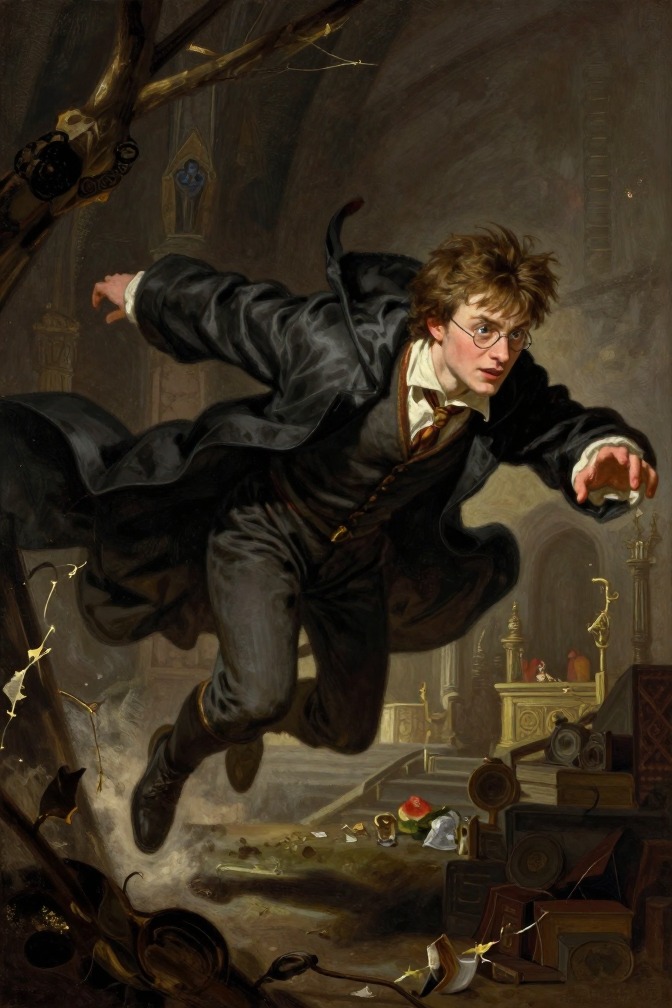
The Flight of the Prince is the harrowing sequence immediately following Dumbledore's murder on the Astronomy Tower, in which Harry Potter, freed from Dumbledore's Body-Bind Curse, pursues Severus Snape and Draco Malfoy through the castle and across the grounds, only to be confronted, disarmed, and humiliated by Snape, who reveals himself as the Half-Blood Prince before escaping beyond the school boundaries.
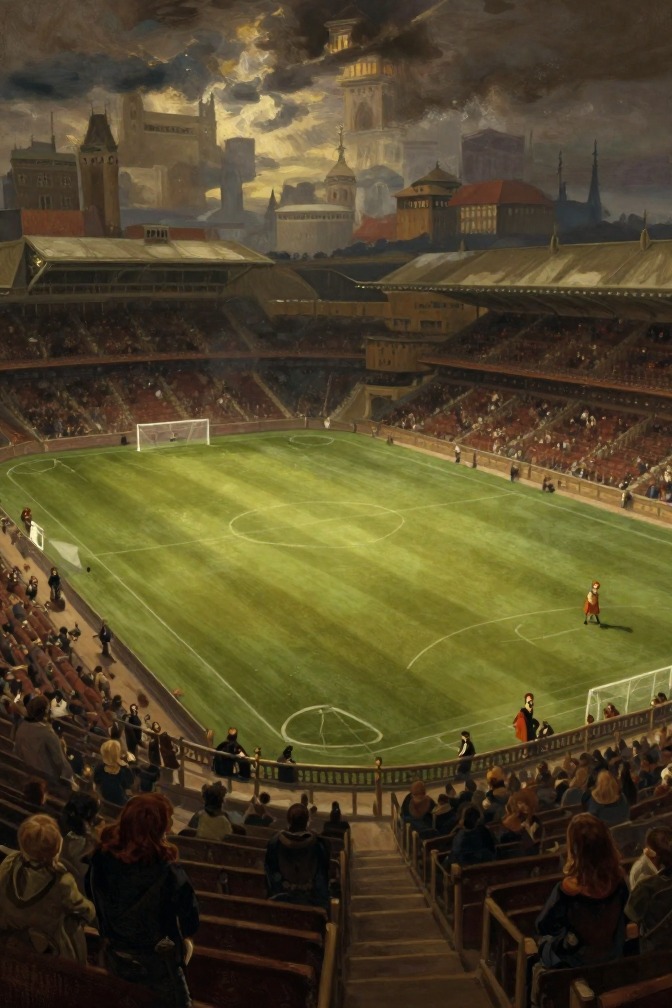
The Quidditch Pitch at Hogwarts School of Witchcraft and Wizardry is the central arena for the school's inter-house Quidditch matches, a site of athletic competition, team identity, and personal triumph, but also a stage for dangerous accidents, strategic manipulation, and the emotional highs and lows of its players, particularly during Harry Potter's tenure as Gryffindor Captain in his sixth year.
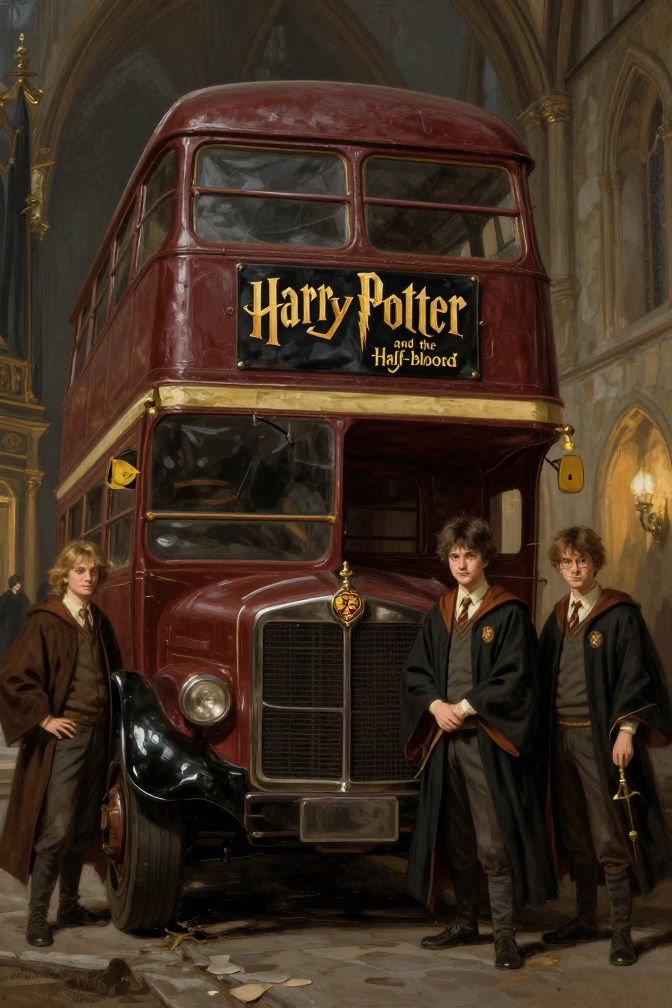
The Knight Bus is a magical triple-decker purple-and-crimson vehicle that transports stranded witches and wizards through Muggle Britain, operated by the Ministry of Magic and known for its erratic driving and low-cost fares. Its conductor, Stan Shunpike, becomes a controversial figure in the sixth year when he is arrested on suspicion of Death Eater activity, an event that highlights the Ministry's panicked and often unjust security measures during the Second Wizarding War.
An Occlumens is a wizard or witch who practices the magical art of Occlumency, the systematic closing of the mind against external magical intrusion, particularly Legilimency. In the world of Harry Potter, Occlumency is a rare and highly advanced skill that allows its practitioner to shield their thoughts, emotions, and memories from being read or influenced by others, making it a crucial tool for spies, double agents, and anyone who must keep dangerous secrets from Lord Voldemort and his followers.
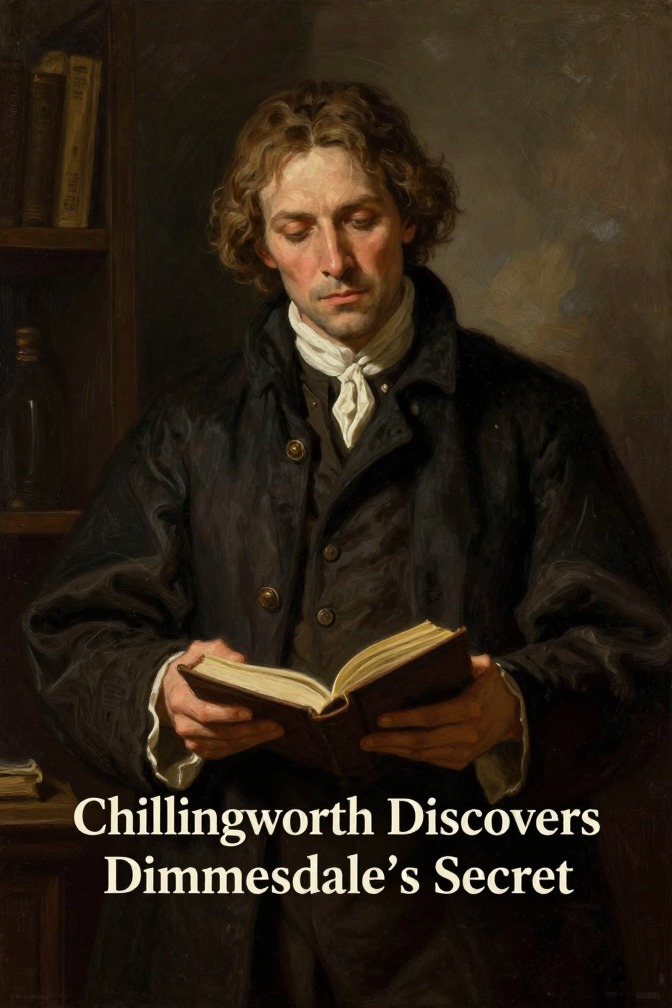
Chillingworth Discovers Dimmesdale's Secret is the pivotal moment when Roger Chillingworth, having long suspected Arthur Dimmesdale of being Hester Prynne's secret lover, finally confirms his suspicion by seeing a mark on the minister's chest while Dimmesdale sleeps, transforming the physician's quest for truth into a diabolical campaign of psychological torture.
Roger Chillingworth's death and bequest mark the final dissolution of his vengeful purpose and the material liberation of Pearl, transforming the demon-child into the richest heiress in New England and severing the last legal tie binding Hester to her past.
Hester Prynne returns to her cottage by the sea-shore after many years abroad, resumes the scarlet letter of her own free will, and lives out her remaining days in New England as a counselor to troubled women, dying and being buried near Arthur Dimmesdale under a shared tombstone bearing the scarlet letter.
The Scarlet Letter Punishment is the sentence imposed on Hester Prynne by the Puritan magistrates of Boston, requiring her to stand on the scaffold for three hours and thereafter to wear a scarlet letter 'A' on her bosom for the remainder of her natural life. This punishment, which combines public humiliation with a permanent mark of shame, becomes the central symbol of the novel and the defining condition of Hester's existence, shaping her identity, her relationships, and her eventual transformation from an outcast into a figure of communal reverence.
The Basilisk Revelation is the pivotal moment in Harry Potter and the Chamber of Secrets when Harry, Ron, and Hermione finally identify the monster of the Chamber of Secrets as a Basilisk, a giant serpent whose deadly gaze and venomous fangs have been petrifying victims. The revelation, triggered by a page torn from an old library book clutched in Hermione's petrified hand, explains the mysterious voice only Harry can hear, the spiders fleeing the castle, and the deaths of the roosters, and it sets the trio on the path to the Chamber's entrance.
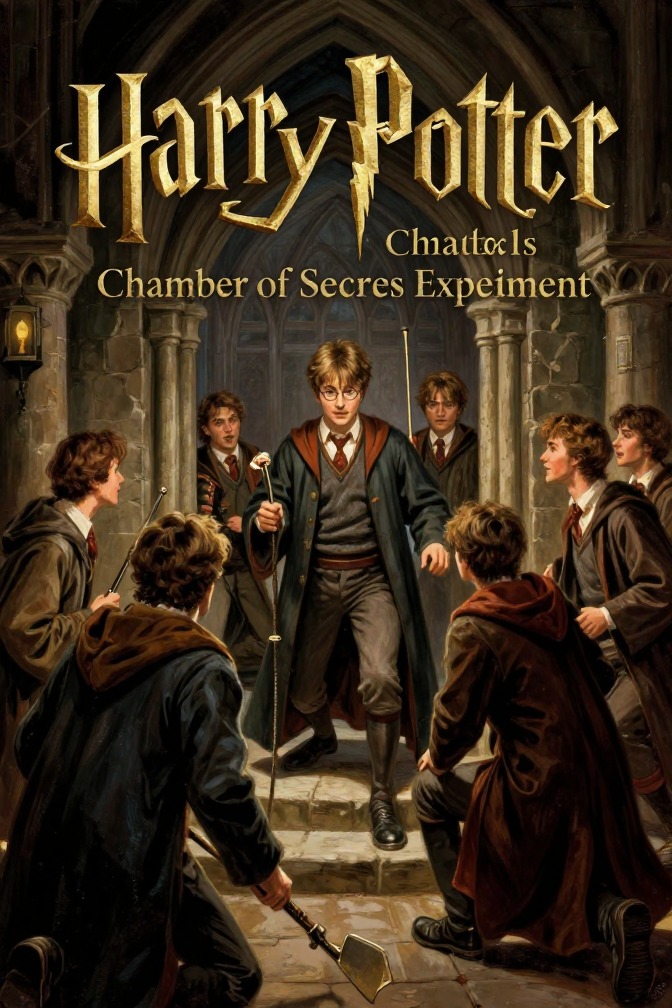
The Chamber of Secrets Expedition is the climactic descent into the hidden dungeon beneath Hogwarts, where Harry Potter, Ron Weasley, and a reluctant Gilderoy Lockhart enter the legendary Chamber to rescue Ginny Weasley and confront the basilisk and the memory of Tom Riddle.
Mrs. Medlock is the housekeeper at Misselthwaite Manor, a stout, sharp-eyed woman in a purple dress who is sent by Archibald Craven to fetch Mary Lennox from London and bring her to Yorkshire. She is a practical, no-nonsense servant who obeys her master's orders without question, but she also reveals key information about the manor's tragic history and the locked garden, and she becomes an unwitting enabler of the children's secret activities.
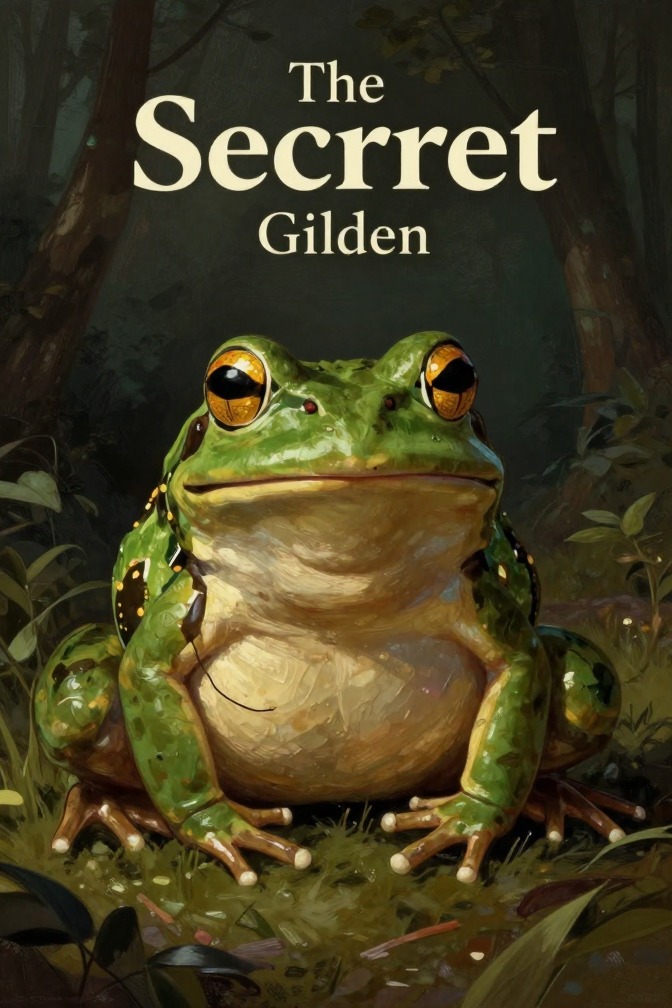
The frog is a minor creature in The Secret Garden, appearing briefly as part of the rich ecosystem of the secret garden that Colin Craven discovers and explores during his recovery.
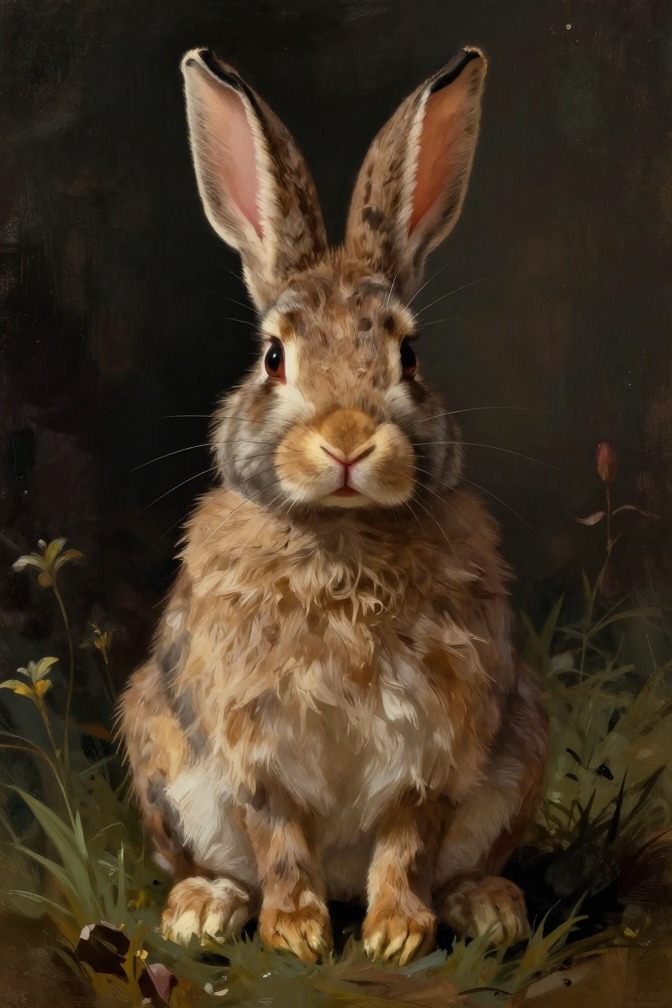
The rabbit is a wild creature of the moor that appears in the secret garden as part of the animal community drawn to Dickon Sowerby's gentle presence, illustrating the harmony between humans and nature that the garden fosters.
Colin Craven's first visit to the secret garden marks the climax of his physical and psychological transformation, as the hidden, overgrown garden he has only imagined becomes a tangible reality that awakens him to the possibility of life and health.
Mary Lennox arrives at Misselthwaite Manor, her uncle's vast, gloomy Yorkshire estate, after being orphaned by a cholera outbreak in India. The journey across the moor and the forbidding, hundred-room house, where she is met not by her uncle but by the housekeeper Mrs. Medlock and the old servant Mr. Pitcher, who instructs that Mr. Craven does not wish to see her, establishes the novel's central atmosphere of isolation, neglect, and hidden grief, and marks the beginning of Mary's transformative exile from her former life of privilege.
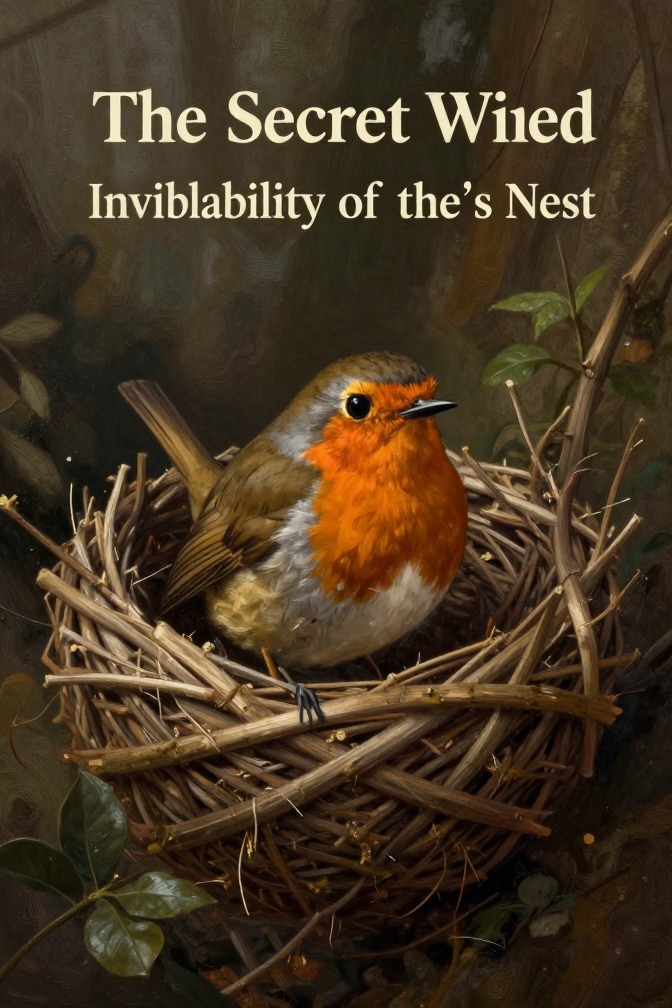
The Inviolability of the Robin's Nest is an unwritten but absolute rule that governs the behavior of everyone who enters the secret garden, establishing that the robin's nest and its eggs must never be disturbed, touched, or even approached too closely, and that any violation of this principle would destroy the happiness and harmony of the entire garden.
In the final scene of A Clockwork Orange, Alex, now eighteen and leading a new gang of droogs—Len, Rick, and Bully—finds himself bored, restless, and increasingly detached from the ultra-violence that once defined him. After a desultory evening of petty assault and drinking at the Duke of New York, he sends his droogs away and wanders alone through the winter streets, haunted by a vision of himself as an old man and by a newspaper clipping of a baby he cannot explain. A chance encounter with his former droog Pete, now married and settled, crystallizes a profound internal shift: Alex realizes he is growing up, that youth is a mechanical, clockwork phase, and that he must now seek a mate and a son. The scene ends with Alex walking off alone into the future, bidding farewell to the reader and to his own violent past.
Goodness and choice is the central philosophical concept of Anthony Burgess's A Clockwork Orange, explored through the novel's dramatization of whether a morally significant good can exist without the freedom to choose evil. The concept is tested by the Ludovico Technique, a conditioning treatment that forcibly suppresses violent impulses, and is debated by the prison chaplain, Alex himself, and the writer F. Alexander, each offering a different understanding of what it means to be good.
The Ludovico Technique Conditioning is the central event of Part Two of A Clockwork Orange, in which the teenage protagonist Alex is subjected to a state-sponsored aversion therapy designed to eliminate his capacity for violence and criminal behavior. Over a fortnight of forced film-viewing sessions, Alex is injected with a nausea-inducing drug and strapped into a chair with his eyes clamped open, forced to watch graphic depictions of violence, rape, and war while his body learns to associate those images with extreme physical sickness. The procedure succeeds in suppressing his violent impulses but also destroys his ability to enjoy music and sex, raising profound questions about free will, moral choice, and the nature of goodness.