The fumie test was a state-mandated ritual in Tokugawa Japan requiring suspected Christians to trample on an image of Christ or the Virgin to prove their apostasy, serving as the regime's primary instrument of religious surveillance and the central moral crisis of the novel.
The Sakoku (Seclusion Policy) was the Tokugawa Shogunate's systematic closure of Japan to most foreign contact and trade, enacted and intensified in the decades following the Shimabara Rebellion, and it forms the decisive political and historical framework within which the persecution of Christians in Shusaku Endo's *Silence* unfolds.
The Ninth Year of Enpo (1681) marks the death of Okada San'emon, the former Portuguese priest Sebastian Rodrigues, after decades of enforced residence in Edo, concluding his long arc of apostasy and quiet endurance under Tokugawa surveillance.
Christmas is a recurring liturgical feast in the novel, celebrated by the secret Christian communities in Japan as a marker of their hidden faith and as a time of clandestine worship, prayer, and communal gathering despite the threat of persecution.
The year 1579 marks the first visit of Alessandro Valignano to Japan, a pivotal moment in the Christian mission that shaped the country's religious landscape and set the stage for the conflicts depicted in Shusaku Endo's novel.
July 24, 1587, marks the moment when the Japanese regent Toyotomi Hideyoshi, in a sudden and violent rage, issued an expulsion decree against Christian missionaries, a pivotal act that initiated the systematic persecution of Christianity in Japan and set the stage for the century of suffering, apostasy, and cultural conflict depicted in Shusaku Endo's novel.
August 1644 marks a period of routine surveillance and escalating persecution in Nagasaki, as recorded in the diary of Jonassen, a clerk at the Dutch firm on Dejima. The month is dominated by the discovery of Christian objects, the interrogation of citizens, and the execution of a family who refused to apostatize, all witnessed by the apostate priests Christovao Ferreira and Sebastian Rodrigues. This period demonstrates the thoroughness of the Tokugawa Shogunate's anti-Christian apparatus and the compromised position of the former missionaries who now serve the magistrate's office.
May 6th marks the first major storm encountered by Rodrigues and Garrpe after departing Macao for Japan, a violent event that tests their endurance and foreshadows the greater trials ahead.
June 24th is the date on which the martyrdoms of Mokichi and Ichizo conclude, marking the culmination of the water punishment at Tomogi and the definitive silence of God in the face of prolonged suffering.
Lent is the Christian penitential season of forty days leading to Easter, observed by the crypto-Christians of Tomogi and other villages in Shusaku Endo's Silence as a period of fasting, prayer, and spiritual preparation, even in the absence of priests and under the threat of persecution.
Good Friday is the Christian commemoration of the crucifixion of Jesus Christ, a day that in Shusaku Endo's novel *Silence* becomes a central theological and emotional reference point for the protagonist Sebastian Rodrigues, who repeatedly measures his own suffering and the silence of God against the Passion narrative.
The Feast of Saint James, July 25, marks the day in 1638 when the ship Santa Isabella, carrying Sebastian Rodrigues, Francisco Garrpe, and Juan de Santa Marta, rounded the Cape of Good Hope during their perilous voyage from Lisbon to Japan.
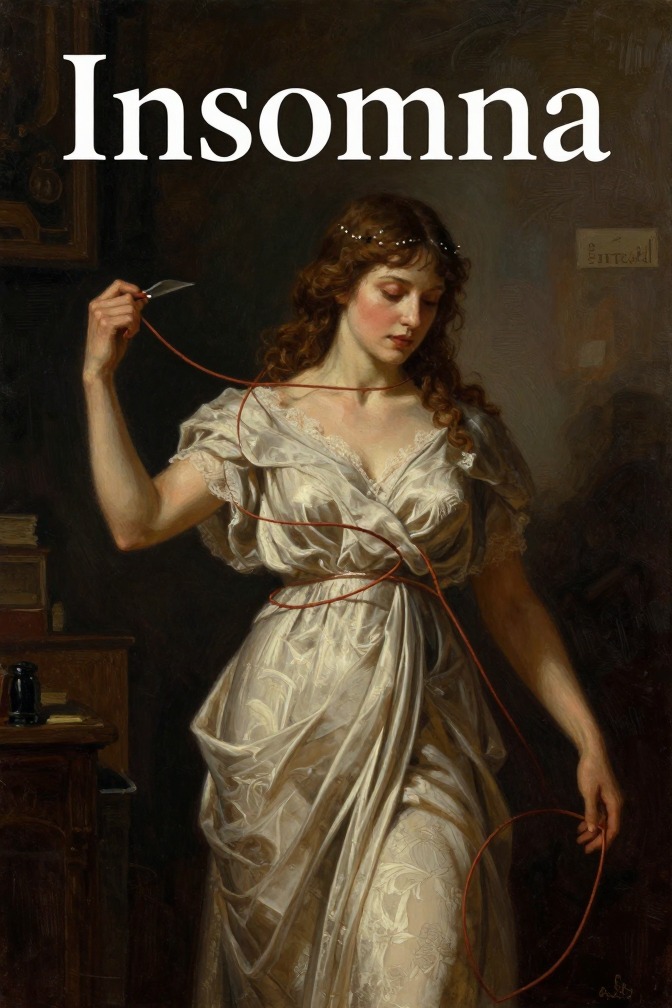
Atropos, the rogue agent of the Random, murders the stray dog Rosalie by severing her life-cord (balloon-string) with a rusty scalpel, an act that Ralph Roberts and Lois Chasse witness from a park bench in Strawford Park, marking a decisive escalation in their confrontation with the supernatural forces that have invaded Derry.
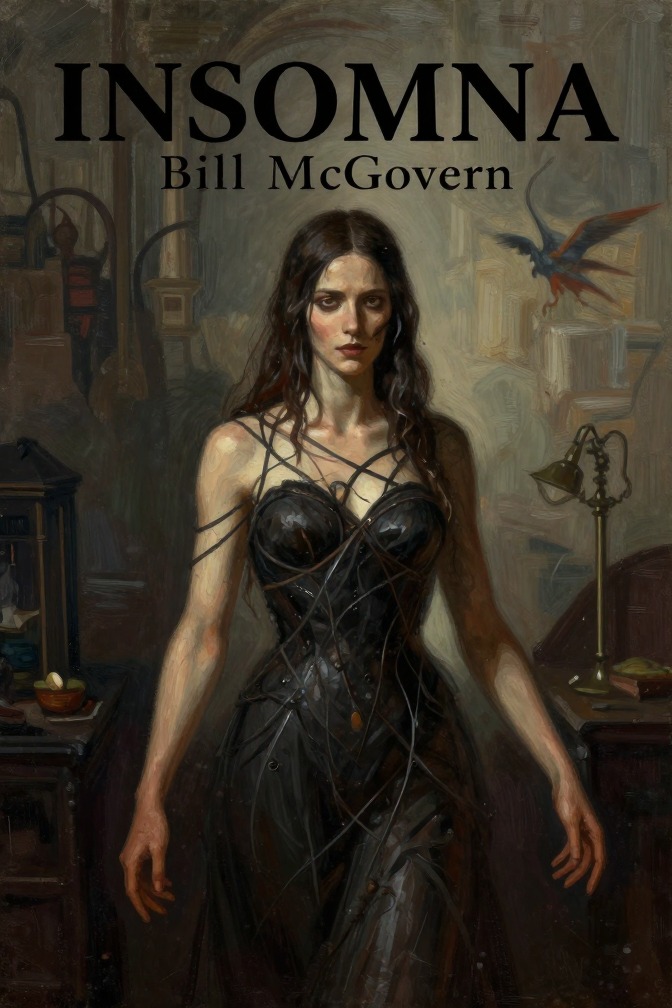
Atropos kills Bill McGovern, Ralph Roberts's downstairs neighbor and friend, by severing his life-cord (balloon-string) in the corridor of Derry Home Hospital shortly after Ralph and Lois Chasse witness McGovern's blackened aura and decaying balloon-string. The murder is a direct act of revenge against Ralph for interfering with Atropos's torment of the stray dog Rosalie, and it demonstrates the bald doctor's ability to strike at Ralph through those he cares about.
Ralph Roberts and Lois Chasse discover they can draw life-force energy from the auras of other people, a power that rejuvenates them physically but raises troubling questions about vampirism and morality.
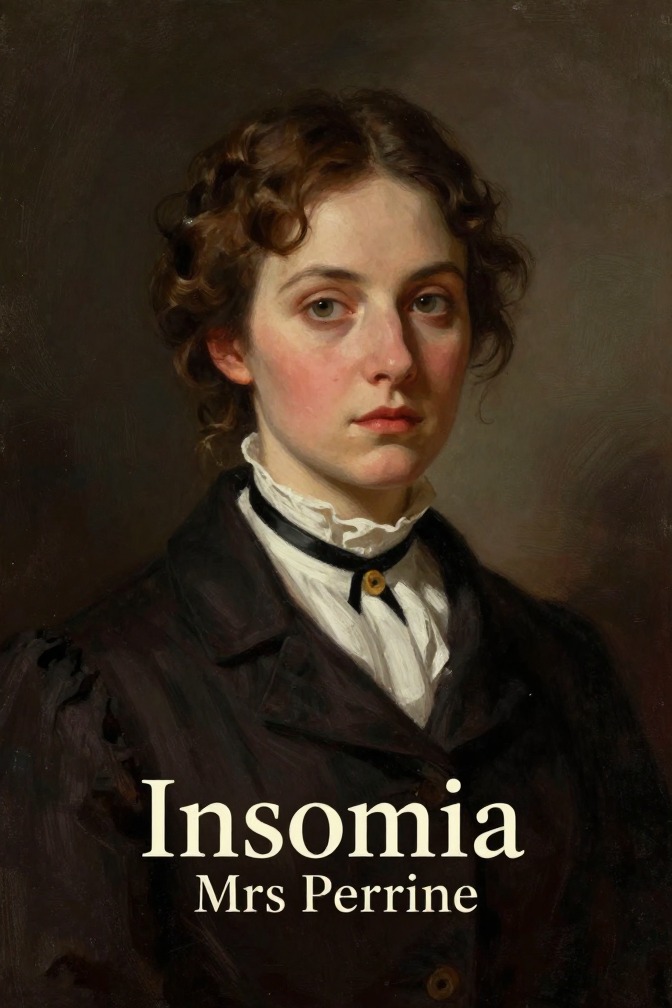
Mrs Perrine is a formidable elderly neighbor on Harris Avenue in Derry, known for her rigid posture, sharp tongue, and unwavering moral code. She serves as a foil to Ralph Roberts, embodying a stern, no-nonsense worldview that contrasts sharply with the supernatural events he experiences. Her brief interactions with Ralph reveal her as a pillar of the community, a woman of Christian duty who is both judgmental and unexpectedly kind, and whose presence anchors the story in the mundane reality from which Ralph is increasingly detached.
Natalie Deepneau, the infant daughter of Ed and Helen Deepneau, is a central figure in the novel's climactic conflict, serving as the innocent life whose fate becomes the ultimate test of Ralph Roberts's courage and the battleground between the forces of the Purpose and the Random. Her survival is the direct result of Ralph's final, sacrificial act.
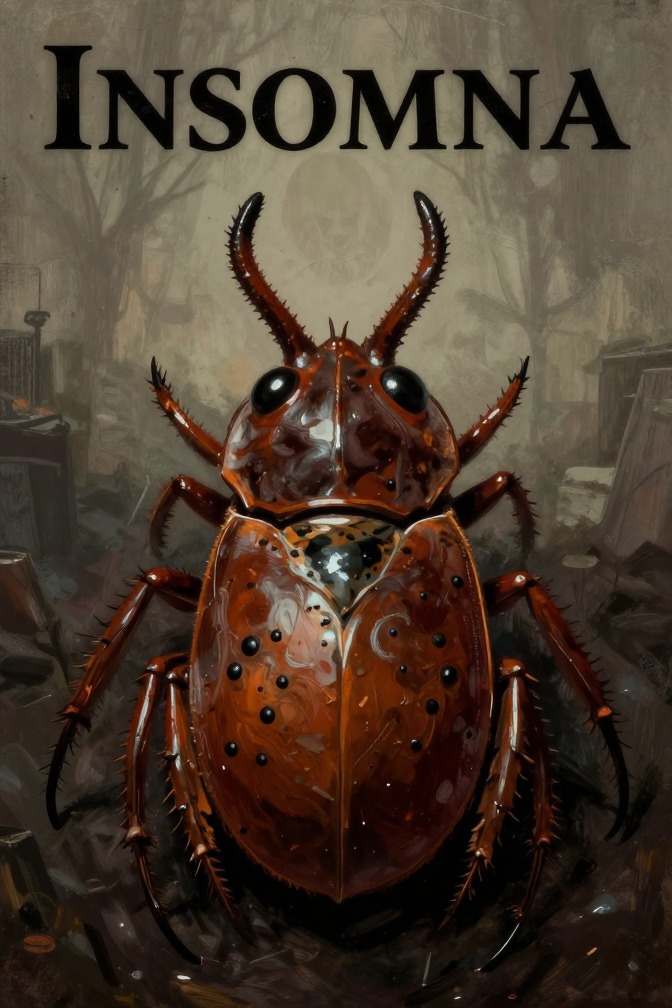
The Color-bugs are grotesque, trilobite-like creatures visible only to those who have ascended to the hyper-real level of perception. They swarm in vast numbers around the Derry Civic Center on the day of Susan Day's speech, feeding on the deathbag that envelops the building and crawling over the unsuspecting media and security personnel, serving as a visible manifestation of the impending catastrophe.
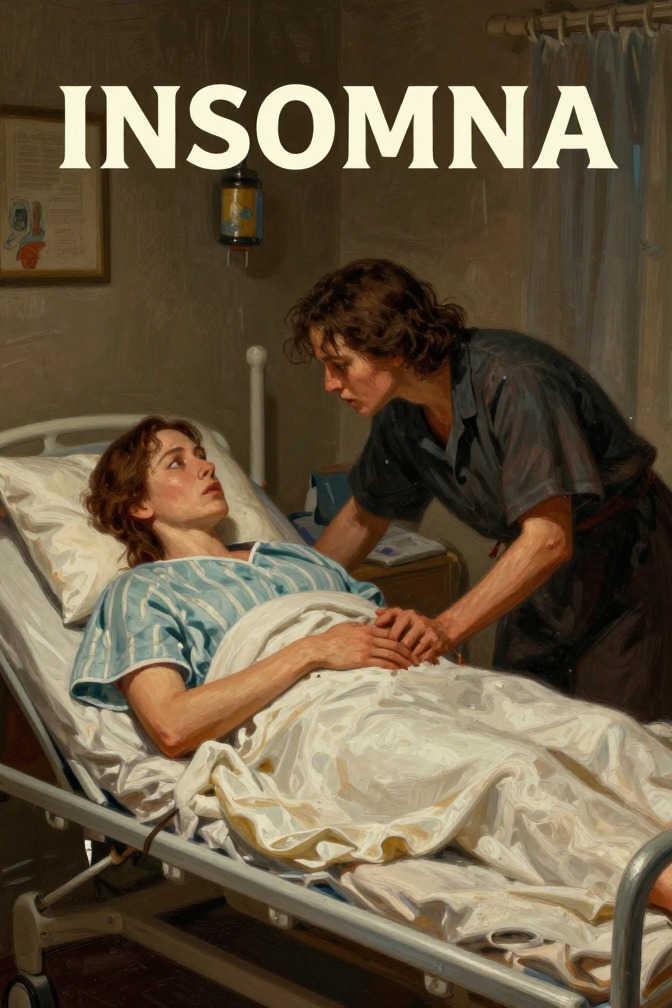
Carolyn Roberts' first seizure, occurring on the same day Ralph witnesses Ed Deepneau's violent road rage, marks the decisive turning point in her illness and forces Ralph to confront the reality of her impending death. The event shatters the fragile denial Ralph has maintained since Carolyn's diagnosis, plunging him into a nightmare of medical crisis, emotional devastation, and the first clear perception of the deathwatch that will haunt him.
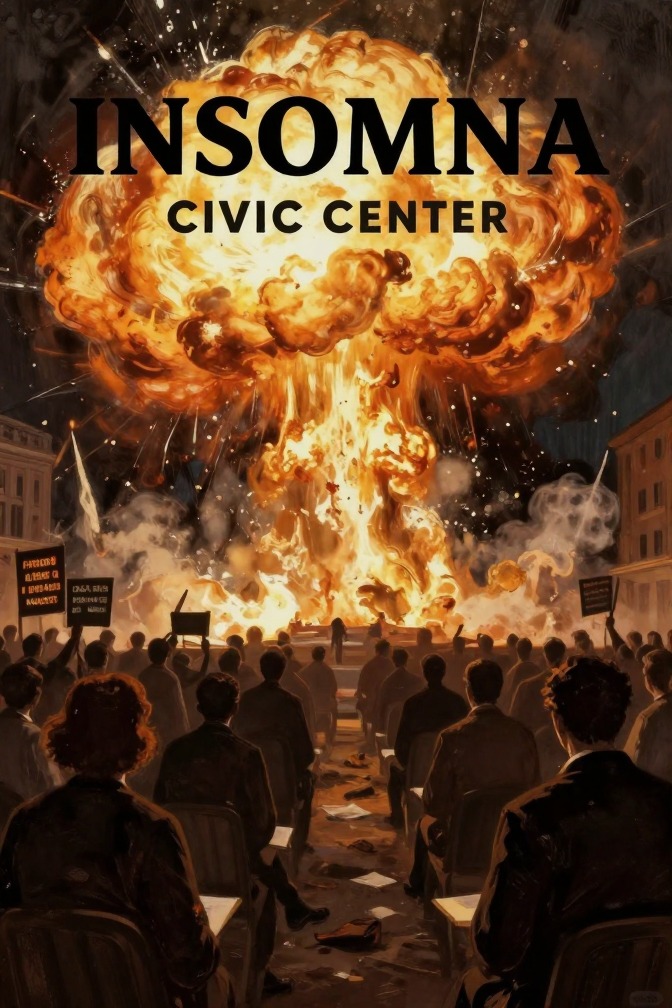
The Civic Center Explosion is the catastrophic climax of Stephen King's Insomnia, in which Ed Deepneau, a radicalized anti-abortion activist, crashes a small plane into the Derry Civic Center during Susan Day's speech. The attack kills Day and seventy-one others in the ensuing panic, but the death toll is far lower than the two thousand that the supernatural forces of the Purpose had foreseen, because Ralph Roberts's intervention—first by altering the plane's trajectory and then by sacrificing his own life to save Natalie Deepneau—partially averts the disaster. The event marks the violent resolution of the novel's central conflict between the Random and the Purpose, the final defeat of the rogue entity Atropos, and the moment of Ralph's heroic death.
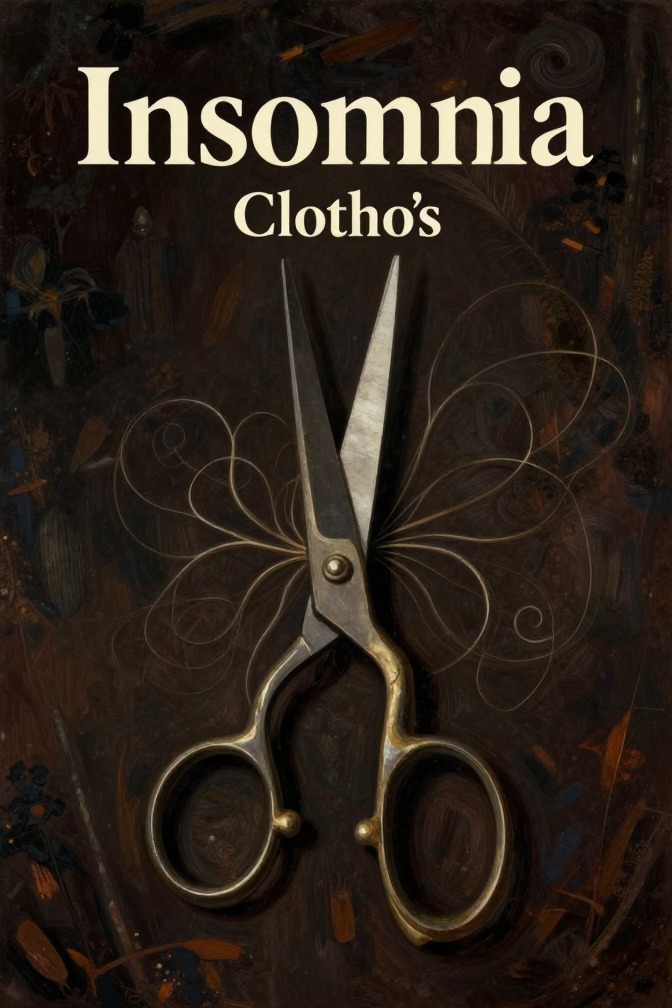
Clotho's Scissors are the long-bladed shears carried by the little bald doctor Clotho, one of the two agents of the Purpose who serve as physicians of last resort. They are the instrument by which he and his partner Lachesis sever the balloon-strings (life-cords) of those whose time has come, performing purposeful death with love and respect. The scissors also become the medium through which a higher power ratifies Ralph Roberts's bargain to trade his life for Natalie Deepneau's, and after Ralph's death, they absorb a remnant of his aura, allowing Clotho and Lachesis to give Lois a final vision of peace.
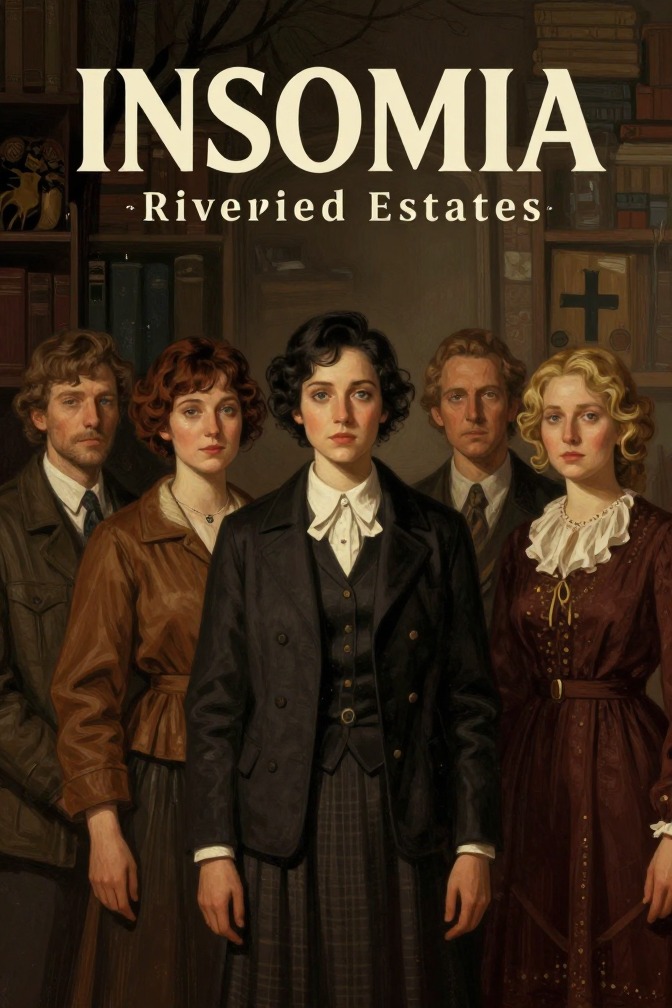
Riverview Estates is a retirement home in Bangor, Maine, that becomes a symbol of the loss of autonomy and the institutionalization of old age in Stephen King's Insomnia. It is the place Lois Chasse's son and daughter-in-law try to pressure her into moving to, using a doctor's breach of confidentiality as leverage.
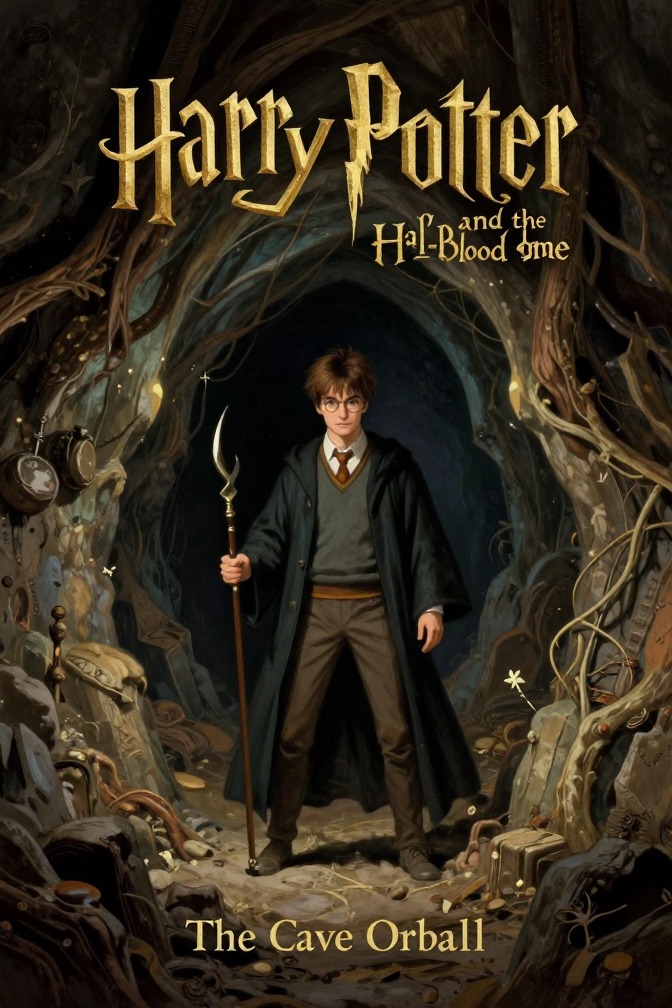
The Cave Ordeal is the harrowing climax of Harry Potter and the Half-Blood Prince, in which Albus Dumbledore and Harry travel to a seaside cave to retrieve what Dumbledore believes is one of Lord Voldemort's Horcruxes. The mission forces Dumbledore to drink a terrifying potion that resurrects his deepest regrets and leaves him fatally weakened, while Harry must defend them both from an army of Inferi. The ordeal ends in devastating failure: the locket they recover is a fake, and Dumbledore's subsequent death at the hands of Severus Snape seals the tragic cost of the night's work.
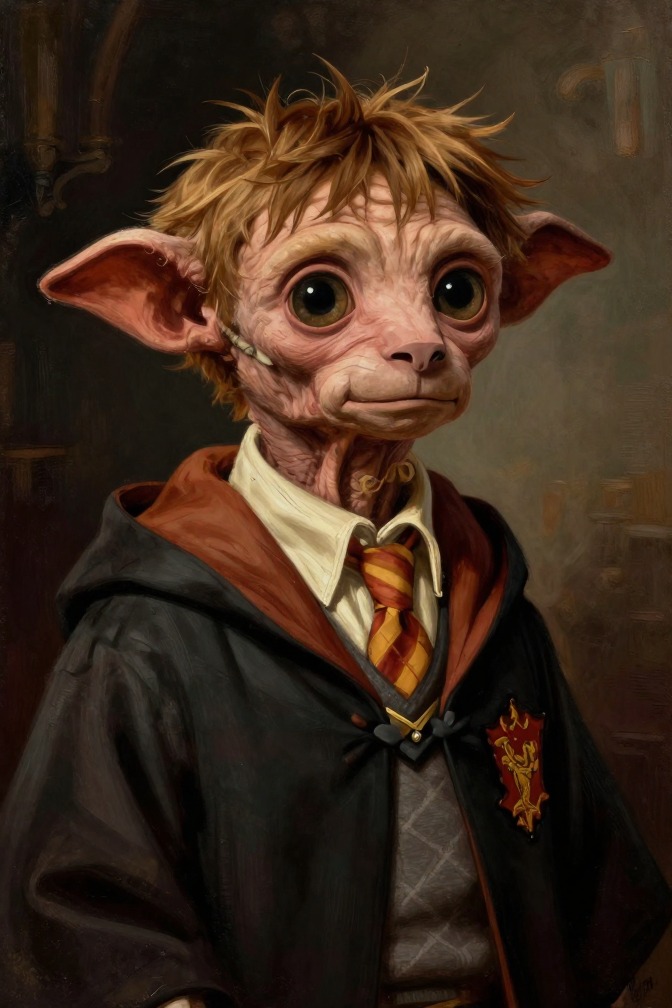
Dobby is a free house-elf who, after being freed from the Malfoy family, becomes a loyal and courageous ally to Harry Potter, ultimately sacrificing his life to save Harry and his friends.
Gawain Robards is the Head of the Auror Office who succeeds Cornelius Fudge as Minister of Magic, a position he uses to attempt to co-opt Harry Potter as a symbol of Ministry authority while simultaneously pursuing a hardline security agenda that includes the controversial detention of Stan Shunpike.
Gregory Goyle is a Slytherin student at Hogwarts, a constant but dim-witted sidekick to Draco Malfoy, whose primary role in the sixth year is to serve as a lookout and, under Polyjuice Potion, a disguised guard for Malfoy's secret activities in the Room of Requirement.
Peter Pettigrew, also known as Wormtail, is a former friend of James Potter, Sirius Black, and Remus Lupin who betrayed them to Lord Voldemort, becoming a Death Eater and the secret-keeper who framed Sirius for his own crimes. His cowardice and servility define his role in the sixth year, where he is reduced to a menial assistant to Severus Snape, living in fear of his master's displeasure while his past treachery continues to shape the present conflict.
Uncle Vernon Dursley, Harry Potter's Muggle uncle, is a blustering, prejudiced, and authoritarian figure who provides Harry with a miserable home but grudgingly maintains the magical protection of his mother's sacrifice by allowing him houseroom until he comes of age.
Giants are a race of enormous, violent humanoids in the wizarding world, historically allied with Lord Voldemort during his first rise to power and again during the Second Wizarding War, where their involvement in attacks on Muggles and their use as shock troops by the Death Eaters underscores the escalating brutality of the conflict.
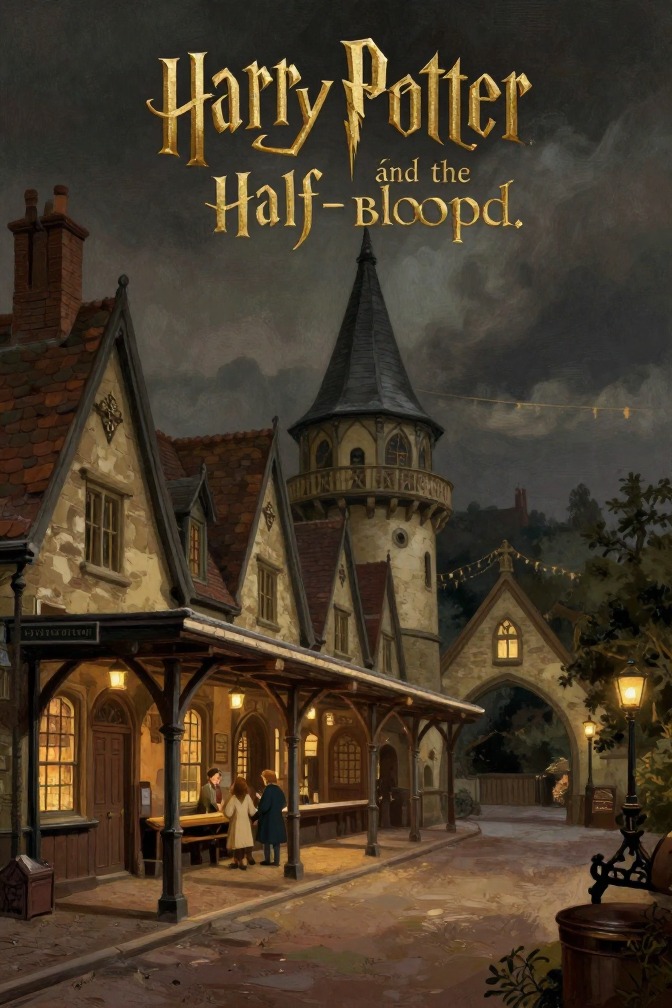
Hogsmeade Station is the railway terminus for Hogwarts School of Witchcraft and Wizardry, located in the village of Hogsmeade. It serves as the arrival and departure point for the Hogwarts Express, the train that transports students to and from the school at the start and end of each term. The station is a key threshold in the journey between the Muggle and wizarding worlds, and its surrounding landscape—a dark, deserted lane leading to the castle—becomes a site of tension and danger in the sixth year, as the security of the school is increasingly threatened.